
Share with AI


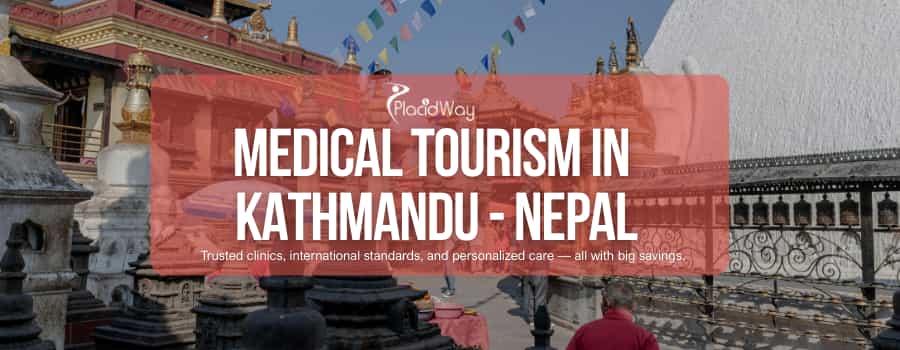
Kathmandu, the vibrant capital of Nepal, has long been known as a sanctuary for spiritual seekers and mountaineers. However, in recent years, it has quietly transformed into a burgeoning hub for global healthcare. Medical tourism in Kathmandu, Nepal is gaining rapid traction among international patients who are discovering that high-quality medical care doesn't have to come with a hefty price tag. With state-of-the-art multi-specialty centers and English-speaking medical professionals, the city offers a compelling alternative to expensive Western healthcare.
The rise of this sector is not accidental; it is backed by significant private investment in healthcare infrastructure and a growing number of surgeons returning home after training in the US, UK, and Europe. Recent data suggests a 15-20% year-on-year increase in international patients visiting Nepal, not just for trekking, but for treatments ranging from cosmetic surgery to complex orthopedics.
Kathmandu is home to some of South Asia's most advanced fertility centers, offering IVF success rates comparable to Europe but at nearly one-third of the cost.
Choosing to undergo a medical procedure abroad is a significant decision, but Kathmandu makes it easier by offering a serene environment for recovery. Unlike the sterile and often stressful atmosphere of Western hospitals, facilities here often incorporate the famous Nepali hospitality. Patients searching for affordable surgery in Kathmandu, Nepal often find that the compassionate care they receive is just as valuable as the financial savings.
Why Choose Kathmandu, Nepal for Your Medical Treatment?
The decision to travel for healthcare is driven by value, quality, and trust. Kathmandu excels in all three categories, offering a unique proposition for medical tourists. The primary driver is undoubtedly the cost-effectiveness, but the benefits extend far beyond just the bottom line. Patients have access to best hospitals in Kathmandu, Nepal which are equipped with modern diagnostic and surgical technology.
Furthermore, the waiting times in Kathmandu are negligible compared to countries with public health systems like Canada or the UK. You can typically schedule a consultation and surgery within a matter of days, not months. This efficiency is vital for patients suffering from conditions that affect their quality of life.
- Significant Cost Savings: Save up to 70-80% on procedures compared to the US or Australia, including travel costs.
- Western-Trained Specialists: Many senior consultants hold board certifications from international medical bodies.
- No Language Barrier: English is the primary language of instruction in medical schools in Nepal, ensuring clear communication.
- Holistic Recovery: Options to combine treatment with yoga, meditation, and wellness retreats in the Himalayas.
- Personalized Care: Nursing ratios are often higher, providing more attentive post-operative care.
- Easy Accessibility: Visa-on-arrival facilities for most nationalities make last-minute medical trips hassle-free.
According to recent tourism statistics, the average length of stay for medical tourists in Nepal is approximately 14 days, contributing significantly to the local economy while allowing ample time for post-op recovery.
Cost of Popular Medical Treatments and Procedures
Transparency in pricing is a cornerstone of the medical tourism industry in Nepal. The following table provides a detailed comparison of common procedures. These figures illustrate why so many patients are booking medical travel packages to Kathmandu. Please note that these are average estimates and can vary based on the complexity of the case and the specific facility chosen.
When reviewing these costs, remember that the lower price in Nepal does not reflect lower quality. It is a result of lower cost of living, lower wages for staff, and lower malpractice insurance costs compared to Western nations. This economic difference is passed directly to you as savings.
| Procedure Name (Sub-treatment) | Avg. Cost in Kathmandu ($) | Avg. Cost in USA/UK ($) |
|---|---|---|
| FUE Hair Transplant (2500 Grafts) | $1,800 - $2,500 | $10,000 - $15,000 |
| Total Knee Replacement (Unilateral) | $4,500 - $6,000 | $35,000 - $50,000 |
| Total Hip Replacement | $5,500 - $7,000 | $40,000 - $60,000 |
| LASIK Eye Surgery (Both Eyes) | $800 - $1,200 | $4,000 - $5,000 |
| IVF Cycle (Standard) | $3,000 - $4,000 | $12,000 - $15,000 |
| Dental Implant (Titanium + Crown) | $600 - $900 | $3,000 - $5,000 |
| Rhinoplasty (Nose Job) | $1,500 - $2,500 | $6,000 - $10,000 |
| Liposuction (Abdomen) | $1,200 - $2,000 | $4,000 - $8,000 |
| Breast Augmentation | $2,500 - $3,500 | $6,000 - $12,000 |
| Cataract Surgery (Phacoemulsification) | $500 - $800 | $3,500 - $5,000 |
| Spinal Fusion Surgery | $6,000 - $9,000 | $80,000 - $100,000 |
| Stem Cell Therapy (Orthopedic) | $2,000 - $4,000 | $10,000 - $25,000 |
| Gastric Sleeve (Weight Loss) | $5,000 - $7,000 | $15,000 - $25,000 |
Prices listed are for the procedure only. Always budget an additional 15-20% for pre-op tests, medication, and potential extended hospital stays.
How Medical Tourism Works in Kathmandu
Navigating the medical tourism landscape in a new country can feel daunting, but the process is actually quite structured. By following a systematic approach, you can ensure a seamless journey from your initial inquiry to your flight back home. PlacidWay simplifies this journey for those seeking medical treatment in Kathmandu.
The key is preparation. The more information you provide upfront, the more accurate your treatment plan and cost estimate will be. Modern technology allows for virtual consultations, meaning you will know your doctor before you even board the plane.
- Initial Research: Identify your medical needs and browse PlacidWay for accredited providers in Kathmandu.
- Submit Records: Send your recent X-rays, MRI scans, and medical history to the provider for evaluation.
- Virtual Consultation: Have a video call with your potential surgeon to discuss the procedure and expectations.
- Receive Quote: Get a detailed treatment plan including costs, duration of stay, and recovery requirements.
- Travel Arrangements: Book your flights and apply for a visa (often available on arrival).
- Arrival & Procedure: Arrive in Kathmandu, undergo pre-op tests, and have your surgery.
- Recovery & Return: Rest in a hotel or recovery center, attend follow-ups, and fly home with fit-to-fly certification.
Scan and upload all your medical documents to a secure cloud storage before traveling. This ensures you have access to your records even if you lose the physical copies.
Top Medical Hubs Within Kathmandu
While Kathmandu is a single city, specific neighborhoods have developed as clusters for medical excellence. Understanding the geography of the city can help you choose the best location for your stay, balancing proximity to your hospital with access to amenities. The best medical centers in Kathmandu are often located in accessible areas.
These areas are generally well-connected to the airport and offer a variety of housing options for international patients. Whether you prefer the bustle of the tourist district or the quiet of diplomatic quarters, Kathmandu has suitable zones for every patient.
These are the diplomatic and upscale residential areas of Kathmandu. They are home to several embassies and some of the most prestigious teaching hospitals and private clinics. The area is quieter, cleaner, and offers high-end accommodation suitable for patients recovering from major surgeries like cardiac procedures or joint replacements.
While primarily known as the tourist hub, this area boasts excellent dental clinics and cosmetic surgery centers catering specifically to foreigners. If you are in Kathmandu for minor procedures like dental implants or LASIK, staying here keeps you close to restaurants, shops, and cultural sites.
Technically a separate city but physically merged with Kathmandu, Lalitpur is a hub for orthopedic and general surgery. It offers a slightly more relaxed pace than central Kathmandu and is known for its rich cultural heritage, providing a soothing environment for convalescence.
Patient Success Stories
Real experiences from real patients provide the best insight into what you can expect. Thousands of patients have successfully navigated their medical journeys in Nepal. Here are a few examples of how affordable medical care in Kathmandu has changed lives.
These stories highlight not just the successful surgical outcomes, but also the warmth and care provided by the Nepali medical teams.
Sarah's Knee Replacement Journey (Australia)
"I was facing a 12-month wait in Queensland for my knee surgery. I contacted PlacidWay and found a provider in Kathmandu. The total cost, including my flights and a week of sightseeing in the Pokhara valley post-recovery, was half of what I would have paid privately at home. The surgeon was British-trained and the facility was spotless."
David's Dental Makeover (USA)
"I needed four implants and full crowns. The quote in the US was astronomical. In Kathmandu, I got the entire work done for $4,500. The dentist used top-grade titanium implants. I experienced zero pain and the staff treated me like family."
Li Wei's Hair Transplant (China)
"The FUE procedure in Kathmandu was incredibly professional. The team was efficient, and the clinic was very modern. It's been six months, and the results are fantastic. Highly recommended for anyone looking for quality hair restoration."
Maria's Fertility Treatment (Spain)
"We struggled with IVF costs in Europe. Nepal gave us hope. The doctors were very transparent about success rates and didn't push unnecessary add-ons. We are now expecting our first child thanks to the wonderful team in Kathmandu."
Common Myths About Medical Tourism in Kathmandu
There are many misconceptions about healthcare in developing nations. It is essential to separate fact from fiction to make an informed decision about medical tourism in Kathmandu, Nepal.
- Myth: "Hospitals are dirty and unhygienic."
Fact: Private hospitals catering to international patients adhere to strict infection control protocols and sterilization standards comparable to Western facilities. - Myth: "Doctors are not well-qualified."
Fact: Many specialists in Kathmandu have completed fellowships in the US, UK, Australia, and India, bringing global expertise back home. - Myth: "Language will be a major barrier."
Fact: English is the medium of instruction for medical education in Nepal. Communication is rarely an issue in private healthcare settings.
Accreditations and Medical Standards
Quality assurance is critical when undergoing medical procedures abroad. In Nepal, the healthcare sector is regulated to ensure patient safety. When selecting a hospital for cosmetic surgery in Kathmandu or any other procedure, checking for accreditation is the first step in due diligence.
PlacidWay partners only with facilities that demonstrate a commitment to excellence and patient safety. We verify that our partners maintain valid licenses and adhere to best practices in medical care.
- • Nepal Medical Council (NMC): The regulatory body that licenses doctors and oversees medical education and ethics in Nepal.
- • ISO Certification: Many top private hospitals hold ISO 9001:2015 certification for quality management systems.
- • Ministry of Health and Population: All legitimate hospitals must be registered and regularly inspected by the government.
The Nepal Medical Council strictly enforces ethical guidelines, and doctors found negligent can face license suspension, ensuring a high level of accountability in the private sector.
Safety and Legal Considerations
Understanding the legal framework and safety protocols is essential for peace of mind. While Nepal is a safe destination, being informed about your rights as a medical tourist is important. Hospitals catering to international clients prioritize patient safety to maintain their reputation in the competitive medical tourism market.
Regarding malpractice, Nepal has laws in place to protect patients, though the legal process can be different from Western countries. Most reputable hospitals have internal patient grievance redressal committees to resolve issues quickly and amicably.
- • Consent Forms: Read all consent forms carefully. They should be in English and clearly explain the risks of the procedure.
- • Medical Records: You have the legal right to copies of all your medical reports, discharge summaries, and imaging.
- • Payment Transparency: Ensure you receive official receipts for all payments made to the hospital or clinic.
Cost of Living for Medical Tourists
One of the biggest advantages of choosing Kathmandu is the incredibly low cost of living. Your budget stretches much further here, allowing you to enjoy a comfortable, even luxurious, stay during your recovery. Whether it is food, transport, or accommodation, prices are significantly lower than in the West.
This affordability allows patients to bring a companion along without breaking the bank, or to extend their stay for a "medical vacation."
- Accommodation: 3-star hotels range from $25-$40 per night; 5-star luxury hotels range from $100-$180 per night.
- Food: A meal at a mid-range restaurant costs $5-$8. A fine dining experience is around $15-$25.
- Transportation: Taxis are plentiful. A 5km ride typically costs less than $5. Ride-sharing apps like Pathao are also available.
- Communication: A SIM card with a generous data package (4G) costs around $5-$10 for a month.
How to Plan Your Medical Trip to Kathmandu
Planning a medical trip requires attention to detail. From visas to packing, getting the logistics right ensures you can focus entirely on your health once you arrive. Kathmandu is a tourist-friendly city, and the administrative processes are generally straightforward.
To help you prepare, we have outlined the essential steps for planning your journey to medical tourism in Kathmandu, Nepal.
- Visa Arrangements: Nepal offers 'Visa on Arrival' for citizens of most countries at Tribhuvan International Airport. Fees range from $30 (15 days) to $125 (90 days).
- Flight Booking: Book flights to Kathmandu (KTM). Major hubs like Dubai, Doha, Istanbul, and Delhi have direct connections.
- Packing Essentials: Bring comfortable loose clothing for recovery, all medical records, and any specific medications you are currently taking.
- Currency: Carry some US Dollars or Euros to exchange at the airport. Credit cards are accepted in hospitals and major hotels, but cash is useful for small expenses.
- Local Contact: Have the contact information of your hospital's international patient coordinator saved in your phone.
The air quality in Kathmandu varies. If you have respiratory issues, it is advisable to bring N95 masks, although they are widely available in local pharmacies.
How PlacidWay Helps You in Kathmandu
PlacidWay is your trusted partner in navigating the global healthcare landscape. We understand that traveling for surgery is a major life event. Our goal is to remove the uncertainty and stress from the process, connecting you with the right providers for your specific needs.
We act as a bridge between you and the top medical facilities in Nepal. Our role is to provide information, facilitate communication, and help you get the best possible quote directly from the hospital.
- Free Assistance: You pay the clinic directly for your treatment; our assistance in connecting you and gathering information is completely free of charge to you.
- Verified Providers: We carefully screen hospitals and clinics to ensure they meet international standards of care.
- Direct Quotes: We facilitate the process of getting a personalized treatment plan and cost estimate directly from the medical team.
- Information Hub: Access comprehensive details about procedures, doctor profiles, and facility amenities in one place.
- Patient Advocacy: We support you throughout your decision-making process, ensuring your questions are answered.
Frequently Asked Questions
Generally, a standard tourist visa is sufficient for most short-term medical procedures in Nepal. These are easily available 'On Arrival' at Tribhuvan International Airport for most nationalities, allowing you to commence your medical tourism in Kathmandu, Nepal immediately.
Patients typically save between 60% to 80% on medical procedures in Kathmandu compared to prices in the United States or Europe. For example, orthopedic and cosmetic surgeries often cost a fraction of Western prices without compromising on quality.
Yes, the vast majority of specialists and senior medical staff in Kathmandu are fluent in English. Many leading surgeons have completed their fellowships or training in the UK, USA, India, or Singapore, ensuring no communication barriers.
Kathmandu is generally considered a safe destination for solo travelers. However, for major surgeries, PlacidWay recommends bringing a companion for support during recovery, though hospital nursing staff provide excellent post-operative care.
The ideal times for medical travel are spring (March to May) and autumn (September to November). The weather is moderate and dry, which is conducive to a comfortable recovery period and allows for pleasant sightseeing.
You should look for hospitals accredited by the Nepal Medical Council (NMC) and those holding ISO certifications. PlacidWay ensures that our partner facilities meet rigorous international standards for safety and hygiene.
Many premier private hospitals in Kathmandu have tie-ups with international insurance providers. It is crucial to check with your insurance company beforehand regarding coverage for medical tourism in Kathmandu, Nepal.
Reputable hospitals in Kathmandu are equipped with intensive care units and emergency protocols to handle complications. Before your trip, ensure your medical package includes a contingency plan for follow-up care or extended stays.
Most international patient packages include airport pickup and drop-off services. Kathmandu offers a wide range of accommodation options, from budget guesthouses to luxury hotels, often located very close to major medical centers.
Yes, top-tier hospitals in Kathmandu utilize FDA-approved or CE-marked implants and medical devices imported from the US, Europe, and Japan. You can request specific brand information for prosthetics or implants during your consultation.
Ready to Start Your Medical Journey?
Don't let high costs stand in the way of the healthcare you deserve. Kathmandu offers a perfect blend of affordability, quality, and hospitality. Take the first step towards a healthier you by getting a free, no-obligation quote from top providers today.
-Injury-Diagnosis-&-Surgical-Management-in-Beijing,-China-by-AMCare.jpg)
-Using-Suture-Button-Fixation-in-Beijing,-China-by-AMCare.jpg)

.png)
.png)

Share this listing