

Medical Tourism in Puerto Rico: Navigating Your Treatment Options Without a Passport
A 55-year-old teacher from Florida stares at a forty-thousand-dollar treatment plan for full dental implants from her local specialist. Realizing she cannot afford the out-of-pocket cost, she searches for alternatives that do not require crossing international borders or navigating foreign banking systems. She focuses her research entirely on clinics operating under US standards just a short domestic flight away.
A patient in Toronto, frustrated by an eighteen-month waitlist for orthopedic surgery, calculates his early retirement savings. He evaluates private medical hubs where he can pay out-of-pocket for an immediate hip replacement. His priority is finding a destination with direct flights, minimal language barriers, and a recognized pathway for post-surgical physical therapy.
A young professional in New York City books a week at a secluded beach resort. Her primary intent is not a vacation, but a discreet recovery following cosmetic surgery. She requires a location where her domestic health insurance might cover emergency complications, her cell phone works without roaming fees, and her privacy remains strictly protected under familiar medical laws.
All three people are dealing with Puerto Rico medical tourism, but their actual journeys, decisions, and experiences differ significantly.
How do you evaluate if traveling to an island territory provides the right balance of financial savings, clinical safety, and logistical ease for your specific procedure?
Finding Your Bearings Before Booking a Flight
Choosing a destination for medical care is rarely just about finding a lower price tag. It usually begins with a specific friction point in your current healthcare environment.
Maybe you are facing a severe price barrier at home, and the cost of local dental implants or cosmetic surgery has delayed your care for years. You are looking for a way to achieve your goals without taking on overwhelming debt.
Perhaps you lack a current US passport but desperately need more affordable options than your local market provides. The appeal of boarding a domestic flight with just a driver's license feels incredibly practical.
Maybe you live in Canada or the Caribbean and want access to US-trained specialists and FDA-regulated facilities. You are willing to travel to bypass public health waitlists or limited local medical infrastructure.
Perhaps you are seeking regenerative medicine, such as stem cell therapy. You want the security of clinics operating under United States federal regulations, avoiding the risks of entirely unregulated offshore markets.
Maybe you are planning a procedure that requires a week of downtime. The idea of recovering in a warm, private environment rather than a snowy hometown appeals to your mental and physical wellbeing.
Which sounds most like you?
"I need the procedure to be affordable, but I am terrified of leaving the United States healthcare system."
This reader is prioritizing regulatory familiarity over absolute rock-bottom pricing. They are willing to pay slightly more than they would in other Latin American countries to maintain HIPAA privacy protections and FDA material standards.
"I am in chronic pain and cannot wait two years for an orthopedic specialist to become available."
This reader is prioritizing speed and access over geographical convenience. Their main trade-off will be balancing the immediate relief of surgery against the logistical challenge of flying home with a healing joint.
"I want this cosmetic procedure kept completely private from my coworkers and extended family."
This reader is prioritizing discretion and environment. They must ensure their choice of a resort-like recovery does not compromise their access to emergency medical support during the critical first few days.
"I am looking for advanced regenerative therapies that my local clinic simply does not offer."
This reader is prioritizing clinical capability over standardized care. Their primary research challenge will be distinguishing between evidence-based medical clinics and aggressively marketed wellness spas.
This is why choosing Puerto Rico medical tourism should begin with your situation, not a generic ranking, slogan, or price comparison.
One Puerto Rico Medical Tourism. Several Different Real-World Paths.
Healthcare delivery on the island is not a single, unified experience. It is a complex ecosystem heavily influenced by both local infrastructure and United States federal standards.
Current medical guidance notes that because Puerto Rico is a US territory, clinics must comply with federal regulations like HIPAA for patient privacy and FDA standards for medical devices. This provides a baseline of safety often missing in standard medical tourism destinations.
However, capability, quality, timing, and support can differ substantially between providers in San Juan and smaller regional clinics. Some facilities cater exclusively to international and mainland patients, offering seamless concierge services and English-speaking staff.
In practice, this means your experience will vary based on whether you book through a specialized agency or attempt to navigate the local healthcare system independently. The island's cost of living and lower malpractice insurance rates contribute to the savings, but patients must still verify the specific local credentials of their chosen physician.
Here is what those differences can feel like in real life.
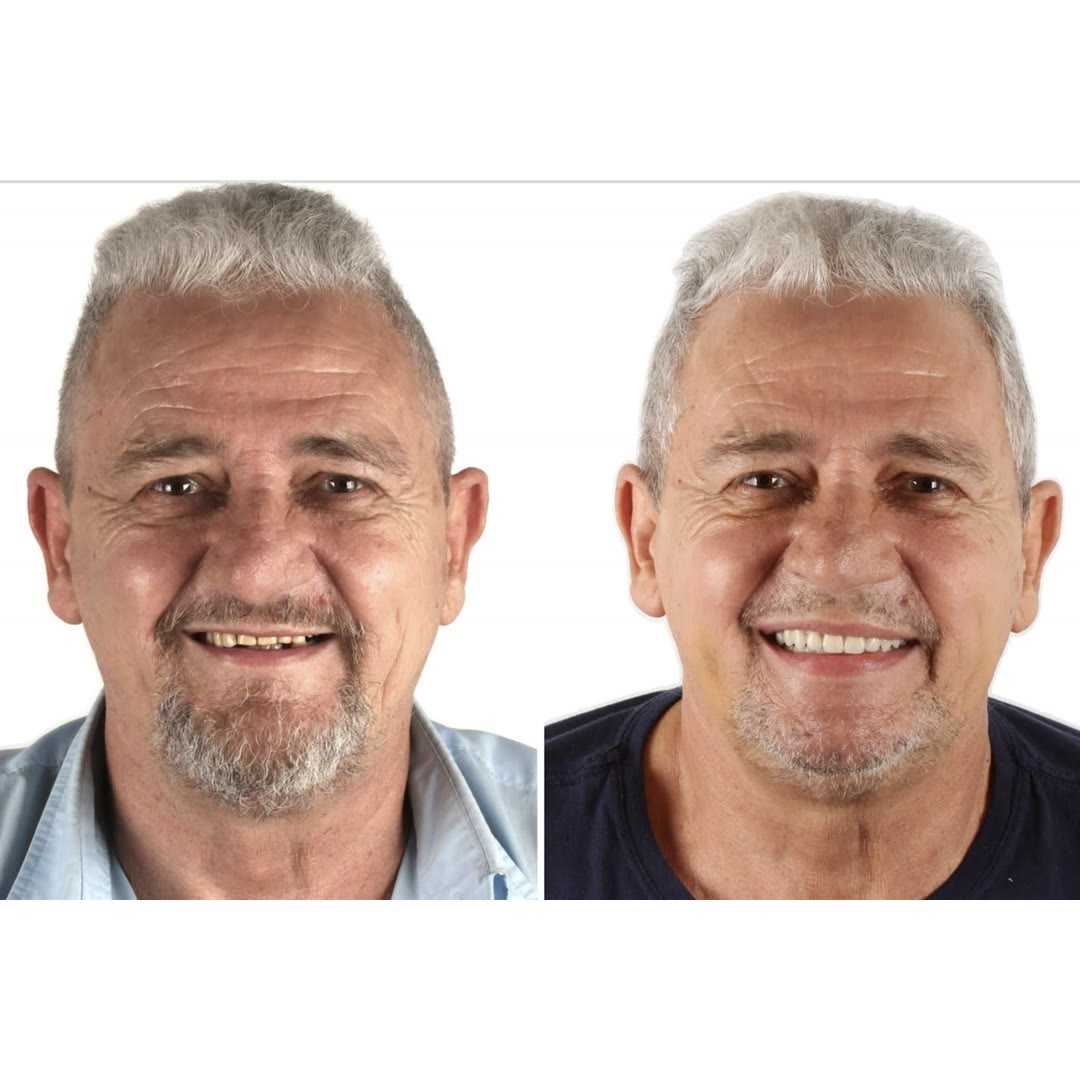
Dental Implants: When High Mainland Quotes Force a Search for Value
Consider a patient reviewing an itemized list for a full arch of dental implants in Chicago. The total is staggering, pushing them to look outward.
This option attracts people who want high-grade titanium implants and US-trained prosthodontists without the mainland markup. It solves the financial barrier while maintaining a sense of material safety.
The less obvious reality is that complex dental work often requires multiple phases separated by months of healing. A lower initial price can quickly evaporate if you must purchase three separate round-trip flights and hotel stays to complete the procedure.
Before you decide, ask:
- How many separate trips to the island will my specific implant timeline require?
- Are the implant brands used locally registered and easily serviceable by my dentist back home?
- What happens if a temporary crown breaks while I am back on the mainland?
- Is the clinic conveniently located near the airport, or will I face long transfer times after oral surgery?
- Does the quoted price include the final permanent prosthetics, or just the surgical placement?
Convenience can change the calculation. It should not end the research.
Cosmetic Surgery: When Privacy and Domestic Travel Matter Most
Picture a professional seeking abdominal contouring who strongly prefers not to surrender their passport to an overseas hospital. They desire a tropical recovery setting without international border complexities.
This route appeals to those looking to combine aesthetic goals with discretion. The expectation is a seamless transition from a modern operating room to a comfortable, ocean-view recovery suite.
However, recovering from cosmetic surgery in a hotel—even a luxury one—presents operational challenges. Patients often underestimate the physical difficulty of navigating a resort environment while managing surgical drains, swelling, and mobility restrictions.
What matters here isn’t just the tropical recovery.
- Who is medically responsible for checking my vitals and surgical site during the first 48 hours?
- How many days must I remain on the island before it is medically safe to fly in a pressurized cabin?
- Does my mainland health insurance cover emergency admissions in Puerto Rico if an aesthetic complication arises?
- Are the nurses provided for aftercare fully licensed, or are they general hospitality staff?
- How will I handle heavy luggage during airport transit on my way home?
An attractive environment can make the experience easier. It cannot replace a strict medical clearance protocol.
Orthopedic Surgery: When Waiting Lists Outlast Your Pain Tolerance
A patient whose mobility is steadily declining looks at a local hospital schedule that places their knee replacement two years out. They begin researching out-of-network or cross-border options to regain their quality of life.
This option is chosen to solve a severe timeline problem. Patients expect to pay a transparent, flat fee to bypass bureaucracy and receive care from a highly specialized orthopedic team.
The hidden cost of this route is the intense logistical burden of post-operative travel. Navigating airports, security lines, and cramped airplane seating with a brand-new joint replacement carries distinct risks of blood clots and severe discomfort.
Before you decide, ask:
- How long must I wait before the surgeon clears me to endure a commercial flight?
- Will the clinic coordinate specialized airport wheelchair transport and gate access?
- Do I have a designated local physical therapist waiting for me the moment I return home?
- Who manages the prescription of blood thinners and pain medication during my transition?
- What is the escalation procedure if I develop a fever after returning home?
The fastest option provides relief. It also demands the most rigorous logistical planning for your return.
Regenerative Medicine: When Seeking New Treatments Within Familiar Borders
A patient investigating stem cell therapy for joint degeneration wants to avoid the unregulated pop-up clinics found in some international markets. They specifically target Puerto Rico to ensure the facility operates under the oversight of United States federal health agencies.
This path attracts readers who prioritize clinical legitimacy over experimental promises. They expect evidence-based protocols, sterile environments, and practitioners who hold valid US-recognized credentials.
However, the term "regenerative medicine" is broadly used. Patients must diligently verify that the specific therapy offered is scientifically sound and not simply an aggressive marketing campaign wrapped in medical terminology.
Before you decide, ask:
- Is this specific stem cell application currently monitored or approved by the FDA?
- Can the clinic provide peer-reviewed data regarding long-term patient outcomes?
- Who exactly is administering the injections, and what are their specific medical credentials?
- Is there a clear medical protocol to determine if I am actually a suitable candidate?
- What post-treatment activity restrictions will apply during my journey home?
Regulatory oversight provides a baseline of safety. It does not replace the need for careful scientific scrutiny.
The Person Beside You Carries Part of This Decision
There is often another person missing from guides like this. Medical tourism is rarely a solo endeavor.
Whether it is a spouse, a close friend, or an adult child, the person traveling with you is not just on a vacation. They are taking on the role of an active medical advocate and logistical coordinator in an unfamiliar city.
Their real-life responsibilities will include:
- Remembering complex discharge instructions when you are groggy from anesthesia.
- Coordinating meals, transportation, and pharmacy runs in a new neighborhood.
- Managing heavy luggage and physical support during airport transfers.
- Providing emotional reassurance when post-operative swelling or pain causes anxiety.
- Knowing exactly who to call if a medical concern arises after clinic hours.
A responsible decision process must ensure your companion has the tools they need. They must understand the daily schedule, have direct contact numbers for medical staff, and know how local emergency services operate.
Better decisions consider everyone affected, not only the person sitting in the patient chair.
Looking Beyond the "Is It Safe?" Google Search
It is entirely natural to ask, "Is medical care in Puerto Rico safe?" before committing to travel. However, a simple yes or no answer glosses over the complexity of medical reality.
Safety is not a geographic guarantee. It is the result of specific protocols, verified credentials, and comprehensive contingency planning.
Instead of asking if the island is safe, use these targeted research questions to evaluate individual providers:
- How many procedures of this exact type does the primary surgeon perform monthly?
- Where does the provider hold their active medical licenses and board certifications?
- Does the facility possess current licensing from the Puerto Rico Department of Health?
- In the event of a severe complication, to which major local hospital will I be transferred?
- Who assumes financial responsibility for extended stays caused by clinical delays?
Identifying Responsible Entities
Attractive marketing claims often blur the lines of accountability. You must identify exactly who is responsible for your care.
"Our luxury clinics offer the world’s best surgical outcomes with zero risks!"
When you encounter statements like this, ask: "Who independently audits this clinic's outcomes?" Do not rely on website badges. Verify credentials through the Puerto Rico Board of Medical Licensure and Discipline, or look for specific US board certifications (such as the American Board of Plastic Surgery or Orthopaedic Surgery).
Trust comes from identifiable responsibility, not promotional enthusiasm.
Before you commit, try the 4-Point Island-to-Mainland Transition Test
Marketing materials highlight the arrival. You must plan for the departure.
- The Flight Clearance Check: Do you have written criteria dictating exactly when you will be medically cleared to fly?
- The Record Transfer Plan: How and when will your surgical notes and imaging be securely transferred to your local physician?
- The Complication Protocol: If an infection develops two weeks after you return home, who do you call, and who covers the corrective care?
- The After-Hours Support Test: Do you have a direct, English-speaking clinical contact available on weekends during your island recovery?
That is the Puerto Rico Medical Tourism test.
Show the Topic Through Different Reader Eyes
"I am a first-time medical traveler who does not hold a passport."
Best Route: Focusing on established San Juan clinics that cater heavily to mainland US citizens.
Key Factor to Investigate: Ensuring the chosen facility accepts domestic insurance for any potential emergency admissions.
Warning: Do not assume that because no passport is required, the local medical culture and pacing will mirror your hometown exactly.
"I am traveling specifically for major orthopedic joint replacement."
Best Route: Securing a package that includes specialized post-op transport and daily in-room physical therapy.
Key Factor to Investigate: The exact mobility requirements for boarding your specific return flight.
Warning: Never book a basic economy seat for your return flight; cramped quarters after joint surgery pose serious risks.
"I am seeking cosmetic surgery and bringing a friend to help me recover."
Best Route: Booking a comprehensive recovery retreat that provides medical staff alongside standard hotel amenities.
Key Factor to Investigate: Verifying if the retreat has a registered nurse on staff 24/7, not just on call.
Warning: Do not treat the recovery period as a vacation for your companion; they will be working as your caregiver.
"I need complex dental implants requiring multiple healing phases."
Best Route: Establishing a timeline with a provider near the airport to minimize transit fatigue on repeat visits.
Key Factor to Investigate: The exact total cost including all anticipated flights and hotel stays over the six-month process.
Warning: Ignoring travel fatigue can lead to skipping crucial follow-up appointments.
Same Puerto Rico Medical Tourism. Four completely different research journeys.
Looking Beyond the Sticker Price
Eventually, almost everybody asks.
Is it actually cheaper than staying home? While initial clinic quotes for dental implants or cosmetic procedures in Puerto Rico are often lower than mainland US averages, the upfront price is only one piece of the financial puzzle.
What will the whole journey cost?
When evaluating options, you must build a comprehensive budget that includes:
- Initial Procedure Price: The surgeon's fee, facility fee, and anesthesia.
- Pre-Travel Requirements: Local mainland bloodwork, EKGs, or specialized imaging required before departure.
- Logistical Travel: Round-trip airfare, potential multi-leg flights, and baggage fees for you and a companion.
- Accommodation and Recovery: Extended hotel stays dictated by medical clearance, not just vacation preference.
- Local Transportation: Specialized taxis or concierge transport capable of handling patients with limited mobility.
- Companion Expenses: Meals, time off work, and daily needs for your caregiver.
- Follow-Up Requirements: Return flights for phased dental work or mainland specialist visits for post-op removal of stitches.
- Contingency Funds: Unplanned flight changes or extra hotel nights if recovery takes longer than expected.
The cheapest procedure may not create the cheapest total journey.
What the Experience Actually Feels Like
The brochures show smiling patients on pristine beaches. The reality is far more grounded.
It feels like navigating an unfamiliar airport terminal while feeling vulnerable and anxious about an upcoming surgery.
It is the sterile smell of a modern clinic that feels reassuringly similar to a hospital back home.
It is sitting in a hotel bed, watching television, waiting for the anesthesia to wear off fully while your companion organizes your pain medication.
It involves messaging nurses on WhatsApp to ask if a certain amount of swelling is normal.
It is the physical exhaustion of boarding a flight home while carefully protecting a tender surgical site.
That is still medical care. Just a very different kind.
The Questions People Wish They Had Asked
Hindsight often reveals the gaps in our planning. Based on typical patient experiences, here are the logistical details that are frequently overlooked:
- "I wish I’d asked if the clinic provided specialized compression garments or if I needed to buy them beforehand."
- "I wish I’d known how exhausting the humidity would feel during my early recovery walks."
- "I wish we’d planned for the cost of ordering room service for five days instead of walking to restaurants."
- "I wish I’d checked if my regular mainland dentist would be willing to adjust the specific brand of implants used."
- "I wish I’d asked for physical copies of my X-rays before heading to the airport."
- "I wish we’d planned for an extra rest day before attempting the flight home."
"Experience seamless healing in our tropical paradise."
Real-life questions provide better guidance than promotional messages. A successful journey requires planning for the mundane realities of healing, not just anticipating the final result.
Evaluating Your Personal Fit
Puerto Rico Medical Tourism may be worth investigating when:
- You require significant cost savings but refuse to compromise on US federal standards and FDA oversight.
- You do not possess a valid passport but need to travel for specialized care.
- You have a dedicated, capable companion willing to manage logistics during your recovery.
- Your schedule allows for buffer days in case medical clearance delays your return flight.
- You have thoroughly verified the local credentials of the specific surgeon performing the work.
Who Should Think Especially Carefully?
Puerto Rico Medical Tourism—or any comparable option—may make less sense when:
- You have complex underlying health conditions that increase your risk of severe surgical complications.
- You lack a clear, documented plan for follow-up care with a physician in your hometown.
- You are traveling alone and undergoing a procedure that severely limits your mobility.
- You are relying solely on marketing brochures without verifying independent board certifications.
- You cannot afford the potential cost of an extended stay if complications delay your travel.
- You expect the clinical culture and pacing to be identical to your local mainland hospital.
A responsible decision process must include the space to say: "I’m not comfortable proceeding."
What brings you here?
Do not start by browsing a list of random clinics. Start from your specific requirement.
I need extensive dental work but cannot afford mainland prices.
Focus your research on highly rated prosthodontists near San Juan and clearly map out the required number of trips.
I want cosmetic surgery with maximum privacy and no passport hassles.
Evaluate all-inclusive recovery packages, strictly verifying the medical qualifications of the aftercare staff.
I am exploring stem cell therapies for joint pain.
Direct your search toward facilities explicitly demonstrating FDA compliance and published, peer-reviewed patient outcomes.
I cannot wait years for an orthopedic joint replacement.
Prioritize clinics that offer end-to-end logistical support for mobility-impaired patients during the journey home.
I am a caregiver trying to organize a safe trip for my spouse.
Focus heavily on the clinic’s emergency protocols, local hospital affiliations, and after-hours communication tools.
That is not simply a destination guide. It is a decision environment.
Returning to the Human Story
Behind every clinic review and price comparison are real people managing their health, their budgets, and their fears.
Maybe it is a family sitting around a kitchen table, balancing the immediate relief of orthopedic surgery against the anxiety of coordinating international-style travel.
Maybe it is a patient carefully reviewing a dental quote, feeling hopeful for the first time in years, but recognizing they need to save for one more month to cover contingency travel funds.
Maybe it is someone reading through cosmetic surgery requirements, realizing they do not have a dedicated caregiver, and deciding to delay the procedure until they have the proper support.
Medical travel should not be reduced to simple promises of cheap treatments or effortless vacations. It is a complex undertaking involving practical limitations, careful verification, and shared responsibilities.
The best medical destination is not the one with the most attractive beach.
It is the one where:
the right clinical standards,
the right verified provider,
the right logistical support,
and a realistic path to safe completion and follow-up
can come together for your particular situation.
Instead of asking:
"Where is treatment cheapest and fastest?"
Replace it with:
"What is the next informed step that realistically fits my situation?"
PlacidWay – Your Way to Hope
Navigating healthcare decisions across borders—or even just across the ocean to a territory—can feel overwhelming. You do not have to carry that uncertainty alone.
Maybe Puerto Rico is the right environment for your care. Maybe it isn't. The goal is not only finding an affordable procedure, but building a complete, well-supported journey that prioritizes your safety.
We believe in empowering patients and their families with transparent options, verified information, and compassionate support. Are you ready to explore what your path might look like?
Request Patient Support InformationReferences
- Traveler's Health: Puerto Rico – Centers for Disease Control and Prevention (CDC)
- Important Patient Information About Regenerative Medicine Therapies – U.S. Food and Drug Administration (FDA)
- Patient Safety and Medical Tourism – American Society of Plastic Surgeons
- Patient Safety and Quality Guidelines – American Academy of Orthopaedic Surgeons (AAOS)
- Department of Health Guidelines and Licensing – Puerto Rico Department of Health (Departamento de Salud)
Disclaimer: This article provides general information regarding travel and medical options and is not intended as individual medical, financial, or legal advice. Regulations, clinic accreditations, and travel requirements change frequently. Always consult with your primary healthcare provider before making major medical decisions and verify all credentials through official licensing boards.























Share this listing