

Evaluating Medical Tourism in Saudi Arabia: Your Personal Decision Guide
A project manager from London sits at her kitchen table, comparing flight schedules to Riyadh for a Gastric Sleeve procedure. She calculates the days she can realistically take off work while wondering if the post-operative dietary support will translate effectively across time zones.
A Middle Eastern expat living in Dubai reviews clinical profiles in Jeddah for Dental Implants. He wants to combine the extensive treatment with a family visit but feels uncertain about the exact timeline required for the bone grafting and healing phases.
A school teacher in the United States contemplates Hair Transplantation in Dammam after viewing clinical portfolios online. He feels optimistic about the advanced follicle extraction technology but hesitates over the reality of navigating a foreign healthcare system without a local support network.
All three people are dealing with medical tourism in Saudi Arabia, but their actual journeys, decisions, and experiences differ significantly.
How do I evaluate if traveling to Saudi Arabia for a specific treatment genuinely aligns with my medical needs, recovery timeline, and personal support system?
Understanding The Real Motivations Behind Your Healthcare Search
Healthcare decisions are rarely driven by data alone. They are usually triggered by a specific frustration, a changing life circumstance, or a desire for a different standard of care.
Maybe you have reached a plateau in your local healthcare options and need faster access to Gastric Bypass surgery.
Perhaps your domestic insurance does not cover Dental Veneers, and you are seeking a destination that balances clinical precision with luxury hospitality.
Maybe you are drawn to the privacy of recovering from Rhinoplasty in a high-end Saudi facility, far removed from the daily demands of your social circle.
Perhaps you are simply seeking a more attentive, patient-centered care experience than what your current local system provides.
Maybe you need specialized LASIK Surgery and want to utilize highly advanced laser technology recently introduced in specialized Riyadh clinics.
Which sounds most like you?
"I want the highest level of privacy and comfort during my recovery."
This reader prioritizes environment and confidentiality over proximity. They are likely willing to accept a higher total journey cost for an exclusive, well-supported recovery space.
"I need this procedure done quickly, but I refuse to compromise on safety standards."
This reader is balancing speed with verification. They are looking for regulated environments that offer shorter wait times without sacrificing clinical oversight.
"I am trying to combine necessary treatment with visiting family in the region."
This reader values convenience and family support. Their decision is heavily influenced by logistical alignment, visa requirements, and the ability to rest in a familiar cultural setting.
"I want access to the newest medical technology that my local clinics do not yet have."
This reader prioritizes capability and infrastructure. They are willing to travel long distances specifically for state-of-the-art equipment and highly specialized surgical teams.
This is why choosing medical tourism in Saudi Arabia should begin with your situation, not a generic ranking, slogan, or price comparison.
One Medical Tourism in Saudi Arabia. Several Different Real-World Paths.
The healthcare landscape in Saudi Arabia is not a single, uniform experience. It is a highly diverse system featuring distinct tiers of care, varying operational models, and different regulatory focuses.
Current official guidance notes that local accreditation is heavily managed by the Saudi Central Board for Accreditation of Healthcare Institutions (CBAHI). However, achieving accreditation means a facility meets safety baselines, not that every clinic offers identical patient experiences.
In practice, this can vary drastically depending on whether you choose a massive multi-specialty hospital in Riyadh or a boutique cosmetic clinic in Jeddah. Capability, quality, timing, and international patient support can differ substantially between these environments.
This is a planning consideration, not a guarantee. While one facility might excel at complex surgical aftercare, another might prioritize aesthetic luxury and fast patient turnover.
Here is what those differences can feel like in real life.
Bariatric Surgery: When Complexity Meets Distance
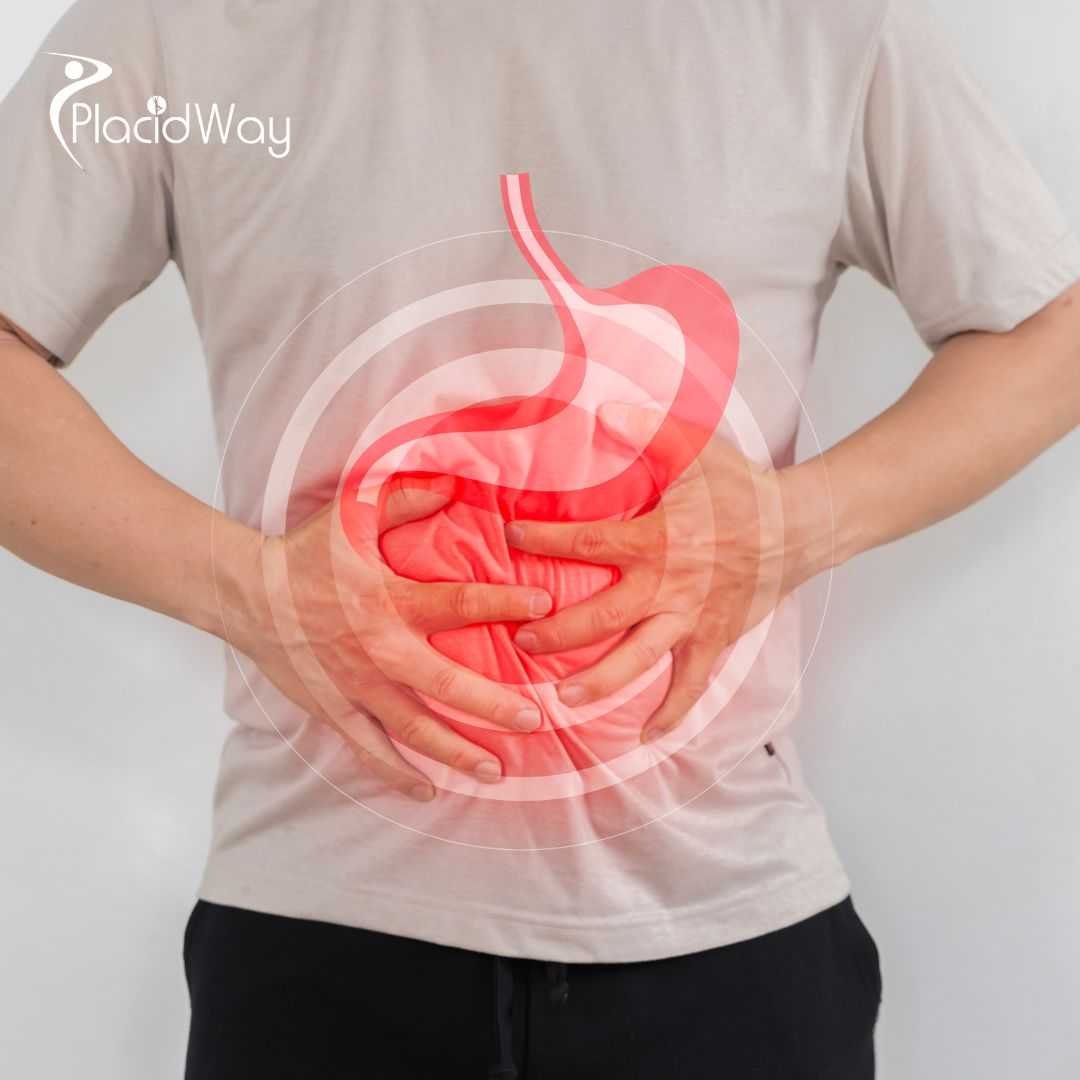
A patient steps off a long-haul flight into Riyadh, knowing their body is about to undergo a massive metabolic shift. They are not just coordinating a Gastric Sleeve procedure; they are initiating a lifelong dietary transformation in an unfamiliar time zone.
This option attracts patients who need access to highly specialized bariatric centers equipped with cutting-edge surgical technology. Mega-hospitals in Saudi Arabia often provide this advanced infrastructure, appealing to those facing long wait times at home.
However, the hidden reality involves the physical toll of flying shortly after major abdominal surgery. Long-term nutritional follow-up, which is critical for bariatric success, often becomes complicated when the primary surgical team is thousands of miles away.
Before you decide, ask:
- What are the specific airline requirements for flying after abdominal surgery?
- How will post-operative nutritional counseling be handled across my local time zone?
- Who is locally responsible if I experience a complication after returning home?
- Are all pre-operative diagnostic tests included, or will I need them upon arrival?
- What happens if I fail the pre-operative health clearance after flying to the clinic?
Same destination. Completely different long-term recovery demands.
Dental Restoration: When Aesthetics Require Multiple Phases
Consider a professional mapping out their annual leave to accommodate a full dental restoration in Jeddah. They must carefully balance the clinical healing time required for Dental Implants with the restrictions of their tourist visa.
This route solves a specific problem for those seeking elite dental technology and aesthetic precision at a potentially lower total cost than in the UK or US. Saudi clinics often feature in-house laboratories that dramatically reduce the waiting time for custom prosthetics.
Yet, complex dental work rarely aligns with a simple one-week vacation. Implants often require two separate trips spaced months apart, meaning the patient must absorb the cost and logistical friction of international travel twice.
What matters here isn’t the clinic’s interior design.
- Does this treatment plan mandate a second international flight in six months?
- What happens if the implant fails to integrate while I am back in my home country?
- Are the specific implant brands used supported by dental professionals in my local city?
- How are temporary crowns managed if a delay occurs during the manufacturing phase?
- Who covers the revision costs if the aesthetic result does not meet the agreed standard?
Convenience can change the calculation. It should not end the research.
Cosmetic Changes: When Privacy and Precision Intersect
A patient checks into a discreet luxury recovery suite in Dammam, opting for Liposuction far from their hometown. They value the physical isolation just as much as they value the surgeon’s technical skill.
This option creates high expectations for those wanting to undergo visible changes, like Rhinoplasty or Liposuction, without facing questions from colleagues or neighbors. The appeal lies in returning home only after the initial swelling and bruising have subsided.
The operational challenge is that aesthetic recovery is unpredictable. If swelling persists longer than expected, the patient may face the pressure of boarding a flight while still in noticeable discomfort, negating the privacy they originally sought.
Before committing to the aesthetic, ask:
- Is the luxury recovery hotel medically staffed, or is it simply a hospitality venue?
- What is the exact escalation procedure if an infection develops after clinic hours?
- How many extra days can I financially afford to stay if I am not cleared to fly?
- Will my designated companion have access to translation services if an emergency occurs?
- How are post-operative lymphatic drainage massages coordinated during the hotel stay?
An attractive facility can make the experience easier. It cannot replace verified surgical oversight.
The Person Beside You Carries Part of This Decision
There is often another person missing from guides like this. It is the spouse, sibling, or friend sitting in the waiting room while you undergo treatment.
This companion is not merely a travel buddy; they are an active stakeholder in your healthcare journey. They carry the burden of translating instructions, managing hotel logistics, and providing emotional reassurance when you feel vulnerable.
Their practical responsibilities often include tracking medication schedules, arranging ground transportation to the clinic, and noticing subtle changes in your recovery that you might miss. They must adjust rapidly when plans change unexpectedly or when discharge is delayed.
A responsible decision process must help companions understand what to expect. They need clear answers regarding who to contact at 3:00 AM, how to access local emergency services, and what boundaries exist for their own personal wellbeing.
Better healthcare decisions consider everyone affected by the travel, not only the person occupying the hospital bed.
Why "Is Saudi Arabia The Best Place For Healthcare?" Is The Wrong Question
It is entirely natural to look for a definitive answer about whether a destination is "the best" or "world-class." People want reassurance before boarding a flight for medical care.
However, this broad question fails to capture the complexity of real-world medicine. A country cannot perform a surgery; only a specific medical team inside a specific facility can.
To make a safe choice, you must replace the search for a generic national ranking with highly targeted, individual questions.
- Instead of asking if the country is good, ask: How many times has this specific surgeon performed this exact procedure in the last year?
- Instead of asking if clinics are modern, ask: Does this specific facility hold current CBAHI accreditation, and can I verify it independently?
- Instead of asking if the care is cheap, ask: What is the exact financial protocol if my procedure requires an unexpected transfer to an intensive care unit?
- Instead of asking if recovery is easy, ask: What documented follow-up support does this clinic provide once I return to my home country?
A family traveling for complex bariatric care needs vastly different answers to these questions than a solo traveler seeking outpatient LASIK Surgery.
Moving From Claims to Verification
Attractive marketing claims are designed to make you feel safe, but trust must be rooted in identifiable responsibility and accountability.
"We offer the highest standard of international medical care with guaranteed results."
A stronger verification question is: Which Saudi regulatory body audits this facility, and where can I view their latest compliance report?
You must look beyond website badges and testimonials. Verify professional registration through the Saudi Commission for Health Specialties (SCFHS) and facility accreditation through CBAHI to ensure accountability is real.
The 4-Step Post-Care Test
Before you commit to any clinic or travel plan, try this simple evaluation framework to reveal hidden risks.
- The Complication Step: If I develop an infection three days after returning home, exactly who do I call, and do they speak my native language?
- The Data Step: Will I be given physical and digital copies of my operative reports, translated into English, before I leave the hospital?
- The Revision Step: If my Dental Veneers crack or my Hair Transplantation fails to yield expected density, who pays for the corrective travel and procedure?
- The Local Handoff Step: Has my local primary care physician agreed to take over routine monitoring once I return?
That is the medical tourism in Saudi Arabia test.
Show the Topic Through Different Reader Eyes
"I am a Middle Eastern expat wanting treatment closer to family."
Route: Prioritize facilities in major hubs like Jeddah or Riyadh where family networks exist.
Key Factor: Investigating whether the clinic's timeline aligns with your approved vacation days.
Warning: Do not assume that staying with family eliminates the need for professional nursing support during early recovery.
"I am a UK patient seeking faster access to Bariatric surgery."
Route: Focus strictly on CBAHI-accredited mega-hospitals with dedicated international patient departments.
Key Factor: Establishing a clear plan for long-term nutritional and psychological support in the UK.
Warning: Do not underestimate the physical exhaustion of long-haul travel immediately following abdominal surgery.
"I am traveling specifically for privacy during cosmetic recovery."
Route: Look for boutique surgical centers that offer integrated, medically-staffed luxury hotel recovery packages.
Key Factor: Verifying the exact medical credentials of the staff monitoring the recovery hotel.
Warning: Be careful of choosing a location based entirely on aesthetics rather than the surgeon's specialized board certifications.
"I am a US patient looking for advanced LASIK technology."
Route: Target dedicated ophthalmology institutes that publish their equipment specifications openly.
Key Factor: Understanding the protocol if you experience altitude-related eye pressure issues during the flight home.
Warning: Do not skip consulting your local optometrist regarding their willingness to perform your routine post-op checks.
Same medical tourism in Saudi Arabia. 4 completely different research journeys.
Looking Beyond the Initial Surgical Estimate
Eventually, almost everybody asks.
It is perfectly reasonable to ask how much a procedure will cost. However, fixating only on the initial quote provided by a clinic can blind you to the financial reality of cross-border healthcare.
To understand the true financial impact, you must ask: What will the whole journey cost?
- Initial Price: The surgeon's fee, facility fee, and standard anesthesia.
- Travel and Access: International flights, Saudi visa fees, and premium local medical transport.
- Companion Needs: Additional hotel rooms, daily food stipends, and companion flight tickets.
- Preparation Requirements: Local blood work, diagnostic imaging, or clearances required before flying.
- Delays: Costs for extended hotel stays if you are not medically cleared to fly on schedule.
- Unexpected Problems: Emergency care costs, as local health systems may charge international rates for ICU admission.
- Ongoing Support: Paying out-of-pocket for local physical therapy, nutritional counseling, or medication.
The cheapest procedure may not create the cheapest total journey.
The Quiet Moments Between the Milestones
Medical tourism is rarely as glamorous as the promotional brochures suggest. The reality is found in the quiet, highly practical moments between the major milestones.
It is sitting in a beautifully designed Riyadh waiting room while trying to decipher medical consent forms on a tablet.
It is the sharp anxiety of handing over your passport to a clinic administrator, miles away from your comfort zone.
It is waking up in a recovery suite, feeling the heavy reality of the surgery, and relying on WhatsApp to communicate with nurses down the hall.
It is the slow, careful walk through a hotel lobby, hoping your bandages are discreet while waiting for your arranged transport.
It is finding small moments of relief when a doctor patiently explains your progress in clear, unhurried English.
That is still care. Just a very different kind.
Questions You Might Wish You Had Asked
- I wish I’d asked if the clinic provided a medical translator for complex clinical discussions, not just casual conversation.
- I wish I’d known how difficult it would be to secure a direct flight home without long, exhausting layovers.
- I wish we’d planned for the sheer emotional fatigue my companion would experience acting as my primary caregiver.
- I wish I’d checked if my domestic insurance would cover any emergency complications arising from an elective surgery abroad.
- I wish I’d known that "luxury recovery" meant a standard hotel room without actual nursing equipment.
- I wish I’d asked for my surgical notes immediately upon discharge, rather than trying to get them emailed weeks later.
"Experience seamless healthcare and a perfect vacation in one package."
Real-life questions provide much better guidance than promotional messages. A vacation ends when you board a plane, but a medical journey continues long after you unpack your bags at home.
Evaluating Your Personal Fit
Medical tourism in Saudi Arabia may be worth investigating when:
- You have the time and resources to verify provider credentials independently.
- You have a trusted companion who can travel with you and handle logistics.
- Your budget comfortably allows for unexpected travel delays or extended hotel stays.
- You are seeking specific expertise or technology that is demonstrably superior or unavailable locally.
- You have arranged for local follow-up care with a physician in your home country.
Who Should Think Especially Carefully?
Medical tourism in Saudi Arabia—or any comparable option—may make less sense when:
- You suffer from severe pre-existing conditions that make long-haul flights physically dangerous.
- You are choosing this route solely because it appears to be the absolute cheapest option available.
- You are traveling entirely alone for a major invasive procedure like a Gastric Bypass.
- You cannot secure a clear, written plan for managing complications upon returning home.
- You feel rushed by clinic coordinators offering "limited time" surgical discounts.
- You are unwilling to deal with the cultural and linguistic nuances of a foreign healthcare system.
"I’m not comfortable proceeding."
A responsible decision process should always make it easier to recognize when pausing, delaying, or not moving forward is the absolute right choice for your safety.
What brings you here?
Rather than browsing a generic list of clinics, identify your primary goal to find your next step.
You need advanced bariatric intervention but face local waitlists.
Begin by researching CBAHI-accredited mega-hospitals with dedicated international patient coordination teams.
You require extensive dental restorations and want to manage costs.
Look specifically at the timeline requirements, ensuring you understand whether multiple trips will erase your perceived savings.
You are seeking aesthetic surgery with total privacy.
Focus your research on clinics that offer integrated medical aftercare within private, closed-campus recovery facilities.
You want to utilize new ophthalmic laser technology.
Prioritize finding out exactly which equipment is used and discuss the post-flight risks with your local eye specialist first.
You are trying to help a family member weigh their options.
Shift your focus toward gathering logistical data regarding visas, emergency escalation protocols, and companion accommodation.
That is not simply a guide. It is a decision environment.
Returning to the Human Decision
Behind every search for medical tourism, there is a person trying to make a deeply consequential choice about their body and their future.
Maybe it is a patient sitting in a living room in the US, weighing the financial realities of domestic care against the logistical hurdles of international travel.
Maybe it is a family in the UK gathered around a laptop, trying to discern which clinic reviews are genuine and which are manufactured.
Perhaps it is someone realizing that while the surgical technology in Saudi Arabia is highly advanced, they simply do not have the necessary support system to travel safely right now.
Healthcare decisions should never be reduced to simple promises of saving money, getting instant results, or finding a single "best" option. The reality involves balancing practical limitations, verifying risks, and understanding long-term consequences.
The best destination is not the one with the most aggressive marketing.
It is the one where:
the right clinical capability,
the right verified medical team,
the right personal support system,
and a realistic path to safe, long-term follow-up
can come together for your particular situation.
Instead of asking: "Where is medical tourism in Saudi Arabia the cheapest and easiest?"
Replace with: "What is the next informed step that realistically fits my personal medical and logistical situation?"
PlacidWay: Your Way to Hope
Navigating healthcare across borders is a significant undertaking. It requires more than just booking a flight; it requires clarity, preparation, and trust.
Maybe medical tourism is the right path for your needs. Maybe it isn't. The goal is not merely to cross borders, but to ensure that whatever choice you make is grounded in verified information and realistic expectations.
Are you ready to explore your options with transparency and support?
Request Objective Information TodayDisclaimer: This guide provides planning information and structural decision frameworks. It does not constitute medical advice, diagnosis, or a recommendation for any specific provider, procedure, or destination. Medical tourism carries inherent risks, including cross-border legal complexities and follow-up challenges. Always consult with your local, licensed healthcare provider before making medical travel decisions.
References
- Saudi Central Board for Accreditation of Healthcare Institutions (CBAHI) Overview – CBAHI
- Professional Registration and Classification – Saudi Commission for Health Specialties (SCFHS)
- Medical Tourism Travel Health Risks and Preparation – Centers for Disease Control and Prevention (CDC)
- Considerations for Medical Tourism in Bariatric Surgery – Bariatric Times
- Health and Travel: Quality and Safety in Medical Tourism – World Health Organization (WHO)





















Share this listing