



เนื้อหา
การทำ IVF ราคาประหยัดในประเทศไทย สำหรับคู่รักที่ต้องการมีบุตร
ประเทศไทยได้รับการยอมรับมานานแล้วว่าเป็นจุดหมายปลายทางชั้นนำสำหรับการท่องเที่ยวเชิงการแพทย์ และภาคส่วนการรักษาภาวะมีบุตรยากของไทยก็อยู่ในระดับที่ดีที่สุดในเอเชีย สำหรับคู่รักที่กำลังเผชิญกับปัญหาภาวะมีบุตรยาก ประเทศไทยเป็นเหมือนแสงแห่งความหวัง ที่ผสมผสานเทคโนโลยีการเจริญพันธุ์ที่ทันสมัยเข้ากับการดูแลเอาใจใส่ที่เน้นผู้ป่วยเป็นศูนย์กลาง คลินิกในกรุงเทพฯ ภูเก็ต และเชียงใหม่ มีห้องปฏิบัติการระดับโลกที่เทียบเท่ากับห้องปฏิบัติการในสหรัฐอเมริกาและยุโรป แต่ค่าใช้จ่ายในการรักษากลับเข้าถึงได้ง่ายกว่ามาก
แพทย์ผู้เชี่ยวชาญด้านการเจริญพันธุ์ของไทยมีชื่อเสียงในด้านความเชี่ยวชาญในขั้นตอนการรักษาขั้นสูง เช่น **การฉีดอสุจิเข้าสู่ไซโตพลาสมของไข่ (ICSI)** และ **การตรวจวินิจฉัยทางพันธุกรรมก่อนการฝังตัวของตัวอ่อน (PGT-A)** โดยใช้เทคโนโลยีการจัดลำดับดีเอ็นเอรุ่นใหม่ (NGS) แพทย์สามารถคัดกรองตัวอ่อนเพื่อหาความผิดปกติของโครโมโซมได้ด้วยความแม่นยำ 99.9% ซึ่งช่วยเพิ่มโอกาสในการตั้งครรภ์ที่แข็งแรงและลดอัตราการแท้งบุตรได้อย่างมีนัยสำคัญ
วัฒนธรรมทางการแพทย์ในประเทศไทยให้ความสำคัญกับสภาพแวดล้อมที่ปราศจากความเครียด ซึ่งเป็นสิ่งสำคัญอย่างยิ่งต่อความสำเร็จในการรักษาภาวะมีบุตรยาก ผู้ป่วยมักจะผสมผสานการรักษากับวันหยุดพักผ่อนที่ผ่อนคลาย โดยเพลิดเพลินกับที่พักหรูหราและการต้อนรับแบบไทยๆ ในขณะที่เข้ารับกระบวนการกระตุ้นการตกไข่
ไม่ว่าคุณจะต้องการทำ IVF แบบมาตรฐานหรือการตรวจคัดกรองทางพันธุกรรมที่ซับซ้อน ประเทศไทยมีช่องทางที่ปลอดภัย มีการควบคุม และมีคุณภาพสูงสำหรับการสร้างครอบครัวของคุณ
คุณรู้หรือไม่?
ประเทศไทยเป็นประเทศแรกในเอเชียที่ได้รับการรับรองมาตรฐาน JCI สำหรับโรงพยาบาล ความมุ่งมั่นในคุณภาพนี้ยังขยายไปถึงคลินิกผู้มีบุตรยาก ซึ่งหลายแห่งใช้ **EmbryoScope** ซึ่งเป็นตู้บ่มเพาะแบบไทม์แลปส์ที่ช่วยให้นักวิทยาศาสตร์ด้านตัวอ่อนสามารถติดตามการพัฒนาของตัวอ่อนได้ตลอด 24 ชั่วโมงโดยไม่รบกวนตัวอ่อน ส่งผลให้การคัดเลือกตัวอ่อนดีขึ้นและอัตราความสำเร็จสูงขึ้น
ข้อมูลเชิงลึกที่สำคัญโดยสรุป
คลินิกที่ใช้ PGT-A (การตรวจคัดกรองทางพันธุกรรม) รายงานอัตราการตั้งครรภ์ทางคลินิกอยู่ที่ 65-75% สำหรับผู้หญิงที่มีอายุต่ำกว่า 35 ปี
การใช้เทคโนโลยี NGS (Next Generation Sequencing) สำหรับการตรวจคัดกรองโครโมโซมเป็นมาตรฐานในคลินิกชั้นนำ
การทำ IVF ในประเทศไทยมีค่าใช้จ่ายน้อยกว่าในออสเตรเลียหรือสหรัฐอเมริกา 40-60% โดยแพ็กเกจเริ่มต้นที่ประมาณ 6,500 ดอลลาร์สหรัฐ
ประเทศไทยมีโรงพยาบาลที่ได้รับการรับรองจาก JCI มากกว่า 60 แห่ง ซึ่งรับประกันมาตรฐานความปลอดภัยระดับสากลสูงสุด
แพทย์ผู้เชี่ยวชาญด้านภาวะมีบุตรยากมักได้รับการรับรองจากคณะกรรมการในสหรัฐอเมริกา สหราชอาณาจักร หรือออสเตรเลีย และมีประสบการณ์มานานหลายสิบปี
แนวคิด "วันหยุดเพื่อเพิ่มโอกาสในการตั้งครรภ์" ช่วยลดความเครียด ซึ่งเป็นปัจจัยสำคัญต่อความสำเร็จในการฝังตัวของตัวอ่อน
มาตรฐานการเพาะเลี้ยงบลาสโตซิสต์
ในประเทศไทย การเพาะเลี้ยงตัวอ่อนระยะบลาสโตซิสต์ (การเลี้ยงตัวอ่อนจนถึงวันที่ 5 หรือ 6) เป็นมาตรฐานการดูแลรักษา มากกว่าการย้ายตัวอ่อนในวันที่ 3 ซึ่งเป็นที่นิยมในบางประเทศ วิธีนี้ช่วยให้นักวิทยาศาสตร์ด้านตัวอ่อนสามารถเลือกตัวอ่อนที่แข็งแรงและมีโอกาสรอดชีวิตสูงที่สุดสำหรับการย้ายหรือแช่แข็ง ซึ่งจะช่วยเพิ่มโอกาสในการตั้งครรภ์ได้อย่างมาก
การเลือกแพ็กเกจที่เหมาะสมจะช่วยให้ขั้นตอนการรักษาทางการแพทย์ของคุณง่ายขึ้นอย่างมาก ในส่วนด้านล่างนี้ เราได้รวบรวมรายชื่อศูนย์รักษาภาวะมีบุตรยากชั้นนำในกรุงเทพฯ ที่ให้บริการแพ็กเกจ IVF แบบครบวงจร แพ็กเกจเหล่านี้โดยทั่วไปจะรวมถึงขั้นตอน IVF/ICSI การเพาะเลี้ยงตัวอ่อนระยะบลาสโตซิสต์ การย้ายตัวอ่อน และค่าแพทย์ แพ็กเกจพรีเมียมอาจรวมถึงการตรวจคัดกรองทางพันธุกรรม PGT-A สำหรับตัวอ่อนจำนวนหนึ่ง และบริการรับส่งสนามบินด้วย ลองดูตัวเลือกต่างๆ เพื่อหาแพ็กเกจที่ตรงกับความต้องการและงบประมาณของคุณ
หมายเหตุ: แพ็กเกจส่วนใหญ่ไม่รวมยาสำหรับกระตุ้นการทำงานของร่างกาย เนื่องจากปริมาณยาแตกต่างกันไปในแต่ละผู้ป่วย สามารถซื้อยาเหล่านี้ได้ที่ร้านขายยาของโรงพยาบาล

Price starting from $3,800
Egg Freezing Package in Bangkok Thailand at First Fertility PGS Center
First Fertility PGS Center
- Fertility Treatment
Bangkok, Thailand

Price starting from $7,500
Egg Freezing Package in Bangkok Thailand at LRC Fertility Center
LRC Fertility Clinic - Best IVF Clinic Bangkok
- Fertility Treatment
Bangkok, Thailand

Price starting from $13,000
IVF with PGS Package in Bangkok Thailand at First Fertility PGS Center
First Fertility PGS Center
- Fertility Treatment
Bangkok, Thailand

Price starting from $16,000
IVF with Gender Selection Package in Bangkok Thailand at LRC Fertility Center
LRC Fertility Clinic - Best IVF Clinic Bangkok
- Fertility Treatment
Bangkok, Thailand
การเข้าใจถึงภาระผูกพันทางการเงินเป็นส่วนสำคัญอย่างยิ่งในกระบวนการตัดสินใจของคุณ ตารางด้านล่างแสดงรายละเอียดค่าใช้จ่ายเฉลี่ยสำหรับขั้นตอนการทำ IVF และ ICSI ในประเทศไทยอย่างโปร่งใส เมื่อเทียบกับราคาในสหรัฐอเมริกาและออสเตรเลีย แม้ว่าตัวเลขเหล่านี้จะเป็นเพียงค่าประมาณ แต่ก็แสดงให้เห็นถึงการประหยัดค่าใช้จ่ายที่สำคัญ ซึ่งมักจะช่วยให้คุณสามารถเข้ารับการตรวจคัดกรองทางพันธุกรรมขั้นสูงได้ในราคาที่ต่ำกว่าค่าใช้จ่ายในการทำ IVF ขั้นพื้นฐานในประเทศของคุณ
คำแนะนำ: โดยทั่วไปแล้ว ค่าใช้จ่ายในการทำ IVF ร่วมกับการฉีด ICSI จะอยู่ที่ประมาณ 6,500 ถึง 8,500 ดอลลาร์สหรัฐ การเพิ่มการตรวจคัดกรอง PGT-A จะมีค่าใช้จ่ายเพิ่มเติมประมาณ 2,000-3,000 ดอลลาร์สหรัฐ
Fertility Treatment เปรียบเทียบราคาศูนย์ใน Thailand
| ผู้ให้บริการ | ขั้นตอน | ราคา |
|---|---|---|
| First Fertility PGS Center | Egg Freezing Treatment, Fertility Treatment | $3800 |
| LRC Fertility Clinic - Best IVF Clinic Bangkok | Egg Freezing Treatment, Fertility Treatment | $8200 |
| LRC Fertility Clinic - Best IVF Clinic Bangkok | Frozen Embryo Transfer Cycle, Fertility Treatment | $1700 |
| First Fertility PGS Center | Pre-implantation Genetic Screening (PGS), Fertility Treatment | $13000 |
| LRC Fertility Clinic - Best IVF Clinic Bangkok | Pre-implantation Genetic Screening (PGS), Fertility Treatment | $600 |
Fertility Treatment Cost Comparison in Thailand
| ประเทศ | ขั้นตอน | ราคา |
|---|---|---|
| United States | Intracytoplasmic sperm injection (ICSI), Fertility Treatment | $30000 |
| United States | Pre-implantation Genetic Screening (PGS), Fertility Treatment | $42000 |
ความสำเร็จของคุณขึ้นอยู่กับห้องปฏิบัติการและคลินิกที่คุณเลือกเป็นอย่างมาก เราได้คัดเลือกรายชื่อศูนย์รักษาภาวะมีบุตรยากชั้นนำในประเทศไทยที่ขึ้นชื่อเรื่องความเชี่ยวชาญด้านการช่วยการเจริญพันธุ์ คลินิกเหล่านี้ได้รับการตรวจสอบแล้วว่าได้รับการรับรองด้านเทคโนโลยีการเจริญพันธุ์ (RT) มีห้องปฏิบัติการด้านตัวอ่อนที่ทันสมัย และมีทีมแพทย์ผู้เชี่ยวชาญจากทั่วโลก สำรวจรายละเอียดด้านล่างเพื่อเรียนรู้เพิ่มเติมเกี่ยวกับเทคโนโลยีและอัตราความสำเร็จของพวกเขา
มาตรฐาน: ควรเลือกคลินิกที่มีห้องปฏิบัติการพันธุกรรมภายในของตนเอง เพื่อให้ได้ผลการตรวจ PGT-A ที่รวดเร็วยิ่งขึ้น
.png)
First Fertility PGS Center
Bangkok, Thailand

Genea IVF and Genetics
Bangkok, Thailand
LRC Fertility Clinic - Best IVF Clinic Bangkok
Bangkok, Thailand
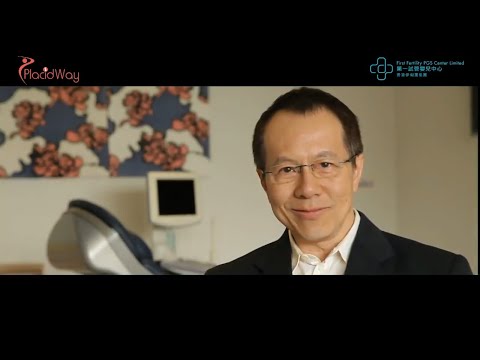
การได้ฟังประสบการณ์ตรงจากผู้ป่วยที่เคยไปทำแท้งมาก่อนนั้นเป็นสิ่งที่ช่วยสร้างความมั่นใจได้อย่างเหลือเชื่อ วิดีโอคำบอกเล่าจากคู่รักที่เดินทางไปประเทศไทยเพื่อสร้างครอบครัวนั้น แสดงเรื่องราวที่เกิดขึ้นจริง ชมวิดีโอเหล่านี้เพื่อรับรู้ถึงประสบการณ์ส่วนตัว ระดับการดูแลที่พวกเขาได้รับ และความสุขจากการตั้งครรภ์สำเร็จ
ข้อสังเกต: ผู้ป่วยมักชื่นชมความสุภาพและความเอาใจใส่ของพยาบาลไทย ซึ่งช่วยลดความวิตกกังวลในระหว่างกระบวนการรักษาได้
รีวิวจากผู้ป่วยให้มุมมองที่ตรงไปตรงมาเกี่ยวกับคุณภาพการดูแลรักษา ในส่วนนี้ คุณจะพบรีวิวและการให้คะแนนที่ได้รับการตรวจสอบแล้วจากผู้ป่วยที่ไว้วางใจให้ผู้เชี่ยวชาญในประเทศไทยดูแลการรักษาภาวะมีบุตรยากของพวกเขา อ่านความคิดเห็นของพวกเขาเกี่ยวกับระบบการจัดการของคลินิก ความชัดเจนในการสื่อสาร และความพึงพอใจโดยรวมต่อประสบการณ์ เพื่อเป็นแนวทางในการเลือกผู้ให้บริการของคุณเอง
เคล็ดลับการอ่านรีวิว: มองหารีวิวที่ระบุชื่อแพทย์โดยเฉพาะ เนื่องจากความสัมพันธ์ระหว่างแพทย์และผู้ป่วยมีความสำคัญอย่างยิ่งในการรักษาภาวะมีบุตรยาก

How much does in-vitro fertilization cost in Thailand?
Embarking on the journey of in vitro fertilization (IVF) is a significant step for many aspiring parents, and the in vitro fertilization cost in Thailand makes this dream a more accessible reality for people worldwide. A standard IVF cycle in Thailand typically ranges from approximately $3,000 to $9,000 USD. This affordability, combined with high-quality medical care and experienced specialists, has positioned Thailand as a leading destination for fertility tourism. The cost-effectiveness does not mean a compromise on quality; in fact, many Thai fertility clinics are equipped with state-of-the-art technology and are staffed by internationally trained professionals. This guide will delve into the various aspects of IVF treatment in Thailand, providing clear and detailed answers to the most pressing questions you may have. What is the exact cost of a standard IVF cycle in Thailand? "The exact cost of a standard in vitro fertilization (IVF) cycle in Thailand typically falls between $3,000 and $9,000 USD. This price can vary depending on the specific clinic, the complexity of your case, and the services included in the package." The significant price difference compared to many Western countries is a primary reason why thousands of international patients flock to Thailand for fertility treatments. For instance, the same procedure in the United States could cost upwards of $15,000 to $20,000. The lower operational and living costs in Thailand allow clinics to offer more competitive pricing without sacrificing the quality of care. It's crucial to understand that the initial quote for a standard IVF cycle might not encompass all potential expenses. This base price generally covers the core procedures of the IVF process, but additional services may be required depending on your individual needs. Always request a detailed cost breakdown from the clinic to avoid any surprises. What is typically included in the cost of an IVF package in Thailand? "An IVF package in Thailand usually includes the initial consultation with a fertility specialist, ovarian stimulation monitoring, the egg retrieval procedure, fertilization of the eggs in the laboratory, and the embryo transfer." To give you a clearer picture, here’s a breakdown of what you can generally expect to be covered in a standard IVF treatment in Thailand: Initial Consultation: Your first meeting with the fertility doctor to discuss your medical history and create a personalized treatment plan. Ovarian Stimulation: This involves fertility medications to stimulate your ovaries to produce multiple eggs. The cost of these medications may or may not be included in the package price. Monitoring: Regular ultrasound scans and blood tests to monitor your response to the stimulation medication and determine the optimal time for egg retrieval. Egg Retrieval: A minor surgical procedure performed under anesthesia to collect the mature eggs from your ovaries. Sperm Collection and Preparation: The collection and processing of the male partner's or a donor's sperm. Fertilization: The fertilization of the retrieved eggs with the sperm in a laboratory setting. Embryo Culture: The growth and monitoring of the resulting embryos in the lab for a few days. Embryo Transfer: The placement of one or more healthy embryos into the uterus. What are the potential hidden or additional costs associated with IVF in Thailand? "Potential hidden or additional costs for IVF in Thailand can include pre-treatment diagnostic tests, fertility medications, Intracytoplasmic Sperm Injection (ICSI), Preimplantation Genetic Testing (PGT), embryo freezing and storage, and costs related to a frozen embryo transfer (FET)." While Thai clinics are known for their transparency, it's essential to be aware of services that might not be part of a standard package. These can significantly impact the overall in vitro fertilization cost in Thailand. Here's a closer look at some of these potential extra costs: Preliminary Investigations: Before starting an IVF cycle, you may need various tests, such as blood work, hormone profiling, and infectious disease screening, which are often billed separately. Fertility Medications: The cost of the hormonal drugs required for ovarian stimulation can be substantial and is not always included in the initial quote. The dosage and type of medication can vary greatly between patients, affecting the price. Intracytoplasmic Sperm Injection (ICSI): This advanced technique, where a single sperm is injected directly into an egg, is often recommended for male factor infertility. ICSI can add several hundred to a few thousand dollars to the total cost. Preimplantation Genetic Testing (PGT): PGT is used to screen embryos for chromosomal abnormalities (PGT-A) or specific genetic disorders (PGT-M). This can significantly increase the success rate of IVF but also adds a considerable amount to the overall expense. Embryo Freezing and Storage: If you have surplus healthy embryos after the transfer, you may choose to freeze them for future use. There are initial freezing fees and annual storage fees to consider. Frozen Embryo Transfer (FET): If you use frozen embryos for a subsequent cycle, the FET procedure will have its own associated costs, which are typically lower than a fresh IVF cycle. How much does IVF with ICSI cost in Thailand? "The cost of an IVF cycle with Intracytoplasmic Sperm Injection (ICSI) in Thailand generally ranges from $5,000 to $10,000 USD. The addition of ICSI increases the standard IVF cost due to the specialized equipment and embryologist expertise required." ICSI is a powerful tool for overcoming male infertility issues, such as low sperm count, poor motility, or abnormal morphology. The procedure involves a highly skilled embryologist using a micromanipulator to inject a single sperm into each mature egg. This precision significantly increases the chances of successful fertilization. While the cost is higher than a conventional IVF cycle, for many couples, ICSI is the key to achieving a successful pregnancy. The additional expense is often seen as a worthwhile investment in their fertility journey. When comparing clinics, be sure to ask if their quoted price for ICSI includes all related laboratory fees. What is the cost of Preimplantation Genetic Testing (PGT) in Thailand? "The cost of Preimplantation Genetic Testing (PGT) in Thailand can range from $3,000 to $6,000 USD, in addition to the cost of the IVF cycle itself. The price varies depending on the number of embryos being tested and the specific type of PGT performed." PGT is a sophisticated genetic screening of embryos before they are transferred to the uterus. The cost of PGT is a significant add-on to the in vitro fertilization cost in Thailand, but the benefits can be invaluable. It can help increase the chances of a healthy pregnancy, reduce the risk of miscarriage, and prevent the transmission of genetic disorders. There are two main types: PGT-A (Aneuploidy): This tests for the correct number of chromosomes in the embryos. It is often recommended for older women or those with a history of recurrent miscarriages or failed IVF cycles. PGT-M (Monogenic/Single Gene Disorders): This is for couples who are known carriers of a specific genetic disease and want to avoid passing it on to their children. What are the success rates for IVF in Thailand? "The success rates for IVF in Thailand are comparable to those in top clinics in Western countries, with an average success rate of 40-50% per cycle. These rates can be influenced by factors such as the woman's age, the cause of infertility, and the clinic's expertise." Thai fertility clinics pride themselves on their high success rates, which are a testament to their advanced technology and skilled medical teams. It's important to remember that success rates can be presented in various ways, so it's crucial to ask for a clinic's live birth rate per embryo transfer for your specific age group. Factors that can influence IVF success rates include: Maternal Age: This is one of the most significant factors, with success rates generally decreasing as a woman gets older. Cause of Infertility: The underlying reason for infertility can impact the outcome of the treatment. Lifestyle Factors: Smoking, alcohol consumption, and obesity can negatively affect IVF success. Clinic and Laboratory Quality: The expertise of the medical team and the quality of the embryology lab play a crucial role. How do I choose the best IVF clinic in Thailand? "Choosing the best IVF clinic in Thailand involves considering factors such as the clinic's accreditation, the experience of the doctors and embryologists, the technology and facilities available, success rates, and patient reviews." Making the right choice of clinic is paramount to a successful IVF journey. Here are some key aspects to research: Accreditation: Look for clinics with international accreditations, such as from the Joint Commission International (JCI), which indicates adherence to high standards of patient care and safety. Medical Team's Experience: Research the qualifications and experience of the fertility specialists and embryologists. Many doctors in leading Thai clinics have trained or worked in Europe, the USA, or Australia. Technology and Facilities: Ensure the clinic uses modern equipment and has a state-of-the-art embryology laboratory. Transparent Pricing: A reputable clinic will provide a clear and detailed breakdown of the costs and any potential additional expenses. Patient Testimonials: Reading reviews from previous international patients can provide valuable insights into their experiences with the clinic and its staff. What is the IVF process in Thailand like for international patients? "The IVF process in Thailand for international patients is well-streamlined and typically involves an initial online consultation, followed by a stay of around 2-3 weeks in Thailand for the main treatment cycle." The process is designed to be as convenient as possible for those traveling from abroad. Here's a general overview of the steps: Initial Online Consultation: You'll have a virtual meeting with a fertility specialist to discuss your medical history and formulate a preliminary treatment plan. Pre-treatment in Your Home Country: You may be able to complete some of the initial tests and even start the ovarian stimulation phase in your home country, with remote monitoring by the Thai clinic. Travel to Thailand: You'll need to travel to Thailand for the egg retrieval and embryo transfer stages. Most patients stay for approximately 15 to 20 days. Egg Retrieval and Fertilization: The egg retrieval procedure will be performed at the clinic, followed by the fertilization of the eggs. Embryo Transfer: A few days later, the healthy embryos will be transferred to your uterus. Post-Transfer and Pregnancy Test: After the embryo transfer, you can return home. You will take a pregnancy test about two weeks later to determine the outcome of the cycle. Are there any legal restrictions on IVF in Thailand? "Yes, there are some legal restrictions on IVF in Thailand. Commercial surrogacy is illegal for foreigners, and there are regulations regarding gamete donation. It's essential to understand these laws before starting your treatment." While Thailand is a welcoming destination for fertility treatment, it's crucial to be aware of the legal landscape. The "Protection for Children Born Through Assisted Reproductive Technologies Act" outlines the legal framework for ART in the country. Key legal points to note include: Surrogacy: Commercial surrogacy is prohibited for foreign couples. Gamete Donation: There are specific regulations governing the use of donor eggs and sperm. Gender Selection: While some clinics may offer gender selection for family balancing, the legal and ethical guidelines around this should be discussed with your chosen clinic. Why is Thailand a popular destination for IVF treatment? "Thailand is a popular destination for IVF treatment due to its combination of affordable costs, high-quality medical care, experienced specialists, modern facilities, and the opportunity to combine treatment with a relaxing vacation in a beautiful country." The appeal of IVF in Thailand extends beyond just the cost savings. The country offers a holistic experience for medical tourists. The warm hospitality of the Thai people, the delicious cuisine, and the serene environment can help reduce the stress often associated with fertility treatments. Many international patients choose to extend their stay in Thailand to recover and relax after their treatment, turning a medical journey into a rejuvenating holiday. This unique blend of excellent healthcare and a desirable travel destination makes Thailand a top choice for those seeking to build their families through IVF. Ready to explore your options for affordable and high-quality IVF treatment in Thailand? Explore PlacidWay for solutions related to medical tourism and healthcare services. We can help you connect with leading fertility clinics and guide you through every step of your journey to parenthood.
What is the success rate of IVF in Thailand?
In Vitro Fertilization (IVF) offers hope for many individuals and couples struggling with infertility. Thailand has emerged as a popular destination for IVF treatment due to its combination of advanced medical facilities, experienced specialists, and competitive costs. When considering IVF in Thailand, understanding the success rates is crucial for making informed decisions. This blog post aims to provide a detailed overview of IVF success rates in Thailand, answering common questions and shedding light on the factors that influence outcomes. What is the overall success rate of IVF in Thailand? "The overall success rate of IVF in Thailand typically ranges from 45% to 65%, though this can vary significantly based on individual factors and the specific clinic." Thailand's fertility clinics are increasingly recognized for their high standards and positive outcomes. Many clinics in major cities like Bangkok boast state-of-the-art technology and highly trained embryologists and reproductive specialists, often educated in Western countries. This combination contributes to competitive IVF success rates, making Thailand an attractive option for international patients seeking quality care at a more affordable price than in many Western nations. It's important to remember that this general range represents an average across all age groups and various infertility causes. How does age affect IVF success rates in Thailand? "A woman's age is the most significant factor influencing IVF success rates, with younger women generally having higher chances of success." For women under 35, IVF success rates in Thailand are often reported in the range of 45-55%, and sometimes even higher. As women age, the quality and quantity of their eggs naturally decline, which directly impacts the likelihood of successful fertilization and embryo development. For women aged 35-37, the success rates tend to be around 35-45%. For women aged 38-40, the rates typically fall to 25-35%. For women over 40, IVF success rates can be 15-25% or even lower, depending on the individual's ovarian reserve and overall health. This age-related decline underscores the importance of seeking fertility evaluation and treatment sooner rather than later if you are concerned about your fertility. What factors, besides age, influence IVF success rates? "Beyond age, IVF success rates are influenced by the cause of infertility, embryo quality, previous pregnancy history, clinic expertise, and lifestyle factors." Several interconnected factors play a crucial role in determining the outcome of IVF treatment. Understanding these can help patients have realistic expectations and make informed choices. Cause of Infertility: The underlying reason for infertility can significantly impact success. For example, cases of unexplained infertility, certain male factor infertility issues, or blocked fallopian tubes may have different prognoses compared to complex conditions like severe endometriosis or diminished ovarian reserve. Embryo Quality: The quality of the embryos developed in the laboratory is paramount. High-quality embryos are more likely to implant successfully and lead to a live birth. Clinics often use advanced techniques, like blastocyst transfer (transferring embryos at a more developed stage) and preimplantation genetic testing (PGT), to select the healthiest embryos. Previous Pregnancy History: A history of previous successful pregnancies, even if conceived naturally, can be a positive indicator for IVF success. Conversely, a history of recurrent miscarriages or failed IVF cycles might suggest underlying issues that need to be addressed. Clinic Expertise and Technology: The experience of the medical team, the quality of the laboratory facilities, and the use of cutting-edge technology are vital. Reputable clinics in Thailand invest in advanced equipment and have highly skilled embryologists and reproductive specialists who can optimize every step of the IVF process. Lifestyle Factors: Habits such as smoking, excessive alcohol consumption, obesity, and extreme stress can negatively impact fertility and IVF outcomes. Clinics often advise patients to adopt a healthy lifestyle, including a balanced diet and regular exercise, to improve their chances of success. Does the type of IVF procedure affect the success rate? "Yes, specialized IVF procedures like ICSI, PGT, and using donor eggs can influence IVF success rates." While conventional IVF involves combining sperm and eggs in a dish for fertilization, other techniques can be incorporated to address specific infertility challenges. ICSI (Intracytoplasmic Sperm Injection): This procedure involves directly injecting a single sperm into each egg. It is particularly beneficial in cases of male factor infertility, such as low sperm count or poor sperm motility. ICSI generally leads to higher fertilization rates, indirectly contributing to higher IVF success rates by creating more embryos for selection. PGT (Preimplantation Genetic Testing): PGT involves screening embryos for chromosomal abnormalities (PGT-A) or specific genetic disorders (PGT-M) before transfer. This can significantly increase IVF success rates, especially for older women or those with a history of recurrent miscarriages or failed IVF cycles, by ensuring only chromosomally normal embryos are transferred. Donor Eggs/Sperm: For individuals or couples facing issues with egg or sperm quality due to age, genetic factors, or other reasons, using donor eggs or sperm can dramatically improve IVF success rates. IVF with donor eggs, for instance, often yields much higher success rates, sometimes exceeding 70-75%, as the donor eggs typically come from young, healthy individuals. What is the success rate of IVF with donor eggs in Thailand? "The IVF success rate with donor eggs in Thailand is significantly higher, often ranging from 70% to 75% or more, due to the young age and proven fertility of the egg donors." When a woman uses donor eggs, the primary age-related factor that impacts egg quality is removed, leading to much improved success rates. Thai clinics often have comprehensive donor programs with thoroughly screened donors, further enhancing the chances of a successful pregnancy. This option provides a strong alternative for women who may have diminished ovarian reserve, recurrent IVF failures with their own eggs, or are of advanced maternal age. What is the cost of IVF in Thailand, and how does it compare to other countries? "The cost of IVF in Thailand typically ranges from $3,000 to $7,500 per cycle, which is significantly lower than in Western countries like the US, UK, or Australia." Thailand is renowned for offering high-quality medical services at a fraction of the cost found in many developed nations. While the average cost of a single IVF cycle in Thailand can be between $3,000 and $7,500, similar treatments in the US might cost upwards of $15,000 to $20,000 per cycle, excluding medications. This affordability, combined with competitive IVF success rates, makes Thailand a compelling choice for medical tourism related to fertility treatment. The cost usually includes initial consultation, ovarian stimulation medications, egg retrieval, laboratory fertilization, and embryo transfer, though additional services like PGT or embryo freezing might incur extra charges. How many IVF cycles are typically needed for success? "While some couples achieve success in their first IVF cycle, many may require multiple cycles to achieve a live birth." The number of cycles needed for success varies greatly depending on individual circumstances, including age, the cause of infertility, and the quality of embryos. While a live birth rate of 50-60% per cycle for younger women is promising, it also means that not every attempt will result in pregnancy. Many clinics offer multi-cycle packages, which can be a more cost-effective option for couples who anticipate needing more than one attempt. It's common for couples to undergo two to three cycles to maximize their chances of success. Are there any specific clinics in Thailand known for high IVF success rates? "Several clinics in Thailand, such as Genea IVF and Genetics and Takara IVF Bangkok, are well-regarded for their IVF success rates and advanced facilities." Thailand has a robust network of fertility clinics, particularly in Bangkok, that are accredited by international organizations and employ highly skilled medical professionals. These clinics often publish their success rates, which can be a helpful guide, though it's important to interpret these statistics carefully, considering the patient demographics they treat. When choosing a clinic, looking for accreditation, experienced specialists, positive patient reviews, and transparent communication about their success rates and treatment protocols is recommended. What should I look for in an IVF clinic in Thailand to ensure a high success rate? "To ensure a high IVF success rate in Thailand, look for clinics with international accreditations, experienced reproductive endocrinologists and embryologists, transparent success rate reporting, advanced laboratory facilities, and comprehensive patient support." Choosing the right clinic is a critical step in the IVF journey. Here are some key aspects to consider: Accreditation and Certifications: Look for clinics with international accreditations like JCI (Joint Commission International), which indicates adherence to global healthcare standards. Experienced Team: Verify the qualifications and experience of the reproductive endocrinologists, embryologists, and support staff. A seasoned team contributes significantly to better outcomes. Transparent Success Rates: Reputable clinics should be willing to share their IVF success rates, broken down by age group and type of treatment. Be wary of clinics that claim unusually high success rates without supporting data. Advanced Laboratory: The embryology laboratory is the heart of an IVF clinic. Ensure it has state-of-the-art equipment, strict quality control measures, and experienced embryologists. Comprehensive Services: A good clinic offers a full range of fertility services, including genetic testing, egg/sperm/embryo freezing, and options for donor programs if needed. Personalized Treatment Plans: Each patient's situation is unique. A good clinic will offer personalized treatment plans tailored to your specific diagnosis and needs, rather than a one-size-fits-all approach. Patient Support: IVF can be an emotional journey. Look for clinics that offer counseling, support groups, or a dedicated patient coordinator to guide you through the process. What are the potential risks associated with IVF treatment? "While generally safe, IVF treatment carries potential risks such as Ovarian Hyperstimulation Syndrome (OHSS), multiple pregnancies, ectopic pregnancy, and rarely, complications from egg retrieval or anesthesia." It's important for patients to be aware of the potential risks, though serious complications are uncommon. Ovarian Hyperstimulation Syndrome (OHSS): This condition occurs when the ovaries overreact to fertility medications, leading to swelling and pain. Mild cases are common, but severe OHSS can be serious, requiring medical attention. Clinics closely monitor patients to minimize this risk. Multiple Pregnancies: IVF increases the likelihood of conceiving twins, triplets, or more, especially when multiple embryos are transferred. Multiple pregnancies carry higher risks for both the mother and babies, including premature birth and low birth weight. Many clinics now advocate for single embryo transfer to reduce this risk. Ectopic Pregnancy: This occurs when a fertilized egg implants outside the uterus, usually in the fallopian tube. IVF carries a slightly higher risk of ectopic pregnancy than natural conception. Complications from Egg Retrieval: Though rare, risks include bleeding, infection, or damage to surrounding organs during the needle aspiration. Anesthesia Risks: As with any procedure involving anesthesia, there are minor risks, but these are generally very low with modern anesthetic practices. How long does an IVF cycle typically take in Thailand? "A single IVF cycle in Thailand typically takes between two to three weeks from the start of ovarian stimulation to embryo transfer, with subsequent waiting periods for pregnancy testing." The entire process begins with an initial consultation and evaluation, which may involve diagnostic tests. Once a treatment plan is established, the active phase usually unfolds as follows: Ovarian Stimulation (10-14 days): Medications are administered to stimulate the ovaries to produce multiple eggs. Egg Retrieval: A minor surgical procedure to collect the eggs, usually performed under light sedation. Fertilization and Embryo Culture (3-5 days): Eggs are fertilized with sperm in the lab, and the resulting embryos are monitored as they develop. Embryo Transfer: One or more selected embryos are transferred into the woman's uterus. Two-Week Wait: A period of waiting before a pregnancy test can confirm success. International patients often plan for a stay of around 3-4 weeks in Thailand to accommodate the entire cycle and follow-up appointments. Is IVF in Thailand covered by insurance? "Generally, IVF treatment in Thailand is not covered by international health insurance plans unless specifically stated as part of a comprehensive fertility benefit." Most international health insurance policies do not cover fertility treatments, especially those undertaken abroad. Patients are usually responsible for the full cost of IVF in Thailand. It is crucial to check with your insurance provider beforehand to understand your coverage, if any. Many clinics in Thailand offer transparent pricing and package deals, but it's always advisable to clarify all potential costs, including medications, additional procedures, and follow-up care. What is the process for international patients seeking IVF in Thailand? "International patients seeking IVF in Thailand typically begin with remote consultations, followed by travel for the active treatment phase, and return home for follow-up care." The process is generally streamlined for international patients: Initial Consultation and Evaluation (Remote): Many clinics offer online consultations where you can discuss your medical history, undergo an initial assessment, and receive a preliminary treatment plan. You may need to send relevant medical records and test results. Travel to Thailand: Once the treatment plan is confirmed, you will travel to Thailand for the active IVF cycle. Clinics often assist with travel arrangements, accommodation, and local transportation. On-site Treatment: This involves ovarian stimulation, egg retrieval, fertilization, and embryo transfer, as outlined in the treatment plan. You will have regular appointments for monitoring and procedures. Recovery and Follow-up: After embryo transfer, a short recovery period is recommended before returning home. Post-treatment care and pregnancy testing can often be coordinated with your local healthcare provider. Language and Cultural Support: Many Thai clinics catering to international patients have multilingual staff and offer services to help with cultural adaptation and communication. For those considering IVF in Thailand and exploring various healthcare solutions, PlacidWay can be a valuable resource. PlacidWay connects patients with leading medical providers worldwide, offering comprehensive information and support for medical tourism, including fertility treatments and other specialized healthcare services. Explore PlacidWay today to discover how they can assist you in your journey.
Can Foreigners Get IVF in Thailand?
Yes, foreigners can legally get IVF in Thailand provided they are legally married. The country offers world-class fertility treatments at affordable rates. The average IVF cost in Thailand ranges from $5,000 to $9,000 per cycle for global patients. Key Takeaways: Fertility Care For International Patients Legal Requirement: Treatment is exclusively available to legally married heterosexual couples presenting a valid marriage certificate. Financial Savings: Patients typically save up to sixty percent compared to North American healthcare pricing. Advanced Technology: Full access to sophisticated laboratory techniques including ICSI, blastocyst culturing, and preimplantation genetic testing. Regulatory Safety: Stringent government regulations protect patients and ensure the highest ethical medical standards. Holistic Care: Comprehensive support encompassing meticulous clinical coordination and English-speaking medical staff. What are the exact legal marriage requirements for IVF in Thailand? Foreign couples must be legally married in a heterosexual union to access fertility treatments in the country. You must present a valid, legally binding marriage certificate recognized by your home country. Thailand strictly regulates artificial reproductive technology to prevent exploitation and ensure ethical medical practices. The core legal stipulation requires all international patients to provide a verified marriage certificate before initiating any fertility protocol. This document is thoroughly checked by the legal departments of the chosen facility to ensure full compliance with national health ministry guidelines. Same-sex couples and single women are currently not permitted to undergo in vitro fertilization under the current legal framework. The legislation was updated several years ago to focus exclusively on assisting legally married heterosexual couples experiencing documented infertility issues. This ensures that all treatments align with the ethical standards set forth by local medical councils. Patients should have their marriage certificates officially translated into English and notarized prior to their arrival. Having your documentation properly authenticated prevents administrative delays and allows your medical team to focus entirely on your clinical care and treatment schedule. How does the IVF cost in Thailand compare to Western countries? The IVF cost in Thailand is significantly lower than in the United States or Europe, often saving patients up to sixty percent. A standard cycle typically ranges between five thousand and nine thousand dollars. Patients traveling from North America or Europe find that the financial burden of fertility care is drastically reduced when seeking treatment overseas. The comprehensive price tag usually covers specialist consultations, routine ultrasound monitoring, egg retrieval, and the actual embryo transfer process. Additional advanced laboratory procedures like intracytoplasmic sperm injection are often bundled into the base package rather than billed as expensive add-ons. Medication expenses make up a significant portion of the total investment, but pharmaceutical costs in the region are strictly regulated and highly competitive. Even when factoring in accommodation and daily living expenses, the total expenditure remains vastly more economical than multiple out-of-pocket cycles in Western nations. Transparent pricing models provided by medical facilitators ensure that international couples do not encounter hidden fees during their clinical journey. Did You Know? Many international patients choose to combine their fertility treatment with a relaxing tropical holiday. The lowered stress levels associated with a beautiful environment are medically proven to positively impact hormone balance and overall treatment readiness. What advanced reproductive technologies are offered at an IVF clinic in Thailand? Every modern IVF clinic in Thailand provides state-of-the-art laboratory technologies identical to those found in elite global facilities. This includes advanced embryo incubation and genetic screening capabilities. Couples engaging in medical tourism in Thailand can access highly sophisticated laboratory environments equipped with time-lapse embryo incubators. These advanced machines allow embryologists to continuously monitor cell division without disturbing the delicate growing environment. This uninterrupted observation significantly improves the selection of the most viable embryos for implantation. Intracytoplasmic sperm injection is routinely utilized to overcome severe male factor infertility. By injecting a single healthy sperm directly into a mature egg, specialists can achieve high fertilization rates even in complex cases. This microscopic precision is a standard offering that drastically increases the chances of creating healthy embryos. Preimplantation genetic testing for aneuploidies is another highly sought-after technology available to international patients. This screening technique examines embryos for chromosomal abnormalities before transfer, reducing the risk of miscarriage and increasing the probability of a successful, healthy pregnancy for older demographics. Is gender selection legally permitted during IVF in Thailand? Gender selection strictly for family balancing is strictly prohibited by law for all patients undergoing fertility treatments. Genetic screening can only be utilized to identify and prevent severe hereditary diseases. The national medical council firmly bans the use of preimplantation genetic testing solely for the purpose of choosing the sex of a baby. Comprehensive chromosomal screening is exclusively reserved for medical necessities to ensure the birth of a healthy child free from genetic defects. Couples with a documented family history of sex-linked genetic disorders may apply for an exception under strict medical review boards. Medical professionals face severe penalties and loss of their medical licenses if they violate these strict ethical guidelines regarding embryo sex selection. International patients are advised to align their expectations with these ethical regulations before committing to a treatment program in the country. How long should foreign couples plan to stay for medical tourism in Thailand? International patients should prepare for a minimum stay of three to four weeks to complete a fresh fertility cycle. This timeframe covers ovarian stimulation through to the final embryo transfer. The timeline for medical tourism in Thailand requires careful planning as fertility treatments demand consistent monitoring. The female partner usually needs to arrive a day or two before her menstrual cycle begins to undergo baseline ultrasound scans and hormonal blood tests. This initial assessment dictates the specific dosage of stimulation medications required for the coming weeks. The ovarian stimulation phase typically lasts between ten and fourteen days, requiring clinic visits every few days to monitor follicular growth. Once the follicles reach optimal size, the egg retrieval procedure is scheduled. The male partner must be present during this window to provide his sample unless frozen sperm was arranged previously. Following fertilization in the laboratory, embryos develop for three to five days before the transfer takes place. Medical professionals highly recommend that patients rest locally for at least a few days post-transfer before embarking on a long international flight. Therefore, a four-week window ensures a stress-free environment conducive to a successful implantation. What factors influence the success rates of an IVF clinic in Thailand? Success rates at an IVF clinic in Thailand are exceptionally high, often rivaling or exceeding global benchmarks. These outcomes depend heavily on maternal age, clinical expertise, and laboratory quality. Maternal age remains the most critical determinant of clinical success, with younger patients generally experiencing higher rates of healthy pregnancies. The rigorous training and extensive international experience of local fertility specialists contribute significantly to positive patient outcomes. Facilities maintaining strict laboratory air quality and utilizing cutting-edge embryology equipment consistently report superior fertilization and blastocyst development metrics. Personalized stimulation protocols tailored to the unique hormonal profile of each patient prevent overstimulation while maximizing egg yield. The integration of comprehensive genetic screening helps identify the most robust embryos, thereby decreasing implantation failure rates. A lower stress environment fostered by excellent patient care and holistic support services positively impacts the overall physical readiness of the patient. Are egg freezing and embryo freezing available for foreign patients? Yes, international patients can utilize highly advanced vitrification technology to freeze their eggs or embryos. This rapid-freezing method ensures exceptional survival rates upon thawing for future family planning. Cryopreservation is a foundational service offered to individuals engaging in medical tourism in Thailand. Facilities utilize a flash-freezing technique known as vitrification, which prevents the formation of damaging ice crystals within the delicate cellular structures of eggs and embryos. This modern approach guarantees an incredibly high survival rate when the reproductive material is eventually thawed for use. Married couples often choose to freeze surplus high-quality embryos remaining after a fresh transfer cycle. This provides a cost-effective and physically less demanding option for expanding their family in the future, as it bypasses the need to repeat the intensive ovarian stimulation and egg retrieval phases. The annual storage fees for frozen embryos are generally quite affordable. Women who wish to preserve their fertility for medical reasons also travel internationally to access these top-tier cryopreservation services. By freezing healthy eggs at a younger age, they secure their reproductive options and gain peace of mind while receiving exceptional clinical care in a highly regulated medical environment. Is commercial surrogacy allowed for those seeking IVF in Thailand? Commercial surrogacy and paid egg donation are strictly illegal for all foreign nationals seeking treatment. The laws were rigorously reformed to protect women and prevent international surrogacy exploitation. Legislation passed several years ago explicitly bans international patients from hiring commercial surrogates within the country. Only married heterosexual couples where at least one spouse holds local citizenship can legally apply for altruistic surrogacy arrangements. The buying and selling of human eggs, sperm, and embryos is entirely prohibited under strict national health codes. Egg and sperm donation can only occur on a strictly altruistic basis and involves complex legal approvals even for local residents. Facilities focusing on international patients strictly adhere to these regulations and only provide treatment using the genetic material of the married couple. Why should international patients choose PlacidWay for their fertility journey? PlacidWay offers an unparalleled, transparent platform to help couples navigate their international fertility options safely. We connect you with globally accredited facilities that meet the highest standards of medical excellence. Unbiased Medical Information: We provide extensive, thoroughly researched data about top-tier medical facilities to ensure you make highly informed healthcare decisions regarding your reproductive future. Transparent Financial Estimates: Our dedicated patient coordination team assists in acquiring comprehensive pricing models with absolutely no hidden fees to protect your medical budget. Exclusive Quality Verification: We exclusively partner with highly vetted, internationally certified medical centers that boast proven track records of exceptional patient safety and clinical outcomes. Direct Medical Communication: Our platform facilitates direct, seamless communication between you and international medical specialists to thoroughly discuss your unique clinical requirements before commitment. Personalized Treatment Guidance: We offer comprehensive guidance throughout the entire medical planning process to ensure you feel completely supported while exploring your international healthcare options. Frequently Asked Questions About IVF in Thailand What is the maximum age limit for a woman to undergo IVF in Thailand? While there is no strict legal age limit cut-off dictated by the government, most medical facilities cap the treatment age at 50 years old. This policy is strictly based on the medical safety of the mother and the drastically reduced success rates of carrying a pregnancy to term at an advanced maternal age. Do Thai fertility centers accept medical records and tests from my home country? Yes, facilities highly encourage patients to send their previous medical records, blood tests, and ultrasound reports prior to arrival. However, certain time-sensitive tests, such as infectious disease screenings and baseline hormonal panels, must usually be repeated locally to ensure the most accurate and current data for your protocol. Are there English speaking medical staff at a typical Thai fertility center? Absolutely. Facilities catering to international patients employ highly fluent English-speaking medical professionals, nurses, and dedicated patient coordinators. Many centers also provide dedicated in-house translation services for other major languages to ensure clear communication regarding complex medical terminology. What payment methods are widely accepted for fertility treatments in Thailand? Major medical centers universally accept international credit cards, including Visa and Mastercard, as well as direct bank wire transfers. It is highly advisable to notify your bank regarding your travel plans to prevent any security blocks when processing large medical payments overseas. Is preimplantation genetic testing mandatory for all foreign IVF patients in Thailand? No, genetic screening is not legally mandatory for every patient. However, it is strongly recommended by specialists for women over the age of thirty-five, couples with a history of recurrent miscarriage, or those with known hereditary genetic conditions to vastly improve the chances of a healthy implantation. How soon can I fly back home after an embryo transfer procedure in Thailand? Most fertility specialists recommend that international patients wait at least three to five days after the embryo transfer before taking a long-haul flight. This brief resting period minimizes physical stress and allows the embryo the best possible environment to begin the delicate implantation process. Are there specific dietary guidelines recommended by Thai fertility specialists during treatment? Specialists generally advise following a highly nutritious, anti-inflammatory diet rich in lean proteins, fresh vegetables, and healthy fats while undergoing stimulation. Patients are strongly advised to completely avoid alcohol, heavily processed foods, and excessive caffeine intake to optimize reproductive health and medication efficacy. Can a single foreign woman access fertility treatments like IUI or IVF in Thailand? No, current national legislation strictly prohibits single women and unmarried couples from accessing artificial reproductive technologies. Only legally married heterosexual couples holding a valid marriage certificate are legally permitted to undergo these specific clinical procedures. What happens to my frozen embryos if I decide to return to my home country? Couples can safely store their vitrified embryos at the local facility by paying an annual maintenance fee. If you wish to transfer the embryos to a clinic in your home country later, specialized medical courier services can safely transport the cryopreserved material under strict temperature controls. Is acupuncture available alongside standard fertility treatments in Thai medical facilities? Yes, many modern medical centers offer integrative therapies, including traditional acupuncture. These holistic treatments are often scheduled immediately before and after the embryo transfer to help increase uterine blood flow, reduce patient stress, and potentially enhance overall implantation success rates. Start Your Path to Parenthood in Thailand Today Don't let high local medical costs halt your dreams of building a family. PlacidWay connects you with globally accredited, ethically verified fertility centers. Get a free, no-obligation quote, receive personalized treatment insights from top reproductive specialists, and begin your secure medical journey today. Get Your Free Quote
อนาคตของครอบครัวคุณอยู่ในมือผู้เชี่ยวชาญ เราได้รวบรวมรายชื่อแพทย์ผู้เชี่ยวชาญด้านต่อมไร้ท่อและตัวอ่อนระดับสูงในประเทศไทย ที่มีประสบการณ์มากมายในด้านการทำเด็กหลอดแก้วและการตรวจคัดกรองทางพันธุกรรม โปรไฟล์เหล่านี้เน้นการฝึกอบรมระดับนานาชาติ อัตราความสำเร็จ และความมุ่งมั่นในการดูแลแบบเฉพาะบุคคล
แพทย์ที่ได้รับการฝึกอบรมจากสหรัฐอเมริกาและยุโรป
ใบรับรองระดับนานาชาติ
ผู้เชี่ยวชาญชั้นนำหลายท่านในกรุงเทพฯ สำเร็จการฝึกอบรมเฉพาะทางในสหรัฐอเมริกา สหราชอาณาจักร หรือออสเตรเลีย และมักเป็นสมาชิกของ ASRM (American Society for Reproductive Medicine) และ ESHRE (European Society of Human Reproduction and Embryology) ซึ่งรับประกันได้ว่าปฏิบัติตามแนวทางปฏิบัติที่ดีที่สุดระดับโลก
นักวิทยาศาสตร์ด้านเอ็มบริโออาวุโส
ผู้เชี่ยวชาญด้าน NGS และการตรวจชิ้นเนื้อ
ความสำเร็จของ PGT-A ขึ้นอยู่กับความแม่นยำของการตัดชิ้นเนื้อเพื่อตรวจ คลินิกในประเทศไทยมีนักวิทยาศาสตร์ด้านตัวอ่อนอาวุโสที่มีประสบการณ์หลายสิบปีในเทคนิคการจัดการระดับจุลภาค ทำให้มั่นใจได้ว่าการตัดชิ้นเนื้อตัวอ่อนจะดำเนินการอย่างปลอดภัยโดยไม่กระทบต่อความสามารถในการอยู่รอดของตัวอ่อน
ผู้นำทางวิชาการ
ศาสตราจารย์ประจำโรงพยาบาลมหาวิทยาลัย
ผู้เชี่ยวชาญบางท่านดำรงตำแหน่งอาจารย์ในมหาวิทยาลัยชั้นนำของไทย การมีส่วนร่วมในงานวิจัยทางวิชาการทำให้พวกเขามีความรู้ความเข้าใจในนวัตกรรมด้านการเจริญพันธุ์อย่างลึกซึ้ง ส่งผลให้ผู้ป่วยสามารถเข้าถึงวิธีการรักษาและเทคโนโลยีล่าสุดได้
เทคโนโลยีขั้นสูง
ประเทศไทยเป็นหนึ่งในประเทศแรกๆ ในเอเชียที่นำเทคโนโลยี NGS มาใช้ในการตรวจคัดกรองทางพันธุกรรม
ความเป็นผู้นำด้านเทคโนโลยีนี้ช่วยให้สามารถระบุสุขภาพและเพศได้อย่างแม่นยำสูง ดึงดูดผู้ป่วยที่ต้องการวิทยาศาสตร์ที่ดีที่สุดเท่าที่มีอยู่
ความสามารถในการจ่าย
ค่าใช้จ่ายในการรักษานั้นต่ำกว่าในประเทศพัฒนาแล้วทางตะวันตกอย่างมาก
ผู้ป่วยสามารถเข้าถึงบริการระดับพรีเมียม รวมถึงการตรวจทางพันธุกรรมและ ICSI ในราคาที่ถูกกว่าที่พวกเขาจะต้องจ่ายในประเทศของตนเองมาก
โครงสร้างพื้นฐานด้านการท่องเที่ยว
อุตสาหกรรมการท่องเที่ยวที่เติบโตเต็มที่ของประเทศไทยทำให้การเดินทางสะดวกสบาย ตั้งแต่โรงแรมหรู ระบบขนส่งที่ราบรื่น ไปจนถึงตัวเลือกอาหารที่หลากหลาย "ดินแดนแห่งรอยยิ้ม" แห่งนี้มอบสภาพแวดล้อมที่สะดวกสบายและปราศจากความเครียดสำหรับนักท่องเที่ยวเชิงการแพทย์
ประสบการณ์แบบองค์รวมนี้ช่วยลดความวิตกกังวล ซึ่งเป็นประโยชน์ต่อการรักษาภาวะมีบุตรยาก
การเข้ารับการรักษาภาวะมีบุตรยากในต่างประเทศนั้นต้องอาศัยความไว้วางใจและการประสานงานจากผู้เชี่ยวชาญ PlacidWay ทำหน้าที่เป็นผู้นำทางของคุณไปยังศูนย์รักษาภาวะมีบุตรยากชั้นนำของประเทศไทย โดยดำเนินการตรวจสอบประวัติ การติดต่อสื่อสาร และการจัดการด้านโลจิสติกส์ เพื่อให้มั่นใจได้ว่าเส้นทางสู่การเป็นพ่อแม่จะเป็นไปอย่างราบรื่น
การตรวจสอบคลินิก
เราทำงานร่วมกับคลินิกที่มีชื่อเสียงและมีอัตราความสำเร็จในการทำ IVF ที่ได้รับการพิสูจน์แล้ว รวมถึงปฏิบัติตามมาตรฐาน JCI หรือมาตรฐานห้องปฏิบัติการระดับสากลเท่านั้น
การให้คำปรึกษาทางไกล
เราอำนวยความสะดวกในการสนทนาทางวิดีโอกับผู้เชี่ยวชาญด้านภาวะมีบุตรยาก ช่วยให้คุณสามารถพูดคุยเกี่ยวกับประวัติทางการแพทย์และตัวเลือกการตรวจ PGT-A ก่อนเดินทางได้
การกำหนดราคาที่โปร่งใส
เราจัดทำใบเสนอราคาแพ็กเกจ IVF ที่ชัดเจนและแยกรายการอย่างละเอียด โดยระบุสิ่งที่รวมอยู่ในแพ็กเกจ (การตรวจทางพันธุกรรม การย้ายตัวอ่อน การแช่แข็ง) เพื่อหลีกเลี่ยงค่าใช้จ่ายแอบแฝง
การจัดการด้านการเดินทาง
เราช่วยจัดการการเดินทางของคุณทั้งหมด ตั้งแต่ให้คำแนะนำเรื่องวีซ่า รับส่งที่สนามบิน ไปจนถึงแนะนำโรงแรมที่สะดวกสบายใกล้คลินิกสำหรับผู้ป่วย
คำแนะนำทางกฎหมาย
เราช่วยชี้แจงข้อกำหนดทางกฎหมายเฉพาะสำหรับการทำ IVF และ PGT-A ในประเทศไทย (เช่น ใบทะเบียนสมรส) เพื่อให้แน่ใจว่าคุณมีคุณสมบัติครบถ้วน
การสนับสนุนผู้ป่วย
ทีมงานของเราพร้อมให้การสนับสนุนคุณตลอดการเดินทาง ตอบคำถาม และรับประกันว่าประสบการณ์ของคุณจะเป็นไปตามความคาดหวัง
เริ่มต้นก้าวแรกสู่ครอบครัวในฝันของคุณ ติดต่อ PlacidWay วันนี้เพื่อรับการประเมินฟรีและเป็นความลับ
รับใบเสนอราคาส่วนตัวฟรี
.png)

-Package-in-Bangkok-Thailand-at-First-Fertility-PGS-Center.jpg)
.png)
.png)

.png)
.png)
.png)








Share this listing