
Contents
Imagine staring at your chipped or discolored teeth in the mirror, knowing a smile makeover back in the US or Canada would cost the same as a down payment on a reliable car. You are not alone in feeling completely priced out of basic cosmetic dentistry. Thousands of people cross the border every month to get dental veneers in Tijuana, searching for a straightforward way to fix their smile without draining their retirement savings.
A single veneer in Tijuana generally runs between $250 and $450, a massive shift from the steep prices charged just a few hours north. But your journey is not just about keeping cash in your wallet; it is about securing safe, high-quality care. When vetting your options, the smartest move is to look for clinics holding trusted local credentials, such as active memberships with the Asociación Dental Mexicana (ADM) or verifiable ISO certifications. By taking the time to verify these licenses, you protect both your health and your investment.
Key Insights
Trying to piece together travel, local transfers, and separate treatment costs can quickly turn a straightforward dental trip into a stressful puzzle. Many patients find that all-inclusive treatment packages remove this guesswork completely.
These bundles typically roll your veneer procedure, initial X-rays, border transportation, and sometimes hotel stays into one clear, upfront price. By selecting a comprehensive package, you avoid hidden clinical fees and unexpected travel costs. Review the package options below to see which bundle aligns with your travel style.

Price starting from $230
Dental Veneers Package in Tijuana, Mexico by Dental Project
Dental Project México
- Dentistry
Tijuana, Mexico
.png)
Price starting from $499
Dental Veneers in Tijuana by Smile Builders
Smile Builders
- Dentistry
Tijuana, Mexico
Price starting from $250
Dental Veneers Package by Teethsavers Dental Clinic in Tijuana, Mexico
Teethsavers Dental Clinic
- Dentistry
Tijuana, Mexico
Price starting from $150
Dental Veneers Package in Tijuana, Mexico by Dental Smile Studio
Dental Smile Studio
- Dentistry
Tijuana, Mexico

Price starting from $350
Dental Veneers Package by Quality International Dental Clinic in Tijuana, Mexico
Quality International Dental Clinic
- Dentistry
Tijuana, Mexico
Wondering exactly how much you need to budget for your new smile? On average, dental veneers in Tijuana cost between $250 and $450 per tooth, depending largely on whether you choose composite resin, porcelain, or advanced E-max materials.
This is a massive difference from the $1,000 to $2,500 per tooth often quoted by local dentists in North America. The lower price point stems from reduced administrative overhead and living costs in Mexico, not a downgrade in material quality. Browse the pricing estimates below to compare what your specific cosmetic treatment might cost.
Dental Veneers Centers Cost Comparison in Tijuana, Mexico
| Provider | Procedure | Price |
|---|---|---|
| Smile Builders | Dental Veneers, Dentistry | $1600 |
| Quality International Dental Clinic | Dental Veneers, Dentistry | $350 |
| Dental Smile Studio | Dental Veneers, Dentistry | $150 |
| Teethsavers Dental Clinic | Dental Veneers, Dentistry | $420 |
Dental Veneers Cost Comparison in Mexico
| Country | Procedure | Price |
|---|---|---|
| Australia | Dental Veneers, Dentistry | $2000 |
| Canada | Dental Veneers, Dentistry | $2000 |
| United States | Dental Veneers, Dentistry | $2500 |
Choosing a dental clinic across the border should feel less like booking a casual vacation and more like hiring a trusted specialist. Flashy waiting rooms are comfortable, but they do not guarantee clinical safety. Instead, focus entirely on the verifiable credentials backing the practice.
You need to confirm that the facility is registered with local health authorities and follows strict sterilization protocols. Ask directly about their in-house lab technology and infection control standards. Compare the clinic profiles listed below by looking for strong medical credentials to see which facility meets your standards.

Smile Builders
Tijuana, Mexico
Quality International Dental Clinic
Tijuana, Mexico
Teethsavers Dental Clinic
Tijuana, Mexico

Marietta Dental Care Tijuana
Tijuana, Mexico

Dental Project México
Tijuana, Mexico
ODONTOMEDIK - Holistic Dentist Tijuana
Tijuana, Mexico
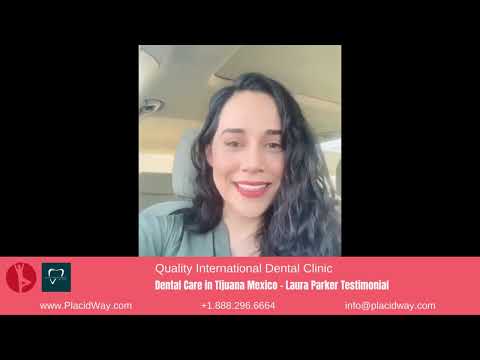
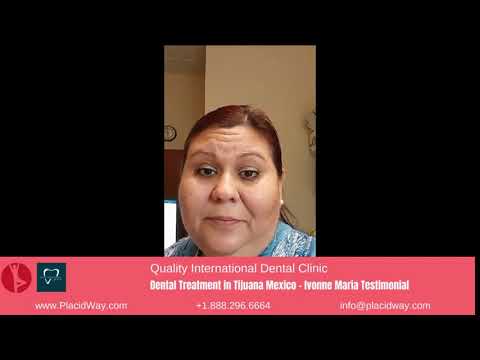
Reading about a dental clinic is helpful, but seeing the patient experience unfold in real-time gives you a much clearer picture. Video walkthroughs pull back the curtain on what a facility actually looks like beyond the polished website photos.
They allow you to observe the hygiene practices, hear directly from past patients, and gauge the dentist's communication style before you even cross the border. Watch the clinic videos below to compare their atmospheres and see actual veneer results from real people.
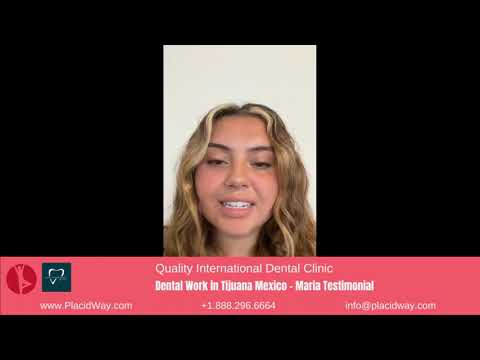
You would not hire a contractor without checking their previous work, and letting someone permanently reshape your teeth demands the exact same level of scrutiny. Authentic patient testimonials reveal the truth about a clinic's bedside manner and post-procedure support.
Look for reviews from international travelers who navigated the same border logistics and timeline constraints that you are facing. Read through the patient feedback below to compare honest experiences and identify a team you feel truly comfortable with.

Planning a trip for cosmetic dentistry naturally brings up a lot of logistical and medical concerns. Below, we have answered the most common questions patients ask when considering dental veneers in Tijuana.
How long does it take to get veneers in Tijuana?
The process usually takes between 3 to 5 days. For porcelain or E-max veneers, you typically need two visits: one for tooth preparation and taking impressions, and a second visit a few days later to bond the custom veneers.
Do dentists in Tijuana use the same veneer materials as in the US?
Yes, reputable clinics use internationally recognized materials like E-max, Zirconia, and high-grade composite resin, often sourcing them from the exact same global suppliers used by North American dentists.
Is it safe to travel to Tijuana for dental care?
Millions of people cross the border safely every year for medical care. If you stay within established medical districts like Zona Rio, use clinic-provided transportation, and travel during daylight hours, the experience is generally very secure.
How do I cross the border for my dental appointment?
Most patients fly into San Diego and cross by foot at the PedWest or San Ysidro port of entry, where clinics often have representatives waiting. Alternatively, many clinics offer private shuttle services directly from the US side.
What is the difference between porcelain and composite veneers?
Porcelain veneers are crafted in a lab, resist stains better, and last 10-15 years, but require altering the tooth enamel. Composite veneers are sculpted directly onto the tooth in one visit, are more affordable, but may need replacing every 5-7 years.
Do I need a passport to go to a Tijuana dental clinic?
Yes. US and Canadian citizens must have a valid passport or an enhanced driver's license (where applicable) to re-enter their home country after visiting Mexico.
Are Tijuana dentists properly licensed and regulated?
Legitimate dentists are licensed by the Mexican government and often hold memberships with organizations like the ADM. Many top-tier dentists also pursue continuing education or board certifications in the United States.
What happens if a veneer cracks after I return home?
Most high-quality clinics offer a guarantee or warranty on their lab work. If a veneer fails due to a material defect within that window, they will replace it for free, though you will need to cover your travel costs to return.
Can I use a FastLane medical pass to return to the US?
Yes. Many accredited clinics in Tijuana provide patients with a FastLane (Medical Lane) pass, which significantly reduces the wait time when driving back into the United States.
Do Tijuana dental clinics accept US dental insurance?
Many clinics accept PPO dental insurance plans from the US. They will help you fill out the necessary paperwork so you can submit a claim for reimbursement, though you usually pay out-of-pocket upfront.
How Much Do Veneers Cost in Tijuana?
Veneers in Tijuana typically cost between $200 and $700 per tooth, depending on the material (composite or porcelain) and the clinic. This is significantly more affordable than in the United States or Canada, where prices can range from $800 to over $2,500 per tooth. Are you dreaming of a perfect smile but worried about the high costs? You're not alone. Many people across North America are seeking more affordable options for cosmetic dental procedures like veneers, and Tijuana, Mexico, has emerged as a leading destination. Getting veneers in Tijuana offers a compelling combination of quality dental care and significant cost savings. This detailed guide will explore everything you need to know about the cost of veneers in Tijuana, what factors influence the price, and what to expect from the procedure. We'll answer the most common questions people have, helping you make an informed decision about your smile transformation. How much do veneers cost in Tijuana? "Veneers in Tijuana generally cost between $200 and $700 per tooth, making them a much more affordable option than in the United States or Canada." The cost of veneers in Tijuana varies depending on the type of material used and the specific dental clinic. For instance, composite veneers are typically the most budget-friendly, often ranging from $200 to $300 per tooth. On the other hand, porcelain veneers and Zirconia veneers, which offer greater durability and a more natural appearance, usually fall within the $400 to $700 range per tooth. These prices represent a substantial saving when compared to average costs in the US, where a single porcelain veneer can easily exceed $1,000 to $2,500. Many clinics in Tijuana offer package deals for multiple veneers, especially for a "Hollywood smile makeover" which might involve 10 to 20 veneers. These packages can further reduce the per-tooth cost and may even include additional services like transportation or accommodation, making the overall experience even more convenient and cost-effective for international patients. Why are veneers so much cheaper in Tijuana compared to the US? "The lower cost of veneers in Tijuana is primarily due to lower operational expenses, living costs, and favorable government policies in Mexico, not a compromise on quality." The significant price difference for veneers between Tijuana and the United States can be attributed to several economic factors. Firstly, the cost of living and labor in Mexico is considerably lower than in the US, which directly impacts the overhead expenses for dental clinics. This includes everything from rent and utilities to staff salaries. Secondly, the cost of dental education and training in Mexico can be less expensive, leading to lower student debt for dentists, which in turn allows them to charge less for their services. Furthermore, medical liability insurance and administrative costs for dental practices are often much lower in Mexico. While clinics in Tijuana frequently use the same high-quality materials and state-of-the-art technology as their US counterparts, these materials can be sourced at a lower price due to different import duties and supply chain structures. The competitive market in Tijuana, driven by a high volume of international patients seeking affordable care, also encourages clinics to offer competitive pricing to attract clients. What types of veneers are available in Tijuana and how do their costs differ? "In Tijuana, the main types of veneers available are composite and porcelain (including E-Max and Zirconia), with composite being the most affordable and porcelain/Zirconia offering higher durability and aesthetic quality at a greater cost." When considering veneers in Tijuana, you'll typically find two primary types: Composite Veneers: Cost: Generally range from $200 to $300 per tooth. Description: Made from a tooth-colored resin material that is applied directly to the tooth and sculpted into shape by the dentist. This process usually requires only one visit. Pros: Most affordable option, can be done in a single visit, easily repairable. Cons: Less durable and more prone to staining than porcelain veneers, typically last 5-7 years. Porcelain Veneers (including E-Max and Zirconia): Cost: Typically range from $400 to $700 per tooth. E-Max and Zirconia may be on the higher end of this range. Description: These are custom-made, thin shells of porcelain that are crafted in a dental laboratory and then bonded to the front surface of your teeth. Pros: Highly durable, stain-resistant, offer a very natural and aesthetic appearance, can last 10-15 years or more with proper care. Cons: More expensive than composite veneers, typically require at least two visits (one for preparation and impressions, another for bonding). The choice between composite and porcelain veneers often comes down to budget, desired longevity, and aesthetic preferences. While composite veneers offer a quicker and cheaper fix, porcelain options provide a more enduring and visually superior result. Are veneers in Tijuana safe and high-quality? "Yes, veneers in Tijuana are generally safe and high-quality, as many clinics are modern, internationally accredited, and employ highly trained dentists using state-of-the-art materials." Many dental clinics in Tijuana have invested heavily in modern facilities, advanced technology, and continuous education for their staff to attract international patients. It's common to find dentists in Tijuana who have received training in the United States or other well-respected dental programs. They often use the same high-quality dental materials and equipment sourced from leading manufacturers globally, ensuring the durability and aesthetic appeal of the veneers. However, as with any medical procedure, it's crucial for patients to do their due diligence. This involves: Researching clinics: Look for clinics with positive patient reviews, clear certifications, and transparent pricing. Checking accreditations: Some clinics may have international accreditations or affiliations with dental associations, which can be an indicator of quality. Requesting information: Don't hesitate to ask about the dentist's experience, the materials they use for veneers, and the sterilization protocols. Reputable clinics prioritize patient safety and satisfaction, ensuring that the veneers procedure is performed to a high standard. What factors influence the final cost of veneers in Tijuana? "The final cost of veneers in Tijuana is influenced by the type of material, the number of veneers needed, the complexity of the case, the dentist's experience, and any additional treatments required." Several factors can influence the overall cost of your veneers in Tijuana: Material Choice: As discussed, porcelain veneers (including E-Max and Zirconia) are more expensive than composite veneers due to their superior durability, aesthetics, and the laboratory process involved. Number of Veneers: The total cost will directly correlate with how many teeth require veneers. Many patients opt for a full set of 8-10 upper teeth (or even 20 for a full smile makeover) to achieve a uniform look. Case Complexity: If you have underlying dental issues like gum disease, cavities, or significant misalignment, these issues will need to be addressed before veneers can be placed, adding to the total cost. Dentist's Experience and Reputation: Highly experienced dentists or clinics with a strong reputation for cosmetic dentistry may charge more for their expertise. Additional Procedures: X-rays and consultations: While some clinics may offer these for free as part of a package, others might charge a small fee. Teeth whitening (if only a few veneers are done): To match existing teeth. Gum contouring: To create a more even gum line for the veneers. Temporary veneers: Placed while your permanent porcelain veneers are being fabricated. Understanding these variables will help you get a more accurate estimate for your veneers treatment plan. How long does it take to get veneers in Tijuana? "Getting composite veneers in Tijuana can often be completed in a single visit, while porcelain veneers typically require two visits over 3-7 days due to laboratory fabrication." The timeline for getting veneers in Tijuana depends largely on the type of veneer: Composite Veneers: These are often completed in a single visit. The dentist applies the resin directly to your teeth, sculpts it, and cures it with a light. This makes them a convenient option for those with limited time. Porcelain Veneers: These require at least two visits, usually spread over a few days: First Visit (Preparation): Your teeth will be prepared (a small amount of enamel removed), impressions will be taken, and temporary veneers may be placed. This visit typically takes a few hours. Second Visit (Bonding): Once your custom porcelain veneers are fabricated by a dental lab (which can take 2-5 business days), you'll return for the bonding appointment. The temporary veneers are removed, and the permanent ones are carefully bonded to your teeth. This visit also takes a few hours. Some clinics in Tijuana have in-house dental labs with CAD/CAM technology, which can significantly expedite the process for porcelain veneers, potentially allowing for completion in a shorter timeframe, sometimes even within two days. What should I expect during the veneer consultation in Tijuana? "During a veneer consultation in Tijuana, you can expect a comprehensive dental examination, X-rays, discussion of your aesthetic goals, and a detailed explanation of treatment options and costs." Your initial consultation for veneers in Tijuana is a crucial step. Here's what typically happens: Comprehensive Examination: The dentist will thoroughly examine your teeth, gums, and overall oral health. This may include digital X-rays and intraoral photos to assess your dental structure and identify any underlying issues. Discussion of Goals: You'll have the opportunity to discuss your aesthetic concerns and what you hope to achieve with veneers. This is where you can talk about desired tooth shape, size, and shade. Smile Design: Many modern clinics use digital smile design software. This technology allows the dentist to show you a preview of your potential new smile, helping you visualize the outcome before committing to the treatment. Treatment Options: The dentist will explain the different types of veneers (composite, porcelain, E-Max, Zirconia) and recommend the best option based on your oral health, aesthetic goals, and budget. Detailed Treatment Plan and Cost Breakdown: You'll receive a personalized treatment plan outlining the steps involved, the estimated number of visits, and a transparent breakdown of all costs associated with your veneers. Questions and Concerns: This is your chance to ask any questions you have about the procedure, recovery, aftercare, and anything else that concerns you. A good consultation should leave you feeling informed, comfortable, and confident about your decision. Do I need a special dental insurance for veneers in Tijuana? "Most standard dental insurance plans in the US and Canada do not cover cosmetic procedures like veneers, regardless of where they are performed. It's best to confirm coverage directly with your insurer." Generally, veneers are considered a cosmetic dental procedure, and as such, they are typically not covered by standard dental insurance plans in the United States or Canada. This is true whether you get them done domestically or internationally. Insurance companies usually only cover procedures deemed medically necessary to restore oral health. However, there are exceptions: Trauma-Related Damage: If veneers are needed to repair teeth damaged due to an accident or trauma, a portion of the cost might be covered if it's considered restorative. Specific Cosmetic Riders: Some premium dental insurance plans or health savings accounts (HSAs) might offer limited coverage for cosmetic procedures, or you may be able to use HSA/FSA funds for payment. It is always recommended to contact your insurance provider directly to confirm your specific policy details and what, if any, coverage you might have for veneers or related dental work, especially when planning to receive treatment abroad. Many patients find that even without insurance coverage, the out-of-pocket cost for veneers in Tijuana is still significantly less than insured costs in their home country. What are the common risks associated with getting veneers? "Common risks associated with veneers include increased tooth sensitivity, potential for chipping or fracturing, decay underneath the veneer if not properly maintained, and irreversible tooth alteration from enamel removal." While veneers are generally safe and effective, like any dental procedure, there are potential risks and considerations: Tooth Sensitivity: Some patients may experience increased sensitivity to hot or cold temperatures after veneer placement, especially if enamel was removed. This usually subsides over time. Chipping or Fracturing: Although porcelain veneers are durable, they can chip or fracture, particularly with habits like teeth grinding (bruxism), biting on hard objects, or improper care. Composite veneers are generally more prone to chipping. Decay Underneath: If proper oral hygiene isn't maintained, decay can still form on the natural tooth structure beneath the veneer, requiring the veneer's removal and re-treatment. Irreversible Procedure: For porcelain veneers, a small amount of tooth enamel is permanently removed, making the procedure irreversible. If a veneer needs to be removed, a new one or another restorative solution will be required. Veneer Dislodgement: Though rare, a veneer can become debonded or fall off. If this happens, it can often be re-bonded by your dentist. Poor Fit or Aesthetics: In rare cases, the veneers might not fit perfectly, feel uncomfortable, or not meet aesthetic expectations, necessitating adjustments or replacement. Choosing an experienced dentist helps mitigate this risk. Proper aftercare, including good oral hygiene and regular dental check-ups, is crucial to minimize these risks and ensure the longevity of your veneers. How long do veneers typically last? "Porcelain veneers typically last 10-15 years or even longer with proper care, while composite veneers generally last 5-7 years before needing replacement or repair." The longevity of your veneers largely depends on the material chosen and how well you care for them. Porcelain Veneers: These are known for their durability and stain resistance. With good oral hygiene and regular dental check-ups, porcelain veneers can last anywhere from 10 to 15 years, and sometimes even 20 years. Factors like teeth grinding, biting on hard foods, or not wearing a nightguard (if recommended) can reduce their lifespan. Composite Veneers: Being made from resin, composite veneers are less durable than porcelain. They typically last 5 to 7 years. While they can be repaired more easily than porcelain, they may also need more frequent touch-ups or replacement due to staining or chipping. To maximize the lifespan of your veneers, regardless of the type, it's essential to: Maintain excellent oral hygiene: Brush and floss regularly. Avoid biting on extremely hard foods (e.g., ice, hard candies, nuts with shells). Do not use your teeth to open packages. Wear a nightguard if you grind or clench your teeth. Schedule regular dental check-ups and cleanings. Following these guidelines will help ensure your investment in a beautiful smile lasts for many years. Can I get a full smile makeover with veneers in Tijuana? "Yes, many clinics in Tijuana specialize in full smile makeovers using veneers, often involving 10-20 veneers to transform your entire smile, sometimes at a packaged price." Absolutely! Tijuana is a popular destination for patients seeking a full smile makeover with veneers. A full smile makeover typically involves placing veneers on all visible teeth in your smile, which can range from 8 to 10 teeth on the upper arch, and sometimes an equal number on the lower arch, totaling 16 to 20 veneers. Clinics in Tijuana are well-equipped to handle such extensive cosmetic procedures. They often provide: Digital Smile Design: Advanced technology to plan and visualize your complete new smile before treatment begins. Experienced Cosmetic Dentists: Dentists with specialized training and extensive experience in creating harmonious and natural-looking smile transformations. Package Deals: Many clinics offer attractive package deals for full smile makeovers, which can include the cost of all veneers, initial consultations, X-rays, and sometimes even accommodation or transportation services, making it a comprehensive and cost-effective solution. A full smile makeover with veneers in Tijuana can address a wide range of aesthetic concerns, including discoloration, gaps, chips, uneven teeth, and minor misalignments, providing a complete transformation of your smile. What is the recovery process like after getting veneers? "The recovery process after getting veneers is generally minimal, with some temporary sensitivity to hot or cold, which typically subsides within a few days to a couple of weeks." The recovery process after getting veneers is usually straightforward and relatively quick. Immediate Post-Procedure: You might experience some mild soreness or tenderness in your gums, which is normal and typically resolves within a day or two. Temporary sensitivity to hot or cold temperatures is common, especially after the placement of porcelain veneers where a small amount of enamel was removed. This sensitivity usually diminishes within a few days to a couple of weeks as your teeth adjust. Eating and Drinking: It's generally advised to avoid very hot or cold foods and drinks for the first few days if you experience sensitivity. You can typically resume your normal diet soon after the procedure, but it's wise to avoid extremely hard or sticky foods to prevent damage to your new veneers. Oral Hygiene: Maintain your regular oral hygiene routine of brushing twice a day and flossing daily. Use a non-abrasive toothpaste. Long-Term Care: Avoid using your teeth as tools (e.g., opening bottles, biting nails). If you grind your teeth at night, your dentist may recommend a nightguard to protect your veneers. Regular dental check-ups and professional cleanings are essential to ensure the longevity of your veneers and overall oral health. Most patients find they can return to their normal activities almost immediately after the veneers are placed, with minimal discomfort. Are there any alternatives to veneers for improving my smile? "Alternatives to veneers for improving your smile include teeth whitening, dental bonding, orthodontics (braces or clear aligners), and dental crowns, each addressing different cosmetic concerns." While veneers are an excellent option for a comprehensive smile transformation, several other dental procedures can improve your smile, depending on your specific needs and budget: Teeth Whitening: If your primary concern is discoloration, professional teeth whitening is a less invasive and more affordable option. It can significantly lighten the shade of your natural teeth. Dental Bonding (Composite Bonding): This involves applying a tooth-colored resin material to your teeth to repair chips, cracks, or gaps. It's similar to composite veneers but typically covers a smaller area. It's less expensive and can often be done in one visit, but it's less durable and more prone to staining than porcelain veneers. Orthodontics (Braces or Clear Aligners): If misaligned teeth or gaps are your main concern, orthodontics can permanently correct the position of your teeth without altering their structure. While it takes longer, the results are natural and can improve overall oral health. Dental Crowns: If a tooth is severely damaged, decayed, or has had a large filling, a dental crown might be a better option than a veneer. A crown covers the entire tooth, providing greater strength and protection. However, it requires more tooth reduction than a veneer. Gum Contouring: If you have a "gummy smile" or uneven gum line, this procedure can reshape the gums to expose more of the tooth surface, creating a more balanced appearance. Discussing your goals with a dentist in Tijuana will help determine the most suitable and cost-effective treatment for your unique smile. What aftercare is needed for veneers to ensure their longevity? "To ensure the longevity of veneers, diligent oral hygiene, regular dental check-ups, avoiding hard or sticky foods, and wearing a nightguard for teeth grinding are essential aftercare steps." Proper aftercare is vital to maximize the lifespan and maintain the beautiful appearance of your veneers. Here are key recommendations: Excellent Oral Hygiene: Brush Regularly: Brush your teeth at least twice a day with a soft-bristled toothbrush and non-abrasive toothpaste. Focus on gentle brushing motions. Floss Daily: Floss at least once a day to remove plaque and food particles from between your teeth and along the gum line. Dietary Considerations: Avoid Hard and Sticky Foods: Steer clear of extremely hard foods like ice, hard candies, or unpopped popcorn kernels, which can chip or crack your veneers. Also, limit sticky foods that can potentially pull on them. Limit Staining Foods and Drinks: While porcelain veneers are highly stain-resistant, excessive consumption of coffee, tea, red wine, and berries can still cause some discoloration over many years. Composite veneers are more susceptible to staining. Protect Against Grinding/Clenching: If you grind or clench your teeth (bruxism), especially at night, your dentist will likely recommend a custom-fitted nightguard. This protects your veneers from excessive force and wear. Avoid Using Teeth as Tools: Never use your teeth to open bottles, tear packages, or bite on non-food items. Regular Dental Check-ups: Continue with your routine dental check-ups and professional cleanings every six months. Your dentist can monitor the condition of your veneers and address any issues promptly. They can also use specialized cleaning tools that are safe for veneers. By following these aftercare guidelines, you can significantly extend the life of your veneers and keep your smile looking its best. What are Lumineers and how do they compare to traditional veneers in Tijuana? "Lumineers are a brand of ultra-thin veneers that often require minimal to no tooth preparation, making them a less invasive alternative to traditional veneers, which usually involve some enamel removal." Lumineers are a specific brand of porcelain veneers that are known for being extremely thin – about as thin as a contact lens. This ultra-thin design is their defining characteristic and leads to the primary difference from traditional veneers: Tooth Preparation: Lumineers: Often require little to no tooth preparation (enamel removal). In some cases, they can be placed directly over existing teeth. This makes the procedure reversible, as the natural tooth structure remains largely intact. Traditional Veneers: Typically require a small amount of enamel to be removed from the tooth surface to ensure a proper fit and natural appearance. This makes the procedure irreversible. Thickness: Lumineers: Are significantly thinner (around 0.2 mm). Traditional Veneers: Are slightly thicker (around 0.5-0.7 mm). Cost in Tijuana: Lumineers generally fall into the same price range as other high-quality porcelain veneers in Tijuana, often around $450 to $700 per tooth. Some clinics may offer package deals for Lumineers specifically. Aesthetics: While Lumineers can provide a beautiful smile, their ultra-thin nature means they may not be able to mask severe discoloration or highly irregular tooth shapes as effectively as slightly thicker traditional veneers. Traditional porcelain veneers often allow for more dramatic changes in shape and shade. The choice between Lumineers and traditional veneers in Tijuana depends on your specific dental condition, desired outcome, and whether you prefer a reversible procedure or need more significant tooth alteration for optimal results. Your dentist will evaluate your teeth and discuss which option is best for you. Is it worth traveling to Tijuana for veneers? "Many people find traveling to Tijuana for veneers highly worthwhile due to significant cost savings, access to modern clinics, and experienced dentists, especially for extensive smile makeovers." For many individuals, particularly those from the United States and Canada, traveling to Tijuana for veneers is indeed a worthwhile decision. The primary driver is the substantial cost savings, which can be 50-70% or more compared to prices in their home countries. This makes high-quality cosmetic dentistry, like a full set of porcelain veneers, accessible to a wider range of budgets. Beyond cost, other compelling reasons include: Proximity and Convenience: Tijuana's location right across the US border, particularly near San Diego, makes it an easily accessible destination for many. Modern Facilities and Technology: Many clinics in Tijuana are state-of-the-art, equipped with the latest dental technology and adhering to international standards of care. Experienced Dentists: A large number of dentists in Tijuana have received training in the US or other advanced dental programs, offering a high level of expertise in cosmetic procedures like veneers. Efficiency: For procedures requiring multiple visits, clinics are often set up to accommodate international patients efficiently, sometimes completing complex treatments within a few days. Opportunity for Tourism: Patients can combine their dental treatment with a short trip, exploring the culture and cuisine of Tijuana. However, it's essential to research and choose a reputable clinic with transparent pricing and good patient reviews to ensure a positive experience and high-quality results for your veneers. How do I choose a reputable clinic for veneers in Tijuana? "To choose a reputable clinic for veneers in Tijuana, look for transparent pricing, positive patient reviews, clear certifications, modern facilities, and dentists with relevant experience and credentials." Choosing the right clinic for your veneers in Tijuana is crucial for a successful outcome. Here are key factors to consider: Online Reviews and Testimonials: Look for clinics with a high volume of positive reviews on independent platforms (e.g., Google Reviews, Yelp, specific dental tourism forums). Pay attention to comments regarding quality of work, patient care, communication, and transparency. Dentist's Credentials and Experience: Inquire about the dentist's education, specialized training in cosmetic dentistry, and years of experience with veneers. Ask to see before-and-after photos of their previous veneer cases. Clinic Accreditations and Standards: Check if the clinic has any international accreditations (though not all do, and it doesn't necessarily mean lower quality if they don't). Ensure they adhere to strict sterilization protocols and use high-quality, reputable dental materials. Transparency in Pricing: A reputable clinic will provide a clear, written estimate of all costs involved before you commit to treatment, with no hidden fees. Communication: Evaluate how quickly and thoroughly the clinic responds to your inquiries. Good communication, especially if the staff is bilingual, is a sign of a patient-focused practice. Facility and Technology: Look for clinics that appear clean, modern, and utilize advanced dental technology (e.g., digital X-rays, CAD/CAM for same-day crowns/veneers, digital smile design). Initial Consultation: A thorough consultation where the dentist explains the procedure, assesses your suitability, and discusses your expectations is a good sign. Taking the time to research these aspects will significantly increase your chances of a positive experience when getting veneers in Tijuana. Can veneers fix crooked teeth or gaps? "Veneers can effectively fix minor crooked teeth and close small gaps, providing a straighter, more uniform appearance without the need for orthodontics in some cases." Yes, veneers are a popular and effective solution for correcting minor alignment issues and closing small gaps between teeth. This is often referred to as "instant orthodontics" because it can achieve a straighter smile much faster than traditional braces or clear aligners. Crooked Teeth: For teeth with minor crookedness or slight misalignment, veneers can be custom-designed to create the appearance of perfectly straight teeth. The thin shells are bonded to the front surface, effectively masking the underlying irregularity. However, for significantly crooked teeth or severe bite issues, orthodontics would be a more appropriate and healthier long-term solution. Gaps (Diastema): Veneers can be precisely shaped to widen the appearance of individual teeth, thereby closing small to moderate gaps. This is a common application for veneers, especially for gaps in the front teeth. Your dentist in Tijuana will assess your specific dental condition and recommend whether veneers are the best option for addressing your crooked teeth or gaps, or if an alternative like orthodontics would provide a more suitable or healthier result. They can help you understand the extent to which veneers can achieve your desired aesthetic outcome. What is the expected lifespan of veneers in Tijuana, and how does it compare to US clinics? "The expected lifespan of veneers from reputable Tijuana clinics is comparable to those from US clinics, with porcelain lasting 10-15+ years and composite 5-7 years, provided high-quality materials and proper aftercare are ensured." The expected lifespan of veneers obtained in Tijuana is generally comparable to those placed in US clinics, assuming the same quality of materials and dental expertise are utilized. The longevity of veneers is less about the geographical location of the clinic and more about these critical factors: Material Quality: Reputable clinics in Tijuana use high-quality porcelain and composite materials, often sourced from the same international manufacturers as clinics in the US. Porcelain Veneers: Typically last 10-15 years, or even longer (up to 20 years). Composite Veneers: Generally last 5-7 years. Dentist's Skill and Experience: An experienced dentist ensures precise preparation, proper bonding techniques, and an accurate bite alignment, all of which contribute significantly to the longevity of the veneers. Many Tijuana dentists are highly skilled and internationally trained. Patient Aftercare: This is perhaps the most crucial factor. Diligent oral hygiene, regular dental check-ups, avoiding habits like teeth grinding or biting on hard objects, and wearing a nightguard if needed, are essential regardless of where you get your veneers. Therefore, when you choose a reputable and skilled clinic in Tijuana that uses quality materials, you can expect your veneers to last just as long as they would from a clinic in the US. The difference in cost does not inherently mean a compromise in lifespan. Can I combine veneers with other dental treatments in Tijuana? "Yes, many patients combine veneers with other dental treatments in Tijuana, such as dental implants, crowns, or teeth whitening, to achieve a comprehensive smile transformation efficiently and affordably." Absolutely! Many patients traveling to Tijuana for veneers choose to combine their cosmetic treatment with other necessary or desired dental procedures. This approach can be highly efficient and cost-effective, allowing you to address multiple dental concerns during a single trip. Common combinations include: Veneers and Dental Implants: If you have missing teeth in addition to needing cosmetic improvements, you might get dental implants to restore function and then veneers for the visible front teeth for aesthetic harmony. Veneers and Dental Crowns: Crowns are used for more severely damaged or decayed teeth, while veneers are for cosmetic enhancement of healthy teeth. A dentist might recommend a combination to achieve a uniform smile. Veneers and Teeth Whitening: If you are only getting veneers on a few teeth, you might whiten your natural teeth first to match the new veneers perfectly, ensuring a consistent bright smile. Veneers and Root Canals/Fillings: Any underlying dental issues like cavities or infections will need to be treated before veneers can be placed. Combining these restorative procedures with your veneers can streamline your overall dental care. Veneers and Gum Contouring: For those with uneven gum lines or a "gummy smile," gum contouring can be performed prior to veneer placement to create a more balanced and aesthetically pleasing foundation. Many Tijuana clinics are set up to provide comprehensive dental care, making it convenient to undergo multiple treatments during your visit. Discussing all your dental needs and aesthetic goals with your chosen clinic beforehand will help them create a synchronized treatment plan. PlacidWay can help you explore solutions for medical tourism and healthcare services, including comprehensive dental treatments like veneers in Tijuana and beyond.
Is it Safe to Get Veneers in Tijuana, Mexico?
Getting veneers in Tijuana, Mexico can be safe for suitable candidates when performed by verified, experienced dentists. However, all dental procedures carry inherent risks, making careful research of credentials and clinic hygiene standards essential before traveling. Every year, thousands of patients cross the border seeking affordable dental care, ranging from routine cleanings to complex cosmetic restorations. If you are considering upgrading your smile, you might be weighing the potential benefits against the uncertainties of traveling abroad for treatment. Understanding the facts, verifying provider qualifications, and acknowledging the risks are critical steps for anyone planning a health-related trip. This guide explores what you need to know about pursuing cosmetic dentistry across the border. We will examine common patient questions, look at typical processes, and discuss how you can make more informed decisions about your oral health. Key Takeaways Thoroughly verifying your dentist's credentials and hygiene standards is the most crucial step for patient safety. Veneer placement is usually an irreversible procedure requiring the removal of natural tooth enamel. The materials used in Mexico, such as porcelain and zirconia, are often the same global brands used in North America. Patients must plan for the possibility of requiring follow-up care or minor adjustments after returning home. Suitability for veneers depends on healthy gums, sufficient enamel, and a comprehensive dental evaluation. Why do patients travel for dental veneers in Tijuana? Many patients travel to Tijuana primarily to seek more affordable cosmetic dental care. The close physical proximity to the US border also makes it a highly accessible destination for North Americans. The rising costs of healthcare and out-of-pocket cosmetic treatments have driven many people to explore international alternatives. The growth of medical tourism in Tijuana, Mexico, especially for dentistry, is largely fueled by this cost disparity. Because operating expenses, labor, and real estate are typically lower in Mexico, dental providers can often offer procedures at a lower price point than their northern counterparts. Accessibility plays a massive role in this region's popularity. Patients living in Southern California can often drive to the border, park their cars, and walk across to nearby dental districts. Even those flying into San Diego find the transit straightforward. This convenience allows some patients to make day trips for consultations, impressions, or final fittings without the added expense of flights and extended hotel stays. However, convenience and affordability should never override safety considerations. While the appeal of saving money is strong, responsible patients prioritize finding a well-regulated environment equipped to handle complex cosmetic dentistry. What materials are typically used for veneers in Mexico? Dental clinics in Tijuana generally offer the same veneer materials used globally, including porcelain, composite resin, and zirconia. The choice of material often depends on your budget, cosmetic goals, and overall dental health. Traditional Porcelain: Widely considered the standard for aesthetics, porcelain mimics the light-reflecting properties of natural teeth effectively. It resists stains well and is highly durable. Composite Resin: This material is usually applied directly to the tooth and sculpted. It requires less enamel removal and is more budget-friendly, though it may chip or stain more easily over time. Zirconia: Known for incredible strength, zirconia is often recommended for patients with a heavy bite or those who occasionally grind their teeth. It is highly resistant to fracturing. E-max (Lithium Disilicate): A popular type of high-strength glass-ceramic that offers a balance of exceptional aesthetics and durability, often used for front teeth where appearance is paramount. Pre-fabricated Veneers: Some facilities offer pre-made options, though these rarely provide the customized, natural fit and look that individually milled or lab-created materials offer. What are the potential risks of getting dental work abroad? Like any dental procedure, getting veneers carries risks such as infection, tooth sensitivity, or improper fit. Traveling abroad adds variables like differing regulatory standards and potential challenges with post-operative follow-up care. The physical risks of veneer placement remain similar regardless of geography. Because placing traditional veneers involves removing a thin layer of natural tooth enamel, the procedure is irreversible. If the tooth is prepped too deeply, patients may suffer from prolonged sensitivity or even nerve damage requiring a root canal. Poorly fitted veneers can also create small ledges near the gumline, trapping bacteria and leading to gingivitis or localized decay. When receiving care abroad, the risks compound due to distance. If you return home and experience pain, altered bite alignment, or a veneer detaches, you may not have immediate access to the dentist who performed the work. Local dentists in your home country might be hesitant to adjust or repair work done elsewhere, or they may charge premium fees to correct complications. Furthermore, regulatory environments vary. While many Mexican dentists hold advanced degrees and adhere to strict international sterilization protocols, not all facilities are monitored equally. Patients bear the responsibility of conducting extensive due diligence rather than assuming a clinic meets necessary safety thresholds. Important Consideration Always request a copy of your full dental records, treatment plans, material specifications, and x-rays before leaving the country. Having these documents is vital for your hometown dentist to provide accurate long-term maintenance. How much do veneers usually cost in Tijuana? The veneers cost in Tijuana, Mexico is typically lower than in the United States or Canada, though prices vary widely based on materials, case complexity, and clinic location. Patients should view all listed prices as estimates rather than guaranteed fixed rates. Cost is highly subjective and depends on how many teeth are being treated, the current health of your mouth, and the specific materials chosen. For example, a single composite veneer will cost significantly less than a custom-milled E-max porcelain veneer. When reviewing estimates, clarify what the quoted price includes. Some providers offer a single bundled fee covering the consultation, panoramic x-rays, local anesthesia, temporary veneers, and the final placement. Others may itemize these costs, meaning the initial low quote could grow once additional fees are applied. It is also important to factor in travel expenses, lodging, and meals when calculating your total potential outlay. Material Type Typical Characteristics Cost Context Composite Resin Applied chairside, faster process, prone to staining. Generally the most economical option. Standard Porcelain Durable, stain-resistant, requires lab fabrication. Mid-range to higher cost due to lab fees. E-Max / Zirconia Highest strength, premium aesthetics, custom milled. Typically the highest cost among veneer options. How long does the veneer process take in Tijuana? The timeline for placing veneers often requires multiple days or sometimes two separate trips, depending on whether the clinic uses in-house milling technology. Traditional porcelain veneers usually take about five to seven days from consultation to final placement. A typical timeline begins with a thorough consultation, 3D imaging, and a discussion of your cosmetic goals. If you proceed, the dentist prepares your teeth by removing a small amount of enamel and taking precise impressions. You are usually fitted with temporary veneers while the permanent ones are fabricated. If a clinic partners with an off-site dental laboratory, you might need to wait several days before the final veneers are ready to be bonded. During this waiting period, some patients choose to return home to the US and come back a week later, while others opt to turn the wait into an extended stay in Mexico. Conversely, some modern facilities feature CAD/CAM (Computer-Aided Design and Computer-Aided Manufacturing) technology. This equipment allows dentists to design and mill ceramic veneers on-site, sometimes compressing the entire process into a few days or even a single extended day. While convenient, rapid processes still require careful evaluation to ensure the bite is aligned and the fit is secure. What should I look for in a veneers clinic in Tijuana, Mexico? Finding a reliable veneers clinic in Tijuana, Mexico requires verifying the dentist's credentials, reviewing sterilization protocols, and ensuring clear communication. Do not base your healthcare decisions solely on the lowest advertised price. Professional Credentials: Check if the treating dentist has specialized training in prosthodontics or cosmetic dentistry. Board certifications and memberships in recognized organizations, such as the American Dental Association (ADA) as an international affiliate, can be positive indicators. Sterilization Standards: Inquire about their infection control protocols. Cleanliness, modern autoclaves, and transparent safety measures are non-negotiable for protecting your health. Before and After Portfolios: Ask to see genuine, unedited case studies of the dentist’s previous veneer patients. Pay attention to gum health and natural-looking outcomes in the photos. Clear Communication: You must be able to express your concerns and understand the risks. If you do not speak Spanish, ensure the clinic provides fluent English-speaking staff or a dedicated patient coordinator. Transparent Estimates: Reputable providers will outline all potential costs, including consultations, x-rays, provisional restorations, and the final veneers, before any physical work begins. Am I a good candidate for dental veneers? Not everyone is an ideal candidate for veneers; you typically need healthy gums, sufficient tooth enamel, and good overall oral hygiene. A qualified dentist must evaluate your specific dental history to determine if this treatment is appropriate for you. Veneers are primarily a cosmetic solution designed to correct minor aesthetic flaws such as severe discoloration, slight gaps, chips, or minor misalignments. Because the veneer must bond directly to the tooth, patients must have a strong, sufficient layer of natural enamel. If your enamel is severely eroded due to acid reflux or aggressive brushing, the bonding material may fail. Active oral health issues are strong contraindications for cosmetic work. If you have untreated tooth decay, periodontal (gum) disease, or active root infections, these foundational issues must be completely resolved before any cosmetic overlays are considered. Masking an unhealthy tooth with a veneer can lead to severe decay hidden beneath the restoration. Additionally, patients who suffer from severe bruxism (chronic teeth grinding or clenching) may not be suitable candidates, as the excessive force can easily crack or dislodge porcelain veneers. In such cases, dentists might recommend alternative treatments, such as full coverage crowns, or mandate the strict use of a custom night guard. What happens if I experience complications after returning home? If you develop complications after leaving Mexico, you may need to seek immediate care from a local dentist in your home country. It is crucial to have a post-treatment plan because returning to Tijuana for minor adjustments is not always practical. While many patients return home highly satisfied, complications can arise days, weeks, or even months after the procedure. Common post-operative issues include persistent bite discomfort, heightened sensitivity to hot or cold temperatures, or localized gum inflammation. In rare instances, a veneer may chip, fracture, or debond entirely. If a complication occurs, traveling back across the border for a quick fix may be disruptive and expensive. Therefore, before committing to treatment abroad, it is wise to consult your local dentist. Inform them of your plans and ensure they are willing to provide maintenance, cleanings, and emergency care for work performed outside their office. Be aware that if your foreign dental work requires major revisions or needs to be completely redone by a hometown dentist, the total financial cost could ultimately exceed what you would have paid by having the procedure done locally in the first place. Will my dental veneers look completely natural? While modern materials can closely mimic the appearance of natural teeth, outcomes vary based on the dentist's skill and the chosen material. Discussing your aesthetic goals realistically with your provider helps align expectations with potential results. The "natural" appearance of a veneer relies heavily on the translucency of the material and the artistic eye of the dental laboratory fabricating it. Natural teeth are not opaque, flat white surfaces; they have slight color gradients, textures, and specific light-reflecting properties. High-quality porcelain or E-max materials can replicate these subtleties effectively. The shade selection process is highly collaborative. While some patients request the brightest white possible, skilled dentists often advise selecting a shade that complements your skin tone and matches any adjacent natural teeth that are not receiving veneers. An overly bright, opaque set of veneers can result in an artificial appearance. Keep in mind that no dental restoration is entirely perfect or indestructible. A highly customized outcome depends on thorough communication. Bringing reference photos of smiles you like can help the dentist understand your preferences, though you must accept that anatomical differences mean results will be unique to your facial structure. Why Choose PlacidWay for Medical Tourism in Tijuana, Mexico? Navigating the landscape of international dental care requires reliable information. PlacidWay serves as a global medical tourism platform helping patients research their options across borders. Here are several factual ways PlacidWay assists patients researching care in Mexico: Provider Directories PlacidWay compiles directories of medical and dental facilities in Tijuana, allowing users to browse various clinic profiles in one centralized location. Informational Resources The platform provides articles, guides, and general pricing estimates to help patients educate themselves on what to expect when traveling for healthcare. Direct Communication Patients can use the platform to send inquiries directly to international clinics, facilitating initial conversations about treatments and evaluations. Global Comparisons By listing providers from multiple countries, users can compare destination profiles, treatment availability, and cost ranges across different global regions. Patient Reviews Collection The site hosts reviews and testimonials submitted by previous patients, offering a broader perspective on the varied experiences of medical tourists. Frequently Asked Questions Do veneers ruin your natural teeth? Applying traditional veneers typically requires removing a thin layer of natural tooth enamel to ensure a proper fit. While this does not ruin the tooth if done correctly by a qualified dentist, it is an irreversible process. Your teeth will permanently require veneers or crowns afterward. Is it painful to get veneers in Tijuana? Dentists typically use local anesthesia to numb the area during the enamel preparation process, minimizing discomfort. Some patients experience temporary tooth sensitivity or mild gum soreness for a few days following the procedure. How long do porcelain veneers typically last? With proper oral hygiene and regular dental check-ups, porcelain veneers can often last between 10 to 15 years. However, their lifespan varies depending on your bite alignment, dietary habits, and whether you grind your teeth at night. Can I travel back to the US the same day my veneers are placed? Yes, many patients cross the border back into the United States on the same day their final veneers are bonded. However, your dentist may recommend staying locally for an additional day to ensure the bite is comfortable and to make any minor adjustments. Do Mexican dental clinics accept US dental insurance? Most dental clinics in Tijuana do not directly bill US dental insurance companies. Some providers may help you fill out the necessary paperwork to submit for out-of-network reimbursement yourself, but this depends entirely on the terms of your specific policy. Are there alternatives to veneers for improving my smile? Depending on your dental health and aesthetic goals, alternatives may include professional teeth whitening, orthodontic treatments like clear aligners, dental bonding, or full dental crowns. A dentist must evaluate your teeth to recommend the most appropriate option. How do I communicate with the dentist if I do not speak Spanish? Many clinics catering to international patients in Tijuana employ bilingual dentists and patient coordinators who speak fluent English. You should confirm the language capabilities of the staff during your initial inquiry. Can veneers be whitened if they stain over time? Traditional teeth whitening treatments do not work on porcelain or composite veneer materials. If your veneers become heavily stained or discolored over the years, they typically need to be completely replaced to restore a bright appearance. What is the difference between crowns and veneers? A veneer is a thin shell placed only on the front surface of a tooth for cosmetic purposes. A crown covers the entire tooth structure down to the gum line and is often used to restore strength to heavily decayed or damaged teeth. Are cross-border medical passes available for dental patients in Tijuana? Some registered dental clinics and medical facilities in Tijuana can provide patients with a medical lane pass (FastLane) to reduce wait times when crossing the border back into the United States. Availability varies by clinic and local regulations. Compare Treatment Options Abroad Take the next step in gathering information. Explore clinic profiles, review estimates, and evaluate your choices for dental care in Mexico. Request Treatment Information References Medical Tourism - Centers for Disease Control and Prevention (CDC) Veneers - American Dental Association (ADA) Oral Health Fact Sheet - World Health Organization (WHO) Porcelain Laminate Veneers: Clinical Success - National Institutes of Health (NIH) Traveling Abroad for Dental Care - Organization for Safety, Asepsis and Prevention (OSAP) Your Health Abroad - U.S. Department of State Medical Disclaimer: The information provided in this article is for educational and informational purposes only and does not constitute medical or dental advice. PlacidWay does not endorse specific providers, diagnose medical conditions, or guarantee treatment outcomes. Always consult with a qualified healthcare professional in your home country before making decisions regarding dental treatments, travel, or complex medical procedures. Risks and results vary based on individual health conditions.
The long-term success of your veneers comes down entirely to the hands shaping them. You are not just looking for a general practitioner; you need an experienced prosthodontist or a dedicated cosmetic dentistry specialist.
Before committing to any treatment, ask to see their educational background and verify their active standing with national dental boards. A truly skilled specialist will gladly share a comprehensive portfolio of their past smile makeovers. Browse the specialist profiles below to compare their specific qualifications and find the right expert for your procedure.
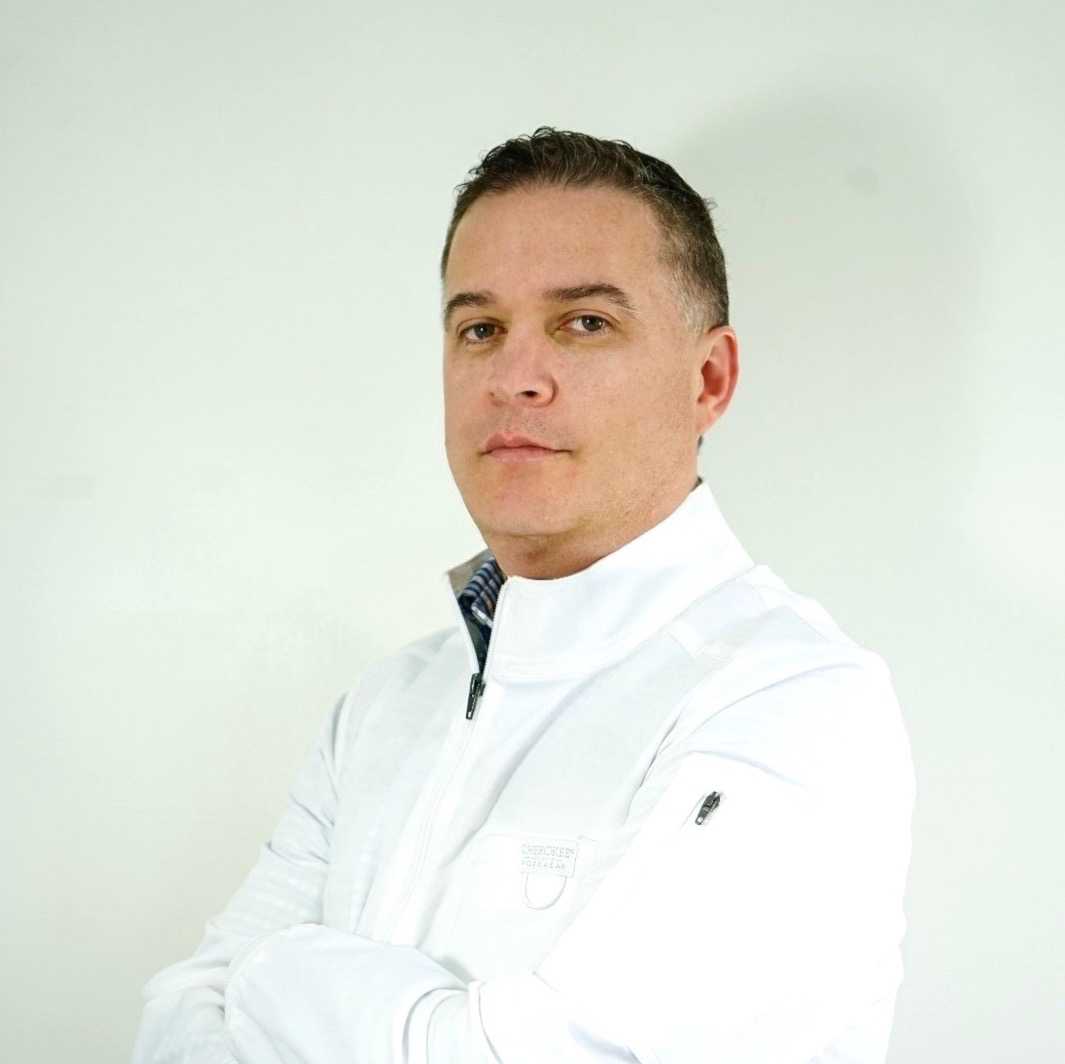
DDS. Alejandro Mendez Llamas
ODONTOMEDIK - Holistic Dentist Tijuana
- Holistic Dentist
Tijuana, Mexico
Tijuana has quietly evolved into one of the busiest medical tourism hubs in the world, particularly for North Americans seeking quality, affordable dentistry. Located just minutes south of San Diego, it offers unmatched convenience for patients traveling from the US and Canada. This close proximity means you can often fly into a major US airport and simply take a short shuttle ride directly across the border, bypassing international flights entirely.
Many of the top-rated dental clinics are strategically located in specialized medical districts, such as Zona Rio. This area is heavily monitored, modernized, and tailored specifically for international visitors seeking healthcare. You rarely have to navigate the busy border crossings on foot if you do not want to, as many premium clinics provide dedicated private driver services.
| Closest Major Airport | San Diego International (SAN) |
| Border Crossing Options | San Ysidro, Otay Mesa, PedWest |
| Medical Border Pass | FastLane available from registered clinics |
| Primary Medical District | Zona Rio, Tijuana |
| Currency Accepted | US Dollars widely accepted in clinics |
When planning your trip, treat the area like you would any other major international city. Stick to the designated medical and tourist zones, utilize clinic-approved transportation, and focus on your recovery. Review the destination details and patient tips below to plan your border crossing smoothly.
Taking the first step toward your new smile should not feel like navigating a maze. Our team is available to help you understand the process, from verifying clinic credentials to comparing treatment plans that genuinely fit your budget.
We can connect you directly with accredited cosmetic dentists in Tijuana so you can make an informed, confident choice without feeling rushed. Take your time, compare the options on this page to see what aligns with your needs, and reach out when you are ready to explore your personalized treatment plan.
References
- Dental Materials Guidelines – American Dental Association (ADA)
- Medical Tourism Travel Information – Centers for Disease Control and Prevention (CDC)
- Longevity of Porcelain Veneers – National Institutes of Health (NIH)
- Dental Devices and Materials – U.S. Food and Drug Administration (FDA)
- Healthcare Standards in Mexico – Medical Tourism Association

.png)
.png)
.png)
.png)



.png)
.jpg)










Share this listing