


.png)
Contents
Liposuction in South Korea: Sculpt a Leaner, More Defined Body
For many international patients, South Korea represents the ultimate destination for body contouring and aesthetic refinement. Renowned globally as the world's plastic surgery capital, this technologically advanced nation draws thousands of individuals each year seeking high-definition liposuction. Patients choose South Korea because it seamlessly combines cutting-edge medical infrastructure with meticulously refined surgical approaches that prioritize natural-looking body proportions and minimal recovery downtime.
Choosing South Korea means placing your care in a highly regulated medical ecosystem where surgeons utilize advanced modalities like VASER, laser-assisted, and power-assisted liposuction. The dynamic medical districts, particularly in Seoul, are designed specifically to provide a smooth, stress-free experience for international visitors.
Medical tourism here extends beyond basic fat removal. Korean board-certified specialists view body contouring as an intricate art, emphasizing smooth skin transitions, superficial fat preservation to avoid irregularities, and precise muscle highlighting. Clinics operate with state-of-the-art emergency infrastructure and maintain strict international patient safety protocols.
Whether you are targeting stubborn abdominal pockets, seeking an all-around 360-degree torso transformation, or looking to combine fat removal with fat grafting, South Korea delivers an exceptionally integrated medical experience where precise aesthetic results are achieved safely and consistently.
Did You Know?
South Korea performs the highest number of plastic surgeries per capita in the world. This high volume means that top Korean body contouring specialists carry an unparalleled level of clinical experience, routinely performing multiple intricate fat extraction and sculpting procedures daily.
Key Insights at a Glance
Widespread adoption of VASER, PAL, and water-jet techniques ensures maximum fat extraction with minimal tissue trauma.
Patients access high-end, technologically superior surgical care at highly competitive global prices.
Clinics feature modern operating suites fully compliant with Korea's Ministry of Health and Welfare regulations.
Dedicated international patient departments ensure accurate translation and professional coordination.
Physicians possess extensive credentials from the Korean Association of Plastic Surgeons and global bodies.
Comprehensive post-op treatment includes deswelling lasers, radiofrequency therapy, and customized massage.
High-Tech Aftercare Culture
Many premium clinics in South Korea include specialized aesthetic deswelling management systems in their recovery care. This involves utilizing advanced hyperbaric oxygen chambers and localized infrared light therapies specifically configured to accelerate tissue healing and help international patients return home quickly.
Understanding the financial aspect is a vital part of planning your journey. The table below offers a transparent breakdown of the average costs for various liposuction procedures in South Korea. While these prices are generally more affordable than in Western countries, the true value lies in the exceptional quality of care, advanced technology, and comprehensive aftercare included. Use these estimates to budget effectively, noting that final pricing will depend on the specific body areas targeted, the volume of fat removed, and the technology (like VASER) utilized.
Tip: Always request a comprehensive, itemized quote to understand exactly what aftercare therapies and garments are included in your price.
.png)
Price starting from $3,000
Liposuction Package in Seoul, South Korea by Evita Clinic
Evita Clinic
- Cosmetic/Plastic Surgery
Seoul, South Korea

Price starting from $2,900
Liposuction Package in Seoul, South Korea by VG Plastic Surgery
VG Plastic Surgery
- Cosmetic/Plastic Surgery
Seoul, South Korea
Navigating medical travel is much simpler when everything is coordinated for you. In the section below, we have curated a selection of premier clinics in South Korea that offer comprehensive all-inclusive liposuction packages. These tailored bundles are designed specifically for international patients. They typically cover not just the surgical and facility fees, but also essential extras like customized compression garments, specialized post-operative swelling treatments, in-house translation services, and airport transfers. Browse the options to find a seamless, stress-free package that aligns with your contouring goals.
Note: All-inclusive packages provide maximum value and peace of mind by bundling surgery, essential aftercare, and logistics into one transparent price.
Liposuction Centers Cost Comparison in South Korea
| Provider | Procedure | Price |
|---|---|---|
| Evita Clinic | Liposuction, Cosmetic/Plastic Surgery | $2300 |
| VG Plastic Surgery | Liposuction, Cosmetic/Plastic Surgery | $2900 |
| VG Plastic Surgery | Liposuction, Cosmetic/Plastic Surgery | $4600 |
Liposuction Cost Comparison in South Korea
| Country | Procedure | Price |
|---|---|---|
| United States | Liposuction, Cosmetic/Plastic Surgery | $15000 |
Your safety and final silhouette depend heavily on the facility and the expertise within it. We have carefully selected a list of premier medical centers in South Korea that are globally recognized for their specialization in body contouring and liposuction. These elite clinics are vetted for their state-of-the-art technology, rigorous hygiene and safety protocols, and dedicated international patient departments. Explore the profiles below to learn more about their specific surgical methodologies, recovery facilities, and the board-certified experts leading their teams.
Safety First: Prioritize clinics with dedicated in-house anesthesiologists and robust emergency response systems.
Evita Clinic
Seoul, South Korea
VG Plastic Surgery
Seoul, South Korea
Hugo Plastic Surgery
Seoul, South Korea
Opera Plastic Surgery in Gangnam, South Korea
Gangnam, South Korea

JK Medical Group in Seoul, South Korea
Seoul,Gangnam, South Korea
There is no better way to understand the reality of the medical tourism experience than by hearing directly from those who have lived it. The video testimonials featured below showcase authentic stories from international patients who have undergone liposuction in South Korea. Watch these detailed accounts to gain valuable insights into the consultation process, the level of care provided, the recovery journey, and the dramatic, transformative body contouring results achieved.
Insight: Video testimonials often reveal the nuances of patient care and the clinic's environment that photos alone cannot convey.

Honest patient reviews are crucial for evaluating the true quality of a clinic's services. In this section, you will find verified reviews and detailed ratings from international patients who chose South Korea for their liposuction procedure. Read through their candid feedback regarding surgeon communication, the efficacy of post-operative swelling treatments, overall outcome satisfaction, and the support received during their stay to help guide your own decision-making process.
Review Tip: Pay close attention to reviews that discuss the clinic's handling of the immediate recovery period and their post-op treatment plans.

How Much is Liposuction in Gangnam, South Korea?
The cost of liposuction in the upscale district of Gangnam, South Korea, can range from approximately $2,000 USD for a small area to over $15,000 USD for more extensive procedures. The final price is influenced by the treatment area, the specific technique used, the surgeon's experience, and the clinic's reputation. Thinking about getting liposuction in South Korea, especially in the world-renowned Gangnam district? You're not alone! Gangnam is famous for its high concentration of top-tier plastic surgery clinics, attracting people from all over the globe seeking to refine their body contours. One of the first questions that comes to mind is, naturally, "How much will it cost?" This guide is here to break down everything you need to know about the price of liposuction in Gangnam and so much more. From the factors that influence the final bill to what you can expect during your consultation and recovery, we've got you covered. We'll explore the different types of liposuction available, the importance of choosing a skilled surgeon, and what your journey as a medical tourist might look like. So, if you're ready to learn all about achieving your desired silhouette in one of the world's cosmetic surgery hubs, let's dive in! What is the Average Cost of Liposuction in Gangnam? On average, you can expect to pay between $3,000 and $7,000 USD for a single treatment area of liposuction in Gangnam. However, this is a general estimate, and the price can be lower or significantly higher depending on your individual needs and the specifics of the procedure. The cost of liposuction in Gangnam is not a one-size-fits-all figure. For smaller areas like the chin or arms, the price might start at around $2,000 USD. For larger areas such as the abdomen, thighs, or a full "360-degree" liposuction of the midsection, the cost can easily climb to $8,000 USD or more. It's crucial to get a personalized quote from a few different clinics to get a clear idea of the potential expenses. Keep in mind that many clinics in Gangnam offer competitive pricing and may have packages that include multiple treatment areas at a discounted rate. These packages can be a cost-effective option if you're looking to have more than one area treated. Always inquire about any available packages or promotions during your consultation. What Factors Influence the Cost of Liposuction? The primary factors that influence the cost of liposuction in Gangnam include the number and size of the areas being treated, the type of liposuction technology used (e.g., Vaser, traditional), the surgeon's experience and reputation, and the clinic's level of prestige and the services included in their packages. Treatment Area: The larger the area or the more areas you have treated, the higher the cost will be. Liposuction Technique: Advanced techniques like Vaser liposuction, which uses ultrasound technology, may be more expensive than traditional methods due to the specialized equipment and expertise required. Surgeon's Expertise: Highly experienced and sought-after surgeons in Gangnam will command higher fees. Their skill and artistry play a significant role in achieving optimal results. Clinic's Reputation and Facilities: Premier clinics with state-of-the-art facilities and a reputation for excellence will generally have higher prices. Anesthesia Fees: The type of anesthesia used (local or general) will affect the overall cost. Post-Operative Care: The cost may also include follow-up appointments, compression garments, and any necessary medications. What is Typically Included in the Price of Liposuction in Gangnam? Most reputable clinics in Gangnam provide an all-inclusive price for liposuction that covers the surgeon's fee, anesthesia costs, facility fees, pre-operative tests, and essential post-operative care, including follow-up visits and a compression garment. When you receive a quote for liposuction in Gangnam, it's essential to understand exactly what is included. A comprehensive package should cover all the necessary aspects of your surgical journey. This transparency helps you budget effectively and avoids unexpected expenses down the line. It's always a good practice to ask for a detailed breakdown of the costs to ensure there are no hidden fees. Some clinics that cater to international patients may also include services like airport transfers, accommodation arrangements, and translator services in their packages. While this might increase the initial cost, it can provide a more seamless and stress-free experience for those traveling from abroad. Are There Any Hidden Costs to Be Aware Of? While most top clinics in Gangnam are transparent about their pricing for liposuction, potential hidden costs can include prescription medications after the procedure, additional compression garments, and the cost of treating any rare complications that may arise. To avoid any financial surprises, it is crucial to have a detailed discussion about all potential costs during your consultation. Ask your clinic for a written quote that clearly outlines what is and isn't included. Be sure to inquire about the cost of post-operative medications, as these are often not included in the initial price. It's also wise to ask about the clinic's policy on revision surgeries, should they be necessary. For international patients, it's also important to factor in the costs of travel, accommodation, and daily living expenses during your stay in Seoul. While the cost of the procedure itself might be lower than in your home country, these additional expenses can add up. How Can I Pay for Liposuction in Gangnam? Most clinics in Gangnam accept various payment methods for liposuction, including major credit cards, bank transfers, and cash. Some clinics may also offer financing options or payment plans to help make the procedure more affordable. When you decide to move forward with liposuction, you will typically be required to pay a deposit to secure your surgery date. The remaining balance is usually due on or before the day of the procedure. It's a good idea to confirm the accepted payment methods with your chosen clinic beforehand, especially if you are an international patient. If you are interested in financing, inquire about this during your initial consultation. Some clinics have partnerships with medical financing companies that can help you spread the cost of your procedure over time. Be sure to understand the terms and interest rates of any financing agreement before you commit. What Should I Expect During a Liposuction Consultation in Gangnam? During your liposuction consultation in Gangnam, you will have a thorough discussion with the surgeon about your goals, undergo a physical examination of the target areas, and receive a detailed explanation of the recommended procedure, including the technique, potential risks, and a personalized cost estimate. The consultation is a critical step in your liposuction journey. It's your opportunity to ask questions, express your concerns, and ensure you feel comfortable and confident with your chosen surgeon and clinic. A good consultation will be comprehensive and should not feel rushed. The surgeon will assess your skin elasticity and fat deposits to determine if you are a good candidate for the procedure. You can also expect to have "before" photos taken during your consultation. These photos will be used to plan your surgery and for comparison with your "after" results. This is also the time to discuss your medical history and any medications you are currently taking to ensure the procedure can be performed safely. What Are the Different Types of Liposuction Available in Gangnam? Clinics in Gangnam offer a variety of advanced liposuction techniques, including traditional tumescent liposuction, Vaser (ultrasound-assisted) liposuction, and laser-assisted liposuction. The best technique for you will depend on your specific goals and the areas you want to treat. Tumescent Liposuction: This is the most common type of liposuction. It involves injecting a large amount of medicated solution into the fatty areas before the fat is removed. This solution helps to numb the area, constrict blood vessels to reduce blood loss, and make the fat easier to remove. Vaser Liposuction: This technique uses ultrasound energy to break up the fat cells before they are suctioned out. Vaser liposuction is known for its precision and ability to target fat without damaging surrounding tissues, which can lead to less bruising and a quicker recovery. It is also effective for fibrous areas of the body. Laser-Assisted Liposuction (e.g., SmartLipo): This method uses laser energy to liquefy the fat before it is removed. The laser can also stimulate collagen production, which may result in tighter-looking skin. This technique is often used for smaller areas of the body. How Do I Choose the Best Liposuction Surgeon in Gangnam? To choose the best liposuction surgeon in Gangnam, look for a board-certified plastic surgeon with extensive experience in the specific type of liposuction you are interested in. It's also important to review their before-and-after photos, read patient testimonials, and ensure you have good rapport with them during the consultation. The skill of your surgeon is the most critical factor in achieving a successful liposuction outcome. Take the time to research potential surgeons thoroughly. Look for information on their qualifications, training, and years of experience. A reputable surgeon will be transparent about their credentials and happy to answer any questions you have. Reading reviews from previous patients can provide valuable insights into a surgeon's bedside manner and the quality of their results. Before-and-after photo galleries are also essential for assessing a surgeon's aesthetic style and ensuring it aligns with your goals. What is the Recovery Process Like After Liposuction in Gangnam? The recovery process after liposuction in Gangnam typically involves wearing a compression garment for several weeks to reduce swelling and support the new contours. Most patients can return to work and light activities within a week, with more strenuous activities to be avoided for four to six weeks. Immediately after your liposuction procedure, you can expect some swelling, bruising, and discomfort in the treated areas. Your surgeon will prescribe pain medication to manage any discomfort. You will be advised to rest and avoid strenuous activity in the initial days following your surgery. Short walks are encouraged to promote circulation. The compression garment is a crucial part of the recovery process. It helps to minimize swelling, support the healing tissues, and ensure a smooth, contoured result. It's important to wear it as directed by your surgeon. Most of the swelling will subside within the first few weeks, but it can take several months to see the final results of your liposuction. What Are the Risks and Side Effects of Liposuction? Like any surgical procedure, liposuction carries some risks, including infection, bleeding, and adverse reactions to anesthesia. Common side effects include temporary swelling, bruising, and numbness in the treated areas. Choosing a qualified surgeon in Gangnam significantly minimizes these risks. Your surgeon will discuss the potential risks and side effects with you in detail during your consultation. It's important to follow all of their pre- and post-operative instructions carefully to minimize the risk of complications. Clinics in South Korea are known for their high safety standards and use of advanced technology, which further reduces the risks associated with liposuction. More serious but rare complications can include contour irregularities, fluid accumulation, and skin sensation changes. If you experience any unusual symptoms after your surgery, it is crucial to contact your clinic immediately. How Much Fat Can Be Removed in a Single Liposuction Session? For safety reasons, there is a limit to the amount of fat that can be removed in a single liposuction session in South Korea, which is typically around 5,000cc (5 liters). The exact amount will depend on your overall health, body weight, and the areas being treated. Liposuction is a body contouring procedure, not a weight-loss method. The goal is to remove stubborn pockets of fat that are resistant to diet and exercise to improve your body shape. Removing an excessive amount of fat in one session can increase the risk of complications. Your surgeon will determine a safe amount of fat to remove based on your individual circumstances. If you have a significant amount of fat you'd like to have removed, your surgeon may recommend staging the procedure over multiple sessions to ensure your safety and achieve the best possible results. Will I Have Scars After Liposuction in Gangnam? Liposuction in Gangnam involves very small incisions, typically only a few millimeters long, which result in minimal scarring. Surgeons in South Korea are skilled at placing these incisions in discreet locations, such as natural body creases, to make them as inconspicuous as possible once healed. The appearance of scars after liposuction depends on several factors, including your skin type and how well you heal. Your surgeon will provide you with instructions on how to care for your incisions to promote optimal healing and minimize scarring. This may include keeping the incisions clean and dry and applying a scar-reducing cream once they have healed. Over time, liposuction scars typically fade and become barely noticeable. If you are concerned about scarring, discuss this with your surgeon during your consultation. They can show you examples of healed incisions from previous patients. What Are the Long-Term Results of Liposuction? The results of liposuction can be long-lasting, as the fat cells that are removed do not grow back. However, it is important to maintain a stable weight through a healthy diet and regular exercise to preserve your new body contours, as the remaining fat cells can still expand with weight gain. To enjoy your liposuction results for years to come, it's essential to commit to a healthy lifestyle. While liposuction can create a more streamlined and proportionate physique, it does not prevent future weight gain. A balanced diet and consistent exercise routine will help you maintain your new shape and feel your best. Many patients find that their liposuction results serve as a great motivator to lead a healthier lifestyle. Seeing their improved body contours can provide the encouragement they need to stick with their fitness and nutrition goals. Can Liposuction Be Combined with Other Procedures? Yes, it is common to combine liposuction with other cosmetic procedures in Gangnam, such as a tummy tuck (abdominoplasty) or a fat transfer to other areas of the body, like the breasts or buttocks, for a more comprehensive body contouring result. Combining procedures can be a good option for patients who want to address multiple concerns at once. For example, a tummy tuck can remove excess skin and tighten the abdominal muscles, while liposuction can be used to refine the contours of the waist and flanks. A fat transfer, also known as fat grafting, involves using the fat removed during liposuction to enhance the volume and shape of another body part. If you are interested in combining procedures, discuss your goals with your surgeon during your consultation. They can recommend a personalized treatment plan to help you achieve your desired outcome. Are There Non-Invasive Alternatives to Liposuction in Gangnam? Yes, clinics in Gangnam also offer non-invasive fat reduction treatments as alternatives to liposuction for those who are not ready for surgery. These include procedures like CoolSculpting (cryolipolysis), which freezes fat cells, and various laser and radiofrequency treatments that heat and destroy fat cells. Non-invasive treatments typically require multiple sessions to achieve noticeable results and are best suited for individuals with smaller pockets of stubborn fat. While they do not produce the same dramatic results as surgical liposuction, they can be a good option for those seeking a more subtle improvement with no downtime. During your consultation, you can discuss both surgical and non-surgical options with your provider to determine the best approach for your specific needs and goals. Ready to take the next step towards achieving your ideal body contour? Explore PlacidWay for a wide range of healthcare and medical tourism solutions. Find reputable clinics and experienced surgeons in Gangnam, South Korea, to start your personalized journey today.
How Much Does 360 Liposuction Cost In South Korea?
360 liposuction in South Korea typically ranges from $5,000 to $9,000 USD. This price is generally 30-50% lower than in the US or UK. The total cost depends on the patient's BMI, the specific clinic in cities like Seoul or Busan, and whether advanced techniques like VASER are used. Most packages include anesthesia, compression garments, and post-op care. Key Takeaways: 360 Lipo in Korea Cost Range: Expect to pay between $5,000 and $9,000 depending on body mass and clinic tier. Recovery Stay: A 10 to 14-day stay is recommended for stitch removal and follow-ups. VAT Refund: Tourists can often reclaim approx. 7-8% of the surgery cost at the airport. Advanced Tech: Korean clinics frequently use VASER, PAL (Power-Assisted), and LAMS (Local Anesthetic Minimal Invasive). Inclusions: Prices often include airport pickup, translation services, and deswelling treatments. South Korea has established itself as the plastic surgery capital of the world, offering high-tech body contouring procedures at a fraction of Western prices. For international patients, "360 Liposuction" usually refers to the circumferential removal of fat from the entire torso—including the upper and lower abdomen, obliques (love handles), and the lower/mid-back. Understanding the cost structure and what to expect can help you make a safe and financially sound decision. What factors influence the price of 360 Liposuction in South Korea? While the average ranges from $5,000 to $9,000, several variables can push the price towards the higher or lower end of the spectrum. Understanding these helps you interpret quotes from different clinics accurately. Body Mass Index (BMI): This is the most significant factor. Korean clinics often have tiered pricing based on weight. A patient with a BMI over 30 may face surcharges of 20-30% because the surgery requires more time, more anesthesia, and more physical effort from the surgeon. Surgical Technique: Traditional liposuction is the most affordable. However, advanced technologies like VASER (ultrasound-assisted) or Microaire PAL (Power-Assisted Liposuction) cost more due to the expensive equipment involved. These technologies are often preferred for "High Definition" (HD) lipo, which sculpts athletic definitions. Clinic Tier and Location: A factory-style clinic in Gangnam (Seoul) might offer lower volume pricing, whereas a boutique clinic with a head surgeon who performs only one surgery a day will charge a premium. Similarly, clinics in Busan may be 10-15% cheaper than those in the heart of Seoul. Revision Surgery: If you have had liposuction on the same area previously, the presence of scar tissue makes the procedure harder. Revision cases typically incur a 30-50% price increase. How does liposuction cost in Seoul compare to Busan or Daegu? Seoul, particularly the Gangnam and Apgujeong districts, is the epicenter of medical tourism. Here, competition is fierce, which drives quality up but also keeps prices competitive. The average 360 lipo cost in Seoul is around $6,500 USD. You pay for the convenience of English-speaking staff, luxury facilities, and proximity to major tourist amenities. Busan, the second-largest city, is emerging as a medical hub. Prices for 360 liposuction in Busan can be approximately $1,000 to $1,500 cheaper than in Seoul, averaging around $5,000 to $5,500. While fewer staff may speak fluent English, top-tier clinics in Busan are increasingly catering to international patients with dedicated translators. If you are budget-conscious, Busan offers excellent value without compromising safety. What is included in a standard Korean medical tourism liposuction package? Unlike in the US where you might get billed separately for the anesthesiologist and the facility, Korean clinics usually provide a "global fee." A comprehensive quote for 360 liposuction typically includes: Pre-op Testing: Blood work, EKG, and sometimes a 3D body scan to map fat deposits. The Surgery: Surgeon’s fee, OR fee, and anesthesia (usually sedation or general). Compression Garments: One set is usually included. Extra sets cost $100-$150. Post-op Care: This is a major differentiator. Korean packages often include 2-3 sessions of "deswelling management," which may involve LED therapy, radiofrequency massage, or hyperbaric oxygen chambers to speed up healing. Logistics: Airport pickup and drop-off, and an in-clinic English/Chinese/Russian translator. How much can I save compared to the US, UK, or Australia? The cost disparity is the primary driver for medical tourism. Here is a comparative breakdown for 360 Lipo (Abdomen + Waist + Back): Country Average Cost (USD) Savings in Korea USA (NY/LA) $12,000 - $18,000 50% - 60% UK $9,000 - $14,000 35% - 50% Australia $10,000 - $15,000 40% - 55% South Korea $5,000 - $9,000 - Even when factoring in flights ($1,000 - $1,500) and hotel accommodation for two weeks ($1,500), the total expenditure often remains significantly lower than the surgery-only price in Western nations. Is the VAT Refund applicable to 360 Liposuction for tourists? Yes, this is a crucial "hidden discount" many patients overlook. The South Korean government offers a VAT Refund (Tax Refund) on cosmetic surgery for international tourists. The VAT is typically 10%. After clinic processing fees, you usually receive about 7% to 8% back. For a $8,000 surgery, this means you could receive around $600 back at the airport before you leave. Ensure the clinic is certified to issue the "Certificate of Selling Medical Service for Overseas Patient" and bring your passport to every consultation. Can I combine 360 Lipo with other procedures like a Tummy Tuck? Yes, combining procedures is very common and can lead to further package discounts. This combination is often called a "Mommy Makeover" (if breast surgery is included) or simply "Lipo-Abdominoplasty." If you have excess loose skin in addition to fat, liposuction alone may result in sagging. A Tummy Tuck (Abdominoplasty) removes this skin. In Korea, adding a tummy tuck to 360 lipo generally raises the total package price to $12,000 - $16,000 USD. Doing them together requires a longer recovery (minimum 14-21 days in Korea) but saves on separate anesthesia fees and flight costs. What is the recommended recovery timeline for a traveler? You cannot fly home immediately after surgery due to the risk of DVT (Deep Vein Thrombosis) and the need for drain/stitch removal. A typical itinerary looks like this: Day 1: Arrival and Consultation. Day 2: Surgery (Morning). Discharge (Afternoon/Evening depending on anesthesia). Day 3-5: Rest at hotel. Highest swelling. Clinic visit for dressing change. Day 7: Stitch removal (if non-dissolvable). Deswelling treatment. Day 10-14: Final check-up and "Fit-to-Fly" clearance. Most patients feel well enough to explore the city (light walking) by Day 4 or 5, which is actually encouraged to help reduce swelling. Are Korean plastic surgery clinics safe for major body contouring? South Korea adheres to strict medical standards, but "factory clinics" do exist. To ensure safety, look for: Board Certification: Ensure your surgeon is a "Specialist in Plastic Surgery," not just a general doctor practicing aesthetics. CCTV in Operating Rooms: A law passed recently mandates CCTV in operating rooms to prevent "shadow doctors" (unqualified staff performing the surgery while the patient is asleep). Reputable clinics in South Korea will happily confirm they strictly adhere to this. Anesthesiology: A resident anesthesiologist should be present during the entire procedure. How do I handle payments and deposits for surgery in Korea? To book your surgery date, clinics typically require a 10% deposit via international wire transfer or credit card authorization. The remaining balance is paid on the day of surgery (before the procedure). Most clinics accept major credit cards (Visa, Mastercard, Amex) and cash (USD or KRW). Tip: Paying in cash often gives you leverage to negotiate a slightly better rate or get extra aftercare treatments included, as it saves the clinic credit card processing fees. Frequently Asked Questions Is 360 liposuction painful? The surgery itself is painless due to anesthesia. Post-op, patients report feeling like they did an intense abdominal workout. The first 3 days are the most uncomfortable due to soreness and the tightness of the compression garment, but acute pain is managed well with prescribed painkillers. Will I have visible scars after liposuction in Korea? Korean surgeons are renowned for minimizing scars. Incisions are tiny (less than 5mm) and strategically placed in hidden areas like the belly button, bikini line, or natural skin creases. They usually fade significantly within 6-12 months. Do the clinic staff speak English? Major clinics in Seoul (Gangnam area) have dedicated international centers with fluent English coordinators who stay with you during consultations and surgery preparation. Smaller local clinics might require you to hire a separate medical translator. What is the "Shadow Doctor" ghost surgery issue? This refers to a practice where a famous surgeon consults, but a junior doctor performs the surgery while the patient is asleep. To avoid this, choose clinics that guarantee "Real Name Surgery" and have CCTV in the operating room—a practice that is becoming standard in reputable Korean clinics. When can I see the final results? You will see a difference immediately, but swelling will obscure the true shape. About 70% of the result is visible after 3 months, with the final contour settling in at 6 months as the skin tightens and residual swelling dissipates. Is there a BMI limit for liposuction in Korea? While there is no strict legal limit, clinics may refuse patients with a BMI over 35 or 40 for safety reasons, or require them to undergo weight loss first. High BMI surgeries carry higher risks of complications and anesthesia issues. Do I need a medical visa for liposuction? For most Western passport holders (US, UK, Canada, EU), a standard tourist entry (K-ETA) is sufficient for a 14-day stay. However, if your treatment requires a stay longer than 90 days, or if your country does not have a visa-waiver agreement, you may need a Medical Visa (C-3-3). What happens if I need a revision? Reputable clinics often have a "1-year warranty" policy where they will perform a touch-up for free or at a minimal cost if the results are uneven, though you would still need to pay for flights and accommodation. Always check the revision policy in your contract. Can I use my health insurance? No. Liposuction is considered a cosmetic elective procedure and is not covered by international health insurance or Korean National Health Insurance. It is an out-of-pocket expense. How do I choose the right clinic? Do not rely solely on Instagram before-and-afters. Look for clinics that are government-approved for foreign patients, check for board-certified specialists, read reviews on independent forums, and use reputable medical tourism platforms to verify clinic credentials. Ready to Reshape Your Body in South Korea? Get a free, no-obligation quote from top-rated, board-certified clinics in Seoul and Busan. Compare prices, check availability, and start your transformation journey today.
What Is The Typical Cost Per Area For Liposuction In South Korean Clinics?
The cost of liposuction in South Korea typically ranges from $2,500 to $7,000 per targeted area. Prices fluctuate based on the specific body parts treated, the volume of fat removed, the advanced technology utilized, and the chosen clinic expertise. Key Takeaways: Procedure Essentials Pricing Spectrum: Expect to pay between $2,500 for minor areas like the chin, up to $7,000 for comprehensive 360-degree torso contouring. Advanced Technology: Clinics utilize state-of-the-art VASER and Water-Jet technologies for minimal tissue trauma and faster recovery. Holistic Aftercare: Packages routinely feature specialized deswelling treatments like Radio Frequency and LED therapies. Minimal Scarring: Surgeons employ micro-cannulas and hidden incision techniques to ensure seamless, natural-looking results. Comprehensive Screening: Mandatory pre-operative health checks guarantee optimal patient safety during the entire process. What factors influence the liposuction cost in South Korea? The final price depends heavily on the specific body areas targeted, the volume of fat being extracted, and the technology used. Additional factors include the surgeons expertise and your base body mass index. Number of Treatment Areas: Treating a single small area like the arms is significantly less expensive than full abdomen and flank contouring. Volume of Fat Removal: High-volume extractions require longer surgical time and specialized anesthesia monitoring, which directly increases the overall liposuction cost in South Korea. Technological Approach: Opting for advanced methods like ultrasound-assisted VASER liposuction carries a premium compared to traditional suction-assisted techniques. Revision Surgery Complexity: If you have had previous surgeries and require corrective liposuction, the complexity of breaking down scar tissue increases the fee. Facility Accreditation Level: Premium hospitals with cutting-edge 3D scanning equipment and dedicated anesthesiologists charge more than smaller, boutique practices. Which body areas are most commonly treated with liposuction in South Korea? Patients most frequently seek treatment for the abdomen, thighs, and arms. Facial contouring, specifically targeting the double chin and jawline, is also exceptionally popular among international visitors. The abdominal region remains the most highly requested area for liposuction in South Korea. Surgeons here specialize in 360-degree torso contouring, which involves removing fat from the upper abdomen, lower abdomen, flanks, and lower back simultaneously. This comprehensive approach ensures a smooth, cinched waistline without disproportionate bulges. Male patients often seek abdominal liposuction combined with etching to reveal underlying muscle definition. Thigh and leg contouring is another major focus, driven by the regional aesthetic preference for straight, slender leg lines. Surgeons meticulously extract fat from the inner thighs, outer thighs, and even the knees and calves to create an unbroken, sleek silhouette. This requires immense precision to avoid creating uneven indentations, a skill Korean specialists spend years mastering. Finally, upper body contouring addressing the arms and bra-line fat is incredibly common. The goal is to create slender, delicate arms that look natural at rest. Additionally, micro-liposuction of the face and neck is frequently performed to achieve a sharp, V-shaped jawline, removing stubborn fat pads that do not respond to diet or exercise. What advanced techniques are utilized at a liposuction clinic in South Korea? Clinics employ advanced modalities like VASER, Laser-assisted, and Water-jet liposuction. These technologies minimize trauma to blood vessels and nerves while maximizing fat removal efficiency. When you visit a premier liposuction clinic in South Korea, you will likely encounter VASER technology. VASER utilizes ultrasound energy to selectively break apart fat cells before they are suctioned out. Because the ultrasound waves specifically target fat, surrounding tissues like blood vessels, nerves, and connective tissue are preserved. This leads to significantly less bruising and faster recovery times for the patient. Laser-assisted liposuction, commonly known by brand names like SmartLipo, is another high-tech option frequently utilized. This technique involves inserting a tiny laser fiber beneath the skin to melt fat cells. The dual benefit of laser energy is that it also heats the deeper layers of the skin, promoting collagen production and skin tightening, which is crucial for patients with mild skin laxity. Water-jet assisted liposuction, or BodyJet, uses a pulsating stream of saline fluid to gently dislodge fat cells rather than manually breaking them apart with a cannula. This highly gentle method is particularly favored when the patient wishes to use the extracted fat for grafting into the face or breasts, as the fat cells remain intact and highly viable for transfer. How does the price of liposuction in South Korea compare to Western countries? Prices in Korea are generally thirty to fifty percent lower than in the United States and the United Kingdom, without any compromise in medical quality, facility standards, or surgical expertise. Country Single Area Cost (Avg) 360 Lipo Cost (Avg) United States $4,500 - $8,000 $10,000 - $18,000 United Kingdom $4,000 - $7,000 $9,000 - $15,000 Australia $5,000 - $8,500 $12,000 - $20,000 South Korea $2,500 - $4,500 $6,000 - $9,000 The cost disparity is not due to lower quality but rather an incredibly efficient healthcare system, high market competition among local clinics, and lower administrative overhead. Patients traveling from abroad find that even after factoring in flights and accommodation, the overall expenditure remains highly economical while providing access to world-renowned body contouring specialists. What is included in a standard liposuction package for medical tourism in South Korea? Comprehensive packages typically cover the surgical fee, anesthesia, facility costs, basic compression garments, and multi-lingual translation services from consultation through post-operative care. Pre-operative Assessments: Comprehensive blood panels, electrocardiograms, and sophisticated 3D body mapping scans are included to plan the precise extraction strategy. Surgical and Anesthesia Fees: The core cost covers the operating room utilization, specialized surgical equipment, and the presence of a dedicated board-certified anesthesiologist. Dedicated Medical Translator: To ensure zero miscommunication, packages for medical tourism in South Korea include a coordinator who translates your desires and the doctors instructions flawlessly. Post-Operative Deswelling Care: Most reputable clinics bundle several sessions of Radio Frequency massage and LED light therapy to expedite healing and ensure skin retraction. Initial Recovery Gear: The first set of medical-grade compression garments tailored specifically to your new body measurements is routinely provided upon discharge. Did You Know? In South Korea, aftercare is considered just as important as the surgery itself. Clinics offer advanced deswelling programs that utilize hyperbaric oxygen chambers and specialized thermal massages to reduce recovery time by almost half compared to standard Western aftercare protocols. How long is the recovery period after undergoing liposuction in South Korea? Initial recovery requires about one to two weeks, during which most swelling subsides. Full tissue healing and skin retraction take approximately three to six months to become fully apparent. The immediate post-operative period spans the first three to five days. During this time, patients will experience soreness, bruising, and significant fluid drainage from the incision sites. Clinics provide specific waterproof dressings and detailed instructions on how to manage this phase. Pain is typically well-managed with prescribed oral medications, and patients are encouraged to take brief, light walks to promote healthy blood circulation. By the second week, the majority of the sharp discomfort resolves, and patients undergo their scheduled stitch removal at the clinic. This is also when the intensive deswelling treatments begin. You will be wearing your compression garment around the clock, taking it off only to shower. Most international patients feel comfortable enough to fly back home safely between the seven to ten-day mark. The long-term recovery phase extends over several months. While you will see a noticeable change in your body shape before you leave the country, the deep tissues continue to heal and the skin continues to contract over the newly sculpted muscles. By month three, the final, permanent silhouette emerges, revealing the meticulous contouring work performed by the surgical team. Are there any hidden fees associated with liposuction procedures in South Korea? While initial quotes are highly transparent, patients should budget for the ten percent Value Added Tax, pharmacy medications, extra compression garments, and independent health clearance tests if required. When reviewing initial price estimates, it is crucial to understand that cosmetic procedures incur a mandatory ten percent Value Added Tax imposed by the government. Fortunately, international visitors booking through registered clinics receive documentation to claim a substantial portion of this tax back at the airport terminal prior to departure. Always ask if the quoted price includes or excludes this tax. Another out-of-pocket expense involves pharmacy medications. While the clinic provides immediate pain relief via IV during your stay, you must purchase your take-home antibiotics, anti-inflammatory pills, and specialized deswelling supplements from a local pharmacy. This typically costs around fifty to one hundred dollars depending on the prescription strength. Finally, while the first compression garment is usually bundled into the surgery package, many patients opt to purchase a secondary garment so they can wash the primary one. Depending on the size and style required for your specific procedure, an additional medical-grade compression suit can cost between one hundred and two hundred dollars. What makes South Korea a top destination for body contouring and liposuction? South Korea combines heavily regulated medical safety standards, world-class surgical expertise, and a cultural dedication to aesthetic perfection, making it a global hub for advanced body contouring. Surgeons in this region undergo some of the most rigorous and lengthy medical training programs in the world. The sheer volume of surgeries performed gives these specialists unparalleled hands-on experience. This extensive practice allows them to refine complex techniques, such as etching abdominal lines or sculpting precise thigh gaps, with a level of artistry rarely found elsewhere. Furthermore, the clinical infrastructure is designed specifically to cater to international aesthetics seekers. Facilities operate with cutting-edge technology, ensuring minimal invasiveness and prioritizing patient safety through continuous monitoring and real-name surgery guarantees. This system ensures that the experienced consultant you meet is the exact surgeon operating on you, eliminating the risk of unauthorized surgical substitutions. The entire ecosystem surrounding the patient is optimized for comfort and rapid recovery. From dedicated recovery hotels equipped with adjustable beds to specialized dietary programs featuring pumpkin extracts proven to reduce swelling, the holistic approach ensures that traveling for body contouring is physically safe and mentally reassuring. Why Choose PlacidWay for liposuction in South Korea? PlacidWay provides an essential layer of security by connecting you with rigorously vetted clinics, negotiating transparent pricing, and offering dedicated patient advocacy throughout your medical journey. Rigorous Clinic Vetting: We partner exclusively with medical centers that hold official government accreditation and maintain spotless records free of malpractice lawsuits. Transparent Price Negotiation: Our team secures competitive, all-inclusive packages ensuring you are shielded from hidden fees or unexpected post-operative surgical charges. Dedicated Patient Advocacy: We assign you a dedicated medical coordinator who acts as your personal advocate, ensuring all your clinical needs and preferences are accurately communicated to the surgical team. Comprehensive Treatment Planning: Before you commit, we facilitate remote consultations where board-certified specialists review your medical history and photographs to provide an accurate, personalized surgical strategy. Strict Safety Standard Verification: We ensure your chosen facility adheres strictly to the real-name surgery policy and utilizes dedicated, specialized anesthesiologists for every procedure. Frequently Asked Questions About Body Contouring and Liposuction Is it safe for international patients to get liposuction in South Korea? Undergoing liposuction in South Korea is exceptionally safe for international patients who choose government-accredited facilities. The nation enforces strict medical regulations and mandates rigorous board certification for specialized surgeons. Operating rooms are equipped with state-of-the-art monitoring systems, and comprehensive pre-operative testing ensures patients are healthy enough for surgery. Can I combine liposuction with fat grafting during my trip to South Korea? Combining liposuction with fat grafting is a highly requested procedure in South Korea. Surgeons expertly harvest unwanted fat from the abdomen or thighs, purify it, and then inject it into areas lacking volume, such as the breasts, buttocks, or face. This dual approach provides comprehensive body contouring while utilizing your natural tissue. How long should I stay in South Korea after my liposuction surgery? Medical professionals generally recommend staying in South Korea for seven to fourteen days following a liposuction procedure. This duration allows enough time for the initial recovery phase, the removal of stitches, and participation in the crucial post-operative deswelling treatments provided by the clinic to optimize your final results. Do Korean clinics provide specialized post-operative compression garments? Korean clinics provide custom-fitted, medical-grade compression garments immediately after the procedure. These garments are vital for reducing swelling, preventing fluid accumulation, and helping the skin retract smoothly over the new body contours. Patients are usually required to wear them continuously for the first month. What type of anesthesia is typically used for liposuction in South Korea? The type of anesthesia depends on the extent of the surgery. For smaller, targeted areas, local anesthesia with intravenous sedation is common, allowing the patient to remain relaxed and pain-free. For large-volume or 360-degree liposuction, general anesthesia administered by a board-certified anesthesiologist is standard protocol. How do Korean surgeons minimize scarring during liposuction procedures? Korean surgeons are renowned for their meticulous attention to detail and scar minimization. They use micro-cannulas that require tiny incisions, usually just a few millimeters wide. These incisions are strategically placed in natural body folds, such as the belly button or bikini line, rendering the resulting scars virtually invisible once fully healed. Will language be a barrier when getting liposuction in Seoul? Language is rarely a barrier at top-tier medical facilities in Seoul. Clinics catering to international patients employ dedicated, multi-lingual medical coordinators who are fluent in English and other major languages. These coordinators assist you through every step, from the initial consultation to the final post-operative checkup. Can I get a VAT refund for my liposuction procedure in South Korea? International patients are eligible for a Value Added Tax refund on cosmetic surgeries performed at officially registered medical tourism clinics. The clinic will provide a specific tax refund certificate upon payment, which you can present at designated kiosks at the airport before your departure to claim your refund. What medical tests are required before my liposuction surgery in South Korea? Patient safety protocols require comprehensive pre-operative screening. Before your procedure, the clinic will conduct blood tests, an electrocardiogram, and a chest X-ray. Additionally, they will use advanced 3D body scanners and ultrasound imaging to accurately assess your fat distribution and ensure you are a viable candidate for surgery. How quickly can I see the final results of my liposuction done in South Korea? While you will notice a reduction in volume immediately after surgery, significant swelling and fluid retention mask the true outcome. Noticeable improvements appear within four to six weeks as the swelling subsides. The absolute final, refined results typically manifest between three to six months post-surgery as the skin fully tightens. Start Your Body Transformation Journey Today Do not leave your safety or your results to chance. PlacidWay connects you with premium, government-accredited clinics specializing in advanced body contouring. Secure your free, no-obligation quote and receive a personalized treatment strategy from board-certified specialists. Get Your Free Quote * Responses typically within 24 hours. Privacy guaranteed.
How Much Does Complete Liposuction Of 5+ Body Areas Cost In South Korea?
The average full body liposuction cost in Korea ranges between $8,000 and $15,000. This estimate generally covers advanced surgical fees, facility usage, general anesthesia, and standard post-operative aftercare treatments, depending on the specific clinic chosen. Key Takeaways: Body Contouring Excellence Cost Effectiveness: Expect to invest between $8,000 and $15,000 for comprehensive, multi-area contouring. Advanced Technology: Clinics utilize state-of-the-art tools like VASER and Power-Assisted systems for superior precision. Uncompromising Safety: Strict government regulations and mandatory closed-circuit cameras ensure patient protection. Holistic Recovery: Premium packages frequently include radiofrequency massages and specialized deswelling therapies. What factors influence the full body liposuction cost in Korea? The total price heavily depends on the patients body mass index, the exact volume of fat removed, and the specific technological methods applied. High-end clinics also factor surgeon expertise into their pricing. When evaluating the full body liposuction cost in Korea, the most significant determining factor is the patients baseline physical anatomy. Individuals presenting with a higher body mass index naturally require significantly more extensive fat extraction over a larger surface area. This increased surgical complexity extends the time required under anesthesia, which directly elevates the baseline price provided during initial medical consultations. Another critical element influencing the final investment is the specific type of surgical technology deployed by the surgical team. Advanced extraction methods, such as ultrasound-assisted or power-assisted fat removal, require specialized and highly expensive medical equipment. While these modern methods dramatically minimize tissue trauma and enhance natural skin retraction, they carry a premium price tag compared to older, traditional manual suction techniques. Finally, the reputation, location, and accreditation status of the medical facility play a substantial role in determining pricing. A premium full body liposuction clinic in Korea situated in the central Gangnam district will naturally have higher operational overhead than regional centers. However, these top-tier facilities typically offer superior safety protocols, dedicated in-house anesthesiologists, and comprehensive high-tech aftercare programs that thoroughly justify the financial investment. Procedure Scope Estimated Cost Range (USD) Partial Body (2-3 Areas) $4,000 - $7,000 Comprehensive Full Body (All major zones) $8,000 - $15,000 Plus Fat Grafting (Transfer) Add $2,000 - $4,000 What techniques do a full body liposuction clinic in Korea use? Top clinics deploy advanced modalities including Power-Assisted, Ultrasound-Assisted, and Water-Jet technologies. These methods are carefully selected to maximize fat extraction while preserving surrounding blood vessels. Power-Assisted Technology: This method utilizes a vibrating cannula that rapidly breaks down dense adipose tissue, allowing surgeons to remove large volumes of fat efficiently while reducing physical fatigue and minimizing patient bruising. Ultrasound-Assisted Technology: Often referred to by brand names, this technique uses sound waves to liquefy fat cells before extraction. It is incredibly effective for fibrous areas like the upper back and promotes superior skin tightening post-surgery. Water-Jet Technology: This gentle approach uses a pressurized stream of saline to dislodge fat cells gently. Because it preserves cell viability beautifully, it is highly favored when the patient wishes to transfer the extracted fat to other body areas. Laser-Assisted Methods: By introducing thermal energy via a specialized fiber optic cable, this technique melts fat and aggressively stimulates collagen production, making it ideal for patients with mild skin laxity concerns. Dual-Plane Contouring: Master surgeons rarely rely on just one tool. They frequently combine deep tissue debulking using power-assisted methods with superficial ultrasound sculpting to achieve an exceptionally smooth, natural-looking body contour. Did You Know? Many high-end surgical centers employ sophisticated 3D body scanning technology during your initial consultation. This allows the medical team to map out exact fat distribution and provide a highly accurate visual simulation of your expected post-operative silhouette. Is getting full body liposuction in Korea safe for international patients? Safety standards for international patients are exceptionally high, driven by rigorous government oversight. Mandatory operating room cameras and real-name surgery guarantees provide immense peace of mind. Safety is the foundational pillar of the medical tourism in Korea ecosystem. The national government strictly regulates medical facilities that cater to foreign patients. Clinics must obtain specialized accreditation to legally treat international visitors, which ensures they possess proper emergency equipment, sterile environments, and comprehensive mal-practice insurance protocols. One of the most profound safety innovations unique to this medical landscape is the implementation of mandatory closed-circuit cameras within operating theaters. This transparency initiative was designed to entirely eliminate the risk of unauthorized surgical substitutions. Patients and their guardians have the legal right to request surgical footage, ensuring absolute accountability from the medical staff. Furthermore, any reputable full body liposuction clinic in Korea enforces a strict real-name surgery policy. This contractual promise guarantees that the specific board-certified specialist you consult with is the exact same physician holding the instruments while you are under anesthesia. Coupled with continuous monitoring by a dedicated anesthesiologist, these layered safety measures make the procedure remarkably secure. What is the recovery process like after full body liposuction in Korea? The recovery timeline requires dedication and patience. Patients manage initial fluid drainage during the first three days, followed by intensive deswelling therapies provided by the clinic over the next two weeks. The immediate post-operative phase, spanning days one through three, is undeniably the most challenging part of the journey. Patients experience significant swelling, muscle soreness akin to a severe workout, and expected fluid drainage from the incision sites. During this crucial window, mobility is restricted, and wearing the provided high-compression garment continuously is absolutely mandatory to prevent fluid accumulation. By the end of the first week, patients transition into the active rehabilitation phase. This is where Korean clinics truly excel compared to international counterparts. Most comprehensive packages include high-tech deswelling treatments such as radiofrequency tissue massages, infrared light therapy, and hyperbaric oxygen sessions. These specialized treatments drastically accelerate cellular healing, break up internal scar tissue, and rapidly reduce visible bruising. Between weeks two and four, the majority of the acute swelling subsides, revealing the newly sculpted body contours. While patients can generally return to light daily activities and office work within ten days, strenuous exercise and heavy lifting must be avoided for at least a month. The body continues to refine its shape internally, with final, settled results typically visible around the three to six-month mark. How do I choose the best full body liposuction clinic in Korea? Selecting the finest facility requires verifying board certifications and scrutinizing safety infrastructure. It is critical to choose centers that feature dedicated anesthesiologists and extensive aftercare programs. Verify Board Certification: Ensure the operating physician is explicitly certified in plastic and reconstructive surgery, possessing years of specialized experience exclusively focused on extensive body contouring techniques. Demand Dedicated Anesthesiology: A premium facility will always employ a full-time, in-house anesthesiologist rather than hiring freelancers. This guarantees your vital signs are monitored by a dedicated expert without distraction. Review Unedited Portfolios: Request to view extensive before-and-after photo galleries of patients with body types similar to yours. Ensure these images feature consistent lighting and demonstrate realistic, smooth outcomes. Check Emergency Infrastructure: The chosen center must be fully equipped with an uninterruptible power supply, a medical-grade defibrillator, and established transfer protocols with a major nearby university hospital. Assess the Aftercare Program: Superior clinics do not consider their job finished when you wake up. Select facilities that bundle sophisticated post-operative therapies into their packages to ensure your smooth, rapid recovery. What areas are included in full body liposuction in Korea? Comprehensive packages typically address the entire torso, upper extremities, and legs. Surgeons customize the exact targeted zones based on your anatomy to create a balanced, harmonious silhouette. When patients inquire about comprehensive body sculpting, they are usually looking to dramatically transform their overall silhouette rather than just targeting a single stubborn fat pocket. A full body liposuction clinic in Korea will approach this by dividing the body into upper, middle, and lower anatomical zones. The upper section generally encompasses the entire circumference of the arms, the anterior axillary line near the armpits, and the bra roll area on the back. The midsection is arguably the most transformative area addressed during this procedure. Surgeons perform 360-degree contouring around the torso. This includes the upper and lower abdomen, the lateral flanks commonly known as love handles, and the entire lower back. By treating the torso circumferentially, the surgeon can dramatically narrow the waistline and enhance natural curves. Finally, the lower body component targets the dense, fibrous fat deposits commonly found in the legs. This usually includes comprehensive extraction from the inner and outer thighs, the subgluteal crease right beneath the buttocks, and occasionally the knees or calves depending on the patients specific anatomical requirements and safety limits regarding total fat extraction volumes. How does medical tourism in Korea benefit liposuction patients? International patients benefit from an incredibly advanced medical ecosystem that offers supreme luxury at highly competitive prices. The seamless integration of hospitality and healthcare ensures an unparalleled patient experience. The phenomenal rise of medical tourism in Korea is not coincidental; it is the result of decades of hyper-competitive aesthetic innovation. Patients flying in from overseas are immediately integrated into a meticulously designed care ecosystem. The geographical concentration of top-tier medical facilities in districts like Gangnam fosters a culture where continuous technological advancement and supreme patient care are absolute necessities for clinic survival. Beyond the surgical excellence, the support infrastructure designed for international visitors is unmatched globally. Premium medical centers employ extensive teams of multilingual coordinators who handle every granular detail of your journey. From accompanying you to local pharmacies to translating complex medical jargon directly alongside your surgeon, these dedicated professionals eliminate the anxiety traditionally associated with receiving healthcare abroad. Furthermore, the surrounding urban infrastructure is uniquely adapted to accommodate recovering patients. Numerous specialized boutique hotels are located within walking distance of major surgical centers. These accommodations cater specifically to medical tourists by offering adjustable recovery beds, serving traditional anti-swelling dietary menus, and providing discreet environments where patients can comfortably heal away from the public eye. Did You Know? Incheon International Airport features dedicated medical tourism lounges where arriving patients can rest, consult with information specialists, and coordinate their direct private transfers to specialized clinics immediately upon landing. Are there any hidden fees in the full body liposuction cost in Korea? While base prices are generally transparent, patients must budget for mandatory pre-operative health screenings, specialized medical garments, pharmacy prescriptions, and government taxes. Value Added Tax: Aesthetic treatments are subject to a ten percent government tax. Fortunately, international visitors can usually claim this amount back at designated airport kiosks before their departure flight. Pre-Operative Diagnostics: Extensive fat removal under general anesthesia requires rigorous safety checks including blood panels, electrocardiograms, and chest imaging, which may be billed independently from the surgical fee. Compression Garments: While the primary medical garment is often included, maintaining strict hygiene requires purchasing secondary customized compression suits directly from the clinic, adding to the overall budget. Pharmacy Prescriptions: Specialized antibiotics, anti-inflammatory medications, and high-strength painkillers must be purchased independently from local pharmacies following your discharge from the surgical center. Extended Facility Stays: If your body responds poorly to anesthesia or extensive fluid drainage continues longer than anticipated, requiring extra nights in the clinic recovery ward will incur additional nightly fees. Why Choose PlacidWay for full body liposuction in Korea? PlacidWay acts as your ultimate advocate, connecting you with verified medical centers while ensuring complete transparency. Our platform empowers you to make highly informed healthcare decisions with absolute confidence. Rigorous Facility Vetting: We exclusively partner with fully accredited institutions that hold flawless malpractice records and employ globally recognized, board-certified specialists. Complete Financial Transparency: Our dedicated advisors assist you in obtaining a comprehensive, itemized full body liposuction cost in Korea directly from the source, eliminating surprise fees entirely. Direct Specialist Access: We facilitate immediate, secure communication between you and top-tier aesthetic surgeons, ensuring your preliminary evaluations and treatment plans are crafted by actual medical professionals. Ethical Safety Standards: We vehemently prioritize medical centers that operate under strict real-name surgical laws, ensuring unparalleled accountability and eliminating entirely the dangerous practice of unauthorized surgeon swapping. Seamless Clinical Coordination: Our patient support infrastructure effortlessly manages the transmission of your preliminary health records and local laboratory tests to your chosen surgical team prior to your arrival. Frequently Asked Questions About Body Contouring How long should I stay in Seoul after extensive fat removal surgery? Patients should plan to remain in South Korea for at least ten to fourteen days following extensive body contouring. This timeframe allows the medical team to remove stitches safely, monitor early healing, and administer post-operative deswelling treatments crucial for optimal results. Will I need a medical visa to travel to South Korea for body contouring? Many international patients can enter South Korea for short medical trips using a standard tourist visa or K-ETA, provided their stay is under ninety days. If your recovery demands a longer duration, you must apply for a specific C-3-3 medical visa using an official invitation from your chosen medical facility. Do South Korean medical facilities provide English translation services? Yes, reputable medical centers catering to international patients employ dedicated, highly fluent in-house translators. These coordinators stay by your side during consultations, pre-operative testing, and follow-up appointments to ensure seamless communication with your surgical team. Can I combine facial contouring with body contouring during my trip to Seoul? While combining procedures is possible and often requested, safety protocols strictly dictate the maximum allowable time under general anesthesia. Your surgeon will carefully evaluate your health status to determine if performing multiple extensive surgeries simultaneously is medically advisable. What type of anesthesia is administered for extensive fat removal in South Korea? Extensive fat removal covering multiple body areas requires general anesthesia to guarantee complete patient comfort and total immobility. Top-tier facilities mandate the constant presence of a board-certified anesthesiologist to monitor vital signs continuously throughout the entire operation. Are compression garments provided by the medical centers in Gangnam? Most comprehensive surgical packages include your first customized medical-grade compression garment. Because these garments must be worn around the clock for several weeks and require frequent washing, patients often purchase a second identical garment at the facility for convenience. How soon can I fly home from South Korea after extensive body contouring? Flying too soon after extensive surgery increases the risk of deep vein thrombosis due to cabin pressure and prolonged sitting. Surgeons typically clear international patients for long-haul flights approximately ten to fourteen days post-operation, provided the healing trajectory is entirely normal. What dietary restrictions should I follow while recovering in Seoul? Proper recovery diets emphasize extremely low sodium intake to prevent exacerbating fluid retention and swelling. Medical staff highly recommend consuming traditional Korean pumpkin porridge, staying exceptionally hydrated, and eating lean proteins to support tissue regeneration. Is it safe to undergo multiple cosmetic surgeries at once in South Korea? Combining surgeries is generally safe when performed by experienced specialists in fully equipped facilities. However, comprehensive body contouring is already a major physical trauma, so surgeons carefully calculate safe fat extraction limits based on blood volume to prevent dangerous complications. Do Korean medical centers accept international health insurance for cosmetic surgeries? Cosmetic fat removal is strictly an elective aesthetic procedure, meaning standard international health insurance policies will not cover the costs. Patients are responsible for all financial obligations out-of-pocket, typically handled via international credit cards or secure wire transfers. Start Your Transformation Journey Today Do not leave your health to chance. PlacidWay connects you with premium, government-accredited medical centers globally. Obtain a comprehensive pricing estimate, review detailed treatment strategies from experienced specialists, and discover unparalleled clinical excellence. Get Your Free Quote * Responses typically within 24 hours. Privacy guaranteed.
What Are The Hydration, Diet, And Medication Restrictions Before Liposuction In Gangnam?
Preparing for liposuction in Gangnam involves medical evaluations, halting blood-thinning supplements, and planning a 7-10 day recovery stay. South Korean clinics require fasting 8 hours pre-op and wearing specialized compression garments. Key Takeaways: Preparing for Body Contouring in Seoul Pre-Operative Health: Cease all blood-thinning medications and herbal supplements at least two weeks before your procedure. Nutritional Readiness: Adopt a high-protein, low-sodium diet to stabilize blood sugar and prepare your body for rapid healing. Packing Essentials: Bring loose-fitting, dark-colored clothing and slip-on shoes to accommodate post-surgical swelling and compression garments. Time Management: Allocate a minimum of 7 to 10 days in Korea for surgery, vital follow-ups, and specialized deswelling treatments. Mental Preparation: Set realistic expectations, understanding that final contoured results take several months to fully manifest. Embarking on a journey for body contouring requires meticulous planning to ensure safety and exceptional results. South Korea stands as a global hub for aesthetic excellence, utilizing highly advanced technologies to sculpt the body. Understanding the precise steps to take before your arrival will dramatically improve your surgical experience, minimize recovery time, and maximize your aesthetic outcome. What medical tests are required before getting liposuction in South Korea? Korean facilities mandate comprehensive blood panels, electrocardiograms, and chest X-rays. These rigorous safety protocols guarantee you are physically fit for general anesthesia and surgical stress. Patient safety is the absolute highest priority when undergoing liposuction in South Korea. Unlike some regions where minimal testing is performed for aesthetic procedures, Korean medical facilities adhere strictly to hospital-grade preoperative protocols. Before any surgical intervention is approved, patients must undergo a thorough medical screening. This typically happens a day or two before the scheduled surgery, right within the facility. The standard testing battery includes a complete blood count, liver and kidney function tests, and coagulation profiles to ensure your blood clots normally. Additionally, an electrocardiogram monitors heart rhythm, while a chest X-ray rules out any underlying pulmonary issues. These steps are non-negotiable requirements for patients undergoing deep sedation or general anesthesia. Furthermore, many advanced centers utilize 3D ultrasound imaging during the pre-operative phase. This allows the surgeon to accurately measure the precise thickness of the subcutaneous fat layer versus visceral fat. Understanding this internal anatomy helps the medical team map out the safest and most effective extraction plan, ensuring optimal contouring without damaging underlying muscle tissue. How much does the average liposuction cost in South Korea? The liposuction cost in South Korea typically ranges from $3,000 to $10,000 depending on the target areas. This price usually includes anesthesia, facility fees, and post-operative deswelling treatments. Budgeting appropriately is a critical part of your preparation. The liposuction cost in South Korea is highly competitive when compared to North American or Western European pricing, especially considering the premium level of technology and aftercare provided. A smaller, targeted area like the submental region or arms might sit at the lower end of the spectrum, while extensive 360-degree torso contouring or full thigh reduction will approach the higher end. It is important to understand what is included in these figures. Most top-tier aesthetic centers offer all-inclusive packages for international visitors. These packages generally cover the primary surgeon fees, anesthesiologist presence, operating room usage, and the necessary post-operative compression garments. This transparent pricing structure helps international visitors avoid unexpected medical bills upon discharge. Additionally, the financial packages often encompass comprehensive aftercare programs. In Gangnam, it is standard practice to provide patients with multiple sessions of radiofrequency therapy, LED light treatments, or hyperbaric oxygen therapy following their procedure. These high-end therapies, which would incur significant extra charges elsewhere, are bundled into the initial price to ensure rapid healing and superior skin retraction. What dietary changes should I make before visiting a liposuction clinic in South Korea? Prior to visiting a liposuction clinic in South Korea, patients must stop crash dieting and focus on high-protein meals. Proper nutrition stabilizes blood sugar and accelerates post-operative tissue healing. Proper nutritional preparation is vital for a smooth surgical experience and robust recovery. Many patients make the mistake of attempting severe calorie restriction just before their trip, hoping to minimize the fat volume. However, arriving at a liposuction clinic in South Korea in a state of nutritional deficit can severely compromise your immune system and delay the healing process. Your body needs ample energy reserves to recover from surgical trauma. In the weeks leading up to your departure, shift your focus to a balanced, nutrient-dense diet. Increase your intake of lean proteins such as chicken, fish, eggs, and legumes. Protein is the building block for new tissue generation and is critical for repairing the treatment areas. Additionally, boosting your iron intake through leafy greens and lean red meats will help optimize your hemoglobin levels, which is important since some blood loss is expected during fat extraction. Hydration is another crucial element. Drinking plenty of water improves skin elasticity, which aids the skin in shrinking smoothly over your newly contoured frame. Conversely, you must strictly avoid alcohol and high-sodium foods for at least two weeks prior to surgery. Sodium causes severe water retention, making it difficult for surgeons to accurately assess fat deposits, while alcohol suppresses the immune system and increases bleeding risks. How does medical tourism in South Korea handle pre-operative consultations? The infrastructure for medical tourism in South Korea provides seamless online virtual assessments prior to arrival. Once in Gangnam, you will have an in-depth 3D body scanning session and a face-to-face meeting with your surgeon. The framework supporting medical tourism in South Korea is incredibly sophisticated, designed to make international patients feel secure before they even book a flight. The consultation process begins digitally. Patients are asked to submit a detailed medical history form along with high-resolution photographs of their target areas. Medical coordinators and surgeons review these materials to determine initial candidacy and provide an estimated surgical plan. Once you arrive at the aesthetic center in Seoul, the process becomes highly technical and personalized. You will undergo an advanced 3D body scanning assessment. This non-invasive technology creates a perfect digital map of your physique, allowing the medical team to precisely measure body circumferences, fat volume, and asymmetry. This data-driven approach removes guesswork and aligns your expectations with realistic surgical outcomes. Following the scan, you will have a comprehensive face-to-face consultation with your primary surgeon. During this meeting, the doctor will physically examine your skin elasticity and fat distribution. They will discuss the incision placements, the expected volume of fat extraction, and the specific contouring goals you wish to achieve. This is the time to ask every question you have, ensuring you feel completely confident before moving forward. Which medications must be avoided before undergoing body contouring in Gangnam? Before having surgery, you must halt all blood-thinning medications for at least two weeks. This includes aspirin, ibuprofen, vitamin E, and a wide variety of common herbal supplements that increase bleeding risks. Medication management is a critical safety pillar that requires strict compliance from the patient. Many over-the-counter pain relievers and everyday vitamins act as anticoagulants, meaning they thin the blood and prevent normal clotting. Taking these prior to surgery significantly increases the risk of excessive intraoperative bleeding and severe post-operative bruising or hematomas. You must stop taking aspirin, ibuprofen, naproxen, and similar NSAIDs at least fourteen days before your scheduled date. Equally important is the cessation of specific herbal supplements and vitamins. High doses of Vitamin E, Omega-3 fish oils, Ginkgo Biloba, Garlic extracts, and Ginseng all possess blood-thinning properties. Green tea and certain dietary weight-loss pills should also be discontinued, as they can interfere with heart rate and blood pressure, potentially causing complications during the administration of general anesthesia. If you take prescription medications for chronic conditions like hypertension or thyroid disorders, you must communicate this clearly during your virtual consultation. Your surgeon and the facility anesthesiologist will provide explicit instructions on which daily medications are safe to take on the morning of your surgery with a tiny sip of water, and which must be temporarily paused. What specific clothing should I pack for my recovery in Seoul? Pack loose, front-buttoning shirts, comfortable baggy sweatpants, and slip-on shoes for your recovery. Your facility will provide the necessary high-compression garments tailored to your specific surgical sites. Packing intelligently will make your post-operative recovery phase significantly more comfortable. Immediately following the procedure, your body will experience substantial swelling, and you will be fitted into a tight, medical-grade compression garment. You will not fit into your regular jeans or tailored clothing. Therefore, packing highly loose, oversized clothing is essential for traveling back to your hotel and attending subsequent follow-up appointments. Focus on bringing garments that do not require you to raise your arms high or bend over excessively. Front-buttoning shirts or zip-up hoodies are ideal because they can be easily put on and taken off without stretching your torso. For bottoms, choose soft sweatpants or wide-leg trousers with highly elastic waistbands. Slip-on shoes or sandals are highly recommended, as bending down to tie shoelaces will be quite difficult and uncomfortable during the first few days. Additionally, choose dark-colored clothing for the immediate recovery days. It is common for incision sites to leak tumescent fluid mixed with a small amount of blood during the first 24 to 48 hours. Dark fabrics will conceal any accidental stains, reducing stress. Remember to pack a lightweight, dark towel to place over your hotel bedding as an extra precaution against fluid leakage while you sleep. How long should international patients plan to stay in South Korea? International patients should plan a minimum stay of 7 to 10 days in Seoul for body contouring. This timeframe allows for proper stitch removal, critical medical check-ups, and specialized deswelling sessions. Planning the duration of your trip is crucial for ensuring a safe and stress-free recovery. A fly-in, fly-out approach is strictly prohibited for major aesthetic interventions. Medical professionals strongly advise international visitors to remain in the city for at least one week to ten days post-surgery. This window is critical for monitoring your initial healing phase and catching any highly unlikely, but possible, early complications. The first three days following the procedure are designated for strict rest within your hotel accommodation. During this time, swelling and bruising peak, and your mobility will be somewhat limited. By the fourth or fifth day, patients usually return to the facility for a comprehensive check-up, dressing changes, and to begin the complementary deswelling therapies like radiofrequency massage, which significantly ease stiffness and promote fluid drainage. Around day seven, depending on the specific technique utilized, any non-dissolvable stitches are generally removed. Once the stitches are out and the surgeon verifies that your incisions are closing properly without infection, you will receive medical clearance to fly. Attempting long-haul air travel too soon increases the risk of deep vein thrombosis due to prolonged immobility and cabin pressure changes. What physical fitness preparations help optimize fat removal results? Reaching a stable weight close to your target goal is the best physical preparation. This surgical method removes stubborn localized fat pockets rather than serving as a massive weight reduction solution. Aesthetic body contouring performs best when the patient is already at or near a sustainable, healthy weight. The procedure is brilliantly designed to sculpt areas that are resistant to diet and exercise, such as love handles, lower belly pouches, or inner thigh friction zones. If a patient undergoes surgery while significantly overweight, the aesthetic results may be compromised, and the physical stress on the body during recovery is magnified. To optimize your results, spend the months leading up to your trip engaging in a consistent fitness routine. Building moderate core strength and improving cardiovascular health will tremendously aid your post-operative mobility. Having strong leg and arm muscles makes getting out of bed or standing up from a seated position much easier when your abdominal area is tender and sore following the intervention. Furthermore, maintaining a stable weight prevents skin laxity issues. Rapid weight fluctuations immediately before surgery can damage skin elasticity. Surgeons rely on the inherent elasticity of your skin to snap back tightly against the new, leaner muscle contours once the fat is removed. Patients who prioritize their physical fitness before traveling consistently report higher satisfaction rates with their final aesthetic silhouettes. How do top facilities manage language barriers during pre-surgery prep? Premium surgical centers employ dedicated in-house medical translators who assist patients from consultation to post-op care. This ensures zero miscommunication regarding medical history or precise surgical goals. A common apprehension for international patients traveling to Asia is the potential for miscommunication due to language differences. Top-tier medical centers have completely neutralized this concern by integrating comprehensive language support directly into their daily operations. These facilities employ full-time, highly trained medical coordinators who speak fluent English, Mandarin, Russian, and other major languages. These specialized translators are not merely basic interpreters; they are trained in complex medical terminology. They accompany you during every step of the preparation phase, including the initial physical exams, diagnostic testing, and the critical design consultation with the head surgeon. They ensure that your aesthetic desires are accurately conveyed and that you fully understand the surgical plan, associated risks, and required aftercare. Beyond face-to-face translation, all essential documents, including medical history questionnaires, surgical consent forms, and post-operative care instruction manuals, are provided in your native language. Furthermore, you will be given a direct contact line, usually via a popular messaging application, to reach your English-speaking coordinator at any hour during your recovery stay at the hotel, providing continuous peace of mind. Why Choose PlacidWay for your body contouring journey in South Korea? PlacidWay connects you with globally accredited surgical centers while providing end-to-end medical support. We ensure transparency, strict safety vetting, and highly competitive pricing for your aesthetic goals. Navigating international healthcare markets alone can be overwhelming and risky. PlacidWay serves as your dedicated advocate and premier facilitator, ensuring your aesthetic journey is safe, structured, and entirely focused on your well-being. By utilizing our extensive network, you gain access to the highest echelons of global healthcare without the stress of independent verification. Rigorous Facility Vetting: We partner exclusively with medical institutions that possess advanced government accreditations and adhere strictly to international safety and hygiene standards. Elite Medical Professionals: PlacidWay ensures you are connected only with board-certified plastic surgeons who have verified track records and specialize extensively in advanced body sculpting techniques. Absolute Financial Transparency: We provide detailed, all-inclusive quotations upfront, protecting our patients from hidden medical fees or unexpected post-operative care charges. Seamless Treatment Planning: Our platform facilitates secure digital consultations, allowing you to have your medical files reviewed by expert teams prior to making any commitments. Dedicated Patient Advocacy: From the moment of inquiry until your complete recovery, our dedicated support staff prioritizes your health, privacy, and overall clinical satisfaction. Frequently Asked Questions About Body Contouring Preparation What is the maximum amount of fat that can be safely removed in one session in Korea? South Korean medical guidelines prioritize patient safety over extreme volume removal. Typically, surgeons limit extraction to 4,000 to 5,000 milliliters of fat and fluid per session. Removing more than this increases the risk of fluid imbalance and severe complications, so doctors may recommend multiple sessions for extensive body contouring. Are drains commonly used after fat removal surgeries in Gangnam? While practice varies, many top-tier facilities in Gangnam utilize drain-free techniques for smaller areas. However, for massive volume reduction like a 360-degree torso contouring, small surgical drains might be placed for 24 to 48 hours to prevent fluid buildup and reduce severe bruising. Your surgeon will discuss this based on your specific body type. What kind of anesthesia is preferred for body contouring in South Korean facilities? For small areas like the chin or arms, local anesthesia with deep IV sedation (twilight sleep) is common. For larger areas such as the abdomen, thighs, or full-body contouring, general anesthesia administered by a board-certified anesthesiologist is the standard to ensure complete patient comfort and optimal surgical conditions. Can I combine facial treatments with body contouring during my stay in Seoul? Yes, combining treatments is highly popular among international patients visiting Seoul. Non-invasive procedures like laser skin resurfacing, Botox, or dermal fillers can easily be done a few days after your body contouring procedure. However, major facial surgeries should be carefully coordinated with your primary surgeon to manage anesthesia exposure. How soon can I shower after undergoing fat removal in Korea? Patients are generally advised to avoid showering for at least 48 to 72 hours post-surgery to keep the incision sites completely dry and prevent infection. Once the initial dressings are changed and waterproof bandages are applied by the medical staff, you can take brief, lukewarm showers. Soaking in baths or saunas is strictly prohibited for several weeks. Do Korean surgeons use laser-assisted or ultrasound-assisted fat removal techniques? Absolutely. South Korea is at the forefront of medical technology. Surgeons frequently employ ultrasound-assisted methods to melt dense fat before extraction, which minimizes trauma to surrounding blood vessels and nerves. This advanced approach results in smoother skin retraction and less post-operative bruising compared to traditional manual techniques. What are the age restrictions for cosmetic fat reduction in South Korea? Patients must be legally adults, which means 19 years old in South Korea, to consent to cosmetic procedures independently. While there is no strict upper age limit, older patients must pass rigorous preoperative cardiovascular and pulmonary health screenings to ensure their bodies can safely handle the stress of surgery and anesthesia. Is it safe to undergo body contouring if I have a high BMI? Body contouring is not a weight-loss method. Surgeons in Korea generally recommend patients have a Body Mass Index (BMI) below 30 for optimal safety and aesthetic outcomes. Patients with a highly elevated BMI may face greater anesthesia risks and poorer skin retraction, so doctors often advise a medically supervised weight loss program prior to surgery. How do I manage post-operative pain while staying in a Korean hotel? Your surgical facility will provide a comprehensive prescription package including pain relievers, antibiotics, and anti-inflammatory medications. Pain is usually described as severe muscle soreness rather than sharp agony. Resting in a comfortable hotel with adjustable pillows, staying hydrated, and taking medications exactly on schedule will effectively manage discomfort. Will my health insurance cover any complications from aesthetic procedures abroad? Standard domestic health insurance plans rarely cover complications arising from elective cosmetic surgeries performed internationally. It is highly recommended to purchase specialized medical tourism insurance before your trip. These specific policies cover unforeseen medical complications, extended stays, and emergency care related to your aesthetic procedure. Start Your Transformation Journey Today Do not leave your safety to chance. PlacidWay connects you with globally recognized, government-accredited aesthetic centers. Get a free, no-obligation quote, receive a personalized treatment plan from board-certified surgeons, and unlock exclusive clinical packages designed just for you. Get Your Free Quote * Responses typically within 24 hours. Privacy guaranteed.
The artistry of body contouring requires a surgeon with exceptional skill and specific experience. We have compiled a curated list of top-tier plastic surgeons in South Korea renowned for their expertise in liposuction. These specialists have undergone rigorous board certification and dedicate their practice primarily to body sculpting. Reviewing their profiles will help you discover experts who consistently achieve high patient satisfaction and possess the precise aesthetic vision to match your goals.
Board-Certified Specialists
Rigorous Korean Certification Standards
Ensure your surgeon is certified by the Korean Society of Plastic and Reconstructive Surgeons (KPRS). Certification in South Korea is famously rigorous, requiring years of specialized residency and demanding examinations, guaranteeing a high baseline of surgical competence and anatomical knowledge.
Dedicated Body Sculptors
Focused Procedural Expertise
The top results come from surgeons who focus heavily on body contouring rather than performing every type of cosmetic procedure. These specialists perform hundreds of liposuction cases annually, giving them unparalleled experience in navigating different body types and achieving smooth, symmetrical results.
Artistic Aesthetic Vision
Balancing Proportion and Harmony
Korean liposuction specialists are highly regarded for their aesthetic eye. They approach the procedure not just as fat removal, but as precise 3D sculpting, ensuring that the final contour looks natural, proportionate, and enhances your specific body shape gracefully.
Dr. Minhee Ryu
RNWOOD - Best Plastic Surgery in Seoul, South Korea
- Plastic Surgeon
Seoul, South Korea
Unmatched Technological Integration
South Korea is globally recognized as a pioneer in medical aesthetics. Clinics in Seoul heavily invest in the latest FDA and KFDA-approved technologies. This means widespread availability of advanced tools like VASER (ultrasound-assisted) and Water-jet liposuction, which selectively target fat cells while preserving blood vessels and nerves.
The use of 3D body scanning for surgical planning is standard, allowing for hyper-precise volume calculations that result in smoother contours and significantly reduced recovery times compared to older techniques still common elsewhere.
The "Deswelling Care" Culture
Perhaps the most unique advantage of choosing South Korea is their obsessive approach to post-operative care. Korean clinics do not simply perform the surgery and send you home. They have institutionalized "deswelling care" programs designed to accelerate healing.
Patients benefit from scheduled sessions of high-frequency therapy, smart lux (LED) treatments, and professional massages aimed specifically at reducing edema and promoting skin elasticity. This intensive aftercare infrastructure dramatically improves the final aesthetic outcome and the overall patient experience.
Hyper-Specialized Surgical Expertise
The sheer volume of cosmetic procedures performed in South Korea—estimated to be over 1 million annually—has created a hyper-specialized medical workforce. Plastic surgeons in Korea often dedicate their entire careers to mastering just one or two procedures.
When you travel to Seoul for liposuction, you are likely being treated by a surgeon who performs hundreds of these specific body contouring procedures a year. This level of focused repetition hones their aesthetic judgment and surgical precision to a degree that is difficult to find in regions where surgeons maintain a broader, generalized practice.
Navigating the vast landscape of plastic surgery clinics in South Korea can be overwhelming, but PlacidWay serves as your trusted partner to simplify the process. We do not just list clinics; we bridge the gap between you and world-class medical care, ensuring a transparent and secure experience from your first inquiry to your safe return home.
Rigorous Clinic Vetting
We meticulously pre-screen South Korean medical centers to ensure they possess top-tier accreditations, employ board-certified surgeons, and maintain pristine safety records.
Transparent Cost Comparisons
We facilitate direct communication to gather customized, comprehensive quotes from multiple clinics, empowering you to compare costs and package inclusions clearly.
Direct Surgeon Consultations
We help arrange initial virtual consultations, allowing you to discuss your aesthetic goals and ask critical questions directly to your prospective Korean surgeon.
Comprehensive Package Coordination
We assist you in identifying all-inclusive packages that seamlessly bundle your surgery, essential deswelling aftercare, and language support for maximum value.
Unbiased Patient Insights
We provide access to authentic patient reviews and unedited before-and-after portfolios, helping you make an educated decision based on real results.
Dedicated Patient Advocacy
Our specialized team is available 24/7 to guide you through the preparation process, ensuring you feel confident and fully supported before traveling.
Take the first step toward the refined silhouette you desire. Contact PlacidWay to receive a free, personalized quote and start planning your world-class liposuction journey to South Korea with complete confidence.
Get Your Free Personalized Quote.png)

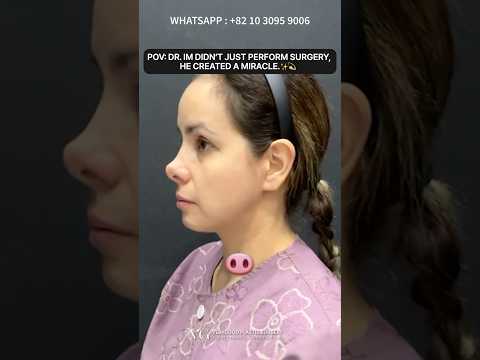



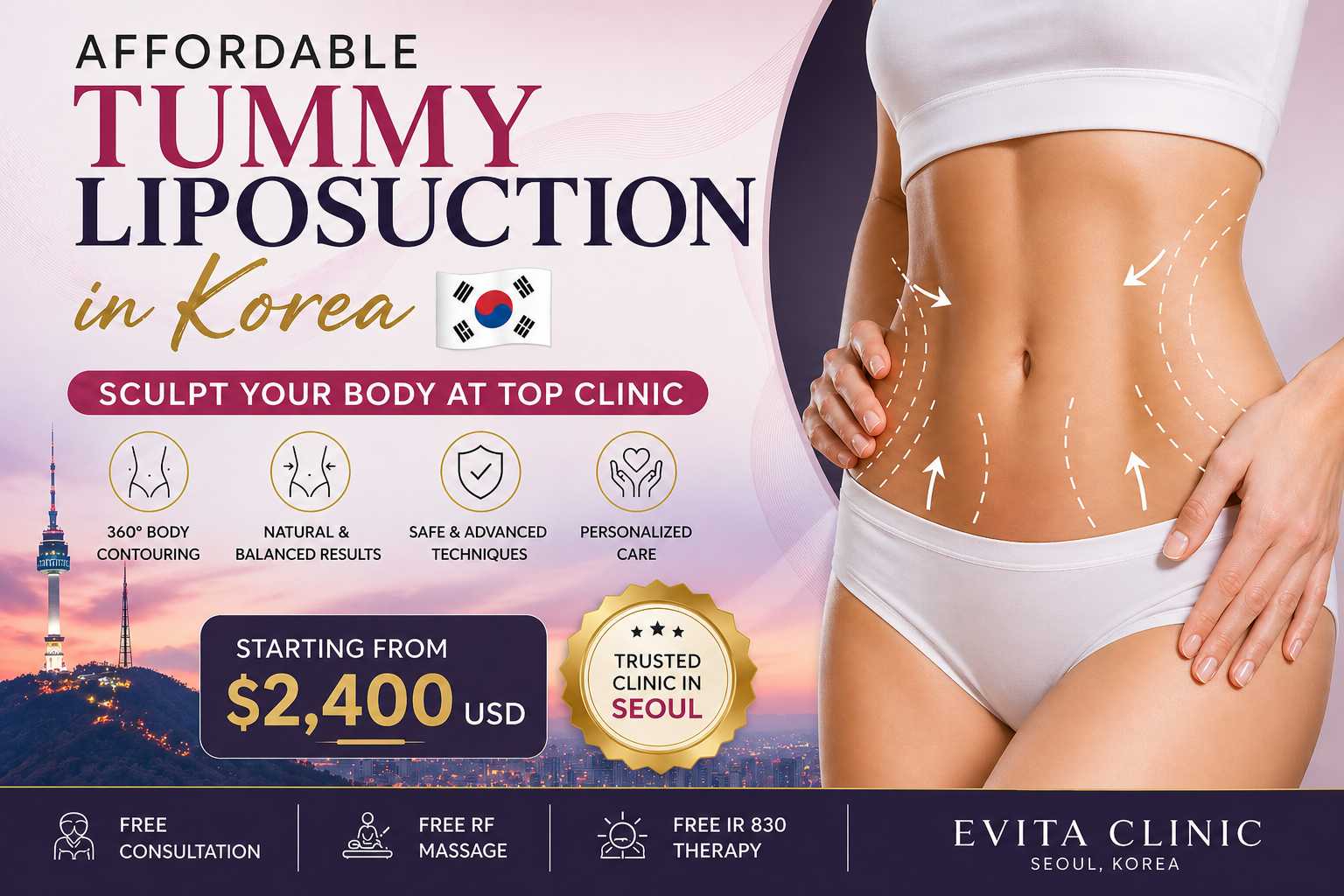
.png)
.png)
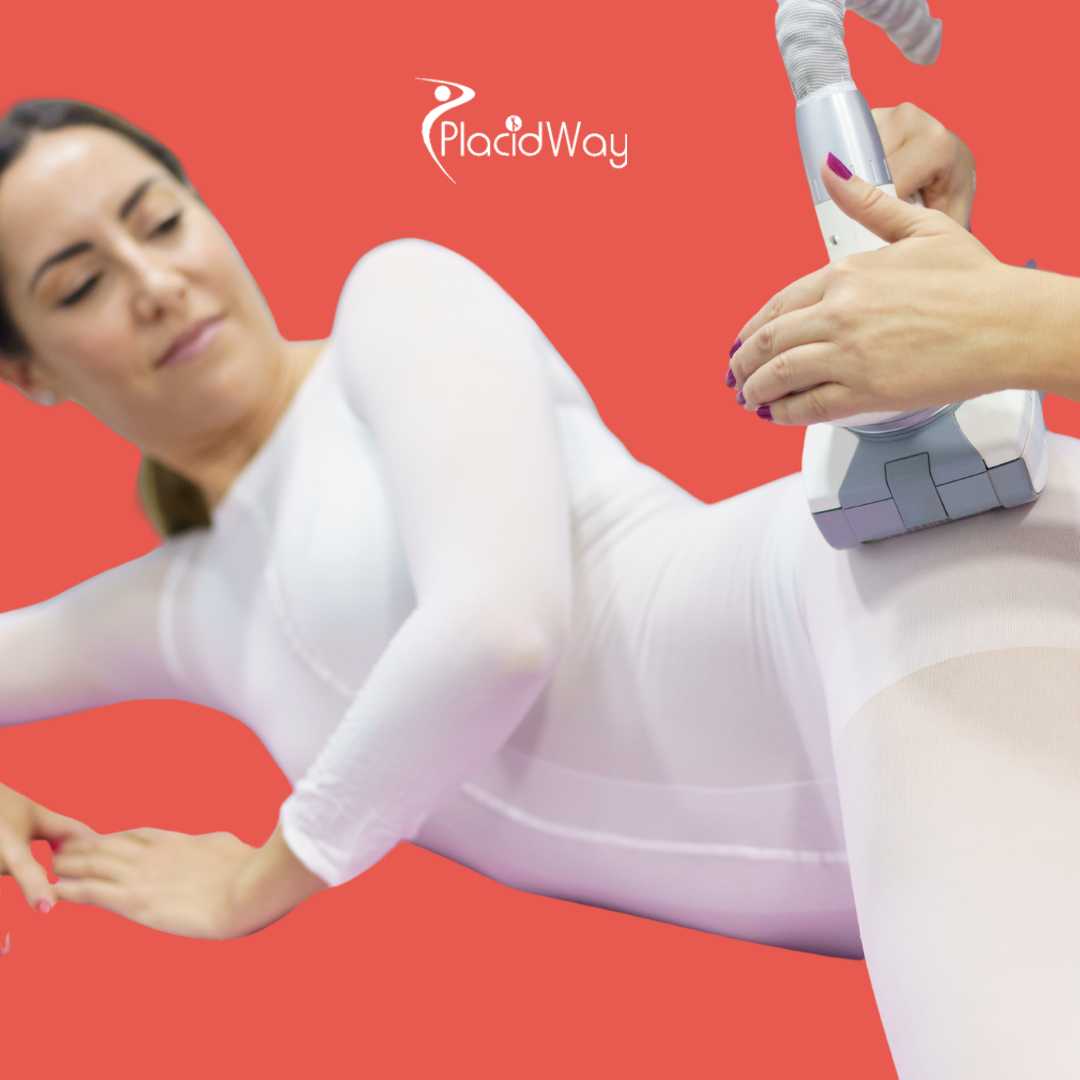









Share this listing