


Cosmetic/Plastic Surgery in South Korea
The cost of liposuction in South Korea typically ranges from $2,500 to $7,000 per targeted area. Prices fluctuate based on the specific body parts treated, the volume of fat removed, the advanced technology utilized, and the chosen clinic expertise.

Key Takeaways: Procedure Essentials
- Pricing Spectrum: Expect to pay between $2,500 for minor areas like the chin, up to $7,000 for comprehensive 360-degree torso contouring.
- Advanced Technology: Clinics utilize state-of-the-art VASER and Water-Jet technologies for minimal tissue trauma and faster recovery.
- Holistic Aftercare: Packages routinely feature specialized deswelling treatments like Radio Frequency and LED therapies.
- Minimal Scarring: Surgeons employ micro-cannulas and hidden incision techniques to ensure seamless, natural-looking results.
- Comprehensive Screening: Mandatory pre-operative health checks guarantee optimal patient safety during the entire process.
What factors influence the liposuction cost in South Korea?
The final price depends heavily on the specific body areas targeted, the volume of fat being extracted, and the technology used. Additional factors include the surgeons expertise and your base body mass index.
- Number of Treatment Areas: Treating a single small area like the arms is significantly less expensive than full abdomen and flank contouring.
- Volume of Fat Removal: High-volume extractions require longer surgical time and specialized anesthesia monitoring, which directly increases the overall liposuction cost in South Korea.
- Technological Approach: Opting for advanced methods like ultrasound-assisted VASER liposuction carries a premium compared to traditional suction-assisted techniques.
- Revision Surgery Complexity: If you have had previous surgeries and require corrective liposuction, the complexity of breaking down scar tissue increases the fee.
- Facility Accreditation Level: Premium hospitals with cutting-edge 3D scanning equipment and dedicated anesthesiologists charge more than smaller, boutique practices.
Which body areas are most commonly treated with liposuction in South Korea?
Patients most frequently seek treatment for the abdomen, thighs, and arms. Facial contouring, specifically targeting the double chin and jawline, is also exceptionally popular among international visitors.
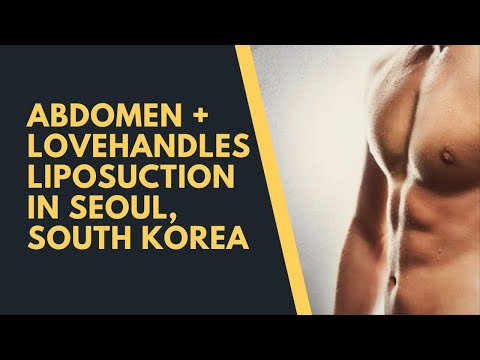
The abdominal region remains the most highly requested area for liposuction in South Korea. Surgeons here specialize in 360-degree torso contouring, which involves removing fat from the upper abdomen, lower abdomen, flanks, and lower back simultaneously. This comprehensive approach ensures a smooth, cinched waistline without disproportionate bulges. Male patients often seek abdominal liposuction combined with etching to reveal underlying muscle definition.
Thigh and leg contouring is another major focus, driven by the regional aesthetic preference for straight, slender leg lines. Surgeons meticulously extract fat from the inner thighs, outer thighs, and even the knees and calves to create an unbroken, sleek silhouette. This requires immense precision to avoid creating uneven indentations, a skill Korean specialists spend years mastering.
Finally, upper body contouring addressing the arms and bra-line fat is incredibly common. The goal is to create slender, delicate arms that look natural at rest. Additionally, micro-liposuction of the face and neck is frequently performed to achieve a sharp, V-shaped jawline, removing stubborn fat pads that do not respond to diet or exercise.
What advanced techniques are utilized at a liposuction clinic in South Korea?
Clinics employ advanced modalities like VASER, Laser-assisted, and Water-jet liposuction. These technologies minimize trauma to blood vessels and nerves while maximizing fat removal efficiency.
When you visit a premier liposuction clinic in South Korea, you will likely encounter VASER technology. VASER utilizes ultrasound energy to selectively break apart fat cells before they are suctioned out. Because the ultrasound waves specifically target fat, surrounding tissues like blood vessels, nerves, and connective tissue are preserved. This leads to significantly less bruising and faster recovery times for the patient.
Laser-assisted liposuction, commonly known by brand names like SmartLipo, is another high-tech option frequently utilized. This technique involves inserting a tiny laser fiber beneath the skin to melt fat cells. The dual benefit of laser energy is that it also heats the deeper layers of the skin, promoting collagen production and skin tightening, which is crucial for patients with mild skin laxity.
Water-jet assisted liposuction, or BodyJet, uses a pulsating stream of saline fluid to gently dislodge fat cells rather than manually breaking them apart with a cannula. This highly gentle method is particularly favored when the patient wishes to use the extracted fat for grafting into the face or breasts, as the fat cells remain intact and highly viable for transfer.
How does the price of liposuction in South Korea compare to Western countries?
Prices in Korea are generally thirty to fifty percent lower than in the United States and the United Kingdom, without any compromise in medical quality, facility standards, or surgical expertise.
| Country | Single Area Cost (Avg) | 360 Lipo Cost (Avg) |
|---|---|---|
| United States | $4,500 - $8,000 | $10,000 - $18,000 |
| United Kingdom | $4,000 - $7,000 | $9,000 - $15,000 |
| Australia | $5,000 - $8,500 | $12,000 - $20,000 |
| South Korea | $2,500 - $4,500 | $6,000 - $9,000 |
The cost disparity is not due to lower quality but rather an incredibly efficient healthcare system, high market competition among local clinics, and lower administrative overhead. Patients traveling from abroad find that even after factoring in flights and accommodation, the overall expenditure remains highly economical while providing access to world-renowned body contouring specialists.
What is included in a standard liposuction package for medical tourism in South Korea?
Comprehensive packages typically cover the surgical fee, anesthesia, facility costs, basic compression garments, and multi-lingual translation services from consultation through post-operative care.
- Pre-operative Assessments: Comprehensive blood panels, electrocardiograms, and sophisticated 3D body mapping scans are included to plan the precise extraction strategy.
- Surgical and Anesthesia Fees: The core cost covers the operating room utilization, specialized surgical equipment, and the presence of a dedicated board-certified anesthesiologist.
- Dedicated Medical Translator: To ensure zero miscommunication, packages for medical tourism in South Korea include a coordinator who translates your desires and the doctors instructions flawlessly.
- Post-Operative Deswelling Care: Most reputable clinics bundle several sessions of Radio Frequency massage and LED light therapy to expedite healing and ensure skin retraction.
- Initial Recovery Gear: The first set of medical-grade compression garments tailored specifically to your new body measurements is routinely provided upon discharge.
In South Korea, aftercare is considered just as important as the surgery itself. Clinics offer advanced deswelling programs that utilize hyperbaric oxygen chambers and specialized thermal massages to reduce recovery time by almost half compared to standard Western aftercare protocols.
How long is the recovery period after undergoing liposuction in South Korea?
Initial recovery requires about one to two weeks, during which most swelling subsides. Full tissue healing and skin retraction take approximately three to six months to become fully apparent.
The immediate post-operative period spans the first three to five days. During this time, patients will experience soreness, bruising, and significant fluid drainage from the incision sites. Clinics provide specific waterproof dressings and detailed instructions on how to manage this phase. Pain is typically well-managed with prescribed oral medications, and patients are encouraged to take brief, light walks to promote healthy blood circulation.
By the second week, the majority of the sharp discomfort resolves, and patients undergo their scheduled stitch removal at the clinic. This is also when the intensive deswelling treatments begin. You will be wearing your compression garment around the clock, taking it off only to shower. Most international patients feel comfortable enough to fly back home safely between the seven to ten-day mark.
The long-term recovery phase extends over several months. While you will see a noticeable change in your body shape before you leave the country, the deep tissues continue to heal and the skin continues to contract over the newly sculpted muscles. By month three, the final, permanent silhouette emerges, revealing the meticulous contouring work performed by the surgical team.
Are there any hidden fees associated with liposuction procedures in South Korea?
While initial quotes are highly transparent, patients should budget for the ten percent Value Added Tax, pharmacy medications, extra compression garments, and independent health clearance tests if required.
When reviewing initial price estimates, it is crucial to understand that cosmetic procedures incur a mandatory ten percent Value Added Tax imposed by the government. Fortunately, international visitors booking through registered clinics receive documentation to claim a substantial portion of this tax back at the airport terminal prior to departure. Always ask if the quoted price includes or excludes this tax.
Another out-of-pocket expense involves pharmacy medications. While the clinic provides immediate pain relief via IV during your stay, you must purchase your take-home antibiotics, anti-inflammatory pills, and specialized deswelling supplements from a local pharmacy. This typically costs around fifty to one hundred dollars depending on the prescription strength.
Finally, while the first compression garment is usually bundled into the surgery package, many patients opt to purchase a secondary garment so they can wash the primary one. Depending on the size and style required for your specific procedure, an additional medical-grade compression suit can cost between one hundred and two hundred dollars.
What makes South Korea a top destination for body contouring and liposuction?
South Korea combines heavily regulated medical safety standards, world-class surgical expertise, and a cultural dedication to aesthetic perfection, making it a global hub for advanced body contouring.
Surgeons in this region undergo some of the most rigorous and lengthy medical training programs in the world. The sheer volume of surgeries performed gives these specialists unparalleled hands-on experience. This extensive practice allows them to refine complex techniques, such as etching abdominal lines or sculpting precise thigh gaps, with a level of artistry rarely found elsewhere.
Furthermore, the clinical infrastructure is designed specifically to cater to international aesthetics seekers. Facilities operate with cutting-edge technology, ensuring minimal invasiveness and prioritizing patient safety through continuous monitoring and real-name surgery guarantees. This system ensures that the experienced consultant you meet is the exact surgeon operating on you, eliminating the risk of unauthorized surgical substitutions.
The entire ecosystem surrounding the patient is optimized for comfort and rapid recovery. From dedicated recovery hotels equipped with adjustable beds to specialized dietary programs featuring pumpkin extracts proven to reduce swelling, the holistic approach ensures that traveling for body contouring is physically safe and mentally reassuring.
Why Choose PlacidWay for liposuction in South Korea?
PlacidWay provides an essential layer of security by connecting you with rigorously vetted clinics, negotiating transparent pricing, and offering dedicated patient advocacy throughout your medical journey.
- Rigorous Clinic Vetting: We partner exclusively with medical centers that hold official government accreditation and maintain spotless records free of malpractice lawsuits.
- Transparent Price Negotiation: Our team secures competitive, all-inclusive packages ensuring you are shielded from hidden fees or unexpected post-operative surgical charges.
- Dedicated Patient Advocacy: We assign you a dedicated medical coordinator who acts as your personal advocate, ensuring all your clinical needs and preferences are accurately communicated to the surgical team.
- Comprehensive Treatment Planning: Before you commit, we facilitate remote consultations where board-certified specialists review your medical history and photographs to provide an accurate, personalized surgical strategy.
- Strict Safety Standard Verification: We ensure your chosen facility adheres strictly to the real-name surgery policy and utilizes dedicated, specialized anesthesiologists for every procedure.
Frequently Asked Questions About Body Contouring and Liposuction
Is it safe for international patients to get liposuction in South Korea?
Undergoing liposuction in South Korea is exceptionally safe for international patients who choose government-accredited facilities. The nation enforces strict medical regulations and mandates rigorous board certification for specialized surgeons. Operating rooms are equipped with state-of-the-art monitoring systems, and comprehensive pre-operative testing ensures patients are healthy enough for surgery.
Can I combine liposuction with fat grafting during my trip to South Korea?
Combining liposuction with fat grafting is a highly requested procedure in South Korea. Surgeons expertly harvest unwanted fat from the abdomen or thighs, purify it, and then inject it into areas lacking volume, such as the breasts, buttocks, or face. This dual approach provides comprehensive body contouring while utilizing your natural tissue.
How long should I stay in South Korea after my liposuction surgery?
Medical professionals generally recommend staying in South Korea for seven to fourteen days following a liposuction procedure. This duration allows enough time for the initial recovery phase, the removal of stitches, and participation in the crucial post-operative deswelling treatments provided by the clinic to optimize your final results.
Do Korean clinics provide specialized post-operative compression garments?
Korean clinics provide custom-fitted, medical-grade compression garments immediately after the procedure. These garments are vital for reducing swelling, preventing fluid accumulation, and helping the skin retract smoothly over the new body contours. Patients are usually required to wear them continuously for the first month.
What type of anesthesia is typically used for liposuction in South Korea?
The type of anesthesia depends on the extent of the surgery. For smaller, targeted areas, local anesthesia with intravenous sedation is common, allowing the patient to remain relaxed and pain-free. For large-volume or 360-degree liposuction, general anesthesia administered by a board-certified anesthesiologist is standard protocol.
How do Korean surgeons minimize scarring during liposuction procedures?
Korean surgeons are renowned for their meticulous attention to detail and scar minimization. They use micro-cannulas that require tiny incisions, usually just a few millimeters wide. These incisions are strategically placed in natural body folds, such as the belly button or bikini line, rendering the resulting scars virtually invisible once fully healed.
Will language be a barrier when getting liposuction in Seoul?
Language is rarely a barrier at top-tier medical facilities in Seoul. Clinics catering to international patients employ dedicated, multi-lingual medical coordinators who are fluent in English and other major languages. These coordinators assist you through every step, from the initial consultation to the final post-operative checkup.
Can I get a VAT refund for my liposuction procedure in South Korea?
International patients are eligible for a Value Added Tax refund on cosmetic surgeries performed at officially registered medical tourism clinics. The clinic will provide a specific tax refund certificate upon payment, which you can present at designated kiosks at the airport before your departure to claim your refund.
What medical tests are required before my liposuction surgery in South Korea?
Patient safety protocols require comprehensive pre-operative screening. Before your procedure, the clinic will conduct blood tests, an electrocardiogram, and a chest X-ray. Additionally, they will use advanced 3D body scanners and ultrasound imaging to accurately assess your fat distribution and ensure you are a viable candidate for surgery.
How quickly can I see the final results of my liposuction done in South Korea?
While you will notice a reduction in volume immediately after surgery, significant swelling and fluid retention mask the true outcome. Noticeable improvements appear within four to six weeks as the swelling subsides. The absolute final, refined results typically manifest between three to six months post-surgery as the skin fully tightens.
Start Your Body Transformation Journey Today
* Responses typically within 24 hours. Privacy guaranteed.

.jpg)
.jpg)
.jpg)
.jpg)
.png)








Share this listing