
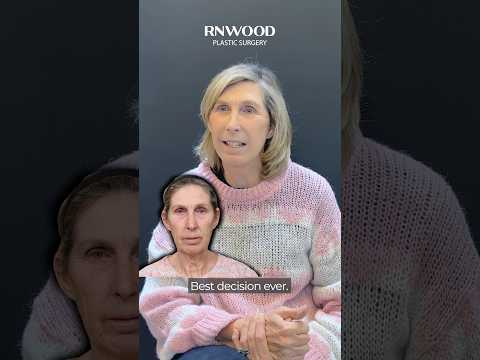
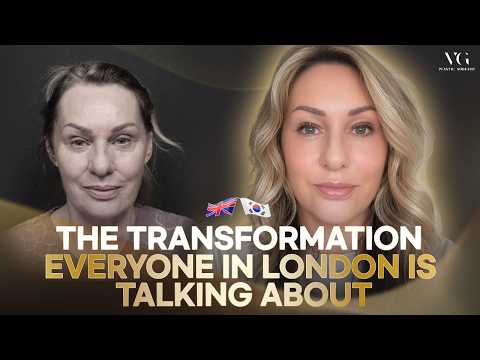
Undergoing a deep plane facelift in South Korea has become a leading choice for patients globally seeking profound, natural-looking facial rejuvenation. The combination of elite surgical precision, advanced medical infrastructure, and comprehensive patient care makes Seoul a premier destination for anti-aging procedures. This detailed analysis breaks down the real-world experience of a 63-year-old Australian patient who traveled to Seoul for an extensive facial transformation.
Choosing to undergo complex procedures like a deep neck lift and facial fat grafting requires thorough research and an understanding of the surgical process. By examining this patient's documented journey at RNWOOD Plastic Surgery, prospective patients can gain valuable insights into the reality of medical tourism. From managing postoperative anesthesia sensitivities to exploring Korean culture during recovery, this comprehensive overview covers every critical aspect of the international plastic surgery experience.
Video Chapters: Navigating the Facial Rejuvenation Process
- 1. Resolving Saggy Skin and Facial Lines
- 2. Restoring Jawline Definition with Deep Neck Lifts
- 3. The Role of Autologous Fat Grafting
- 4. Managing the Facelift Recovery Timeline
- 5. Selecting an Expert Surgeon in Seoul
- 6. Combining Plastic Surgery with Medical Tourism
- 7. Analyzing Four-Week Post-Operative Results
Addressing Advanced Signs of Aging: Resolving Saggy Skin and Facial Lines
As individuals enter their sixties, the structural integrity of the face begins to compromise significantly due to the depletion of collagen and elastin. The patient explicitly highlights her primary motivation at [01:17], noting that she was experiencing pronounced saggy skin and an accumulation of deep facial lines. This dropping of facial tissues is a universal hallmark of the aging process, primarily caused by gravity acting upon weakened retaining ligaments.
Standard superficial skin-tightening procedures are often insufficient for patients presenting with this degree of tissue descent. A deep plane facelift is medically designed to address these exact concerns by repositioning the deeper muscular layers of the face. By elevating the entire structural foundation rather than just pulling the skin, surgeons can eliminate severe sagging without creating the unnatural "wind-swept" look commonly associated with older facelift techniques.
The Superiority of the Deep Plane Technique for Facial Rejuvenation
The deep plane approach targets the superficial musculoaponeurotic system (SMAS) by fully releasing the zygomatic and masseteric retaining ligaments. This comprehensive release allows the surgeon to mobilize the midface and lower face as a single, cohesive unit. Consequently, the tension is placed entirely on the sub-muscular layers, ensuring the overlying skin redrapes naturally over the newly contoured facial structure.
Patients seeking facial rejuvenation surgery in South Korea benefit heavily from this advanced anatomical approach. Korean board-certified surgeons are globally recognized for their meticulous dissection skills, which significantly minimize trauma to surrounding tissues. This precision directly translates to less postoperative bruising, reduced tension on the incision lines, and virtually invisible scarring along the hairline and ears.
Restoring Jawline Definition with Advanced Deep Neck Lifts
A critical component of a comprehensive anti-aging strategy involves targeting the lower third of the face and the neck region. The patient candidly shares at [01:29] that she lacked a defined jawline and that her neck had started to age considerably. The blurring of the cervicomental angle—the distinct transition between the jaw and the neck—is one of the most visible indicators of advanced aging.
To correct this, a deep neck lift is frequently performed in tandem with the deep plane facelift. This procedure goes far beyond simple liposuction; it involves modifying the deep neck structures, including the platysma muscle, submandibular glands, and deep cervical fat pads. By contouring these underlying elements, the surgeon effectively rebuilds a sharp, youthful jawline that completely transforms the patient's profile.
Anatomical Focus Areas During Neck Rejuvenation
- Platysmal Banding Correction: The surgeon tightly corsets the separated platysma muscles to eliminate vertical neck cords and create a smooth, taut surface.
- Subplatysmal Fat Excision: Removing fat deposits located beneath the muscle layer to hollow out the under-chin area, providing a sculpted aesthetic.
- Gland Suspension: Elevating and securing prolapsed submandibular glands that often contribute to a heavy, undefined lower jaw appearance.
The Strategic Role of Autologous Fat Grafting in Anti-Aging
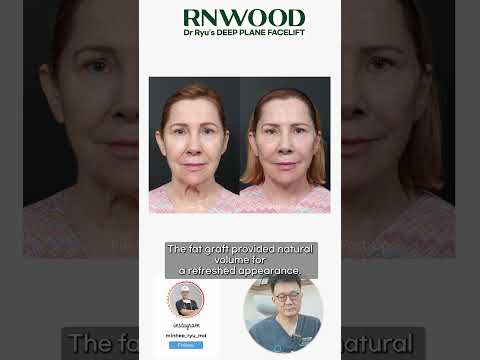
While lifting procedures excel at repositioning descended tissues and removing excess skin, they do not address the secondary factor of facial aging: volume loss. Subcutaneous fat naturally diminishes as we age, leading to hollowed temples, flattened cheeks, and deep nasolabial folds. Integrating autologous fat grafting into the surgical plan provides a multidimensional approach to facial rejuvenation.
During this supplementary procedure, fat is gently harvested from a donor site, typically the abdomen or inner thighs, using specialized micro-cannulas. The harvested fat is then purified via centrifugation to isolate the healthiest, most viable adipocytes and stem cells. These purified fat cells are strategically micro-injected into areas of the face requiring volume restoration.
Synergistic Benefits of Combining Lifts with Volume Restoration
The injection of autologous fat does more than simply plump the skin; the high concentration of adipose-derived stem cells initiates a profound tissue regeneration process. These stem cells stimulate local angiogenesis, creating new blood vessels that drastically improve overall skin texture, tone, and elasticity. This biological enhancement works synergistically with the mechanical lifting of the deep plane technique.
South Korean cosmetic surgeons utilize advanced micro-droplet injection protocols to ensure the grafted fat integrates smoothly without causing lumps or irregularities. By precisely layering the fat across multiple tissue planes, surgeons achieve a highly natural, youthful convexity in the midface that endures for years, avoiding the overfilled aesthetic often seen with excessive synthetic dermal fillers.
Navigating the Comprehensive Facelift Recovery Timeline
The postoperative period is a critical phase that heavily influences the final aesthetic outcome of complex facial surgeries. At [00:00], the patient describes her recovery process as "absolutely fantastic," despite identifying herself as a "high maintenance" case. Her specific admission regarding her poor tolerance for anesthesia highlights the vital importance of highly attentive, personalized postoperative nursing care.
In elite South Korean plastic surgery clinics, postoperative recovery protocols are meticulously structured. Patients who experience nausea or adverse reactions to general anesthesia are closely monitored, receiving specialized intravenous medications, hyperbaric oxygen therapy, and dedicated one-on-one nursing support. This aggressive, proactive approach to patient care minimizes discomfort and rapidly accelerates the initial healing stages.
Standard Postoperative Milestones for Deep Plane Procedures
| Recovery Phase | Expected Symptoms & Care Requirements | Activity Level |
|---|---|---|
| Days 1-3 | Maximum swelling and bruising. Anesthesia after-effects managed by clinical staff. Drainage tubes may be present. | Strict bed rest with head elevated at 45 degrees. |
| Days 4-7 | Swelling begins to subside. Suture removal typically occurs during this window. Desquamation therapies applied. | Light walking indoors to promote blood circulation. |
| Weeks 2-3 | Residual "tightness" in the lower face and neck. Visible bruising fades, easily concealed with light makeup. | Return to normal daily non-strenuous activities. |
| Week 4 & Beyond | Tissues settle into their new anatomical positions. Sensation slowly returns to the incision sites. | Resumption of moderate exercise and social events. |
Selecting an Expert Surgeon: The RNWOOD Plastic Surgery Experience
The success of any highly technical facial surgery relies almost entirely on the skill, artistic vision, and anatomical expertise of the operating surgeon. When asked what stood out about her chosen clinic, the patient explicitly points to Dr. Ryu's expertise at [00:15]. Board-certified plastic surgeons in South Korea undergo rigorous, highly competitive training, ensuring they operate at the absolute forefront of aesthetic medicine.
Expertise in deep plane techniques requires an intricate understanding of facial nerve anatomy to avoid surgical complications while achieving maximum lift. Surgeons like Dr. Ryu prioritize thorough preoperative consultations to map out individual facial asymmetries and structural deficits. This hyper-personalized planning ensures that the surgical intervention enhances the patient's natural features without altering their fundamental identity.
The Importance of Personalized Clinical Hospitality
Beyond technical surgical mastery, the psychological support provided by the clinical team plays a massive role in patient satisfaction. The patient emphasized the remarkable level of care and how personally she was treated by the staff at [00:19]. Traveling internationally for major surgery can induce high levels of stress and anxiety, making a warm, compassionate clinical environment absolutely essential.
Top-tier facilities in Seoul are designed specifically to cater to international medical tourists. They provide comprehensive concierge services, including dedicated English-speaking patient coordinators, customized meal plans to reduce swelling, and regular postoperative check-ins. This holistic approach ensures patients feel continuously supported, safe, and valued throughout their entire medical journey.
Medical Tourism Dynamics: Combining Elite Surgery with Korean Culture
South Korea has firmly established itself as the global epicenter for cosmetic surgery, attracting tens of thousands of international patients annually. The appeal extends far beyond the operating room. For many patients, the opportunity to recover in a vibrant, culturally rich city like Seoul adds a highly appealing dimension to their surgical experience. The patient mentions at [00:38] that this was her second time visiting Korea, driven in part by her deep affection for K-dramas.
Integrating cultural tourism with medical recovery requires careful logistical planning, but it provides significant psychological benefits. Engaging in gentle, culturally immersive activities serves as an excellent distraction from the early stages of postoperative healing. It allows patients to maintain a positive mindset, which is clinically proven to aid the physiological recovery process.
Safe Tourism Activities During Postoperative Recovery
- Exploring Historical Palaces: The patient happily notes her plan to wear traditional Korean clothing, known as a Hanbok, at the royal palaces during her next visit at [01:03]. Walking through flat, serene environments like Gyeongbokgung Palace provides ideal, low-impact exercise.
- Engaging in K-Beauty Treatments: Post-surgical patients frequently explore non-invasive Korean skincare clinics for specialized hydration facials and dermatological laser treatments once cleared by their primary surgeon.
- Culinary Experiences: Enjoying traditional Korean soups, such as Miyeok-guk (seaweed soup) and Hobak-juk (pumpkin porridge), which are famous for their potent anti-inflammatory and swelling-reduction properties.
Analyzing Four-Week Post-Operative Results and Long-Term Satisfaction
The four-week postoperative mark is a major milestone in the facelift recovery timeline. By this point, roughly seventy to eighty percent of the surgical swelling has completely resolved, allowing the patient to truly appreciate the structural improvements. Speaking at the four-week juncture [01:45], the patient states she feels "fantastic, great, and confident" regarding her facial rejuvenation process.
This drastic improvement in self-esteem is the ultimate goal of aesthetic intervention. The removal of deep jowls, the restoration of a crisp jawline, and the smoothing of the neck contours collectively shave a decade or more off a patient's perceived age. Because the deep plane technique manipulates the robust muscular foundation rather than the fragile skin, these aesthetic results are exceptionally durable.
Maximizing the Longevity of a Deep Plane Facelift
While a surgical facelift effectively resets the aging clock, it does not halt the physiological aging process entirely. Maintaining the spectacular results achieved in South Korea requires a commitment to long-term skincare. Patients are strongly advised to adhere to rigorous sun protection regimens, utilizing high-SPF broad-spectrum sunscreens daily to prevent UV-induced collagen degradation.
Furthermore, integrating medical-grade skincare products featuring active ingredients like retinoids, vitamin C, and peptides helps maintain skin elasticity. Many patients also schedule routine non-invasive maintenance treatments, such as radiofrequency microneedling or ultrasound therapy, to continually stimulate new collagen production. By summarizing her entire experience as the "best decision ever" at [01:54], the patient validates the high return on investment associated with seeking top-tier surgical expertise abroad.
Ready to Begin Your Transformation?
If you are considering a deep plane facelift in South Korea and want to experience world-class surgical expertise and personalized care, take the first step today. Connect with top board-certified specialists to discuss your aesthetic goals.
Get Free QuoteView Full Video Transcript
[00:00] Interviewer: "How was your recovery process like at RNWOOD?"
[00:01] Patient: Fantastic. Absolutely fantastic.
[00:04] Patient: I was quite high maintenance because I didn't do well with anesthetic, but I couldn't have got this level of care, I think, anywhere in the world. Ah, thank you.
[00:15] Interviewer: "What stood out to you about RNWOOD Clinic?"
[00:16] Patient: I think, Dr. Ryu's expertise. I think the level of care and how personal you're treated by the staff. Just. That was amazing.
[00:29] Patient: Obviously, the facilities, the warmth of hospitality. But the combination of Dr. Ryu and that just continues through with the staff.
[00:38] Interviewer: "How is your experience like in Korea as it's not your first time here?"
[00:39] Patient: No, my second time. I love K-dramas. My kids say I'm addicted to them.
[00:46] Patient: But I came in October, which is when I met you for a consultation. And then I, oh my gosh, I loved it.
[00:55] Patient: I wanted to do everything except. And I didn't get to wear all the costumes around the palace, so I'll do that next year.
[01:03] Interviewer: Ah, that, it's called Hanbok.
[01:04] Patient: Yeah, Hanbok. That, so do that next time.
[01:07] Patient: But then I came back and again, coming back for the surgery has just enhanced the whole experience.
[01:17] Interviewer: "What is it mostly that you wanted to improve after the surgery?"
[01:18] Patient: I was quite saggy. And so I had a lot of lines here. Everything had dropped with age and I didn't have a jawline.
[01:31] Patient: And I never really had a good jawline. And then my neck had also started to age.
[01:36] Patient: So I really wanted to focus here. And on my neck. And just get rid of some of these lines which.
[01:45] Patient: I'm four weeks in and yeah.
[01:48] Interviewer: "How do you feel now. And What's like one sentence, your facial rejuvenation process"
[01:49] Patient: I feel fantastic. I feel great and confident.
[01:53] Patient: One sentence. Best decision ever.
[01:57] Interviewer: Best decision ever. Alright, thank you so much.
[02:00] Patient: You're welcome.
.png)
.png)
.png)
.jpg)
.jpg)
.jpg)
.jpg)
.jpg)








Share this listing