
Contenu
La Colombie est devenue une destination de choix à l'échelle mondiale pour la dentisterie esthétique, notamment pour les patients recherchant des facettes dentaires de haute qualité à prix abordables. Réputée pour sa culture du « sourire parfait », le pays attire chaque année des milliers de patients internationaux désireux d'embellir leur sourire sans les coûts exorbitants pratiqués aux États-Unis ou au Canada. Les cliniques des grandes villes comme Bogota, Medellín et Carthagène sont équipées des technologies les plus récentes, notamment des systèmes de CAO/FAO et le logiciel de conception numérique du sourire (DSD).
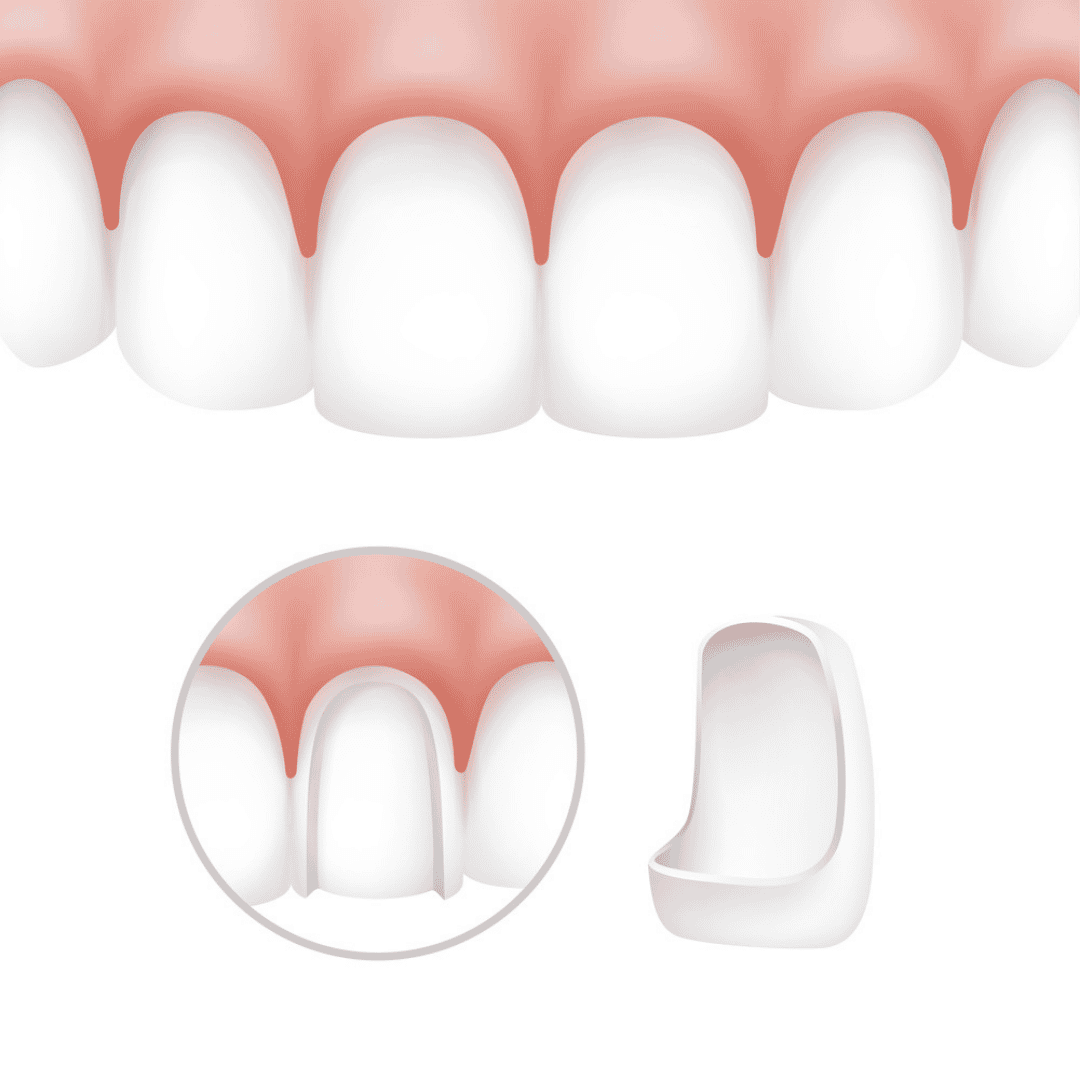
Les dentistes colombiens sont réputés pour leur approche artistique de la dentisterie. Nombre d'entre eux ont été formés aux États-Unis ou en Europe et sont membres d'organisations internationales telles que l'AACD (Académie américaine de dentisterie cosmétique). Ils utilisent des matériaux haut de gamme comme la porcelaine E.max et la zircone pour créer des facettes dentaires naturelles et durables qui se fondent parfaitement avec vos dents existantes.
L'avantage en termes de coûts est considérable : les facettes dentaires en Colombie coûtent souvent de 50 à 70 % moins cher qu'en Amérique du Nord. Malgré ces prix plus bas, les normes de sécurité et d'hygiène sont rigoureuses, de nombreuses cliniques respectant les protocoles de l'OSHA américaine.
Que vous recherchiez une amélioration subtile ou une transformation complète de votre sourire à la hollywoodienne, la Colombie offre une solution sûre, abordable et de haute qualité dans un cadre dynamique et accueillant.
Saviez-vous?
La Colombie est pionnière en matière de « conception numérique du sourire » (DSD). Cette technologie innovante permet aux dentistes de réaliser des scans et des photos numériques de votre visage et de vos dents afin de créer une simulation virtuelle de votre nouveau sourire. Vous pouvez ainsi visualiser précisément l'aspect de vos facettes avant même le début de l'intervention, ce qui vous garantit une forme, une taille et une teinte parfaitement adaptées à votre visage.
Aperçu des principaux points
Économisez jusqu'à 70 % par dent. Les facettes dentaires coûtent entre 350 et 550 dollars américains, contre plus de 1 500 dollars aux États-Unis.
Les cliniques utilisent des marques haut de gamme comme E.max et Zirconia pour leur durabilité et leur esthétique naturelle.
Les laboratoires internes et la technologie CAO/FAO permettent de réaliser les facettes dentaires en seulement 5 à 7 jours.
Soins prodigués par des dentistes esthétiques et des prosthodontistes spécialisés, bénéficiant d'une formation internationale.
Les cliniques respectent des protocoles de stérilisation stricts, suivant souvent les directives de l'OSHA américaine.
Les vols directs depuis les grandes villes américaines comme Miami, New York et Houston facilitent les voyages.
Trouver la clinique idéale est essentiel pour un beau sourire. Dans la section ci-dessous, nous avons sélectionné pour vous les meilleures cliniques dentaires de Colombie proposant des forfaits complets de facettes dentaires. Ces forfaits incluent généralement la consultation initiale, l'imagerie 3D, les facettes provisoires, les facettes définitives et les transferts aéroport. Certaines cliniques vous aident également à réserver un hébergement à tarif réduit. Parcourez les différentes options pour trouver le forfait qui correspond à vos objectifs esthétiques et à votre budget.
Remarque : Les forfaits « Transformation du sourire » pour 6, 8 ou 10 facettes par arcade dentaire offrent souvent le meilleur rapport qualité-prix par dent.
Comprendre l'engagement financier est essentiel pour prendre votre décision. Le tableau ci-dessous présente une analyse transparente des coûts moyens des facettes dentaires en porcelaine et en composite en Colombie, comparés aux prix pratiqués aux États-Unis. Bien que ces chiffres soient des estimations, ils mettent en évidence les économies substantielles possibles, vous permettant ainsi d'embellir votre sourire pour un coût bien inférieur à celui pratiqué aux États-Unis.
Conseil : En Colombie, une facette standard en porcelaine/E.max coûte généralement entre 350 et 550 dollars américains .
Dental Veneers Comparaison des coûts des centres en Colombia
| Fournisseur | Procédure | Prix |
|---|---|---|
| Dra. Maria Marin | Dental Veneers, Dentistry | $5299 |
| Dra. Maria Marin | Dental Veneers, Dentistry | $2999 |
Dental Veneers Comparaison des coûts dans Colombia
| Pays | Procédure | Prix |
|---|---|---|
| Colombia | Dental Veneers, Dentistry | $250 |
| Canada | Dental Veneers, Dentistry | $2000 |
| United States | Dental Veneers, Dentistry | $2500 |
Votre sourire est précieux et mérite d'être entre les meilleures mains. Nous avons sélectionné pour vous une liste de cliniques dentaires de premier plan à Bogota, Medellín et Carthagène, reconnues pour leur expertise en dentisterie esthétique. Ces cliniques ont été rigoureusement choisies pour leurs infrastructures modernes, leurs protocoles de stérilisation et l'utilisation de matériaux de qualité internationale. Découvrez leurs profils ci-dessous pour en savoir plus sur leur expérience et leurs technologies.
Critère standard : Recherchez les cliniques qui utilisent la conception numérique du sourire (DSD) pour planifier votre traitement.
Dentica Dental clinic
Bogota, Colombia
Carolina Hurtado Odontologia Integral in Bogota, Colombia
Bogota, Colombia
Dra. Maria Marin
Bogota, Colombia
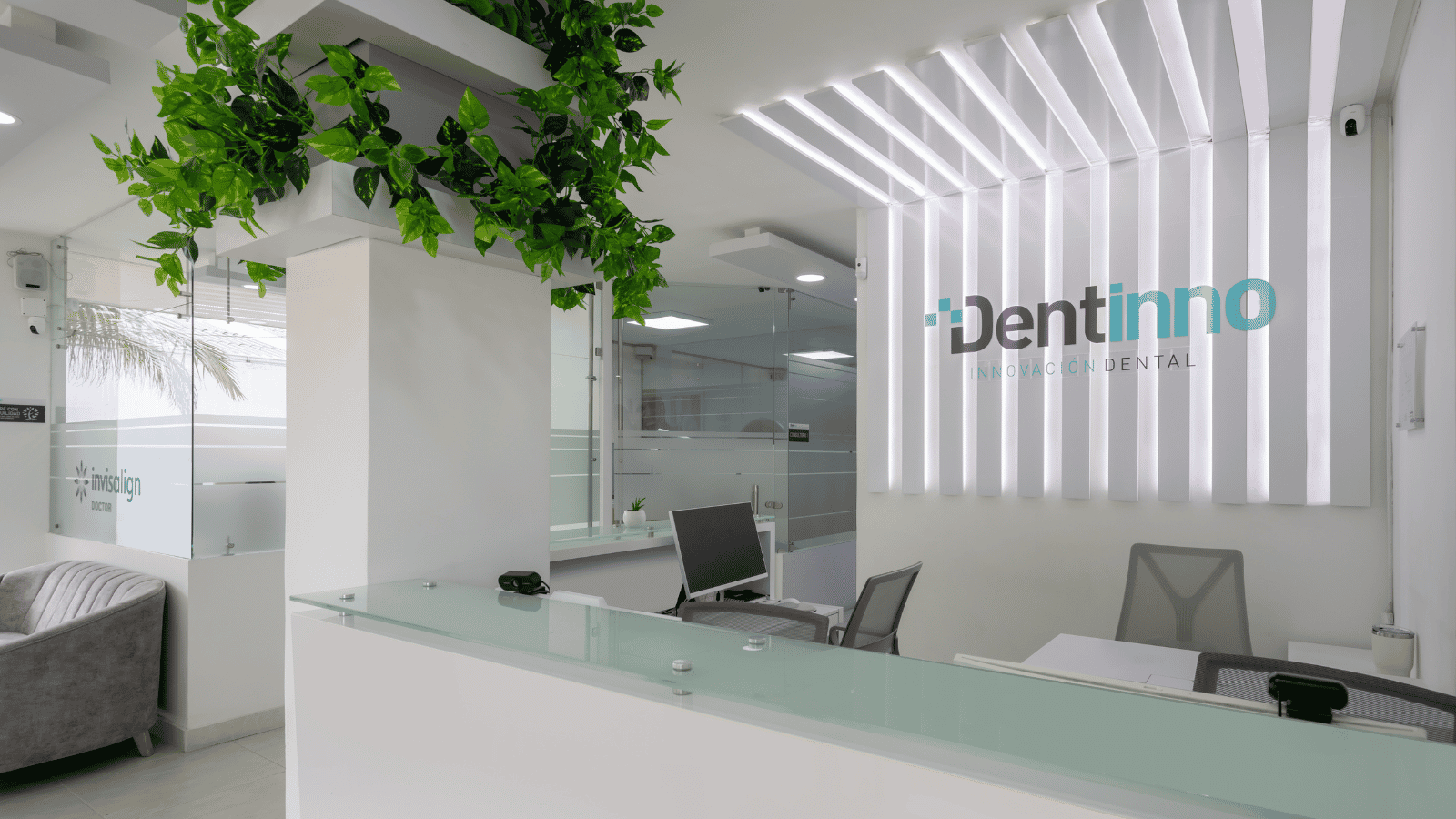
Dentinno
Bogota, Colombia
Armonia Dento Facial - Dental Clinic in Bogota Colombia
Bogota, Colombia
Entendre directement le témoignage d'anciens patients peut être d'un grand réconfort. Les témoignages vidéo ci-dessous présentent des histoires vraies de personnes qui se sont rendues en Colombie pour embellir leur sourire. Visionnez ces vidéos pour découvrir leur parcours, de la première consultation au résultat final, et apprécier le niveau de soins personnalisés offerts par les équipes dentaires colombiennes.
Constat : Les patients font souvent l'éloge du souci du détail et de l'aspect naturel de leurs nouvelles facettes dentaires.

Les avis des patients offrent un aperçu honnête de la qualité des soins. Dans cette section, vous trouverez des avis et des évaluations vérifiés de patients qui ont confié leur sourire à des spécialistes en Colombie. Consultez leurs commentaires concernant la durabilité des facettes, l'esthétique et leur satisfaction générale afin d'orienter votre choix.
Conseil pour les avis : recherchez les avis qui mentionnent la longévité des facettes dentaires 2 à 3 ans après le traitement.

How Much Dental Veneers Cost in Bogota, Colombia?
The dental veneers cost in Bogota, Colombia usually ranges from $250 to $600 per tooth. Prices vary significantly based on material, with composite resin being more affordable than highly durable porcelain or E-max ceramic restorations. Key Takeaways Estimates fluctuate heavily depending on whether the patient selects direct composite resin or custom-milled porcelain shells. Finding a reputable dental veneers clinic in Bogota, Colombia requires verifying specialized training in prosthodontics or cosmetic dentistry. Porcelain restorations typically require two to three visits, while composite bonding can sometimes be completed in a single appointment. Participating in medical tourism in Bogota, Colombia offers potential financial advantages but demands careful logistical and clinical planning. Securing a local domestic dentist in your home country is vital for routine maintenance and addressing any unforeseen complications. What Factors Influence the Dental Veneers Cost in Bogota, Colombia? The primary factor dictating the overall financial estimate is the specific material chosen for the restoration, followed closely by the clinic's operational location and the complexity of any required preliminary dental work. When calculating the potential investment for dental veneers in Bogota, Colombia, the composition of the cosmetic shell plays the most significant role. Highly aesthetic and durable options, such as custom-fabricated porcelain or lithium disilicate (E-max), require advanced external laboratory work and expensive raw materials. This fundamentally drives up their baseline price compared to standard composite resins, which are applied directly to the tooth by the dentist. Geographic location within the city also dictates pricing structures. Facilities situated in upscale or highly commercialized neighborhoods in Bogota may charge premium rates to cover higher overhead costs and state-of-the-art diagnostic technologies. Clinics located outside of the main tourist or expatriate zones might offer slightly more competitive pricing, though travel logistics for international visitors may become slightly more complex. Furthermore, the baseline health of the natural teeth and gums can necessitate additional preparatory procedures. If a patient presents with uneven gum lines, minor contouring might be recommended to achieve a symmetrical smile. If previous dental decay is present, it must be fully resolved before cosmetic enhancements can begin. These essential, foundational steps will inevitably increase the total time and financial commitment. Veneer Material / Dental Procedure Estimated Cost Range (USD per unit) Composite Resin Veneer (Direct Application) $150 - $300 Standard Porcelain Veneer $350 - $450 E-max / Lithium Disilicate Veneer $450 - $600 Zirconia Veneer (if applicable) $400 - $550 Preliminary Gum Contouring (per tooth) $50 - $150 What Materials Are Used for Dental Veneers in Bogota, Colombia? Clinics typically offer composite resin for conservative, budget-friendly corrections, standard porcelain for excellent durability, and advanced lithium disilicate (E-max) for superior, lifelike translucency and aesthetics. Selecting the appropriate material directly impacts both the longevity and the final dental veneers cost in Bogota, Colombia. Porcelain is widely considered the gold standard in cosmetic dentistry due to its exceptional resistance to staining and its ability to closely mimic the light-reflecting properties of natural enamel. While it requires a slightly more invasive preparation of the tooth surface, porcelain offers exceptional durability for suitable candidates. Lithium disilicate, commonly referred to by the brand name E-max, represents a highly advanced form of ceramic. E-max restorations combine robust biomechanical strength with a remarkably natural translucency. They can often be fabricated in thinner layers than traditional porcelain, which may allow for a more conservative removal of natural tooth enamel during the preparation phase. Composite resin provides a less invasive and more immediate alternative. Instead of being milled in a laboratory, the resin is applied, sculpted, and cured directly onto the tooth by the dentist, often in a single visit. While composite is more affordable, it is inherently more porous than ceramic. Therefore, it is more susceptible to chipping and staining over time, frequently requiring polishing or earlier replacement. How to Choose a Reputable Dental Veneers Clinic in Bogota, Colombia? International patients must prioritize independent verification of professional credentials, seeking out specialists in prosthodontics or aesthetic dentistry, and ensuring the facility adheres to strict international sterilization protocols. When selecting a dental veneers clinic in Bogota, Colombia, evaluating the specific qualifications of the treating professional is vital. General dentists can legally place cosmetic restorations, but complex smile makeovers are often best handled by a prosthodontist or a dentist with documented postgraduate training specifically focused on aesthetic and reconstructive procedures. Prospective patients should move beyond marketing materials and request the provider's registration details, verifying their standing with the appropriate Colombian medical or dental regulatory bodies. Reviewing a portfolio of the dentist's previous work—specifically requesting to see before-and-after photos of cases similar to your own—can provide insight into their aesthetic approach and clinical capability. Facility infrastructure also demands careful scrutiny. Reputable establishments will transparently discuss their sterilization processes, utilizing modern autoclaves and maintaining strict hygiene standards. A trustworthy clinic will prioritize comprehensive consultations, openly discussing both the benefits and the inherent risks of irreversible cosmetic treatments without employing aggressive sales tactics. Important Consideration Do not base your decision solely on the lowest price estimate. Excessively cheap quotes may indicate the use of lower-tier materials, rushed laboratory work, or a lack of specialized training, which can lead to unsatisfactory aesthetic results or premature failure of the restorations. What Are the Benefits of Medical Tourism in Bogota, Colombia for Dental Care? Combining cosmetic dental care with international travel offers access to modern, well-equipped facilities and potentially lower treatment estimates, alongside the opportunity to recover in a culturally vibrant and accessible location. The primary driver for medical tourism in Bogota, Colombia is the potential for significant cost arbitrage. Because the local cost of living and operational overhead for clinics are generally lower than in North America or Western Europe, patients can often access comparable materials and modern diagnostic technologies at a reduced financial estimate. This makes comprehensive smile makeovers more accessible for many individuals. Beyond the financial aspects, Bogota is home to a robust healthcare infrastructure with many professionals who have pursued continuing education or specialty training internationally. Clinics catering to international visitors often feature state-of-the-art equipment, including 3D intraoral scanners and digital smile design software, helping to streamline the treatment process. However, successful medical tourism requires diligent logistical planning. Patients must coordinate their clinical appointments carefully with their travel itinerary, ensuring they have scheduled enough time for laboratory fabrication and follow-up adjustments. Rushing an international trip risks forcing a provider to expedite the final fitting process, which can compromise the long-term success of the treatment. How Long Does the Veneer Procedure Take in Bogota? Traditional porcelain restorations typically require two to three visits spanning five to eight days, allowing the local laboratory adequate time to custom-craft the permanent ceramic shells to exact specifications. The standard process begins with an extensive consultation and treatment planning phase. Once agreed upon, the dentist carefully prepares the targeted teeth by removing a very thin layer of surface enamel. Precise digital scans or physical impressions are then taken and dispatched to the dental laboratory. The patient is usually fitted with temporary acrylic coverings to protect the sensitive teeth. During the intermediate days, the laboratory technicians meticulously layer and fire the ceramics to match the prescribed color, shape, and translucency. Patients must remain in the city during this period, though they generally have free time to rest or engage in light tourist activities, provided they are careful with their temporary restorations. The final appointment involves removing the temporaries and evaluating the permanent restorations for fit, bite alignment, and aesthetic integration. If both the provider and patient are satisfied with the appearance, strong dental adhesives are utilized to bond the shells permanently to the natural teeth. Some advanced clinics offering CAD/CAM technology may provide single-day restorations, but this depends entirely on the clinic's specific equipment and the case complexity. Are You a Good Candidate for Dental Veneers in Bogota, Colombia? Ideal candidates possess healthy gums, sufficient natural enamel, and specific cosmetic concerns like severe discoloration or minor chipping, while those with active decay or severe bruxism may require alternative treatment paths. Suitability for this cosmetic procedure depends entirely on the foundational health of the oral cavity. A prerequisite for receiving dental veneers in Bogota, Colombia is having healthy periodontal (gum) tissue. Active gingivitis or advanced periodontitis must be comprehensively treated and stabilized beforehand, as inflamed gums can compromise the bonding process and lead to unpredictable aesthetic outcomes. The amount of remaining natural enamel is also crucial. Because the procedure typically requires removing a fraction of a millimeter of the tooth surface, there must be enough dense enamel left to create a strong, secure bond with the dental cement. Teeth that have extensive large fillings or have undergone significant decay may lack the structural integrity required to support a veneer, making a full dental crown a more appropriate clinical choice. Patients who suffer from severe bruxism (chronic teeth grinding or clenching) face unique challenges. The intense biting forces generated during sleep can easily fracture, chip, or entirely dislodge delicate porcelain shells. While bruxism does not absolutely disqualify a patient, providers may require the mandatory, consistent use of a custom protective nightguard to protect the cosmetic investment. What Are the Potential Risks and Limitations? Inherent risks include the irreversible removal of natural enamel, potential post-operative tooth sensitivity, and the possibility of the restoration chipping or debonding if exposed to excessive structural stress. Patients must understand that traditional porcelain treatments are generally irreversible. The natural tooth structure removed during the preparation phase will never grow back. This means that once a tooth is altered for a veneer, it will always require some form of covering to remain protected and functional for the rest of the patient's life. Following the preparation and final cementation, it is relatively common for patients to experience increased thermal sensitivity to hot or cold foods and beverages. While this sensitivity often subsides within a few weeks as the nerve adapts, in rare cases, the trauma of the preparation can irritate the nerve pulp enough to necessitate a future root canal therapy. Structurally, while ceramics are strong, they are not completely indestructible. Biting into exceptionally hard objects—such as ice, hard candies, or using teeth as tools to open packaging—can cause the material to chip or crack. Unlike composite resin, fractured porcelain cannot be easily patched; a severely damaged unit usually requires complete replacement, incurring additional costs. Did You Know? Because ceramic materials do not respond to traditional whitening treatments, patients are often advised to undergo professional teeth whitening on their natural teeth before the final shade of the cosmetic shells is selected, ensuring a uniform and cohesive final smile. How Long Do Dental Veneers Typically Last? With meticulous oral hygiene, avoidance of damaging habits, and regular professional checkups, porcelain restorations generally last between ten and fifteen years before requiring replacement due to normal wear and tear. The lifespan of your cosmetic enhancements is heavily dependent on the material used and daily maintenance habits. High-quality porcelain or E-max shells, when properly bonded to healthy enamel, boast excellent longevity. However, they are not considered permanent solutions and will likely require replacement at some point during a patient's life due to the natural aging process of the oral cavity. Composite resin alternatives have a shorter expected lifespan. Due to the less resilient nature of the material, composite applications typically last between five and seven years. They are more prone to structural wear from daily chewing forces and can absorb stains from heavily pigmented foods, tobacco, or beverages more readily than glazed ceramics. Beyond material failure, changes in the underlying gum tissue can dictate the need for replacement. If a patient develops gum disease or experiences natural gingival recession over time, the margin where the restoration meets the natural tooth root may become exposed. This can create an aesthetic concern (a visible line) or increase the risk of decay developing beneath the protective shell. How Should You Maintain Your Veneers After Returning Home? Long-term maintenance requires avoiding highly abrasive toothpastes, wearing a prescribed protective nightguard if you grind your teeth, and immediately establishing preventative care with a local domestic dentist. Maintaining a beautiful smile after leaving your dental veneers clinic in Bogota, Colombia involves treating your new restorations with care similar to natural teeth, but with a few specific precautions. Daily brushing and flossing remain critical to prevent plaque buildup at the gumline. However, patients must transition to using non-abrasive fluoride toothpastes, as harsh whitening pastes can scratch the polished surface of the ceramic, dulling its appearance over time. Dietary modifications may also be recommended to prolong the integrity of the work. While you can eat normally, it is advisable to avoid aggressively biting into very hard foods with the treated front teeth. Cutting foods like apples, crusty breads, or raw carrots into smaller, manageable pieces can significantly reduce the structural stress placed on the bonded shells. Because cosmetic restorations can fail or require minor adjustments, establishing a relationship with a dentist in your home country is absolutely vital. Routine domestic checkups allow a professional to monitor the margins for signs of micro-leakage, adjust your bite if necessary, and professionally polish the surfaces safely, ensuring the longevity of your international investment. Why Choose PlacidWay for Planning Your Dental Treatment? PlacidWay assists international patients by providing an educational platform to research and compare global healthcare facilities, enabling transparent decision-making regarding potential treatments. Facility Comparisons: Access diverse profiles of various international providers to evaluate their listed services, clinical focus, and available technologies in one place. Transparent Cost Estimates: Gather preliminary pricing information to help you understand the potential financial scope and variations of your desired cosmetic treatments. Educational Materials: Utilize extensive reading resources covering procedure details, material differences, and general recovery timelines to become a more informed patient. Direct Inquiry Facilitation: Connect seamlessly with clinic representatives to ask specific questions regarding your unique medical history, contraindications, and clinical needs. Credential Visibility: Review accessible information regarding clinical accreditations and professional registrations to aid in your independent, vital provider vetting process. Frequently Asked Questions Is it painful to get teeth prepared for dental veneers? The tooth preparation process is typically performed under local anesthesia, meaning patients should not feel sharp pain during the enamel removal. Some mild sensitivity or gum soreness may occur in the days following the appointment as the anesthesia wears off. Can existing veneers be whitened if they become stained? No, traditional dental bleaching agents do not alter the color of porcelain, ceramic, or composite materials used in veneers. If a restoration becomes noticeably discolored or no longer matches surrounding natural teeth, it usually must be replaced entirely. How soon can I fly after receiving my permanent veneers? Unless the veneer placement was combined with an invasive surgical procedure like implant placement, patients can typically fly within 24 to 48 hours after final cementation, provided they feel comfortable and exhibit no signs of immediate complications. Will my domestic insurance cover cosmetic dentistry in Colombia? Most standard domestic dental insurance plans categorize veneers as an elective cosmetic procedure and do not cover them, especially when treatments are performed internationally. Patients should consult their specific providers to verify coverage. What happens if a temporary veneer falls off while traveling? If a temporary veneer dislodges, you should contact your clinic immediately. They may advise you to carefully replace it using a temporary over-the-counter dental adhesive found at local pharmacies until you can return for professional re-cementation. Are digital smile design technologies available in Bogota? Yes, many modern dental facilities in major metropolitan areas like Bogota utilize advanced digital scanning and smile design software, allowing patients to preview potential cosmetic outcomes before any physical alterations are made to their natural teeth. Do dentists in major Colombian cities speak English fluently? A significant percentage of dental professionals and clinical staff in major Colombian cities who cater to international patients speak English proficiently. This helps ensure clear communication regarding medical histories, risks, and personalized treatment plans. What is the difference between a veneer and a dental crown? A veneer is a thin shell bonded only to the front, visible surface of a tooth for cosmetic purposes, requiring minimal enamel removal. A crown is a thicker cap that encases the entire tooth structure, used primarily to restore strength to a heavily damaged or decayed tooth. Can veneers fix severely misaligned or crooked teeth? Veneers can mask minor cosmetic misalignments or small gaps, creating the illusion of a straight smile. However, they cannot correct severe orthodontic issues, bite misalignments, or drastically overcrowded teeth, which typically require traditional braces or clear aligners first. What documents do I need to travel to Colombia for medical care? Travel document requirements depend on your citizenship. For many international visitors arriving by air, a valid passport with at least six months of remaining validity is required. Patients should check official government advisories for any specific medical visa or entry declaration forms. Request Treatment Information Take the next step in evaluating your dental health options. Request comprehensive information to compare carefully researched facilities that match your clinical needs. Compare Dental Veneer Options References What Are Dental Veneers? Cost, Procedure and Advantages – Cleveland Clinic Veneers Patient Education – American Dental Association Colombia Travel Health Guidelines – Centers for Disease Control and Prevention Dental Veneers: Types, Procedure, Cost, & Care – WebMD Tooth Decay Process and Restoration – National Institute of Dental and Craniofacial Research Oral Health Fact Sheet – World Health Organization
How Much Dental Veneers Cost in Cali, Colombia?
The estimated dental veneers cost in Cali, Colombia typically ranges from $250 to $600 per tooth. Composite veneers average $150 to $300 each, while more durable porcelain veneers generally cost between $350 and $600 per tooth, depending on the case. Many patients seeking cosmetic dental improvements look beyond their local borders for more accessible care. Getting dental veneers in Cali, Colombia has emerged as an option for those wanting to address discoloration, minor chips, or gaps between teeth without bearing the higher expenses often found in North America or Europe. While cost is a major driving factor, understanding the procedure, the variations in pricing, and the practical realities of traveling for healthcare is vital before making any decisions. This guide breaks down everything you need to know about pursuing this treatment abroad. We will explore cost estimates, material differences, potential risks, and what to expect from medical tourism in Cali, Colombia. Key Takeaways Veneer pricing in Cali typically ranges from $250 to $600 per tooth, varying by material and clinic. Porcelain veneers are more expensive but offer greater durability and stain resistance than composite resin. The process involves irreversible enamel removal; natural teeth will permanently require a restoration. International patients should plan a stay of 5 to 8 days to accommodate lab fabrication and follow-up adjustments. Proper aftercare and regular dental checkups—both in Colombia and with your local dentist—are required to maintain your oral health. What Factors Influence the Price of Veneers in Cali? The overall price you pay depends largely on the materials chosen, the number of teeth being treated, and the specific clinic's technology and expertise. Estimates can fluctuate based on your unique anatomical needs. When you request a quote for veneers, the quoted price is rarely a flat rate. The most significant variable is the material. Composite resin is built directly onto the tooth and is more budget-friendly. Conversely, porcelain or ceramic veneers are fabricated in a dental laboratory, requiring more time, specialized equipment, and skilled technicians, which increases the price. Other factors that can alter your final bill include the complexity of your dental case. If you have underlying issues like mild gum disease or untreated cavities, these must be resolved before any cosmetic work begins, adding to the total cost. Furthermore, a highly experienced specialist working in a facility equipped with advanced CAD/CAM (Computer-Aided Design and Manufacturing) technology may charge more than a general dentist. Veneer Type Estimated Cost Per Tooth (Cali, Colombia) Composite Resin $150 - $300 Porcelain / Ceramic $350 - $600 Porcelain vs. Composite: Which Veneers Should You Choose? Porcelain provides a longer-lasting, natural-looking result that resists stains, while composite is a more affordable, quicker option that requires less alteration to your natural tooth structure. Choosing between porcelain and composite involves balancing your budget against your long-term goals. Porcelain veneers are thin shells of ceramic that are custom-made in a lab. They reflect light similarly to natural dental enamel and are highly resistant to staining from coffee, tea, and tobacco. With proper care, they can last 10 to 15 years, sometimes longer. However, they are more expensive and require more enamel removal. Composite veneers are created using a tooth-colored resin applied directly to the tooth by the dentist, often completed in a single visit. They are significantly more affordable and involve less removal of your natural tooth structure. The downside is that they are more prone to chipping and staining over time, typically requiring replacement every 5 to 7 years. Important Consideration: Your dentist should help you weigh these options based on your bite alignment, oral habits, and aesthetic goals. Are Dental Veneers in Cali, Colombia Safe and High Quality? Colombia has a well-established medical and dental education system, and many clinics catering to international patients maintain strict sterilization and quality standards, though standards can vary by facility. Safety and quality are primary concerns for anyone considering medical treatment abroad. Colombia is recognized in Latin America for its robust healthcare infrastructure. Many dentists in major cities undergo rigorous training, and some pursue additional specialized education in cosmetic dentistry internationally. However, safety relies heavily on the specific facility you choose. When evaluating a dental clinic in Cali, Colombia, you should look for verifiable credentials, clear hygiene protocols, and transparency regarding the materials they use. High-quality clinics often use internationally recognized brands for dental materials to ensure longevity and safety. It is crucial to remember that all dental procedures carry some inherent risks, regardless of geographic location. How Long Does the Dental Veneer Procedure Take? The process for porcelain veneers typically takes two to three visits spread over 5 to 8 days, allowing time for lab work. Composite veneers can often be completed in a single day. If you opt for porcelain veneers, your timeline will involve a few specific stages. During the first visit, the dentist will assess your teeth, take impressions or digital scans, and prepare the enamel by shaving down a fraction of a millimeter. You will usually be fitted with temporary veneers while the dental laboratory crafts your permanent ones. The fabrication process usually takes a few days. Once the permanent veneers are ready, you will return to the clinic for the bonding process. The dentist will check the fit, shape, and color before using a special cement and curing light to permanently attach them. Patients traveling to Cali should factor in a few extra days for follow-up appointments to ensure the bite is comfortable before flying home. Am I a Suitable Candidate for Dental Veneers? Ideal candidates have healthy teeth and gums, sufficient enamel, and specific cosmetic concerns like discoloration or minor gaps, but a thorough clinical assessment is required to confirm eligibility. Veneers can be an effective way to mask intrinsic stains that do not respond to whitening, fix minor chips, or close small gaps. However, they are not suitable for everyone. To safely support a veneer, your teeth must have adequate enamel left. If a tooth is heavily decayed or has a large filling, a dental crown might be a more appropriate, structurally sound choice. Furthermore, active gum disease or untreated tooth decay must be fully resolved prior to considering cosmetic procedures. Patients who chronically grind or clench their teeth (bruxism) run a high risk of cracking or dislodging their veneers. A responsible dentist will evaluate your medical history, bite alignment, and oral health to determine if this procedure is medically appropriate for you. What Are the Risks and Complications of Getting Veneers Abroad? Potential risks include tooth sensitivity, irreversible enamel loss, veneer chipping, and the logistical challenges of managing complications once you return to your home country. Any procedure that alters natural tooth structure carries risks. Because a small layer of enamel is removed for traditional veneers, the process is irreversible. Your tooth will always need a restoration. Many patients experience increased sensitivity to hot and cold temperatures in the days or weeks following the procedure. While this often subsides, it can occasionally persist. Veneers are durable, but they are not indestructible. They can chip, crack, or completely dislodge if you bite down on hard objects like ice, pens, or hard candies. The added complexity of getting treatment abroad is managing aftercare. If a complication arises after you return home, you will need to seek care from a local dentist, which can result in unforeseen out-of-pocket expenses. Irreversible loss of natural tooth enamel. Potential for prolonged tooth sensitivity. Risk of damage (chipping or cracking). Difficulty addressing post-procedure complications from a distance. The eventual need for replacement due to natural wear over time. How Do I Maintain and Care for My New Veneers? Maintaining veneers requires strict oral hygiene, including daily brushing and flossing, avoiding hard foods, and scheduling regular professional dental cleanings and exams. Once your veneers are placed, caring for them is quite similar to caring for your natural teeth. You should brush twice a day with a non-abrasive fluoride toothpaste and floss daily to keep the gum line healthy. Gum tissue must remain healthy around the veneers to prevent receding gums, which can expose the margin where the veneer meets the tooth root. To prevent chipping, you should avoid using your teeth as tools to open packages or bite nails. If you participate in contact sports, a mouthguard is essential. Additionally, if your dentist suspects you grind your teeth at night, they may prescribe a custom-fitted occlusal guard (night guard) to protect your investment while you sleep. What Should I Expect During My Dental Consultation in Cali? A thorough consultation includes a physical exam, dental X-rays, a discussion of your aesthetic goals, and potentially digital smile design imaging to help you visualize the potential results. Your first appointment is a critical step in the process. The dentist will evaluate your oral health to ensure there are no underlying infections or structural issues that would contraindicate the placement of veneers. They will likely take digital X-rays to assess the bone health and roots of your teeth. During this visit, clear communication is essential. You will discuss the shade, shape, and size of the teeth you desire. Many modern clinics utilize digital smile design software, allowing you to preview how the proposed changes might look on your face. This is also the time to ask questions regarding the specific materials they recommend and to get a finalized estimate of your treatment costs. How Does Medical Tourism in Cali, Colombia Work for Dental Patients? Dental tourism requires careful planning, including booking flights, arranging local accommodation near the clinic, and allowing enough time in your itinerary for necessary follow-up visits. Cali is a major urban center in Colombia, accessible via the Alfonso Bonilla Aragón International Airport. Patients combining a vacation with dental care often find that the overall expenses—including flights, lodging, and treatment—can still fall below the price of the procedure alone in their home country. However, treating a medical trip strictly like a vacation can be risky. You must prioritize your health schedule over tourism activities. Rest may be needed after long appointments, and your diet might be temporarily restricted while wearing temporary veneers. It is highly advisable to choose accommodations close to your chosen clinic to minimize travel stress. Make sure you understand the visa entry requirements for Colombia from your home country, and consult with a travel health professional regarding routine vaccinations or health advisories before departing. Why Choose PlacidWay for Medical Tourism in Cali? Navigating international healthcare options can feel overwhelming. PlacidWay acts as a medical tourism platform to help patients gather information and compare facilities worldwide. When considering options in Colombia, utilizing an informational network can provide structure to your research. Broad Information Network: PlacidWay offers access to a directory of international medical and dental providers. Comparative Tools: Patients can view profiles and read about the services offered by various clinics to help compare options. Cost Transparency: The platform helps facilitate the sharing of estimated pricing and quotes between patients and providers. Patient Education: PlacidWay provides articles and resources regarding treatments, destinations, and what to expect when traveling abroad for care. Direct Communication: You can request information or consultations directly from the clinics through the platform, allowing you to ask specific clinical questions. Frequently Asked Questions How long do dental veneers typically last? The lifespan of your veneers depends heavily on the material and how well you care for them. Porcelain veneers often last between 10 and 15 years, while composite resin veneers typically need replacement every 5 to 7 years. Good oral hygiene and avoiding hard foods can help extend their lifespan. Does getting dental veneers hurt? Most patients experience minimal discomfort. Dentists usually apply a local anesthetic during the enamel preparation phase to numb the area. You may feel some mild sensitivity to hot and cold foods for a few days after the procedure, which is a normal response. Can I get veneers if I grind my teeth? Severe teeth grinding (bruxism) can chip or break dental veneers. If you grind your teeth, your dentist may recommend addressing the bruxism first or wearing a custom night guard while you sleep to protect the veneers from excess pressure. Will my dental insurance cover veneers in Colombia? Dental veneers are generally considered a cosmetic procedure, meaning most dental insurance plans do not cover them, whether you get them domestically or abroad. You will likely need to pay out-of-pocket, which is why many patients look into the lower estimated costs in Colombia. Are porcelain veneers better than composite? Neither is universally better; it depends on your goals and budget. Porcelain offers superior durability and stain resistance, mimicking the light-reflecting properties of natural teeth. Composite is more affordable and requires less enamel removal, but it stains more easily and doesn't last as long. How long should I stay in Cali for my veneer procedure? For porcelain veneers, patients should plan to stay in Cali for about 5 to 8 days. This allows time for the initial consultation, tooth preparation, laboratory fabrication of the custom veneers, the final bonding, and a follow-up visit before traveling home. Is the enamel removal for veneers reversible? No, the traditional veneer process is not reversible. Because a thin layer of natural enamel is removed to make room for the veneer, the treated tooth will always require a covering—either a veneer or a crown—to remain protected and functional. How do I communicate with dentists in Cali if I don't speak Spanish? Many dental clinics in Cali that cater to international patients have English-speaking dentists or staff on-site. When researching a dental clinic in Cali, Colombia, you can ask about their language support services to ensure clear communication about your medical needs. What happens if a veneer falls off after I return home? If a veneer dislodges, you should save it in a clean container and visit a local dentist immediately. Often, a local dentist can safely re-bond the intact veneer. If the veneer is broken, you may need a new one fabricated by your local provider. Can veneers stain like natural teeth? Porcelain veneers are highly resistant to stains from coffee, tea, and tobacco. However, composite veneers are more porous and can absorb stains over time, similar to natural teeth. The bonding cement used to attach the veneer can also occasionally stain at the edges. Explore Your Dental Treatment Options Gather information, compare clinics, and request estimates to help you make an informed decision about your dental care. Request Treatment Information References Veneers - American Dental Association (MouthHealthy) Dental Veneers: Benefits, Procedure, Costs, and Results - Cleveland Clinic Medical Tourism - CDC Yellow Book Survival rates of porcelain laminate veneers: A systematic review - PubMed Central Travelers' Health: Colombia - Centers for Disease Control and Prevention Clinical evaluation of composite resin veneers: A literature review - PubMed Medical Disclaimer: The information provided in this article is for educational and informational purposes only and does not constitute professional medical advice, diagnosis, or treatment. Outcomes, recovery, and risks vary by individual. Always seek the advice of your dentist or other qualified healthcare provider regarding a medical condition or treatment plan. Never disregard professional medical advice or delay seeking it because of something you have read here. Pricing information represents estimated averages and is subject to change.
Votre sourire est votre atout le plus précieux. Nous avons dressé une liste des meilleurs spécialistes dentaires en Colombie, possédant une vaste expérience en dentisterie esthétique. Leurs profils mettent en avant leur formation internationale, leurs certifications et leur engagement à créer des sourires naturels et harmonieux.
Experts en dentisterie esthétique
Conception de sourire numérique certifiée
Nos spécialistes référencés sont certifiés en conception numérique du sourire (DSD). Ils utilisent un logiciel de pointe pour analyser vos traits et concevoir un sourire parfaitement adapté à votre morphologie, vous permettant ainsi de visualiser votre nouveau sourire virtuellement avant l'intervention.
Prosthodontistes spécialisés
Experts en restauration dentaire
Pour les cas complexes, nous faisons appel à des prosthodontistes certifiés. Ces spécialistes possèdent une formation avancée en restauration dentaire et en occlusion, garantissant ainsi des facettes esthétiques, confortables et durables.
Membres formés aux États-Unis et membres de l'ADA
Normes internationales
De nombreux dentistes colombiens de renom ont effectué des formations ou des stages dans de grandes universités américaines. Leur adhésion à l'Association dentaire américaine (ADA) témoigne de leur engagement à respecter les normes éthiques et cliniques internationales.
Équilibre coût-qualité
La Colombie propose des soins dentaires de qualité équivalente à ceux des États-Unis à un prix bien plus abordable. Vous pouvez économiser des milliers d'euros sur une transformation de votre sourire.
Cette accessibilité financière permet aux patients de choisir des matériaux haut de gamme comme la porcelaine/E.max sans se ruiner.
Technologie avancée
Les cliniques investissent massivement dans des technologies comme la CAO/FAO et l'imagerie 3D pour attirer une clientèle internationale.
Cela garantit des ajustements précis et des résultats plus rapides, optimisant ainsi votre temps de déplacement.
Opportunité de vacances
La Colombie est une destination touristique de premier plan.
Combiner vos soins dentaires avec l'exploration des forêts tropicales ou des plages transforme le voyage en vacances agréables plutôt qu'en simple nécessité médicale.
Se faire soigner les dents à l'étranger exige confiance et une coordination experte. PlacidWay vous guide vers les meilleures cliniques dentaires de Colombie. Nous prenons en charge la sélection, la communication et la logistique, pour une expérience sereine et sécurisée pour la transformation de votre sourire.
Vérification de la clinique
Nous collaborons uniquement avec des cliniques accréditées qui utilisent des matériaux authentiques et qui ont fait leurs preuves en matière de sécurité et de succès auprès des patients internationaux.
Devis gratuits
Nous vous fournissons des devis clairs et détaillés provenant de plusieurs cliniques de renom, vous permettant de comparer côte à côte les prix de différents matériaux (zircone vs porcelaine).
Consultations virtuelles
Nous facilitons l'examen de vos photos ou radiographies dentaires par la clinique afin d'établir un plan de traitement préliminaire et un calendrier avant votre voyage.
Réservation de rendez-vous
Nous vous aidons à coordonner vos rendez-vous dentaires en fonction de votre programme de voyage, vous permettant ainsi d'optimiser votre temps en Colombie.
Soutien logistique
De l'organisation des transferts aéroport à la recommandation d'hôtels à proximité de la clinique, nous vous aidons à gérer les aspects pratiques de votre voyage.
Défense des droits des patients
Notre équipe est à votre disposition pour vous accompagner tout au long de votre parcours, répondre à vos questions et veiller à ce que votre expérience soit à la hauteur de vos attentes.
Transformez votre sourire et votre vie. Contactez PlacidWay dès aujourd'hui pour un devis gratuit et sans engagement et commencez à planifier vos vacances dentaires en Colombie.
Obtenez votre devis personnalisé gratuit




















Share this listing