
Contents
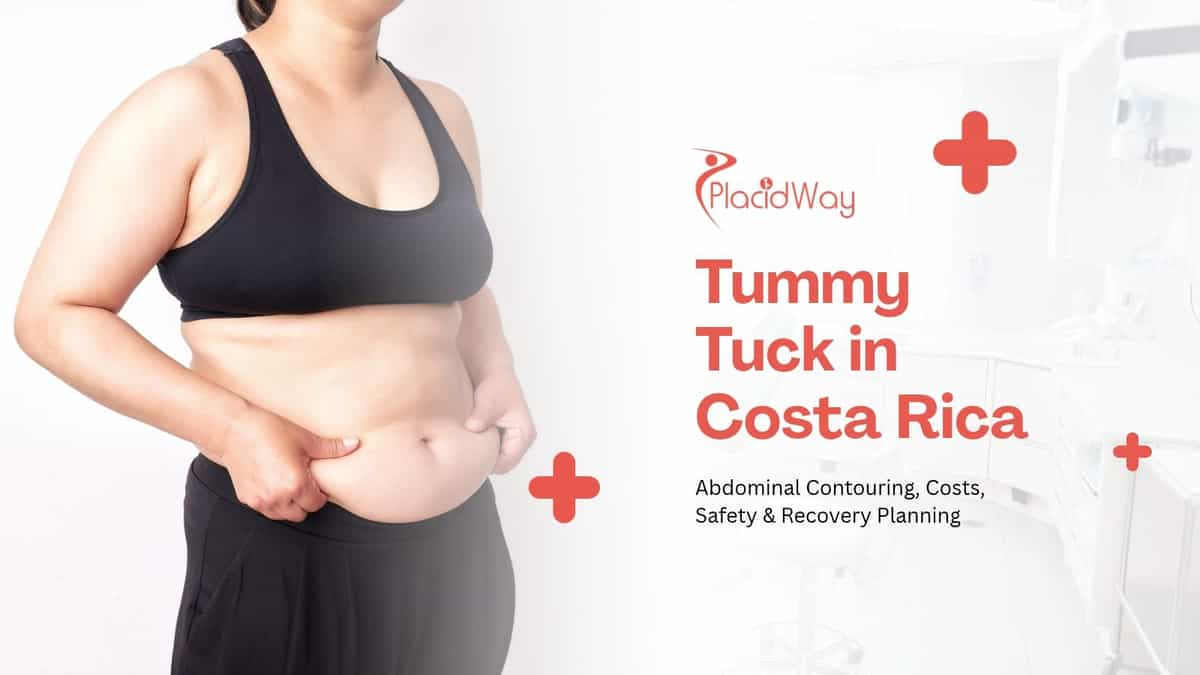
Costa Rica has long been considered the "gold standard" for medical tourism in the Western Hemisphere, particularly for body contouring procedures like the abdominoplasty (tummy tuck). For patients seeking to repair abdominal muscle separation (diastasis recti) or remove excess skin after weight loss or pregnancy, Costa Rica offers a sophisticated medical infrastructure that rivals the US, but at a fraction of the cost.
The country's private health sector, centered in the upscale San José suburbs of Escazú and Santa Ana, is populated by clinics accredited by the AAAASF (American Association for Accreditation of Ambulatory Surgery Facilities) and JCI. Surgeons here are often US-trained and board-certified, bringing advanced techniques like the "drainless tummy tuck" and high-definition liposculpture to their international clientele.
What truly sets Costa Rica apart is its holistic approach to recovery. The "Pura Vida" lifestyle emphasizes wellness and relaxation. Patients often recover in specialized "recovery retreats"—boutique hotels staffed with nurses who manage drains, medication, and meals—allowing for a level of pampering and safety that is rarely affordable in North America.
Whether you are looking for a standalone tummy tuck or a comprehensive "Mommy Makeover," Costa Rica provides a safe, high-quality, and serene environment to transform your body and boost your confidence.
Did You Know?
Costa Rica is one of the few countries with dedicated "Recovery Hotels" specifically designed for post-op plastic surgery patients. These facilities, like the Che Tica or Tulipan, offer adjustable beds, 24/7 nursing care, healthy meals tailored for healing, and a community of other patients recovering together, creating a uniquely supportive environment.
Key Insights at a Glance
Expect to pay 50% to 70% less than in the US, with average prices ranging from $4,500 to $6,500 USD.
Top surgeons are often members of the American Society of Plastic Surgeons (ASPS) and trained in the US/Brazil.
Private clinics often hold AAAASF accreditation, the same gold standard used for surgical centers in the USA.
Access to affordable, professional aftercare facilities (Recovery Hotels) is a major advantage of the Costa Rican model.
Short, direct flights from major US hubs (Miami, Houston, Dallas, Atlanta) make travel easy for North Americans.
Costa Rica is famous for "Mommy Makeovers" (Tummy Tuck + Breast Surgery), allowing patients to address multiple concerns at once.
The "Lipo-Abdominoplasty" Technique
Many Costa Rican surgeons prefer the "Lipo-Abdominoplasty" technique. Instead of just removing skin and tightening muscle, they aggressively liposuction the flanks and abdomen during the procedure. This contours the waistline more effectively than a traditional tummy tuck, creating a curvier, more athletic silhouette rather than a "boxy" look.
Finding the right package can simplify your medical journey significantly. In the section below, we have curated a list of top-rated providers offering comprehensive tummy tuck packages. These bundles typically include the surgical fee, anesthesia, operating room costs, post-op medication, compression garments, and airport transfers. Many premium packages also include a stay at a dedicated recovery hotel with nursing care. Browse the options to find a package that aligns with your specific needs and budget.
Note: Always confirm if the pre-operative cardiac clearance and blood work are included in the package price.

Price starting from $6,500
Abdominoplasty Package in San Jose, Costa Rica
Dr. Leonardo Canossa-Cirujano Plastico
- Cosmetic/Plastic Surgery
San Jose, Costa Rica
Understanding the financial commitment is a crucial part of your decision-making process. The table below provides a transparent breakdown of average costs for abdominoplasty procedures in Costa Rica compared to U.S. prices. While these figures are estimates, they highlight the substantial savings available—often allowing you to cover the surgery, travel, and recovery stay for significantly less than the surgery alone back home.
Tip: A standard Tummy Tuck in Costa Rica averages $4,500 to $6,500, whereas in the US, it often exceeds $12,000.
Tummy Tuck Surgery Cost Comparison in Costa Rica
| Country | Procedure | Price |
|---|---|---|
| Costa Rica | Tummy Tuck Surgery, Cosmetic/Plastic Surgery | $4000 |
| Canada | Tummy Tuck Surgery, Cosmetic/Plastic Surgery | $9800 |
| United States | Tummy Tuck Surgery, Cosmetic/Plastic Surgery | $11000 |
Your safety and results depend heavily on the facility you choose. We have selected a list of premier plastic surgery clinics in San José and Escazú known for their specialization in body contouring. These clinics are vetted for their AAAASF accreditation, modern operating suites, and experience with international patients. Explore the profiles below to learn more about their safety protocols and patient amenities.
Standard: Look for clinics that operate in major JCI-accredited hospitals (like CIMA or Clinica Biblica) or have their own AAAASF-accredited surgical centers.
Dr. Leonardo Canossa-Cirujano Plastico
San Jose, Costa Rica
Plastic Surgery Clinic Araya
San Jose, Costa Rica
Hearing directly from past patients can offer invaluable reassurance. The video testimonials featured below showcase real stories from individuals who have traveled to Costa Rica for their transformation. Watch these videos to hear about their journey, the quality of the recovery retreats, and their satisfaction with their new figures.
Insight: Patients frequently praise the attentiveness of the nursing staff at the recovery hotels, noting it was better than hospital care at home.
Patient reviews provide an honest look at the quality of care. In this section, you will find verified reviews and ratings from patients who have entrusted their bodies to specialists in Costa Rica. Read through their feedback regarding the surgeon's bedside manner, the scar quality, and the overall experience to help guide your own choice of provider.
Review Tip: Look for reviews that mention "natural-looking belly buttons," as this is a key indicator of a skilled tummy tuck surgeon.

Your results depend on the skill of your surgeon. We have compiled a list of top-tier plastic surgeons in Costa Rica who possess extensive experience and board certifications. These profiles highlight their areas of expertise, international training, and patient satisfaction ratings.
ACCPRE Board-Certified
Costa Rica's Gold Standard
Our listed specialists are certified members of the Association of Plastic, Reconstructive and Aesthetic Surgery of Costa Rica (ACCPRE). This ensures they have completed the required specialized training and are recognized by the national medical college as legitimate plastic surgeons, not just "cosmetic doctors."
ASPS International Members
US Standards of Excellence
Many top Costa Rican surgeons hold international membership with the American Society of Plastic Surgeons (ASPS). This affiliation demonstrates their commitment to maintaining global standards of safety, ethics, and continuing education, giving you peace of mind that their techniques are current.
Body Contouring Experts
Specialized in Post-Weight Loss
We feature surgeons who specialize specifically in body contouring. Their expertise goes beyond standard tummy tucks to include complex cases like post-bariatric surgery reconstruction (body lifts) and high-definition liposculpture, ensuring refined, athletic results.
Value for Money
The cost savings are significant without sacrificing quality. Patients can receive top-tier surgical care, anesthesia, and a luxury recovery stay for less than the cost of the surgery alone in the US.
This allows patients to afford comprehensive "Mommy Makeovers" that would otherwise be out of reach financially.
Superior Recovery Infrastructure
Costa Rica's network of recovery retreats is unique. These facilities bridge the gap between hospital and hotel, providing professional nursing care in a resort-like setting.
This ensures patients are not recovering alone in a hotel room, significantly reducing anxiety and complication risks.
Proximity & Convenience
Located just a short flight from major US cities (Miami, Dallas, Houston), Costa Rica is easily accessible. The Central Time Zone alignment makes communication with clinics easy.
It is a safe, stable, and tourist-friendly country, making the logistics of medical travel stress-free.
How Can PlacidWay Assist With My Tummy Tuck in Costa Rica?
Planning plastic surgery abroad requires trust and expert coordination. PlacidWay acts as your guide to Costa Rica's top clinics, handling the vetting, communication, and logistics to ensure a seamless path to your new look.
Surgeon Vetting
We partner only with board-certified surgeons and accredited clinics that meet strict safety standards, ensuring you are in capable hands.
Virtual Assessments
We facilitate free remote consultations, allowing you to send photos and discuss your goals with the surgeon to receive a personalized surgical plan.
Transparent Quotes
We provide clear, all-inclusive quotes that bundle surgery, anesthesia, and facility fees, helping you budget accurately without hidden costs.
Recovery Coordination
We help book your stay at specialized recovery hotels, ensuring you have the nursing support and amenities needed for a safe recuperation.
Travel Logistics
From airport transfers to clinic appointments, we assist with the practical details of your trip so you can focus on your recovery.
Patient Advocacy
Our team is available to support you throughout your entire journey, answering questions and ensuring your experience meets your expectations.
Reclaim your body confidence. Contact PlacidWay today for a free, confidential evaluation and start your tummy tuck journey in Costa Rica.
Get Your Free Personalized Quote
























Share this listing