


.png)
内容
为什么选择泰国进行牙齿美容?
泰国堪称全球“牙科旅游”之都,素有“微笑之国”的美誉,这不仅源于其热情好客,更在于每年为数百万患者重塑笑容。对于国际患者而言,泰国提供了一个独特的选择:他们能够以远低于西方的价格,享受曼谷、普吉岛或清迈的奢华假期,同时进行复杂的美容牙科治疗,例如牙贴面、种植牙或全口重建。
泰国的牙科基础设施先进得令人惊叹。这里的诊所与其说是传统的牙科诊室,不如说更像是精品酒店或科幻实验室。它们配备了最新的CAD/CAM(计算机辅助设计)技术、3D锥形束CT扫描仪以及内部陶瓷工作室,可以实现“当日”牙冠和贴面修复。这种速度和效率正是为行程紧凑的医疗游客量身打造的。
选择泰国意味着您将信任托付给一个监管严格的体系。该国许多顶尖牙科中心都获得了国际联合委员会 (JCI) 的认证,其消毒和安全规程达到甚至超过了美国和澳大利亚的标准。
无论您是需要在海滩旅行间隙进行简单的牙齿美白,还是需要彻底改变笑容,泰国都能提供价格实惠、技术先进、以患者为中心的温和护理的完美结合。
你可知道?
泰国是亚洲最早获得JCI牙科中心认证的国家之一。如今,曼谷拥有多家独立的牙科医院——整栋多层建筑专门用于牙科诊疗——汇聚了100多位专家,确保每位患者的具体牙科需求都能得到该领域专家的精准诊治。
关键信息概览
与澳大利亚或美国相比,患者在瓷贴面和种植牙等手术上通常可节省 50% 至 70% 的费用。
由于诊所内部设有实验室,牙冠的等待时间从几周缩短到几天(甚至几小时),从而最大限度地利用您的假期时间。
顶级诊所使用 FDA 批准的材料(如 Straumann 种植体和 E.max 瓷),并采用严格的高压蒸汽灭菌法进行消毒。
泰国牙医通常持有双重资格证书,他们在美国、英国或德国完成了研究生学习。
英语是泰国牙科旅游业的通用语言;沟通流畅、专业、清晰。
“牙科水疗中心”的概念
泰国率先推出了“牙科水疗”项目,用放松取代了看牙的焦虑。诊所提供芳香疗法、治疗过程中的足部按摩以及配备电影的降噪耳机等服务已屡见不鲜,确保您的牙科就诊体验更像是一种享受而非治疗。
泰国All-on-4种植牙经济实惠套餐
计划出国旅行可能令人望而生畏,但泰国成熟的医疗旅游业让一切变得轻松便捷。以下部分重点介绍提供“牙科假期”套餐的顶级牙科中心。这些全面的套餐通常包含贵宾机场接机、酒店与诊所之间的每日往返接送,以及附近合作酒店的折扣住宿。通过打包这些服务,您可以将精力集中在享受街头美食和游览寺庙上,而无需为交通拥堵而烦恼。
注:部分高级套餐还包含在素万那普机场的“快速通道”入境服务,以加快您的抵达速度。
泰国美容牙科费用比较
在泰国,患者可以节省大量费用,从而能够负担得起比在国内更高品质的材料。例如,在美国或澳大利亚售价 1200 至 1800 美元的瓷贴面,在泰国通常只需 300 至 450 美元。单颗钛种植牙(含牙冠)的价格在 1200 至 1800 美元之间,而西方国家的价格则超过 4000 美元。下表列出了美白、牙冠和 All-on-4 全口种植牙系统等热门项目的平均费用。
提示:务必查看种植牙报价是否包含基台和牙冠,还是仅包含种植体本身。
Dentistry 中心成本比较 Thailand
| 提供者 | 程序 | 价格 |
|---|---|---|
| Kitcha Dental Clinic | Dental Implants, Dentistry | $1490 |
| Kitcha Dental Clinic | Dental Crowns, Dentistry | $835 |
| Kitcha Dental Clinic | Dental Veneers, Dentistry | $445 |
| Kitcha Dental Clinic | Dentures, Dentistry | $535 |
Dentistry 成本比较 Thailand
| 国家 | 程序 | 价格 |
|---|---|---|
| United Kingdom | Full Mouth Restoration, Dentistry | $35000 |
| Canada | All on 6 Dental Implants, Dentistry | $27000 |
| Australia | All on 8 Dental Implants, Dentistry | $30000 |
| United States | All on 6 Dental Implants, Dentistry | $35000 |
泰国顶级牙科诊所
质量保证至关重要。我们精选了泰国顶尖的牙科中心,分别位于曼谷、普吉岛和清迈,这些中心专注于为国际患者提供优质服务。这些机构通常通过了 ISO 9001 认证和 JCI 认证。它们配备英语协调员、现代化消毒中心,并为牙科治疗提供质量保证。浏览以下诊所简介,找到符合您目的地偏好的诊所,无论您钟情于曼谷的都市活力,还是普吉岛的迷人海滩。
安全第一:寻找在其简介中显著展示 JCI 或 ISO 认证的诊所。
Kitcha Dental Clinic
Chiang Mai, Thailand
Digital Dental Center Pattaya
Pattaya, Thailand
泰国牙科工作相关视频
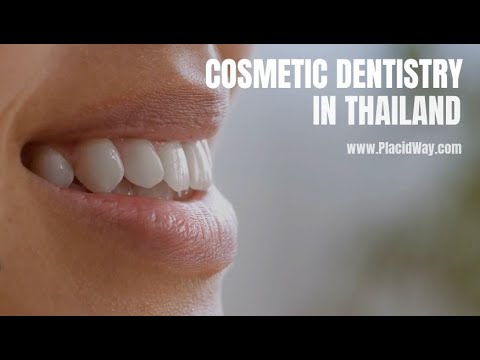
眼见为实。以下视频证词来自澳大利亚、英国和美国的真实患者,他们专程前往泰国进行牙齿美容,拥有了全新的笑容。观看视频,了解他们最初的犹豫、诊所令人惊喜的奢华环境、治疗过程的无痛体验,以及最终笑容绽放时的喜悦。这些故事真实展现了“牙科假期”的体验。
洞察:注意有多少患者提到泰国牙医的“温柔”——这种文化特质在牙科护理中得到了很好的体现。
泰国牙科植牙评价
数千条评论足以说明一切。在本部分,您可以阅读已在泰国完成治疗的患者的真实反馈和星级评分。重点关注他们对牙贴面或种植牙的持久性、诊所的清洁程度以及医护人员的服务态度等方面的评价。多年来始终保持高满意度,这正是泰国牙科旅游成功的标志。
评论提示:查找提及“治疗后支持”的评论,了解诊所如何处理您回家后的后续问题。

关于泰国美容牙科的常见问题
Which are the top Cosmetic Dentistry clinics in Bangkok, Thailand?
The average Cosmetic Dentistry cost in Thailand is 50-70% lower than in Western nations. Bangkok is highly safe, boasting internationally accredited facilities and elite specialists dedicated to delivering exceptional, secure aesthetic results. Achieving a flawless, radiant smile no longer requires spending a fortune in your home country. Every year, tens of thousands of international patients embark on transformative journeys, seeking out Cosmetic Dentistry in Thailand. Renowned globally for its seamless blend of advanced medical technology, highly educated dental specialists, and unparalleled hospitality, Bangkok has firmly established itself as the epicenter of aesthetic dental care. Whether you are looking to address minor discolorations with professional whitening, completely redesign your smile with custom porcelain veneers, or restore lost functionality through cutting-edge dental implants, this vibrant city offers elite solutions tailored to your unique needs. Key Takeaways Massive Cost Savings: Patients consistently save between 50% and 70% on premium cosmetic treatments compared to prices in the US, UK, and Australia. World-Class Quality: Bangkok clinics utilize the exact same top-tier international brands and materials (such as E-max and Straumann) found in Western clinics. Highly Qualified Specialists: Many cosmetic dentists in Thailand have undergone rigorous fellowship and postgraduate training in the United States, Europe, or Japan. Advanced Technology: Leading centers boast cutting-edge 3D CAD/CAM milling, digital smile design software, and state-of-the-art sterilization protocols. Efficient Timelines: Dental facilities cater specifically to international patients, offering expedited timelines without compromising clinical excellence. What Types of Procedures Are Included in Cosmetic Dentistry? Cosmetic dentistry in Bangkok encompasses a wide spectrum of aesthetic enhancements. The most sought-after procedures include custom porcelain veneers, professional laser teeth whitening, dental implants, and comprehensive full smile makeovers. Porcelain veneers remain the gold standard for dramatic smile transformations. These ultra-thin, custom-crafted ceramic shells are bonded to the front surface of the teeth to instantly correct imperfections such as chips, severe discoloration, gaps, and minor misalignments. In Bangkok, specialists utilize premium materials like IPS e.max, which perfectly mimics the light-reflecting properties of natural enamel. The meticulous craftsmanship involved ensures that the final result is not only structurally robust but also indistinguishable from a naturally perfect set of teeth. For patients dealing with stained or dull teeth, professional laser teeth whitening offers a rapid and highly effective solution. Unlike over-the-counter kits that yield minimal results and can damage enamel, the clinical-grade whitening systems used in Bangkok safely lift deep-set stains. Advanced LED and laser technologies accelerate the bleaching agents, often lightening teeth by several shades in a single, comfortable session lasting less than an hour. Additionally, restorative procedures heavily cross over into cosmetic dentistry. Dental crowns made from pure porcelain or zirconia are utilized to restore damaged teeth aesthetically, while dental implants provide a permanent, beautiful solution for missing teeth. In complex cases, a "Smile Makeover" combines multiple treatments—such as gum contouring, veneers, and crowns—orchestrated through Digital Smile Design (DSD) to completely reconstruct the patient's oral aesthetics. ???? Expert Insight Many premium dental facilities in Bangkok feature their own in-house dental laboratories. This drastically reduces the waiting time for custom prosthetics like veneers and crowns from weeks to mere days, allowing for immediate color matching and rapid adjustments directly chairside. Why is Bangkok a Top Choice for Cosmetic Dental Treatments? Bangkok seamlessly bridges the gap between premium clinical excellence and affordability. Patients choose this vibrant metropolis for its concentration of internationally trained specialists, lack of waiting lists, and luxurious patient care standards. Global Expertise: The city acts as a magnet for elite dental talent. A significant percentage of cosmetic dentists operating in the top tiers have acquired specialized fellowships and postgraduate degrees from prestigious institutions in the United States, the UK, and Germany. Exceptional Cost-to-Value Ratio: The driving force behind medical tourism in Thailand is the economic advantage. Favorable exchange rates and a lower cost of living mean that clinics can charge significantly less for overhead, passing those massive savings directly to the patient. Zero Wait Times: Unlike the overloaded public and private healthcare systems in Western countries, Bangkok clinics are highly optimized for international traffic, allowing patients to schedule immediate, flexible appointments. Luxurious Patient Experience: Healthcare in Thailand is deeply influenced by the country's renowned hospitality sector. Dental centers often resemble high-end boutique hotels rather than clinical environments, complete with concierges, comfortable recovery lounges, and VIP services. Comprehensive Care Ecosystem: Bangkok clinics are equipped to handle complex, multi-disciplinary treatments under one roof, meaning a patient can consult an orthodontist, a periodontist, and an aesthetic specialist during a single visit. How Much Can You Save on Dental Treatments in Bangkok? International patients typically save up to 70% on extensive cosmetic procedures in Bangkok compared to domestic pricing. This profound difference allows patients to afford premium materials that might otherwise be financially out of reach. The economics of healthcare in Southeast Asia present a massive advantage for international patients. When evaluating the Cosmetic Dentistry cost in Thailand, it becomes immediately apparent why patients are willing to travel thousands of miles for their treatments. In countries like the United States or Australia, a single porcelain veneer can easily cost over $1,500 to $2,500. Conversely, the exact same e.max or feldspathic porcelain veneer in Bangkok, crafted by an equally qualified specialist, typically ranges from $300 to $500. For comprehensive cases, such as a full set of top and bottom veneers (often termed a Hollywood Smile) or full mouth implant restorations (like All-on-4), the financial contrast is staggering. Patients routinely save tens of thousands of dollars, making the cost of the procedure inherently negligible even when factoring in the required logistics of international movement. Below is a generalized cost comparison demonstrating the vast difference in pricing for common cosmetic dental procedures across popular Western markets compared to the average rates found in Bangkok's premier facilities. Procedure (Per Tooth/Arch) USA (Est.) UK (Est.) Australia (Est.) Bangkok, Thailand (Est.) Porcelain Veneer $1,500 - $2,500 $1,200 - $1,800 $1,300 - $2,000 $300 - $500 Zirconia Crown $1,200 - $2,000 $1,000 - $1,500 $1,200 - $1,800 $400 - $650 Laser Teeth Whitening $500 - $800 $600 - $900 $700 - $1,000 $200 - $350 Single Dental Implant (Complete) $3,500 - $5,000 $3,000 - $4,500 $4,000 - $6,000 $1,200 - $1,800 Are Dental Clinics in Bangkok Internationally Accredited? Yes, the leading dental centers in Bangkok adhere strictly to international standards, frequently holding prestigious accreditations such as the Joint Commission International (JCI), ensuring uncompromising patient safety and hygiene. When considering healthcare abroad, safety and clinical standards are understandably the primary concerns for prospective patients. The good news is that choosing a premier Cosmetic Dentistry clinic in Thailand means you are selecting a facility that is subjected to intense regulatory scrutiny. Thailand’s Ministry of Public Health enforces stringent guidelines, but the elite clinics take it a step further by seeking voluntary external audits from global regulatory bodies. The most recognized of these is the Joint Commission International (JCI) accreditation. When a dental hospital or clinic holds the JCI gold seal, it signifies that they have passed hundreds of rigorous standards covering everything from infection control protocols and sterilization measures to emergency preparedness and continuous staff education. Furthermore, many dental labs in Bangkok are ISO 9001 certified for quality management systems. Sterilization protocols in these top-tier clinics often exceed the basic requirements set by international dental associations. Class B autoclaves, strict single-use instrument policies, and hospital-grade air purification systems are standard operating procedures. Patients can rest assured that the clinical environment in Bangkok is as safe, if not safer, than their local neighborhood dental practice. ???? Did You Know? Thailand was actually the first country in Asia to have a healthcare facility achieve the coveted Joint Commission International (JCI) accreditation, paving the way for its current status as a global leader in high-end medical and dental tourism. What Technology and Materials Are Used in Thai Dental Clinics? Bangkok's elite dental centers are equipped with the most advanced diagnostic and manufacturing technologies available, utilizing globally recognized, premium materials like E-max, Zirconia, and Straumann titanium implants. 3D CBCT Scanners: Cone Beam Computed Tomography provides high-resolution 3D imaging of the jawbone, nerve pathways, and surrounding tissues, which is vital for the precise and safe placement of dental implants. Digital Intraoral Scanners: Say goodbye to messy, uncomfortable traditional putty impressions. Clinicians in Bangkok use high-speed intraoral cameras to create flawless 3D digital maps of your teeth in minutes. CAD/CAM Milling: Computer-Aided Design and Manufacturing technology allows dentists to design and mill custom porcelain veneers and crowns on-site with microscopic precision, often in a single visit. Premium Global Brands: Thai clinics do not use inferior substitute materials. They exclusively utilize the exact same renowned brands—such as Ivoclar Vivadent (E-max), Nobel Biocare, and Straumann—used by top-tier dentists worldwide. Digital Smile Design (DSD): This cutting-edge software allows patients to visually preview their new smile on a screen before any physical treatment actually begins, ensuring complete alignment of aesthetic goals. How Long Does a Cosmetic Dental Procedure Take in Bangkok? The timeframe varies by procedure; while professional teeth whitening takes just one hour, extensive treatments like custom porcelain veneers typically require 5 to 7 days to allow for laboratory fabrication and precise fitting. One of the core benefits of seeking dental care in Bangkok is the efficiency of the timelines. Because these clinics specifically cater to international patients who have limited time, they have optimized their internal workflows. Simple procedures, such as routine scaling, laser teeth whitening, or direct composite bonding, can be easily completed in a single afternoon session lasting less than two hours. For intermediate cosmetic treatments like porcelain veneers, dental crowns, or bridges, patients should generally plan for a stay of 5 to 10 days. The initial visit involves consultation, tooth preparation, and digital impressions. Over the next few days, the in-house laboratory crafts the custom restorations. The final visit involves the permanent bonding and final bite adjustments. Having an in-house lab drastically cuts down the traditional multi-week waiting period typical in Western clinics. Complex reconstructive procedures, such as standard dental implants, are usually executed in two distinct phases spaced several months apart. The first phase (implant placement) requires about 3 to 5 days in Bangkok. After a healing period of 3 to 6 months to allow the titanium post to fuse with the jawbone, the patient returns for another 5 to 7 days to have the custom abutment and permanent crown placed. How Do You Prepare for Your Dental Journey to Thailand? Preparation is the key to a flawless experience. It involves securing initial virtual consultations, transferring digital dental records, mapping out your aesthetic goals, and thoroughly disclosing your medical history. Virtual Consultations: Before committing, you can schedule online video assessments with specialists in Bangkok. This allows you to discuss your aesthetic goals, ask questions, and build rapport with your chosen dentist. Provide Diagnostic Imagery: Obtaining a recent panoramic OPG X-ray from a local dentist and emailing it to the clinic allows the Thai specialists to formulate a highly accurate, preliminary treatment plan and cost estimate. Medical History Disclosure: Complete transparency regarding pre-existing conditions, allergies, and current medications (especially blood thinners) is vital to ensure absolute patient safety during any surgical or anesthetic intervention. Define Aesthetic Goals: Gather reference photos of smiles you admire. Providing visual cues helps the clinical team understand your specific preferences regarding tooth shape, length, and shade. Buffer Your Timeline: Always allocate an extra day or two at the end of your scheduled treatment timeline in Bangkok. This buffer provides peace of mind in case minor bite adjustments or refinements are necessary before you fly home. ???? Medical Insight Prior to applying porcelain veneers, your gums must be perfectly healthy. If a patient presents with active gingivitis or periodontal disease upon arrival, cosmetic procedures will be delayed until the foundational gum health is treated and restored. What Should You Expect During the Recovery Process? Recovery from cosmetic dental treatments is generally very rapid. While minor tooth sensitivity and localized gum tenderness are common in the first few days, they are easily managed and subside swiftly, allowing you to enjoy your new smile. The post-procedure experience is largely dictated by the extent of the work performed. For minimally invasive treatments like teeth whitening, the primary side effect is temporary thermal sensitivity. Patients might feel sharp twinges when consuming very cold or hot beverages for 24 to 48 hours. Dentists mitigate this by applying high-concentration fluoride varnishes immediately after treatment and providing desensitizing toothpaste for home use. Following the placement of crowns or veneers, it is entirely normal to experience some mild gum inflammation where the soft tissue interacts with the new porcelain margins. The teeth themselves may also feel slightly sensitive due to the micro-removal of enamel required for fitting. Over-the-counter anti-inflammatory medications are typically more than sufficient to manage any discomfort. During this brief adjustment period, patients are advised to stick to a softer diet and avoid overly chewy or hard foods. For surgical interventions such as dental implants or gum contouring, the recovery involves a few days of localized swelling and potential bruising. Clinics provide comprehensive postoperative care kits, including prescription antibiotics, specialized mouthwashes, and detailed instructions on how to maintain oral hygiene without disrupting the surgical site. Overall, downtime is minimal, and patients are usually able to resume normal activities almost immediately. How Can You Ensure Long-Lasting Results After Cosmetic Dentistry? The longevity of your aesthetic dental work relies heavily on proactive maintenance. Consistent oral hygiene, professional cleanings, and protecting the teeth from excessive mechanical force are vital to preserving your investment. Impeccable Oral Hygiene: Just like natural teeth, veneers and crowns require diligent brushing twice a day with non-abrasive fluoride toothpaste and daily flossing to prevent decay at the gum line where the restoration meets the natural tooth. Wear a Night Guard: Bruxism (teeth grinding) is the number one cause of porcelain chipping or fracturing. Wearing a custom-fitted occlusal splint or night guard while sleeping provides a crucial protective barrier for your new smile. Avoid Using Teeth as Tools: Never use your teeth to open packaging, bite fingernails, or crack hard nuts. These actions apply unnatural localized pressure that can easily dislodge or damage fine ceramic restorations. Limit Staining Agents: While high-quality porcelain is highly stain-resistant, the bonding cement at the margins and your remaining natural teeth are not. Moderating the consumption of coffee, red wine, and tobacco ensures a uniform, bright smile over time. Routine Professional Care: Schedule biannual checkups and cleanings with your local dentist back home. They can polish the restorations, check the integrity of the bonding, and detect any underlying issues before they compromise the cosmetic work. Why Choose PlacidWay for Cosmetic Dentistry in Bangkok, Thailand? Navigating international healthcare options can be complex. PlacidWay simplifies your journey by connecting you directly with thoroughly vetted, globally accredited dental centers in Bangkok, ensuring a seamless, safe, and transparent experience. Rigorous Clinic Vetting: PlacidWay exclusively partners with medical facilities that have passed stringent evaluations for safety standards, international accreditations, and proven clinical excellence. Transparent Cost Estimates: We advocate for absolute financial clarity. Patients receive comprehensive, itemized quotes before making any commitments, eliminating the risk of hidden fees or unexpected clinical charges. Access to Elite Specialists: Our platform connects you with Bangkok’s top-tier cosmetic dentists and oral surgeons, complete with verifiable profiles regarding their educational background, global fellowships, and patient success rates. Streamlined Medical Coordination: From initiating the very first virtual consultation and facilitating the transfer of X-rays to finalizing your treatment timeline, our dedicated team manages all communication barriers and clinical logistics. Unwavering Patient Advocacy: PlacidWay remains a dedicated partner throughout your entire dental journey. We prioritize your health, comfort, and satisfaction, ensuring that the final aesthetic results exceed your expectations securely and professionally. Frequently Asked Questions Is language a barrier when visiting Bangkok for cosmetic dental work? Language is rarely a barrier. The leading dental facilities in Bangkok specifically cater to international patients, employing fluent English-speaking dentists, hygienists, and support staff. Many centers also provide dedicated translation services for other languages. Can I combine multiple cosmetic dental treatments in one trip? Absolutely. It is highly common to combine procedures such as teeth whitening, porcelain veneers, and minor restorative work into a single "smile makeover" plan, allowing you to maximize the results of your trip. Are the materials used for veneers in Bangkok the same as in the US or UK? Yes, premier dental centers in Bangkok use the exact same globally recognized, high-grade materials—such as IPS e.max ceramics and top-tier porcelain—that are used by elite dentists in North America and Europe. Do cosmetic dentists in Bangkok provide warranties for their work? Many reputable clinics offer warranties or guarantees on specific treatments like dental implants, crowns, and veneers, provided the patient adheres to mandatory aftercare instructions and maintains proper oral hygiene. How soon can I eat normally after getting dental veneers in Thailand? While you can eat soft foods immediately after the local anesthesia wears off, it is recommended to avoid hard, crunchy, or extremely hot/cold foods for the first few days while you adjust to your new veneers. Is it safe to undergo teeth whitening if I have sensitive teeth? Yes, but it requires professional supervision. Specialists in Bangkok can adjust the concentration of the whitening gel or apply specialized desensitizing treatments before and after the procedure to ensure comfort. What happens if I need a revision after returning to my home country? High-quality clinics provide detailed digital records and treatment summaries. If a minor adjustment is needed, any local dentist can perform it using these records. For major revisions, some clinics have international partner networks. How many trips to Bangkok are required for dental implants? Traditional dental implants usually require two trips spaced several months apart (one for implant placement, one for the final crown). However, "immediate load" or same-day implants may be completed in a single extended visit if you are a suitable candidate. Can I get full mouth rehabilitation done purely for cosmetic reasons? Full mouth rehabilitation is primarily restorative but yields massive cosmetic benefits. If your teeth are severely worn, discolored, or misaligned, a specialist can design a comprehensive treatment plan that restores both optimal function and aesthetics. Are there age limits for cosmetic dentistry procedures? There is no strict upper age limit for cosmetic dentistry, provided you have good overall oral health and adequate jawbone density for procedures like implants. Treatments are frequently customized for mature adults to rejuvenate their smiles. Ready for Your Smile Transformation? Take the first step towards a radiant, confident smile. Let PlacidWay connect you with Bangkok's elite, internationally accredited dental specialists. Experience world-class care and significant savings securely and transparently. Get Your Free Quote
Is Dental Tourism in Thailand Safe for Cosmetic Dentistry?
Yes, dental tourism in Thailand is generally very safe for cosmetic dentistry, provided you choose a JCI-accredited clinic and a dentist with international board certifications. The country is a global hub for medical tourism, offering world-class care at 50-70% lower costs than Western nations. Every year, thousands of people from Australia, the United States, and the UK look in the mirror and wish for a brighter, more confident smile, only to be held back by the staggering cost of dental care at home. This is where dental tourism in Thailand enters the picture. Known as the "Land of Smiles," Thailand has evolved into one of the world's premier destinations for medical and cosmetic treatments. But naturally, you might be asking yourself: Is it actually safe to fix your teeth halfway across the world? The short answer is yes—but it requires doing your homework. When you hear about affordable dentistry abroad, it is easy to assume that lower prices mean lower quality. However, in Thailand, the lower cost is primarily driven by lower labor costs and living expenses, not by cutting corners on medical standards. In fact, many top-tier Thai dental hospitals are equipped with technology that rivals or even exceeds what you might find in your local dental office. From cosmetic dentistry procedures like porcelain veneers to complex restorations like dental implants, Thai specialists often hold degrees from prestigious Western universities. In this guide, we will walk you through everything you need to know to ensure your journey is safe, successful, and stress-free. We will look at costs, safety protocols, and what to expect during your trip. Whether you are looking for a quick teeth whitening session in Phuket or a full mouth restoration in Bangkok, understanding the landscape of safe dental work in Thailand is the first step toward your new smile. Is it safe to get cosmetic dentistry in Thailand? Yes, getting cosmetic dentistry in Thailand is safe if you select a reputable clinic that adheres to international sterilization standards and employs specialists with proven track records. Safety is the number one concern for anyone considering dental tourism in Thailand. The reality is that Thailand is home to the first hospital in Asia to receive JCI (Joint Commission International) accreditation, setting a benchmark for safety that filters down to dental centers. High-end clinics utilize the same sterilization protocols (like autoclaving and single-use needles) as clinics in the US or Australia. However, safety does vary. The key is to avoid "hole-in-the-wall" shops that compete solely on price. Reputable clinics will be transparent about their hygiene standards and will often have their sterilization rooms visible or described on their websites. Always prioritize clinics that cater specifically to international patients, as they are most likely to maintain these rigorous standards. Furthermore, many Thai dentists specialize in specific fields. For cosmetic dentistry, you want a prosthodontist or a cosmetic specialist, not a general dentist. Verifying these credentials ensures that the hands working on your smile are experienced and safe. How much does cosmetic dentistry cost in Thailand compared to the US and Australia? Cosmetic dentistry in Thailand typically costs 50% to 70% less than in the US or Australia, with veneers starting at $250 and implants at $1,500. The primary driver for dental tourism in Thailand is the massive cost saving. Patients can often pay for their flights, a luxury hotel stay, and their dental treatment for less than the cost of the procedure alone back home. This price difference is not due to inferior materials; in fact, Thai dentists use the same global brands like Nobel Biocare, Straumann, and IPS e.max. Below is a detailed cost comparison to give you a clear idea of the potential savings: Procedure USA Average Cost Australia Average Cost Thailand Average Cost Porcelain Veneer (Per Tooth) $1,000 - $2,500 $1,200 - $2,000 $250 - $500 Titanium Dental Implant (Single) $3,000 - $6,000 $4,000 - $7,000 $1,500 - $2,500 Laser Teeth Whitening $600 - $1,000 $800 - $1,200 $200 - $400 All-on-4 Implants (Per Jaw) $25,000 - $40,000 $20,000 - $35,000 $8,000 - $12,000 Dental Crown (Zirconia) $1,200 - $2,000 $1,500 - $2,200 $300 - $600 As you can see, the savings are substantial, especially for major work like dental implants or full mouth makeovers. Are Thai dentists qualified and experienced? Yes, many dentists at top clinics in Thailand are highly qualified, with degrees from Western universities and memberships in global dental associations. One of the biggest misconceptions is that dentists abroad are less trained. In reality, the top tier of dentists in Thailand often possess a level of training that rivals their Western counterparts. Many specialists have completed their postgraduate education in the United States, the UK, Germany, or Australia. When researching, look for dentists who are members of international organizations such as the American Academy of Cosmetic Dentistry (AACD) or the International Congress of Oral Implantologists (ICOI). These affiliations indicate that the dentist stays updated with the latest global trends and techniques in cosmetic dentistry. Additionally, Thailand has a culture of specialization. Unlike some Western family practices where one dentist does everything, Thai clinics often have separate specialists for root canals, implants, and gums, ensuring you get expert care for each specific part of your treatment. What is JCI accreditation and why does it matter? JCI accreditation is the "gold standard" for global healthcare safety, ensuring that the clinic meets over 300 rigorous standards for patient safety and quality of care. If you are looking for a quick way to filter for safety, look for the JCI (Joint Commission International) gold seal. This is an American-based accreditation that evaluates healthcare facilities worldwide. For a dental clinic or hospital to achieve this, they must demonstrate strict adherence to patient safety, infection control, and facility management standards. While many excellent clinics in Thailand might not have the full JCI accreditation (as it is very expensive to maintain), they should at least be ISO 9001 certified. Choosing a JCI-accredited facility gives you the peace of mind that the dental clinic in Thailand operates under the same safety regulations as a top hospital in the US. Will there be a language barrier with my dentist? No, reputable dental clinics catering to international tourists have fluent English-speaking staff and dentists, ensuring clear communication throughout your procedure. Communication is critical when you are altering your appearance. Fortunately, the language barrier is rarely an issue at major dental centers in Bangkok, Phuket, or Chiang Mai. These clinics specifically target the international market, so their dentists often speak excellent English. Furthermore, many clinics employ international patient coordinators who act as liaisons. They can help explain complex medical terms, assist with travel logistics, and ensure that your expectations for your cosmetic dentistry results are perfectly understood by the dental team. How long does it take to get porcelain veneers in Thailand? Getting porcelain veneers in Thailand typically takes 5 to 10 days and requires 2 to 3 clinic visits to prepare teeth and bond the final veneers. If you are planning a dental vacation, timing is everything. For veneers, you generally cannot fly in and out on the same day. The process usually involves an initial consultation and tooth preparation on day one, followed by a waiting period of 3 to 5 days while the lab custom-crafts your veneers. During this waiting period, you are free to enjoy your holiday. Once the veneers are ready, you will return for the final fitting and bonding. Some clinics with in-house labs (CAD/CAM technology) can speed this up, sometimes offering "same-day" or next-day service, but for the highest aesthetic quality, a few days for lab work is standard. Do dental clinics in Thailand use the same materials as in the West? Yes, top Thai clinics use authentic, globally recognized materials like porcelain from E.max (Switzerland) and implants from Straumann or Nobel Biocare. A common fear is that "cheap" dentistry means low-quality materials that might break or discolor. In the realm of professional dental tourism in Thailand, this is not the case. Reputable dentists know that international patients research brands, so they openly advertise the materials they use. You will frequently see brands like: Veneers: IPS e.max (Lithium Disilicate), Lumineers. Implants: Straumann, Nobel Biocare, Osstem. Whitening: Zoom! Whitening, LaserSmile. Always ask your dentist to confirm the brand of material being used and request the warranty card or lot number for implants after your surgery. What are the risks of dental tourism in Thailand? Risks include limited follow-up care once you return home, potential travel-related complications like flying too soon after surgery, and varying standards if you choose a non-accredited clinic. While generally safe, dental tourism is not without risks. The biggest challenge is follow-up. If a crown feels high or a veneer chips two weeks after you return to your home country, you cannot easily pop back to the dentist. Local dentists at home may be reluctant to fix work done abroad, or may charge full price to do so. Another risk is "over-treatment." Because patients want to get everything done in one trip, there is a temptation to rush complex procedures. Doing too much work in a short time frame can stress the body and impact healing. It is vital to listen to your dentist if they suggest splitting treatments into two trips. How do I choose the right dentist in Thailand? Choose a dentist by verifying their credentials online, reading third-party reviews, checking before-and-after photos, and ensuring the clinic has English-speaking staff. Don't just rely on a shiny website. To find a truly safe dental clinic, dig deeper. Look for third-party reviews on Google or dedicated medical tourism platforms rather than just testimonials on the clinic's own site. Check the dentist's biography to see where they graduated and how many years of experience they have. Request to see a portfolio of their actual work—specifically "before and after" photos of cases similar to yours. If you are getting dental implants, ask how many implants they place per year. High volume often correlates with higher skill in surgical procedures. Can I fly immediately after dental implant surgery? It is generally recommended to wait 48 to 72 hours after simple procedures, but complex surgeries like sinus lifts may require waiting 1 to 2 weeks before flying to avoid pressure complications. Flying causes changes in cabin pressure, which can be painful or even dangerous after certain oral surgeries. For simple procedures like veneers or crowns, flying a day or two later is usually fine. However, for dental implants involving a sinus lift or bone graft, the pressure change can disrupt the healing process or cause bleeding. Always discuss your travel itinerary with your dentist before booking your return flight. A good clinic will give you a "fit to fly" clearance and provide specific instructions for managing air travel post-surgery. What happens if the dental work fails? Most reputable clinics offer a warranty on their work (e.g., 1-5 years for crowns), but this usually covers the remedial treatment cost only, not your flights or accommodation. Warranties are a standard part of the package in high-quality Thai clinics. A typical warranty might cover dental implants for 5 to 10 years and veneers for 3 to 5 years against manufacturing defects or failure. However, the fine print is crucial. If something goes wrong, the clinic will usually fix it for free, but you will have to pay for your airfare and hotel to return to Thailand. Because of this, getting the job done right the first time is far more important than a warranty. Ask for the warranty terms in writing before you start treatment. Is local anesthesia or sedation available? Yes, local anesthesia is standard, and many larger clinics offer IV sedation or general anesthesia for anxious patients undergoing lengthy procedures. If you have dental anxiety, you will be glad to know that Thai dentists are well-versed in pain management. Local anesthesia (numbing shots) is included in almost all invasive procedures. For longer sessions, such as full-mouth dental implants, you can request IV sedation (twilight sleep) or even general anesthesia in hospital-based dental centers. Be aware that sedation usually incurs an extra cost and requires an anesthesiologist to be present. If this is important to you, clarify availability during your initial consultation. Should I go to Bangkok, Phuket, or Chiang Mai for dental work? Bangkok offers the highest concentration of specialists and JCI-accredited hospitals, while Phuket is best for a beach vacation combined with care, and Chiang Mai offers a relaxed, lower-cost atmosphere. Your choice of location depends on your priorities. Bangkok is the medical hub; it has the largest hospitals, the most specialists, and the easiest flight connections. If you have a complex medical history or need extensive reconstruction, Bangkok is often the safest bet. Phuket is ideal if you want to recover by the beach. The dental infrastructure there is excellent, catering heavily to tourists. Chiang Mai, in the north, is quieter and often slightly cheaper than Bangkok or Phuket, making it a favorite for retirees or those staying for longer periods. Are there hidden costs I should watch out for? Hidden costs can include medication, X-rays, temporary teeth, and sedation fees; always ask for a comprehensive "all-inclusive" quote before arriving. While the base prices are low, small fees can add up. Some clinics might quote you just for the implant fixture, but not the abutment or crown. Others might charge extra for the initial CT scan, post-op painkillers, or temporary veneers worn while the permanent ones are made. To avoid surprises, send your panoramic X-rays to the clinic before you fly and ask for a detailed treatment plan that lists every potential cost. Reputable clinics are used to providing these estimates for international patients. Do Thai dental clinics accept insurance? Most Western dental insurance plans do not directly pay Thai clinics, but your provider may reimburse you upon your return if you provide the proper medical forms and receipts. Direct billing (where the clinic bills your insurer) is rare for international dental insurance. You will likely need to pay the clinic upfront in full. However, many insurance companies in the US and Australia have "out-of-network" or "overseas" benefits. Ask the clinic to provide detailed invoices and treatment codes in English. You can then submit these to your insurance provider for potential reimbursement. Check with your insurance company about their policy on dental work abroad before you leave. What payment methods are accepted? Major credit cards (Visa, Mastercard) and Thai Baht cash are widely accepted; some clinics also take direct bank transfers or wise.com payments. You don't need to carry a suitcase full of cash. Almost all established dental centers accept credit cards. However, be mindful of your bank's foreign transaction fees, which can add 3% to your total bill. It is wise to notify your bank of your travel plans so they don't block your card for suspicious activity. For larger amounts, some clinics accept bank transfers, but these need to be arranged in advance to ensure the funds clear before your treatment is finished. Cash (in Thai Baht) is always welcome and may sometimes attract a small discount regarding card processing fees. Ready to Transform Your Smile? Dental tourism in Thailand offers a compelling mix of affordability, expertise, and the chance to enjoy a beautiful vacation. By doing your research and choosing the right providers, you can achieve the smile you have always wanted without breaking the bank. For personalized advice and to connect with reputable, accredited medical providers, explore PlacidWay today. We can help guide you to safe, affordable solutions for your healthcare needs abroad. Explore Your Options
泰国最佳美容牙医
美丽的笑容需要艺术家的巧手和专家的精湛技艺。我们甄选了泰国顶尖的美容牙医,他们都是各自领域的佼佼者。这些专家并非普通牙医,而是修复学和种植学领域的专家,通常拥有多年的国际培训和教学经验。
获得委员会认证的修复牙科医生
美学修复专家
我们推荐的专家持有泰国牙科委员会的认证,并且通常还持有美国修复学会的认证。他们擅长复杂的修复,确保贴面、牙冠和牙桥不仅美观,而且功能齐全、经久耐用。
种植牙专家
外科专家
牙齿缺失需要外科专家。这些牙医专注于种植牙,从单颗种植牙到全口All-on-4种植系统,无所不包。他们丰富的病例经验使他们拥有普通牙医难以企及的专业水平和精准度。
数字微笑设计师
技术驱动型艺术家
这些现代专家将牙科技术与数字艺术相结合。他们利用软件以3D形式规划您的笑容,并与技艺精湛的陶瓷大师紧密合作,打造适合您脸型和个性的定制牙齿,确保最终效果自然逼真,而非“假牙”。
来泰国做牙科手术,还能体验泰国独特的文化!
无与伦比的热情好客
这家诊所的“泰式”服务极具吸引力。泰国文化中热情、尊重和温和的特质也延伸到了牙科诊所。患者常常表示能感受到真诚的关怀,这大大减轻了他们通常对看牙医的焦虑。
真诚微笑服务是我们的常态。
先进技术
泰国的顶级诊所通常比西方普通诊所的设备更先进。由于在锥形束CT扫描仪、全景X光机和3D口内摄像机方面投入巨资,诊断准确率极高,从而带来更好、更持久的治疗效果。
这是高科技牙科治疗,价格却很低廉。
世界级旅游
您可以将牙科治疗与毕生难忘的旅行结合起来。无论是探索曼谷的大皇宫、在普吉岛跳岛游,还是参观清迈的大象保护区,泰国都能为您提供精彩纷呈的体验,让您在就诊间隙尽享乐趣。
它将一个必要的程序变成了一次难忘的冒险。
在泰国享受价格实惠的美容牙科服务!
别再隐藏你的笑容了。PlacidWay 为您对接泰国最值得信赖、资质认证的牙科专家,确保您的牙齿美容安全、美观且价格合理。
诊所审核
我们会预先筛选诊所,检查其是否获得 JCI 认证、牙医资格认证和消毒记录,以确保您获得世界一流的护理。
免费咨询
我们提供免费的初步评估服务,您可以发送您的 X 光片和照片,以获得初步的治疗方案和报价。
全包报价
获取包含酒店和接送服务的清晰、固定价格套餐,让您能够完全放心地进行预算。
旅行援助
我们的合作伙伴负责后勤保障,从机场接机到诊所接送,确保您的旅程顺利无忧。
患者权益倡导
从您第一次咨询到最后一次复查,我们的团队随时为您提供支持,确保您的意见得到倾听。
已证实的效果
查看真实的术前术后照片和经核实的患者证词,了解我们的合作伙伴如何打造令人惊艳的笑容。
以您能承受的价格,拥有梦寐以求的笑容。联系 PlacidWay 获取免费的个性化报价,开始规划您的泰国牙科之旅吧!
获取您的免费个性化报价.png)
.png)

.png)








Share this listing