
Contents
India has rapidly emerged as a global powerhouse for medical tourism, particularly for cosmetic procedures like the Tummy Tuck (Abdominoplasty). For international patients, India offers a unique proposition: the ability to access western-standard healthcare, delivered by English-speaking surgeons trained in the UK or US, at prices that are often 60% to 80% lower than in North America or Europe.
A Tummy Tuck in India is not just about removing excess fat and skin; it is a reconstructive procedure where highly skilled surgeons repair separated abdominal muscles (diastasis recti), often caused by pregnancy or significant weight loss. The country boasts a vast network of JCI-accredited hospitals in major metros like Delhi, Mumbai, and Bangalore, equipped with the latest robotic and laparoscopic technology.
Patients choose India because the medical culture here prioritizes comprehensive care. You aren't just a number; surgeons typically spend significant time on consultations and follow-ups. Whether you are looking to restore your pre-pregnancy figure or complete a massive weight-loss journey, India provides a safe, high-quality, and cost-effective environment for your transformation.
Explore the sections below to understand why thousands of patients fly to India every year to reclaim their confidence through abdominoplasty.
Did You Know?
India offers a dedicated e-Medical Visa that can be processed quickly online. This special visa category allows for a longer stay specifically for medical treatment and permits you to bring a blood relative as a medical attendant, making the logistics of traveling for surgery much smoother.
Key Insights at a Glance
Save up to 75% compared to US prices without compromising on implant quality or safety standards.
English is the primary language of medical education in India, ensuring flawless communication.
India has over 30 JCI-accredited hospitals, representing the Gold Standard in global healthcare.
Indian surgeons perform thousands of procedures annually, leading to high proficiency and skill.
Access to advanced VASER liposuction and robotic surgery options for minimal scarring.
Many centers offer yoga and Ayurvedic therapies to speed up post-operative healing.
The "Sushruta" Legacy
Plastic surgery has deep roots in India. The "Sushruta Samhita," an ancient Sanskrit text attributed to the physician Sushruta (circa 600 BC), describes early reconstructive surgical techniques. Today, Indian surgeons carry this legacy forward, blending ancient wisdom with cutting-edge modern technology.
Navigating the logistics of international surgery can be daunting, but all-inclusive packages simplify the process. In India, top medical tourism facilitators and hospitals offer bundles that typically cover the surgeon's fee, anesthesia, operating room charges, and hospital stay. Premium packages often extend to include airport transfers, pre-operative testing, and even accommodation for a companion. We have curated a selection of these high-value packages below to help you plan your journey with ease.
Note: While flights are usually not included, the overall savings on the medical procedure often more than cover the cost of travel.

Price starting from $5,000
360 Liposuction Package in Mumbai India by Areeva Cosmetic Center
Areeva Cosmetic Surgery Centre
- Cosmetic/Plastic Surgery
Mumbai,Navi Mumbai

Price starting from $5,300
Tummy Tuck Package In Mumbai, India By Areeva Cosmetic Centre
Areeva Cosmetic Surgery Centre
- Cosmetic/Plastic Surgery
Mumbai,Navi Mumbai
Cost is often the primary driver for medical tourism, and India offers some of the most competitive pricing in the world. The table below details the average costs for standard, mini, and extended tummy tucks in India compared to Western prices. Even when factoring in travel and accommodation, patients frequently find themselves saving thousands of dollars while receiving care in world-class facilities.
Budget Tip: Prices can vary based on the city (Delhi vs. Mumbai) and the complexity of the procedure (e.g., if combined with liposuction).
Tummy Tuck Surgery Centers Cost Comparison in India
| Provider | Procedure | Price |
|---|---|---|
| P3 Aesthetics | Tummy Tuck Surgery, Cosmetic/Plastic Surgery | $5500 |
| Areeva Cosmetic Surgery Centre | Tummy Tuck Surgery, Cosmetic/Plastic Surgery | $5300 |
| Konarc Aesthetics - Plastic & Cosmetic Surgery In Gurgaon, India. | Tummy Tuck Surgery, Cosmetic/Plastic Surgery | $5500 |
Tummy Tuck Surgery Cost Comparison in India
| Country | Procedure | Price |
|---|---|---|
| Canada | Tummy Tuck Surgery, Cosmetic/Plastic Surgery | $9800 |
| United States | Tummy Tuck Surgery, Cosmetic/Plastic Surgery | $11000 |
| Australia | Tummy Tuck Surgery, Cosmetic/Plastic Surgery | $8000 |
Choosing the right facility is paramount for safety and results. We have identified leading multi-specialty hospitals and dedicated cosmetic surgery clinics across India that specialize in body contouring. These centers are selected based on their accreditation (NABH, JCI), hygiene standards, and availability of intensive care units (ICU) for post-operative safety. Browse the profiles below to view their facilities and technology.
Safety First: Prioritize hospitals that have dedicated "International Patient Departments" to ensure smooth communication and assistance.

Areeva Cosmetic Surgery Centre
Mumbai,Navi Mumbai

Med Esthetiks
New Delhi,India

P3 Aesthetics
New Delhi,India

Currex Hospital - Multispecialty Hospital in Bengaluru, India
Bengaluru,India

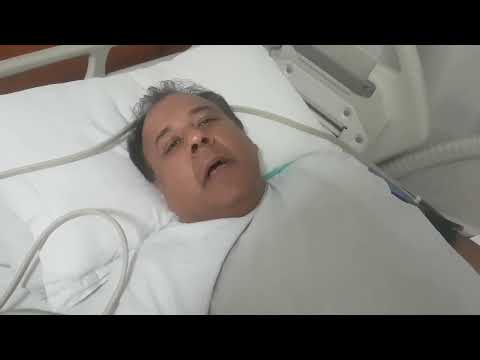
See the transformation for yourself. The video testimonials below feature real stories from international patients who traveled to India for their abdominoplasty. They share honest insights about their journey, from the initial anxiety of traveling abroad to their satisfaction with the results and the warmth of the Indian hospitality they experienced.
Insight: Watch for comments on the nursing care, as Indian hospitals are renowned for their attentive bedside manner.

Transparency builds trust. In this section, you can read verified reviews from patients who have undergone Tummy Tuck surgery in India. These reviews cover critical aspects such as surgeon communication, facility cleanliness, pain management, and post-operative support. Use these firsthand accounts to gauge the consistency and quality of care provided by our partner clinics.
Review Tip: Look for reviews that mention long-term follow-up, as this indicates a surgeon's dedication to your lasting results.

How Much Does a Tummy Tuck Cost in India?
The estimated tummy tuck cost in India typically ranges from $2,500 to $4,500 USD, depending on the complexity of the surgery, the surgeon's expertise, and the facility chosen. This represents a substantial savings compared to North American or European prices. Abdominoplasty, commonly known as a tummy tuck, is a surgical procedure designed to remove excess skin and fat from the abdomen while restoring weakened or separated muscles. Many international patients look into having a tummy tuck in India due to the availability of experienced surgeons and modern medical facilities at a lower price point than in many Western countries. While cost is a significant factor for individuals exploring medical tourism in India, understanding the procedure, assessing personal eligibility, and thoroughly researching patient safety are critical steps before making any medical decisions. Key Takeaways Prices in India for abdominoplasty generally run between $2,500 and $4,500 USD. Different techniques (mini, full, extended) are available based on individual patient anatomy and needs. A tummy tuck is not a weight-loss surgery; ideal candidates are at a stable, healthy weight. Recovery requires several weeks, and international patients must plan for an extended local stay before flying home. All surgeries carry inherent medical risks that require discussion with a qualified healthcare professional. What Factors Influence Tummy Tuck Prices in Indian Clinics? The price of the procedure fluctuates based on the surgical technique required, the geographic location of the facility, the surgeon's experience, and the length of the hospital stay. Finding a tummy tuck clinic in India involves navigating various price estimates. The most significant variable is the extent of the surgery. A minor correction requires less operating time and resources than a complex surgery involving extensive tissue removal and muscle repair. Other cost-influencing variables include: Surgeon's Fees: Highly experienced, board-certified plastic surgeons typically charge higher fees for their expertise. Facility Type: Prices differ between large, internationally accredited multi-specialty hospitals and smaller private surgical centers. Anesthesia and Operating Room Costs: Longer surgeries require more anesthesia and longer use of surgical facilities. City Location: Metropolitan areas like New Delhi, Mumbai, and Bangalore may have slightly higher medical costs than smaller cities due to operational overhead. Procedure Type Estimated Cost in India (USD) Estimated Cost in US/UK (USD) Mini Tummy Tuck $2,000 - $3,000 $5,000 - $7,000 Full Tummy Tuck $2,500 - $4,500 $8,000 - $12,000 Extended Tummy Tuck $3,500 - $5,500 $10,000 - $15,000+ *Prices are estimates for educational purposes and vary by individual clinic and patient needs. What Types of Abdominoplasty Are Available? Surgeons primarily perform three variations of abdominoplasty—mini, full, and extended—each designed to address different amounts of excess skin and muscle laxity. Your physical anatomy and specific aesthetic goals dictate which surgical approach is most appropriate. A consultation with a qualified surgeon is required to determine the safest and most effective method for your body. A mini tummy tuck focuses solely on the area below the belly button. It requires a shorter incision and usually does not involve repositioning the navel. This option is sometimes suitable for individuals with a small lower abdominal pouch that does not respond to exercise. A full tummy tuck addresses the entire abdominal wall. The surgeon makes a horizontal incision between the hipbones, repairs weakened underlying muscles, removes excess skin, and creates a new opening for the belly button. An extended tummy tuck follows a similar process but features a longer incision that reaches around to the flanks or lower back, targeting excess skin over a broader area often seen in massive weight loss patients. Who Is an Ideal Candidate for This Procedure? Ideal candidates are healthy non-smokers at a stable weight who possess loose abdominal skin or weakened abdominal muscles that have not responded to diet and exercise. It is crucial to understand that abdominoplasty is a body contouring procedure, not a treatment for obesity. Medical professionals typically advise patients to reach and maintain their target weight for several months before considering surgery. Significant weight fluctuations after the procedure can compromise the surgical outcome. Women who plan to have more children are usually advised to postpone the surgery. Pregnancy stretches the abdominal muscles and skin, which can reverse the restorative work performed during the procedure. Additionally, individuals with chronic medical conditions like unmanaged diabetes or severe heart disease may face higher surgical risks and might not be eligible for elective surgery. What Are the Medical Risks and Possible Complications? Like all major surgeries, a tummy tuck carries inherent risks, including infection, bleeding, poor wound healing, fluid accumulation, and reactions to anesthesia. Patient safety must always take precedence over cost or aesthetic goals. Before undergoing any surgical procedure, your healthcare provider should discuss potential risks based on your specific medical history. Potential complications associated with abdominoplasty include: Seroma: Fluid accumulation under the skin, which may require draining. Poor Wound Healing: Incision sites may heal slowly or begin to separate, sometimes requiring additional treatment or resulting in more prominent scarring. Tissue Necrosis: In rare cases, fatty tissue deep within the skin might die, necessitating further surgery. Smoking severely increases this risk. Changes in Skin Sensation: Repositioning abdominal tissues can affect surface nerves, causing temporary or permanent numbness in the abdominal area. Blood Clots: Deep vein thrombosis (DVT) is a risk with any major surgery, exacerbated by prolonged immobility or extended air travel shortly after the procedure. How Long Is the Recovery Period After Surgery? Initial recovery typically takes two to four weeks, though patients must refrain from strenuous activities and heavy lifting for at least six to eight weeks. The immediate days following surgery involve significant rest. Patients often have surgical drains placed to remove excess fluid, which the medical team usually removes within a week. Swelling, bruising, and discomfort are common during this initial phase, and your doctor will prescribe pain management strategies. During the first few weeks, you will likely need to walk slightly bent forward to avoid putting tension on the healing incision. You will also wear an abdominal support garment (compression binder) for several weeks to minimize swelling and support the repaired tissues. While most people return to office-type work within three weeks, full recovery and the final settling of the abdominal contour can take several months. How Should International Patients Plan for Aftercare? Patients traveling abroad must establish a clear post-operative plan, including local check-ups in India before flying home and arranging a primary care physician in their home country for ongoing monitoring. Aftercare is a critical component of surgical safety. If you develop a complication after returning home, you cannot easily visit your operating surgeon. Therefore, you must inform your local healthcare provider about your planned surgery abroad so they can assist with suture removal or manage any unexpected issues. Surgeons typically require international patients to stay in the destination country for 10 to 14 days post-surgery. This buffer period allows the medical team to monitor early healing, remove drains, and clear you for air travel. Flying too soon after major surgery drastically increases the risk of serious complications like blood clots. Are There Hidden Costs Associated with Treatment in India? While the surgical quote covers medical fees, patients must also budget for airfare, extended hotel stays, compression garments, post-operative medications, and potential emergency care. When calculating the overall cost of treatment abroad, you must look beyond the surgeon's estimate. The quoted price often includes hospital fees, anesthesia, and the surgery itself, but travel logistics add up quickly. Flights, visas, and accommodations for a minimum of two weeks form a substantial part of the budget. Additionally, you may need to purchase specific post-surgical garments or specialized medications out of pocket. It is also financially responsible to have an contingency fund. In the rare event of a surgical complication requiring prolonged hospitalization or a second procedure, you will likely be responsible for those extra medical costs. How Can Patients Identify a Safe and Qualified Surgeon? Patients should seek surgeons with specific board certifications in plastic surgery and choose facilities accredited by recognized international or national health organizations. Researching medical credentials is a non-negotiable step. Look for surgeons who hold memberships in recognized professional bodies, such as the International Society of Aesthetic Plastic Surgery (ISAPS) or the Association of Plastic Surgeons of India (APSI). These memberships indicate that the surgeon has undergone specific, rigorous training in plastic surgery. Facility accreditation is equally important. Hospitals accredited by the Joint Commission International (JCI) or the National Accreditation Board for Hospitals & Healthcare Providers (NABH) in India adhere to strict safety, hygiene, and patient care protocols. Always ask about the clinic's emergency protocols and intensive care capabilities. Will I Need to Stay in India for the Entire Recovery? You will not need to stay for the full months-long recovery process, but a mandatory initial stay of 10 to 14 days is required for your immediate safety and clearance to fly. The first two weeks constitute the acute recovery phase. During this time, your body is actively healing the initial incisions, and you are at the highest risk for acute complications like bleeding or infection. You will attend multiple follow-up appointments where your surgeon will assess your healing progress. Once you are cleared to fly, the remainder of your recovery takes place at home. You will still have physical restrictions for several weeks and must adhere strictly to the aftercare instructions provided by your clinical team. Many surgeons offer virtual follow-up consultations to monitor your long-term progress once you return home. What Results Can Be Realistically Expected? While the procedure can create a firmer, flatter abdominal profile, results vary by individual, require maintenance through a healthy lifestyle, and always leave a permanent scar. Setting realistic expectations is vital for patient satisfaction. A tummy tuck can effectively remove sagging skin and tighten the abdominal wall, but it will not erase stretch marks unless they are located on the skin being excised. The procedure leaves a horizontal scar, which surgeons attempt to place low enough to hide under standard clothing, though how the scar heals depends heavily on your genetics and adherence to post-operative care. Furthermore, the long-term success of the surgery rests in your hands. Aging naturally affects skin elasticity over time, and significant weight fluctuations can stretch the tissues anew. Adopting a balanced diet and consistent exercise routine is necessary to maintain the physical contour achieved by the surgery. Why Use PlacidWay for Your Medical Search? Navigating the global healthcare landscape requires detailed information. PlacidWay serves as a resource for individuals researching treatments abroad. Here is what the platform offers: Access to Global Providers PlacidWay provides directories of medical centers and specialists across numerous countries, allowing users to explore a wide variety of healthcare options. Treatment Cost Estimates Users can view and compare estimated pricing for procedures at different international facilities to help establish realistic medical budgets. Direct Communication Tools The platform includes features that allow patients to send inquiries directly to clinics and hospitals to request specific details about treatments and physician credentials. Educational Resources PlacidWay hosts a collection of articles, patient guides, and procedure overviews to assist users in understanding medical processes before committing to surgery. No-Cost Research Platform Individuals can utilize the directory, read informative content, and contact providers through the platform without paying user fees. Frequently Asked Questions Is a mini tummy tuck cheaper than a full abdominoplasty in India? Yes, a mini tummy tuck typically costs less than a full abdominoplasty because it is a less extensive surgery. It requires less operating time, often utilizes local anesthesia with sedation instead of general anesthesia, and addresses only the lower abdomen below the belly button. Can liposuction be combined with a tummy tuck in Indian clinics? Yes, many surgeons perform liposuction alongside a tummy tuck to contour the waist and flanks. Combining procedures will increase the total cost, extend the surgical time, and may alter the recovery period and potential risk factors. How long do surgical drains stay in after the procedure? Surgeons typically leave thin plastic drains in place for 3 to 7 days to prevent fluid accumulation (seroma). The exact timeline depends on how much fluid your body produces post-surgery. Does a tummy tuck leave a permanent scar? Yes, abdominoplasty results in a permanent scar. Surgeons typically place the incision low on the abdomen so it can be concealed by underwear or swimwear, and the scar usually fades over several months to a year, though it will never disappear entirely. Will medical insurance cover abdominoplasty in India? Standard medical insurance rarely covers abdominoplasty because it is classified as an elective cosmetic procedure. In very rare cases, if excess skin causes chronic, documented medical issues like severe infections, partial coverage might apply, but international patients paying out of pocket should expect to cover the full cost. How soon can I fly home after a tummy tuck in India? Most surgeons advise international patients to remain in the country for 10 to 14 days after surgery. Flying too soon increases the risk of deep vein thrombosis (blood clots) and prevents you from attending crucial early post-operative check-ups. What happens if I gain weight after the surgery? Significant weight gain after a tummy tuck can stretch the abdominal skin and separate the underlying muscles again, reversing the results of the procedure. Maintaining a stable weight through diet and exercise is necessary to preserve the surgical outcome. Can this procedure fix diastasis recti from pregnancy? Yes, a full tummy tuck involves tightening the abdominal muscles that have separated or weakened, a condition known as diastasis recti, which frequently occurs after multiple pregnancies. Do hospitals in India provide English-speaking staff? Many major hospitals and specialized clinics that cater to international patients employ doctors and medical staff who speak fluent English, facilitating clear communication regarding your treatment and recovery. Is it safe to undergo general anesthesia in Indian medical facilities? General anesthesia is routinely administered safely in accredited Indian medical facilities by board-certified anesthesiologists. However, all anesthesia carries inherent risks, which your medical team will discuss with you based on your personal health history. Explore Your Healthcare Options Abroad Research clinics, compare estimated costs, and gather the information you need to make an informed decision about your medical care. Request Treatment Information References Tummy Tuck (Abdominoplasty) – American Society of Plastic Surgeons (ASPS) Abdominoplasty Procedure Details – International Society of Aesthetic Plastic Surgery (ISAPS) Tummy Tuck: Risks, Preparation, and Results – Mayo Clinic Abdominoplasty Overview – MedlinePlus (National Library of Medicine) Tummy Tuck (Abdominoplasty) Information – National Health Service (NHS) Medical Tourism Travel Health Guidance – Centers for Disease Control and Prevention (CDC) Medical Disclaimer: The information provided in this article is for educational and informational purposes only and does not constitute medical advice. Prices mentioned are estimates and subject to change. Medical outcomes, surgical risks, recovery times, and eligibility vary significantly from patient to patient. Always consult with a qualified, board-certified healthcare professional for diagnosis, treatment options, and personalized advice before undergoing any surgical procedure.
How Much Does Tummy Tuck Cost in Delhi?
The estimated tummy tuck cost in Delhi typically ranges from $2,500 to $4,500 USD (?2,00,000 to ?3,75,000 INR), depending on the complexity of the procedure, facility fees, and anesthesia. Prices vary based on individual patient needs. If you are researching ways to address excess abdominal skin or weakened muscles following pregnancy or significant weight loss, you might be considering an abdominoplasty. Understanding the financial aspects, medical requirements, and logistical details is an important first step. The overall tummy tuck cost in Delhi has drawn attention from international patients due to the availability of modern medical facilities and experienced professionals at a lower price point compared to North America or Europe. However, choosing a tummy tuck clinic in Delhi involves much more than comparing price tags. You need to carefully evaluate surgeon credentials, facility accreditation, potential medical risks, and the extended recovery timeline. This guide provides a detailed look at what to expect from the procedure, how to prepare for medical travel, and what factors influence your total expenses. Key Takeaways Prices in the region are estimates and can fluctuate based on the specific type of surgery required (full vs. mini). The procedure requires significant downtime; most patients need 2 to 4 weeks off work to heal properly. It is a major surgery with inherent risks, including infection, scarring, and complications related to anesthesia. Abdominoplasty is not a weight-loss solution; candidates should be at a stable, healthy weight before proceeding. International patients must factor in travel costs, extended accommodation, and medical clearance before flying. What factors influence the final price of abdominoplasty? The total cost depends primarily on the surgeon's experience, the facility's accreditation, the specific type of abdominoplasty, and whether complementary procedures like liposuction are included. When evaluating price estimates, it helps to understand that medical quotes are rarely uniform. A highly experienced, board-certified plastic surgeon will typically charge higher consultation and surgical fees than a less experienced practitioner. The reputation and geographical location of the hospital or clinic within the city also play a significant role in facility pricing. Additionally, your unique anatomical needs dictate the complexity of the operation. A patient requiring extensive muscle repair (diastasis recti correction) and significant tissue removal will face higher costs than someone opting for a less invasive mini tummy tuck. General anesthesia, overnight hospital stays, and pre-operative medical testing further contribute to the final bill. What is included in a standard surgical package? A comprehensive package usually covers the surgeon’s fee, operating room charges, anesthesia, basic pre-op blood tests, and a short hospital stay, though you should always verify specifics directly with the facility. Because billing structures vary widely among hospitals, it is vital to ask for an itemized breakdown before committing to surgery. Knowing exactly what your payment covers prevents unexpected expenses during your recovery. Ask your chosen facility if the following elements are part of their initial estimate: Surgeon and anesthesiologist professional fees. Operating theater charges and standard surgical supplies. Medications administered during the hospital stay. Post-operative compression garments. Follow-up consultations before you travel home. Who is typically considered a suitable candidate? Ideal candidates are non-smokers in good overall health who are at a stable weight and have realistic expectations about the surgical outcomes and scarring. Medical professionals stress that a tummy tuck is not a substitute for weight loss or an alternative to bariatric surgery. The procedure is designed specifically for individuals who have loose, sagging abdominal skin or weakened abdominal muscles that do not respond to diet and exercise. This often includes women who have had multiple pregnancies or individuals who have experienced massive weight loss. Surgeons typically require patients to stop smoking several weeks before and after the operation, as nicotine severely impairs blood flow and increases the risk of tissue necrosis (death) and poor wound healing. Furthermore, individuals with chronic conditions like uncontrolled diabetes or heart disease may not be medically cleared for elective surgeries of this magnitude. What are the different types of procedures available? Depending on the amount and location of excess skin, your surgeon may recommend a full abdominoplasty, a mini abdominoplasty, or an extended abdominoplasty. Full Abdominoplasty: Addresses the entire abdominal area. It typically involves an incision from hip to hip, repairing weakened underlying muscles, removing excess skin, and repositioning the belly button. Mini Abdominoplasty: Focuses only on the area below the navel. It requires a smaller incision, does not usually involve moving the belly button, and is suited for patients with a smaller amount of loose skin. Extended Abdominoplasty: Involves a longer incision that wraps around the hips to the lower back. This is often recommended for patients who have lost a significant amount of weight and have excess skin on their sides or lower back. What should I expect during the recovery process? Recovery is a gradual process requiring 2 to 4 weeks off work, restricted physical activity, and the use of surgical drains and compression garments to manage fluid and swelling. The initial days following surgery can be uncomfortable. You will likely experience pain, swelling, and bruising in the abdominal region. Your surgeon will prescribe pain medication and instruct you on how to care for your incisions and empty any surgical drains placed to remove excess fluid. During the first week, you will be advised to walk slightly bent at the waist to avoid putting tension on the healing incision. Heavy lifting, strenuous exercise, and strenuous physical activities must be avoided for at least six weeks. Healing times vary greatly from person to person, and adhering strictly to your surgeon's aftercare instructions is crucial for minimizing complications and achieving optimal results. Are there potential risks or complications to consider? Like all major surgical procedures, abdominoplasty carries risks such as infection, bleeding, poor wound healing, fluid accumulation (seroma), and adverse reactions to anesthesia. It is vital to have an open discussion with your doctor about potential complications before consenting to surgery. While many patients undergo the procedure without major issues, serious risks do exist. Poor wound healing can result in prominent, thick scarring or, in rare cases, skin loss that requires skin grafting. Deep vein thrombosis (DVT) is another serious risk associated with prolonged surgery and immobility during recovery. Blood clots can form in the legs and potentially travel to the lungs (pulmonary embolism). Surgeons mitigate these risks by having patients walk soon after surgery and sometimes prescribing blood-thinning medications. You should be aware of the signs of complications and know how to access emergency care if needed. How do prices in India compare to Western countries? The financial savings are a primary driver for medical tourism in Delhi, as out-of-pocket expenses for surgery are often 40% to 60% lower than in the US or UK. This significant difference in price is not necessarily a reflection of lower clinical standards, but rather stems from the broader economic context. The lower cost of living, reduced administrative overhead, and different malpractice insurance frameworks in India allow hospitals to offer treatments at reduced rates. Many major hospitals in the region maintain international accreditations (like JCI) and employ surgeons who have trained globally. However, prospective patients must calculate the "hidden" costs of traveling abroad. You must account for round-trip airfare, accommodation for an extended stay (usually 10 to 14 days post-surgery), travel insurance that covers medical complications, and the cost of food and local transport. When these are added together, the overall financial benefit may shift depending on your home country. How long do the results usually last? The structural improvements made during a tummy tuck are designed to be long-lasting, provided you maintain a relatively stable weight after recovery. During the operation, excess skin is physically removed, and stretched abdominal muscles are sutured into a tighter position. These internal repairs and contouring changes establish a firmer abdominal profile. In many patients, these enhancements persist for years. Nevertheless, the human body continues to age, and tissues will naturally lose some elasticity over time. Significant weight fluctuations—such as gaining a large amount of weight or experiencing a new pregnancy—can undo the surgical repairs, stretching out the skin and muscles once again. Maintaining a healthy lifestyle, including a balanced diet and regular exercise, is the best way to preserve your surgical outcome. What should international patients know before traveling? Traveling abroad for major surgery requires thorough preparation, including organizing local aftercare, understanding flight restrictions, and having a plan for managing potential complications upon returning home. Medical travel adds an extra layer of complexity to surgical recovery. Most surgeons advise against flying immediately after abdominal surgery due to the heightened risk of blood clots in the legs (DVT) caused by sitting in confined airplane seats. You will typically need to stay in the destination country for at least 10 to 14 days so your surgeon can monitor your early healing and safely remove surgical drains or non-dissolvable stitches. Before you depart, it is essential to arrange a consultation with a primary care doctor in your home country who is willing to take over your post-operative care and handle any late-stage complications, such as minor infections or fluid buildup. Do not assume your local emergency room will have your complete surgical history; always travel home with a comprehensive medical report from your overseas surgeon. Why Choose PlacidWay for Medical Tourism Research? Navigating international healthcare options can be complex. PlacidWay offers a structured platform to help you explore medical providers globally. Facility Comparisons Access directories of international hospitals and clinics to compare available procedures, technologies, and self-reported credentials side-by-side. Educational Resources Read detailed articles, procedure overviews, and healthcare system guides to better understand what to expect from medical travel. Cost Estimates Review standardized pricing estimates and package inclusions provided by various international facilities to assist with your budgeting. Direct Communication Use the platform to send inquiries directly to international healthcare teams, allowing you to ask specific questions about your medical needs. Global Network Access Explore options across dozens of countries, helping you identify destinations that align with your budget and medical requirements without restrictive endorsements. Frequently Asked Questions Can I combine liposuction with this surgery? Yes, many surgeons perform liposuction alongside abdominoplasty to help contour the flanks or upper abdomen. This approach may enhance the overall shape but can also increase the total cost and extend the recovery period. How soon can I fly home after the procedure? Most plastic surgeons recommend waiting at least 10 to 14 days before taking a long international flight. Flying too soon increases the risk of deep vein thrombosis (DVT) and pulmonary embolism. You should always get clearance from your treating physician before traveling. Will insurance cover my operation? Abdominoplasty is almost always considered an elective cosmetic procedure, meaning health insurance typically does not cover it. In rare cases where excess skin causes documented medical issues like chronic rashes or hernias, partial coverage might apply, but you must verify this with your provider. Is the scarring noticeable after healing? A standard procedure leaves a permanent scar across the lower abdomen, usually situated low enough to be hidden by underwear or a bikini bottom. The appearance of the scar varies based on your body's natural healing process and adherence to post-operative care instructions. Do I need to lose weight before the operation? Surgeons typically advise patients to reach a stable, healthy weight before undergoing surgery. Significant weight loss after the procedure can result in new loose skin, while significant weight gain can stretch the abdominal tissues and alter the surgical outcome. How long does the actual surgery take? The operation typically takes between two to five hours to complete. The exact duration depends on the extent of tissue removal, whether muscle repair is needed, and if other procedures like liposuction are being performed simultaneously. Will a mini abdominoplasty cost less than a full one? Generally, a mini abdominoplasty is less expensive because it requires less operating time, a shorter incision, and often avoids repositioning the belly button. However, it is only suitable for patients whose excess skin is entirely below the navel. Can I get pregnant after having this done? While it is physically possible to get pregnant after the surgery, medical professionals highly recommend waiting until you are finished having children before getting an abdominoplasty. Future pregnancies can stretch the repaired muscles and skin, potentially reversing the surgical results. Do clinics provide post-operative garments? Most surgical packages include at least one medical-grade compression garment, which is crucial for reducing swelling and supporting the healing tissues. You may need to purchase an additional garment to wear while washing the primary one. What kind of anesthesia is used during surgery? A full abdominoplasty is typically performed under general anesthesia, meaning you will be completely asleep. Some minor procedures might be done under intravenous sedation and local anesthesia, depending on the surgeon's assessment and your specific health profile. Compare Treatment Options Ready to learn more about facilities, read patient reviews, or request personalized cost estimates for your procedure? Request Treatment Information Medical Disclaimer: The information provided in this article is for educational and informational purposes only and does not constitute professional medical advice, diagnosis, or treatment. Outcomes, risks, recovery times, and suitability vary significantly by patient. Always seek the advice of a qualified healthcare professional or board-certified plastic surgeon regarding any medical condition or proposed treatment. Never disregard professional medical advice or delay in seeking it because of something you have read here. References Tummy Tuck Surgery Guide – American Society of Plastic Surgeons (ASPS) Tummy Tuck Overview, Risks, and Results – Mayo Clinic Abdominoplasty (Tummy Tuck) Information – Cleveland Clinic International Body Contouring Guidelines – International Society of Aesthetic Plastic Surgery (ISAPS) Medical Tourism Guidelines and Travel Risks – Centers for Disease Control and Prevention (CDC) Complications and Safety in Abdominoplasty – National Institutes of Health (NIH) Tummy Tuck (Abdominoplasty) Considerations – National Health Service (NHS)
India is home to some of the world's most experienced plastic surgeons. We have curated a list of specialists who are not only board-certified but also renowned for their aesthetic eye and safety records. Reviewing their profiles will help you find a partner in your transformation who understands your specific body goals.
Highly Qualified Surgeons
MCh Degrees & International Fellowships
Our recommended specialists hold the prestigious MCh in Plastic Surgery. Many have completed fellowships in the UK, USA, or Brazil, bringing global best practices and advanced contouring techniques back to India.
Customized Approach
Tailored Body Contouring Plans
These surgeons don't use a "one size fits all" method. They assess your body type, skin elasticity, and muscle separation to recommend the specific type of abdominoplasty (mini, full, or extended) that will yield the most natural-looking results.
Ethical Practice
Honest Consultations & Realistic Expectations
Top Indian specialists are known for their ethical approach. They will openly discuss risks, set realistic expectations, and prioritize your health over the procedure, ensuring you are a suitable candidate before proceeding.

Dr. Chaitra K , Plastic Surgeon ( Currex Hospital, Bangalore, India)
Currex Hospital - Multispecialty Hospital in Bengaluru, India
- Plastic surgeon
Bengaluru,India
Unmatched Value Proposition
India offers an unbeatable combination of low cost and high quality. The cost of living and lower labor costs allow hospitals to offer procedures at a fraction of Western prices without cutting corners on medical equipment or safety protocols.
This financial advantage allows patients to opt for premium implants, extended hospital stays, and luxury recovery accommodation, all while still spending less than the surgery alone would cost at home.
Zero Wait Times
In many Western countries, elective surgeries can come with long waiting lists. In India, the private medical sector is highly efficient. You can typically schedule your surgery within weeks, or even days, of your initial inquiry.
This flexibility allows you to plan your surgery around your schedule, ensuring the timing is perfect for your work and personal life commitments.
Tourism and Wellness Opportunities
India is a land of vibrant culture and serenity. Many patients combine their procedure with a wellness retreat. After the initial recovery phase, you can recuperate in serene locations like Kerala or Goa.
The availability of affordable post-operative care assistants and wellness therapies (like gentle yoga and meditation) creates a supportive environment for healing that is difficult to find elsewhere.
Planning a major surgery in a foreign country requires trust and local knowledge. PlacidWay acts as your bridge to the best medical care in India, ensuring your journey is safe, transparent, and successful.
Certified Provider Access
We connect you exclusively with JCI and NABH accredited hospitals and board-certified surgeons, removing the guesswork from your search.
Transparent Quotes
Receive detailed, itemized quotes from multiple top-tier clinics in India, allowing you to compare costs and inclusions without hidden fees.
Virtual Consultations
We facilitate video calls with potential surgeons before you travel, helping you build a rapport and discuss your medical history directly.
Treatment Plan Review
Our team helps coordinate the exchange of medical records and photos, ensuring the treatment plan proposed is accurate for your specific needs.
24/7 Support
From your first inquiry to your return flight, our support team is available to answer questions and resolve any concerns that arise.
Don't wait to achieve the body you deserve. Contact PlacidWay today to explore your options and receive a free, personalized quote for your Tummy Tuck in India.
Get Your Free Personalized Quote

























Share this listing