Dental Implants in Spain

Publish date: Aug 18, 2022 Modified date: Aug 06, 2026 Medically reviewed by: Dr. Octavio Delacruz on Aug 06, 2026 Author: Sofia Mendez Ivaro
Dental Implants in Spain

Contents

Get Your Smile Back with Dental Implants in Spain

Spain has long been a favorite holiday destination, but it is increasingly recognized as a top-tier hub for dental tourism in Europe. For patients from the UK, Ireland, and Northern Europe facing high dental costs at home, Spain offers an ideal solution: premium implant dentistry at prices 40-60% lower, without compromising on quality or safety. Cities like Barcelona, Madrid, and Alicante are home to modern clinics that adhere strictly to European Union health and safety regulations.

Spanish implantologists are highly trained, often holding degrees from prestigious European universities and memberships in global organizations like the EAO (European Association for Osseointegration). They utilize cutting-edge technology, including 3D CBCT scanners for precise planning and computer-guided surgery for minimally invasive placement. Patients have access to world-renowned implant brands such as Straumann and Nobel Biocare, ensuring long-term reliability.

Beyond the clinical excellence, Spain offers the advantage of easy accessibility with short flights from most European capitals. The opportunity to recover in a mild climate, enjoy the Mediterranean diet, and experience the rich culture makes the dental journey far more pleasant than a standard medical procedure.

Whether you need a single tooth replacement or a full-mouth restoration like All-on-4, Spain provides a sophisticated, safe, and cost-effective path to a confident smile.

!

Did You Know?

Spain has one of the highest densities of dental clinics per capita in Europe. This high level of competition drives innovation and quality while keeping prices accessible. Many clinics in tourist areas like the Costa del Sol are specifically designed for international patients, with multilingual staff and streamlined "fast-track" treatment protocols.

Key Insights at a Glance

1
EU Standards:

Clinics must comply with strict European health and safety laws, ensuring a high standard of hygiene and care.

2
Cost Efficiency:

Save 40-60% compared to UK or US prices. A single implant often costs between €800 and €1,200.

3
Expert Surgeons:

Dentists are highly qualified, often with postgraduate degrees in implantology from top European universities.

4
Premium Brands:

Clinics prioritize top-tier implant systems like Straumann and Nobel Biocare for longevity and reliability.

5
Easy Access:

Short, frequent, and low-cost flights from across Europe make it a convenient weekend destination.

6
Digital Dentistry:

Widespread use of intraoral scanners and 3D imaging allows for precise, comfortable, and fast treatment.

FUN FACT

The Mediterranean Diet Effect

Patients recovering in Spain benefit from the Mediterranean diet, rich in olive oil, fish, and fresh vegetables. This anti-inflammatory diet is not only delicious but can support the body's healing process after dental surgery, reducing inflammation and promoting gum health.

Teeth Implants Package in Spain

Finding the right package can simplify your medical journey significantly. In the section below, we have curated a list of top-rated dental clinics in Spain offering comprehensive implant packages. These bundles typically include the 3D CT scan, surgical placement of the implant, healing abutment, and sometimes the temporary crown. Some clinics also assist with airport transfers and accommodation recommendations. Browse the options to find a package that aligns with your specific needs and budget.

Note: Most implant procedures require two trips: one for placement and one for the permanent crown (3-6 months later), unless you opt for immediate loading.

`

Cost of Dental Implants in Spain

Understanding the financial commitment is a crucial part of your decision-making process. The table below provides a transparent breakdown of average costs for dental implant procedures in Spain compared to UK and US prices. While these figures are estimates, they highlight the substantial savings available. Use this data to plan your budget effectively, remembering to factor in travel costs for two visits.

Tip: A complete implant (post + abutment + crown) in Spain typically ranges from €1,200 to €1,600.

Dental Implants Cost Comparison in Spain

Country Procedure Price
Australia Dental Implants, Dentistry $3356
United States Dental Implants, Dentistry $3500
United Kingdom Dental Implants, Dentistry $2500

Best Clinic for Dental Care in Spain

Your safety and results depend heavily on the facility you choose. We have selected a list of premier dental clinics in Madrid, Barcelona, and Alicante known for their specialization in implantology. These clinics are vetted for their ISO certifications, modern infrastructure, and experienced international patient teams. Explore the profiles below to learn more about their technology and success rates.

Standard: Look for clinics that offer a written warranty on both the implant fixture and the restorative crown.

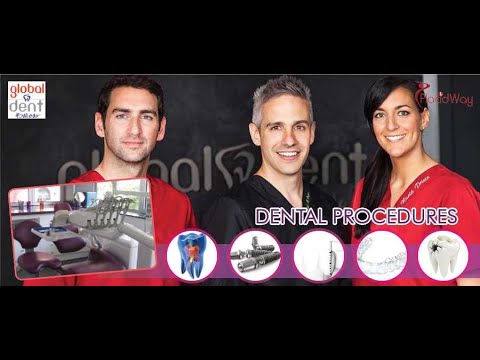
Watch Video Related to Dental Treatment in Spain

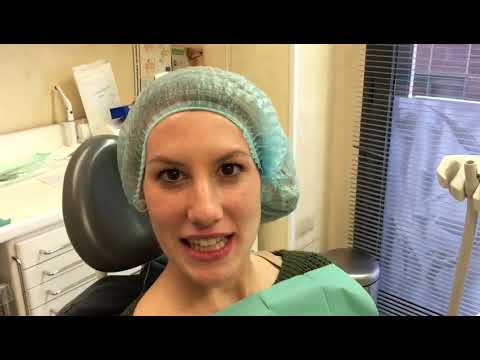
Hearing directly from past patients can offer invaluable reassurance. The video testimonials featured below showcase real stories from individuals who have traveled to Spain to restore their smiles. Watch these videos to hear about their journey, from the initial consultation to the quality of the dental work and the friendliness of the staff.

Insight: Patients often highlight the cleanliness of the clinics and the thoroughness of the pre-treatment explanation.
Best Dental Implants in Spain Reviews

Patient reviews provide an honest look at the quality of care. In this section, you will find verified reviews and ratings from patients who have entrusted their oral health to specialists in Spain. Read through their feedback regarding the communication, the pain management, and their overall satisfaction with their new teeth to help guide your own choice of provider.

Review Tip: Look for reviews that mention the longevity of the implants and the clinic's responsiveness to follow-up questions.

Frequently Asked Questions About Teeth Implants in Spain

1 Is dental work in Spain safe?

Yes. Spain is a member of the European Union, meaning its dental clinics must adhere to strict EU regulations regarding hygiene, safety, and equipment standards. Dentists are regulated by the General Council of Dentists. Choosing a reputable clinic ensures a standard of care equal to or better than in the UK or US.

2 How much does a dental implant cost?

A high-quality titanium implant fixture can cost between €700 and €900. When you add the abutment and crown, the total price typically ranges from €1,200 to €1,600. This is significantly cheaper than the €2,500 - €3,500 average in the UK.

3 What implant brands are used?

Spanish clinics use top-tier global brands such as Straumann, Nobel Biocare, Zimmer Biomet, and Astra Tech. Using these major brands is crucial as it ensures that parts and maintenance will be available worldwide if you need service back home.

4 How long does the process take?

Generally, two trips are needed.
Trip 1 (3-5 days): Implant placement.
Trip 2 (5-7 days): 3-6 months later for the permanent crown. Some clinics offer "immediate load" implants where temporary teeth are placed on the same day, but this depends on your bone quality.

5 Do dentists speak English?

Yes. In tourist-friendly areas and major cities, dentists and clinic staff speak excellent English. Many have studied or worked in English-speaking countries. Communication is rarely an issue in clinics targeting international patients.

6 Is the procedure painful?

The procedure is performed under local anesthesia, ensuring you feel no pain during surgery. Many clinics also offer sedation for anxious patients. Post-op discomfort is usually manageable with over-the-counter painkillers and typically subsides within a few days.

7 Is there a warranty?

Yes. Most reputable clinics in Spain offer warranties. Implants often come with a lifetime manufacturer warranty. The prosthetic crowns usually have a warranty of 2-5 years. Always ask for the written terms of the guarantee before treatment.

8 Is All-on-4 available?

Yes. Spain is a leader in advanced implantology, including All-on-4 and All-on-6 procedures for full arch restoration. These allow you to replace a full set of teeth with just 4 or 6 implants, often with immediate function. Prices for All-on-4 start around €5,000 - €7,000 per arch.

9 How much money can I save?

You can expect to save 40% to 60% on the cost of treatment compared to the UK or USA. For extensive work like multiple implants or full mouth reconstruction, the savings can easily cover the cost of flights and a holiday, with thousands left over.

10 Can I get a consultation before traveling?

Yes. Most clinics offer free online consultations. You will need to send a panoramic X-ray (OPG) and possibly photos of your teeth. The dentist will review your case and provide a treatment plan and cost estimate so you know exactly what to expect before booking your trip.

How Much Do Implants Cost in Spain?

Dental implants in Spain typically ranges from $1,200 to $1,800 for a single tooth, including the post, abutment, and standard crown. Prices fluctuate based on material choices, preliminary surgical requirements, and the specific implants clinic in Spain you select. Key Takeaways Single implant packages in Spain generally fall between $1,200 and $1,800, subject to clinical evaluation. The quoted price for a dental post does not always include the abutment, crown, or necessary bone grafting. Medical tourism in Spain offers access to EU-regulated healthcare environments at potentially lower out-of-pocket costs compared to the US or UK. Comprehensive treatment usually requires two separate trips spaced 3 to 6 months apart to allow for proper osseointegration. Patients must independently verify clinic credentials, implant materials, and local follow-up requirements before traveling. What Factors Influence implants cost in Spain? The total expense depends on the number of teeth being replaced, the specific brand of the implant, and the patient's individual anatomical needs. Complex restorations require a higher financial investment. One of the primary drivers of cost is the material used for the restoration. Standard titanium posts are the industry norm, but some patients may opt for zirconia implants, which often carry a higher price tag. Additionally, the final crown can be crafted from various materials, such as porcelain-fused-to-metal (PFM) or full monolithic zirconia, each impacting the overall bill differently. The anatomical reality of the patient's jaw plays a critical role. If a patient has suffered significant bone loss, preliminary procedures like sinus lifts or bone grafting are mandatory to create a secure foundation. These surgical additions are billed separately and can add hundreds of dollars to the total treatment plan. Finally, the location and prestige of the facility influence pricing. An implants clinic in Spain located in the center of Madrid or Barcelona may have higher overhead costs than a facility in a smaller coastal city. The experience level and specialization of the dental surgeon will also be reflected in their professional fees. What Is Included in the Total Cost of implants in Spain? A transparent treatment quote should clearly delineate the costs for the implant post, the abutment, the custom crown, and necessary surgical fees. Patients must carefully review itemized estimates. When requesting quotes from clinics abroad, it is vital to understand the difference between the "implant price" and the "tooth replacement price." To achieve a fully functional tooth, you typically pay for several distinct components and services: The Fixture (Post): The titanium or zirconia screw placed into the jawbone. The Abutment: The connecting piece that joins the post to the final restoration. The Crown: The visible, tooth-shaped prosthetic that provides function and aesthetics. Diagnostics: 3D CBCT scans, panoramic X-rays, and initial surgical consultations. Surgical Fees: Costs for local anesthesia, facility usage, and standard surgical materials. Important Consideration Always ask clinics if their quoted price is for the "implant post only" or the "complete tooth." Misunderstanding this distinction is a common source of unexpected out-of-pocket costs for traveling patients. Why Is medical tourism in Spain Popular for Dental Care? Spain blends robust European healthcare regulations with competitive pricing, drawing patients who seek quality restorative dentistry in a highly accessible and pleasant geographic location. Medical tourism in Spain has grown steadily due to the country's stringent medical standards. Dental practices operate under rigorous European Union directives regarding sterilization, patient safety, and material quality. This regulatory environment offers peace of mind to international patients seeking complex procedures. Additionally, many Spanish dental professionals pursue advanced training globally, bringing modern techniques and protocols back to their private practices. Facilities catering to international visitors often invest in advanced diagnostic tools, such as digital impressions and in-house 3D milling machines, which can streamline certain aspects of the treatment process. Beyond the clinical advantages, Spain's accessibility from the UK and North America makes it logistically appealing. The ability to recover in a mild climate, combined with the professionalism of the medical staff, creates a compelling alternative for those facing prohibitive dental costs in their home countries. How Do Prices at an implants clinic in Spain Compare to the US or UK? Patients frequently find that treatment in Spain may be 40% to 60% less expensive than equivalent procedures in the US or UK. These estimates vary widely based on the complexity of the case. The cost differences are largely attributed to lower national living wages, reduced administrative overhead, and different malpractice insurance structures, rather than a reduction in the quality of the materials used. Many clinics in Spain use the exact same FDA-cleared or internationally recognized implant systems found in American and British offices. Treatment Type Estimated Cost (USA) Estimated Cost (UK) Estimated Cost (Spain) Single Implant (Complete) $3,000 - $5,000+ £2,000 - £3,000+ $1,200 - $1,800 All-on-4 (Per Arch) $15,000 - $25,000+ £10,000 - £15,000+ $6,500 - $9,500 Bone Grafting (Minor) $400 - $1,000+ £300 - £800+ $200 - $450 *Disclaimer: Prices are approximate estimates and do not constitute a guaranteed quote. Costs vary by clinic, currency exchange rates, and individual medical needs. What Are the Common Types of Dental Implants Available? Clinics offer a range of solutions including single-tooth replacements, implant-supported bridges, and full-arch restorative systems. The optimal choice is dictated by the patient's specific pattern of tooth loss and bone volume. For patients missing a single tooth or several non-adjacent teeth, standard endosteal implants are the most common approach. These act as individual root replacements, preserving the surrounding healthy teeth without the need to alter them for a traditional bridge. When multiple adjacent teeth are missing, an implant-supported bridge may be recommended. This method uses two implants to support a span of three or four artificial teeth, which can be a more cost-effective and anatomically suitable solution than placing an individual implant for every missing tooth. For edentulous patients (those missing all teeth in an arch), systems like the All-on-4 or All-on-6 concept may be utilized. These techniques use specialized angulation to maximize existing bone, often avoiding the need for extensive grafting, and can sometimes be loaded with a temporary prosthesis on the same day as surgery. Are There Additional Costs to Consider When Getting Implants? Beyond the clinical quotes, prospective patients must calculate travel expenses, accommodation, local transportation, and potential costs for follow-up care in their home country. Preparatory Procedures: Tooth extractions, periodontal treatments, and bone grafts must be completed before an implant can safely be placed. Travel Logistics: Flights, hotels, and daily living expenses for at least two separate trips (surgery and final restoration). Medications: Prescriptions for antibiotics, pain management, and specialized antibacterial mouthwashes required during recovery. Local Maintenance: Once you return home, you will need a local dentist willing to perform routine cleanings, adjustments, and long-term monitoring of the international dental work. How Long Does the Dental Implant Procedure Typically Take? The entire restorative timeline generally spans three to six months. It relies heavily on a biological process called osseointegration, where the jawbone heals and fuses tightly to the titanium post. During the first trip, the surgical placement of the implant post occurs. This visit usually requires a stay of 3 to 7 days to allow for the initial surgery, a post-operative check, and the safe removal of any non-dissolving sutures before the patient flies home. Following placement, a mandatory healing phase of roughly 3 to 6 months begins. During this time, the implant is left undisturbed beneath the gums (or with a healing cap) so the bone can securely lock around it. Rushing this phase significantly increases the risk of implant failure. The second trip involves taking final impressions (or digital scans) and attaching the custom-made crown. This phase may require a 5 to 10-day stay, as the laboratory needs time to craft, fit, and adjust the permanent restoration to ensure a proper bite. What Should I Expect During Recovery After Getting Implants? Immediate recovery involves manageable discomfort, minor swelling, and dietary restrictions. Long-term success requires strict dedication to oral hygiene and regular professional cleanings. In the days immediately following surgery, patients typically experience localized tenderness and swelling. This is a normal inflammatory response and is generally managed effectively with prescribed pain relievers and cold compresses. Dentists will advise a soft-food diet to prevent undue pressure on the surgical site. Maintaining pristine oral hygiene is critical during the healing phase. Patients are usually instructed to use specific antibacterial rinses rather than aggressive brushing near the incision lines. Smoking is strongly contraindicated, as it constricts blood vessels and dramatically increases the likelihood of infection and implant failure. Once the final crown is placed, the implant functions much like a natural tooth. However, it is still susceptible to peri-implantitis (gum disease around the implant). Daily brushing, flossing, and establishing a relationship with a local dentist for routine maintenance are essential steps to protect the investment. How Do I Verify the Credentials of an implants clinic in Spain? Verification requires checking the dentist’s official registration, confirming their specialized training in implantology, and understanding the specific brands of materials utilized at the facility. Patients should begin by verifying that the practicing dentist is registered with the Spanish Dental Association (Consejo General de Colegios de Odontólogos y Estomatólogos). This ensures the practitioner is legally licensed to operate within the country's healthcare framework. Furthermore, inquire about the surgeon's postgraduate education. Placing implants is a surgical procedure that benefits greatly from specialized, formal training in oral surgery, periodontics, or implantology, rather than just basic general dentistry. Finally, ask the clinic to provide the names of the implant brands they use. Reputable facilities utilize internationally recognized, FDA-cleared (or CE-marked) systems. Knowing the brand ensures that if you need adjustments or replacement parts years later in your home country, your local dentist can source the appropriate tools and components. Why Choose PlacidWay for Finding Dental Care in Spain? PlacidWay provides a comprehensive, educational platform designed to help patients evaluate international healthcare options, compare providers, and make informed decisions regarding their dental care. Navigating international healthcare can be complex. PlacidWay assists patients by focusing on transparency and accessibility of information. When researching dental options, utilizing PlacidWay offers several specific advantages: Detailed Provider Profiles: Access an extensive database of clinics, complete with information on facility infrastructure and available technology. Transparent Estimates: Review estimated pricing structures to better understand potential out-of-pocket costs before initiating contact. Credential Access: View the educational backgrounds, specializations, and professional affiliations of practicing dentists. Multilingual Facilitation: Utilize communication tools that help bridge the language gap between international patients and local medical teams. Treatment Information: Access educational resources concerning the internationally recognized implant systems utilized by various providers. Frequently Asked Questions Is it safe to get dental implants in Spain? Spain maintains rigorous healthcare standards, and many clinics comply with European Union medical regulations. Safety depends on choosing a properly credentialed clinic, verifying the dentist’s qualifications, and ensuring they follow international sterilization protocols. How long do dental implants typically last? With meticulous oral hygiene and regular professional dental check-ups, the titanium implant post can potentially last for many years, sometimes decades. However, the crown or restoration attached to it may need replacement over time due to normal wear, and individual results vary. Can I get full mouth implants in Spain? Yes, many facilities offer full-arch restorative options such as All-on-4 or All-on-6 systems. The suitability for these procedures requires a comprehensive evaluation of your bone density and overall oral health. Do implant clinics in Spain cater to English-speaking patients? Facilities that frequently treat international patients usually have English-speaking dentists or provide dedicated patient coordinators who can translate and guide you through the treatment plan. What is the survival rate of dental implants? While implant survival rates are generally high in suitable, healthy candidates, they are never guaranteed. Success depends on factors like bone quality, oral hygiene, smoking habits, and adherence to aftercare instructions. Can my body reject a dental implant? True allergic rejection of titanium is exceedingly rare. However, an implant can fail due to infection (peri-implantitis), insufficient bone integration, or excessive biting force during the healing phase. Do I always need a bone graft before getting an implant? Not always. A bone graft is only necessary if your jawbone lacks the volume or density required to securely anchor the titanium post. This is determined via 3D imaging (CBCT scan) during your initial consultation. How much time do I need to spend in Spain for treatment? Traditional implants typically require at least two trips. The first trip for surgery usually takes 3 to 7 days. After a healing period of 3 to 6 months at home, a second trip of 5 to 10 days is needed to place the permanent crowns. Will my domestic insurance cover the cost of implants in Spain? Most domestic dental insurance plans do not cover cross-border treatments. It is recommended to contact your insurance provider directly, though most international dental care is paid out-of-pocket. How soon can I fly after dental implant surgery? Surgeons typically advise waiting 24 to 72 hours before flying to minimize the risk of bleeding and discomfort caused by cabin pressure changes. You must follow the specific clearance guidelines provided by your treating dentist. Ready to Explore Your Restorative Options? Evaluate certified clinics, review estimated costs, and gather the information you need to make an informed decision about your dental health journey. Request Treatment Information References Dental Implants: What You Should Know – U.S. Food and Drug Administration (FDA) Long-term Survival and Complication Rates of Dental Implants – National Institutes of Health (NIH) Dental Implant Surgery: Risks and Expectations – Mayo Clinic Peri-implantitis: Understanding the Risks – National Center for Biotechnology Information Oral Health Conditions and Interventions – Centers for Disease Control and Prevention (CDC) The All-on-4 Treatment Concept for Edentulous Arches – National Institutes of Health (NIH) Bone Grafting in Dental Implantology – National Center for Biotechnology Information Global Oral Health Status and Treatment Strategies – World Health Organization (WHO) Medical Disclaimer: The information provided in this article is for educational purposes only and does not constitute medical advice. Treatment outcomes vary by individual. Always consult with a qualified healthcare professional regarding your specific medical conditions and restorative needs.

Professional and Best Dentists in Spain

Your smile is in expert hands. We have compiled a list of top-tier dental specialists in Spain who possess extensive experience in implantology and oral rehabilitation. These profiles highlight their international training, years of practice, and dedication to creating natural, functional smiles.

1

University-Trained Specialists

Masters in Implantology

Our listed specialists have completed postgraduate degrees (Masters or PhDs) specifically in Implantology from top universities in Madrid, Barcelona, or Valencia. Their academic background ensures they are up-to-date with the latest evidence-based techniques for safe and effective treatment.

2

Digital Dentistry Experts

Guided Surgery Certified

Many top Spanish dentists are certified in computer-guided surgery. They use advanced software to plan the exact angle and depth of your implant before the surgery begins. This minimally invasive approach reduces recovery time and increases the success rate of the procedure.

3

International Memberships

EAO & ICOI Affiliates

Leading dentists in Spain often maintain memberships with the European Association for Osseointegration (EAO) and the International Congress of Oral Implantologists (ICOI). This connects them to a global network of expertise and ensures they follow the highest international standards of care.

Dental Tourism in Spain - Effective Place for Abroad Patients

1

Quality vs. Price

Spain offers the perfect balance. You get EU-standard quality, safety, and regulation at Southern European prices.

This value proposition allows patients to afford premium brands and complex restorations that would be prohibitively expensive in Northern Europe or the US.

2

Proximity to UK & Europe

Spain is a short, affordable flight away from London, Dublin, Berlin, and Paris.

The ease of travel makes it practical for the multiple visits required for implant treatment, without the jet lag or expense of long-haul travel.

3

Holiday Destination

Spain is one of the world's top tourist destinations. Combining your dental treatment with a holiday in Barcelona, Madrid, or the sunny coast turns a medical necessity into a pleasurable experience.

The food, culture, and climate contribute to a positive and relaxed recovery.

Book Now and Get Dental Care in Spain

How Can PlacidWay Assist With My Dental Implants in Spain?

Arranging dental work abroad requires trust and expert coordination. PlacidWay acts as your guide to Spain's top dental clinics. We handle the vetting, communication, and logistics, ensuring a safe and seamless experience for your smile transformation.

Clinic Verification

We partner only with accredited clinics that use premium materials and have a proven track record of safety and success with international patients.

Free Quotes

We provide clear, itemized quotes from multiple top clinics, helping you compare prices for different implant brands side-by-side.

Virtual Consults

We facilitate the review of your dental X-rays by the clinic to provide a preliminary treatment plan and timeline before you travel.

Appointment Booking

We help coordinate your dental appointments to fit your travel schedule, ensuring efficient use of your time in Spain.

Logistics Support

From arranging airport pickups to recommending hotels near the clinic, we help manage the practical details of your trip.

Patient Advocacy

Our team is available to support you throughout your entire journey, answering questions and ensuring your experience meets your expectations.

Take the first step toward a perfect smile. Contact PlacidWay today for a free quote and start planning your dental implant journey in Spain.

Get Your Free Personalized Quote

Dental Implants in Spain thumbnail

About Experience

  • Translations: EN ES FR IT NL
  • Price Range: $0 - $0
  • Treatment: Dental Implants, Dentistry
  • Location: Spain
  • Clinics: Global Dent Balear,
  • Overview Get Your Smile Back with Dental Implants in Spain

Trusted Medical Tourism Platform Since 2007

60+
Countries
2k+
Clinics
19.5k+
Reviews
2.5k+
Qualified Doctors
1.1M+
Patients Served Since 2007