Tandheelkundige implantaten in Spanje

Publicatiedatum: Aug 18, 2022 Gewijzigde datum: Aug 06, 2026 Medisch beoordeeld door: Dr. Octavio Delacruz on Aug 06, 2026 Auteur: Sofia Mendez Ivaro
Tandheelkundige implantaten in Spanje

Inhoud

Krijg uw stralende lach terug met tandimplantaten in Spanje.

Spanje is al lange tijd een geliefde vakantiebestemming, maar wordt steeds meer erkend als een topbestemming voor tandheelkundig toerisme in Europa. Voor patiënten uit het Verenigd Koninkrijk, Ierland en Noord-Europa die thuis te maken hebben met hoge tandartskosten, biedt Spanje een ideale oplossing: hoogwaardige implantologie tegen prijzen die 40-60% lager liggen, zonder concessies te doen aan kwaliteit of veiligheid. Steden als Barcelona, Madrid en Alicante herbergen moderne klinieken die zich strikt houden aan de gezondheids- en veiligheidsvoorschriften van de Europese Unie.

Spaanse implantologen zijn hoogopgeleid, vaak met diploma's van prestigieuze Europese universiteiten en lidmaatschappen van wereldwijde organisaties zoals de EAO (European Association for Osseointegration). Ze maken gebruik van geavanceerde technologie, waaronder 3D CBCT-scanners voor nauwkeurige planning en computergestuurde chirurgie voor minimaal invasieve plaatsing. Patiënten hebben toegang tot wereldberoemde implantaatmerken zoals Straumann en Nobel Biocare, wat een langdurige betrouwbaarheid garandeert.

Naast de uitstekende medische zorg biedt Spanje het voordeel van gemakkelijke bereikbaarheid met korte vluchten vanuit de meeste Europese hoofdsteden. De mogelijkheid om te herstellen in een mild klimaat, te genieten van het mediterrane dieet en de rijke cultuur te ervaren, maakt een tandheelkundige behandeling veel aangenamer dan een standaard medische ingreep.

Of u nu een enkele tandvervanging nodig heeft of een volledige gebitsrestauratie zoals All-on-4, Spanje biedt een geavanceerde, veilige en kosteneffectieve manier om weer een zelfverzekerde glimlach te krijgen.

!

Wist je dat?

Spanje heeft een van de hoogste dichtheden aan tandartspraktijken per hoofd van de bevolking in Europa. Deze hoge mate van concurrentie stimuleert innovatie en kwaliteit, terwijl de prijzen betaalbaar blijven. Veel klinieken in toeristische gebieden zoals de Costa del Sol zijn specifiek ontworpen voor internationale patiënten, met meertalig personeel en gestroomlijnde "fast-track" behandelprotocollen.

Belangrijkste inzichten in één oogopslag

1
EU-normen:

Klinieken moeten voldoen aan strenge Europese wetten op het gebied van gezondheid en veiligheid, en zo een hoge standaard van hygiëne en zorg garanderen.

2
Kostenefficiëntie:

Bespaar 40-60% ten opzichte van de prijzen in het VK of de VS. Een enkel implantaat kost vaak tussen de €800 en €1200.

3
Deskundige chirurgen:

Tandartsen zijn hooggekwalificeerd, vaak met een postdoctorale graad in implantologie van vooraanstaande Europese universiteiten.

4
Premiummerken:

Klinieken geven de voorkeur aan hoogwaardige implantaatsystemen zoals die van Straumann en Nobel Biocare vanwege hun lange levensduur en betrouwbaarheid.

5
Gemakkelijke toegang:

Dankzij korte, frequente en goedkope vluchten vanuit heel Europa is het een handige bestemming voor een weekendje weg.

6
Digitale tandheelkunde:

Het wijdverbreide gebruik van intraorale scanners en 3D-beeldvorming maakt een precieze, comfortabele en snelle behandeling mogelijk.

LEUK WEETJE

Het effect van het mediterrane dieet

Patiënten die in Spanje herstellen, hebben baat bij het mediterrane dieet, dat rijk is aan olijfolie, vis en verse groenten. Dit ontstekingsremmende dieet is niet alleen heerlijk, maar kan ook het genezingsproces na een tandheelkundige ingreep ondersteunen, ontstekingen verminderen en de gezondheid van het tandvlees bevorderen.

Tandimplantatenpakket in Spanje

Het vinden van het juiste pakket kan uw medische traject aanzienlijk vereenvoudigen. In het onderstaande gedeelte hebben we een lijst samengesteld van hoogwaardige tandartsklinieken in Spanje die uitgebreide implantaatpakketten aanbieden. Deze pakketten omvatten doorgaans een 3D CT-scan, de chirurgische plaatsing van het implantaat, een genezingsabutment en soms een tijdelijke kroon. Sommige klinieken helpen ook met luchthaventransfers en accommodatieadvies. Bekijk de opties om een pakket te vinden dat aansluit bij uw specifieke behoeften en budget.

Let op: Bij de meeste implantaatbehandelingen zijn twee bezoeken nodig: één voor het plaatsen van het implantaat en één voor de definitieve kroon (3-6 maanden later), tenzij u kiest voor directe belasting.

`

Kosten van tandimplantaten in Spanje

Inzicht in de financiële verplichtingen is een cruciaal onderdeel van uw besluitvormingsproces. De onderstaande tabel geeft een transparant overzicht van de gemiddelde kosten voor tandheelkundige implantaten in Spanje, vergeleken met de prijzen in het Verenigd Koninkrijk en de Verenigde Staten. Hoewel dit schattingen zijn, laten ze de aanzienlijke besparingen zien die mogelijk zijn. Gebruik deze gegevens om uw budget effectief te plannen en vergeet daarbij niet de reiskosten voor twee bezoeken mee te rekenen.

Tip: Een complete implantaatbehandeling (stift + abutment + kroon) kost in Spanje doorgaans tussen de €1.200 en €1.600 .

Dental Implants Kostenvergelijking in Spain

Land Procedure Prijs
Australia Dental Implants, Dentistry $3356
United States Dental Implants, Dentistry $3500
United Kingdom Dental Implants, Dentistry $2500

Beste kliniek voor tandheelkundige zorg in Spanje

Uw veiligheid en de resultaten hangen sterk af van de kliniek die u kiest. We hebben een lijst samengesteld van vooraanstaande tandheelkundige klinieken in Madrid, Barcelona en Alicante die bekend staan om hun specialisatie in implantologie. Deze klinieken zijn geselecteerd op basis van hun ISO-certificeringen, moderne infrastructuur en ervaren, internationale patiëntenteams. Bekijk de onderstaande profielen voor meer informatie over hun technologie en slagingspercentages.

Standaard: Kies voor klinieken die een schriftelijke garantie bieden op zowel het implantaat als de kroon.

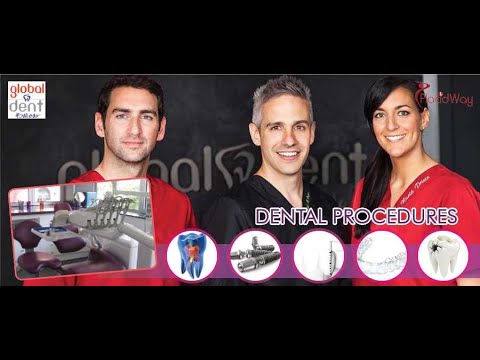
Bekijk de video over tandheelkundige behandelingen in Spanje.

Het horen van ervaringen van eerdere patiënten kan van onschatbare waarde zijn. De onderstaande video-getuigenissen laten echte verhalen zien van mensen die naar Spanje zijn gereisd om hun glimlach te laten herstellen. Bekijk deze video's om meer te weten te komen over hun reis, van het eerste consult tot de kwaliteit van de tandheelkundige behandelingen en de vriendelijkheid van het personeel.

Inzicht: Patiënten benadrukken vaak de hygiëne van de klinieken en de grondigheid van de uitleg voorafgaand aan de behandeling.
Recensies van de beste tandimplantaten in Spanje

Patiëntrecensies geven een eerlijk beeld van de kwaliteit van de zorg. In deze sectie vindt u geverifieerde recensies en beoordelingen van patiënten die hun mondgezondheid hebben toevertrouwd aan specialisten in Spanje. Lees hun feedback over de communicatie, de pijnbestrijding en hun algehele tevredenheid met hun nieuwe tanden om u te helpen bij uw eigen keuze voor een zorgverlener.

Reviewtip: Let op reviews waarin de levensduur van de implantaten en de reactiesnelheid van de kliniek op vervolgvragen worden vermeld.

Veelgestelde vragen over tandimplantaten in Spanje

1. Is een tandheelkundige behandeling in Spanje veilig?

Ja. Spanje is lid van de Europese Unie, wat betekent dat tandartspraktijken zich moeten houden aan strenge EU-regelgeving met betrekking tot hygiëne, veiligheid en apparatuur. Tandartsen worden gereguleerd door de Algemene Raad van Tandartsen. Door een gerenommeerde kliniek te kiezen, bent u verzekerd van een zorgstandaard die gelijkwaardig of zelfs beter is dan in het Verenigd Koninkrijk of de Verenigde Staten.

2. Hoeveel kost een tandheelkundig implantaat?

Een hoogwaardig titanium implantaat kost tussen de €700 en €900 . Inclusief abutment en kroon ligt de totale prijs doorgaans tussen de €1.200 en €1.600. Dit is aanzienlijk goedkoper dan het gemiddelde van €2.500 tot €3.500 in het Verenigd Koninkrijk.

3 Welke merken implantaten worden gebruikt?

Spaanse klinieken gebruiken topmerken zoals Straumann, Nobel Biocare, Zimmer Biomet en Astra Tech . Het gebruik van deze bekende merken is cruciaal, omdat het garandeert dat onderdelen en onderhoud wereldwijd beschikbaar zijn als u in uw eigen land service nodig heeft.

4. Hoe lang duurt het proces?

Over het algemeen zijn twee ritten nodig.
Trip 1 (3-5 dagen): Plaatsing van het implantaat.
Bezoek 2 (5-7 dagen): 3-6 maanden later voor de definitieve kroon. Sommige klinieken bieden implantaten aan die direct belastbaar zijn, waarbij tijdelijke tanden op dezelfde dag worden geplaatst, maar dit is afhankelijk van de kwaliteit van uw bot.

5. Spreken tandartsen Engels?

Ja. In toeristische gebieden en grote steden spreken tandartsen en kliniekmedewerkers uitstekend Engels. Velen hebben gestudeerd of gewerkt in Engelstalige landen. Communicatie is zelden een probleem in klinieken die zich richten op internationale patiënten.

6. Is de procedure pijnlijk?

De ingreep wordt uitgevoerd onder lokale verdoving, waardoor u tijdens de operatie geen pijn voelt. Veel klinieken bieden ook sedatie aan voor angstige patiënten. Pijn na de operatie is meestal goed te verlichten met vrij verkrijgbare pijnstillers en verdwijnt doorgaans binnen enkele dagen.

7. Is er garantie?

Ja. De meeste gerenommeerde klinieken in Spanje bieden garanties. Implantaten hebben vaak een levenslange fabrieksgarantie. De prothetische kronen hebben doorgaans een garantie van 2 tot 5 jaar. Vraag altijd naar de schriftelijke garantievoorwaarden vóór de behandeling.

8. Is All-on-4 beschikbaar?

Ja. Spanje is toonaangevend op het gebied van geavanceerde implantologie, waaronder de All-on-4 en All-on-6 procedures voor volledige gebitsrestauratie. Hiermee kunt u een volledig gebit vervangen door slechts 4 of 6 implantaten, vaak met direct functioneel resultaat. De prijzen voor All-on-4 beginnen rond de € 5.000 - € 7.000 per kaak.

9 Hoeveel geld kan ik sparen?

U kunt rekenen op een besparing van 40% tot 60% op de behandelingskosten in vergelijking met het Verenigd Koninkrijk of de Verenigde Staten. Bij uitgebreidere ingrepen zoals meerdere implantaten of een volledige gebitsreconstructie kunnen de besparingen gemakkelijk de kosten van vliegtickets en een vakantie dekken, met nog duizenden euro's over.

10 Kan ik een consult krijgen voordat ik op reis ga?

Ja. De meeste klinieken bieden gratis online consultaties aan. U dient een panoramische röntgenfoto (OPG) en mogelijk foto's van uw gebit op te sturen. De tandarts zal uw situatie beoordelen en een behandelplan en kostenraming opstellen, zodat u precies weet wat u kunt verwachten voordat u uw afspraak boekt.

How Much Do Implants Cost in Spain?

Dental implants in Spain typically ranges from $1,200 to $1,800 for a single tooth, including the post, abutment, and standard crown. Prices fluctuate based on material choices, preliminary surgical requirements, and the specific implants clinic in Spain you select. Key Takeaways Single implant packages in Spain generally fall between $1,200 and $1,800, subject to clinical evaluation. The quoted price for a dental post does not always include the abutment, crown, or necessary bone grafting. Medical tourism in Spain offers access to EU-regulated healthcare environments at potentially lower out-of-pocket costs compared to the US or UK. Comprehensive treatment usually requires two separate trips spaced 3 to 6 months apart to allow for proper osseointegration. Patients must independently verify clinic credentials, implant materials, and local follow-up requirements before traveling. What Factors Influence implants cost in Spain? The total expense depends on the number of teeth being replaced, the specific brand of the implant, and the patient's individual anatomical needs. Complex restorations require a higher financial investment. One of the primary drivers of cost is the material used for the restoration. Standard titanium posts are the industry norm, but some patients may opt for zirconia implants, which often carry a higher price tag. Additionally, the final crown can be crafted from various materials, such as porcelain-fused-to-metal (PFM) or full monolithic zirconia, each impacting the overall bill differently. The anatomical reality of the patient's jaw plays a critical role. If a patient has suffered significant bone loss, preliminary procedures like sinus lifts or bone grafting are mandatory to create a secure foundation. These surgical additions are billed separately and can add hundreds of dollars to the total treatment plan. Finally, the location and prestige of the facility influence pricing. An implants clinic in Spain located in the center of Madrid or Barcelona may have higher overhead costs than a facility in a smaller coastal city. The experience level and specialization of the dental surgeon will also be reflected in their professional fees. What Is Included in the Total Cost of implants in Spain? A transparent treatment quote should clearly delineate the costs for the implant post, the abutment, the custom crown, and necessary surgical fees. Patients must carefully review itemized estimates. When requesting quotes from clinics abroad, it is vital to understand the difference between the "implant price" and the "tooth replacement price." To achieve a fully functional tooth, you typically pay for several distinct components and services: The Fixture (Post): The titanium or zirconia screw placed into the jawbone. The Abutment: The connecting piece that joins the post to the final restoration. The Crown: The visible, tooth-shaped prosthetic that provides function and aesthetics. Diagnostics: 3D CBCT scans, panoramic X-rays, and initial surgical consultations. Surgical Fees: Costs for local anesthesia, facility usage, and standard surgical materials. Important Consideration Always ask clinics if their quoted price is for the "implant post only" or the "complete tooth." Misunderstanding this distinction is a common source of unexpected out-of-pocket costs for traveling patients. Why Is medical tourism in Spain Popular for Dental Care? Spain blends robust European healthcare regulations with competitive pricing, drawing patients who seek quality restorative dentistry in a highly accessible and pleasant geographic location. Medical tourism in Spain has grown steadily due to the country's stringent medical standards. Dental practices operate under rigorous European Union directives regarding sterilization, patient safety, and material quality. This regulatory environment offers peace of mind to international patients seeking complex procedures. Additionally, many Spanish dental professionals pursue advanced training globally, bringing modern techniques and protocols back to their private practices. Facilities catering to international visitors often invest in advanced diagnostic tools, such as digital impressions and in-house 3D milling machines, which can streamline certain aspects of the treatment process. Beyond the clinical advantages, Spain's accessibility from the UK and North America makes it logistically appealing. The ability to recover in a mild climate, combined with the professionalism of the medical staff, creates a compelling alternative for those facing prohibitive dental costs in their home countries. How Do Prices at an implants clinic in Spain Compare to the US or UK? Patients frequently find that treatment in Spain may be 40% to 60% less expensive than equivalent procedures in the US or UK. These estimates vary widely based on the complexity of the case. The cost differences are largely attributed to lower national living wages, reduced administrative overhead, and different malpractice insurance structures, rather than a reduction in the quality of the materials used. Many clinics in Spain use the exact same FDA-cleared or internationally recognized implant systems found in American and British offices. Treatment Type Estimated Cost (USA) Estimated Cost (UK) Estimated Cost (Spain) Single Implant (Complete) $3,000 - $5,000+ £2,000 - £3,000+ $1,200 - $1,800 All-on-4 (Per Arch) $15,000 - $25,000+ £10,000 - £15,000+ $6,500 - $9,500 Bone Grafting (Minor) $400 - $1,000+ £300 - £800+ $200 - $450 *Disclaimer: Prices are approximate estimates and do not constitute a guaranteed quote. Costs vary by clinic, currency exchange rates, and individual medical needs. What Are the Common Types of Dental Implants Available? Clinics offer a range of solutions including single-tooth replacements, implant-supported bridges, and full-arch restorative systems. The optimal choice is dictated by the patient's specific pattern of tooth loss and bone volume. For patients missing a single tooth or several non-adjacent teeth, standard endosteal implants are the most common approach. These act as individual root replacements, preserving the surrounding healthy teeth without the need to alter them for a traditional bridge. When multiple adjacent teeth are missing, an implant-supported bridge may be recommended. This method uses two implants to support a span of three or four artificial teeth, which can be a more cost-effective and anatomically suitable solution than placing an individual implant for every missing tooth. For edentulous patients (those missing all teeth in an arch), systems like the All-on-4 or All-on-6 concept may be utilized. These techniques use specialized angulation to maximize existing bone, often avoiding the need for extensive grafting, and can sometimes be loaded with a temporary prosthesis on the same day as surgery. Are There Additional Costs to Consider When Getting Implants? Beyond the clinical quotes, prospective patients must calculate travel expenses, accommodation, local transportation, and potential costs for follow-up care in their home country. Preparatory Procedures: Tooth extractions, periodontal treatments, and bone grafts must be completed before an implant can safely be placed. Travel Logistics: Flights, hotels, and daily living expenses for at least two separate trips (surgery and final restoration). Medications: Prescriptions for antibiotics, pain management, and specialized antibacterial mouthwashes required during recovery. Local Maintenance: Once you return home, you will need a local dentist willing to perform routine cleanings, adjustments, and long-term monitoring of the international dental work. How Long Does the Dental Implant Procedure Typically Take? The entire restorative timeline generally spans three to six months. It relies heavily on a biological process called osseointegration, where the jawbone heals and fuses tightly to the titanium post. During the first trip, the surgical placement of the implant post occurs. This visit usually requires a stay of 3 to 7 days to allow for the initial surgery, a post-operative check, and the safe removal of any non-dissolving sutures before the patient flies home. Following placement, a mandatory healing phase of roughly 3 to 6 months begins. During this time, the implant is left undisturbed beneath the gums (or with a healing cap) so the bone can securely lock around it. Rushing this phase significantly increases the risk of implant failure. The second trip involves taking final impressions (or digital scans) and attaching the custom-made crown. This phase may require a 5 to 10-day stay, as the laboratory needs time to craft, fit, and adjust the permanent restoration to ensure a proper bite. What Should I Expect During Recovery After Getting Implants? Immediate recovery involves manageable discomfort, minor swelling, and dietary restrictions. Long-term success requires strict dedication to oral hygiene and regular professional cleanings. In the days immediately following surgery, patients typically experience localized tenderness and swelling. This is a normal inflammatory response and is generally managed effectively with prescribed pain relievers and cold compresses. Dentists will advise a soft-food diet to prevent undue pressure on the surgical site. Maintaining pristine oral hygiene is critical during the healing phase. Patients are usually instructed to use specific antibacterial rinses rather than aggressive brushing near the incision lines. Smoking is strongly contraindicated, as it constricts blood vessels and dramatically increases the likelihood of infection and implant failure. Once the final crown is placed, the implant functions much like a natural tooth. However, it is still susceptible to peri-implantitis (gum disease around the implant). Daily brushing, flossing, and establishing a relationship with a local dentist for routine maintenance are essential steps to protect the investment. How Do I Verify the Credentials of an implants clinic in Spain? Verification requires checking the dentist’s official registration, confirming their specialized training in implantology, and understanding the specific brands of materials utilized at the facility. Patients should begin by verifying that the practicing dentist is registered with the Spanish Dental Association (Consejo General de Colegios de Odontólogos y Estomatólogos). This ensures the practitioner is legally licensed to operate within the country's healthcare framework. Furthermore, inquire about the surgeon's postgraduate education. Placing implants is a surgical procedure that benefits greatly from specialized, formal training in oral surgery, periodontics, or implantology, rather than just basic general dentistry. Finally, ask the clinic to provide the names of the implant brands they use. Reputable facilities utilize internationally recognized, FDA-cleared (or CE-marked) systems. Knowing the brand ensures that if you need adjustments or replacement parts years later in your home country, your local dentist can source the appropriate tools and components. Why Choose PlacidWay for Finding Dental Care in Spain? PlacidWay provides a comprehensive, educational platform designed to help patients evaluate international healthcare options, compare providers, and make informed decisions regarding their dental care. Navigating international healthcare can be complex. PlacidWay assists patients by focusing on transparency and accessibility of information. When researching dental options, utilizing PlacidWay offers several specific advantages: Detailed Provider Profiles: Access an extensive database of clinics, complete with information on facility infrastructure and available technology. Transparent Estimates: Review estimated pricing structures to better understand potential out-of-pocket costs before initiating contact. Credential Access: View the educational backgrounds, specializations, and professional affiliations of practicing dentists. Multilingual Facilitation: Utilize communication tools that help bridge the language gap between international patients and local medical teams. Treatment Information: Access educational resources concerning the internationally recognized implant systems utilized by various providers. Frequently Asked Questions Is it safe to get dental implants in Spain? Spain maintains rigorous healthcare standards, and many clinics comply with European Union medical regulations. Safety depends on choosing a properly credentialed clinic, verifying the dentist’s qualifications, and ensuring they follow international sterilization protocols. How long do dental implants typically last? With meticulous oral hygiene and regular professional dental check-ups, the titanium implant post can potentially last for many years, sometimes decades. However, the crown or restoration attached to it may need replacement over time due to normal wear, and individual results vary. Can I get full mouth implants in Spain? Yes, many facilities offer full-arch restorative options such as All-on-4 or All-on-6 systems. The suitability for these procedures requires a comprehensive evaluation of your bone density and overall oral health. Do implant clinics in Spain cater to English-speaking patients? Facilities that frequently treat international patients usually have English-speaking dentists or provide dedicated patient coordinators who can translate and guide you through the treatment plan. What is the survival rate of dental implants? While implant survival rates are generally high in suitable, healthy candidates, they are never guaranteed. Success depends on factors like bone quality, oral hygiene, smoking habits, and adherence to aftercare instructions. Can my body reject a dental implant? True allergic rejection of titanium is exceedingly rare. However, an implant can fail due to infection (peri-implantitis), insufficient bone integration, or excessive biting force during the healing phase. Do I always need a bone graft before getting an implant? Not always. A bone graft is only necessary if your jawbone lacks the volume or density required to securely anchor the titanium post. This is determined via 3D imaging (CBCT scan) during your initial consultation. How much time do I need to spend in Spain for treatment? Traditional implants typically require at least two trips. The first trip for surgery usually takes 3 to 7 days. After a healing period of 3 to 6 months at home, a second trip of 5 to 10 days is needed to place the permanent crowns. Will my domestic insurance cover the cost of implants in Spain? Most domestic dental insurance plans do not cover cross-border treatments. It is recommended to contact your insurance provider directly, though most international dental care is paid out-of-pocket. How soon can I fly after dental implant surgery? Surgeons typically advise waiting 24 to 72 hours before flying to minimize the risk of bleeding and discomfort caused by cabin pressure changes. You must follow the specific clearance guidelines provided by your treating dentist. Ready to Explore Your Restorative Options? Evaluate certified clinics, review estimated costs, and gather the information you need to make an informed decision about your dental health journey. Request Treatment Information References Dental Implants: What You Should Know – U.S. Food and Drug Administration (FDA) Long-term Survival and Complication Rates of Dental Implants – National Institutes of Health (NIH) Dental Implant Surgery: Risks and Expectations – Mayo Clinic Peri-implantitis: Understanding the Risks – National Center for Biotechnology Information Oral Health Conditions and Interventions – Centers for Disease Control and Prevention (CDC) The All-on-4 Treatment Concept for Edentulous Arches – National Institutes of Health (NIH) Bone Grafting in Dental Implantology – National Center for Biotechnology Information Global Oral Health Status and Treatment Strategies – World Health Organization (WHO) Medical Disclaimer: The information provided in this article is for educational purposes only and does not constitute medical advice. Treatment outcomes vary by individual. Always consult with a qualified healthcare professional regarding your specific medical conditions and restorative needs.

Professionele en beste tandartsen in Spanje

Uw glimlach is in deskundige handen. We hebben een lijst samengesteld van toonaangevende tandartsen in Spanje met uitgebreide ervaring in implantologie en orale revalidatie. Deze profielen benadrukken hun internationale opleiding, jarenlange praktijkervaring en toewijding aan het creëren van natuurlijke, functionele glimlachen.

1

Universitair opgeleide specialisten

Master in implantologie

Onze specialisten hebben een postdoctorale opleiding (master of doctoraat) in de implantologie afgerond aan vooraanstaande universiteiten in Madrid, Barcelona of Valencia. Dankzij hun academische achtergrond zijn ze op de hoogte van de nieuwste, op bewijs gebaseerde technieken voor een veilige en effectieve behandeling.

2

Experts in digitale tandheelkunde

Gecertificeerd in geleide chirurgie

Veel vooraanstaande Spaanse tandartsen zijn gecertificeerd in computergestuurde chirurgie. Ze gebruiken geavanceerde software om de exacte hoek en diepte van uw implantaat te plannen voordat de operatie begint. Deze minimaal invasieve aanpak verkort de hersteltijd en verhoogt de slagingskans van de ingreep.

3

Internationale lidmaatschappen

EAO- en ICOI-partners

Toonaangevende tandartsen in Spanje zijn vaak lid van de European Association for Osseointegration (EAO) en het International Congress of Oral Implantologists (ICOI). Dit verbindt hen met een wereldwijd netwerk van experts en garandeert dat ze de hoogste internationale zorgstandaarden naleven.

Tandheelkundig toerisme in Spanje - een aantrekkelijke bestemming voor buitenlandse patiënten

1

Kwaliteit versus prijs

Spanje biedt de perfecte balans. U krijgt kwaliteits-, veiligheids- en regelgeving volgens EU-normen tegen prijzen die gangbaar zijn in Zuid-Europa.

Deze waardepropositie stelt patiënten in staat om zich premiummerken en complexe restauraties te veroorloven die in Noord-Europa of de VS onbetaalbaar zouden zijn.

2

Nabijheid van het VK en Europa

Spanje is gemakkelijk en betaalbaar te bereiken met een korte vlucht vanuit Londen, Dublin, Berlijn en Parijs.

Het gemak van reizen maakt het praktisch voor de meerdere bezoeken die nodig zijn voor een implantaatbehandeling, zonder de jetlag of de kosten van langeafstandsvluchten.

3

Vakantiebestemming

Spanje is een van de populairste toeristische bestemmingen ter wereld. Door uw tandheelkundige behandeling te combineren met een vakantie in Barcelona, Madrid of aan de zonnige kust, verandert u een medische noodzaak in een plezierige ervaring.

Het eten, de cultuur en het klimaat dragen bij aan een positief en ontspannen herstel.

Boek nu en ontvang tandheelkundige zorg in Spanje.

Hoe kan PlacidWay mij helpen met mijn tandimplantaten in Spanje?

Een tandheelkundige behandeling in het buitenland regelen vereist vertrouwen en deskundige coördinatie. PlacidWay begeleidt u naar de beste tandartsklinieken in Spanje. Wij verzorgen de screening, de communicatie en de logistiek, zodat uw glimlachtransformatie veilig en probleemloos verloopt.

Kliniekverificatie

Wij werken uitsluitend samen met geaccrediteerde klinieken die gebruikmaken van hoogwaardige materialen en een bewezen staat van dienst hebben op het gebied van veiligheid en succes bij internationale patiënten.

Gratis offertes

Wij bieden duidelijke, gespecificeerde offertes van meerdere toonaangevende klinieken, zodat u de prijzen van verschillende implantaatmerken naast elkaar kunt vergelijken.

Virtuele consulten

Wij faciliteren de beoordeling van uw tandheelkundige röntgenfoto's door de kliniek, zodat zij een voorlopig behandelplan en tijdschema kunnen opstellen voordat u op reis gaat.

Afspraak maken

Wij helpen u bij het plannen van uw tandartsafspraken, zodat deze aansluiten op uw reisschema en u uw tijd in Spanje optimaal kunt benutten.

Logistieke ondersteuning

Van het regelen van vervoer van en naar de luchthaven tot het aanbevelen van hotels in de buurt van de kliniek, wij helpen u met de praktische details van uw reis.

Patiëntenbelangenbehartiging

Ons team staat gedurende uw hele traject voor u klaar om u te ondersteunen, vragen te beantwoorden en ervoor te zorgen dat uw ervaring aan uw verwachtingen voldoet.

Zet de eerste stap naar een perfecte glimlach. Neem vandaag nog contact op met PlacidWay voor een gratis offerte en begin met het plannen van uw traject naar tandheelkundige implantaten in Spanje.

Ontvang uw gratis gepersonaliseerde offerte

Tandheelkundige implantaten in Spanje thumbnail

Over Ervaring

  • Vertalingen: EN ES FR IT NL
  • Prijsklasse: $0 - $0
  • Behandeling: Dental Implants, Dentistry
  • Locatie: Spain
  • Klinieken: Global Dent Balear,
  • Overzicht Krijg uw stralende lach terug met tandimplantaten in Spanje.

Trusted Medical Tourism Platform Since 2007

60+
Countries
2k+
Clinics
19.5k+
Reviews
2.5k+
Qualified Doctors
1.1M+
Patients Served Since 2007