
Navigating the overwhelming process of restoring your smile abroad requires clear, factual information about clinical standards and actual expenses. If you are researching affordable dental implants in Istanbul, you likely have questions about verifying a clinic's safety, managing the travel logistics, and understanding the complete timeline of the procedure. This guide explains how to identify facilities licensed by the Turkish Ministry of Health, verify credentials through the Turkish Dental Association (TDB), and realistically evaluate treatment costs so you can make a secure, confident healthcare decision.
Quick Answer Summary
- Estimated Cost: Typically ranges between $500 and $1,200 per single implant depending on the brand and materials used.
- Safety Overview: Generally safe when performed in clinics officially licensed by the Turkish Ministry of Health using board-registered dental surgeons.
- Ideal Candidate: Adults with missing teeth, healthy gums, and sufficient jawbone density to anchor the titanium posts.
- Recovery Time: Initial healing takes a few days, while full osseointegration (bone fusion) usually requires 3 to 6 months before final crowns are placed.
- Why Patients Choose Istanbul: A combination of highly experienced specialists, advanced 3D imaging technology, and overall treatment costs that are often significantly lower than in North America or Western Europe.
- Important Caution: Always verify that the dentist is actively registered with the Turkish Dental Association (TDB) and avoid clinics that pressure you into same-day treatments without proper preliminary bone assessments.
Why International Patients Consider Dental Implants in Istanbul
Restoring lost teeth is a major medical and financial decision, prompting many individuals to explore cross-border healthcare options. Patients typically look toward Istanbul when local treatment plans become financially prohibitive or when wait times for specialized surgical care extend over several months. Istanbul has developed a robust medical infrastructure designed specifically to accommodate international patient needs.
The decision to travel for this specific treatment often stems from several intersecting factors. High-quality restorative dentistry requires precision, premium materials, and experienced surgical hands. Many private dental centers in Turkey have invested heavily in the necessary technologies to attract a global patient base.
- Significant Cost Variations: Treatment estimates often fall well below those quoted in the United States, the United Kingdom, or Canada due to differences in operational overhead and local economic factors.
- Advanced Diagnostic Technology: Reputable centers routinely utilize in-house CBCT (Cone Beam Computed Tomography) scanners and CAD/CAM systems for precise surgical planning.
- Experienced Surgical Teams: High volumes of international cases mean that many oral surgeons in the city perform complex rehabilitations daily.
- Streamlined Care Protocols: Facilities accustomed to medical tourists often coordinate treatment schedules efficiently, minimizing the number of required clinic visits.
- Comprehensive Care Packages: Many registered clinics provide dedicated patient coordinators, translating services, and organized local transfers to reduce patient stress.
While the prospect of combining a medical procedure with international travel appeals to many, it requires careful preparation. Understanding the biological process of the implant procedure is the first step in determining if you are medically suited for cross-border dental care.
Tip for Medical Travelers
When contacting clinics for initial consultations, request a video call with the actual dental surgeon rather than only communicating with a sales coordinator. This allows you to ask direct clinical questions and gauge the doctor's communication style and expertise.
Understanding the Dental Implant Procedure
A dental implant is an artificial tooth root surgically placed into the jawbone to hold a replacement tooth or bridge. The procedure relies on a biological process called osseointegration, where materials such as titanium form an intimate bond with the surrounding bone over several months. This structural integration provides a stable foundation for the final prosthetic.
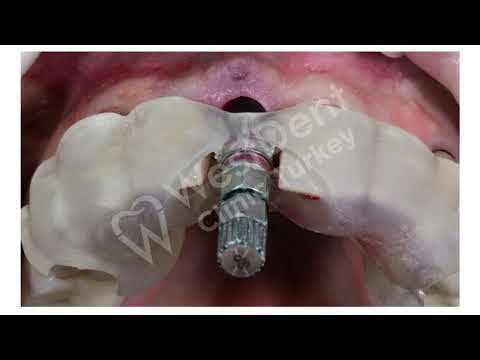
The standard treatment protocol is generally divided into multiple distinct phases. First, the damaged tooth is extracted if necessary, and bone grafting may be performed if the jawbone lacks the volume to support an implant. Once the surgical site is prepared, the titanium post is inserted into the bone. The gums are then sutured, and the healing phase begins.
After osseointegration is complete, which typically takes between three to six months depending on your natural healing rate, you will undergo a minor procedure to attach an abutment. The abutment serves as the connecting piece between the implant post and the final custom-made crown. This multi-stage approach ensures maximum stability and longevity of the restoration.
Patient Demographics for Dental Tourism in Istanbul (2024–2025 Data)
Understanding who travels for these procedures can provide valuable context for your own decision-making process. According to 2024 healthcare tourism reports and recent clinical registries, Istanbul continues to see a steady influx of patients from Western Europe, North America, and the Middle East seeking complex dental rehabilitations.
Data indicates that patients between the ages of 45 and 64 represent the largest segment of individuals traveling for implantology. This demographic often requires multiple implants or full-arch restorations due to age-related bone loss or long-term dental deterioration. Younger demographics, particularly those aged 25 to 44, predominantly travel for single-tooth replacements resulting from sports injuries or localized trauma.
The visualization below highlights the distribution of international dental implant patients by age group, reflecting verified medical travel trends documented in 2024.
This demographic data highlights that patients requiring comprehensive, multi-stage dental care form the core of the international patient base. Clinical facilities have tailored their diagnostic and surgical protocols to manage the specific biological needs of older adults, including bone density management and chronic condition screening before surgery.
Cost Evaluation for Dental Implants in Istanbul versus Home Countries
The primary catalyst for medical travel is often the substantial difference in healthcare pricing. When evaluating the cost of dental implants in Istanbul, it is critical to look beyond the advertised base price. The total financial commitment depends on your anatomical needs, the implant brand chosen, and any necessary preparatory procedures.
It is important to understand that a lower price point in Turkey does not inherently indicate lower quality materials. The cost difference is largely driven by currency exchange rates, government incentives for health tourism, and lower domestic operational costs for clinics. High-tier implant brands manufactured globally are frequently used in certified Istanbul clinics.
Below is an estimated comparison framework to help you understand the potential cost variances. Please note that prices vary by patient condition and clinical requirements.
| Country | Estimated Cost per Single Implant (USD) | Estimated Cost for All-on-4 (USD) |
|---|---|---|
| United States | $3,000 - $5,000 | $15,000 - $24,000+ per arch |
| United Kingdom | $2,500 - $3,800 | $12,000 - $18,000 per arch |
| Canada | $2,800 - $4,500 | $14,000 - $22,000 per arch |
| Istanbul, Turkey | $500 - $1,200 | $3,500 - $6,000 per arch |
When requesting quotes, ask the provider for an itemized breakdown. A transparent quote should clearly separate the cost of the implant post, the abutment, the final crown, and any necessary extractions or bone grafting procedures.
Financial Warning
Beware of packages that advertise prices significantly below the standard average for Istanbul. Extremely low fees often exclude the cost of the abutment and crown, or they may indicate the use of uncertified, lower-grade implant components. Always request the exact brand name of the implant being quoted.
Selecting a Certified Dental Clinic in Istanbul
The safety and success of your restorative procedure rely heavily on the clinic you choose. Istanbul has hundreds of dental practices, but not all are equipped to handle complex international patient cases safely. Prioritizing credentialed and regulated facilities is the most critical step in your journey.
First and foremost, any clinic you consider must hold an active operating license from the Turkish Ministry of Health (T.C. Sa?l?k Bakanl???). This government body regulates hygiene standards, emergency protocols, and the legality of the practice. Furthermore, clinics catering to international patients must hold an official Health Tourism Authorization Certificate.
While international accreditations such as JCI (Joint Commission International) or ISO certifications indicate a high commitment to quality management systems, national licensing remains your primary indicator of legal and medical compliance in Turkey.
Use the following criteria when evaluating a facility:
- Ministry of Health Licensing: Request the clinic’s official registration number.
- Health Tourism Certification: Verify they are authorized to treat international patients legally.
- On-Site Diagnostic Equipment: Ensure they have 3D CBCT scanners in-house to accurately assess bone density before surgery.
- Sterilization Protocols: Ask about their autoclaving processes and infection control standards.
- Revision Policies: Clarify what support is provided if an implant fails to integrate or if a complication arises after you return home.
How to Verify Your Dental Surgeon’s Qualifications
A high-end clinic means very little without a highly qualified dental surgeon performing the operation. Dental implantology requires specific surgical skills that go beyond general dentistry. You must take an active role in verifying your doctor’s professional background.
In Turkey, every practicing dentist must be registered with the Turkish Dental Association (Türk Di?hekimleri Birli?i - TDB). This organization maintains professional standards and ensures members adhere to national medical guidelines. You can often verify a dentist's active status through the association’s official portals or by requesting their registration details.
Ideally, your procedure should be performed by a specialist in Oral and Maxillofacial Surgery or Periodontology, rather than a general dentist. These specialists have undergone years of additional post-graduate training specifically focused on bone structures, surgical interventions, and complex gum management.
Questions to ask your prospective surgeon:
- Are you a registered member of the Turkish Dental Association (TDB)?
- Do you hold a specialty degree in Oral Surgery or Periodontics?
- How many dental implants do you place annually?
- What is your specific protocol if osseointegration fails?
Types of Implant Procedures Offered in Istanbul
Depending on your clinical diagnosis, your surgeon may recommend different approaches to restore your dentition. Reputable clinics in Istanbul offer a comprehensive range of surgical options tailored to varied levels of bone loss and patient needs.
Single-Tooth Implants: Used to replace one missing tooth without altering the adjacent healthy teeth. A single titanium post supports one custom porcelain or zirconia crown.
Implant-Supported Bridges: When multiple adjacent teeth are missing, two implants can support a bridge of three or four teeth. This reduces the number of surgical sites needed while providing robust stability.
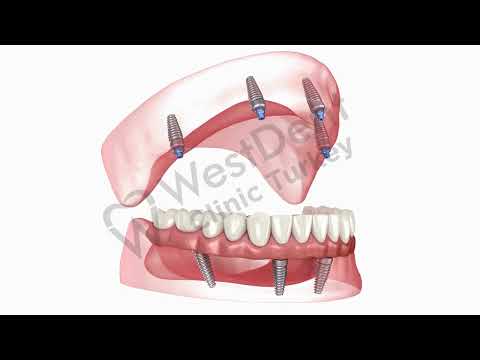
All-on-4 or All-on-6 Systems: Designed for patients missing an entire arch of teeth. This technique strategically places four to six implants into the jawbone at specific angles to maximize contact with existing bone, often avoiding the need for extensive bone grafting. It supports a full fixed prosthesis.
Zygomatic Implants: For patients with severe upper jawbone loss who cannot undergo traditional bone grafting, these extra-long implants anchor directly into the dense zygomatic (cheek) bone. This is a highly specialized procedure that must only be performed by a highly experienced maxillofacial surgeon.
Key Patient Takeaway
Do not self-diagnose the type of implant system you need based on internet research. A clinical diagnosis using a 3D CBCT scan is the only definitive way to determine whether you have sufficient bone volume for a standard implant or if advanced techniques like All-on-4 are necessary.
Travel Logistics and the Treatment Timeline
One of the most common misconceptions about dental tourism is that the entire implant process can be completed in a single short vacation. In reality, traditional dental implants require at least two separate trips to Istanbul, spaced several months apart, to allow for safe biological healing.
Trip 1: Surgical Placement (Typically 5 to 7 days)
During your first visit, the clinical team will perform the final 3D imaging, extract necessary teeth, and surgically place the titanium implants. Depending on the stability of the implants, temporary prosthetics may be placed for aesthetic purposes. You will need to remain in the city for a few days so the surgeon can monitor initial healing and remove sutures.
The Healing Phase (3 to 6 months at home)
You will return home to allow osseointegration to occur. During this time, the bone tissue naturally grows around the titanium threads, locking the implant firmly in place. Rushing this phase significantly increases the risk of implant failure.
Trip 2: Final Restoration (Typically 7 to 10 days)
Once healing is verified, you will return to Istanbul. The surgeon will attach the abutments, take digital impressions, and a specialized dental laboratory will craft your permanent zirconia or porcelain crowns. Fitting and adjusting these final crowns takes multiple appointments over the course of a week.
What to Expect During Recovery
Understanding the postoperative recovery phase helps manage expectations and promotes better healing. The initial recovery from the surgical placement is generally manageable, but adherence to your surgeon's aftercare instructions is crucial for preventing infection.
| Timeframe | Biological Process | Patient Sensation | Action Required |
|---|---|---|---|
| Days 1-3 | Initial blood clot formation and tissue inflammation. | Mild to moderate swelling, minor bleeding, and localized discomfort. | Apply ice packs, eat soft foods, avoid rigorous rinsing. |
| Days 4-7 | Soft tissue begins closing over the surgical site. | Swelling subsides, mild tenderness remains. | Maintain oral hygiene carefully, attend suture removal appointment. |
| Weeks 2-4 | Early stages of bone remodeling around the implant threads. | Generally pain-free, gums appear healed on the surface. | Avoid chewing hard foods directly on the implant site. |
| Months 3-6 | Full osseointegration; bone is densely fused to the titanium. | No sensation or pain. Implant feels perfectly stable. | Prepare for second trip to receive final permanent crowns. |
If you experience severe, throbbing pain, excessive bleeding, or a high fever in the days following surgery, these are warning signs of potential complications. You must contact your clinical provider or seek immediate emergency medical care.
Potential Risks and Complication Management
No surgical procedure is without risk. While dental implant success rates are clinically high when performed by skilled surgeons on healthy patients, you must be aware of potential complications. Traveling internationally for care means you must carefully consider how issues will be managed once you return home.
Biological risks include infection at the implant site, damage to surrounding teeth or blood vessels, and sinus problems if implants placed in the upper jaw protrude into the sinus cavity. In rare cases, nerve damage can occur, leading to pain, numbness, or tingling in your natural teeth, gums, lips, or chin.
The most significant risk is implant failure, where the bone fails to fuse properly with the metal post. This can happen due to poor bone density, uncontrolled diabetes, heavy smoking, or surgical error.
Before committing to a clinic in Istanbul, ask for a written copy of their revision and complication policy. Reputable centers typically offer guarantees on the implant hardware and will provide revision surgery at no additional surgical cost if integration fails, though you will likely be responsible for your travel expenses.
Preparing for Your Dental Journey to Turkey
Thorough preparation minimizes anxiety and ensures a smoother medical travel experience. Once you have vetted your clinic and confirmed your surgeon’s credentials, you must focus on the logistics of medical travel to Istanbul.
Check the visa requirements for your nationality well in advance. Many international travelers can easily obtain an e-Visa online prior to arrival in Turkey. Ensure your passport is valid for at least six months beyond your planned date of entry.
Communicate your complete medical history to your chosen clinic before booking flights. Provide a list of all current medications, especially blood thinners or osteoporosis drugs, as these directly impact surgical safety and bone healing. Finally, arrange accommodations near the clinic to minimize travel stress on the days immediately following your surgery.
Frequently Asked Questions
Below are detailed answers to common concerns patients have when researching restorative dental care in Istanbul.
Are dental implants in Istanbul safe?
Yes, the procedure is generally safe when performed by a specialist registered with the Turkish Dental Association in a clinic officially licensed by the Turkish Ministry of Health. However, patient safety always depends on proper vetting, clinical hygiene, and the individual’s baseline health.
Why are dental implants cheaper in Turkey than in the UK or US?
The lower cost is primarily due to the strength of foreign currencies against the Turkish Lira, lower operational and labor costs, and government subsidies supporting medical tourism. Reputable clinics still use high-quality, internationally recognized implant brands.
How long do I need to stay in Istanbul for the first stage?
Most clinics recommend staying in Istanbul for 5 to 7 days during the surgical placement stage. This allows sufficient time for the procedure, a few days of monitored healing, and a final check-up before you fly home.
Can I get my implants and crowns in a single trip?
While "teeth in a day" protocols exist, they usually involve temporary crowns. True osseointegration requires 3 to 6 months. For permanent, durable restorations, you typically must return for a second trip after the bone has fully healed.
What happens if my dental implant fails after I return home?
Top-rated clinics offer warranties on the implant materials and will often perform revision surgeries without clinical fees if integration fails. However, you will likely need to cover the cost of travel back to Istanbul. Always get this policy in writing beforehand.
How do I know what brand of implant is being used?
Your dentist should provide a treatment plan that specifies the exact brand of the implant (e.g., Straumann, Nobel Biocare, Osstem). Following the surgery, you should receive a physical implant passport or certificate verifying the brand and serial number used.
Is bone grafting always necessary for dental implants?
No, bone grafting is only necessary if your 3D CBCT scan reveals that your jaw lacks sufficient bone density or volume to anchor the implant securely. Your surgeon will confirm this during your clinical consultation.
Do dental clinics in Istanbul speak English?
Clinics licensed for international health tourism typically have fluent English-speaking patient coordinators on staff. Many leading oral surgeons have also trained or attended conferences internationally and speak proficient English.
Can I smoke during the dental implant process?
Smoking significantly restricts blood flow to the gums and greatly increases the risk of implant failure and infection. Surgeons strongly advise patients to stop smoking weeks before the surgery and throughout the entire healing phase.
How do I pay for dental treatment in Turkey?
Most major clinics accept international credit cards, bank transfers, and cash payments in foreign currencies like USD, EUR, or GBP. Check with your clinic regarding any transaction fees or payment schedules required before the procedure.
Take the Next Step in Your Dental Journey
Finding a credentialed and trustworthy dental clinic in a foreign country can feel overwhelming. PlacidWay can help you compare vetted providers, understand your treatment costs, and request essential clinical information directly from certified specialists in Istanbul.
Request Information TodayDisclaimer: This information is for educational purposes only and does not replace professional medical advice. Always consult a qualified healthcare provider before making medical decisions.
References
- T.C. Sa?l?k Bakanl??? (Republic of Turkey Ministry of Health) – Healthcare Regulations
- Türk Di?hekimleri Birli?i (Turkish Dental Association) – Professional Standards
- National Center for Biotechnology Information (NCBI) – Clinical Outcomes of Dental Implants
- World Health Organization (WHO) – Oral Health Fact Sheet
- Turkish Statistical Institute (TÜ?K) – Health Tourism Statistical Reports 2024
- FDI World Dental Federation – Global Oral Health Guidelines





















Share this listing