

内容
泰国当之无愧地享有“亚洲牙科中心”的美誉。几十年来,对于希望以远低于本国价格获得高质量牙齿修复的澳大利亚、美国和欧洲人来说,泰国一直是他们的首选目的地。无论是在繁华的曼谷大都会,还是在海滨天堂普吉岛,泰国的牙科诊所都以其时尚现代的设施而闻名,其水平往往堪比五星级酒店。
在这里做牙齿种植并非为了偷工减料,而是为了获得世界一流的专业技术。泰国牙医以其精湛的技艺和高超的医术而闻名,许多牙医持有美国、英国或德国的专业认证。他们使用Straumann和Nobel Biocare等全球顶级种植体品牌,确保您的种植效果持久耐用,并获得国际认可。
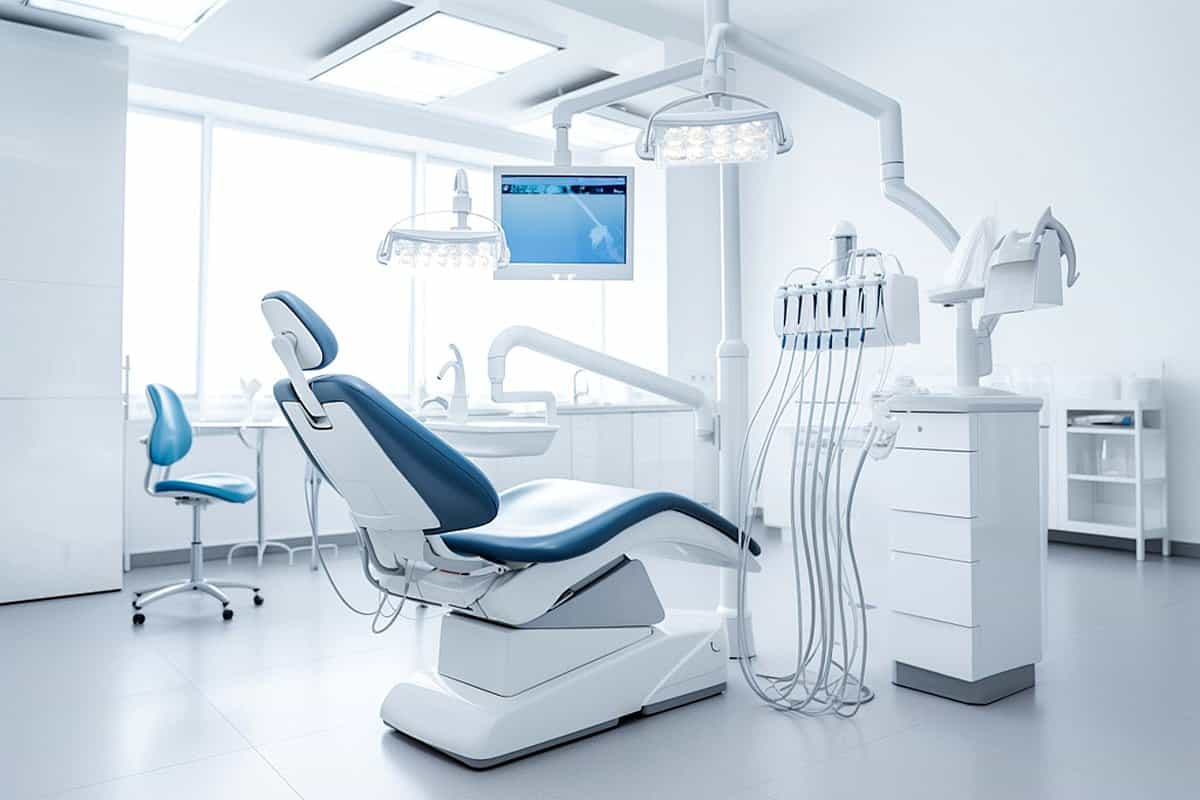
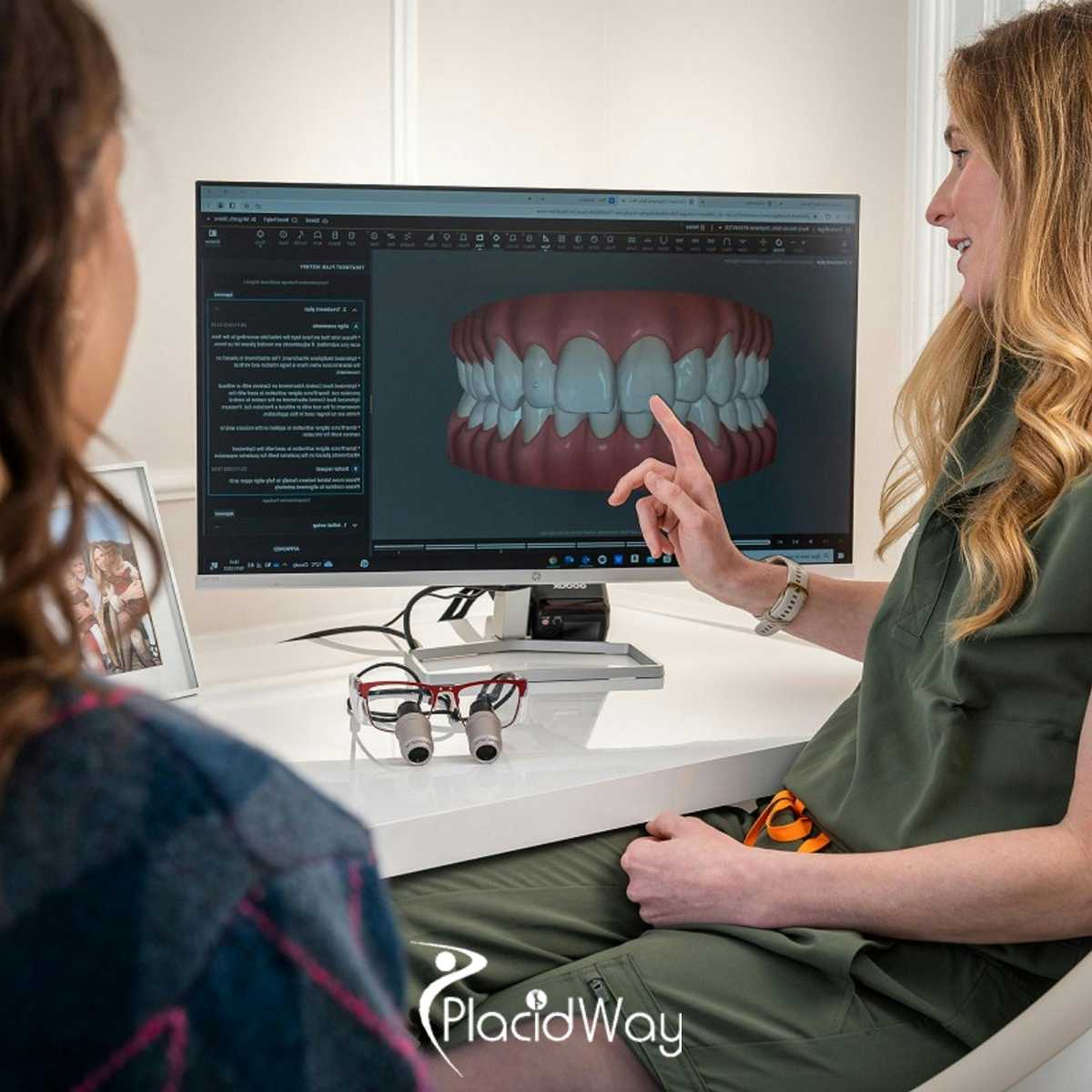
整个就诊过程流畅便捷。诊所配备了现场 CBCT(3D)扫描仪和数字化实验室,可实现精准的治疗方案规划和更快的治疗速度。从单颗牙齿修复到复杂的“All-on-4”全口重建,泰国都能提供解决方案,让您重拾自信笑容。
除了诊疗椅之外,“微笑王国”还提供舒适的恢复环境,卓越的服务是这里的文化常态,让您的牙科之旅尽可能轻松无压力。
你可知道?
泰国是亚洲首个获得JCI(国际联合委员会)医院认证的国家。这种对质量的执着也体现在其专业的牙科医院上,其中许多医院都通过了ISO 9001认证,并且是大型医疗中心,而非小型单人牙医诊所。
关键信息概览
与澳大利亚、美国或英国相比,预计植牙手术费用可节省 50% 至 70%。
诊所使用 Straumann、Nobel Biocare 和 Osstem 等顶级品牌,通常提供国际保修。
标准使用 3D CT 扫描 (CBCT) 和 CAD/CAM 技术进行精确定位和定制牙冠。
治疗由专业的种植牙医生和修复牙医生进行,而不是由普通牙医进行。
对于合适的候选人,可进行即刻负重种植牙(当天即可完成植牙),从而减少出行时间。
将牙科治疗与在世界级旅游胜地度假结合起来,该胜地以其海滩和文化而闻名。
“牙科医院”
与西方牙医通常在小型独立诊所工作不同,曼谷以其“牙科医院”而闻名。这些多层建筑完全致力于牙科诊疗,将数十位专家、院内实验室和手术室集中于同一屋檐下。这种规模确保了极高的效率和质量控制。
旅行就医,便捷至上。我们合作的牙科中心提供全面的套餐服务,让您省心省力。这些套餐通常包含3D CT扫描(安全至关重要)、钛种植体、基台以及最终的瓷冠或氧化锆冠。许多高级套餐还包含机场接送、合作酒店折扣以及免费咨询。
注意:标准种植牙通常需要两次就诊(一次植入,一次安装牙冠),两次就诊间隔 3-6 个月。All-on-4 全口种植牙手术根据具体方案,可能一次就诊即可完成。
费用是牙科旅游的主要驱动因素,而泰国在这方面性价比极高。在美国或澳大利亚,一颗种植牙加牙冠的费用可能高达 4,000 至 6,000 美元,而在泰国,使用同样的顶级品牌进行同样的治疗,费用通常在 1,000 至 1,800 美元之间。对于 All-on-4 等全口重建项目,节省的费用可达数万美元,足以支付一次豪华假期的费用。
提示:务必索取费用明细。有些报价可能会将种植体本体的价格与基台和牙冠的价格分开列出。
Dental Implants 成本比较 Thailand
| 国家 | 程序 | 价格 |
|---|---|---|
| Australia | Dental Implants, Dentistry | $3356 |
| Canada | Dental Implants, Dentistry | $3000 |
| United States | Dental Implants, Dentistry | $3500 |
| United Kingdom | Dental Implants, Dentistry | $2500 |
我们精心挑选了泰国最负盛名的牙科中心,重点关注那些获得JCI或ISO认证的机构。这些诊所位于曼谷、普吉岛、清迈和芭堤雅等主要城市中心。它们以配备先进的消毒中心(高压灭菌器)、现代化的数字成像设备以及能够流利使用英语、服务国际患者的医护人员而著称。
安全第一:寻找能够为您的种植体提供“真品证书”的诊所,这样您就可以在回国后使用该证书进行维护。
Digital Dental Center Pattaya
Pattaya, Thailand
眼见为实。以下视频证词均来自真实患者,其中许多来自澳大利亚、英国和美国,他们前往泰国接受牙科治疗。他们分享了自己关于疼痛程度、诊所卫生状况、与牙医沟通以及新笑容给他们生活带来的改变等方面的真实经历。这些故事对于设定合理的预期非常有帮助。
洞察:许多患者都强调泰国牙医“手法轻柔”,这是他们就医体验中的一个重要积极因素。
真实评价是信任的基石。我们收集了在泰国完成种植牙疗程的患者的反馈。这些评价一致称赞该疗程的高效性、最终牙冠的美观度以及显著的费用节省。阅读这些评价有助于您找到那些在患者护理和售后服务方面格外用心的诊所。
评论提示:查看术后 6 个月以上的患者的评论,以了解手术的长期效果。
How Much Does Dental Implants Cost in Bangkok, Thailand?
Dental implants in Bangkok typically cost between $1,000 and $2,500 per tooth. This estimated price usually includes the implant post abutment and a standard crown but varies based on case complexity materials used and the specific clinic selected. Key Takeaways The average cost for a single implant in Bangkok is significantly lower than in North America or Europe. Total pricing depends heavily on the need for extractions, bone grafting, and the type of crown material selected. Treatment typically requires two separate trips to Thailand spaced several months apart to allow for proper healing. Patients must verify clinic accreditations and the dentists specialty training before committing to treatment. Proper aftercare and avoiding tobacco are essential for the long-term success of the implant. What Is The Average Cost Of Dental Implants In Bangkok? The average price for a single dental implant in Bangkok ranges from $1,000 to $2,500 depending on the materials and clinic. Full mouth restorations like All-on-4 may cost between $8,000 and $12,000 per arch. Patients traveling from Western countries often find significant savings when exploring Dental Implants cost in Thailand. While prices are lower, this does not inherently mean lower quality, as many facilities maintain strict international standards and utilize modern dental technology to achieve favorable clinical outcomes. It is crucial to understand that the base price advertised might only cover the titanium post itself. Comprehensive quotes should always be requested to account for preliminary consultations, necessary imaging, the connecting abutment, and the final porcelain or zirconia crown. Furthermore, complex cases requiring extractions, sinus lifts, or bone grafting will naturally increase the total expenditure. Patients should always compare detailed, itemized treatment plans from multiple facilities before making a final decision on their care. Procedure Type Estimated Cost (Bangkok) Estimated Cost (US/UK) Single Implant (Post Only) $600 - $1,200 $1,500 - $3,000 Single Implant (Complete with Crown) $1,000 - $2,500 $3,000 - $5,000+ Bone Grafting (Per Site) $200 - $500 $400 - $1,200 All-on-4 System (Per Arch) $8,000 - $12,000 $15,000 - $25,000+ What Factors Influence The Final Dental Implants Cost In Thailand? The final price depends on the chosen implant brand the need for preliminary procedures and the expertise of the dental specialist. Geographic location within the city and clinic amenities also play a significant role in pricing. Brand of the implant system used, prioritizing internationally recognized or FDA-cleared systems for reliability. Necessity of additional preparatory procedures like sinus lifts or bone grafting to ensure adequate bone volume. Material chosen for the final crown, with premium zirconia typically costing more than standard porcelain options. Experience and specialized training of the oral surgeon or prosthodontist performing the complex surgical placement. Technological advancements utilized during the procedure, such as 3D imaging and computer-guided placement systems. The specific Dental Implants clinic in Thailand selected, as premium facilities in central districts may charge higher administrative fees. What Is Included In The Total Price Of A Dental Implant Procedure? A comprehensive dental implant quote typically includes the titanium root the connecting abutment and the custom-made crown. However patients must verify if consultations imaging and anesthesia are part of the initial package. When reviewing treatment plans for Dental Implants in Thailand, clarity is essential. A standard procedure is completed in multiple stages, and some facilities might price each stage separately. The implant post itself is merely the structural foundation placed into the jawbone. Following the requisite healing period, an abutment is attached to the post to securely hold the replacement tooth. The final stage involves placing the custom-designed crown. Patients should proactively ask if laboratory fees for crafting the crown are included in the initial estimate provided by the clinic. Additional costs to anticipate might include panoramic X-rays, CBCT scans, local anesthesia or intravenous sedation, and post-operative medications. Requesting a transparent, itemized bill helps avoid unexpected out-of-pocket expenses during the medical journey. Did You Know? Osseointegration is the biological process where the jawbone physically fuses with the titanium implant post. This critical phase can take anywhere from three to six months and is vital for the long-term stability of the new tooth. How Do I Choose A Reliable Dental Implants Clinic In Thailand? Selecting a trustworthy facility involves verifying the dentists credentials reviewing patient testimonials and checking for international accreditations. Ensuring the clinic uses recognized implant brands and modern technology is also vital for safety. Check for international accreditations like JCI which indicate strict adherence to global safety and quality protocols. Verify the dentists educational background specialty training in implantology and professional certifications. Request to review before and after photos of previous patients with similar complex dental conditions. Inquire about the specific brands of implants used to ensure they are internationally recognized and backed by clinical research. Evaluate the transparency of their communication and their willingness to provide detailed itemized treatment plans before travel. Assess the clinics infection control standards and emergency protocols to prioritize patient safety during treatment. What Materials Are Typically Used For Dental Implants In Bangkok? The most common materials used for the implant post are titanium and zirconium due to their high biocompatibility. The visible crown is usually crafted from porcelain fused to metal all-ceramic or highly durable zirconia material. Titanium remains the standard choice for implant posts globally due to its exceptional ability to fuse with the human jawbone in a predictable manner. It is highly durable and has a long, documented track record of clinical success across diverse patient profiles. For patients with specific metal allergies or those preferring holistic alternative options, zirconia implants are sometimes available at specialized clinics. These are metal-free, white-colored posts that offer excellent aesthetics and gum tissue compatibility, though they may be less common than traditional titanium. The choice of material for the final crown significantly impacts both overall aesthetics and total cost. Zirconia crowns are often favored for their incredible strength and natural light-reflecting properties, making them ideal for both prominent front teeth and heavy-chewing back teeth restorations. What Is The Typical Timeline For Getting Dental Implants In Bangkok? The traditional implant process usually requires two trips to Bangkok spaced several months apart. The first trip involves placement while the second trip focuses on attaching the permanent crown after the jawbone has healed sufficiently. During the initial visit, the dental specialist will perform necessary extractions, potentially place a bone graft if required, and insert the titanium post into the jaw. This trip typically requires a stay of five to ten days to allow for initial healing and post-operative follow-up examinations. After the post is securely placed, a healing period of three to six months is generally required for proper osseointegration. During this crucial time, the bone grows around the implant, creating a stable foundation for the artificial tooth. Temporary teeth may be provided during this phase for aesthetic purposes. The second visit involves exposing the integrated implant, attaching the abutment, and taking precise impressions for the final crown. The dental laboratory will then craft the custom crown, which is permanently cemented or screwed into place before the patient is medically cleared to return home. Important Consideration Patients must budget for the cost of two separate international flights and two hotel stays when calculating the total cost of their dental implant journey. Remote consultations can help determine exact timeline requirements before booking travel. Are There Risks Associated With Getting Dental Implants Abroad? Like any surgical procedure dental implants carry risks such as infection nerve damage or implant failure. Traveling abroad adds considerations regarding long-distance travel during recovery and managing potential complications once back home. Risk of infection at the implant site which requires prompt antibiotic treatment and specialized follow-up care. Potential for nerve damage causing numbness or tingling in the natural teeth gums lips or chin area. Implant rejection or failure to integrate with the jawbone often linked to smoking or poor initial bone density. Challenges in receiving immediate follow-up care if unexpected complications arise after returning to the home country. Differences in legal recourse and malpractice regulations compared to the established protections in the patients home country. The physical stress of long-haul flights shortly after surgery which may increase swelling or discomfort during travel. How Does Medical Tourism In Thailand Benefit Dental Patients? The primary benefit is access to complex dental restorations at a fraction of Western prices. Additionally patients can recover in a tropical destination while receiving care in modern internationally accredited medical facilities. The steady growth of medical tourism in Thailand is largely driven by the compelling combination of affordability and high standards of medical care. Patients can often save a significant amount on complex, multi-stage procedures like full mouth restorations compared to the prohibitive prices often found in North America or Europe. Beyond mere cost savings, many specialized dental facilities in Bangkok are equipped with modern technology, including 3D cone beam scanners and in-house digital laboratories. This advanced equipment allows for precise surgical planning and faster turnaround times for creating custom prosthetics. The experience of recovering in a well-known, hospitable destination adds to the overall appeal. Patients can combine their necessary clinical treatments with a relaxing environment, making the overall experience less stressful while they heal from their surgical procedures. What Aftercare Is Required Following Dental Implant Surgery? Proper aftercare involves maintaining excellent oral hygiene adhering to a soft food diet initially and attending regular dental checkups. Avoiding smoking is critical as it significantly increases the risk of implant failure during healing. Brush twice daily and floss regularly using specific non-abrasive tools recommended for implant care to prevent harmful plaque buildup. Stick to a soft diet for the first few weeks to avoid placing undue stress on the newly placed implants and surrounding delicate tissue. Attend routine professional cleanings and examinations with a local dentist to monitor the ongoing health of the implants. Avoid smoking or using tobacco products entirely as they severely restrict blood flow and drastically hinder the biological healing process. Wear a customized nightguard if you have a known habit of grinding your teeth to protect the ceramic crowns from chipping or fracturing. Promptly report any signs of persistent pain excessive swelling or loosening of the implant to a qualified dental professional. Why Choose PlacidWay For Your Dental Journey? PlacidWay provides a comprehensive medical resource platform to help patients explore healthcare options globally. Our platform connects individuals with accredited facilities and provides transparent information for informed decision-making. Provides access to a vast network of carefully evaluated and internationally recognized healthcare facilities worldwide. Offers transparent pricing estimates allowing patients to compare costs and budget effectively for their procedures. Facilitates direct communication between patients and medical providers to ensure all clinical questions are answered. Supplies detailed profiles of medical centers including accreditation status available technology and authentic patient reviews. Empowers patients with comprehensive educational resources to understand treatment options and potential risks without pressuring them into specific choices. Frequently Asked Questions (FAQs) Do dental implants function like natural teeth? Dental implants are designed to closely mimic the function and appearance of natural teeth. Because the titanium post is anchored securely into the jawbone, it provides a stable foundation that prevents slipping or clicking. This stability allows patients to bite, chew, and speak with confidence, functioning much like a healthy natural tooth would in daily activities. Am I a suitable candidate for dental implant surgery? Suitable candidates generally possess healthy gums and adequate bone density to securely hold the implant in place. Good overall health is also important, as chronic conditions like uncontrolled diabetes or autoimmune disorders can impair healing. A comprehensive evaluation by a dental professional, including 3D imaging, is required to determine if this treatment is a safe and viable option for your specific case. Is the dental implant procedure uncomfortable? The surgical placement of dental implants is typically performed under local anesthesia or intravenous sedation, which numbs the area and minimizes pain during the procedure. While patients may experience some swelling, bruising, and mild discomfort in the days following the surgery, these symptoms are generally manageable with prescribed or over-the-counter pain medications and proper rest. How long can dental implants typically last? With rigorous oral hygiene and regular professional checkups, the titanium implant post can potentially last for many years. The visible crown attached to the post may experience wear and tear over time and might require replacement after ten to fifteen years, depending on the patients dietary habits and whether they grind their teeth at night. Will I need a bone graft before the implant surgery? A bone graft may be necessary if a patient has experienced significant jawbone loss due to periodontal disease or prolonged tooth absence. The graft adds volume and density to the jaw, ensuring there is a solid foundation to support the implant post securely. Your dentist will determine if this preliminary procedure is needed after reviewing your initial X-rays and scans. Can I eat normally after getting dental implants? Immediately following the surgery, patients must adhere to a strict soft-food diet to avoid placing stress on the healing surgical site. Once the implant has fully integrated with the bone and the permanent crown is securely attached, patients can generally return to a normal diet, enjoying their favorite foods without the restrictions often associated with traditional removable dentures. How soon can I fly after dental implant placement in Bangkok? Most dental professionals recommend waiting at least two to three days before taking a short flight, and potentially up to a week for long-haul international flights. Flying too soon after oral surgery can exacerbate swelling and discomfort due to cabin pressure changes. Always consult with your treating dentist for personalized travel clearance based on the complexity of your procedure. What happens if my body rejects the dental implant? True allergic rejection of titanium is extremely rare. However, an implant can fail to integrate with the jawbone, a condition often caused by infection, smoking, or insufficient bone density. If an implant fails, the dentist will typically remove it, allow the area to heal completely, and evaluate whether a second attempt with a bone graft or a different restorative approach is appropriate. Are consultations required before traveling for dental work? Yes, engaging in preliminary remote consultations is highly recommended before booking travel. Patients should share their current dental X-rays, medical history, and specific concerns with the overseas clinic. This allows the dental team to provide a more accurate preliminary treatment plan, timeline, and cost estimate, ensuring the patient is a viable candidate before making the journey. How do I maintain oral hygiene with new dental implants? Maintaining dental implants requires a commitment to excellent daily oral hygiene, very similar to caring for natural teeth. This includes brushing at least twice a day with a soft-bristled toothbrush, using non-abrasive toothpaste, and cleaning between the teeth daily with specialized floss or water flossers. Regular professional cleanings are also vital to monitor the health of the surrounding gum tissue. Compare Dental Implant Options Today Explore internationally accredited facilities and receive detailed cost estimates for your procedure to make an informed decision about your oral health. Request Treatment Information Medical Disclaimer: This content is for informational purposes only and does not substitute for professional medical advice, diagnosis, or treatment. References Dental Implants – WebMD Dental Implant Surgery – Mayo Clinic Dental Implants Overview – Cleveland Clinic Dental Implants Medical Encyclopedia – MedlinePlus Implants Patient Information – MouthHealthy (American Dental Association) Tooth Loss and Implants – National Institute of Dental and Craniofacial Research
Is Thailand a Good Place to Get Dental Implants?
Yes, Thailand is widely considered a good destination for dental implants. It combines highly trained dental professionals, modern technology, and strong safety standards, making it a leading hub for international patients seeking restorative care. If you are exploring options for restoring missing teeth, you might be wondering if traveling abroad makes sense. Getting dental implants in Thailand has become increasingly popular for international patients seeking high-quality care combined with an opportunity to visit Southeast Asia. The country has spent decades building a robust healthcare infrastructure focused on treating patients from all over the globe. However, pursuing dental surgery overseas requires careful planning. While the destination offers numerous benefits, it is crucial to understand the medical processes, required travel commitments, and how to safely navigate healthcare outside your home country. This guide breaks down everything you need to know to decide if this path aligns with your dental health needs. Key Takeaways Thailand is home to many internationally accredited dental centers staffed by experienced prosthodontists and implantologists. Traditional implant procedures typically require at least two separate trips spaced several months apart for proper healing. Reputable Thai facilities utilize major global implant brands, ensuring your local dentist can maintain them later. Patients must account for travel expenses, accommodation, and the need for local follow-up care when planning their budget. Comprehensive pre-travel medical evaluations are necessary to determine if you have sufficient bone density for the procedure. Why do patients travel for dental implants in Thailand? Patients often choose Thailand for dental implants due to a combination of experienced dental professionals, modern clinical facilities, and the availability of advanced restorative treatments. The primary driver for international patients heading to Southeast Asia is the standard of dental care available. Many dentists practicing in major urban centers have undergone extensive postgraduate training, often in the United States, Europe, or Australia. This international education helps ensure that they are familiar with global best practices in oral surgery and implantology. Furthermore, facilities catering to international patients invest heavily in modern dental technology. You can typically find 3D Cone Beam CT scanners, digital impression wands, and in-house dental laboratories that streamline the fabrication of custom crowns. This technological capability allows for precise surgical planning, which is essential for safely placing titanium posts into the jawbone while avoiding critical nerves and sinus cavities. Beyond the clinical aspects, the high standard of hospitality plays a role. Clinics often prioritize patient comfort, offering dedicated international patient coordinators who assist with everything from translating medical documents to explaining complex treatment plans in clear English. What is the typical dental implants cost in Thailand compared to other countries? The dental implants cost in Thailand is typically lower than in North America or Western Europe, though exact prices vary based on the materials used and the complexity of the procedure. When comparing prices, patients often find that treatment estimates in Thailand are more accessible than out-of-pocket costs in their home countries. This difference is largely driven by a lower cost of living, reduced overhead expenses for clinic operators, and different malpractice insurance structures, rather than a reduction in the quality of medical materials. However, a single advertised price rarely tells the whole story. A complete implant restoration involves several components: the titanium post itself, the abutment (the connecting piece), and the final porcelain or zirconia crown. You also need to budget for consultations, 3D imaging, extractions if necessary, and potentially bone grafting if your jawbone lacks the density to support the implant. When budgeting, it is essential to calculate the total cost of the trip. Airfare, hotels for two separate visits, ground transportation, and travel insurance must all be factored into your financial planning. Requesting a highly detailed, itemized treatment plan from your chosen provider helps avoid unexpected expenses once you arrive. Are the materials used for dental implants in Thailand high quality? Reputable dental providers in Thailand typically use internationally recognized implant brands and materials made from durable medical-grade titanium and zirconia. One of the most frequent concerns patients have about traveling for dentistry is the quality of the materials going into their bodies. Established dental centers in Thailand utilize the exact same global implant brands—originating from countries like Switzerland, Germany, the United States, and South Korea—that your local dentist would use. Using globally recognized brands is vital for long-term safety and maintenance. Implants require specialized tools, screwdrivers, and torque wrenches that are specific to the manufacturer. If a clinic uses a rare or localized brand, your dentist back home may not have the compatible tools needed to tighten a loose abutment or replace a worn crown in the future. Before committing to treatment, always ask the provider which implant systems they use. They should be able to provide the manufacturer's name. After your procedure, ensure you leave the clinic with a "dental passport" or official documentation listing the exact serial numbers and specifications of your implants. How long do I need to stay in Thailand for a dental implant procedure? Getting a traditional dental implant usually requires two separate trips to Thailand, spaced several months apart, with each visit requiring a stay of about one to two weeks. Dental implants are not a quick fix; they require a biological process called osseointegration, where the titanium post physically fuses with your jawbone. Because of this, the treatment is broken down into distinct phases. Trip One (Surgical Phase): You will typically stay for 7 to 14 days. During this time, you undergo consultations, 3D scanning, and the surgical placement of the titanium implant. The extended stay allows the dentist to monitor your initial healing and remove stitches before you fly home. The Healing Period: You return home for 3 to 6 months. This waiting period is critical to allow the bone to heal securely around the implant, providing a stable foundation. Trip Two (Restorative Phase): You return to Thailand for another 7 to 14 days. The dentist takes impressions of your healed gums, custom manufactures your permanent crown, and secures it to the implant. Some clinics offer "immediate load" implants, where a temporary crown is placed on the same day as surgery. However, not all patients have the bone density or oral health required to be suitable candidates for this accelerated approach. A professional assessment is required to determine your eligibility. Important Consideration: Long flights shortly after oral surgery can increase the risk of minor bleeding or swelling due to cabin pressure changes. Plan to rest locally for a few days post-surgery before boarding a flight. How do I choose a safe dental implants clinic in Thailand? Selecting a safe dental implants clinic in Thailand involves researching the facility’s international accreditations, verifying the dentist's credentials, and reviewing their infection control protocols. Patient safety must always take precedence over cost savings. Because regulations vary by country, the responsibility falls heavily on the patient to perform due diligence before booking an appointment. Start by looking for facilities that hold international accreditations, such as from the Joint Commission International (JCI), or those that adhere strictly to ISO standards for sterilization and clinical governance. These accreditations mean the clinic submits to voluntary external audits regarding patient safety, hygiene, and emergency preparedness. Next, examine the credentials of the specific dentist who will perform the surgery. Dental implant placement is a complex surgical procedure. You want a specialist—such as a prosthodontist, periodontist, or oral surgeon—who has documented, formal postgraduate training in implantology, rather than a general dentist who only places a few implants a year. What are the risks and complications of getting dental work abroad? Potential risks include infection, implant failure, nerve damage, and the logistical challenges of managing post-operative complications once you return to your home country. Every medical procedure carries inherent risks, and dental implants are no exception. Standard surgical risks include localized infection at the implant site, damage to surrounding teeth or blood vessels, and nerve damage that can cause tingling or numbness in your natural teeth, gums, lips, or chin. For upper jaw implants, there is also a risk of the implant protruding into the sinus cavity. Receiving treatment abroad adds logistical risks. If an implant fails to integrate with the bone, or if you develop peri-implantitis (an inflammatory condition affecting the tissues around the implant), addressing it requires immediate attention. Traveling back to Thailand for remedial work may be impractical or expensive. Because of this, it is essential to establish a relationship with a local dentist in your home country before you travel. You need a professional willing to take on your maintenance and help manage any minor complications or routine cleanings once you return. Is communication a barrier when receiving dental care in Thailand? Communication is rarely a significant barrier at major dental centers in Thailand, as many dentists and staff members catering to international patients speak fluent English. Clear communication is a critical component of medical safety. You must be able to accurately convey your medical history, any allergies you have, and the medications you currently take. Equally, you need to fully understand the proposed treatment plan, the risks involved, and the detailed aftercare instructions. Fortunately, facilities focused on treating international patients prioritize multilingual communication. Dentists who have studied abroad often speak excellent English. Additionally, large clinics typically employ dedicated patient coordinators who can bridge any language gaps and ensure that all medical documentation is provided to you in a language you comprehend. During your initial virtual consultations, gauge the clarity of communication. If you find it difficult to get direct answers to your medical questions, or if treatment plans are confusing, consider that a sign to evaluate other providers. What happens if my dental implant fails after I return home? If an implant fails after returning home, you will need to seek immediate care from a local dentist, which may incur additional out-of-pocket expenses for removal or corrective treatment. While implant success rates are generally high in suitable candidates, failures can happen. Early failure usually occurs if the bone does not fuse to the implant properly, or if an infection develops during the healing phase. Late failure can happen years later due to poor oral hygiene or excessive biting forces. If you experience severe pain, excessive swelling, or feel the implant loosening after you have flown home, you cannot wait for your next scheduled trip to Thailand. You must visit a local dental professional. They may need to prescribe antibiotics, adjust the implant, or in severe cases, surgically remove the failing post. Managing complications locally means you will be financially responsible for that treatment at your home country’s standard clinical rates. When assessing the financial benefits of traveling for care, you should always reserve an emergency fund to handle potential local follow-up needs. Am I a suitable candidate for medical tourism in Thailand for dental implants? Suitable candidates for medical tourism in Thailand are typically in good general health, have adequate jawbone density, and are prepared for the travel demands associated with international healthcare. Not everyone is an ideal candidate for traveling abroad for complex oral surgery. Your physical health plays a major role in the success of the treatment. Conditions like uncontrolled diabetes, autoimmune disorders, or a history of radiation therapy to the head and neck can impede bone healing and increase the risk of implant failure. Heavy smoking is also a significant contraindication for implant surgery. Furthermore, psychological readiness is essential. Traveling across time zones, navigating a different culture, and undergoing surgery away from your usual support network can be stressful. Ideal candidates approach the journey with patience, flexibility, and a thorough understanding that medical procedures cannot be rushed to fit a vacation schedule. Before making any travel plans, you should ideally have a consultation with a local dentist. Having a preliminary panoramic X-ray or 3D scan done at home allows you to send accurate medical files to clinics in Thailand. This enables them to provide a realistic assessment of your eligibility and alert you if extensive bone grafting will be required. Why Choose PlacidWay for Medical Tourism? Navigating international healthcare options can be overwhelming. PlacidWay serves as a comprehensive resource for patients researching medical travel options globally. Here is how the platform can assist you in your planning process: Extensive Provider Directory: PlacidWay offers access to profiles of numerous dental clinics and medical facilities in Thailand, allowing you to browse options in cities like Bangkok, Phuket, and Chiang Mai. Educational Resources: The platform provides detailed articles, cost comparisons, and procedural guides to help you understand what international dental care entails. Direct Communication: You can use the platform to send your questions and initial medical files directly to dental providers, facilitating early stage virtual consultations. Verified Information: PlacidWay displays clinic accreditations, dentist credentials, and spoken languages, helping you evaluate facilities based on factual data. Transparent Comparisons: By viewing multiple providers side-by-side, you can compare estimated treatment plans and facility capabilities without pressure to book immediately. Frequently Asked Questions Do I need a visa to get dental implants in Thailand? Visa requirements depend on your nationality and the length of your stay. Many international visitors can enter Thailand without a visa for short stays (typically 30 to 45 days), which is often sufficient for one phase of dental implant treatment. Always check current entry regulations with your local Thai embassy before booking travel. Can I get a full mouth restoration with implants in Bangkok or Phuket? Yes, many major dental centers in cities like Bangkok and Phuket offer full mouth restorations, such as all-on-4 or all-on-6 implant systems. However, these are complex procedures that require a thorough physical evaluation to determine if you have sufficient bone density and oral health to support them. What type of anesthesia is used for dental implants in Thailand? Most single implant placements are performed under local anesthesia to numb the surgical area. For more complex procedures, multiple implants, or anxious patients, some clinics offer IV sedation or general anesthesia, provided they have licensed anesthesiologists on staff. How soon can I fly after getting a dental implant in Thailand? Dentists usually recommend waiting a few days after the surgical placement of an implant before flying. Changes in cabin pressure can sometimes cause discomfort or minor bleeding. Additionally, resting locally allows you to attend a crucial post-operative check-up before heading home. Are bone grafts performed alongside dental implants in Thailand? Yes, if a pre-surgical 3D scan reveals inadequate jawbone density, Thai dental surgeons can perform bone grafting. Depending on the extent of the graft, it may be done simultaneously with the implant placement or require a separate healing period of several months before the implant can be placed. Can I combine a holiday with my dental implant surgery in Thailand? Many patients do combine treatment with a vacation, but you should plan your itinerary carefully. It is highly advisable to complete any strenuous activities, swimming, or remote travel before your surgery, as post-operative care requires rest, soft foods, and proximity to your dental clinic. Will my local dentist be able to maintain my Thai dental implants? Generally, yes, provided your Thai dentist uses an internationally recognized implant brand. You should always request documentation detailing the exact brand, size, and model of your implants and abutments so your local dentist has the right tools to clean or adjust them. How long does the healing process take before the crown is attached? The process of osseointegration, where the implant fuses with your jawbone, typically takes between three and six months. During this healing period, you will usually wear a temporary crown or denture before returning to have the final, permanent crown attached. What should I pack for my dental tourism trip to Thailand? Pack all your medical and dental records, a list of current medications, comfortable clothing for recovery, and any prescribed antibiotics or pain relievers you already use. It is also helpful to bring soft, non-perishable snacks, though Thai supermarkets carry plenty of soft food options like yogurt and porridge. Are 3D scans typically included in Thai dental implant consultations? Most modern dental facilities in Thailand utilize CBCT (Cone Beam Computed Tomography) 3D scanners during the initial consultation. These scans are vital for safely mapping the jawbone, avoiding nerves, and planning the precise angle for the implant. Whether the cost is included or billed separately depends on the specific clinic's pricing structure. Explore Your Dental Restorative Options Gather information, compare reputable facilities, and connect directly with dental professionals in Thailand to see if treatment aligns with your needs. Request Treatment Information References Dental Implants Overview – American Dental Association (ADA) Medical Tourism Travel Health Information – Centers for Disease Control and Prevention (CDC) Dental Implant Surgery Risks and Procedure – Mayo Clinic Global Oral Health Initiatives – FDI World Dental Federation Osseointegration and Dental Implants – National Institutes of Health (NIH) Travel Health Guidelines – International Society of Travel Medicine (ISTM) Medical Disclaimer: The information provided in this article is for educational and informational purposes only and does not constitute medical advice, diagnosis, or treatment recommendations. Dental implants involve surgical risks, and outcomes vary by individual. Always consult with a qualified, licensed healthcare provider to evaluate your specific medical condition and suitability for any dental procedure, whether at home or abroad.
What I Wish I Knew Before Dental Implants in Thailand?
Before getting dental implants in Thailand, patients wish they had better understood the full two-trip timeline required for proper healing, researched specific dentist credentials beyond the clinic's reputation, and clarified the exact implant brand and warranty details upfront. Getting dental implants in Thailand is a popular choice, offering high-quality care and huge cost savings in a world-class setting. Its internationally accredited hospitals and skilled dentists, particularly in Bangkok and Phuket, provide a premier experience. . However, a successful trip requires more than just booking a flight. Many patients later wish they had better understood the practical realities beyond the low price, such as the mandatory two-trip timeline for proper healing and how to vet a dentist's specific qualifications. This guide uses the experiences of past patients to cover the critical details you need to know, from implant brands to recovery planning. Our goal is to provide the insider knowledge needed for a safe, successful, and affordable trip. How much can I realistically save on dental implants in Thailand? "You can realistically save 50-70% on the cost of dental implants in Thailand. A single implant that might cost $4,000-$6,000 in Australia or the U.S. typically costs between $1,200 and $2,500 in Thailand. For full-mouth restorations like All-on-4, savings can exceed $10,000-$15,000." Here's a simple breakdown of why dental care in Thailand is so affordable: The Reason for Savings: Lower operating costs for clinics (rent, salaries, utilities) in Thailand directly translate to lower prices for patients. Quality Is Not Sacrificed: At reputable, internationally recognized clinics, these savings do not come from using inferior materials or older technology. The Patient Benefit: This makes advanced treatments, like full-mouth reconstructions, a viable option for many who couldn't afford them back home. What are the potential extra costs to budget for? "The most common extra costs are for procedures diagnosed after an in-person examination, which are not in the initial quote. These include bone grafts (approx. $400-$1,000), sinus lifts (approx. $800-$2,000), and tooth extractions ($50-$150 per tooth). Your 3D CT scan may also be a separate fee." A frequent surprise for dental tourists is that the initial quote often excludes necessary prep work. It's common for an in-person 3D scan to reveal that your jawbone is too thin to support an implant, requiring an additional, costly procedure like a bone graft or sinus lift. Many patients wish they had asked for a "worst-case scenario" quote upfront to budget for these common possibilities. Additional Procedure Estimated Cost in Thailand (USD) Reason It Might Be Needed Bone Graft $400 - $1,000 Insufficient jawbone density to secure the implant. Sinus Lift $800 - $2,000 Needed for upper jaw implants when the sinus cavity is too close to the jaw. 3D Cone Beam CT Scan $150 - $400 Essential for precise surgical planning; sometimes billed separately. Tooth Extraction $50 - $150 Removing a failing or damaged tooth before implant placement. How do I verify a Thai dentist's qualifications? "To verify a dentist's qualifications in Thailand, ask for their credentials and look for postgraduate degrees in Implantology or Prosthodontics, especially from universities in the U.S., UK, or Germany. Check if they are a member of the Thai Dental Council and international bodies like the International Congress of Oral Implantologists (ICOI)." Many patients wish they had vetted their specific surgeon more carefully. Here is a checklist to use: Look for a Specialist: Ensure they are a trained implantologist or prosthodontist, not a general dentist. Verify Advanced Training: Check for postgraduate degrees from reputable universities abroad (e.g., U.S., UK, Germany), as this indicates adherence to the highest global standards. Ask About Experience: Inquire about the number of implant procedures they perform annually. Request a Portfolio: Ask to see before-and-after photos of cases that are similar to yours. What does JCI accreditation really mean? "JCI (Joint Commission International) accreditation means a hospital or clinic has met rigorous international standards for patient safety and quality of care, comparable to those in the United States. Choosing a JCI-accredited facility in Thailand ensures strict hygiene protocols and a high standard of clinical practice." This is a detail many people see but don't fully understand. JCI is a U.S.-based organization that is recognized as a global leader in healthcare accreditation. For a Thai dental hospital to achieve this status, they must pass a comprehensive evaluation of their procedures, from sterilization and infection control to staff qualifications and patient rights. Many patients wish they had made JCI accreditation a non-negotiable requirement. This accreditation is a powerful assurance that the clinic meets rigorous international standards for safety and quality, equivalent to top hospitals in your home country. It's one of the most reliable indicators of a facility's commitment to excellence. Is the implant timeline really two separate trips? "Yes, for almost all traditional dental implant cases, two separate trips to Thailand are required, spaced 3 to 6 months apart. The first trip (5-7 days) is for the surgery, and the second trip (7-14 days) is for fitting the permanent crown after the jaw has healed. Be wary of single-trip promises for permanent teeth." Don't be misled by "teeth in a day." The success of a permanent implant depends on osseointegration, the months-long process where your jawbone fuses to the implant post. This step is vital for creating a strong foundation and cannot be rushed. This biological process cannot be rushed and is the key to an implant's longevity. Rushing this phase is a major cause of implant failure. Therefore, the standard, medically-sound protocol involves two trips: Trip 1: Surgery. The implant post is surgically placed in your jaw. Healing Period: You return home for 3-6 months for osseointegration to occur. Trip 2: Restoration. The permanent crown is created and fitted onto the now-stable implant. Understanding and planning for this two-stage process is essential for a successful outcome. What are the best implant brands to ask for? "The best and most reputable dental implant brands, which are widely available in top Thai clinics, include Straumann and Nobel Biocare. These are considered the 'gold standard' globally due to extensive research and high success rates. Insisting on a major brand ensures quality and future compatibility." Don't overlook the brand of your dental implant. Here's why it's a question you must ask: It's a Permanent Medical Device: The quality of the implant directly impacts your long-term health and the procedure's success. Research Matters: Top-tier brands have decades of clinical research and data proving their longevity. Know the Leaders: Ask your clinic if they use world-leading, highly researched brands like Straumann or Nobel Biocare. Choosing a top-tier brand ensures you are receiving a product with a proven track record of success and longevity. Furthermore, if you ever need maintenance or a new crown years later, any dentist in your home country will be able to easily identify and work with components from these major manufacturers. This can be very difficult with a lesser-known or regional brand. What is aftercare like when I get back home? "Aftercare requires proactive planning. Before you travel, you should discuss your plans with your local dentist and ask if they are willing to assist with follow-up care. Your Thai clinic should provide a full report, including implant details, for your dentist at home. Also, clarify the terms of the clinic's warranty." A common oversight is planning for aftercare. Since flying back to Bangkok for a minor issue isn't practical, the best approach is to speak with your local dentist before you leave. Ask if they'll assist with follow-ups and make sure your Thai clinic gives you all your implant records. This preparation provides essential peace of mind. Ready to explore your options for world-class dental clinics in Thailand? PlacidWay connects you with pre-vetted, internationally accredited clinics and top-rated dentists. Visit PlacidWay today to get a free quote and plan your dental implant journey with confidence!
在泰国,牙科高度专业化。您不会去看普通牙医做种植牙;您需要先找种植牙专家或口腔外科医生进行植入,然后再找修复专家安装牙冠。这种团队协作模式确保您在每个环节都能获得专业的护理。我们与泰国最受尊敬的专家建立了合作关系。
接受过西方培训的种植牙医生
美国和欧洲的董事会认证
许多泰国顶尖牙医都曾在加州大学洛杉矶分校、纽约大学或德国等著名学府完成研究生培训或进修。这确保他们精通最新的西方诊疗规范和技术。
修复牙科医生
美学修复专家
外科医生植入螺钉的同时,修复医生会设计露出的牙齿。泰国的修复医生技艺精湛,他们制作的牙冠和牙桥在形状和颜色上都能与您的天然牙齿完美匹配,确保笑容自然美观。
口腔颌面外科医生
处理复杂案件
对于骨量严重流失或有复杂病史的患者,口腔外科医生提供进行鼻窦提升术、骨块移植术和颧骨种植术等手术所需的先进外科技术。
无与伦比的性价比
其主要吸引力在于能够以远低于西方的价格享受世界一流的医疗服务。泰国较低的生活成本和劳动力成本使得诊所能够在不牺牲质量的前提下,以极低的价格提供优质的种植牙产品。
这种价值主张非常强大,即使只是做一次植牙手术,飞往泰国也往往在经济上是划算的。
完善的旅游基础设施
泰国是世界上游客最多的国家之一。其旅游基础设施完善,使旅行变得轻松、安全、愉快。
从五星级酒店和令人惊叹的美食,到原始海滩和文化寺庙,这里的环境将一次医疗之旅变成了一次难忘的假期。
泰国热情好客之道
泰国文化以热情好客和注重服务而闻名。在牙科领域,这体现在温柔的护理、细致周到的医护人员以及让患者感到舒适的真诚愿望上。
这种热情好客(通常被称为“泰式待客之道”)可以减轻国际游客的牙科焦虑,并营造积极、友好的氛围。
泰国拥有数百家牙科诊所,选择合适的诊所至关重要。PlacidWay 作为您值得信赖的指南,为您对接经过验证、服务一流的牙科中心,这些中心在国际患者中拥有良好的口碑。
诊所验证
我们只与符合国际安全标准并使用正品种植体品牌的认证牙科医院和诊所合作。
免费报价
在预约之前,请向多家诊所索取详细的费用估算,以便比较价格和包含的项目(CT扫描、临时牙冠等)。
直接沟通
我们方便您与牙科团队直接联系,您可以将 X 光片发送给我们进行初步评估和制定治疗方案。
旅行资助
我们的团队可以协助安排旅行事宜,包括机场接送和推荐您选择的牙科诊所附近的酒店。
患者权益倡导
我们将全程为您提供支持,解答疑问,帮助解决任何问题,确保您拥有顺畅的体验。
在亚洲牙科中心重拾笑容与自信。立即联系 PlacidWay,开启您的泰国牙齿种植之旅。
获取您的免费个性化报价
























Share this listing