


.png)
Contents
Why US and Canadian Patients Are Choosing Dental Implants in Mexico
Mexico has firmly established itself as the global leader in dental tourism, attracting over a million patients annually from the United States and Canada. If you are considering dental implants, Mexico offers a compelling blend of proximity, affordability, and high-quality care that is hard to match elsewhere. Whether you visit border hubs like Tijuana and Los Algodones or vacation spots like Cancun, the standard of dental implantology is exceptionally high.
The primary driver for most patients is the cost, but the appeal goes far beyond the price tag. Mexican dental clinics catering to international patients are often equipped with technology that surpasses many local U.S. offices, including on-site CT scans, CAD/CAM technology, and 3D printers for immediate restorations.
You aren't sacrificing quality for savings. Many implant specialists in Mexico have received training at prestigious U.S. institutions and are members of the American Dental Association (ADA). From single tooth replacements to complex All-on-4 mouth restorations, Mexico provides a solution where you can restore your smile and your confidence without breaking the bank.
Explore the sections below to understand why thousands of patients cross the border every day to reclaim their oral health.
Did You Know?
Los Algodones, a small town right on the border of Arizona and California, is known as "Molar City." It has the highest concentration of dentists per square mile in the world, with over 350 dentists in a population of roughly 6,000 people, catering almost exclusively to American and Canadian tourists.
Key Insights at a Glance
Patients typically save 50% to 75% on implant procedures compared to U.S. prices.
Clinics use top global brands like Straumann, Nobel Biocare, and Osstem.
Facilities often feature in-house labs for faster turnaround on crowns and bridges.
English is the primary language spoken in dental tourism clinics, ensuring clear communication.
Reputable providers offer warranties on implant work, ranging from 2 years to lifetime.
Appointments are readily available with short wait times compared to the U.S. or Canada.
The "Dental Vacation"
Getting dental implants in Mexico has popularized the concept of "Dental Vacations." In destinations like Puerto Vallarta, Cancun, and Los Cabos, patients schedule their implant procedures at the start of their trip and spend their recovery relaxing on white-sand beaches, effectively combining a luxury holiday and major dental work for less than the cost of the surgery alone back home.
Many top-rated dental clinics in Mexico simplify the process for international patients by offering "All-Inclusive Dental Packages." These bundles typically cover the cost of the implant (titanium post), the abutment, and the crown, alongside logistical perks like free shuttle services from the border or airport, and discounted hotel rates. We have curated a list of providers who offer transparent, comprehensive packages to eliminate hidden costs and make your travel planning effortless.
Note: Packages for full-mouth restorations (like All-on-4) often provide the highest value, frequently including temporary dentures and dedicated transportation.
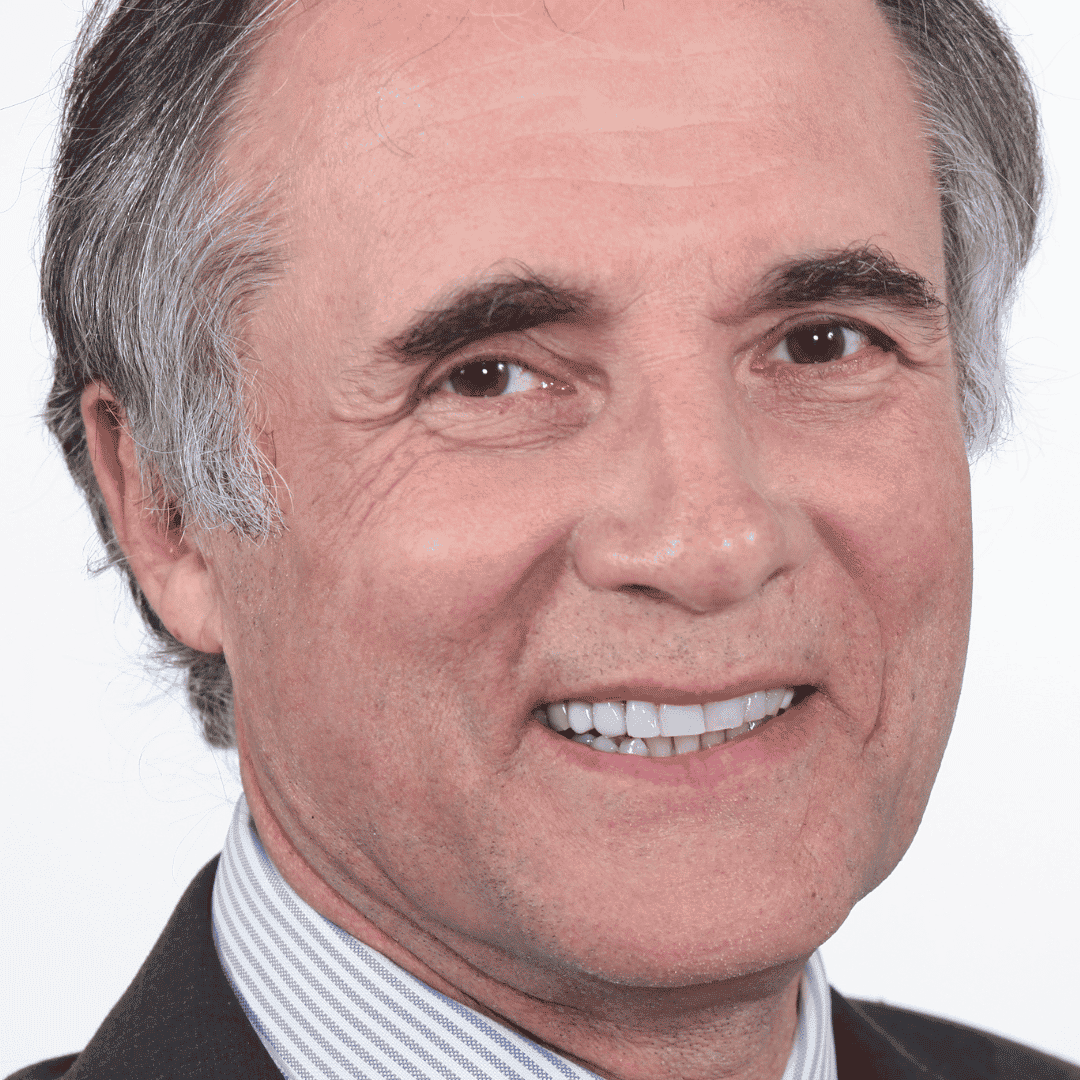
Price starting from $995.0
Dental Implants Package by Dental Smile Studio in Tijuana, Mexico
Dental Smile Studio
- Dentistry
Tijuana, Mexico

Price starting from $1200.0
Dental Implants Package in Tijuana, Mexico by ODONTOMEDIK
ODONTOMEDIK - Holistic Dentist Tijuana
- Dentistry
Tijuana, Mexico

Price starting from $700.0
Dental Implants in Los Algodones Mexico – Package by SANI Dental Group
Sani Dental Group
- Dentistry
Los Algodones, Mexico

Price starting from $1150.0
Complete Package for Dental Implant Cost Los Algodones by RUMO Dental Group
RUMO Dental Group
- Dentistry
Los Algodones, Mexico

Price starting from $920.0
Dental Implants Package in Mexicali, Mexico by Smiletec®
Smiletec® - Leading Mexicali Dental Clinic
- Dentistry
Mexicali, Mexico
Financial savings are the cornerstone of dental tourism in Mexico. Below, you will find a table detailing the average costs of various implant procedures, from single units to full-arch restorations. While prices in the U.S. for a single implant can range from $3,000 to $5,000, Mexican clinics often charge between $750 and $1,250 for the same high-quality service. Review the data below to see how much your specific treatment plan could save you.
Tip: Remember to factor in two trips for standard implants—one for placement and one for the crown—when calculating your total budget.
Dental Implants Centers Cost Comparison in Mexico
| Provider | Procedure | Price |
|---|---|---|
| Dental Smile Studio | Dental Implants, Dentistry | $995 |
| RUMO Dental Group | Dental Implants, Dentistry | $1150 |
| Care Smile Center | Dental Implants, Dentistry | $850 |
| ODONTOMEDIK - Holistic Dentist Tijuana | Dental Implants, Dentistry | $3500 |
| Best Dental Care - Dental Clinic in Los Algodones, Mexico | Dental Implants, Dentistry | $1990 |
Dental Implants Cost Comparison in Mexico
| Country | Procedure | Price |
|---|---|---|
| Singapore | Dental Implants, Dentistry | $3618 |
| Switzerland | Dental Implants, Dentistry | $4625 |
| United States | Dental Implants, Dentistry | $3500 |
| United Kingdom | Dental Implants, Dentistry | $2500 |
Choosing the right clinic is paramount to the success of your procedure. We have selected a list of premier dental centers across Mexico—from Tijuana to Cancun—that specialize specifically in implantology. These facilities are chosen based on their modern infrastructure, sterilization protocols (often OSHA compliant), and international accreditations. Explore their profiles to see their certifications, facility photos, and the advanced technology they utilize.
Standard Check: Look for clinics that are members of the American Dental Association (ADA) or have ISO 9001 certification.
Sani Dental Group Cancun
Cancun, Mexico
RUMO Dental Group
Los Algodones, Mexico
Proesthetic Dental Care in Los Algodones, Mexico
Los Algodones, Mexico

Care Smile Center
Los Algodones, Mexico
ODONTOMEDIK - Holistic Dentist Tijuana
Tijuana, Mexico
Smiletec® - Leading Mexicali Dental Clinic
Mexicali, Mexico
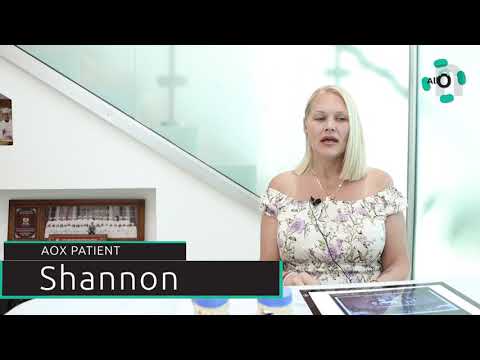
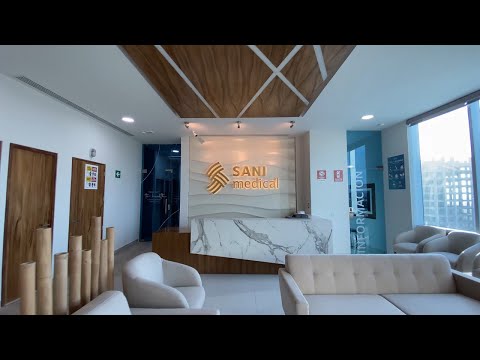
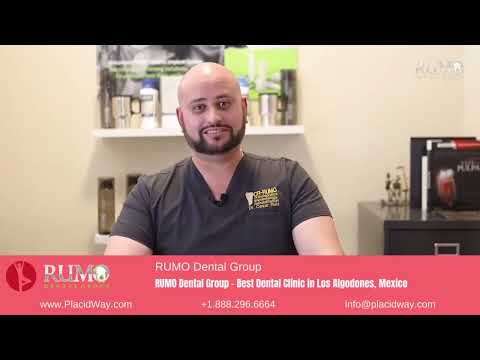
A smile transformation is a visual journey. The video testimonials below feature real patients who traveled to Mexico for dental implants. Watch their stories to understand the level of care they received, their thoughts on the facilities, and most importantly, to see their results. These videos offer an authentic glimpse into the patient experience, helping to alleviate anxiety and build confidence in your decision.
Insight: Pay attention to patients discussing the "bite feel" and aesthetics of their new implants in these videos.


We have compiled verified written reviews from patients who have undergone implant procedures in Mexico. Reading these reviews gives you a broad perspective on everything from the dentist's chairside manner to the efficiency of the front desk staff. These honest accounts highlight the reliability and satisfaction rates of our partner clinics, providing you with the social proof needed to choose a provider with confidence.
Review Tip: Look for reviews that mention long-term follow-up and how the implants have held up over the years.

Are Dental Implants in Tijuana a Safe Choice for Diabetics?
For individuals with well-managed diabetes, dental implants in Tijuana can be a safe and effective solution for tooth replacement, offering a more affordable alternative to procedures in the US or Canada.For many, the thought of dental work, especially complex procedures like dental implants, can be daunting. Add a chronic condition like diabetes to the mix, and concerns about safety and success naturally arise. Tijuana, Mexico, has emerged as a popular destination for dental tourism due to its attractive pricing and growing number of modern clinics. But for those with diabetes, the question remains: are dental implants in Tijuana a safe and reliable option? This comprehensive guide will address these concerns, providing detailed answers to common questions about dental implants for diabetics in Tijuana, emphasizing the importance of controlled blood sugar and proper care. How does diabetes affect dental implant success? "Diabetes primarily affects dental implant success by influencing the body's healing capacity, increasing the risk of infection, and impacting osseointegration (the fusion of the implant with the jawbone), particularly when blood sugar levels are uncontrolled." Diabetes can pose several challenges to the success of dental implants. Firstly, high blood sugar levels can impair the body's ability to heal efficiently. After a dental implant is placed, the bone and surrounding tissues need to heal and integrate with the implant in a process called osseointegration. Uncontrolled diabetes can slow down this healing process, making it harder for the implant to properly fuse with the jawbone. This delayed healing significantly increases the risk of complications. Secondly, individuals with diabetes are more susceptible to infections due to a compromised immune system. Oral surgery, like implant placement, creates an entry point for bacteria. If the immune response is weakened, the risk of developing an infection at the implant site (known as peri-implantitis) is higher. Such infections can jeopardize the implant's stability and ultimately lead to failure. Therefore, managing blood sugar levels effectively is paramount for ensuring a successful outcome for diabetics undergoing dental implant procedures. What is the importance of blood sugar control for dental implants in diabetics? "Maintaining stable and well-controlled blood sugar levels (specifically an HbA1c below 7%) is crucial for diabetics undergoing dental implant procedures, as it significantly reduces the risks of delayed healing, infection, and implant failure." Blood sugar control is the single most important factor for diabetics considering dental implants. When blood sugar levels are consistently high, it negatively impacts various bodily functions, including wound healing and immune response. For a dental implant to be successful, the bone needs to grow around and bond with the titanium implant surface. This process, osseointegration, is highly dependent on a healthy healing environment. Elevated glucose levels can hinder the activity of bone-forming cells and compromise blood flow to the surgical site, impeding proper integration. Furthermore, uncontrolled diabetes weakens the body's natural defenses against bacteria, making patients more vulnerable to post-surgical infections. An infection around a newly placed implant can prevent osseointegration and lead to the implant failing. Dentists in Tijuana, when treating diabetic patients, will typically require proof of well-controlled blood sugar levels, often through an HbA1c test, to ensure the best possible prognosis for the implant. Are there specific risks for diabetics getting dental implants in Tijuana? "The specific risks for diabetics getting dental implants in Tijuana are similar to those anywhere else: delayed healing, increased infection risk, and potential implant failure, all amplified if blood sugar control is poor, but these risks can be mitigated by choosing a reputable clinic and ensuring good diabetes management." While the general risks for diabetics undergoing dental implant surgery are universal, selecting a clinic in Tijuana requires due diligence. The primary concerns include the quality of care, adherence to sterilization protocols, and the experience of the dental professionals. Reputable clinics in Tijuana understand the unique considerations for diabetic patients and will take necessary precautions. These precautions include thoroughly reviewing the patient's medical history, potentially consulting with their primary care physician, and emphasizing strict blood sugar control before and after the procedure. Patients with diabetes should look for clinics that use modern technology, maintain high hygiene standards, and have dentists with specific experience in treating patients with systemic conditions. While the cost savings in Tijuana can be attractive, compromising on quality of care is not advisable, especially for diabetics. A responsible clinic will not proceed with implant surgery if a patient's diabetes is not adequately managed. How can diabetics improve their chances of successful dental implants? "Diabetics can significantly improve their chances of successful dental implants by achieving and maintaining excellent blood sugar control, practicing rigorous oral hygiene, following all pre- and post-operative instructions diligently, and choosing an experienced dentist." Success for diabetic patients receiving dental implants hinges on a proactive approach to their health. Here are key steps: Optimal Blood Sugar Control: This is non-negotiable. Work with your doctor to get your HbA1c levels within the recommended range (typically below 7%) well before the planned surgery. Consistent monitoring and management are essential. Excellent Oral Hygiene: Diabetics are more prone to gum disease. Maintaining impeccable oral hygiene (brushing twice daily, flossing, and using an antimicrobial mouthwash) reduces bacteria in the mouth, lowering the risk of post-surgical infection. Detailed Medical History: Be completely transparent with your Tijuana dentist about your diabetes history, medications, and any other health conditions. This allows them to tailor the treatment plan appropriately. Follow Pre- and Post-Operative Instructions: Adhere strictly to all instructions regarding medication (especially antibiotics), diet, and activity restrictions. This includes taking prescribed antibiotics to prevent infection. Regular Follow-Up Appointments: Attend all scheduled follow-up visits in Tijuana or with your local dentist to monitor healing and address any potential complications early. Healthy Lifestyle: A balanced diet and regular physical activity can further aid in blood sugar control and overall health, contributing to better healing. By taking these steps, diabetics can create the most favorable conditions for successful osseointegration and long-term implant survival. What should diabetics look for in a Tijuana dental clinic for implants? "Diabetics seeking dental implants in Tijuana should look for clinics with dentists experienced in treating patients with systemic conditions, state-of-the-art facilities, a strong emphasis on sterilization and hygiene, clear communication regarding treatment plans, and a willingness to collaborate with your primary care physician." Choosing the right clinic in Tijuana is critical, particularly for diabetic patients. Here's what to prioritize: Experience with Diabetic Patients: Ask the clinic about their experience and success rates with diabetic patients specifically. An experienced dentist will understand the nuanced challenges and necessary precautions. Modern Facilities and Technology: Look for clinics that utilize advanced diagnostic tools like 3D imaging (CBCT scans) for precise implant placement, and modern surgical techniques. Sterilization and Hygiene Protocols: Ensure the clinic adheres to international sterilization standards. A clean and sterile environment is crucial to prevent infections, which are a higher risk for diabetics. Transparent Communication: The clinic should provide a clear, detailed treatment plan, including costs, potential risks, and expected healing times. They should also be able to communicate effectively in English. Coordination of Care: Ideally, the clinic should be willing to communicate with your primary care doctor or endocrinologist to ensure your diabetes management is aligned with your dental treatment. Reviews and Accreditation: Research patient reviews and look for any international accreditations or affiliations that indicate a commitment to quality and safety. By focusing on these aspects, diabetic patients can make an informed decision and increase their confidence in receiving safe and effective dental implants in Tijuana. What is the typical healing time for dental implants in diabetics? "The typical healing time for dental implants in diabetics can be slightly longer than for non-diabetics, often ranging from 4 to 9 months for osseointegration, provided their blood sugar levels are consistently well-controlled." While the general timeframe for osseointegration for non-diabetics is typically 3-6 months, diabetics may experience a somewhat extended healing period. This is primarily due to the impact of diabetes on the body's regenerative processes and blood supply. For diabetics with well-controlled blood sugar, the healing can be comparable to non-diabetics, but for those with less stable control, it may take longer for the implant to fully fuse with the jawbone. During this healing phase, it is crucial for diabetic patients to maintain their blood sugar levels within the target range, follow all post-operative instructions rigorously, and attend all follow-up appointments. Any signs of infection or discomfort should be reported to the dental clinic immediately. Patience and adherence to care instructions are key to achieving successful osseointegration and a durable dental implant. Will I need special pre-operative preparation as a diabetic? "Yes, diabetics typically require special pre-operative preparation for dental implants, which includes ensuring their blood sugar levels are well-controlled (HbA1c usually below 7%), potentially adjusting medications, and a thorough dental and medical evaluation." Before undergoing dental implant surgery, diabetic patients will likely need to take several preparatory steps to minimize risks and promote successful healing. This often involves: HbA1c Test: Your Tijuana dentist will almost certainly request a recent HbA1c test result. This blood test provides an average of your blood sugar levels over the past two to three months and is a key indicator of diabetes control. A reading below 7% is generally considered ideal for elective surgical procedures. Consultation with Your Physician: It's highly recommended, and often required by reputable clinics, that you consult with your primary care doctor or endocrinologist before the implant procedure. They can help optimize your diabetes management and advise on any medication adjustments (e.g., insulin doses) around the time of surgery. Antibiotics: You may be prescribed prophylactic antibiotics to take before the surgery to reduce the risk of infection, which is a higher concern for diabetics. Oral Health Assessment: A thorough examination of your oral health, including checking for gum disease or existing infections, will be performed. Any active infections or significant gum issues must be addressed before implant placement. Dietary Guidance: You might receive specific dietary recommendations for the days leading up to and immediately following the surgery to help manage blood sugar and aid healing. Proper pre-operative preparation is a vital component of ensuring the safety and success of dental implants for diabetic patients in Tijuana. What are the signs of dental implant failure in diabetics? "Signs of dental implant failure in diabetics can include persistent pain or discomfort around the implant site, swelling, gum recession, mobility of the implant, and pus or discharge, often exacerbated by poor blood sugar control." It's important for diabetic patients to be aware of the signs that an implant might be failing, as early detection can often lead to more effective intervention. These signs are generally similar to those in non-diabetics, but diabetics might experience them more intensely or for a longer duration due to their compromised healing. Look out for: Persistent Pain or Discomfort: While some initial discomfort is normal after surgery, ongoing or worsening pain that doesn't subside with medication could indicate a problem. Swelling and Inflammation: Redness, swelling, or tenderness around the implant that doesn't improve. Gum Recession: The gum tissue pulling away from the implant, exposing more of the implant or abutment. Implant Mobility: Any feeling that the implant is loose or wobbly, even slightly. This is a critical sign of failure of osseointegration. Pus or Discharge: Any foul-smelling discharge or pus coming from the implant site. Difficulty Chewing: Pain or discomfort when biting or chewing on the implant. If any of these symptoms appear, especially in a diabetic patient, it's crucial to contact your dental provider in Tijuana or your local dentist immediately. Prompt attention can sometimes salvage the implant or determine the next course of action. Can dental implants help diabetics maintain a better diet? "Yes, dental implants can significantly help diabetics maintain a better and more balanced diet by restoring their ability to chew a wider variety of nutritious foods, unlike dentures which can restrict food choices." One often-overlooked benefit of dental implants for diabetics is their positive impact on dietary choices. Many healthy foods, such as fresh fruits, vegetables, and lean meats, require strong chewing ability. Missing teeth or ill-fitting dentures can make it difficult and uncomfortable to eat these essential foods, leading diabetics to resort to softer, often processed, and higher-carbohydrate options. This can make blood sugar control even more challenging. Dental implants provide a stable and strong foundation for replacement teeth, much like natural teeth. This allows diabetic patients to comfortably chew a diverse range of foods, including fibrous vegetables and lean proteins, which are crucial for managing blood sugar levels and overall health. By improving masticatory function, implants can contribute to a healthier lifestyle and better diabetes management. What is the long-term success rate of dental implants in well-controlled diabetics? "The long-term success rate of dental implants in well-controlled diabetics is comparable to that of non-diabetics, with studies showing success rates of 90-95% or higher, provided proper blood sugar management and oral hygiene are maintained." Historically, diabetes was considered a strong contraindication for dental implants. However, with advancements in implant technology, surgical techniques, and a deeper understanding of diabetes management, the outlook for diabetic patients has significantly improved. Numerous studies now indicate that if diabetes is well-controlled (with stable HbA1c levels), the success and survival rates of dental implants are very similar to those in the general population. The key differentiator is the degree of blood sugar control. Patients with uncontrolled diabetes do indeed face a higher risk of complications and implant failure. However, for those diligently managing their condition, dental implants offer a predictable and durable solution for tooth replacement, enabling them to enjoy the benefits of a healthy, complete smile for many years. Regular follow-up and continued diabetes management are vital for long-term success. How do Tijuana dental clinics manage diabetic patients during implant surgery? "Reputable Tijuana dental clinics manage diabetic patients during implant surgery by requiring pre-operative blood sugar assessments, coordinating with the patient's physician, administering prophylactic antibiotics, closely monitoring vital signs, and providing specific post-operative care instructions tailored for diabetics." When a diabetic patient undergoes dental implant surgery in a well-regarded Tijuana clinic, a structured approach is typically followed to ensure their safety and the procedure's success. Pre-operative Assessment: Before any surgical steps, the clinic will ask for recent medical records, including HbA1c levels. If the blood sugar is not adequately controlled, they may postpone the procedure and advise the patient to consult their primary care physician to stabilize their condition. Medication Review: They will review all medications, especially those for diabetes, and may advise on timing or temporary adjustments in consultation with the patient's doctor. Prophylactic antibiotics are often prescribed to minimize infection risk. Shorter Appointments: To minimize stress and the impact on blood sugar levels, some clinics might opt for shorter surgical appointments or spread the treatment over multiple visits. Sterile Environment: Strict adherence to sterilization protocols is critical to prevent post-operative infections, which are a higher risk for diabetics. Post-operative Instructions: Detailed instructions will be provided, focusing on pain management, diet, wound care, and continued blood sugar monitoring. Patients will be advised on how to recognize and report any signs of infection. This comprehensive approach helps mitigate the specific risks associated with diabetes in a surgical setting. What is the cost of dental implants in Tijuana for diabetics? "The cost of dental implants in Tijuana for diabetics generally falls within the same range as for non-diabetics, typically between $800 and $1,500 per implant, offering significant savings compared to the US while maintaining high standards of care for patients with controlled diabetes." One of the primary reasons people travel to Tijuana for dental work is the substantial cost savings. For diabetic patients, the cost structure for dental implants usually doesn't differ significantly from that for non-diabetic patients, assuming their diabetes is well-controlled. The total cost will depend on several factors: Number of Implants: The more implants needed, the higher the overall cost. Type of Implant: Different implant brands and materials can have varying prices. Additional Procedures: If bone grafting, sinus lifts, or extractions are required, these will add to the cost. Diabetics are sometimes more prone to bone loss, potentially increasing the need for grafts. Clinic and Dentist Experience: Highly reputable clinics with extensively experienced dentists may have slightly higher fees. Despite these variables, the cost in Tijuana remains a fraction of what one would pay in the United States or Canada, often allowing diabetic patients to access high-quality care that might otherwise be unaffordable. It is always recommended to get a detailed quote before starting treatment. Can poorly controlled diabetes lead to dental implant failure? "Yes, poorly controlled diabetes significantly increases the risk of dental implant failure by impairing wound healing, compromising osseointegration, and elevating susceptibility to infections like peri-implantitis." When diabetes is not managed effectively, the body's systems are constantly under stress, making it difficult to heal and fight off disease. In the context of dental implants, this means: Delayed and Impaired Healing: High blood sugar levels hinder the normal repair processes, preventing the jawbone from properly fusing with the implant. Compromised Osseointegration: The critical bond between the bone and the implant might not form or might be weaker, leading to implant instability. Increased Infection Risk: A weakened immune system makes diabetics highly susceptible to bacterial infections around the implant. These infections can rapidly destroy the supporting bone, leading to implant loosening and failure. Peri-implantitis: This inflammatory condition, specifically affecting the tissues around dental implants, is more prevalent and aggressive in diabetics with poor blood sugar control, often resulting in bone loss and implant failure. For these reasons, most ethical dentists in Tijuana will strongly advise against dental implant surgery for patients with poorly controlled diabetes until their blood sugar levels are stable. How does gum health relate to dental implants in diabetics? "Gum health is intrinsically linked to the success of dental implants in diabetics, as diabetes increases the risk of gum disease (periodontitis), which, if present, can negatively impact osseointegration and lead to peri-implantitis." Diabetics are more susceptible to gum disease, also known as periodontal disease, due to their altered immune response and higher blood sugar levels that create a favorable environment for bacteria. Healthy gums are fundamental for the long-term success of dental implants. Pre-existing Gum Disease: If a diabetic patient has active gum disease before implant placement, the bacteria can easily spread to the surgical site, leading to infection and implant failure. Therefore, any existing gum disease must be treated and resolved before considering dental implants. Peri-implantitis Risk: Even after successful implant placement, diabetics remain at a higher risk for peri-implantitis, an infection and inflammation of the tissues surrounding the implant. This condition can lead to bone loss around the implant and ultimately failure. Importance of Oral Hygiene: Strict and consistent oral hygiene, including regular dental check-ups, is even more critical for diabetics to prevent gum disease and maintain the health of their dental implants. Dentists in Tijuana, when evaluating diabetic patients for implants, will pay close attention to their gum health and address any issues before proceeding with the implant procedure. Is dental tourism in Tijuana safe for diabetics seeking implants? "Dental tourism in Tijuana can be safe for diabetics seeking implants if they choose accredited clinics with experienced dentists, ensure their diabetes is well-controlled, and meticulously follow all pre- and post-operative instructions." The safety of dental tourism in Tijuana for diabetics is not inherently different from safety for non-diabetics; it hinges on choosing the right provider and being a responsible patient. Tijuana has many highly reputable, modern dental clinics that cater specifically to international patients and adhere to high standards of care, comparable to those in the US or Canada. Many dentists in Tijuana have received training in the US and use the same high-quality materials and technologies. However, like any medical tourism destination, there are also clinics that may not meet these standards. For diabetic patients, who have unique health considerations, it is even more vital to: Research Thoroughly: Look for clinics with excellent reviews, verifiable credentials, and clear information about their experience with diabetic patients. Communicate Openly: Be transparent about your diabetes and all health conditions. A good clinic will ask detailed health questions. Ensure Proper Management: Do not travel for implant surgery if your blood sugar levels are uncontrolled. This is the biggest risk factor for complications. Plan for Aftercare: Understand the follow-up care requirements, whether in Tijuana or with a local dentist. By taking these precautions, diabetics can safely benefit from the affordability and quality of dental implants in Tijuana. If you're considering dental implants and managing diabetes, explore PlacidWay for solutions related to medical tourism and healthcare services. We can help you connect with reputable clinics that prioritize your safety and health.
How Much are Dental Implant in Mexico?
Considering dental implants in Mexico? You're likely wondering about the cost and if it's a worthwhile option for restoring your smile. The great news is that dental implants in Mexico are significantly more affordable than in many other countries, particularly the US and Canada, often by as much as 50-70%. This remarkable cost difference, combined with high standards of care in reputable clinics, makes Mexico a leading destination for dental tourism. Many people are searching for ways to achieve a healthy, confident smile without breaking the bank. Dental implants offer a permanent and natural-looking solution for missing teeth, and choosing to have this procedure in Mexico can make it an accessible reality. We'll delve into the specifics of dental implant costs in Mexico, what factors influence these prices, and answer other pressing questions you might have. What is the average cost of a single dental implant in Mexico? "The average cost of a single dental implant in Mexico, including the implant, abutment, and crown, typically ranges from $700 to $2,200 USD." This price is a significant saving compared to the $3,000 to $5,800 USD or more you might expect to pay in the United States for the exact same procedure. The final cost within this range can depend on the specific clinic, the brand of the implant, the materials used for the crown (like zirconia or porcelain), and the dentist's experience. Even at the higher end of the Mexican price range, the savings are substantial. It's important to get a detailed quote from your chosen clinic that outlines all included costs. Some clinics offer package deals, especially if you require multiple implants, which can further enhance the affordability. How much do full mouth dental implants cost in Mexico? "Full mouth dental implants in Mexico, such as All-on-4 or All-on-6 solutions, can range from approximately $7,000 to $15,000 USD per arch." This is a game-changer for individuals needing extensive dental restoration. In contrast, the same full mouth procedures in the US can cost anywhere from $20,000 to $50,000 per arch. The savings on full mouth dental implants in Mexico can be tens of thousands of dollars, making a complete smile makeover achievable. The specific cost will depend on the number of implants needed (e.g., All-on-4, All-on-6, All-on-8), the type of prosthetic material (e.g., acrylic, porcelain, zirconia), and whether any additional procedures like bone grafts or sinus lifts are required. Always ensure your quote for full mouth dental implants in Mexico is comprehensive. What factors influence the cost of dental implants in Mexico? "Several factors influence the final cost of dental implants in Mexico, including the type and brand of implant, the materials used for the crown and abutment, the dentist's experience and qualifications, the clinic's location and overhead, and any necessary preparatory procedures." Let's break these down: Type and Brand of Implant: Internationally recognized implant brands (e.g., Nobel Biocare, Straumann) might cost more than lesser-known local brands, though many Mexican clinics use these top-tier brands. Materials: The material for the final crown (e.g., porcelain, zirconia, E-max) and abutment will affect the price. Zirconia, for example, is prized for its durability and aesthetics but can be more expensive. Dentist's Expertise: Highly experienced and specialized implantologists may charge more, but their expertise often leads to better outcomes and lower risk of complications. Clinic Location and Overhead: Clinics in major tourist destinations or with highly advanced technology and luxurious facilities might have slightly higher prices compared to those in smaller towns or with more modest setups. However, even these are typically far less than US prices due to lower operating costs in Mexico. Preparatory Procedures: If you require procedures like tooth extractions, bone grafting, or a sinus lift before implant placement, these will add to the overall dental implant cost in Mexico. Number of Implants: Naturally, the more implants you need, the higher the total cost, though the per-implant cost might decrease with volume. Are dental implants in Mexico cheaper due to lower quality? "No, dental implants in Mexico are not cheaper due to lower quality. The reduced cost is primarily attributed to lower overhead expenses, including operational costs, labor, and malpractice insurance, as well as a lower cost of living." Many Mexican dental clinics catering to international patients are equipped with state-of-the-art technology and staffed by highly trained and experienced dentists, often with education and certifications from the US or Europe. They frequently use the same high-quality materials and implant brands as dentists in the US. The cost savings are passed on to the patient without compromising the quality of care or materials. It's crucial to do your research and choose accredited clinics with positive patient reviews to ensure you receive high-quality dental implants in Mexico. What is included in the quoted price for dental implants in Mexico? "Typically, a quoted price for a single dental implant in Mexico will include the implant fixture (the post), the abutment (connector piece), and the final crown (the artificial tooth). However, it's essential to confirm this with the clinic." Some clinics may offer all-inclusive packages that also cover initial consultations, X-rays, and sometimes even temporary restorations. For more complex treatments like All-on-4, the quote usually includes the surgical placement of implants, the abutments, and the full-arch prosthesis. Always ask for a detailed breakdown of costs to understand what is covered and if there are any potential additional expenses, such as for sedation, medication, or follow-up visits if not explicitly included. Are there hidden costs I should be aware of when getting dental implants in Mexico? "While reputable clinics are transparent about pricing, potential additional costs for dental implants in Mexico could include initial consultations if not free, diagnostic imaging beyond standard X-rays (like CT scans if not bundled), bone grafting, sinus lifts, sedation options, and post-operative medications." It's also important to factor in travel and accommodation expenses, although these are often offset by the significant savings on the dental procedure itself. To avoid surprises, request a comprehensive treatment plan with all anticipated costs clearly itemized before committing to the procedure. A good clinic will be upfront about all potential charges. How does the cost of All-on-4 dental implants in Mexico compare to the US? "The cost of All-on-4 dental implants in Mexico is substantially lower, typically ranging from $7,000 to $12,000 USD per arch, compared to $20,000 to $25,000 USD or more per arch in the US." This represents a saving of 50-70% or even more. All-on-4 dental implants in Mexico provide a full arch of teeth supported by just four strategically placed implants, offering a cost-effective solution for full mouth restoration. The price usually includes the implants, abutments, and the final fixed prosthetic arch. Clinics in popular dental tourism cities in Mexico often specialize in All-on-4 procedures and have extensive experience, offering high success rates alongside the attractive pricing. What are the most popular cities in Mexico for affordable dental implants? "Popular cities in Mexico for affordable and high-quality dental implants include Los Algodones (often called "Molar City"), Tijuana, Cancun, Playa del Carmen, Puerto Vallarta, and Mexico City." Los Algodones: Located just across the border from Yuma, Arizona, it's renowned for its high concentration of dental clinics and very competitive prices. Tijuana: Its proximity to San Diego makes it a convenient option for many Americans seeking dental implants in Mexico. Cancun & Playa del Carmen: These Caribbean coast cities offer the allure of combining dental treatment with a vacation, boasting modern clinics and experienced specialists. Puerto Vallarta: Another popular tourist destination with excellent dental facilities. Mexico City: As the capital, it has many renowned dental clinics offering a wide range of advanced procedures. The best city for you will depend on factors like travel convenience, the type of experience you're looking for, and the specific clinics available. Is it safe to get dental implants in Mexico? "Yes, it is generally very safe to get dental implants in Mexico, provided you choose a reputable and accredited dental clinic with qualified professionals. Many clinics adhere to international standards of hygiene and care." Tens of thousands of international patients safely receive dental treatment, including dental implants, in Mexico each year. Top clinics utilize modern technology, strict sterilization protocols (often meeting or exceeding US standards), and high-quality materials. Many dentists are internationally trained and bilingual. Success rates for dental implants in Mexico at these clinics are comparable to those in the US (around 95-98%). Do your due diligence: research clinics, read patient testimonials, check credentials, and ask about their infection control practices. What types of dental implant materials are used in Mexico? "The most common and widely trusted material for dental implants in Mexico is titanium, known for its biocompatibility and strength. Some clinics also offer zirconia implants as a metal-free alternative." Titanium implants integrate well with the jawbone (a process called osseointegration) and have a long track record of success. Zirconia implants are also biocompatible and offer excellent aesthetic results, particularly for patients with metal sensitivities or thin gum tissue. The choice of material may influence the dental implant cost in Mexico and should be discussed with your dentist based on your specific needs and preferences. Crowns placed on implants are typically made from porcelain, zirconia, or porcelain-fused-to-metal (PFM), all of which are durable and offer good aesthetics. How long does the dental implant procedure take in Mexico? "The entire dental implant process in Mexico, from initial surgery to final crown placement, can take 4 to 6 months, similar to anywhere else. The actual surgical placement of the implant(s) may take 1-2 hours per implant, often completed in one or two visits." The timeline generally involves: Initial Consultation & Planning: Evaluation, X-rays/CT scan, treatment plan. Implant Placement Surgery: The implant post is surgically placed into the jawbone. This may involve one or two trips initially. Osseointegration (Healing Period): This crucial phase where the implant fuses with the bone takes 3-6 months. You might have temporary teeth during this time. Abutment and Crown Placement: After healing, you'll return for the abutment (connector) to be attached and the final custom-made crown or bridge to be fitted. This usually requires another trip. Some clinics offer "Teeth in a Day" or immediate load implants under specific conditions, but the full integration still takes months. What is the recovery like after getting dental implants in Mexico? "Recovery after dental implant surgery in Mexico involves some swelling, bruising, and discomfort for a few days, which can be managed with pain medication and cold compresses. Full healing and osseointegration take several months." Your dentist will provide specific post-operative instructions, which typically include: Eating soft foods for a period. Maintaining good oral hygiene, being gentle around the surgical site. Avoiding strenuous activities for a few days. Attending any scheduled follow-up appointments. Most patients can return to normal, non-strenuous activities within a day or two after the implant placement surgery. The long-term success of your dental implants from Mexico greatly depends on following these aftercare instructions. Do Mexican dentists use the same implant brands as in the US? "Yes, many leading dental clinics in Mexico that cater to international patients use the same high-quality, internationally recognized dental implant brands used in the US and Europe, such as Nobel Biocare, Straumann, Zimmer Biomet, and BioHorizons." Using these reputable brands ensures that the implants meet rigorous quality and safety standards and often come with warranties. When researching dental implants in Mexico, don't hesitate to ask the clinic which implant brands they use. This can be a good indicator of their commitment to quality. Will I need a bone graft or sinus lift, and how does that affect the cost in Mexico? "Whether you need a bone graft or sinus lift depends on your jawbone density and volume. If these procedures are necessary, they will increase the overall cost of your dental implants in Mexico, typically by $200 to $1,200 USD per area for a bone graft, or $700 to $2,000 USD for a sinus lift." A bone graft is needed when there isn't enough healthy jawbone to securely support an implant. A sinus lift is performed when implants are needed in the upper back jaw, and the sinuses are too close to where the implants need to be placed. These procedures ensure a stable foundation for the implants, contributing to their long-term success. While they add to the cost, they are often still more affordable in Mexico than in the US. How do I choose a good dental clinic for implants in Mexico? "To choose a good clinic for dental implants in Mexico, research their credentials and accreditations, read patient reviews and testimonials, examine before-and-after photos, inquire about the dentists' qualifications and experience with implants, and ask about the technology and materials they use." Look for: Accreditations: Affiliations with organizations like the American Dental Association (ADA) or international standardization bodies (ISO) can be a good sign. Dentist Experience: How many implant procedures have they performed? Do they have specialized training in implantology? Technology: Modern clinics often use CT scanners for precise planning, CAD/CAM technology for crowns, and advanced sterilization equipment. Communication: Ensure the staff speaks your language fluently and that you feel comfortable asking questions. Transparency in Pricing: Get a detailed, written quote before starting treatment. Can I combine my dental implant treatment in Mexico with a vacation? "Yes, many people choose to combine their dental implant treatment in Mexico with a vacation, especially in popular tourist destinations like Cancun, Playa del Carmen, or Puerto Vallarta. This is often referred to as 'dental tourism'." Given the phased nature of implant treatment, you might have the initial surgery, enjoy some recovery and vacation time (respecting post-op guidelines), and then return months later for the final restorations. This allows you to take advantage of the beautiful locations and culture while also achieving significant savings on your dental implants in Mexico. Plan your activities around your dental appointments and recovery needs. Ready to explore affordable, high-quality dental implant solutions? PlacidWay can help you connect with reputable dental clinics in Mexico and around the world. Take the first step towards your new smile today!
Who are the Best Dentists in Mexico?
The best dentists in Mexico are board-certified specialists located in major hubs like Los Algodones, Cancun, and Tijuana. They provide premium dental care at prices fifty to seventy percent lower than standard United States and Canadian clinics. Key Takeaways: International Quality and Savings Massive Cost Savings: Patients typically save up to seventy percent on complex full-mouth restorations. Advanced Technology: Top facilities utilize 3D CBCT scanners, CAD/CAM milling, and state-of-the-art sterilization. Global Standards: Specialists often hold memberships with prestigious international associations. Convenient Locations: Clinics in border towns and resort cities are designed specifically for international visitors. No Language Barrier: Leading professionals and their medical staff are fully bilingual. How much does dental work cost in Mexico compared to domestic prices? Patients can save thousands of dollars on complex treatments without sacrificing quality. The dental work cost in Mexico is generally fifty to seventy-five percent lower than what patients pay in their home countries. Understanding the pricing landscape is the primary reason millions cross the border annually. The significant price difference is not a reflection of lower quality, but rather the result of a lower cost of living, reduced overhead for clinic operators, and subsidized medical education. This economic dynamic allows leading professionals to pass profound savings directly to their international patients. To provide a clearer picture of the financial advantages, here is a standard comparison of highly sought-after procedures: Single Titanium Implant: A procedure that might cost upwards of four thousand dollars locally can be completed for approximately eight hundred to one thousand two hundred dollars. Porcelain Veneers: Patients seeking a cosmetic smile makeover can expect to pay around two hundred and fifty to four hundred dollars per tooth, compared to over a thousand domestically. All-on-4 Restorations: Full arch replacements are exceptionally cost-effective, often priced between eight thousand and twelve thousand dollars per arch, saving patients tens of thousands overall. Zirconia Crowns: Highly durable and aesthetically pleasing crowns typically range from three hundred to four hundred and fifty dollars. Root Canal Therapy: Endodontic treatments are usually priced between two hundred and three hundred dollars, performed by dedicated specialists. What are the best destination cities for medical tourism in Mexico for dental care? Major border towns and beautiful resort cities are the absolute top choices for international patients. These locations cater heavily to medical tourism in Mexico with optimized infrastructure. Los Algodones, widely known as Molar City, is arguably the most famous destination globally for oral healthcare. Located just steps across the border from Yuma, Arizona, this small town hosts over three hundred clinics within a few walkable blocks. It is entirely designed around catering to seniors and medical tourists, offering an incredibly safe, walkable, and welcoming environment. Tijuana is another massive hub, perfectly situated just south of San Diego, California. It appeals to a younger demographic and professionals looking for highly advanced, luxurious facilities. The city boasts towering medical plazas equipped with cutting-edge technology, and many clinics offer fast-pass medical lane access to bypass border traffic on the return journey. For those who wish to combine their treatment with a tropical vacation, Cancun and Puerto Vallarta are unparalleled. These resort cities feature boutique facilities operated by master specialists. Patients can recover while enjoying ocean views, taking advantage of all-inclusive hotel packages that frequently partner with local medical professionals to provide a seamless healing holiday. Fun Fact Los Algodones has the highest concentration of dentists per square mile anywhere in the world! The town is so focused on international patients that English is spoken just as widely as Spanish, and businesses accept US dollars almost exclusively. Are the materials used for dentistry in Mexico safe and durable? Top facilities exclusively use internationally recognized, FDA-approved brands for all procedures. This commitment ensures your dentistry in Mexico meets or exceeds global safety and durability standards. A common misconception is that lower prices equate to inferior materials. In reality, elite practitioners import their materials from the exact same global suppliers used by top professionals in North America and Europe. They understand that international patients demand longevity and aesthetic perfection, which can only be achieved with premium supplies. For restorative work, specialists utilize high-grade titanium posts from world-renowned brands like Nobel Biocare, Straumann, and Hiossen. These brands are recognized universally, meaning that if you ever need an adjustment back home, your local provider will easily recognize the hardware and have the appropriate tools to work with it. When it comes to cosmetic finishes, top laboratories work with authentic E-max porcelain and monolithic Zirconia. These materials provide unmatched natural translucency and incredible bite strength. Many top-tier facilities even feature in-house CAD/CAM milling machines, allowing them to design and carve your custom crowns from solid blocks of premium porcelain right before your eyes. How can patients verify the quality of a dental clinic in Mexico? Verifying credentials through board certifications and international accreditations is a vital step. Finding a reputable dental clinic in Mexico requires looking beyond marketing and examining real qualifications. The first indicator of a high-quality professional is their educational background. Many of the leading specialists have completed postgraduate fellowships or specialized training programs in the United States, Europe, or at highly ranked national universities. Look for professionals who proudly display their degrees and specialty certificates on their public profiles. Membership in recognized organizations is another strong trust signal. Elite practitioners are often active members of the American Dental Association, the International Congress of Oral Implantologists, or the local regulatory body, the Asociacion Dental Mexicana. These memberships require practitioners to adhere to strict ethical guidelines and participate in continuous medical education. Finally, patient testimonials and facility accreditations paint a comprehensive picture. Look for clinics that hold ISO standardization certificates for sterilization protocols. Reading extensive, verified reviews from previous international visitors can provide real-world insights into the bedside manner, cleanliness, and long-term success of the treatments provided at a specific center. Expert Insight Always ask to see before-and-after photos of cases similar to yours. A master specialist will have a massive portfolio of successful restorations and will be completely transparent about the specific brands of materials they intend to use for your treatment plan. Why is the dental implants cost in Mexico so much lower than in other countries? The pricing difference is primarily driven by national economics rather than clinical shortcuts. Understanding why the dental implants cost in Mexico is so affordable gives patients immense peace of mind. The cost of running a specialized medical practice south of the border is a fraction of what it costs in major northern cities. Commercial real estate, utility costs, and administrative staffing expenses are significantly lower. Because overhead is drastically reduced, clinic owners do not need to inflate procedural prices to keep their doors open. Furthermore, the government heavily subsidizes higher education. Doctors graduate from rigorous medical programs with very little to no student loan debt. Unlike their northern counterparts who often start their careers hundreds of thousands of dollars in debt, local specialists are not forced to charge exorbitant fees just to pay off educational loans. Finally, malpractice insurance costs and general liability overhead are substantially lower. The streamlined administrative requirements mean less bureaucratic red tape, allowing professionals to focus their financial resources on acquiring the absolute best technology, such as 3D panoramic scanners and high-end sterilization centers, while keeping the final bill incredibly affordable. Is there a language barrier when visiting Mexican dental specialists? Language barriers are virtually nonexistent at facilities specializing in cross-border healthcare. Clinics catering to international patients employ fully fluent English-speaking doctors and administrative staff. Effective communication is the cornerstone of successful medical care. Recognizing this, premium facilities make fluency in English a mandatory requirement for their patient-facing staff. From the moment you send your first email to the final handshake after your procedure, you will be interacting with professionals who understand exactly what you need. Many of the top specialists have actually spent years studying or practicing in English-speaking countries, making their medical vocabulary completely flawless. They can explain complex surgical concepts, detail post-operative care instructions, and answer your nuanced questions with perfect clarity and deep empathy. In addition to bilingual doctors, these elite centers utilize dedicated international patient coordinators. These coordinators are your personal guides throughout the journey, handling everything from filling out medical history forms in English to explaining the breakdown of your treatment invoice, ensuring you never feel lost in translation. How does the remote consultation process work for international patients? The consultation process begins securely online long before you cross the border. Virtual assessments help specialists determine your specific needs and provide highly accurate cost estimates remotely. To make the journey as efficient as possible, highly rated centers utilize advanced telemedicine protocols. Before booking any appointments, you will be asked to provide recent panoramic X-rays or a 3D CBCT scan from your local provider, along with a few clear photos of your current smile. A master specialist will carefully review these digital files to assess bone density, root health, and structural alignment. Based on this thorough review, they will draft a comprehensive, itemized treatment plan. This document outlines the required procedures step-by-step, specifies the materials to be used, indicates the estimated timeframe, and provides an exact financial quote. Following the delivery of the treatment plan, you will typically have a virtual video call with the specialist or their lead coordinator. This gives you the opportunity to ask detailed questions about the surgical approach, discuss alternative options, and build a strong foundation of trust from the comfort of your living room. Do Mexican dental professionals offer warranties on their procedures? Yes, reputable practitioners provide comprehensive written warranties on both their workmanship and the materials used. This profound commitment provides ultimate peace of mind for traveling patients. Elite clinics stand firmly behind the quality of their restorative work. It is incredibly common to find facilities offering warranties ranging from two to five years on cosmetic work like porcelain veneers and zirconia crowns. If a crown chips or a veneer detaches under normal usage conditions, the clinic will repair or replace it at zero additional cost. For structural procedures, the warranties are even more robust. Many master implantologists offer lifetime guarantees on the titanium posts themselves. If an implant fails to integrate with the jawbone properly, they will remove it, allow the area to heal, and place a new post entirely free of charge. It is important to note that these warranties come with standard patient responsibilities. To keep the guarantee valid, patients must adhere strictly to post-operative care instructions, maintain excellent daily oral hygiene, and ideally return for routine annual cleanings and checkups to ensure the longevity of the restorations. How long does it take to complete complex full mouth restorations? Treatment timelines vary significantly based on individual healing capabilities and procedure complexity. Many simple restorations take a single day, while full architectural reconstructions require two separate visits. Because these clinics understand that international patients are operating on tight travel schedules, they run incredibly efficient operations. Procedures like root canals, single crowns, and full sets of porcelain veneers can frequently be completed in a single trip of roughly three to five days. In-house milling technology speeds this up drastically. For more intense surgical procedures, such as All-on-4 or traditional titanium posts, a two-trip approach is standard medical protocol. During the first trip, extractions and bone grafting are performed, and the foundational posts are surgically placed. The patient is usually fitted with a temporary healing denture before returning home to recover. After a mandatory healing period of four to six months allowing for successful osseointegration, the patient returns for their second trip. During this final visit, the master prosthodontist takes highly detailed impressions and attaches the permanent, flawless zirconia teeth, completing the transformative smile makeover. Why Choose PlacidWay for your dental journey across the border? Navigating international healthcare is infinitely safer with a trusted global partner. PlacidWay ensures you connect exclusively with top-rated specialists transparently, affordably, and securely. Making decisions about overseas medical care can feel overwhelming without expert guidance. PlacidWay acts as your premier advocate, removing the guesswork and ensuring a streamlined clinical experience. Here is why thousands trust PlacidWay for their cross-border healthcare needs: Rigorous Clinical Vetting: We partner exclusively with facilities that meet strict criteria for hygiene, technology, and specialist credentialing. Every center in our network is thoroughly evaluated to ensure absolute patient safety and world-class standards. Transparent Pricing Models: We believe in complete financial clarity. PlacidWay negotiates directly with top-tier centers to provide you with all-inclusive estimates, ensuring there are absolutely no hidden fees or unexpected surgical surcharges. Dedicated Patient Advocacy: Our knowledgeable team assists you throughout the entire clinical coordination process. From transferring X-rays to scheduling virtual consultations, we act as a seamless bridge between you and the surgical specialists. Access to Verified Patient Reviews: We maintain a massive repository of real patient testimonials and before-and-after portfolios, allowing you to make a highly informed decision based on authentic, proven results. Post-Treatment Follow-up Support: Our commitment does not end when your procedure finishes. We maintain communication post-treatment to ensure you are healing properly, completely satisfied with your new smile, and fully aware of your warranty protections. Frequently Asked Questions About Cross-Border Dentistry Can I use my domestic dental insurance at Mexican clinics? Many top-tier facilities accept major international PPO insurance plans. While they might not be able to bill your insurance directly in every case, they provide the necessary itemized receipts and paperwork for you to submit a claim for reimbursement upon returning home. Do Mexican dentists use the same anesthesia protocols as my local doctor? Yes, highly rated specialists use the exact same FDA-approved local anesthetics, such as lidocaine and articaine. For complex surgeries, many clinics also offer IV sedation administered by a licensed anesthesiologist to ensure a completely pain-free experience. How soon can I fly after getting oral surgery abroad? For minor treatments like crowns or fillings, you can usually fly the same day. For major surgeries involving sinus lifts or multiple extractions, specialists typically recommend waiting 48 to 72 hours to prevent discomfort from cabin pressure changes. What happens if I experience complications after returning home? Reputable practitioners offer comprehensive warranties on their work. If a complication arises, they will often fix the issue free of charge. Some premium facilities also partner with networks in your home country to address minor adjustments locally without requiring a return trip. Are cross-border dental facilities sanitary and highly sterilized? Top destinations feature state-of-the-art sterilization centers that meet or exceed international safety standards. They use medical-grade autoclaves, implement strict cross-contamination protocols, and open sealed, sterilized instruments directly in front of the patient. Can I cross the border back home immediately after my treatment? Yes, if you only received local anesthesia, you are perfectly fine to walk or drive back across the border immediately. If you received IV sedation, you must have a companion with you and should rest for a few hours before traveling. Do I need a passport to visit border town dental clinics? Yes, a valid passport or a passport card is required to re-enter your home country by land or air. While border agents sometimes allow re-entry with a birth certificate and driver license, having a valid passport is strongly recommended to avoid delays. What are the standard payment methods accepted for international treatments? Most recognized centers accept major credit cards, debit cards, cash, and sometimes traveler checks. Some may offer discounts for cash payments. Financing through third-party medical loan companies is also increasingly common for international patients. Is it better to drive or walk across the border for my appointment? Walking is generally preferred because border traffic for vehicles can be highly unpredictable and involve long wait times. Most top facilities are located within a five-minute walk from the pedestrian crossing, making it incredibly convenient. Will my local dentist be willing to provide follow-up care? Many local practitioners are happy to assist with routine cleanings and minor adjustments. However, some may be hesitant to work directly on major structural work performed abroad due to liability. It is advisable to maintain a good relationship with your local provider and share your treatment records. Transform Your Smile with Confidence Today Stop paying premium domestic prices for life-changing oral care. PlacidWay instantly connects you with thoroughly vetted, globally certified specialists across top destinations. Receive a comprehensive virtual consultation, review transparent itemized costs, and start your journey toward a perfect, healthy smile safely. Get Your Free Quote Now * Responses typically within 24 hours. Privacy completely guaranteed.
Why are Dental Surgeons in Mexico Becoming the Go-to Choice For High-Quality Care?
Dental surgeons in Mexico are becoming a top choice for high-quality care due to significant cost savings, modern clinics, highly trained professionals, and convenient accessibility for international patients. Patients can often save up to 70% on procedures compared to costs in the US or Canada, without compromising on safety or treatment standards. Are you considering dental work but find the costs at home overwhelming? You're not alone! Many people are now looking beyond their borders for affordable, high-quality dental solutions, and Mexico has emerged as a leading destination. Dental surgeons in Mexico are increasingly recognized for providing exceptional care, often at a fraction of the price you'd pay in countries like the United States or Canada. This growing trend, often called dental tourism, isn't just about saving money; it's about accessing top-notch facilities, experienced professionals, and advanced dental technology. This shift is driven by a combination of factors, including lower operational costs in Mexico, a strong focus on international patient care, and a commitment by many Mexican clinics to adhere to global standards of quality and safety. If you've been wondering why so many people are heading south for their dental needs, prepare to explore the compelling reasons behind Mexico's rise as a dental care hotspot. What makes Mexico a premier destination for dental tourism? Mexico is a premier destination for dental tourism due to its substantial cost savings, high-quality care, use of advanced technology, and convenient accessibility, especially for patients from the US and Canada. Mexico has solidified its position as a leading destination for dental tourism, capturing a significant portion of the global market. The primary draw is the remarkable affordability, with dental procedures often costing up to 70% less than in the United States and the United Kingdom. This makes complex treatments, which might be out of reach for many in their home countries, financially viable. Beyond cost, Mexican dental clinics are increasingly recognized for their high standards of care. Many facilities are equipped with the latest dental technology, such as CAD/CAM machines for same-day crowns and 3D CT scans for precise implant planning, ensuring efficient and accurate treatments. Furthermore, many dental professionals in Mexico pursue international training, bringing a global perspective and expertise to their practice. The combination of significant savings, advanced technology, and skilled practitioners creates a compelling value proposition for dental tourists. How much can you save on dental implants in Mexico compared to the US? You can save up to 70% on dental implants in Mexico compared to the US, with single implants costing around $750-$800 in Mexico versus $3,000-$4,500 in the USA. The savings cost on dental implants in Mexico are one of the most significant motivators for dental tourism. On average, a single dental implant in Mexico can cost between $500 and $800, while in the United States, the same procedure often ranges from $3,000 to $4,500. This represents a substantial saving of 70% or more. For more extensive procedures like All-on-4 dental implants, the cost difference is even more dramatic. In Mexico, an All-on-4 procedure per arch typically ranges from $6,000 to $12,000. In contrast, the same treatment in the US can cost anywhere from $14,000 to $28,000. These lower prices in Mexico are primarily due to lower operational costs, including labor, facility rent, and insurance, rather than a compromise on the quality of materials or care. Here’s a comparison of common dental implant costs: Dental Implant Procedure Cost in Mexico (USD) Cost in USA (USD) Single Dental Implant (Implant Only) $500 – $800 $3,000 – $4,500 Implant Abutment $200 – $400 $500 – $1,000 Dental Crown (Porcelain) $400 – $1,000 $1,000 – $2,500 All-on-4 Implants (per arch) $6,000 – $12,000 $14,000 – $28,000 Are dental procedures in Mexico safe? Yes, dental procedures in Mexico are generally safe, especially when choosing reputable clinics that adhere to stringent national health regulations and international accreditation standards. The safety of dental procedures in Mexico is a common concern for many prospective patients. However, tens of thousands of US and Canadian patients safely receive high-quality dental work in Mexico each year. The key to a safe experience lies in selecting a reputable clinic. Many Mexican dental facilities comply with strict national health regulations and often seek international accreditation from esteemed healthcare organizations like the Joint Commission International (JCI) or obtain ISO certifications. These accreditations indicate that the clinics meet global benchmarks for patient safety, hygiene, and quality of care. Reputable clinics in popular dental tourism cities and border towns are specifically designed to cater to international patients, often employing advanced sterilization techniques and modern equipment. While some misinformation exists, the vast majority of patients report positive and safe experiences when they do their research and choose a well-vetted provider. What is the quality of dental care in Mexico? The quality of dental care in Mexico is often high, with many dentists trained in the US or internationally, and clinics utilizing advanced technology and high-quality materials comparable to those used in Western countries. The quality of dental care in Mexico is a significant factor in its appeal. Many Mexican dentists receive their education and training from highly respected institutions, both within Mexico and internationally, including in the United States. This rigorous training ensures they are well-versed in the latest dental techniques and practices. Furthermore, leading dental clinics in Mexico invest heavily in modern technology, such as digital imaging, 3D printing for restorations, and advanced laser dentistry tools. They also use high-quality, internationally recognized dental materials for implants, crowns, and veneers, ensuring durability and effectiveness comparable to those found in the US or Canada. The lower cost of dental care in Mexico stems from lower operating expenses, not from a compromise on the quality of materials or the expertise of the dental professionals. How important is accreditation for Mexican dental clinics? Accreditation is very important for Mexican dental clinics as it signifies adherence to international standards of quality, safety, and patient care, providing an extra layer of assurance for patients. When considering dental work in Mexico, checking for accreditation and certifications is a crucial step. While Mexico has its own national health regulations, international accreditations offer an added layer of assurance. Organizations like the Joint Commission International (JCI) or ISO certifications indicate that a clinic has undergone rigorous evaluation and meets global benchmarks for patient safety, quality of care, and facility management. Although not all clinics may have these specific international accreditations, many reputable ones will have affiliations with national dental associations or professional boards that uphold high standards. Researching a clinic’s credentials, looking for positive patient reviews, and inquiring about their adherence to sterilization protocols can help ensure you choose a reliable and high-quality provider. A commitment to international standards suggests a clinic prioritizes patient well-being and delivers consistent, excellent results. What are the best cities for dental tourism in Mexico? The best cities for dental tourism in Mexico include Los Algodones, Tijuana, and Cancun, each offering unique advantages in terms of accessibility, number of clinics, and tourist attractions. Mexico offers several prominent cities that have become hubs for dental tourism, each with its own unique appeal: Los Algodones: Often dubbed "Molar City," this small town directly across the US border from Yuma, Arizona, boasts an incredibly high concentration of dental clinics—over 500 within a square mile. It's ideal for those seeking quick, affordable procedures without extensive travel or vacation plans. Many dentists here are US-trained. Tijuana: Located just south of San Diego, California, Tijuana is another highly accessible border city. It features numerous modern clinics with highly qualified dentists, many of whom have received training from top US institutions. Tijuana offers a wider range of urban amenities compared to Los Algodones, blending medical care with city experiences. Cancun: For those looking to combine their dental treatment with a vacation, Cancun on the Yucatan Peninsula is an excellent choice. It offers world-class dental clinics in a beautiful resort setting, making it popular for longer treatments where recovery can be enjoyed amidst beaches and cultural sites. Cancun is well-connected by direct flights from many international cities. Puerto Vallarta: Similar to Cancun, Puerto Vallarta provides a beautiful coastal backdrop for dental tourism. It’s known for its scenic beaches, art scene, and a growing number of modern dental facilities that cater to international patients. Mexico City: As the capital, Mexico City offers a vast selection of highly specialized dental clinics, modern infrastructure, and a rich cultural experience. While not typically a "dental vacation" spot in the beach sense, it appeals to those seeking advanced treatments in a major metropolitan area. What do patient testimonials say about dental work in Mexico? Patient testimonials for dental work in Mexico consistently highlight significant cost savings, high quality of care, professionalism of staff, and excellent results, often exceeding expectations. Patient testimonials and reviews are invaluable resources when researching dental clinics in Mexico. A quick search reveals numerous positive experiences from international patients who have undergone various procedures, from routine cleanings to complex full-mouth restorations. Many patients express surprise and satisfaction with the high quality of care they receive, often noting that it rivals or surpasses the care they would have received at home, but at a much lower cost. Common themes in testimonials include: Exceptional Cost Savings: Patients frequently mention saving thousands of dollars on their treatments. Professional and Friendly Staff: Many commend the dentists and support staff for their professionalism, empathy, and clear communication, often noting bilingual capabilities. Modern Facilities and Technology: Patients are often impressed by the state-of-the-art equipment and clean, modern clinics. Efficient Treatment Schedules: The ability to complete extensive work in a shorter timeframe is a frequent highlight. Positive Results: The most important aspect, patients consistently report satisfaction with the aesthetic and functional outcomes of their dental work, leading to improved confidence and quality of life. These firsthand accounts provide compelling evidence of the positive experiences many dental tourists have in Mexico. What are the pros and cons of dental tourism in Mexico? The pros of dental tourism in Mexico include significant cost savings, access to high-quality care, and the opportunity to combine treatment with a vacation; cons may include travel risks, potential communication barriers, and the need for thorough research. Like any travel for medical purposes, dental tourism in Mexico comes with its own set of advantages and considerations. Pros: Lower Costs: This is the primary driver, with savings of 50-70% on major procedures. High Quality of Care: Many clinics offer advanced treatments, modern technology, and highly trained dentists. Accessibility: Especially for US and Canadian patients, Mexico is geographically close, with many border towns and direct flights to major cities. Reduced Waiting Times: Appointments can often be scheduled quickly, avoiding long waits common in some home countries. Combination with Vacation: For many, it's an opportunity to receive necessary dental work while enjoying a holiday. Bilingual Staff: Many clinics catering to international patients have English-speaking dentists and support staff, minimizing communication issues. Cons: Travel Risks and Costs: While savings are significant, travel expenses (flights, accommodation, local transport) still need to be factored in. Communication Barriers: While many clinics are bilingual, language differences can arise outside the clinic setting. Follow-up Care: Long-term follow-up or emergency care might require returning to Mexico or finding a local dentist willing to take over. Research Required: It's crucial to do thorough research to identify reputable clinics and avoid unqualified practitioners. Perception of Safety: Some individuals may have concerns about personal safety in certain parts of Mexico, though popular dental tourism areas are generally safe. Careful planning and research can significantly mitigate the cons and maximize the benefits of dental tourism in Mexico. What is the average cost of a dental crown in Mexico? The average cost of a dental crown in Mexico ranges from $400 to $600 per tooth, which is considerably less than the $1,000-$3,000 cost in the US. Dental crowns are a common restorative procedure, and the cost in Mexico is significantly lower than in many Western countries. On average, you can expect to pay between $400 and $600 USD for a dental crown in Mexico. This price often includes both porcelain and zirconia crowns, which are popular choices for their durability and natural appearance. In comparison, a dental crown in the United States can easily cost between $1,000 and $3,000, depending on the material and the complexity of the case. Many clinics in Mexico offer advanced technology like CAD/CAM systems, which can fabricate and place crowns in a single visit, adding to the convenience and efficiency for international patients. If you need multiple crowns, some clinics may offer package deals, further increasing your savings. For instance, a full set of crowns (e.g., 10 teeth per arch) could cost around $4,500 USD in Mexico. How much does a root canal typically cost in Mexico? A root canal in Mexico typically costs between $200 and $450, representing a significant saving compared to prices in the US or Canada. The cost of a root canal procedure in Mexico is considerably more affordable than in the United States or Canada. On average, a root canal in Mexico can cost anywhere from $200 to $450 USD, depending on the tooth's location and complexity. This is a stark contrast to the average cost in the US, which can range from $700 to over $1,500, not including the cost of a necessary crown that usually follows a root canal. Many Mexican dental specialists who perform root canals (endodontists) are highly trained and use modern techniques and equipment, ensuring high success rates. It's often recommended to get a dental crown immediately after a root canal to protect the treated tooth, and this combined procedure in Mexico still offers substantial savings compared to getting both done in Western countries. What is the cost of veneers in Mexico? The cost of veneers in Mexico ranges from $2,000 to $4,500 USD for a full set of 8 to 10 veneers, with individual veneers costing significantly less than in the US. For those seeking cosmetic enhancements, veneers in Mexico offer an attractive and affordable option. The cost of a full set of veneers, typically comprising 8 to 10 veneers, can range from $2,000 to $4,500 USD. This is a substantial saving when compared to the United States, where individual porcelain veneers can cost anywhere from $1,000 to $2,500 or more, making a full set prohibitively expensive for many. Both porcelain and composite veneers are available, with porcelain being more durable and aesthetic, and composite being a more economical choice. Mexican clinics specializing in cosmetic dentistry often employ highly skilled ceramists and use advanced techniques to ensure the veneers are custom-made to perfectly match your desired aesthetic, providing beautiful, natural-looking results. How much does a dental bridge cost in Mexico? A 3-unit dental bridge in Mexico typically costs between $1,350 and $1,650 USD, offering significant savings compared to prices in the US. Dental bridges are a common solution for replacing missing teeth, and Mexico provides a cost-effective alternative for this procedure. For a 3-unit bridge, which is a common type, the cost in Mexico generally ranges from $1,350 to $1,650 USD. This price can vary depending on the materials used (e.g., porcelain, zirconia) and the number of crowns needed to span the gap. In contrast, a 3-unit dental bridge in the United States can cost upwards of $2,000 to $5,000 or more. The lower cost in Mexico does not indicate a reduction in quality, as many clinics use the same high-grade materials and employ experienced dental technicians to fabricate custom bridges that fit seamlessly and restore chewing function and aesthetics. What are essential travel tips for dental tourists in Mexico? Essential travel tips for dental tourists in Mexico include thoroughly researching clinics, planning transportation and accommodation, understanding payment methods, and being aware of local customs and safety guidelines. For a smooth dental tourism experience in Mexico, planning is key: Research Clinics Thoroughly: Look for clinics with excellent reviews, clear credentials, and transparent pricing. Consider using a reputable dental referral agency if you prefer. Plan Transportation and Accommodation: Decide whether to fly into a major city (like Cancun or Mexico City) or drive to a border town (like Los Algodones or Tijuana). Many clinics offer shuttle services from airports or border crossings. Book your accommodation in advance. Understand Payment Methods: Most clinics accept US dollars, credit cards, and international bank transfers. Confirm accepted payment methods beforehand. Communication: While many clinics have English-speaking staff, learning a few basic Spanish phrases can be helpful for interactions outside the clinic. Passport and Visa: Ensure your passport is valid. Check if you need a visa for Mexico based on your nationality. Insurance: Be aware that most domestic dental insurance plans do not cover international dental work. Consider travel insurance that covers medical emergencies. Local Safety: Research the specific area you plan to visit. Stick to well-trafficked tourist areas and use reputable transportation services. Prepare for Recovery: Discuss post-procedure care with your dentist, including any dietary restrictions or medication, and plan for a comfortable recovery period. Is it safe to get teeth done in Mexico? Yes, it is generally safe to get teeth done in Mexico, particularly in established dental tourism destinations with reputable clinics that prioritize patient safety and adhere to strict hygiene standards. The safety of getting dental work done in Mexico is a valid concern for many individuals. However, the vast majority of patients who choose reputable clinics in established dental tourism destinations in Mexico experience safe and successful outcomes. Clinics that cater to international patients often adhere to high standards of hygiene and sterilization, comparable to those found in the US or Canada. They use modern equipment and follow strict protocols to prevent infections and ensure patient well-being. The perception of safety can sometimes be influenced by general news about Mexico, but it's important to differentiate between popular tourist and medical destinations and other regions. Cities like Los Algodones, Tijuana, and Cancun have robust dental tourism infrastructures and are accustomed to welcoming international visitors, with safety measures in place for tourists. Choosing a clinic with good reviews, transparent practices, and perhaps international accreditations is the best way to ensure a safe experience. Are Mexican dentists as good as US dentists? Many Mexican dentists are as good as, or comparable to, US dentists, with many receiving US or international training, using advanced technology, and adhering to high standards of care. This is a common question, and the answer for many Mexican dentists is a resounding yes. Many dental professionals in Mexico are highly skilled, experienced, and dedicated to providing excellent care. A significant number of Mexican dentists have received part of their education or specialized training in the United States, Europe, or other internationally recognized institutions. They often participate in ongoing professional development and stay updated on the latest dental techniques and technologies. The lower cost of dental work in Mexico is not an indicator of lower quality. Instead, it reflects the lower overhead costs of running a practice in Mexico, including lower malpractice insurance rates, facility rents, and labor costs. Reputable clinics in Mexico use the same high-quality materials and state-of-the-art equipment as their counterparts in the US and Canada. Therefore, when you choose a well-vetted clinic and dentist, you can expect a quality of care that is on par with, or even exceeds, what you might find at home. What kind of dental technology is used in Mexican clinics? Mexican dental clinics, especially those catering to international patients, often use advanced technology such as CAD/CAM systems, 3D CT scans, intraoral scanners, and digital X-rays for precise diagnosis and efficient treatment. Leading dental clinics in Mexico are equipped with cutting-edge dental technology, mirroring the advancements found in top-tier clinics worldwide. This commitment to technology allows for more accurate diagnoses, more efficient procedures, and better patient outcomes. Some of the common technologies you'll find include: CAD/CAM Systems: Computer-Aided Design/Computer-Aided Manufacturing technology allows for the design and creation of dental crowns, veneers, and bridges in-house, often enabling same-day restorations. 3D CT Scans (Cone-Beam Computed Tomography): These advanced imaging systems provide highly detailed, three-dimensional images of the teeth, bones, soft tissues, and nerve pathways, which is critical for precise implant planning, root canal treatments, and complex oral surgeries. Intraoral Scanners: These digital scanners create accurate 3D models of a patient's teeth and gums, eliminating the need for traditional, messy impressions and improving the fit of restorations. Digital X-rays: Offering lower radiation exposure and instant image viewing, digital X-rays are standard for diagnosing issues and monitoring treatment progress. Dental Lasers: Used for various procedures, including gum treatments, cavity preparation, and teeth whitening, offering less pain and faster healing. Microscopes: For intricate procedures like root canals, dental microscopes provide enhanced visibility, leading to greater precision and success rates. The use of these technologies underscores the commitment of many Mexican clinics to providing modern, high-quality dental care. Is there a language barrier in Mexican dental clinics? In most Mexican dental clinics catering to international patients, there is no significant language barrier as many dentists and staff are fluent in English. One common concern for international patients is the language barrier. However, in popular dental tourism destinations across Mexico, most reputable clinics and their staff are highly proficient in English. This is a crucial aspect of catering to a global clientele, particularly from the United States and Canada. From the dentists and hygienists to the administrative staff and patient coordinators, you'll often find that communication is clear and effective. Many clinics even have dedicated international patient coordinators who are fully bilingual and can assist with everything from scheduling appointments to arranging transportation and answering questions about your treatment plan. This ensures that patients can fully understand their diagnosis, treatment options, and aftercare instructions without any misunderstandings due to language differences. What aftercare should I expect after dental work in Mexico? After dental work in Mexico, you should expect clear instructions on oral hygiene, dietary restrictions, medication, and follow-up care from your dentist, similar to aftercare provided anywhere else. Proper aftercare is crucial for the success and longevity of any dental procedure, and Mexican dental clinics prioritize providing detailed instructions to their patients. Your dentist will typically provide comprehensive guidance, which may include: Oral Hygiene Practices: Specific instructions on how to brush and floss around the treated area, especially for implants or crowns, to prevent infection and maintain cleanliness. Dietary Restrictions: Advice on what foods to avoid (e.g., hard, sticky, or acidic foods) and how to manage your diet during the initial healing period. Medication: Prescriptions for pain relief, antibiotics (if necessary), or anti-inflammatory drugs, along with clear instructions on dosage and duration. Activity Level: Recommendations on physical activity, especially after surgical procedures, to ensure proper healing. Follow-up Appointments: Information on when and if follow-up visits are needed, either in Mexico or guidance on communicating with your local dentist for long-term care. Many clinics also offer remote consultation options for post-treatment questions or concerns, providing ongoing support even after you return home. Always ensure you fully understand all aftercare instructions before leaving the clinic. How can I find a good dentist in Mexico? To find a good dentist in Mexico, research clinics with strong online reviews, verify credentials and experience, look for modern facilities and advanced technology, and consider using reputable dental referral agencies. Finding a good dentist in Mexico requires diligent research, but the effort is well worth it for the quality and savings you can achieve. Here’s a step-by-step approach: Online Research and Reviews: Start by searching for clinics in your preferred dental tourism city (e.g., Los Algodones, Tijuana, Cancun). Look for clinics with a high volume of positive patient reviews on independent platforms and their own websites. Pay attention to comments about the dentist’s expertise, staff professionalism, clinic cleanliness, and communication. Check Credentials and Experience: Investigate the dentists' qualifications. Look for information on their education, specializations, years of experience, and any affiliations with international dental associations. Many top Mexican dentists have trained in the US or Europe. Look for Modern Facilities and Technology: Reputable clinics invest in state-of-the-art equipment like 3D CT scanners, CAD/CAM systems, and digital X-rays. Information about their technology is often highlighted on their websites. Ask for Clear Pricing: Good clinics will provide transparent cost estimates upfront. Get a detailed treatment plan and breakdown of costs before you commit. Consider Dental Referral Agencies: Companies like PlacidWay specialize in connecting patients with vetted, high-quality international dental clinics. They can streamline the research process and often assist with travel logistics. Communication: Ensure the clinic has English-speaking staff to facilitate clear communication about your treatment. By following these steps, you can significantly increase your chances of finding a highly competent and trustworthy dental professional in Mexico. How does the quality of dental care in Mexico compare to the US and Canada? The quality of dental care in Mexico's top clinics is comparable to that in the US and Canada, with many Mexican dentists having similar training, using the same advanced technology, and adhering to international standards. When comparing the quality of dental care, it's essential to understand that quality can vary within any country, including the US, Canada, and Mexico. However, the top-tier dental clinics in Mexico that cater to international patients often provide a quality of care that is on par with, if not superior to, many practices in the US and Canada. Dentist Training and Expertise: Many Mexican dentists have received advanced training, often from US or European universities, and are committed to continuous education. They are highly skilled, particularly in specialized fields like implantology, orthodontics, and cosmetic dentistry. Technology and Facilities: Leading Mexican clinics invest in the same advanced dental technology (e.g., CAD/CAM, 3D CT scans, intraoral scanners) and maintain modern, sterile facilities, ensuring precise and efficient treatments. Materials: Reputable clinics use high-quality, internationally recognized dental materials from brands like Straumann, Nobel Biocare, and Ivoclar Vivadent, which are also used in the US and Canada. Cost Discrepancy: The significant cost difference is primarily due to lower operational costs in Mexico (lower labor, rent, insurance) and a different economic structure, not a compromise on quality or materials. Patient Experience: Many patients report excellent experiences, highlighting attentive service, thorough explanations, and successful outcomes. While there might be less regulatory oversight across the board compared to the US or Canada, the competitive nature of dental tourism in Mexico means that the best clinics must maintain high standards to attract and retain international patients. Therefore, choosing a well-researched clinic ensures you receive excellent care. For solutions related to medical tourism, healthcare services, or other relevant offerings, explore PlacidWay.
A successful dental implant requires more than just high-quality materials; it requires the skilled hands of an expert. We have identified top specialists across Mexico who focus exclusively on implantology and oral rehabilitation. These professionals typically hold memberships with the ADA or the AAID (American Academy of Implant Dentistry) and have performed thousands of successful placements.
Specialized Implantologists
Experts in Surgical Placement
These surgeons focus entirely on the surgical aspect of placing the titanium post into the jawbone. Many have advanced training in bone grafting and sinus lifts, ensuring even complex cases with bone loss can be treated successfully.
Prosthodontists
Masters of Aesthetic Restoration
While the surgeon places the implant, the prosthodontist designs the crown or bridge that you actually see. These specialists in Mexico are known for their artistic eye, ensuring your new teeth match the shape, color, and function of your natural teeth perfectly.
Maxillofacial Surgeons
Advanced Surgical Care
For patients with facial trauma or severe bone deterioration, oral and maxillofacial surgeons in Mexico provide the highest level of surgical expertise. They are often employed for full-mouth reconstruction cases like All-on-4 or Zygomatic implants.
Dr Arturo Gomez Strauss
All on X Dental Studio: Leading Dental Clinic in Los Algodones
- Dentist
Los Algodones, Mexico
Unbeatable Proximity
For millions of Americans living in border states like California, Arizona, and Texas, Mexico offers the convenience of "driveable dentistry."
Towns like Los Algodones (near Yuma, AZ) and Tijuana (near San Diego, CA) allow patients to park on the U.S. side and walk across the border to their appointments. This accessibility eliminates the need for expensive flights, making it feasible to return for the second stage of the implant process without logistical headaches.
Cutting-Edge Technology
Contrary to outdated stereotypes, dental clinics in Mexico catering to tourists often possess technology that outpaces the average U.S. family dentist.
Because of the high volume of implant cases they handle, these centers invest heavily in CBCT (Cone Beam CT scanners), intraoral scanners, and 3D printing labs. This technology allows for precise surgical planning, less invasive procedures, and faster delivery of crowns and dentures.
Patient-Centric Hospitality
Mexican culture is renowned for its warmth, and this extends to medical care. Patients often report feeling less rushed and more cared for than in busy U.S. practices.
Many clinics provide concierge services, including free pick-up from airports or border crossings, assistance with hotel bookings, and dedicated patient coordinators who guide you through every step of the journey, ensuring a stress-free experience in a foreign country.
Finding the right dentist abroad can be daunting. PlacidWay acts as your bridge to safe, affordable, and high-quality dental care in Mexico. We streamline the process, providing you with the information and access you need to make a confident decision.
Clinic Verification
We rigorously vet our partner clinics, ensuring they hold valid accreditations, use modern sterilization techniques, and employ board-certified specialists.
Transparent Pricing
We help you obtain detailed cost estimates from multiple clinics so you can compare prices accurately and avoid hidden fees upon arrival.
Direct Communication
We facilitate direct contact with the dental team, allowing you to send X-rays and receive a preliminary treatment plan before you even leave home.
Patient Education
We provide comprehensive resources, including articles and videos, to help you understand the different implant options (Titanium vs. Zirconia, All-on-4, etc.).
Authentic Reviews
Access genuine feedback and before-and-after photos from past PlacidWay patients to gauge the quality of results and service standards.
24/7 Support
Our dedicated support team is available to answer your questions and guide you through the initial inquiry process, making your start easy.
Don't let high costs keep you from the smile you deserve. Contact PlacidWay today to explore your options and get a free, no-obligation quote for dental implants in Mexico.
Get Your Free Personalized Quote.png)


.png)

.png)



Share this listing