Rhinoplasty in Turkey

Publish date: Modified date: Medically reviewed by: Dr. Lorenzo Halverson on Jan 19, 2026 Author: Amelia Pricilia

Experience Price

$3,000 Price starting from
Rhinoplasty in Turkey

Contents

Turkey, particularly Istanbul, has rightfully earned its title as the "Rhinoplasty Capital of the World." Every year, tens of thousands of patients from the UK, Europe, the Middle East, and beyond flock to this transcontinental hub to reshape their noses. The appeal lies in a unique convergence of hyper-specialization, artistic excellence, and affordability. Unlike general plastic surgeons, many Turkish doctors focus exclusively on nasal surgery, performing hundreds of cases annually.

This high volume of practice has placed Turkish surgeons at the forefront of innovation. They are global leaders in Preservation Rhinoplasty and Ultrasonic (Piezo) Rhinoplasty—techniques that reshape the nose with extreme precision while minimizing trauma to soft tissues, resulting in less bruising and faster recovery.

The experience is tailored for international visitors. Clinics resemble luxury hotels, and packages are all-inclusive, covering VIP transfers, 5-star accommodation, and personal hosts. Yet, despite the luxury, the cost remains 60-70% lower than in Western Europe or the US.

Whether you seek a subtle refinement, a complex revision, or ethnic rhinoplasty, Turkey offers a sophisticated medical environment where your dream profile is crafted with masterful skill.

!

Did You Know?

Turkish surgeons are pioneers of the "Barbie Nose" and "Instagram Nose" trends, characterized by a cute, upturned tip and a smooth slope. However, they are equally adept at natural, structural work. Their ability to deliver specific aesthetic results has made them the go-to experts for social media influencers and celebrities worldwide.

Key Insights at a Glance

1
Cost Savings:

Save up to 70% compared to UK/US prices. Packages range from €2,500 to €4,500.

2
Advanced Tech:

Widespread use of Piezo (ultrasonic) technology for precise bone sculpting without breaking.

3
Revision Experts:

Turkey is a global hub for complex revision rhinoplasty using rib cartilage grafts.

4
Ethnic Expertise:

Specialized skills in African, Asian, and Middle Eastern nasal structures.

5
Luxury Packages:

Includes 5-star hotel stays, VIP transport, and personal assistants.

6
Short Wait Times:

Immediate availability compared to long waiting lists in the NHS or other systems.

FUN FACT

The "Teapot" Service

Turkish hospitality extends to the recovery room. It is common for nurses and staff to constantly offer Turkish tea ("çay") to you and your companion. This cultural warmth helps create a comforting, non-clinical atmosphere that many international patients find reassuring during their recovery stay.

Finding the right package can simplify your medical journey significantly. In the section below, we have curated a list of top-rated providers in Istanbul, Izmir, and Antalya offering comprehensive rhinoplasty packages. These bundles typically include the surgery, general anesthesia, 1 night in the hospital, 6 nights in a 4 or 5-star hotel, VIP airport transfers, and all post-op medications. Browse the options to find a package that matches your aesthetic goals and budget.

Note: Flights are generally not included, but the package covers almost everything else once you land.

`

Understanding the financial commitment is key. Turkey offers premium medical care at very competitive prices due to lower operational costs. A primary rhinoplasty typically ranges from €2,500 to €3,500. Complex revision cases involving rib grafts range from €4,500 to €7,000. This is a stark contrast to the UK or US, where prices often start at €8,000-€10,000 for surgery alone.

Tip: Prices are often quoted in Euros (€), GBP (£), or USD ($), so check the exchange rate when booking.

Nose Surgery Rhinoplasty Centers Cost Comparison in Turkey

Provider Procedure Price
Private Koru Ankara Hospital Nose Surgery Rhinoplasty, Cosmetic/Plastic Surgery $3000

Nose Surgery Rhinoplasty Cost Comparison in Turkey

Country Procedure Price
United States Nose Surgery Rhinoplasty, Cosmetic/Plastic Surgery $9500

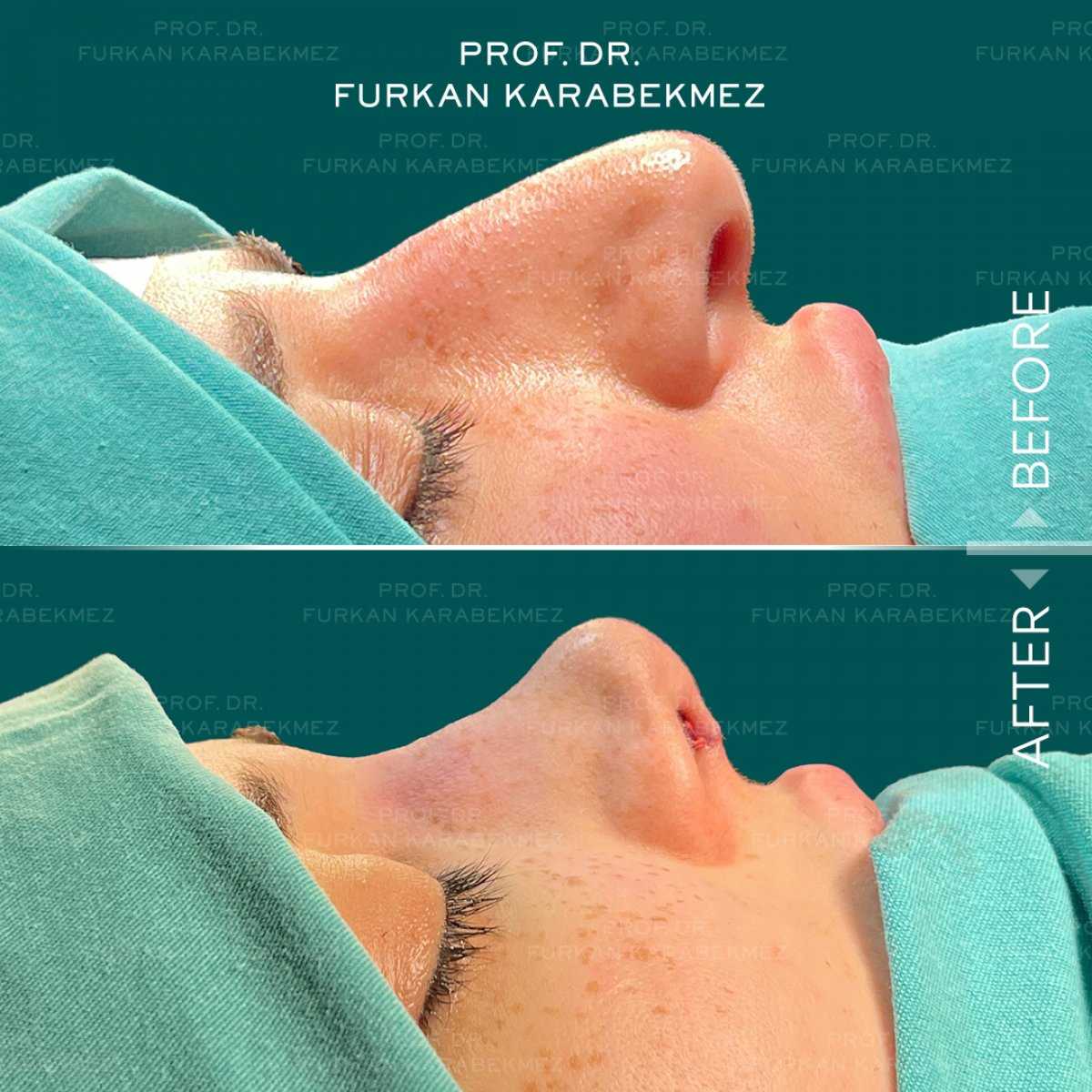
Your result depends on the surgeon's artistry. We have selected a list of premier plastic surgery clinics and hospitals in Turkey. These facilities are vetted for their Ministry of Health accreditation, ISO certifications, and modern infrastructure. Many surgeons operate in large, JCI-accredited hospitals that offer intensive care units and advanced safety protocols. Explore the profiles below to see their before-and-after galleries.

Standard: Look for clinics that use 3D simulation software (like Vectra) to show you potential results during consultation.
Your result depends on the surgeon's artistry. We have selected a list of premier plastic surgery clinics and hospitals in Turkey. These facilities are vetted for their Ministry of Health accreditation, ISO certifications, and modern infrastructure. Many surgeons operate in large, JCI-accredited hospitals that offer intensive care units and advanced safety protocols. Explore the profiles below to see their before-and-after galleries.

Standard: Look for clinics that use 3D simulation software (like Vectra) to show you potential results during consultation.

Patient reviews provide an honest look at the quality of care. In this section, you will find feedback from international patients who have undergone surgery in Turkey. Read through their comments regarding communication, the recovery process, and the natural look of their results to help guide your own choice of provider.

Review Tip: Look for long-term reviews (6 months+) to see how the nose settled after swelling subsided.

1 Is rhinoplasty safe in Turkey?

Yes, when you choose a certified surgeon and accredited hospital. Turkey has a rigorous medical tourism industry overseen by the Ministry of Health. Many surgeons are members of international boards like ISAPS (International Society of Aesthetic Plastic Surgery) and EBOPRAS. It is crucial to research your surgeon's specific experience with rhinoplasty.

2 What is Piezo Rhinoplasty?

Piezo (Ultrasonic) Rhinoplasty uses high-speed sound waves to reshape the nasal bone without breaking it with a hammer and chisel. This technique is extremely precise and avoids damaging soft tissue, blood vessels, and nerves. The result is significantly less bruising, less swelling, and a faster recovery. It is widely used by top Turkish surgeons.

3 What is the difference between Open and Closed techniques?

Closed Rhinoplasty involves incisions inside the nostrils, leaving no visible scar. It is suitable for less complex changes. Open Rhinoplasty involves a small incision across the columella (base of the nose), allowing the surgeon to lift the skin for better visibility. This is often preferred for significant reshaping or revision cases. Your surgeon will recommend the best approach.

4 How long do I need to stay in Turkey?

You should plan to stay for 7 nights. The surgery takes place on day 1 or 2. You will stay 1 night in the hospital. The splint (cast) is typically removed on day 6 or 7. After the final check-up, you are cleared to fly home.

5 Do I need a companion?

While not strictly mandatory, it is helpful. However, Turkish clinics offer excellent support. They pick you up for every appointment and often have nurses available at the hotel. Many patients travel solo for rhinoplasty and find the process very manageable.

6 Can I combine it with other surgeries?

Yes. Rhinoplasty is often combined with other facial procedures like chin implants (profile balancing), blepharoplasty (eyelid surgery), or buccal fat removal. Combining surgeries saves money on anesthesia and hospital fees and requires only one recovery period.

7 Will there be a language barrier?

No. English is the primary language for medical tourism in Turkey. Surgeons and coordinators speak fluent English. Clinics also provide translators for other languages (German, French, Spanish, Russian, Arabic) to ensure clear communication at every step.

8 What about ethnic rhinoplasty?

Turkish surgeons are highly skilled in ethnic rhinoplasty. They have extensive experience working with diverse nasal structures (thick skin, weak cartilage, wide base). They focus on refining the nose while preserving the patient's ethnic identity and facial harmony, rather than creating a "westernized" look.

9 How long is the recovery?

Most swelling and bruising subside within 10-14 days. You can return to work (desk job) after 2 weeks. However, the nose will continue to refine for up to 1 year (or longer for thick skin). You must avoid glasses and heavy exercise for 4-6 weeks post-op.

10 Do I need a visa?

Many nationalities (US, UK, some EU) require an e-Visa to enter Turkey. It is an easy online process that takes a few minutes. PlacidWay and your clinic can provide guidance and necessary documentation if a medical visa is required.

How to Get a Nose Job in Turkey

To get a nose job in Turkey, you need to research board-certified plastic surgeons, verify clinic credentials, schedule virtual consultations, arrange medical travel, and plan for a 7 to 10-day stay in the country for surgery and initial recovery. Rhinoplasty, commonly referred to as a nose job, is a surgical procedure designed to alter the shape, size, or structural function of the nose. Over the last decade, patients from around the world have increasingly looked abroad for treatment, leading to a rise in international medical travel. Navigating medical tourism in Turkey requires careful planning, medical vetting, and an understanding of the risks associated with traveling for surgery. This comprehensive guide explains the steps involved in planning a rhinoplasty procedure abroad. We will explore eligibility, safety protocols, estimated expenses, and how to approach your recovery responsibly. Key Takeaways Thoroughly research board-certified surgeons and internationally accredited facilities before committing to treatment. Understand both the physical requirements and psychological readiness necessary for facial plastic surgery. Be aware of potential surgical risks, including infection, excessive bleeding, or breathing difficulties. Plan to stay in the destination country for at least 7 to 10 days to allow for safe initial recovery and medical clearance to fly. Establish a relationship with a local doctor in your home country for long-term post-operative care and follow-up. What is a nose job (rhinoplasty), and why do patients travel to Turkey? Rhinoplasty is a surgical procedure to change the shape or function of the nose, and many patients choose to travel internationally due to the availability of experienced plastic surgeons and comprehensive medical travel options. Rhinoplasty can be performed for cosmetic reasons, to improve nasal symmetry, remove bumps, or refine the nasal tip. It can also be performed for functional reasons, such as correcting a deviated septum to improve breathing. In many cases, a single procedure addresses both aesthetic and functional concerns simultaneously. The rise of medical tourism in Turkey is largely driven by a combination of healthcare infrastructure, highly trained medical professionals, and geographic accessibility for European, Middle Eastern, and North American patients. Many Turkish surgeons see a high volume of complex rhinoplasty cases, allowing them to gain extensive experience in various nasal anatomies. However, traveling abroad for surgery introduces unique challenges. Patients must balance the appeal of potential cost savings with the logistical complexities of long-distance travel, postoperative comfort, and finding adequate follow-up care upon returning home. Am I a suitable candidate for a nose job in Turkey? A suitable candidate for rhinoplasty is typically in good overall physical health, has fully developed facial growth, and holds realistic expectations about the potential outcomes and limitations of the surgery. Facial growth is a critical factor; surgeons generally require patients to wait until their nasal bone and cartilage have stopped growing, which is usually around age 16 for females and slightly older for males. Furthermore, a thorough evaluation of your medical history is required to determine eligibility. You may be considered a suitable candidate if you: Do not suffer from underlying medical conditions that impair healing, such as severe uncontrolled diabetes or bleeding disorders. Are a non-smoker, or are willing to quit smoking well in advance of the surgery, as nicotine constricts blood vessels and severely increases the risk of tissue necrosis. Understand that rhinoplasty aims for improvement, not perfection, and recognize that facial asymmetry is naturally present in everyone. Are psychologically prepared to cope with the stress of international travel and a potentially uncomfortable recovery period. Important Consideration: "Thick" or "thin" nasal skin can heavily influence surgical outcomes. Patients with very thick skin may not achieve sharply refined nasal tips, while thin skin may make underlying structural changes or minor irregularities more visible. Your surgeon should evaluate your skin type during the consultation. What is the estimated nose job cost in Turkey? The estimated nose job cost in Turkey typically ranges from $2,500 to $5,000, depending on the surgeon's expertise, the complexity of the procedure, and whether it is a primary or revision surgery. Costs for cosmetic surgery vary widely around the globe. Many international patients find that procedural costs in Turkish cities are lower than those in the United States, the United Kingdom, or Western Europe. These variations are primarily due to differences in the local cost of living, labor costs, and operational expenses, rather than a direct reflection of surgical quality. When evaluating pricing, it is crucial to understand what is included in a clinic's estimate. Often, clinics provide packages that may cover the surgery, anesthesia, pre-operative testing, and sometimes hotel stays, but patients must always verify these inclusions directly. Procedure Type Estimated Cost Range (USD) Notes Primary Rhinoplasty $2,500 – $4,000 First-time surgery on unoperated nasal tissue. Revision Rhinoplasty $3,500 – $5,500+ More complex due to scar tissue; may require rib/ear cartilage grafts. Septorhinoplasty $3,000 – $4,500 Combines aesthetic shaping with breathing correction (septum repair). *Note: The prices above are generalized estimates and can fluctuate based on specific clinic fees, exchange rates, and individual medical needs. Always seek a personalized quote. How do I choose a safe and qualified nose job clinic in Turkey? To find a reputable nose job clinic in Turkey, you should verify the surgeon's national and international board certifications, check facility accreditations, and review their documented experience with your specific surgical goals. Safety must be the primary concern when organizing medical travel. A polished website or a large social media following is not a reliable indicator of medical expertise. Patients must take active steps to verify credentials before making financial commitments. When evaluating a surgeon and facility, consider the following criteria: Surgeon Qualifications: Check if the surgeon is certified by the Turkish Society of Plastic Reconstructive and Aesthetic Surgeons. Membership in global organizations, such as the International Society of Aesthetic Plastic Surgery (ISAPS), can also demonstrate a commitment to recognized safety standards. Facility Accreditation: Surgery should be performed in a fully equipped, modern hospital or accredited surgical center. Look for facilities accredited by international bodies, such as the Joint Commission International (JCI). Transparency: A reputable doctor will clearly explain potential risks, avoid guaranteeing "perfect" results, and refuse to operate on patients who are medically unsuitable. Before and After Photos: Request to see portfolios of patients with similar initial nasal structures to yours to gauge the surgeon's aesthetic style, keeping in mind that results vary from person to person. What are the potential risks and complications of rhinoplasty? While often performed safely, rhinoplasty carries inherent risks such as excessive bleeding, infection, adverse anesthesia reactions, difficulty breathing, or unsatisfactory cosmetic results that may require revision surgery. All surgical procedures, regardless of where they are performed or the skill level of the surgeon, carry risks. It is vital to make an informed decision by weighing these risks against the anticipated benefits. The complexity of nasal anatomy makes rhinoplasty one of the most challenging cosmetic procedures to perform. Complications may include, but are not limited to: Breathing Issues: Altering the structure of the nose can sometimes lead to functional problems, such as nasal airway obstruction. Nerve Damage: Temporary or, rarely, permanent numbness in and around the nose or upper lip. Aesthetic Dissatisfaction: Asymmetry, visible scarring (in open rhinoplasty), or contour irregularities that may prompt the need for a secondary (revision) surgery. Septal Perforation: A rare condition where a hole develops in the septum (the wall separating the nostrils), which can cause crusting, bleeding, and whistling during breathing. How long does it take to recover from a nose job? Initial recovery typically takes about 1 to 2 weeks for the bruising and visible swelling to subside, though the nose may take up to a full year, or longer, to completely settle into its final shape. The immediate post-operative period is characterized by swelling, congestion, and often bruising around the eyes. Most patients describe the sensation as being akin to having a severe head cold, rather than experiencing sharp pain. Your surgeon will typically place a splint on the outside of your nose, and possibly soft splints inside, to support the new structure during initial healing. The general recovery timeline often unfolds as follows: 1 Week: Nasal splints and external sutures (if applicable) are usually removed. Bruising normally peaks and begins to fade. 2 to 3 Weeks: The majority of the visible swelling decreases, and most patients feel comfortable returning to non-strenuous work and social activities. 4 to 6 Weeks: You can often resume more vigorous physical exercises, depending on your doctor's clearance. The nasal bones become stable. 12 Months: Subtle swelling, especially around the nasal tip, gradually resolves. The final refined result becomes fully visible. What should I expect during the consultation process in Turkey? Consultations involve discussing your complete medical history, examining your internal and external nasal structure, sharing your aesthetic goals, and learning about the specific surgical approach the doctor recommends. For international patients, the consultation process usually happens in two stages. First, a virtual consultation allows you to send photographs and medical records to the clinic for a preliminary assessment. During this video call, the surgeon will discuss whether your goals are realistically achievable and provide a generalized surgical plan. The second stage is a mandatory in-person consultation once you arrive in Turkey. The surgeon will perform a physical examination of your nose, check your skin thickness, and assess your nasal airway. Many modern clinics utilize 3D imaging software to create a digital simulation of the anticipated outcome. This visual tool helps align your expectations with the surgeon's capabilities, though it is important to remember that a simulation is not a guaranteed result. What preparations are necessary before traveling for surgery? Preparation involves undergoing pre-operative tests, adjusting medications like blood thinners, ceasing smoking, and organizing your travel itinerary to allow plenty of rest without heavy lifting. Proper preparation is crucial to minimize surgical risks and ensure a smoother recovery. Surgeons routinely require patients to pause certain medications, such as aspirin, ibuprofen, and specific herbal supplements (like ginkgo biloba or vitamin E), for at least two weeks prior to surgery due to their blood-thinning properties, which can increase bleeding risk. Additionally, you may be asked to obtain medical clearance from your local primary care physician, which can involve blood tests and an electrocardiogram (EKG). When packing for your trip, bring clothing that buttons or zips in the front, so you do not have to pull tight shirts over your head and risk bumping your nose after surgery. How does medical tourism in Turkey work for rhinoplasty patients? Getting a nose job in Turkey involves booking flights, securing accommodation near the hospital, and ensuring you have a minimum of 7 to 10 days in the country for pre-op testing and post-op medical clearance. Because you are traveling across borders for a medical procedure, logistics must be meticulously planned. Upon arrival, patients usually spend the first day attending their in-person consultation and undergoing pre-operative blood tests. Surgery typically occurs on the second day, followed by a brief hospital stay—often one night—for monitoring. The remainder of your time in Turkey is dedicated to resting in your hotel. You will return to the clinic roughly a week after surgery to have the cast and splints removed. Only after the surgeon assesses your healing progress and provides official medical clearance should you attempt to fly back home, as cabin pressure changes can cause discomfort and bleeding in an unhealed nose. What happens if I experience complications after returning home? If complications arise after you return home, you must seek immediate care from a local healthcare professional and notify your Turkish surgeon to maintain continuity of care. One of the most significant considerations of international medical travel is the distance from your operating surgeon during the months of recovery. While severe late-stage complications are uncommon, issues such as post-operative infection, excessive bleeding, or breathing difficulties require prompt local medical attention. Before traveling, it is highly recommended to speak with a local physician or an ear, nose, and throat (ENT) specialist in your home country who is willing to provide post-operative follow-up care if necessary. Do not ignore warning signs such as a high fever, sudden sharp pain, or heavy bleeding, and always prioritize immediate medical intervention over waiting for a remote consultation. Why Choose PlacidWay for Medical Tourism? PlacidWay is a comprehensive medical tourism platform designed to help patients research their healthcare options abroad. When exploring international treatments, PlacidWay offers several informational resources: Global Connections: Facilitates connections between patients and international medical providers, clinics, and hospitals. Informational Profiles: Provides access to detailed profiles of doctors and healthcare facilities to aid in your independent research. Cost Comparisons: Offers a platform for patients to compare estimated procedure costs across different geographic regions. Direct Communication: Allows patients to request information directly from providers to ask questions regarding procedures and eligibility. Educational Focus: Focuses on educating patients about their medical tourism options without pressuring them into immediate medical decisions. Frequently Asked Questions (FAQs) Can I fly immediately after getting a nose job in Turkey? No, you typically cannot fly immediately. Surgeons usually recommend waiting 7 to 10 days until your nasal splint is removed and you receive medical clearance, as cabin pressure changes can increase swelling and bleeding risks. Is a revision rhinoplasty more complicated than a primary one? Yes. Revision rhinoplasty is generally more complex due to existing scar tissue, altered nasal anatomy, and a potential need for cartilage grafts, which often makes the procedure longer and more costly. What kind of anesthesia is used for rhinoplasty in Turkey? Rhinoplasty is most commonly performed under general anesthesia, ensuring you are completely asleep and pain-free during the surgery. In some minor cases, local anesthesia with intravenous sedation may be used. Will my health insurance cover a nose job in Turkey? Cosmetic rhinoplasty is almost never covered by insurance. If the procedure is strictly for medical reasons, such as correcting a breathing obstruction (septoplasty), your local provider might offer partial coverage, but applying international claims can be very difficult. How do surgeons in Turkey address different ethnic nose shapes? Qualified surgeons analyze your specific nasal anatomy, cartilage strength, and skin thickness. They often use specialized techniques to refine the nose while aiming to respect and maintain the patient's natural ethnic features. Do I need a companion to travel with me to Turkey for surgery? While not strictly mandatory, having a companion is highly recommended. You will need someone to assist you in the first 24 to 48 hours after surgery when you may be groggy from anesthesia and dealing with initial swelling. Are language barriers an issue at Turkish medical clinics? Many clinics catering to international patients employ multi-lingual staff and dedicated patient coordinators or translators to help ensure clear communication between you and your medical team. How long do the final results of a nose job last? The structural changes made during rhinoplasty are generally permanent. However, your nose will still be subject to natural aging processes and minor changes in facial tissue over your lifetime. Can I combine a nose job with other facial procedures in Turkey? Yes, suitable candidates sometimes combine rhinoplasty with other procedures, such as chin augmentation or eyelid surgery, to achieve overall facial balance. This depends entirely on your health and the surgeon's assessment of safety. What if I do not like the final result of my rhinoplasty? If you are unsatisfied, you must wait at least a full year for all swelling to resolve before considering revision surgery. Revision procedures carry additional risks and are generally more complex than the primary surgery. Compare Treatment Options Abroad Connect with accredited medical providers, review patient information, and request estimated treatment costs to help you make an informed decision. Request Treatment Information References Rhinoplasty (Nose Job) Overview – Mayo Clinic Rhinoplasty Safety and Risks – American Society of Plastic Surgeons (ASPS) Nose Reshaping (Rhinoplasty) – National Health Service (NHS) Rhinoplasty Procedure Information – International Society of Aesthetic Plastic Surgery (ISAPS) Rhinoplasty Medical Encyclopedia – MedlinePlus (U.S. National Library of Medicine) Medical Tourism Travel Information – Centers for Disease Control and Prevention (CDC) Rhinoplasty Patient Information – American Academy of Otolaryngology–Head and Neck Surgery Medical Disclaimer: The content in this article is for informational and educational purposes only and should not be construed as professional medical advice, diagnosis, or treatment. Medical tourism involves distinct risks. Outcomes, recovery times, and eligibility vary widely among individuals. Always consult directly with a board-certified physician or qualified healthcare provider regarding your specific medical condition and before undergoing any surgical procedure abroad. Never disregard professional medical advice or delay in seeking it because of something you have read in this article.

Your face is your identity, and we ensure it is in the hands of masters. We have compiled a list of top-tier plastic surgeons in Turkey who possess extensive experience in nasal surgery. These profiles highlight their board certifications, specialization in ultrasonic techniques, and international reputation.

1

Board-Certified Plastic Surgeons

Turkish & European Certification

Our listed specialists are board-certified by the Turkish Society of Plastic, Reconstructive, and Aesthetic Surgeons (TPRECD) and often hold European Board (EBOPRAS) certification. This ensures they have completed rigorous training and adhere to the highest ethical and safety standards.

2

ENT & Facial Plastic Experts

Dual Focus on Form & Function

Some of the best rhinoplasty surgeons in Turkey have a background in Otolaryngology (ENT). This dual expertise is invaluable, as they prioritize improving your breathing (septoplasty) just as much as enhancing the aesthetic appearance of your nose, ensuring a result that looks good and works perfectly.

3

Revision Specialists

Experts in Complex Cases

Turkey is a global center for revision rhinoplasty. The surgeons we feature are skilled in harvesting rib or ear cartilage to rebuild noses that have been damaged by previous surgeries. Their ability to handle these complex reconstructive cases speaks to their high level of skill and anatomical knowledge.

1

Unmatched Expertise

Turkish surgeons perform more rhinoplasties per capita than almost anywhere else. This immense volume of experience allows them to master diverse nasal types and techniques.

They are trendsetters in the field, often developing new methods that are later adopted globally.

2

Luxury for Less

The favorable exchange rate allows clinics to offer 5-star experiences at a fraction of the cost. From VIP airport pickups to luxury recovery hotels, patients feel pampered throughout their journey.

This comprehensive care package is rarely available or affordable in Western countries.

3

Cultural & Historical Appeal

Istanbul offers a magical backdrop for recovery. Patients can enjoy the rich history, delicious cuisine, and vibrant culture of the city before and after their surgery.

The opportunity to combine a major life change with a memorable vacation makes the experience even more rewarding.

How Can PlacidWay Assist With My Rhinoplasty in Turkey?

With thousands of clinics in Turkey, finding the right one can be overwhelming. PlacidWay serves as your trusted guide, connecting you with verified, high-quality surgeons and handling the logistics for a seamless transformation.

Surgeon Vetting

We partner only with board-certified surgeons and accredited hospitals that meet strict safety standards, ensuring you are in expert hands.

Free Assessments

We facilitate free photo consultations, allowing you to receive a professional opinion and surgical plan from top surgeons before you book.

All-Inclusive Quotes

We provide transparent, package pricing that includes surgery, hotel, and transfers, helping you budget accurately without hidden fees.

Travel Logistics

From visa advice to coordinating your airport pickup and hotel check-in, we help manage the practical details of your trip.

Translation Support

We ensure you have access to English-speaking coordinators or translators, so you fully understand every step of your medical procedure.

Patient Advocacy

Our team is available to support you throughout your entire journey, answering questions and ensuring your experience meets your expectations.

Reveal your true confidence. Contact PlacidWay today for a free, confidential quote and start your rhinoplasty journey in Turkey.

Get Your Free Personalized Quote

Rhinoplasty in Turkey thumbnail

About Experience

  • Translations: EN ES AR
  • Price Range: $3,000 - $3,000
  • Treatment: Nose Surgery Rhinoplasty, Cosmetic/Plastic Surgery
  • Location: Turkey
  • Clinics: Private Koru Ankara Hospital, Pendik Bolge Hospital in Istanbul Turkey,
  • Doctors Cenk Demirdover, Dr Hakki Izmirli,
  • Packages Cheapest Rhinoplasty Package by Private Koru Hospital in Ankara, Turkey,
  • Overview Revealing Your True Beauty: Transformative Nose Surgery in Turkey

Trusted Medical Tourism Platform Since 2007

60+
Countries
2k+
Clinics
19.5k+
Reviews
2.5k+
Qualified Doctors
1.1M+
Patients Served Since 2007