

Contents
Cancun has evolved beyond being just a premier vacation hotspot; it is now the leading destination for North Americans seeking full mouth restoration. The "All-on-4" procedure in Cancun offers a life-changing solution for those with missing teeth or loose dentures, providing a full fixed bridge supported by just four implants. What makes Cancun exceptional is the ability to combine this complex rehabilitation with a relaxing recovery by the Caribbean Sea.
Dental clinics in Cancun are purpose-built for international patients. They rival high-end US practices in technology, utilizing 3D CBCT scans, digital smile design, and authentic implant brands like Nobel Biocare and Straumann. However, because of the lower cost of operations in Mexico, these premium services are available at 60-70% less than US prices.
The dentists here are not generalists; they are often US-trained specialists (Prosthodontists and Oral Surgeons) who focus exclusively on implantology. They understand the time constraints of travel and have optimized their workflows to deliver "Teeth in a Day"—placing implants and a temporary fixed bridge in a single visit.
Choosing Cancun for your All-on-4 means you stop hiding your smile and start enjoying life again, all while saving thousands of dollars in a supportive, English-speaking environment.
Did You Know?
Many top dental clinics in Cancun offer a "VIP Concierge Service." This isn't just a marketing term; it often includes a private chauffeur who picks you up from the airport, drives you to your hotel, and shuttles you to every dental appointment, ensuring you never have to worry about navigation or taxis during your stay.
Key Insights at a Glance
Patients typically save $15,000 to $25,000 per arch compared to US prices for the exact same brand of implants.
Most patients leave with a fixed provisional bridge (new teeth) within 24-48 hours of surgery.
Clinics use FDA-approved implants like Nobel Biocare, Straumann, and Neodent, ensuring lifetime quality.
Communication is seamless; dentists and staff in the Hotel Zone are fluent in English.
Reputable clinics provide written guarantees on both the titanium implants and the final prosthesis.
Recovery happens in a resort setting, reducing stress and allowing for a mental break while you heal.
The "Dental Vacation" Phenomenon
Cancun has become so synonymous with dental tourism that some resorts now partner directly with clinics, offering special "recovery meals" (soft foods) on their menus for guests who have just had implant surgery. It's a city that truly understands and caters to the dental traveler.
We have curated a list of top-tier clinics offering comprehensive All-on-4 packages. These "vacation packages" typically cover the entire medical side: 3D CT scans, 4-6 titanium implants per arch, the temporary fixed bridge, and the final hybrid or Zirconia bridge. On the logistical side, they often include airport transfers, daily clinic shuttles, and sometimes even discounted stays at partner hotels in the Hotel Zone or downtown.
Note: Flights are usually not included, but the package price is fixed so you won't face surprise "add-on" costs at the clinic.

Price starting from $12,635
All on 4 Dental Implants Package by Dentaris in Cancun, Mexico
Dentaris Cancun Riviera Maya Dentistry
- Dentistry
Cancun, Mexico
The cost difference is staggering. In the USA or Canada, an All-on-4 procedure typically costs between $25,000 and $40,000 per arch. In Cancun, the average price for the same procedure with high-quality implants ranges from $10,000 to $13,500 per arch. This includes the surgery phase and the final restoration phase. Even when factoring in two trips for the process, the savings often exceed 60%.
Tip: Ask if the quote includes the final "Zirconia" prosthesis, which is more durable and aesthetic than acrylic options.
All on 4 Dental Implants Centers Cost Comparison in Cancun, Mexico
| Provider | Procedure | Price |
|---|---|---|
| Dentaris Cancun Riviera Maya Dentistry | All on 4 Dental Implants, Dentistry | $12635 |
| YeahSmile | All on 4 Dental Implants, Dentistry | $9834 |
All on 4 Dental Implants Cost Comparison in Mexico
| Country | Procedure | Price |
|---|---|---|
| Canada | All on 4 Dental Implants, Dentistry | $22500 |
| United States | All on 4 Dental Implants, Dentistry | $35000 |
The clinics we recommend are not average dental offices; they are specialized Implant Centers. They feature on-site dental labs (CAD/CAM technology), allowing them to fabricate temporary teeth in hours rather than weeks. They are staffed by teams of specialists—Oral Surgeons for the placement and Prosthodontists for the restoration—ensuring every step is handled by an expert.
Safety First: Look for clinics that are members of the ADA (American Dental Association) or AAID (American Academy of Implant Dentistry).

Dentaris Cancun Riviera Maya Dentistry
Cancun, Mexico

YeahSmile
Cancun, Mexico
Sani Dental Group Cancun
Cancun, Mexico

Symmetry Clinics
Cancun, Mexico

Dental Corner
Cancun, Mexico

Unique Dental Clinic
Cancun, Mexico
Watch the emotional reveals of patients who have regained their ability to eat, smile, and speak with confidence. These testimonials cover the entire journey: the initial anxiety of traveling abroad, the comfort of the clinic, the pain-free surgery, and the joy of the final result. Hearing their stories is the best way to understand the quality of care and the life-changing impact of this procedure.
Insight: Notice how many patients mention that the dental office in Cancun was "more modern and clean" than their dentist back home.

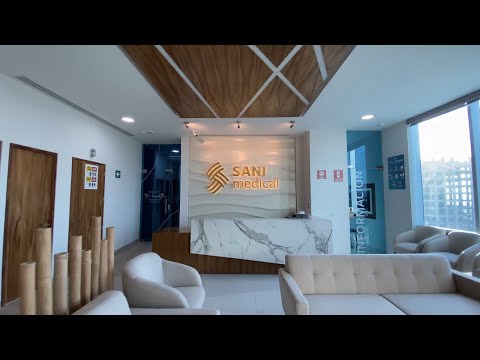
Verified reviews consistently rate Cancun as a top-tier destination for dental implants. Patients praise the "gentle touch" of the dentists, the transparent pricing (no hidden fees), and the efficiency of the treatment. Read through the feedback to see how others navigated the travel logistics and their satisfaction with the longevity of their implants years later.
Review Tip: Look for reviews that specifically mention the "Prosthodontist"—the specialist responsible for the look and fit of your new teeth.

All on 4 Dental Implants in Cancun Mexico Transform Your Smile in One Trip
Getting All on 4 dental implants in Cancun Mexico involves placing four titanium posts in the jaw to support a fixed full arch of teeth. This surgical procedure aims to restore oral function and appearance for patients with severe tooth loss. Restoring a full arch of teeth is a major medical and personal decision. For individuals dealing with severe decay, failing traditional dentures, or extensive tooth loss, full-arch rehabilitation offers a potential path back to a functional smile. As healthcare costs continue to rise in many parts of the world, a growing number of patients are exploring international options for their dental care. Cancun has emerged as a prominent destination for patients seeking complex dental restorations. The combination of established dental infrastructure, experienced oral surgeons, and proximity to North America makes it a frequent choice for those looking to undergo major dental procedures. However, traveling abroad for surgery requires careful research, realistic expectations, and a clear understanding of the medical realities involved. Key Takeaways The procedure utilizes four titanium implants to support a full arch of fixed prosthetic teeth. While initial surgery and temporary teeth can occur in one trip, permanent teeth typically require a second visit months later. Thorough medical screening is required to ensure sufficient bone density and overall health. Costs are generally lower than in North America, but patients must factor in travel, lodging, and local follow-up care. Like any surgery, it carries risks such as infection or implant failure, requiring strict adherence to aftercare. How does the All-on-4 dental implant procedure work? The All-on-4 method uses four strategically placed dental implants to anchor a fixed full-arch prosthesis. Two anterior implants are placed straight, while two posterior implants are tilted to maximize bone contact. The core concept behind this technique is maximizing the use of available jawbone. By tilting the two back implants at an angle (usually between 30 and 45 degrees), oral surgeons can often bypass areas of low bone density and avoid the sinuses in the upper jaw or the nerve canal in the lower jaw. This specific angulation frequently eliminates the need for extensive bone grafting, which can reduce both surgical time and overall healing duration. During the surgery, the remaining failing teeth are extracted, the bone is prepared, and the titanium implants are inserted into the jaw. In many cases, if the initial stability of the implants is sufficient, a temporary acrylic bridge is attached to the implants on the same day or shortly after. This temporary prosthesis allows you to leave the clinic with functional teeth while the underlying bone heals. Over the following three to six months, a biological process called osseointegration takes place. The jawbone cells grow around and fuse with the titanium surface of the implants, creating a highly stable foundation. Once this integration is verified by your dentist, the temporary bridge is replaced with your customized, permanent final teeth. What is the estimated All on 4 dental implants cost in Cancun Mexico? The estimated All on 4 dental implants cost in Cancun Mexico generally ranges from $8,000 to $12,000 per arch. This often represents noticeable savings compared to North American prices, though final fees depend on individual needs. When evaluating the financial aspect of this procedure, it helps to understand why the pricing differs across borders. The lower estimated costs in Mexico are primarily driven by the region's lower cost of living, reduced administrative overhead, and different malpractice insurance requirements, rather than a lack of technology or materials. Many facilities utilize the same imaging equipment and implant brands found globally. However, the baseline cost is rarely a flat rate. Several variables can alter the final amount you pay: Material of the final prosthesis: Acrylic fused to titanium is usually less expensive, while monolithic zirconia is highly durable and carries a premium price. Need for extractions or minor grafting: Even though major grafting is often avoided, complex extractions or localized bone contouring will add to the total. Sedation fees: IV sedation is administered by an anesthesiologist and usually billed separately from the surgical fee. Important Consideration: When budgeting, you must factor in the cost of flights, hotel accommodations, meals, and potential return trips. A comprehensive budget prevents unexpected financial strain during your recovery. Can I really transform my smile in just one trip? While you may receive temporary functional teeth during your first trip, the permanent prosthesis typically requires a second visit. The jawbone needs three to six months to fully heal and integrate with the implants. Marketing slogans often promise a brand-new smile in a single visit, sometimes referred to as "teeth in a day." Medically speaking, this phrasing can be easily misunderstood. During your initial trip to Cancun, the surgical phase is completed. If you meet the criteria for immediate loading, you will indeed leave with a fixed set of teeth. However, these are temporary healing dentures. The temporary teeth are made of lighter materials (like acrylic) and are designed to avoid placing excessive stress on the newly placed implants. They allow you to speak normally and chew soft foods while your body undergoes the osseointegration process. Your gums will also shrink and change shape as they heal from the surgery. Because of these tissue changes and the need for bone integration, fitting a permanent, heavy zirconia bridge immediately is generally contraindicated. Therefore, a second trip back to the clinic—usually four to six months later—is required. During this second visit, new impressions are taken of your fully healed gums, and the final, durable prosthesis is manufactured and attached. Who is a suitable candidate for full-arch implants? Suitable candidates usually have significant tooth loss, severe decay, or failing dental work, along with sufficient overall health for minor surgery. A thorough clinical and radiographic evaluation determines your eligibility. Not everyone missing teeth is an immediate candidate for this specific protocol. A qualified oral surgeon or prosthodontist must evaluate your medical history and anatomical structure using 3D imaging, such as a Cone Beam Computed Tomography (CBCT) scan. This scan reveals the exact density, volume, and height of your remaining jawbone. Good candidates typically share the following traits: They are missing most or all of their teeth in an arch, or their remaining teeth are too compromised to save. They have adequate bone volume in the anterior (front) portion of the jaw to anchor the implants. They do not have uncontrolled systemic diseases, such as severe diabetes, which can severely impair bone healing and increase infection risk. They do not currently smoke, or are willing to quit well before and after surgery, as smoking drastically increases the rate of implant failure. How can I identify a safe All on 4 dental implants clinic in Cancun Mexico? Finding a reliable All on 4 dental implants clinic in Cancun Mexico involves checking the credentials of the dental surgeons, reviewing clinic hygiene protocols, and verifying international accreditations. Safety should always take precedence over cost savings. When researching facilities abroad, it is vital to perform due diligence just as you would in your home country. Look for clinics that emphasize transparency regarding their staff's educational backgrounds and specialties. Full-arch rehabilitation is a complex procedure that is typically best performed by a team consisting of an oral and maxillofacial surgeon (or a specialized periodontist) and a prosthodontist. Consider the following steps when evaluating a facility: Verify Credentials: Look for specialists who have completed recognized post-graduate training in implantology. Memberships in international organizations (like the ITI or ADA) can indicate a commitment to ongoing education. Ask About Technology: A well-equipped clinic should utilize in-house 3D CBCT scanners. Attempting this surgery using only 2D panoramic X-rays increases the risk of nerve damage or poor implant placement. Infection Control: Inquire about their sterilization protocols. Reputable clinics will openly discuss how they maintain international standards for cross-contamination prevention. What are the potential risks and complications? Like any surgical procedure, All-on-4 implants carry risks such as infection, nerve damage, sinus issues, or implant failure. Proper patient selection and strict adherence to post-operative care help minimize these risks. No surgical intervention is entirely risk-free, and it is medically irresponsible to suggest otherwise. While the success rate for implant placement in healthy individuals is generally high, complications can and do occur. Understanding these risks allows you to make an informed decision and recognize when to seek immediate medical help. Potential complications may occur immediately after surgery or develop months later: Surgical Risks: These include excessive bleeding, injury to adjacent anatomical structures (such as the inferior alveolar nerve in the lower jaw, which can cause numbness of the lip or chin), or perforation of the sinus cavity in the upper jaw. Implant Failure: Sometimes, the bone simply fails to fuse with the titanium (lack of osseointegration). The implant becomes loose and must be removed. After a healing period, it may be possible to try again. Peri-implantitis: This is an inflammatory condition affecting the gum and bone around an implant, similar to severe gum disease. It is often caused by poor oral hygiene or smoking, and if left untreated, it leads to bone loss and eventual implant failure. How long does the recovery process usually take? Initial surgical recovery usually takes one to two weeks, during which swelling and mild discomfort are common. Complete osseointegration, where the jawbone fuses to the titanium, typically takes between three and six months. Recovery occurs in distinct phases. The acute phase follows immediately after the surgery. For the first few days, you can expect localized swelling, bruising around the mouth and jaw, and mild to moderate pain. This discomfort is typically manageable with over-the-counter pain relievers or medication prescribed by your surgeon. Most patients feel well enough to return to non-strenuous work within a week. During the biological recovery phase (the three to six months between your first and second trip), you must adhere strictly to a modified diet. Chewing hard, crunchy, or tough foods can exert forces that disrupt the delicate bone cells trying to attach to the implant threads. A soft-food diet—consisting of pasta, fish, scrambled eggs, and cooked vegetables—is usually mandatory during this window. Expert Insight: Patients who prematurely test their temporary teeth on hard foods run a significantly higher risk of micro-movement, which is a leading cause of early implant failure. What materials are used for the implants and replacement teeth? The implants themselves are almost always made of biocompatible titanium. The fixed prosthetic teeth are commonly crafted from durable materials like monolithic zirconia, porcelain, or acrylic fused to a titanium framework. The foundation of the procedure relies on titanium implants. Titanium is chosen for its unique ability to fuse with living human bone without causing an adverse immune reaction. Some clinics also offer zirconia implants for patients with specific metal allergies, though titanium remains the gold standard for full-arch rehabilitation due to its strength and flexibility. For the visible portion—the bridge or prosthesis—patients typically have a choice of materials, each with its own advantages and limitations: Acrylic with a Titanium Bar: This is a traditional, lighter, and more cost-effective option. It is easier to repair if chipped, but acrylic wears down over time and may absorb stains more easily than other materials. Monolithic Zirconia: Carved from a single block of zirconia, this material is incredibly strong and resistant to chipping and staining. It mimics the light-reflecting properties of natural teeth beautifully. However, it is heavier and more expensive, and if a fracture does occur, the entire bridge often needs replacing. How does medical tourism in Mexico work for dental patients? Engaging in medical tourism in Mexico requires careful planning regarding travel logistics, cross-border health insurance, and local follow-up care. Cancun is popular due to its accessibility and established dental infrastructure. Traveling across borders for medical care involves more than just booking a flight and scheduling an appointment. Patients must coordinate their travel to accommodate post-operative check-ups before flying home. After oral surgery, flying immediately is often discouraged due to changes in cabin pressure, which can affect the sinuses (especially if upper jaw surgery was performed) and increase swelling. One of the most critical aspects of traveling abroad for healthcare is planning for aftercare. Once you return home, you will still need regular dental cleanings, check-ups, and potential adjustments to your bite. It is highly recommended to speak with a local dentist in your home country before you travel to ensure they are willing to provide maintenance and emergency care for implants placed abroad. Why Choose PlacidWay for Medical Tourism in Mexico? Navigating international healthcare options can feel overwhelming. PlacidWay serves as a resource for patients exploring treatments abroad, offering tools to aid in your research process. 1. Informational Resource PlacidWay provides a comprehensive directory of global healthcare options, allowing you to explore destinations and available treatments at your own pace. 2. Clinic Profiles Patients can access detailed profiles outlining facility infrastructures, the educational backgrounds of the dental staff, and areas of specialization. 3. Pricing Transparency The platform allows users to compare estimated pricing structures across different international clinics to help structure a realistic medical travel budget. 4. Direct Communication PlacidWay facilitates direct contact between prospective patients and the healthcare providers, enabling you to ask specific medical questions prior to traveling. 5. Patient Education The site offers articles and guides focused on educating individuals about the realities, planning stages, and logistical considerations of medical tourism. Frequently Asked Questions How long do All-on-4 implants typically last? The titanium implants themselves can often last a lifetime with proper care and good oral hygiene. However, the prosthetic teeth attached to them may experience wear over time and might need replacement or maintenance after 10 to 15 years, depending on the material used and your biting habits. Will the implant surgery be painful? The procedure is performed under local anesthesia, and often with IV sedation, meaning you should not feel pain during the surgery. However, patients typically experience mild to moderate discomfort, swelling, and bruising for a few days after the procedure, which is usually managed with prescribed pain medication. Do I need a passport to travel to Cancun for dental work? Yes, if you are traveling from the United States, Canada, or Europe, you will need a valid passport to enter Mexico by air. Ensure your passport is valid for at least six months beyond your planned dates of travel. Can I eat normally after getting All-on-4 implants? During the initial three to six months of healing, you must stick to a soft food diet to avoid placing excessive force on the healing implants. Once the bone has fully integrated and your permanent teeth are placed, you can gradually return to eating most of your favorite foods. What happens if an implant fails after I return home? If you experience complications such as severe pain, looseness, or signs of infection after returning home, you should immediately contact your local dentist or an oral surgeon for an evaluation. It is highly recommended to establish a relationship with a local provider before traveling abroad. Is bone grafting ever required for the All-on-4 procedure? The All-on-4 technique is designed to maximize existing bone by tilting the posterior implants, often eliminating the need for bone grafting. However, in cases of severe bone resorption, some localized grafting might still be necessary to ensure long-term stability. How do I clean and maintain my new implant-supported teeth? You will need to brush twice daily using a soft-bristled toothbrush and non-abrasive toothpaste. Additionally, using a water flosser and special dental floss designed for implants is crucial to remove plaque from underneath the bridge and around the implant posts. Can I get both the upper and lower arches done at the same time? Yes, suitable candidates can often have both the upper and lower arches treated during the same surgical appointment. Your dentist will evaluate your overall health and bone structure to determine if a dual-arch procedure is appropriate for you. Are the dental materials used in Mexico the same as in the US? Many reputable dental clinics in Mexico use the same internationally recognized brands of implants and high-quality materials (such as monolithic zirconia or titanium) as clinics in the US and Canada. You should always ask your provider about the specific brands and materials they intend to use. What language is spoken in Cancun dental clinics? Because Cancun is a major hub for international patients, many dentists and clinic staff are fully bilingual in English and Spanish. This facilitates clear communication regarding your treatment plan, risks, and post-operative care instructions. Compare Treatment Options Take the next step in researching your dental care options. Connect with providers, compare estimates, and gather the information you need to make an informed decision about your oral health. Request Treatment Information References Dental Implants: What You Should Know – U.S. Food and Drug Administration (FDA) Dental Implant Surgery: Risks and Recovery – Mayo Clinic Medical Tourism: Travel for Medical Care – Centers for Disease Control and Prevention (CDC) Prosthodontics and Dental Implants – American College of Prosthodontists Dental Implants Procedure Details – Cleveland Clinic Types of Implants and Techniques – American Academy of Implant Dentistry (AAID) Medical Disclaimer: The information provided in this article is for educational and informational purposes only and does not constitute medical advice. Treatment outcomes, recovery times, and candidacy vary by individual. This content should not replace a thorough consultation, diagnosis, or treatment plan from a qualified healthcare professional. Always seek the advice of your dentist, oral surgeon, or physician with any questions you may have regarding a medical condition or before deciding to undergo medical or dental procedures abroad.
Which are Best All on 4 Dental Implants Clinics in Cancun, Mexico?
The best All on 4 dental implants clinics in Cancun, Mexico offer top-tier care with advanced 3D imaging. Procedure costs range from $8,000 to $12,000, allowing international patients to save up to 70% compared to US and Canadian dental care prices. Key Takeaways: Full Arch Restorations in Mexico Massive Financial Savings: Patients save tens of thousands of dollars without compromising on surgical quality. Premium Global Materials: Facilities utilize biocompatible titanium and ultra-durable zirconia for permanent results. Rapid Turnaround Times: Immediate loading techniques ensure you never leave the clinic without a functional smile. Advanced Diagnostics: Mandatory 3D CBCT scans guarantee extreme precision and minimize surgical complications. World-Class Specialists: Procedures are executed by internationally trained oral surgeons and dedicated prosthodontists. What makes a top clinic for All on 4 dental implants in Cancun Mexico stand out? Top facilities excel by offering internationally trained prosthodontists and strict sterilization protocols. They prioritize patient safety while delivering permanent and aesthetically pleasing smiles. When searching for the ideal destination to restore your smile, evaluating an All on 4 dental implants clinic in Mexico requires looking beyond basic marketing. The absolute premier centers separate themselves through rigorous international accreditations and multi-disciplinary teams. Instead of relying on a single general dentist, these elite facilities employ specialized oral surgeons to handle the titanium placement and dedicated prosthodontists to meticulously design your artificial teeth. Furthermore, exceptional clinics invest heavily in their internal infrastructure to mirror top-tier North American standards. This includes utilizing hospital-grade sterilization autoclaves and maintaining dedicated surgical suites rather than standard open-concept dental chairs. Such environments drastically reduce the risk of cross-contamination and ensure that complex full arch restorations are completed in the safest possible setting for international visitors. Finally, a standout clinic understands the unique needs of the medical tourist. They provide seamless communication through fluent English-speaking patient coordinators who guide you through every step. From interpreting complex 3D imaging results to managing local transportation logistics between your hotel and the medical facility, these clinics focus on eliminating patient stress so you can concentrate entirely on your healing process. What is the average All on 4 dental implants cost in Mexico today? Patients typically pay between $8,000 and $12,000 for a full arch restoration in this tropical destination. This reflects a massive reduction compared to the $25,000 to $40,000 charged in North America. Understanding the All on 4 dental implants cost in Mexico is the primary reason thousands of patients cross the border annually. The significant price disparity is not a reflection of lower quality materials or poorly trained doctors. Instead, it stems directly from the vastly lower cost of living, reduced commercial real estate overhead, and affordable administrative operational costs prevalent in the region. When you receive a quote for this transformative procedure, it is crucial to understand what drives the final price tag. The base cost generally covers standard titanium implants and a high-grade acrylic temporary bridge. Upgrading your final prosthetic to premium monolithic zirconia or adding necessary pre-surgical procedures like complex sinus lifts and extensive tooth extractions will push the overall investment closer to the higher end of the pricing spectrum. Even with premium upgrades, the financial relief remains staggering. Many patients find that they can afford a luxurious two-week recovery vacation on the Caribbean coast, cover all round-trip airfare, pay for top-tier clinical treatments, and still return home with tens of thousands of dollars in savings compared to accepting a local treatment plan in their hometown. Location Average Cost (Single Arch) Average Cost (Full Mouth) United States $25,000 - $35,000 $50,000 - $70,000 Canada $22,000 - $30,000 $44,000 - $60,000 Cancun, Mexico $8,000 - $12,000 $16,000 - $24,000 What technology is utilized for All on 4 dental implants in Cancun Mexico? Leading facilities utilize Cone Beam Computed Tomography scanners and digital intraoral scanners for extreme precision. This digital workflow ensures exact implant placement and perfectly fitted prosthetics. ? CBCT Scanners: These advanced machines capture three-dimensional images of your jawbone to identify critical nerve pathways and measure bone density precisely before any incisions are made. ? Digital Surgical Guides: By combining 3D scans with specialized software, surgeons print custom templates that dictate the exact angle and depth for every single titanium post. ? Intraoral Scanning: Traditional messy putty impressions are replaced by digital wands that capture thousands of microscopic pictures to build a highly accurate virtual model of your gums. ? CAD/CAM Milling Machines: On-site laboratories utilize computer-aided design and manufacturing to carve your permanent zirconia teeth with microscopic accuracy directly from solid blocks of material. ? Platelet Rich Fibrin Technology: Clinics draw a small sample of your blood and spin it in a centrifuge to isolate healing proteins, which are then applied to your gums to drastically accelerate tissue regeneration. Who performs the procedure for All on 4 dental implants in Mexico? Yes, reputable oral surgeons and prosthodontists possess board certifications from recognized national and international dental associations. Many have completed extensive implantology training in the United States or Europe. A crucial factor distinguishing a premium All on 4 dental implants clinic in Mexico is the caliber of the medical professionals on staff. You are not being treated by recent graduates practicing basic dentistry. The surgical phase is exclusively handled by maxillofacial surgeons or highly trained periodontists who have dedicated years of post-graduate education specifically to bone biology and surgical interventions. Many of these specialists hold active memberships in prestigious global organizations dedicated to implantology. They regularly attend continuing education seminars across North America to ensure their techniques align with the latest global advancements. This ongoing commitment to excellence means the hands operating on you are just as skilled, if not more experienced due to high patient volume, as the specialists located in your hometown. Equally important is the restorative phase handled by prosthodontists. These experts focus entirely on the aesthetics and biomechanics of your new bite. They work harmoniously with the surgical team to ensure the titanium foundations are perfectly aligned to support a bridge that looks totally natural, functions flawlessly for chewing, and complements your unique facial structure perfectly. Did You Know? The unique technique of tilting the posterior implants backward at a forty-five-degree angle was specifically invented to bypass the sinus cavities in the upper jaw and the nerve canals in the lower jaw. This specific biomechanical engineering is what allows patients with severe bone loss to receive new teeth without needing invasive bone grafts. What materials define a premium All on 4 dental implants clinic in Mexico? Specialists exclusively use biocompatible medical-grade titanium for the implants and premium zirconia or porcelain for the artificial teeth. These materials guarantee long-lasting durability and a natural appearance. The foundation of any successful full arch restoration lies in the biological compatibility of the posts inserted into the jaw. High-end clinics utilize grade-four or grade-five titanium alloys. These specific metals possess a unique property that allows human bone tissue to fuse directly to their microscopic surface, creating an incredibly strong, permanent anchor for your new teeth. Once the foundation is secure, the visible portion of your smile demands equal attention to quality. During the initial healing phase, patients are fitted with a high-density acrylic resin overdenture. This material is intentionally lightweight to prevent placing excessive stress on the freshly placed titanium posts while your bone heals securely around them. For the final permanent bridge, the gold standard material is monolithic zirconia. Unlike acrylic, which can stain or wear down over several years, zirconia is completely impervious to discoloration and is highly resistant to chipping or fracturing. It mimics the translucency of natural tooth enamel beautifully, ensuring your final smile looks exceptionally vibrant and entirely authentic under any lighting condition. How fast is recovery after All on 4 dental implants in Cancun Mexico? The initial healing phase takes about one week, while complete bone integration requires three to six months. Patients usually receive a temporary fixed bridge immediately after surgery to maintain functionality. Recovering from All on 4 dental implants in Mexico occurs in two distinct phases. The initial acute recovery phase lasts roughly five to seven days. During this short period, it is entirely normal to experience localized swelling, mild bruising along the jawline, and general soreness. Clinics provide comprehensive care packages containing anti-inflammatory medications, specialized mouthwashes, and robust pain management prescriptions to keep you comfortable. The second phase happens below the gum line and takes several months. This biological process requires your jawbone to actively grow around the threads of the titanium posts, locking them securely into place. During this lengthy phase, you will wear your temporary acrylic bridge. You must remain on a strict soft food diet, avoiding hard meats or raw vegetables that could destabilize the integrating posts. Because you are recovering in a gorgeous tropical setting, the initial downtime feels less like a medical event and more like a relaxing retreat. Many patients spend their first week resting in comfortable resort accommodations, enjoying soft smoothies, and taking gentle walks along the beach while the initial inflammation naturally subsides before flying back home. How does medical tourism in Mexico enhance your dental implant journey? Patients combine major savings on complex dental procedures with the opportunity to recover in a serene, tropical environment. The destination offers world-class healthcare infrastructure tailored specifically for international visitors. ? Convenient Proximity: Direct flights from major North American cities to the Caribbean coast are short, inexpensive, and operate daily, making travel logistics incredibly simple. ? Stress-Free Recovery: Waking up to ocean breezes and enjoying high-end resort amenities provides a deeply relaxing atmosphere that naturally lowers cortisol levels and aids physical healing. ? Bilingual Healthcare: The entire medical ecosystem catering to medical tourism in Mexico is staffed by fluent English speakers, completely eliminating stressful language barriers. ? Concierge Services: Facilities frequently provide dedicated drivers to escort you between the airport, your chosen hotel, and your scheduled medical appointments safely. ? Holistic Treatment Focus: Clinics are highly experienced in managing patients on tight timelines, meaning laboratory work and consultations are expedited without sacrificing clinical quality. What comes inside packages for All on 4 dental implants in Cancun Mexico? Comprehensive treatment packages generally bundle the surgical procedure, implant hardware, temporary teeth, and all necessary clinical consultations. They also encompass pre-surgical 3D imaging and post-operative medications. When you book a full arch restoration, reputable providers structure their pricing to be as transparent as possible. A standard treatment package covers the entirety of phase one. This incorporates the surgical extraction of any remaining failing teeth, the meticulous placement of four to six titanium posts per arch, and the immediate attachment of your temporary fixed acrylic bridge. Beyond the surgical elements, elite packages also absorb the costs of essential diagnostics. You will not face surprise fees for mandatory Cone Beam CT scans, panoramic X-rays, or the creation of digital surgical guides. The initial consultation with the oral surgeon, the anesthesiologist fees, and your take-home bag of prescribed medications are usually bundled neatly into the upfront All on 4 dental implants cost in Mexico. It is important to clearly communicate with your chosen provider regarding phase two. Returning several months later to receive the permanent zirconia bridge often constitutes a separate package cost. Ensure you receive a comprehensive written treatment plan breaking down exactly what is included in trip one versus trip two to prevent any financial misunderstandings during your medical journey. Expert Insight Achieving primary stability is the secret to a successful immediate loading protocol. Surgeons utilize a specific torque wrench during placement. If the titanium post grips the bone with adequate rotational force, they can safely attach the temporary teeth on the same day. If the bone is too soft, they may require a traditional healing period to ensure ultimate patient safety. How safe is the procedure for All on 4 dental implants in Mexico? Prospective patients should check for international health accreditations, read verified patient reviews, and request before-and-after portfolios. Ensuring the facility uses modern sterilization autoclaves is also vital. Safety is the most critical component when planning any major surgery abroad. Performing All on 4 dental implants in Mexico is incredibly safe provided you select a rigorously vetted institution. Top dental hospitals adhere strictly to guidelines established by major international health boards, meaning their infection control protocols match or exceed what you would expect to find in a premium clinic in the United States. A key indicator of safety is transparency in treatment planning. A highly secure clinic will demand to see panoramic X-rays or local CT scans before you even book a flight. They will provide a realistic assessment of your bone density and clearly explain any potential risks. Facilities that promise miraculous results without first reviewing your medical history should be avoided entirely. Furthermore, patient safety is heavily reinforced by utilizing cutting-edge surgical guides. By mapping out the entire surgery digitally before you arrive, the surgeon completely avoids vulnerable areas like sinus cavities and mandibular nerves. This high-tech preparation transforms a complex surgical endeavor into a highly predictable, minimally invasive routine procedure. Why select PlacidWay for your All on 4 dental implants in Cancun Mexico? PlacidWay serves as a highly reliable patient advocacy platform connecting you with thoroughly vetted dental centers. We ensure transparency, quality assurance, and seamless medical coordination for your entire treatment journey. ? Comprehensive Provider Vetting: We perform rigorous background checks on every partner clinic, verifying their international accreditations and ensuring they maintain impeccable clinical safety records. ? Strict Credential Verification: Our platform exclusively features board-certified oral surgeons and specialized prosthodontists who have proven their expertise in complex full arch restorative treatments. ? Transparent Cost Structures: We facilitate clear upfront communication regarding your specific treatment plan, ensuring you completely understand package inclusions and avoid any hidden medical fees. ? Direct Medical Consultations: We coordinate virtual meetings between you and your prospective surgical team so you can ask critical clinical questions and establish trust prior to booking. ? Dedicated Patient Advocacy: You receive access to a bilingual medical coordinator who champions your healthcare needs and supports your clinical journey from initial inquiry to final recovery. Frequently Asked Questions About Dental Restorations Can I get All on 4 dental implants in Cancun Mexico completed in a single trip? The entire process generally requires two separate trips. The first visit involves surgical placement and attaching a temporary acrylic bridge. After three to six months of healing and bone integration, you return for a shorter second trip to receive your final permanent zirconia or porcelain bridge. Does the All on 4 dental implants procedure in Mexico hurt? Patients experience minimal to zero pain during the surgery because clinics use profound local anesthesia combined with IV sedation. Post-operative discomfort is usually mild and easily managed with prescribed oral pain relievers for the first few days following the surgical appointment. What is the success rate for All on 4 dental implants in Mexico? When performed by board-certified specialists using premium titanium materials, the success rate exceeds 95 percent over a ten-year period. Strict adherence to post-operative care instructions and maintaining excellent oral hygiene significantly contributes to this high long-term success rate. Will I be without teeth during the All on 4 implant healing process? You will never leave the dental office without teeth. Specialists utilize an immediate load protocol, meaning a fully functional temporary resin bridge is securely attached to your new implants on the exact same day as your surgical extraction and implant placement. How long do All on 4 dental implants last after placement in Mexico? The titanium posts embedded into your jawbone are designed to last a lifetime with proper care. The prosthetic bridge attached to them typically lasts between ten and fifteen years before requiring minor maintenance or replacement due to normal daily wear and tear. Am I a good candidate for All on 4 dental implants if I have severe bone loss? Many patients with significant bone deterioration remain excellent candidates. The specific technique angles the rear implants at forty-five degrees to maximize contact with existing dense anterior bone, frequently eliminating the need for complex and time-consuming bone grafting procedures. What kind of diet should I follow after getting All on 4 dental implants? During the initial three to four months while wearing the temporary bridge, you must adhere strictly to a soft food diet to prevent shifting the healing implants. Once your final permanent zirconia teeth are anchored in place, you can resume eating hard and crunchy foods normally. Can I use my United States dental insurance at clinics in Cancun Mexico? While international clinics cannot directly bill foreign insurance providers, many top-tier facilities provide detailed itemized invoices containing standard dental codes. You can submit these official documents to your insurance company for potential out-of-network reimbursement upon returning home. What happens if a dental implant fails after I return home from Mexico? Reputable dental centers offer extensive warranties covering their surgical work and materials. If a titanium post fails to integrate properly within the first year, these clinics typically replace the implant completely free of charge, provided you followed all written maintenance protocols. How do I maintain and clean my new All on 4 dental implants? Daily maintenance requires brushing with a soft-bristled toothbrush and using a water flosser to remove food particles trapped beneath the fixed bridge. You must also schedule professional cleanings every six months with your local hygienist to ensure the surrounding gum tissue remains healthy. Restore Your Smile with Confidence Today Stop letting dental costs hold you back from the smile you deserve. PlacidWay connects you with globally recognized specialists for your complete full arch restoration. Receive a tailored medical plan, transparent pricing, and unparalleled patient advocacy throughout your journey. Get Your Free Quote * Medical coordination services are entirely free. Strict privacy protocols enforced.
What is The Success Rate of All-on-4 Implants in Cancun?
Clinical studies suggest the success rate for All-on-4 implants generally ranges from 90% to 95% over 10 years in suitable candidates. However, individual outcomes in Cancun depend on bone health, oral hygiene, and adherence to aftercare. Restoring a full arch of teeth is a major medical and financial decision. For individuals exploring All-on-4 implants in Cancun, understanding the long-term viability of the procedure is critical. The All-on-4 concept uses four strategically angled titanium posts to support a complete set of prosthetic teeth. While it has become a standard approach in modern implant dentistry, its success is not guaranteed and relies on complex biological and mechanical factors. Because dental restoration requires ongoing commitment, understanding the medical reality behind these statistics helps you set realistic expectations. Whether you are currently researching an All-on-4 implants clinic in Cancun or trying to determine if you are a candidate for the surgery, looking closely at clinical survival rates, potential risks, and necessary lifestyle changes is the best way to prepare. Key Takeaways Long-term studies typically show a 90–95% survival rate for the titanium implants over a decade. Systemic conditions, such as uncontrolled diabetes or autoimmune disorders, can lower success rates. Smoking significantly impairs blood flow and increases the risk of implant failure. Strict adherence to a soft diet during the initial 4–6 month healing phase is crucial to prevent implant movement. The prosthetic teeth (bridge) experience normal wear and may require repair or replacement over time, even if the implants remain secure. 1. How successful are All-on-4 dental implants generally? Studies indicate that full-arch implant prostheses have high long-term survival rates, often exceeding 94% after a decade. These rates reflect clinical averages across suitable candidates, rather than guaranteed outcomes for every patient. In medical literature, "implant survival" means the titanium post remains integrated with the jawbone and actively functions without pain or infection. Research consistently demonstrates that when placed by experienced professionals in healthy patients, the All-on-4 technique is highly reliable. The angled placement of the posterior implants increases contact with the bone, providing immediate stability. However, it is vital to distinguish between the survival of the titanium implants and the survival of the prosthetic bridge. While the implants themselves may last decades, the acrylic, composite, or zirconia teeth attached to them are subjected to daily chewing forces. The bridge may require maintenance, repair of chipped teeth, or eventual replacement, which is a normal part of the treatment lifecycle. 2. What factors influence the success of All-on-4 implants in Cancun? Multiple variables determine the outcome of your procedure, including your systemic health, jawbone density, smoking habits, and the skill level of the restorative dental team. Success rates do not change based on geography; the biological process of osseointegration remains the same regardless of where surgery takes place. However, the final outcome relies on a delicate balance of surgical execution and patient compliance. Key factors include: Surgical Technique: The precise angulation, depth, and placement of the implants by the surgical team at an All-on-4 implants clinic in Cancun are fundamental to achieving primary stability. Systemic Health: Conditions that impair immune response or bone healing, such as diabetes or severe osteoporosis, can complicate integration. Oral Hygiene: A strict daily cleaning routine is necessary to prevent plaque accumulation, which can lead to bacterial infections around the implants. Bite Alignment: The forces exerted by your jaw must be evenly distributed across the prosthesis. An improper bite can overload specific implants, leading to mechanical failure. 3. How does bone density affect implant survival rates? Adequate jawbone volume and density are critical because the titanium posts rely on immediate mechanical stability to support a full arch of teeth during the healing phase. When teeth are lost, the surrounding jawbone slowly resorbs (shrinks) due to a lack of stimulation from chewing. The All-on-4 technique was specifically developed to maximize the use of available bone. By tilting the two back implants up to 45 degrees, surgeons can often anchor them in denser bone further forward in the jaw, bypassing areas of severe atrophy and often avoiding the need for complex bone grafts. If a patient's bone density is extremely poor, the implants may not achieve the initial tightness (primary stability) required to safely attach a temporary bridge on the day of surgery. In such cases, loading the implants immediately can cause micro-movements, which disrupts the bone-fusing process and leads to implant failure. Comprehensive 3D imaging (CBCT scans) prior to surgery is essential to assess bone quality. 4. What are the common risks and complications of this procedure? While often successful, this surgery carries risks such as post-operative infection, non-integration of the implants, nerve damage, and mechanical fracture of the prosthetic bridge. All surgical procedures carry inherent risks. During the initial healing phase, complications can include prolonged swelling, bleeding, or localized infection. A more severe, long-term complication is peri-implantitis—an inflammatory disease that causes bone loss around the implant, similar to how gum disease affects natural teeth. If left untreated, peri-implantitis can cause the implant to loosen and require removal. Other risks include potential injury to adjacent anatomical structures, such as the sinus cavities in the upper jaw or the inferior alveolar nerve in the lower jaw, which can result in temporary or permanent numbness. Mechanically, the temporary acrylic bridge worn during the healing phase is prone to fracture if a patient prematurely chews hard foods. Important Consideration: Should a complication arise after returning home, you will need a local dentist or oral surgeon willing to assess and treat the issue. Coordinating international follow-up care can be challenging, so having a local care plan is essential. 5. How do lifestyle choices like smoking impact implant failure? Tobacco use significantly increases the risk of implant failure by restricting blood flow to the oral tissues, delaying healing, and increasing susceptibility to bacterial infections. Smoking is one of the most prominent risk factors for dental implant failure. Nicotine constricts blood vessels, which deprives the healing bone and gums of oxygen and essential nutrients. This compromised blood supply slows down the osseointegration process, making it difficult for the bone to tightly fuse to the titanium threads. Furthermore, smoking alters the oral microbiome and suppresses the local immune response, making the gums highly vulnerable to peri-implantitis. Most oral surgeons strongly advise patients to quit smoking entirely for several weeks before the procedure and for at least a few months during the recovery phase to optimize their chances of successful integration. 6. What should patients expect during the recovery period? Initial recovery involves swelling, bruising, and a strict soft-food diet for several weeks, while complete fusion of the implants to the bone takes roughly four to six months. The first week following surgery typically involves managing discomfort and inflammation. Patients are usually fitted with a temporary, non-removable acrylic bridge immediately after surgery. While exploring the All-on-4 implants cost in Cancun, you must factor in the time and lifestyle adjustments required for a safe recovery. Your jaw needs profound rest to heal. During the 4-to-6-month osseointegration phase, the implants remain vulnerable to failure if subjected to heavy chewing forces. Patients must maintain a strictly soft diet—meaning foods that can be easily cut with a fork—to prevent micro-movements of the implants. Once the bone has fully solidified around the posts, you return to the clinic to have the robust, permanent bridge attached. 7. How do material choices affect the longevity of full-arch implants? The durability of your new teeth depends heavily on whether you choose an acrylic bridge over a titanium framework, monolithic zirconia, or porcelain, as each handles chewing forces differently. While the four titanium implants placed in the bone are standard, the final prosthetic bridge can be crafted from various materials. Acrylic teeth on a titanium bar are lighter and softer, which dampens chewing forces, but they are more prone to chipping and staining over time. Acrylic bridges generally require more frequent maintenance or eventual replacement of the teeth. Monolithic zirconia, on the other hand, is exceptionally strong, highly resistant to wear, and less likely to chip or stain. However, zirconia is rigid and heavy; if the bite is not perfectly aligned, the lack of shock absorption can transfer excessive stress down to the implants. The best material for your permanent prosthesis depends on your bite strength, opposing teeth, and aesthetic goals. 8. Who is a suitable candidate for All-on-4 treatment? Ideal candidates are missing most or all of their teeth in an arch, have sufficient remaining bone to anchor four implants, and possess good general health to support surgical healing. Not everyone with missing teeth qualifies for this specific procedure. A thorough evaluation by a qualified specialist is required to determine eligibility. Patients with active, untreated gum disease, severe and uncontrolled medical conditions (such as poorly managed diabetes or cardiovascular disease), or those currently undergoing radiation therapy to the head and neck may face contraindications. Additionally, patients taking specific medications, such as certain intravenous bisphosphonates for osteoporosis, carry a risk of healing complications in the jawbone. Being a candidate means your body is capable of healthy bone regeneration, which is the foundational requirement for long-term implant survival. 9. How do you maintain All-on-4 implants after returning home? Long-term maintenance requires diligent daily cleaning with water flossers and specialized brushes, alongside biannual professional cleanings at a local dental office. Because the prosthetic bridge sits snugly against your gums, food particles and plaque can easily accumulate underneath it. Regular brushing is not enough. Patients must use water flossers and super floss daily to clean the gap between the artificial gums and the natural tissue. Failure to remove this plaque invites harmful bacteria that trigger peri-implantitis. Participating in medical tourism in Cancun requires a proactive approach to your long-term health after you return home. You will need to establish a relationship with a local dentist who is experienced with full-arch implants. They will take periodic X-rays to check bone levels, evaluate your bite, and may occasionally unscrew the bridge to perform a deep, professional cleaning of the implant abutments. Why Choose PlacidWay for Medical Tourism in Cancun? Navigating cross-border healthcare requires access to clear, organized information. PlacidWay acts as a medical tourism resource to help patients gather details before making important health decisions. Here is how PlacidWay assists patients researching dental care abroad: Provider Profiles: PlacidWay offers detailed profiles of international clinics, outlining their available technologies and the procedures they perform. Educational Resources: The platform provides extensive articles and guides to help patients understand complex dental procedures before committing to a treatment plan. Transparent Facility Information: Patients can view details about clinic infrastructure and the languages spoken by the staff. Global Network: The platform connects individuals with healthcare facilities across various specialties and geographical regions, including major hubs in Mexico. Direct Communication: PlacidWay facilitates initial contact, allowing patients to request estimates and ask questions directly to international dental teams. Frequently Asked Questions Are All-on-4 implants permanent? The titanium posts surgically placed into your jawbone are designed to be a long-term or permanent foundation, provided they integrate properly and are maintained. However, the prosthetic teeth attached to these posts experience daily wear and tear and may need repair or replacement over time, depending on the materials used. What happens if one of the four implants fails? If a single implant fails to integrate or is lost due to infection, the entire structural integrity of the All-on-4 bridge is compromised. The failed implant typically must be removed, the bone allowed to heal (sometimes requiring a bone graft), and a new implant placed before the prosthesis can be safely supported again. Is the All-on-4 procedure painful? The surgery itself is performed under local anesthesia, and sometimes conscious sedation, so patients do not feel pain during the procedure. After the anesthesia wears off, it is normal to experience soreness, swelling, and mild to moderate discomfort, which is usually managed with prescribed oral medications. How long does the All-on-4 process take in Cancun? The initial surgical phase, which includes extractions, implant placement, and fitting a temporary acrylic bridge, usually takes a few days. Patients then return home for a healing period of four to six months before traveling back for a second visit to have the permanent, durable bridge fabricated and attached. Can I get All-on-4 if I have severe bone loss? The All-on-4 technique is specifically designed to maximize the use of available bone by tilting the posterior implants, often avoiding the need for bone grafts. However, if bone loss is extremely severe in the upper jaw, specialized alternatives like zygomatic implants might be required. A thorough CT scan is necessary to determine eligibility. What is the difference between All-on-4 and traditional implants? Traditional implants often require six to eight posts per arch to support a full bridge and usually require bone grafting if bone volume is low. All-on-4 uses only four strategically placed and angled posts to support a full arch, which often circumvents the need for extensive grafting and allows for immediate loading of a temporary bridge. How soon can I eat normally after All-on-4 surgery? During the initial four to six months while the implants are fusing with the bone (osseointegration), you must adhere strictly to a soft-food diet to avoid disrupting the healing process. Once the permanent bridge is attached and integration is confirmed, you can gradually resume a normal diet. Do All-on-4 implants look like natural teeth? Yes, the final prosthetic bridge is custom-designed to match the shape, size, and shade of natural teeth, as well as complementing your facial structure. The prosthetic also typically includes a pink artificial gum section that conceals the transition line between the bridge and your natural gum tissue. What is peri-implantitis and how does it affect All-on-4? Peri-implantitis is an inflammatory condition affecting the soft and hard tissues surrounding dental implants, leading to bone loss. If not treated promptly, it can cause the implants to loosen and fail. It is primarily caused by poor oral hygiene and plaque buildup beneath the prosthetic bridge. Why do patients travel to Cancun for dental implants? Many patients travel to Cancun to access specialized dental care at a different price point than their home country, while enjoying a warm climate during the initial consultation and recovery periods. The region has developed a large healthcare infrastructure specifically catering to international patients seeking complex restorative work. Compare Treatment Options Research facilities, explore cost estimates, and gather the information you need to make an informed decision about your dental restoration journey. Request Treatment Information Medical Disclaimer: The information provided in this article is for educational and informational purposes only and does not constitute medical advice, diagnosis, or treatment recommendations. Dental implant success rates, risks, and suitability vary by individual. Always consult with a qualified healthcare provider or specialized dental professional to determine if a procedure is appropriate for your specific medical history and dental needs. References Long-Term Survival Rates of Implants – National Center for Biotechnology Information (NCBI) Dental Implants Overview – American Dental Association (ADA) Dental Implant Surgery Risks and Recovery – Mayo Clinic The All-on-4 Treatment Concept: Systematic Review – Journal of Clinical Medicine Gum Disease and Bone Loss – National Institute of Dental and Craniofacial Research Dental Implant Procedures and Peri-implantitis – American Academy of Periodontology
In Cancun, you are not treated by general dentists. The All-on-4 procedure is performed by a team of specialists. We connect you with verified experts who often hold dual certifications in Mexico and the US, and who dedicate their entire practice to implant rehabilitation.
Expert Implantologists
Surgical Precision
These are often Oral Surgeons or Periodontists who have placed thousands of implants. They are skilled in advanced surgical techniques, including bone grafting and sinus lifts, ensuring the foundation for your new teeth is solid.
Certified Prosthodontists
Architects of the Smile
The Prosthodontist designs your new smile. They specialize in the mechanics of the bite and the aesthetics of the teeth. They work closely with the lab to ensure your new teeth look natural and function perfectly.
US Affiliated Dentists
ADA & AAID Members
Many top specialists in Cancun maintain memberships with US organizations like the ADA. This means they adhere to the same ethical and clinical standards you would expect at home, providing peace of mind.

Unbeatable Cost-to-Quality Ratio
Cancun offers the perfect storm of high quality and low cost. You get the same FDA-approved implants and materials used in the US, placed by highly skilled specialists, for a fraction of the price due to lower labor and overhead costs in Mexico.
This value proposition is hard to beat anywhere else in the world.
Ease of Access
Cancun International Airport (CUN) is one of the most connected airports in the world, with direct, affordable flights from almost every major city in the US and Canada.
Once you arrive, the tourism infrastructure makes getting around easy, safe, and comfortable.
The "Dental Vacation"
Recovering from dental surgery is much more pleasant when you are overlooking the turquoise Caribbean Sea. The relaxed atmosphere of Cancun helps reduce anxiety and stress, promoting better healing.
You can turn a necessary medical procedure into a memorable holiday.
Don't guess with your health. PlacidWay serves as your bridge to the best dental care in Cancun. We verify clinics, negotiate prices, and support you every step of the way to ensuring a safe, successful, and affordable smile transformation.
Clinic Verification
We rigorously screen clinics for US-standard hygiene, technology, and specialist credentials to ensure you receive top-tier care.
Guaranteed Quotes
We provide clear, itemized treatment plans with fixed prices before you travel, so you never have to worry about hidden costs.
Free Consultations
We arrange initial video consultations and X-ray reviews with the dentists, allowing you to meet your team remotely.
Travel Assistance
From suggesting patient-friendly hotels to arranging airport pickups, we help organize the logistics of your dental vacation.
Patient Advocacy
We stand by your side throughout the process, answering questions and ensuring your experience meets your expectations.
Warranty Support
We ensure you understand the warranty terms on your implants and help you navigate any future needs if they arise.
Reclaim your confidence and your life. Contact PlacidWay today for a free, personalized quote and start your journey to a perfect smile in Cancun.
Get Your Free Dental Quote





















Share this listing