Stem Cell Therapy in Greece

Publish date: Modified date: Medically reviewed by: Dr. Alejandro Fernando on Oct 02, 2026 Author: Pinki Sharma
Stem Cell Therapy in Greece

Contents

Imagine a special kind of treatment that can bring hope to kids and grown-ups who have problems with their bodies and minds. This special treatment uses something called "stem cells" and it's happening in a place called Greece.

These stem cells are like magical cells that can help people with conditions like cerebral palsy, autism, and multiple sclerosis. When these special cells are used in treatment, they can make people's bodies work better, help them think better, and make their lives happier.

In Greece, there are really smart doctors and fancy hospitals that use these stem cells to help people. They are like superheroes fighting to make people better.

People who have tried this special treatment in Greece have said that it helped them walk better, talk better, and do more things on their own.

The doctors in Greece are like a team of heroes, and they make sure that each person gets the right treatment just for them. So, if you or someone you know needs this kind of help, Greece is a place where dreams can come true.

You can learn more about it and start your journey to a better life by checking out the special offers they have. It's like taking the first step toward a brighter future!

`

Greece has some really amazing hospitals that are experts in using special treatments with something called "stem cells." These hospitals are like the best in the world!

At these super hospitals, there are really smart doctors who know a lot about medicine, fancy machines, and they always think about what's best for the patients. They use the newest technology and research to make people feel better.

Greece has lots of different hospitals to choose from, and they're all really good. Some are like secret labs where they do super cool experiments, and others are famous hospitals known all around the world.

These hospitals in Greece are like the leaders in making people healthy again using stem cells. If you want to know more about them and how they can help you or someone you know, you can check out the special clinics they work with. It's like finding the best place to get better!

Let's hear some amazing stories from real people who went to Greece for stem cell therapy. These are like true superhero stories of people who got better and had their lives changed!

You can read their reviews and testimonials to find out how regenerative medicine in Greece made a big difference for them. They will tell you all about what they were worried about before, how the doctors took care of them, and the awesome results they got.

These stories are like a window into the magical world of stem cell therapy. They show you that it really works and can make you feel better. So, if you're thinking about getting this treatment in Greece, these stories will make you feel confident and excited about it. You can learn from the experiences of others and see how stem cell therapy can be a game-changer!

Curious about stem cell treatments in Greece? Get answers to frequently asked questions to help you make informed decisions. Learn about the different types of stem cell therapies available, the conditions they can address, and the safety and efficacy of these treatments. Find information on the treatment process, post-treatment care, and potential outcomes. These FAQs serve as a valuable resource for individuals seeking comprehensive knowledge about stem cell therapy in Greece.

How advanced is stem cell therapy in Greece?

Stem cell therapy in Greece is highly advanced, with renowned institutions conducting cutting-edge research and offering state-of-the-art treatments. The country's hospitals are at the forefront of regenerative medicine, ensuring patients have access to the latest advancements and techniques.

What conditions can be treated with stem cell therapy in Greece?

Stem cell therapy in Greece can be used to treat a wide range of conditions, including orthopedic injuries, neurodegenerative diseases, autoimmune disorders, cardiac conditions, and certain types of cancer. The therapy aims to promote tissue regeneration and restore normal cellular function.

Are stem cell treatments in Greece safe?

Stem cell treatments in Greece follow strict safety guidelines and adhere to international standards. Institutions conducting stem cell therapy prioritize patient safety and employ rigorous quality control measures to ensure the safety and efficacy of the procedures.

How experienced are the medical professionals in Greece's stem cell therapy field?

Greece boasts highly experienced medical professionals specializing in stem cell therapy. These experts have extensive knowledge and expertise in the field, often collaborating with international counterparts and actively contributing to advancements in regenerative medicine.

Is stem cell therapy in Greece accessible to international patients?

Yes, stem cell therapy in Greece is accessible to international patients. The country welcomes patients from around the world and has streamlined processes in place to facilitate medical tourism. Many institutions provide multilingual support and tailored services to meet the needs of international patients.

Are there any specific regulations governing stem cell therapy in Greece?

Greece has regulations in place to ensure the ethical and responsible use of stem cell therapy. These regulations align with international guidelines and focus on patient safety, informed consent, and the proper handling and storage of stem cells. Institutions offering stem cell therapy adhere to these regulations to maintain the highest standard of care.

How Effective is Total Knee Arthroplasty Stem Cell Greece Treatment?

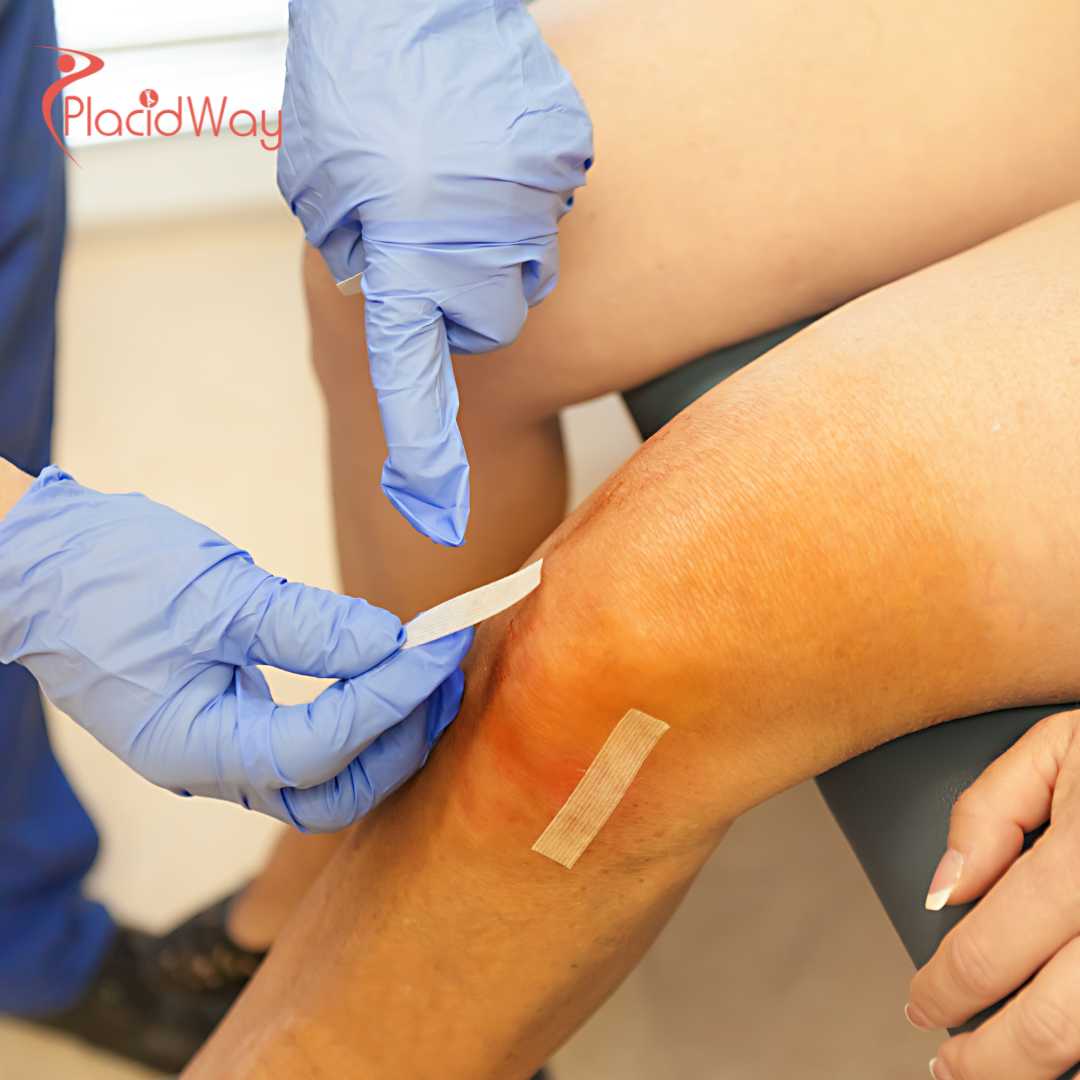
Combining total knee arthroplasty with stem cell therapy aims to replace damaged joints while potentially using regenerative medicine to support soft tissue healing. While knee replacement is highly effective, stem cell efficacy varies by patient. When chronic knee pain begins to limit daily activities, patients often look for long-term solutions. Exploring total knee arthroplasty and stem cell treatment in Greece is becoming increasingly popular for individuals seeking quality orthopedic care abroad. These two treatments represent very different approaches to knee health. Total knee arthroplasty (TKA) is a structural surgery to replace a worn-out joint, while stem cell therapy is a biological approach often explored to manage inflammation or aid soft tissue repair. Understanding how these procedures work, either independently or when carefully combined, requires looking closely at medical facts, regulatory standards, and realistic outcomes. Greece offers modern private healthcare facilities that cater to international patients, making it a viable option for those looking into complex orthopedic interventions. Key Takeaways Total knee arthroplasty is a highly proven, standard treatment for severe osteoarthritis. Stem cell treatments for knees are largely adjunctive or investigational, with results varying widely among patients. Greek medical facilities operate under European Union standards for both surgical devices and biological therapies. Medical travelers must plan for adequate recovery time before flying home after major joint surgery. Local follow-up care in your home country is critical for monitoring your progress and managing rehabilitation. Can Stem Cells Replace the Need for a Total Knee Arthroplasty? Stem cells cannot regrow a destroyed joint or replace bone-on-bone cartilage loss. They are often considered for mild to moderate arthritis but cannot replace structural joint surgery. One of the most frequent misconceptions in regenerative medicine is the idea that stem cells can regrow an entirely new knee joint. If you have been diagnosed with end-stage osteoarthritis where the cartilage is completely gone, structural joint replacement surgery remains the medically accepted standard of care. However, for patients with early to moderate joint degeneration, orthopedists might suggest regenerative approaches to potentially reduce inflammation, manage pain, and delay the need for invasive surgery. It is highly important to consult with a qualified specialist who can review your imaging (such as MRIs or X-rays) to give you an honest assessment of whether biological therapies hold any realistic benefit for your specific condition. How Are Stem Cells Used Alongside Knee Replacement Surgery? Some orthopedic surgeons use stem cells or platelet-rich plasma (PRP) during or after joint replacement surgery to potentially improve soft tissue healing and reduce post-operative inflammation. While total knee arthroplasty handles the mechanical and structural issues of a damaged joint by capping the bones with metal and plastic implants, surgery inherently causes trauma to surrounding soft tissues. Muscles, tendons, and ligaments need time to heal. In some clinical settings in Greece, specialists may apply autologous stem cells (harvested from the patient's own fat or bone marrow) to the surgical site. The theory is that the anti-inflammatory properties of these biological agents may aid recovery. Keep in mind that using stem cells as a post-surgical adjunct is still heavily researched. While some patients report improved early recovery, medical literature does not universally guarantee faster healing times compared to standard surgical protocols. Who Is a Suitable Candidate for This Orthopedic Approach? Ideal candidates are generally in good overall health, have clear diagnoses of their joint issues, and have realistic expectations about the outcomes and recovery process of joint surgery. Not everyone qualifies for major joint surgery or regenerative medicine. To be considered for a knee replacement, patients typically suffer from severe pain that impedes walking, climbing stairs, or sleeping, and have found no relief from medications or physical therapy. Your medical history plays a huge role. Patients with active infections, severe vascular diseases, or those who are medically unstable for anesthesia may be advised against surgery. For stem cell procedures, active cancers, blood disorders, or certain autoimmune conditions might serve as contraindications. A thorough medical evaluation, including blood work and cardiovascular clearance, is required before undergoing these treatments. What Is the Estimated total knee arthroplasty and stem cell treatment cost in Greece? Costs vary based on the implant type, hospital fees, and whether stem cells are included. It is generally more affordable than US prices, but patients must request detailed estimates from providers. Financial considerations are a major driver for patients looking abroad. While exact prices fluctuate depending on the hospital, the surgeon's experience, the brand of the prosthetic implant, and the complexity of the stem cell harvesting process, treatment in Greece frequently costs significantly less than in North America. When you ask for a quote for the total knee arthroplasty and stem cell treatment cost in Greece, make sure you understand what is included. You should look for transparent pricing that details: Surgeon and anesthesiologist fees. The specific brand and type of knee implant. Hospital stay expenses (typically several nights for joint surgery). Costs associated with harvesting and processing stem cells, if applicable. Pre-operative tests and post-operative in-hospital physical therapy. What Are the Medical Regulations for Stem Cells in Greece? As a member of the European Union, Greece follows strict European Medicines Agency (EMA) regulations regarding the processing and clinical application of human tissues and cells. Safety and regulatory oversight are vital when discussing biological therapies. Greece adheres to the Advanced Therapy Medicinal Products (ATMP) framework set out by the EMA. This means that if cells are heavily manipulated, they are regulated stringently as medications. Most orthopedic clinics offering point-of-care treatments use minimally manipulated, autologous (your own) cells, such as bone marrow aspirate concentrate (BMAC) or stromal vascular fraction (SVF) from fat. These are processed during the same surgical sitting and reapplied to the body, a practice generally permitted under specific medical guidelines. You should always ask your provider to explain how the cells are sourced, processed, and regulated before consenting to treatment. What Does the Recovery Timeline Look Like? Initial recovery from a knee replacement takes about 4 to 6 weeks, but full rehabilitation requires months of dedicated physical therapy to restore function and strength. Recovery from knee arthroplasty requires patience and hard work. While the addition of stem cells may aim to soothe early soft-tissue inflammation, the mechanical reality of the surgery means you will still need significant rehabilitation. In the hospital, physical therapists will usually have you on your feet within a day of the operation. Early movement helps prevent blood clots and reduces stiffness. You will rely on walking aids for several weeks. Patients traveling for surgery must remain in Greece until they are cleared for air travel by their surgeon—typically around 10 to 14 days post-operation. Once home, continued outpatient physical therapy for 3 to 6 months is generally necessary to achieve optimal joint function. What Are the Known Risks and Potential Complications? Joint replacement carries risks such as infection, blood clots, and implant wear. Stem cell procedures carry minor risks like pain at the harvest site, but long-term outcomes are less predictable. Any major surgical intervention carries inherent risks. Total knee replacement complications can include deep vein thrombosis (blood clots), surgical site infections, nerve or blood vessel damage, and the eventual wear or loosening of the prosthetic implant over many years. When incorporating regenerative elements, the risks are generally low if autologous cells are used, as this prevents allergic reactions or rejection. However, the primary risk of stem cell therapy is that it may simply not work as well as hoped. Furthermore, traveling long distances shortly after major leg surgery increases the risk of deep vein thrombosis. You must strictly follow your doctor's orders regarding blood thinners and mobility during your flight home. How Should You Select a total knee arthroplasty and stem cell clinic in Greece? Look for internationally accredited private hospitals, board-certified orthopedic surgeons, transparent complication rates, and comprehensive patient communication. Finding a dependable total knee arthroplasty and stem cell clinic in Greece requires diligent research. You should verify the credentials of the orthopedic surgeon—specifically their experience volume with knee replacements and their specific training in biological therapies. Prioritize clinics located in major medical hubs like Athens or Thessaloniki, as they frequently host modern infrastructure and specialists experienced with international patients. Request pre-consultations via video call to discuss your medical history. Ask direct questions about their infection rates, how they handle surgical complications, and what specific post-operative care they provide before you fly home. Why Is medical tourism in Greece Growing for Orthopedic Care? Patients choose Greece for its combination of skilled medical professionals, stringent EU healthcare regulations, modern facilities, and often favorable cost compared to their home countries. The rise of medical tourism in Greece is driven by several factors. Many Greek surgeons have trained internationally, bringing global best practices back to state-of-the-art private hospitals in the country. The integration of traditional surgical excellence with emerging biological therapies attracts patients looking for comprehensive care plans. Additionally, while the primary focus must always be on medical safety and quality, the welcoming environment and relatively lower cost of living translate into more affordable medical care without compromising on standard surgical supplies or hygienic protocols. Patients often find the overall experience less stressful when coordinated well. Why Choose PlacidWay for Medical Tourism Guidance? Navigating cross-border healthcare requires access to clear, organized information. PlacidWay serves as a global medical resource for patients exploring treatments abroad. Informative Resources: Provides access to details about various international clinics and hospitals. Platform for Comparison: Allows patients to view different providers, their credentials, and available treatments in one place. Facilitates Communication: Helps bridge the gap between patients and international medical teams for initial inquiries. Broad Geographic Reach: Connects patients with healthcare facilities across numerous countries, including Greece. Patient Education: Offers articles and guides to help patients understand procedures and international medical travel better. Frequently Asked Questions Do I need a visa to travel to Greece for orthopedic surgery? Visa requirements depend on your nationality. Citizens of the EU, US, Canada, and Australia typically do not need a visa for short medical stays under 90 days, while others may require a Schengen medical visa. How long should I stay in Greece after a joint replacement? Most surgeons recommend staying in Greece for 10 to 14 days following a total knee replacement to allow for initial recovery, physical therapy evaluation, and the removal of stitches before flying. Can I travel by plane with a new knee implant? Yes, you can fly after knee replacement surgery, but you must wait until your surgeon clears you. You will also need documentation for airport security, as metal implants may trigger metal detectors. Are English-speaking orthopedic surgeons common in Greece? Yes, many orthopedic surgeons and medical staff in private Greek hospitals are fluent in English, and many have completed fellowships or medical training in the UK or the US. Does health insurance cover stem cell treatments abroad? Standard health insurance rarely covers stem cell therapy for joint issues, whether domestic or abroad, as it is often considered investigational. Knee replacement surgery may be partially covered depending on your policy. What type of stem cells are typically used for knee treatments? Orthopedic applications generally use mesenchymal stem cells (MSCs) harvested from the patient's own bone marrow or adipose (fat) tissue. How soon can I walk after a total knee replacement? Patients are usually encouraged to stand and take small steps with the assistance of a walker or crutches within 24 hours of total knee arthroplasty, depending on their physical condition. Will I need physical therapy after returning home from Greece? Yes. Continuous, structured physical therapy is essential for months after a knee replacement to restore full range of motion, build strength, and ensure proper joint function. Can both knees be operated on at the same time in Greece? Bilateral total knee arthroplasty (both knees at once) is possible for some healthy patients. However, it carries higher risks and requires a more intense recovery, so surgeons evaluate candidates strictly on a case-by-case basis. What happens if I experience complications back in my home country? Before leaving Greece, you should secure detailed medical records. If complications arise at home, you must seek immediate care from a local orthopedic specialist or emergency department, sharing those records for proper continuity of care. Compare Treatment Options Find out more about orthopedic options, hospital credentials, and provider availability across Greece. Request Treatment Information References Total Knee Replacement - American Academy of Orthopaedic Surgeons (AAOS) Advanced Therapy Medicinal Products - European Medicines Agency (EMA) FDA Warns About Stem Cell Therapies - U.S. Food and Drug Administration (FDA) Guidelines for the Non-surgical Management of Knee Osteoarthritis - Osteoarthritis Research Society International (OARSI) Medical Tourism Travel Information - Centers for Disease Control and Prevention (CDC) Osteoarthritis Fact Sheet - World Health Organization (WHO) Disclaimer: The information provided in this article is for educational purposes only and does not constitute medical advice, diagnosis, or treatment planning. Medical tourism involves specific health and travel risks. Outcomes, recovery times, and suitability for knee replacement and biological therapies vary significantly by individual. Always consult with a licensed, qualified healthcare professional to discuss your specific medical condition and to evaluate the potential risks and benefits of any treatment before traveling abroad.

Choosing stem cell therapy in Greece offers a multitude of advantages. Benefit from affordable treatment packages without compromising on quality, making it an attractive option for individuals seeking regenerative solutions. Here are several reasons why many people choose regenerative medicine in Greece:

  • Advanced Medical Infrastructure: Greece is known for its state-of-the-art medical facilities and advanced infrastructure, making it an ideal destination for stem cell therapy. The country has modern hospitals equipped with cutting-edge technology and experienced medical professionals specialized in regenerative medicine.
  • Highly Skilled Medical Professionals: Greece boasts a pool of highly skilled and internationally trained medical professionals, including doctors, researchers, and scientists who specialize in stem cell therapy. They stay up-to-date with the latest advancements in the field, ensuring patients receive the highest quality of care.
  • Regulatory Standards and Safety: Greece follows rigorous regulatory standards for stem cell therapy, ensuring patient safety and the ethical use of stem cells. The country adheres to strict guidelines and protocols for stem cell research and therapy, providing patients with peace of mind and confidence in the treatment.
  • Comprehensive Range of Treatments: Greece offers a comprehensive range of stem cell therapies to address various medical conditions. Whether it's orthopedic conditions, neurodegenerative disorders, autoimmune diseases, or cosmetic applications, patients can find specialized stem cell treatments tailored to their specific needs.
  • Access to Cutting-edge Research: Greece is home to several leading research institutions and universities that actively engage in stem cell research. Choosing stem cell therapy in Greece provides patients with access to the latest breakthroughs and advancements in regenerative medicine, increasing the chances of successful treatment outcomes.
  • Affordable Treatment Options: Compared to some other countries offering stem cell therapy, Greece provides competitive and affordable treatment options. The cost of stem cell therapy in Greece, including the procedure, follow-up care, and accommodations, can be more budget-friendly compared to other destinations, making it an attractive choice for patients seeking cost-effective solutions.
  • Captivating Destination for Recovery: Beyond the medical benefits, Greece offers a captivating destination for recovery. Patients can recuperate amidst the country's picturesque landscapes, beautiful islands, and rich cultural heritage, which can contribute positively to their overall well-being and healing process. The serene surroundings and pleasant climate provide a conducive environment for relaxation and rejuvenation.

Hey, don't miss this chance to make your health better in a big way! You can experience the amazing effects of stem cell treatment in Greece. All you have to do is book a talk with the nice folks at PlacidWay Medical Tourism.

These experts really care about making people's lives better. They use the newest and coolest treatments, and they make sure it's just right for you.

By booking a chat with us, you're taking the first step to a better future. It's like opening a door to a whole new world of feeling good and healthy. You deserve the best, so don't miss this chance to go on a super exciting medical adventure with PlacidWay. Go ahead and schedule your talk with us now for stem cells in Greece!

contact us

Stem Cell Therapy in Greece thumbnail

About Experience

Trusted Medical Tourism Platform Since 2007

60+
Countries
2k+
Clinics
19.5k+
Reviews
2.5k+
Qualified Doctors
1.1M+
Patients Served Since 2007