


Stem Cell Therapy for Autism in Austria: A Boy's Journey of Hope & Progress
Discovering an effective stem cell therapy for autism in Austria has become a beacon of hope for countless families worldwide. When traditional interventions for neurodevelopmental disorders reach their natural limits, parents are increasingly turning to regenerative medicine for pediatric autism spectrum disorder. This inspiring journey of a young boy undergoing advanced stem cell treatments highlights the remarkable potential for cognitive, social, and behavioral breakthroughs. Explore the cutting-edge medical protocols, world-class European healthcare facilities, and the profound progress witnessed during his transformative medical travel experience.
Video Chapters & Quick Navigation
Navigating the Complexities of Autism Spectrum Disorder
Autism Spectrum Disorder (ASD) represents a complex set of neurodevelopmental challenges that affect communication, behavior, and social interaction. For decades, the standard approach to managing pediatric autism has heavily relied on behavioral interventions and specialized educational programs. While these traditional therapies are undoubtedly foundational, they often address the outward symptoms rather than the underlying neurological environment.
Many children diagnosed with severe autism face overwhelming sensory processing issues and profound speech delays. As families navigate these daily hurdles, the search for comprehensive biomedical interventions becomes paramount. Parents are no longer solely looking for ways to manage behavior; they are actively seeking treatments that can optimize brain function and improve the overall quality of life for their children.
This paradigm shift has accelerated the global interest in regenerative medicine for pediatric neurodevelopmental disorders. By targeting systemic inflammation and immune system dysregulation—factors increasingly linked to ASD—innovative treatments are offering new avenues for development. This is where the profound impact of stem cell therapy enters the narrative.
The Transformative Science of Stem Cells for Autism
To truly appreciate the journey showcased in the video at , one must understand the biological mechanisms driving stem cell therapy for autism spectrum disorder. The most common type of cells utilized in these advanced protocols are Mesenchymal Stem Cells (MSCs). These remarkable cells are known for their potent immunomodulatory and anti-inflammatory properties.
Recent neuro-scientific studies suggest that many children with autism suffer from chronic neuroinflammation and abnormal immune responses within the central nervous system. When MSCs are introduced into the body, they act like biological managers. They seek out areas of inflammation and release specific growth factors and cytokines that help calm the immune system, potentially reducing brain inflammation.
Furthermore, these cells promote a process known as angiogenesis, which is the creation of new blood vessels. Improved blood flow to the brain enhances oxygen delivery, which is critical for neural repair and cognitive development. This paracrine effect—where stem cells signal existing cells to heal and regenerate—is the cornerstone of why regenerative medicine holds such promise for improving communication skills in autistic children.
Key Mechanisms of Action
- Immunomodulation: Balancing the overactive immune responses frequently observed in patients with ASD.
- Neuro-protection: Secreting neurotrophic factors that protect existing neurons from damage and oxidative stress.
- Synaptic Plasticity: Encouraging the formation of new neural connections, which is vital for learning and behavioral adaptation.
Why Austria is a Leading Destination for Autism Treatment
When seeking the best stem cell clinics for autism in Europe, Austria consistently emerges as a premier destination. The country combines a rich heritage of medical excellence with some of the most stringent and forward-thinking healthcare regulations in the world. As noted at in the video, safety and protocol adherence are paramount in Austrian medical facilities.
Austria operates under rigorous European Union medical directives, ensuring that all biologic treatments, including stem cell therapy, undergo intense scrutiny. The laboratories that culture and expand the stem cells are required to hold advanced certifications, guaranteeing maximum cell viability and sterility. This eliminates much of the anxiety parents feel when traveling abroad for biomedical interventions.
Beyond the technical excellence, Austrian clinics are highly regarded for their holistic, patient-centered approach. Medical teams often include neurologists, pediatricians, and specialized therapists who collaborate to create comprehensive treatment plans. The clinic environments are designed to be sensory-friendly, reducing the stress and anxiety that autistic children often experience in clinical settings.
A Family's Turning Point: The Initial Diagnosis
The narrative of the young boy featured in the video is profoundly relatable to many parents. Early early signs of developmental delays often prompt the initial, heart-wrenching diagnosis of severe autism spectrum disorder. Around , the parents describe the daily reality of their child's struggles, which included a lack of eye contact, delayed speech, and intense sensory overloads.
Despite years of intensive applied behavior analysis (ABA) and speech therapy, the boy's progress had plateaued. This developmental stagnation is a common frustration for families. The realization that traditional therapies alone might not be sufficient to unlock their child's full potential often acts as the catalyst for exploring alternative biomedical treatments.
Their extensive research into regenerative medicine for pediatric autism eventually led them to Austria. The decision to pursue medical travel is never taken lightly; it requires immense research, financial planning, and emotional resilience. However, the promise of addressing the core neurological deficits rather than just managing symptoms provided a renewed sense of hope.
The Comprehensive Medical Consultation in Austria
Upon arriving at the specialized clinic in Austria, the family underwent a meticulous assessment phase, beautifully captured at . Top-tier Austrian medical professionals do not offer a one-size-fits-all solution. Instead, they conduct extensive diagnostic testing to understand the child's unique biological profile.
These pre-treatment diagnostics typically include advanced blood panels, heavy metal toxicity screening, immune system profiling, and neurological evaluations. The goal is to identify any underlying metabolic or systemic issues that could be exacerbating the autism symptoms. By mapping out this detailed biological landscape, doctors can tailor the stem cell protocol specifically to the boy's needs.
The consultation phase is also crucial for managing parental expectations. The medical team transparently discusses the potential outcomes, emphasizing that stem cell therapy is not a "cure" for autism, but rather a powerful tool to enhance cognitive function and improve the efficacy of traditional therapies.
Inside the Clinic: The Stem Cell Administration Process
One of the most anxiety-inducing aspects for parents is the actual medical procedure. However, the advanced protocols used in Austrian clinics prioritize comfort and safety. As seen around , the administration of the stem cells is a minimally invasive and highly monitored process.
Typically, the mesenchymal stem cells are administered via an intravenous (IV) drip. Depending on the child's specific protocol, there may also be targeted local injections. To minimize distress for children with sensory sensitivities, the clinical staff goes to great lengths to create a calm, soothing environment, often allowing parents to remain right by their child's side throughout the infusion.
The procedure is usually completed within a few hours, and because it is minimally invasive, the recovery time is virtually immediate. The boy was able to return to his hotel room the same day, resting comfortably while the biological repair mechanisms began to take effect on a cellular level.
Witnessing the Breakthroughs: Post-Treatment Progress
The true heart of this medical journey is the remarkable progress observed in the months following the therapy. Regenerative medicine does not provide overnight results; the cells require time to reduce inflammation and promote neural connectivity. However, around the three-to-six-month mark, profound changes often begin to emerge.
At , the video highlights a significant turning point. The parents report a dramatic increase in sustained eye contact and a noticeable reduction in hyperactive, repetitive behaviors. The boy, who previously struggled with severe sensory meltdowns, began exhibiting a calmer demeanor and improved emotional regulation.
Perhaps the most celebrated milestone was the improvement in communication. Improving speech in non-verbal autistic children is one of the primary goals for families seeking this treatment. The boy began initiating interactions, mimicking sounds, and eventually forming functional words. This breakthrough in expressive language dramatically reduced his frustration levels and vastly improved his ability to connect with his family.
Commonly Reported Improvements
| Developmental Area | Pre-Treatment Challenges | Post-Treatment Observations |
|---|---|---|
| Communication | Non-verbal, inability to express basic needs, frequent crying. | Emergence of vocabulary, attempting to mimic speech, pointing to objects. |
| Social Interaction | Avoidance of eye contact, isolation from peers and siblings. | Sustained eye contact, increased desire to play with others, showing affection. |
| Sensory Processing | Severe meltdowns from loud noises or bright lights. | Higher tolerance for external stimuli, calmer physical demeanor. |
| Cognitive Focus | Short attention span, inability to complete simple tasks. | Enhanced concentration during therapy sessions and educational activities. |
Analyzing the Cost of Stem Cell Therapy for Autism
A critical consideration for any family exploring these options is understanding how much stem cell therapy for autism costs. Because this is an advanced biomedical procedure, it requires a significant financial investment. In Europe, and specifically in Austria, the costs reflect the high caliber of laboratory technology, medical expertise, and strict regulatory compliance.
Generally, comprehensive treatment packages can range anywhere from $12,000 to $25,000 depending on the specific clinic, the number of cell infusions required, and the inclusion of adjunct therapies. While this price point is substantial, it is essential to evaluate the long-term value. Families often find that the cognitive improvements gained from the therapy drastically reduce the long-term costs associated with lifelong intensive care and specialized schooling.
Medical tourism platforms like PlacidWay play a vital role in this aspect. They assist families in finding transparent pricing, securing all-inclusive packages that cover medical fees, diagnostics, and sometimes even local accommodation. This ensures there are no hidden fees, allowing parents to focus entirely on their child's health.
The Synergy Between Regenerative Medicine and Traditional Therapies
It is vital to recognize that stem cell therapy for autism spectrum disorder does not replace traditional educational and behavioral therapies. Instead, it acts as a powerful biological catalyst. As mentioned by the clinical experts at , repairing the underlying neurological inflammation creates a much more receptive environment for learning.
Following the stem cell infusions, the boy returned home to continue his speech and occupational therapies. The difference, however, was staggering. Therapists noted that he was processing information much faster and retaining new skills with far less repetition. The biological "fog" had lifted, allowing the behavioral techniques to finally take root.
Many Austrian clinics advocate for a multi-disciplinary approach. They often recommend pairing the stem cell protocols with specialized diets (such as gluten-free and casein-free diets), Hyperbaric Oxygen Therapy (HBOT), and targeted nutritional supplementation. This holistic strategy maximizes the regenerative potential of the stem cells, ensuring the child has the best possible foundation for neurological growth.
Preparing for Medical Tourism to Austria
Embarking on a medical journey abroad with an autistic child requires meticulous logistical planning. Medical tourism for autism treatments in Austria is highly developed, with clinics accustomed to the unique needs of international neurodivergent patients. Preparing effectively can minimize travel anxiety and ensure a smooth experience.
The first step involves a remote medical consultation. Clinics will review the child's medical history, previous diagnostic reports, and behavioral assessments via video call before approving travel. Once accepted, families must coordinate travel visas (if applicable), book flights that accommodate sensory needs, and secure lodging close to the medical facility.
To ease this burden, specialized medical facilitators assist with the entire itinerary. They help arrange airport transfers with experienced drivers, book accommodations equipped with necessary amenities, and provide dedicated patient coordinators who offer translation services and 24/7 support during the stay in Vienna or surrounding Austrian cities.
Pre-Travel Checklist for Families
- Medical Records: Compile all previous neurological assessments, blood tests, and therapy progress reports.
- Sensory Travel Kit: Pack noise-canceling headphones, familiar toys, and comfort items to help manage airport and flight anxiety.
- Dietary Planning: Ensure your accommodation in Austria has kitchen facilities if your child is on a strict specialized diet.
- Local Support: Confirm the availability of a dedicated patient coordinator through your medical travel agency.
Embracing the Possibilities of Tomorrow
The journey of raising a child with autism is paved with profound love and relentless determination. When traditional pathways hit a wall, innovative sciences offer new horizons. The story of this young boy traveling to Austria is a testament to the fact that developmental boundaries can be pushed, and cognitive locked doors can be opened.
By leveraging the highest standards of European healthcare and the potent biological power of mesenchymal stem cells, families are rewriting the developmental trajectories of their children. While every child's biological makeup is unique and results will vary, the pursuit of optimal neurological health is a journey worth taking.
If you are navigating the complexities of severe autism and are seeking advanced, scientifically-backed biomedical interventions, the premier clinics in Austria stand ready to provide world-class care, compassion, and the highest possibility for meaningful developmental breakthroughs.
Ready to Explore Stem Cell Options for Your Child?
PlacidWay Medical Tourism connects families with top-rated, fully certified regenerative medicine clinics in Austria. Take the first step toward comprehensive care and request a personalized treatment plan today.
GET A FREE QUOTE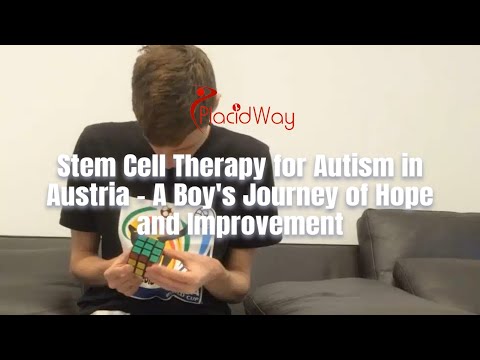










Share this listing