


Advanced Guide to Helping Patients with Cerebral Palsy Using Stem Cell Therapy in Austria
For families navigating the complexities of neurological disorders, finding effective treatment is a deeply personal and urgent journey. Helping a patient with cerebral palsy using stem cell therapy in Austria represents a groundbreaking frontier in modern regenerative medicine. This highly innovative approach moves far beyond traditional symptom management, actively targeting damaged brain tissues to potentially improve motor function and cognitive abilities. Austria has firmly established itself as a premier global medical destination, offering state-of-the-art laboratory facilities, rigorous European safety regulations, and world-renowned neurological specialists. Explore how this transformative therapy is providing renewed hope and enhancing the daily quality of life for those affected by cerebral palsy.
Video Chapters & Quick Navigation
The Reality of Cerebral Palsy and the Need for Advanced Care
Cerebral palsy (CP) is a complex group of neurological disorders that severely affect a person's ability to move, maintain balance, and sustain proper posture. It is typically caused by abnormal brain development or localized damage to the developing brain, often occurring before, during, or shortly after birth. As discussed at in our detailed video guide, the specific symptoms of CP can vary drastically from patient to patient. Some individuals experience mild motor skill delays, while others face profound physical disabilities requiring lifelong assistance.
For decades, the standard protocol for managing cerebral palsy has relied heavily on physical therapy, occupational therapy, and various pharmacological interventions. While these conventional treatments are absolutely essential for preventing muscle contractures and managing debilitating spasticity, they do not address the root cause of the disorder. They primarily manage the outward symptoms rather than attempting to repair the underlying neurological damage.
Because traditional methods hit a plateau, countless families have begun searching for alternative, science-backed interventions. The profound limitations of conventional symptom management have driven the medical community to explore cellular therapies. This unrelenting pursuit for a better quality of life has placed a massive global spotlight on regenerative medicine as a highly viable, long-term therapeutic avenue.
The Limitations of Conventional Interventions
Standard pharmaceutical options, such as muscle relaxants or localized Botox injections, often come with a frustrating cycle of diminishing returns. Patients frequently develop a tolerance, necessitating higher doses that inevitably bring about unwanted systemic side effects. Surgical interventions, such as selective dorsal rhizotomy, are highly invasive and carry significant recovery burdens.
These harsh realities underscore the urgent necessity for therapies that look beyond temporary relief. Families require treatments that promote genuine neurorestoration. This fundamental shift in medical philosophy is exactly what drives the international demand for advanced regenerative treatments.
The Emergence of Stem Cell Therapy for Neurological Disorders
Regenerative medicine has completely revolutionized our understanding of how the human brain can heal and adapt. At the very core of this medical revolution is stem cell therapy, an advanced treatment modality that utilizes the body's own foundational building blocks. As noted around the mark, stem cells possess the unique, inherent ability to differentiate into various specialized cell types, including essential neural cells.
For patients suffering from cerebral palsy, medical professionals primarily utilize Mesenchymal Stem Cells (MSCs). These highly potent cells are often ethically sourced from umbilical cord tissue (Wharton's Jelly) or autologous bone marrow. MSCs are incredibly favored in neuroregenerative protocols due to their robust safety profile and their remarkable lack of immunogenicity.
Unlike controversial embryonic stem cells, adult and umbilical cord-derived MSCs pose no ethical dilemmas and carry virtually zero risk of tumor formation. They act as powerful micro-pharmacies within the body, naturally seeking out areas of profound inflammation and tissue injury. Once they reach the damaged neurological sites, they begin executing complex repair mechanisms.
Why Mesenchymal Stem Cells (MSCs) Are Preferred
One of the most vital characteristics of MSCs is their extraordinary ability to modulate the immune system. In patients with severe neurological damage, chronic neuroinflammation often prevents the brain from executing its own natural healing processes. MSCs release powerful anti-inflammatory cytokines that actively calm this hostile environment.
Furthermore, these specialized cells are incredibly easy to cultivate and expand in state-of-the-art laboratory settings. This ensures that patients receive a highly concentrated, medically viable dosage during their infusion. High viability is an absolute necessity for ensuring the cells survive their journey through the bloodstream to the central nervous system.
Why Austria Leads in Regenerative Medical Care
When seeking high-stakes medical treatments, the destination is just as critical as the therapy itself. Austria has quietly yet firmly positioned itself at the absolute pinnacle of European healthcare. The country boasts a deeply rooted history of medical excellence, supported by a healthcare infrastructure that consistently ranks among the top five globally.
The Austrian approach to regenerative medicine is strictly governed by the comprehensive regulations set forth by the European Medicines Agency (EMA). As highlighted at , this ensures that all stem cell laboratories adhere strictly to Good Manufacturing Practice (GMP) standards. Such stringent oversight guarantees that the stem cells administered are entirely free from contaminants and are cultivated under the most flawless conditions imaginable.
Clinics in cities like Vienna and Graz are not merely treatment centers; they are vast hubs of ongoing clinical research. Patients traveling to Austria gain direct access to brilliant multidisciplinary teams comprising top-tier neurologists, dedicated pediatricians, and elite cellular biologists. This collaborative ecosystem ensures that every single treatment plan is meticulously customized to the patient's unique neurological profile.
The Comfort of Central European Healthcare
Beyond the undeniable laboratory excellence, Austria offers a deeply reassuring environment for anxious medical tourists. The hospitals are impeccably clean, highly organized, and equipped with the latest diagnostic imaging technologies. English is fluently spoken by almost all medical staff, completely eliminating the stressful communication barriers often found in other overseas medical hubs.
Additionally, the serene and picturesque environment of Austria plays a subtle yet profound role in the healing process. The calm atmosphere drastically reduces the stress and anxiety typically associated with intensive medical interventions. A relaxed nervous system is highly conducive to optimal cellular uptake and overall recovery.
Mechanism of Action: How Stem Cells Repair the Damaged Brain
To truly appreciate the value of this therapy, one must understand the intricate biological mechanics at play. Stem cells do not simply act as replacement parts for dead brain cells; their function is vastly more sophisticated. They primarily operate through a powerful process known as the paracrine effect, as detailed at .
Once administered, the stem cells begin releasing a highly concentrated cocktail of growth factors, exosomes, and vital cytokines. One of the most critical proteins released is Brain-Derived Neurotrophic Factor (BDNF). This specific protein acts as a potent fertilizer for the brain, actively encouraging existing, dormant neurons to form brand new synaptic connections.
Another crucial mechanism is angiogenesis, which is the formation of entirely new blood vessels. In cases of cerebral palsy caused by hypoxic-ischemic encephalopathy (lack of oxygen to the brain), the local blood supply is often severely compromised. Stem cells trigger the growth of new capillaries, rushing life-saving oxygen and vital nutrients to the previously starved neural tissues.
Combating Chronic Neuroinflammation
Brain injuries often result in a localized, chronic inflammatory response that heavily suppresses natural healing. Stem cells possess remarkable immunomodulatory properties that effectively 'turn down' this aggressive immune response. By drastically reducing glial scarring and local tissue swelling, they create a highly hospitable environment for cellular regeneration.
This multifaceted approach is precisely why stem cell therapy yields such broad systemic improvements. By addressing blood flow, inflammation, and cellular communication simultaneously, the therapy offers a comprehensive neurological reboot. This is vastly superior to single-target pharmaceutical interventions.
The Comprehensive Patient Evaluation Process
Top-tier clinics in Austria firmly reject the dangerous "one-size-fits-all" approach to medicine. The journey begins long before the patient ever sets foot on European soil. An incredibly exhaustive preliminary medical review is conducted to ensure that the patient is a highly suitable candidate for cellular therapy.
Families are required to submit comprehensive medical histories, including recent MRI scans, detailed EEG reports, and current medication lists. As explained at , the Austrian medical board then convenes to analyze these complex records. They look for specific markers to determine the precise type, dosage, and optimal administration route of the stem cells.
Once the patient arrives at the Austrian facility, a secondary, highly rigorous in-person evaluation occurs. This involves extensive blood work to ensure there are no hidden acute infections that could compromise the treatment. The neurology team also conducts baseline motor function and cognitive tests to accurately measure future progress.
Setting Realistic and Ethical Expectations
A hallmark of Austrian medical professionalism is their absolute commitment to radical transparency. Doctors spend hours consulting with the parents or caregivers, ensuring they have deeply realistic expectations regarding the therapeutic outcomes. They clearly communicate that while stem cells can yield miraculous improvements, they are not an overnight cure.
This ethical grounding provides families with immense peace of mind. They know they are not being sold a false promise by opportunistic medical marketers. Instead, they are entering into a highly clinical, evidence-based medical partnership focused entirely on gradual, sustainable improvement.
The Austrian Treatment Protocol: What Families Can Expect
The actual administration of the stem cells is remarkably streamlined and heavily focused on patient comfort. Depending on the specific neurological assessment, the cells are typically delivered via two primary methods: standard intravenous (IV) drip or intrathecal injection (lumbar puncture). Intrathecal administration is highly preferred for CP patients as it bypasses the blood-brain barrier entirely.
By delivering the highly potent cells directly into the cerebrospinal fluid, doctors ensure maximum cellular uptake into the central nervous system. The procedure is performed under strict sterile conditions by highly specialized anesthesiologists. As noted at , local or light general anesthesia is utilized to ensure the patient, especially if it is a young child, experiences absolutely no pain or severe distress.
The infusion itself usually takes less than an hour. Following the procedure, the patient is moved to a deeply comfortable recovery suite where their vital signs are meticulously monitored by dedicated nursing staff. The vast majority of patients are medically cleared to return to their private hotel or apartment on the exact same day.
Post-Procedure Safety and Monitoring
Adverse reactions to high-quality, lab-expanded MSCs are exceedingly rare. Some patients may experience a very mild, transient fever or slight fatigue, which is a completely normal immune response as the cells begin to integrate. The Austrian medical team remains on strict 24-hour standby to address any immediate concerns.
Families are usually advised to remain in Austria for several days post-treatment. This mandatory observation window allows the clinical team to conduct follow-up assessments and ensure the patient is entirely stable for commercial air travel back home.
Post-Treatment Care and Synergistic Rehabilitation
A massive misconception in the realm of regenerative medicine is that the stem cell infusion is the final step. In reality, the infusion is merely the catalyst; the true neurological magic happens during the subsequent rehabilitation phase. Stem cells drastically increase the brain's state of neuroplasticity, essentially making it a highly absorbent sponge for new information.
To capitalize on this heightened state of cellular receptivity, patients must immediately engage in highly intensive, targeted physical and occupational therapies. As emphasized at , the brain needs clear, repetitive mechanical signals to know precisely where and how to wire the brand-new neural connections.
Many elite Austrian clinics offer highly integrated rehabilitation packages alongside the cellular infusions. These programs utilize cutting-edge robotic-assisted gait training, hydrotherapy, and advanced speech therapy. The combined synergistic effect of stem cells and immediate, high-quality physical rehabilitation yields results that far surpass either treatment utilized in isolation.
Long-Term Therapy Continuity at Home
The Austrian medical team works closely with the patient's local therapists back in their home country. They provide incredibly detailed handover notes and highly specific physiotherapy protocols. This seamless global continuity of care is absolutely critical for maintaining momentum and achieving long-term functional independence.
Caregivers are also heavily trained on highly specific daily exercises. Empowering the parents to actively continue the neuro-rehabilitation at home ensures that the massive financial and emotional investment made in Austria yields the absolute highest possible clinical returns.
Cost Analysis: Stem Cell Therapy in Austria vs. Global Alternatives
Navigating the severe financial realities of advanced medical care is a primary concern for most families. The absolute cost of stem cell therapy for cerebral palsy is undeniably significant, but it must be viewed through the lens of long-term value, unparalleled safety, and ultimate clinical efficacy. Austria represents the absolute premium tier of medical tourism.
While unregulated clinics in developing nations may aggressively advertise heavily discounted stem cell packages, they frequently lack critical EMA oversight, cutting corners on vital laboratory sterilization and cellular viability testing. In Austria, the higher price tag directly reflects the implementation of European GMP standards, highly experienced board-certified neurologists, and the usage of massive, clinically viable cell counts.
| Medical Destination | Regulatory Standard | Estimated Cost Range | Overall Safety Profile |
|---|---|---|---|
| Austria (EU) | Strict EMA / GMP | $15,000 - $25,000+ | Exceptional |
| United States | Strict FDA (Highly Limited) | $25,000 - $40,000+ | High |
| Latin America | Variable / Lenient | $5,000 - $12,000 | Moderate to Low |
Understanding the Inclusive Value
When analyzing the cost of regenerative treatment in Austria, it is crucial to understand what is included. Premium packages facilitated by medical tourism agencies typically encompass the highly advanced laboratory cell expansion, all specialized neurologist consultations, extensive pre-operative diagnostics, the surgical administration, and sometimes even localized VIP transport.
This completely transparent, all-inclusive pricing structure prevents families from being hit with devastating hidden medical fees. The deep peace of mind that stems from knowing your loved one is in the hands of elite European specialists is fundamentally priceless.
Real Results: Measuring Clinical Success in CP Patients
The highly anticipated results of stem cell therapy do not manifest immediately as the patient leaves the clinic. Cellular regeneration is a profound biological process that requires dedicated time. As highlighted at , families typically begin to observe subtle yet highly meaningful changes within the first three to six months post-infusion.
One of the most rapidly reported clinical improvements is a highly noticeable reduction in severe muscle spasticity. As the neuroinflammation sharply decreases, the hyperactive muscle signals begin to calm. This profound relaxation allows the patient to sit more comfortably, sleep much deeper, and experience significantly less daily physical pain.
Following the initial reduction in spasticity, parents often report incredible cognitive and developmental leaps. Children who previously struggled with extreme lethargy suddenly exhibit sharp alertness and vast improvements in eye contact. Over extended periods, fine motor skills such as grasping objects, independent feeding, and even assisted walking can show profound and highly measurable improvements.
The Importance of Documenting Progress
Austrian specialists highly encourage families to maintain extremely detailed video diaries of the patient's physical movements before and after the advanced therapy. Because neurological changes occur gradually over many months, it can be somewhat difficult to notice daily micro-improvements.
Looking back at clinical baseline videos often provides stunning visual confirmation of the treatment's deep efficacy. These highly documented functional milestones are also absolutely critical for the medical team to precisely calibrate any potential future stem cell booster treatments.
Preparing for Your Regenerative Medical Journey to Austria
Embarking on international medical tourism for a severe neurological condition requires highly meticulous planning. Traveling with a patient who has cerebral palsy presents unique, deeply challenging logistical hurdles. However, Austria's world-class infrastructure is exceptionally accommodating to individuals with severe physical mobility challenges.
Major Austrian cities like Vienna are celebrated globally for their flawless accessibility. The vast majority of premium hotels, massive public transit networks, and clinic facilities are heavily optimized for seamless wheelchair access. Furthermore, dedicated international patient coordinators handle the highly complex burden of securing rapid medical visas, arranging specialized airport transfers, and booking highly accessible accommodations.
Before booking the medical flight, it is highly imperative to comprehensively prepare the patient emotionally. Explain the upcoming journey in deeply reassuring, positive terms. With all complex logistical details expertly managed by experienced medical tourism facilitators, parents can hyper-focus their energy on what truly matters: deeply supporting their loved one through this life-changing medical intervention.
Take the Next Step Toward Advanced Neurological Care
PlacidWay Medical Tourism seamlessly connects families with Austria's most elite, highly regulated stem cell clinics. Don't let the logistics of international healthcare overwhelm you. Discover customized treatment plans, transparent pricing, and comprehensive travel support today.
GET A FREE MEDICAL CONSULTATION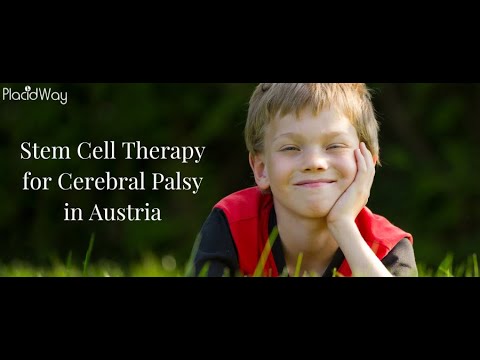

















Share this listing