


Personal Journeys with Stem Cell Therapy for Autism in Austria: A Complete Guide
Every parent desires the absolute best for their child, especially when navigating the complexities of a neurodevelopmental diagnosis. For many families, standard interventions eventually plateau, prompting a global search for advanced medical solutions. Today, exploring personal journeys with stem cell therapy for autism in Austria is providing unprecedented avenues of hope.
This cutting-edge regenerative medicine approach focuses on targeting the root neurological and immunological factors associated with autism. By combining revolutionary cellular science with the pristine, highly regulated medical infrastructure of Europe, parents are discovering transformative possibilities for their children's future.
Video Chapters & Quick Navigation
The Complex Reality of Autism Spectrum Disorder
Autism Spectrum Disorder (ASD) is a multifaceted neurodevelopmental condition characterized by varying degrees of challenges with social skills, repetitive behaviors, speech, and nonverbal communication. For decades, standard treatments have heavily relied on behavioral interventions like Applied Behavior Analysis (ABA), alongside occupational and speech therapies. While these traditional interventions are absolutely foundational for skill-building, they primarily address the behavioral symptoms rather than the underlying biological dysfunctions.
High-volume searches for alternative autism treatments frequently emerge from parents who have hit a therapeutic plateau. Recent scientific literature increasingly points to neuroinflammation, gut dysbiosis, and systemic immune system dysregulation as critical, physiological components of the autistic brain. Acknowledging these biological roots is the first step toward understanding why regenerative therapies are gaining massive global traction.
The Limitations of Conventional Care
Standard psychotropic medications often prescribed to manage severe ASD symptoms—such as aggression or extreme hyperactivity—frequently come with a cascade of undesirable side effects. These can range from weight gain and lethargy to emotional blunting. Parents are understandably hesitant to rely on these medications long-term. This hesitation drives the exploration of treatments that promise healing at a cellular level, rather than merely masking difficult behaviors.
Decoding Regenerative Medicine for Autism Spectrum Disorder
Stem cell therapy represents a paradigm shift in pediatric neurology and regenerative medicine for autism spectrum disorder. It is vital to clarify that the core mechanism does not involve simply generating new brain cells. Instead, the focus is on utilizing the powerful anti-inflammatory and immunomodulatory properties of specialized cells.
Mesenchymal Stem Cells (MSCs) possess a unique ability to migrate to areas of inflammation within the body and the brain, a biological phenomenon known as "homing." Once they reach these inflamed neurological sites, they release a potent mixture of growth factors, exosomes, and cytokines. This localized release helps to dramatically calm the overactive immune responses often found in autistic children.
The Paracrine Effect and Neuroplasticity
This process is scientifically referred to as the paracrine effect. By significantly reducing brain inflammation and restoring immune balance, the therapy creates an optimal environment for neurogenesis—the growth and development of new neural tissue. Reducing neuroinflammation leads to improved neural connectivity, which is frequently impaired in individuals on the spectrum. Enhanced connectivity can translate into faster cognitive processing, better sensory integration, and improved emotional regulation.
Why Austria is Leading the European Medical Landscape
When families begin researching the cost of stem cell therapy for autism in Europe, they quickly discover that Austria offers an unparalleled blend of clinical excellence, safety, and regulatory oversight. Austria is globally recognized for its stringent healthcare infrastructure, ensuring that all clinical practices strictly adhere to the highest ethical and medical protocols in the world.
The prominent clinics operating in cities like Vienna and Graz are equipped with state-of-the-art cellular laboratories. These facilities handle biological materials with unmatched precision, utilizing advanced cell-culturing techniques that ensure maximum cell viability. Unlike largely unregulated medical tourism destinations, Austrian medical facilities operate under the strict oversight of both national health authorities and the European Medicines Agency (EMA).
Uncompromising Safety and Ethical Standards
Austria’s commitment to patient safety is uncompromising. Every stem cell batch undergoes rigorous multi-stage testing for infectious diseases, genetic stability, and cell vitality before it is ever cleared for pediatric use. This rigorous regulatory framework provides parents with profound peace of mind, knowing their child is receiving world-class medical care in one of Europe's safest nations.
Understanding the Types of Stem Cells Used in Pediatric Care
In the realm of regenerative medicine, not all stem cells are created equal. When treating pediatric neurological conditions, Austrian specialists rely almost exclusively on Umbilical Cord Mesenchymal Stem Cells (UC-MSCs). These highly potent cells are ethically sourced from the Wharton's Jelly of donated umbilical cords following healthy, full-term, and meticulously screened pregnancies.
UC-MSCs are universally preferred for autism protocols because they are "immunologically privileged." This means they lack the specific surface markers that would typically trigger an immune rejection response in the recipient's body. As a result, the child does not need to be subjected to harsh immunosuppressive drugs, making the procedure exceptionally safe and remarkably well-tolerated.
Comparing Cellular Options
| Feature | Umbilical Cord MSCs (Austria Standard) | Autologous Bone Marrow MSCs |
|---|---|---|
| Cell Age & Potency | Day zero cells; highest replication potential and vitality. | Aged with the patient; lower replication rate. |
| Extraction Method | Non-invasive; ethically sourced from donated cord tissue. | Invasive surgical procedure requiring general anesthesia. |
| Immune Rejection Risk | Virtually zero; cells are immunologically privileged. | Zero risk, as they belong to the patient. |
| Suitability for Autism | Highly recommended due to massive anti-inflammatory output. | Rarely used for pediatric neurological conditions due to extraction trauma. |
The Comprehensive Treatment Protocol in Austrian Clinics
The journey toward cellular healing begins long before a family ever boards a flight to Central Europe. Comprehensive medical tourism packages for autism stem cell treatments involve rigorous, remote pre-screening processes. Prospective patients must submit detailed medical records, genetic testing results, and current pediatric neurological evaluations to the Austrian medical board for thorough review.
Once approved, the in-country medical protocol is meticulously structured to minimize stress on the child. The first day upon arrival is typically dedicated to acclimatization and comprehensive in-person consultations. Extensive blood work, metabolic testing, and baseline neuro-cognitive assessments are conducted to customize the final cellular dosage perfectly to the child's specific physiological needs.
The Infusion Day Experience
The actual administration of the stem cells is remarkably straightforward and intentionally designed to be minimally invasive. The regenerative cells are most commonly delivered intravenously (IV) in a highly comfortable, sensory-friendly hospital suite. Medical staff in Austria are specifically trained in pediatric neurodivergence, ensuring the environment is kept quiet, softly lit, and calming.
The entire IV infusion process generally takes just a few hours. During this time, the child is free to watch a favorite movie, play with a tablet, or simply sleep in their parent's arms. Unlike surgical interventions, there is no need for prolonged hospitalization, and patients are typically discharged back to their hotel the very same afternoon to rest and recover.
Post-Treatment Integration and Synergistic Therapies
It is imperative for parents to understand that regenerative medicine is not an instantaneous cure or a magic wand. The stem cell treatment for nonverbal autism serves as a profound biological catalyst. It effectively clears the neuro-inflammatory blockages that have been hindering the child's development, putting the brain into a state of heightened neuroplasticity.
Because the brain is now more adaptable and receptive, the months following the infusion are absolutely critical. This period is the optimal window to intensify synergistic therapies. Austrian specialists strongly advocate for integrating the medical treatment with robust therapeutic support structures upon returning home.
- Intensive Speech Therapy: Many parents note that post-infusion, children who were previously nonverbal begin making new vocalizations or attempting to mimic sounds with greater frequency.
- Occupational Therapy (OT): As systemic inflammation decreases, fine motor skills and sensory processing often see marked improvement, making OT sessions significantly more productive.
- Nutritional Support: Maintaining a specialized anti-inflammatory diet (such as a gluten-free, casein-free diet) helps protect the gut-brain axis and supports the ongoing work of the newly introduced stem cells.
- Hyperbaric Oxygen Therapy (HBOT): Often used in conjunction with stem cells, HBOT forces oxygen into blood plasma, enhancing cellular repair mechanisms and further reducing cerebral inflammation.
Traveling with a Neurodivergent Child to Austria
Undertaking international travel can be an incredibly daunting prospect for a neurodivergent child who relies heavily on strict routines and familiar environments. Preparing for a transatlantic or cross-continental trip to Europe requires meticulous planning and thoughtful sensory accommodations. Fortunately, Austrian clinics frequently partner with dedicated medical tourism facilitators to streamline and de-stress this process.
Families are advised to utilize airport fast-track services to avoid long, overstimulating security lines. Arranging private ground transportation from the Vienna International Airport directly to the accommodation ensures a smooth transition. Parents should pack a dedicated "sensory travel kit" including noise-canceling headphones, weighted lap pads, favorite snacks, and familiar visual schedules to help their child navigate the changing environments.
The Healing Environment of Vienna
Vienna is uniquely suited to host families recovering from medical procedures. The city boasts numerous serene parks, botanical gardens, and highly accessible, family-friendly environments. These quiet, nature-adjacent spaces provide a remarkably calm backdrop for the child to decompress after their clinical appointments. The pristine, orderly nature of the city greatly reduces the chaotic sensory overload often found in other major medical tourism hubs.
Evaluating the Financial Investment and Medical Packages
Affordability and financial transparency remain massive factors for families exploring global healthcare options. In many Western countries, regenerative therapies, if available at all, are prohibitively expensive and rarely covered by standard medical insurance policies. The cost of stem cell therapy for autism in Europe presents a much more viable path for many middle-class families.
Austrian medical packages are highly structured and typically bundle all necessary components into a single, predictable price point. These comprehensive packages usually include the pre-treatment neurological consultations, extensive laboratory blood work, the ethically sourced UC-MSC cellular product, the clinical administration fees, and post-treatment follow-up consultations. By utilizing platforms like PlacidWay, families can access exact pricing models, helping them budget accurately without fear of hidden medical fees.
Managing Expectations and Celebrating Milestones
Navigating the landscape of autism stem cell clinical trials in Europe requires objective analysis and balanced hope. Leading medical professionals in Austria always emphasize the importance of setting realistic expectations. The timeline and degree of improvement vary significantly from child to child, heavily dependent on their unique biological makeup, age at the time of intervention, and the baseline severity of their condition.
While some parents report subtle changes within weeks, the most significant cognitive and behavioral shifts typically manifest between three to six months post-infusion. Commonly celebrated milestones include sustained eye contact, an increased attention span, a notable reduction in self-injurious behaviors, and a newfound willingness to engage in social play. For a parent who has spent years fighting for a breakthrough, these seemingly small victories represent monumental leaps forward.
Empowering Your Child’s Future with Global Medicine
Taking the leap into international medical travel represents a profound, loving commitment to unlocking a child's highest developmental potential. The meticulous medical standards, compassionate care, and cutting-edge science found in Austria provide a safe, regulated environment for this life-altering journey.
By addressing the physiological and immunological root causes of Autism Spectrum Disorder, families are opening doors to enhanced communication, greater independence, and a significantly improved quality of life. The future of pediatric regenerative medicine is here, and it is more accessible than ever before.
Ready to Explore Stem Cell Therapy in Austria?
PlacidWay Medical Tourism connects you with top-rated, fully accredited regenerative medicine clinics in Austria. Let our experts provide you with a free evaluation and help you take the first step toward your child's brighter future.
GET A FREE QUOTE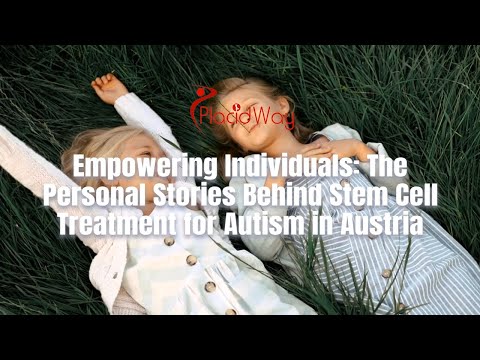














Share this listing