Inhoud
PGD op Cyprus: IVF-kosten, procedures en wat patiënten moeten weten
Voor veel stellen die te maken hebben met de uitdagingen van herhaalde miskramen, mislukte IVF-cycli of het risico een genetische aandoening door te geven, kan de weg naar ouderschap overweldigend aanvoelen. IVF met PGD op Cyprus verandert die visie echter door een wetenschappelijk geavanceerde benadering van gezinsvorming te bieden. Met zijn deskundige genetici, ultramoderne laboratoria en toewijding aan een gezonde zwangerschap, ontwikkelt Cyprus zich snel tot een vertrouwde bestemming voor patiënten die pre-implantatie genetische diagnostiek en hernieuwde hoop op een gezondere toekomst zoeken.
Laten we ons verdiepen in de voordelen van PGD-behandeling op Cyprus, de medische kwaliteit van de zorg in fertiliteitsklinieken met PGD op Cyprus en hoe deze opties zich verhouden tot andere internationale bestemmingen. We zullen ook de perspectieven van patiënten en de bredere infrastructuur van de gezondheidszorg onderzoeken. Ga met ons mee en ontdek meer over IVF-genetische screening op Cyprus, waarbij we waardevolle inzichten delen over mogelijke kosten, toonaangevende klinieken en authentieke getuigenissen van patiënten!
Belangrijke informatie in één oogopslag
Het risico op genetische of chromosomale afwijkingen kan een aanzienlijke impact hebben op de emotionele en fysieke reis naar het ouderschap. Pre-implantatie genetische diagnostiek op Cyprus is een baanbrekende technologie die gebruikmaakt van het intrinsieke genezingsvermogen van het lichaam om deze aandoeningen te identificeren en te screenen vóór embryotransfer. Cyprus heeft zich gevestigd als een belangrijke bestemming voor geavanceerde medische behandelingen en biedt veelbelovende mogelijkheden voor patiënten die op zoek zijn naar state-of-the-art therapieën, zoals die welke worden aangeboden via IVF-genetische screening op Cyprus.
Reproductieve geneeskunde heeft de manier waarop we talloze aandoeningen behandelen, veranderd door de natuurlijke herstelmechanismen van het lichaam te benutten om celschade te bestrijden. Van de verschillende regeneratieve technieken onderscheidt IVF met PGD Cyprus zich als een zeer gepersonaliseerde en krachtige methode voor de behandeling van een breed scala aan aandoeningen. Deze uitgebreide gids verkent PGD op Cyprus, inclusief de principes, voordelen, kosten en wat patiënten tijdens hun behandeltraject kunnen verwachten.
Wat is IVF met PGD?
Pre-implantatie genetische diagnostiek (PGD) is een procedure die wordt gebruikt in combinatie met in-vitrofertilisatie (IVF). Hierbij worden embryo's getest op specifieke genetische mutaties of chromosomale afwijkingen voordat ze in de baarmoeder worden geplaatst. Dit helpt de overdracht van erfelijke ziekten op een kind te voorkomen.
PGD in Cyprus is een vorm van proactieve reproductiegeneeskunde. In tegenstelling tot conventionele IVF, die zich richt op het bereiken van een zwangerschap, streeft PGD in Cyprus naar een gezonde zwangerschap door alleen genetisch gezonde embryo's te selecteren. De procedure begint doorgaans met een standaard IVF-cyclus om embryo's te creëren. Vervolgens wordt een klein aantal cellen zorgvuldig uit elk embryo gebiopteerd, meestal in het blastocyststadium. Deze verzamelde cellen worden vervolgens verwerkt in een gespecialiseerd genetisch laboratorium om te screenen op de specifieke genetische aandoening of op chromosomale afwijkingen.
Voordat deze cellen opnieuw worden ingebracht, kan de patiënt bepaalde voorbereidende stappen ondergaan, afhankelijk van de specifieke aandoening die behandeld wordt. De geconcentreerde stamcellen worden vervolgens aan de patiënt toegediend, meestal via injectie in het getroffen gebied of intraveneus. Na de infusie worden patiënten gemonitord om hun reactie te volgen en mogelijke bijwerkingen te beheersen. Het doel is dat deze stamcellen weefselherstel bevorderen, ontstekingen verminderen en regeneratie bevorderen, wat leidt tot een verbeterde functie en minder symptomen.
Waarom PGD op Cyprus overwegen?
Cyprus ontwikkelt zich snel tot een koploper op het gebied van regeneratieve geneeskunde. Het land biedt concurrerende behandelprijzen, moderne medische voorzieningen en is actief betrokken bij klinisch onderzoek naar stamceltherapieën.
De VAE, en met name Dubai, heeft aanzienlijk geïnvesteerd in medisch onderzoek en ontwikkeling, met name in geavanceerde therapieën. Voor patiënten die stamceltherapie overwegen, biedt Dubai verschillende aantrekkelijke voordelen:
Kandidaat voor PGD-behandeling Cyprus
PGD-behandeling op Cyprus wordt vaak overwogen voor personen met diverse aandoeningen, waaronder een familiegeschiedenis van genetische afwijkingen, herhaalde miskramen of een gevorderde leeftijd van de moeder, vooral wanneer conventionele behandelingen niet het gewenste resultaat hebben opgeleverd.
Niet alle patiënten komen in aanmerking voor PGD op Cyprus. Het selectieproces is grondig en omvat een uitgebreide evaluatie van de medische voorgeschiedenis, de huidige gezondheidstoestand en de specifieke aandoening van de patiënt. Ideale kandidaten voor IVF met PGD op Cyprus zijn doorgaans degenen met:
Een uitgebreid consult met een gespecialiseerd medisch team bij vruchtbaarheidsklinieken met PGD in Cyprus is cruciaal om de individuele geschiktheid en het meest geschikte behandelplan te bepalen.
Het IVF met PGD-proces
Het IVF-protocol voor genetische screening in Cyprus omvat doorgaans een standaard IVF-cyclus, gevolgd door een embryobiopsie, genetische tests en vervolgens de terugplaatsing van een gezond, gescreend embryo, inclusief nazorg.
Het traject van IVF met PGD Cyprus is een meerfasenproces dat zorgvuldige planning en coördinatie vereist en meestal enkele weken in beslag neemt. Hier is een algemeen overzicht van het behandelprotocol:
Ontdek voordelige pakketten voor pre-implantatie genetische diagnose (PGD) en vruchtbaarheidsbehandelingen op Cyprus, waar PlacidWay geweldige opties heeft verzameld van betrouwbare klinieken. Deze pakketten zijn samengesteld om u de beste prijs-kwaliteitverhouding te bieden en tegelijkertijd uitstekende zorg te garanderen. Bekijk ons aanbod en vind het juiste pakket dat past bij uw behoeften en budget!
`Pre-implantatie genetische diagnostiek (PGD) voor vruchtbaarheidsbehandelingen op Cyprus is een betaalbare optie voor gezinnen die op zoek zijn naar hoogwaardige zorg. Vergeleken met veel andere landen zijn de totale kosten aanzienlijk lager, waardoor het een populaire bestemming is voor stellen die maximale waarde willen halen uit hun vruchtbaarheid en tegelijkertijd deskundige vruchtbaarheidsbehandelingen willen ontvangen. Cyprus biedt betrouwbare klinieken en ervaren specialisten, waardoor het een uitstekende optie is voor uw vruchtbaarheidstraject.
Preimplantation Genetic Diagnosis (PGD) Centra Kostenvergelijking in Cyprus
| Aanbieder | Procedure | Prijs |
|---|---|---|
| Best Fertility Clinic - SAKALLI IVF | Preimplantation Genetic Diagnosis (PGD), Fertility Treatment | $6000 |
Preimplantation Genetic Diagnosis (PGD) Cost Comparison in Cyprus
| Land | Procedure | Prijs |
|---|---|---|
| United States | Preimplantation Genetic Diagnosis (PGD), Fertility Treatment | $16000 |
Onze partnerklinieken op Cyprus bieden pre-implantatie genetische diagnose (PGD) en andere vruchtbaarheidsbehandelingen aan. Met bekwame artsen en hoogwaardige faciliteiten bieden deze centra uitstekende zorg aan individuen en stellen die hun gezin willen uitbreiden. Lees verder voor meer informatie over onze klinieken.
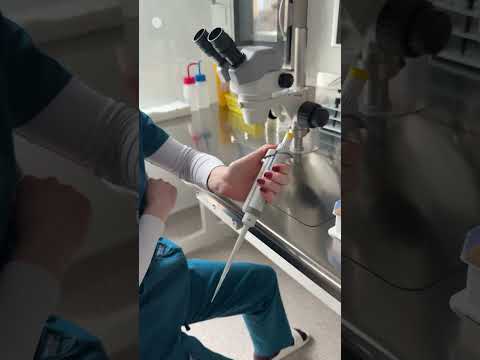
Bekijk onze video's over pre-implantatie genetische diagnose (PGD) en vruchtbaarheidsbehandelingen op Cyprus. Deze clips helpen je het proces te begrijpen, wat je kunt verwachten en geven je tips voor herstel. Ze zijn er om je te ondersteunen en je beslissingen makkelijker te maken. Duik hieronder in de video en leer meer om je klaar te voelen voor wat je te wachten staat!
Bekijk echte patiëntverhalen over pre-implantatie genetische diagnose (PGD) en IVF-behandeling op Cyprus van Google en Trustpilot. Deze reviews bieden nuttige inzichten in de zorg en ervaring.
Wat is Pre-implantatie Genetische Diagnose (PGD) en hoe werkt het?
Pre-implantatie genetische diagnose (PGD) is een gespecialiseerde procedure die wordt gebruikt tijdens in-vitrofertilisatie (IVF) om embryo's te screenen op genetische aandoeningen voordat ze in de baarmoeder worden geplaatst. In Cyprus omvat dit proces doorgaans de volgende stappen:
- Stimulatie van de eierstokken om meerdere eicellen te produceren.
- Eicelpunctie en bevruchting in het laboratorium.
- Embryocultuur gedurende meerdere dagen.
- Biopsie van de embryo's om te testen op specifieke genetische aandoeningen.
- Terugplaatsing van gezonde embryo’s in de baarmoeder.
PGD vergroot de kans op een succesvolle zwangerschap en verlaagt het risico op genetische aandoeningen bij het nageslacht.
Wat zijn de voordelen van vruchtbaarheidsbehandelingen op Cyprus?
Cyprus is een steeds populairdere bestemming voor vruchtbaarheidsbehandelingen, met name vanwege de geavanceerde medische faciliteiten en ervaren professionals. Voordelen zijn onder andere:
- Hoge slagingspercentages, vooral bij PGD.
- State-of-the-art laboratoria en technologieën.
- Gunstige wettelijke regelingen rondom vruchtbaarheidsbehandelingen.
- Prachtige omgeving die een ontspannen sfeer creëert voor patiënten.
Patiënten profiteren bovendien van een ondersteunende cultuur en ervaren zorgverleners die zich op hun behoeften richten.
Hoe lang duurt een vruchtbaarheidsbehandeling op Cyprus?
De duur van een vruchtbaarheidsbehandeling, inclusief pre-implantatie genetische diagnose (PGD), kan variëren afhankelijk van de individuele omstandigheden. Over het algemeen duurt het proces:
- 1-2 weken voor eerste consulten en voorbereiding.
- 2-3 weken voor de IVF-cyclus, inclusief eicelpunctie en embryo-ontwikkeling.
- Extra tijd voor follow-up en herstel, doorgaans 1-4 weken.
Het is belangrijk om de planning met uw zorgverlener te bespreken, zodat u goed kunt herstellen en voor controle kunt zorgen voordat u weer naar huis gaat.
Waar moet ik op letten bij het kiezen van een vruchtbaarheidskliniek op Cyprus?
Het kiezen van de juiste vruchtbaarheidskliniek op Cyprus is cruciaal voor een succesvolle ervaring. Houd rekening met de volgende factoren:
- Ervaring en kwalificaties van het medische team.
- Succespercentages specifiek voor PGD en andere behandelingen.
- Accreditatie van faciliteiten en zorgnormen.
- Patiëntbeoordelingen en getuigenissen.
- Ondersteunende diensten, zoals counseling en taalhulp.
Als u deze aspecten onderzoekt, kunt u een weloverwogen beslissing nemen en meer vertrouwen hebben in uw behandeltraject.
Wat zijn de meest voorkomende risico's en bijwerkingen van PGD?
Hoewel Pre-implantatie Genetische Diagnose (PGD) over het algemeen veilig is, zijn er mogelijke risico's en bijwerkingen waar u rekening mee moet houden:
- Ovarieel hyperstimulatiesyndroom (OHSS) als gevolg van hormoonbehandelingen.
- Licht ongemak tijdens het ophalen van de eicellen.
- Psychologische impact van de emotionele achtbaan van IVF.
Door deze risico's met uw zorgverlener te bespreken, kunt u zich beter voorbereiden en eventuele zorgen tijdens het behandelproces verminderen.
How much does PGD cost in Cyprus?
Considering Preimplantation Genetic Diagnosis (PGD) is a significant step for many hopeful parents. It's a journey filled with questions, and one of the most pressing is often about the cost. If you're looking into PGD in Cyprus, you're likely drawn by the promise of advanced reproductive technology in a beautiful Mediterranean setting. But what does it really cost? In the next few moments, we'll break down the expenses involved, what influences them, and what you can expect from the process. Cyprus has become a popular destination for fertility treatments, not just for its stunning landscapes but also for its competitive pricing and high-quality medical care. The cost of PGD in Cyprus is often more affordable than in many other Western countries, making it an accessible option for a wider range of people. This guide is designed to be your comprehensive resource, answering all the important questions you might have. We'll delve into the specifics of PGD pricing, explore the differences between clinics in North and South Cyprus, and provide clarity on what's included in the packages. Our aim is to give you a clear and realistic understanding of the financial aspect of your PGD journey in Cyprus, so you can make informed decisions with confidence. We'll cover everything from the initial consultation to the additional expenses you might encounter, ensuring you have a complete picture of the investment required for this life-changing procedure. What is the average cost of PGD in Cyprus? "The average cost of a PGD cycle in Cyprus is approximately €5,500. This often includes the IVF/ICSI procedure, embryo biopsy, and the genetic testing of a certain number of embryos. However, prices can range from €4,000 to €7,000." The cost of PGD in Cyprus is a significant consideration for anyone exploring this advanced fertility treatment. On average, you can expect to pay around €5,500 for a single PGD cycle. It's important to understand that this is an average figure, and the final price can fluctuate based on several factors. Most clinics in Cyprus offer package deals that bundle the essential components of the treatment. These packages are designed to provide a more transparent and manageable cost structure for patients. Typically, a standard PGD package in Cyprus will cover the core procedures, including the In Vitro Fertilization (IVF) or Intracytoplasmic Sperm Injection (ICSI) process, which is necessary to create the embryos. It also includes the biopsy of the embryos, where a small number of cells are carefully removed for testing, and the subsequent genetic analysis. The number of embryos tested can sometimes affect the price, with some clinics charging extra for testing a larger number of embryos. Always clarify with your chosen clinic what their package includes to avoid any unexpected costs. What factors influence the cost of PGD in Cyprus? "Several factors can influence the final cost of PGD in Cyprus, including the reputation and location of the clinic, the complexity of the genetic testing required, the number of embryos being tested, and whether additional services like embryo freezing are needed." The price of PGD is not a one-size-fits-all figure. Various elements can impact the overall cost. The clinic you choose plays a significant role. Highly reputable clinics with state-of-the-art facilities and experienced specialists may charge more for their services. Additionally, the location of the clinic, whether in a major city or a more remote area, can also affect the price. Clinics in North Cyprus are often cited as being more affordable than those in the South. The specific type of genetic testing required is another crucial factor. PGD can be used to screen for single-gene disorders, chromosomal abnormalities, or for gender selection. The complexity of the test will influence the cost. For instance, testing for a rare single-gene disorder may be more expensive than standard aneuploidy screening. The number of embryos you wish to have tested will also directly impact the price, as each embryo biopsy and analysis incurs a cost. Finally, consider any additional services you might need, such as cryopreservation (embryo freezing) for surplus healthy embryos, which will add to the total expense. Is there a difference in PGD cost between North and South Cyprus? "Yes, there is generally a noticeable price difference for PGD between North and South Cyprus. North Cyprus is often considered more affordable for fertility treatments, including PGD, with prices being up to 30% lower than in the South. This is largely due to lower operational costs and a different regulatory environment." When researching PGD in Cyprus, you'll find that the island is divided into two distinct regions: the Republic of Cyprus (South) and the Turkish Republic of Northern Cyprus (North). This division extends to the healthcare sector, and there's a significant price disparity for fertility treatments. North Cyprus has gained a reputation for being a more budget-friendly destination for medical tourism, and PGD is no exception. The lower cost of living and operational expenses in the North contribute to more competitive pricing for medical procedures. Beyond the cost, there are also differences in the legal and regulatory frameworks. For example, gender selection for family balancing is legally permitted in North Cyprus, which attracts many international patients. In contrast, the regulations in South Cyprus, which is part of the European Union, may be more aligned with other EU countries. It's essential to research the legal aspects and clinic standards in both regions to make a decision that aligns with your needs and comfort level. What is typically included in a PGD package in Cyprus? "A standard PGD package in Cyprus usually covers the initial consultation, ovarian stimulation monitoring, egg retrieval, fertilization through IVF or ICSI, embryo biopsy, genetic testing of a specified number of embryos, and the embryo transfer procedure. Medication and travel expenses are typically not included." Understanding what is covered in your PGD package is crucial for financial planning. Most clinics in Cyprus are transparent about their pricing and will provide a detailed breakdown of what's included. A comprehensive package will generally encompass all the core medical procedures of the PGD cycle. Here’s a typical breakdown of what you can expect to be included: Initial Consultation: A meeting with the fertility specialist to discuss your medical history and treatment plan. Monitoring: Ultrasounds and blood tests to monitor the development of your follicles during ovarian stimulation. Egg Retrieval: The surgical procedure to collect the eggs. Fertilization: The fertilization of the eggs with sperm using either conventional IVF or ICSI. Embryo Biopsy: The delicate process of removing a few cells from each embryo for testing. Genetic Testing: The laboratory analysis of the biopsied cells. Embryo Transfer: The procedure to place the selected healthy embryo(s) into the uterus. It's important to note that the cost of fertility medications, which can be substantial, is almost always an additional expense. Similarly, travel, accommodation, and personal expenses are not part of the clinic's package. Are there any hidden or additional costs to consider? "Yes, beyond the advertised package price for PGD in Cyprus, there can be additional costs. These may include fertility medications, preliminary tests, cryopreservation of surplus embryos, and costs associated with a frozen embryo transfer (FET) cycle in the future. Travel and accommodation expenses are also a significant extra cost." While clinics in Cyprus are generally upfront about their pricing, it's wise to be aware of potential additional expenses that may not be included in the initial quote. The most significant of these is the cost of fertility medications. The amount of medication required varies from person to person, and this cost can range from €500 to €2,000 or more. Some clinics may require you to undergo preliminary tests, such as blood work and infectious disease screening, which may be an extra charge if not done in your home country. If you have healthy embryos remaining after your PGD cycle, you may choose to freeze them for future use. Embryo cryopreservation and annual storage fees are an additional cost. Should you decide to use these frozen embryos later, a Frozen Embryo Transfer (FET) cycle will be required, which has its own associated cost, though it is significantly less than a full IVF/PGD cycle. Finally, don't forget to budget for your travel to Cyprus, your accommodation during your stay, and daily living expenses. How does the cost of PGD in Cyprus compare to other countries? "The cost of PGD in Cyprus is significantly more affordable compared to countries like the United States, the United Kingdom, and Canada. In the US, a PGD cycle can cost upwards of $20,000, while in the UK, it can be around £10,000 to £15,000. Cyprus offers a high standard of care at a fraction of these prices." One of the primary reasons why Cyprus has become a leading destination for fertility tourism is its cost-effectiveness. When you compare the cost of PGD in Cyprus to that in many Western countries, the savings are substantial. For many couples and individuals, the lower price point makes PGD an attainable dream rather than a financial impossibility. Here is a general comparison of PGD costs: Country Average PGD Cost Cyprus €4,000 - €7,000 United States $15,000 - $25,000+ United Kingdom £10,000 - £15,000 Spain €8,000 - €12,000 It's important to remember that while the cost is lower in Cyprus, the quality of care is not compromised. Many clinics are internationally accredited and adhere to high medical standards, offering a combination of affordability and excellence that is hard to find elsewhere. Is PGD for gender selection more expensive in Cyprus? "The cost of PGD for gender selection in Cyprus is generally included in the overall PGD package price and is not typically more expensive than PGD for medical reasons. North Cyprus is particularly known for offering PGD for family balancing at a competitive price." PGD for gender selection, also known as family balancing, is a sought-after procedure for many international patients. In North Cyprus, this practice is legal and widely available. The good news for those considering this option is that the cost is usually not higher than PGD performed for screening genetic diseases. The same laboratory techniques are used to analyze the chromosomes, so the price difference is often negligible. Clinics in North Cyprus often market their PGD services with gender selection as a key feature, and the pricing is designed to be inclusive. When you receive a quote for a PGD cycle, it will typically cover the analysis of all chromosomes, including the sex chromosomes (X and Y), allowing for gender determination without an additional fee. This makes Cyprus an attractive option for those specifically seeking to choose the gender of their child for non-medical reasons. What is the difference in cost between PGD and PGS in Cyprus? "The terms PGD (Preimplantation Genetic Diagnosis) and PGS (Preimplantation Genetic Screening) are often used interchangeably, and in terms of cost in Cyprus, there is usually no significant difference. Both involve screening embryos for chromosomal abnormalities, and the price is generally the same. Some clinics may refer to all genetic testing of embryos as PGT (Preimplantation Genetic Testing)." The terminology around genetic testing of embryos can be confusing. Historically, PGD referred to testing for specific single-gene disorders, while PGS referred to screening for the correct number of chromosomes (aneuploidy). However, the umbrella term PGT (Preimplantation Genetic Testing) is now more commonly used. PGT-A (for aneuploidy) is the modern term for PGS, and PGT-M (for monogenic/single-gene disorders) is the term for PGD. In practice, when it comes to the cost in Cyprus, clinics usually charge a similar fee for both types of testing. The laboratory work involved in analyzing the chromosomes is comparable, whether screening for aneuploidy or a specific genetic mutation. Therefore, you can expect the price range for PGT-A and PGT-M to be within the general PGD cost bracket of €4,000 to €7,000. Always confirm with the clinic which type of testing is appropriate for you and the associated costs. Do clinics in Cyprus offer payment plans or financing for PGD? "While some clinics in Cyprus may offer flexible payment options, such as paying in installments, dedicated financing plans are not widely available directly through the clinics. Patients often need to secure their own financing through personal loans or medical tourism financing companies in their home country." The cost of PGD, while more affordable in Cyprus, is still a significant investment. It's natural to wonder about payment options. Most clinics in Cyprus require payment in full before or at the start of the treatment cycle. While they may be flexible with how the payment is made (e.g., bank transfer, credit card), structured financing plans are not a standard offering. Some clinics may allow you to pay in two or three installments, but this is at their discretion and should be discussed upfront. For those who need assistance with funding their treatment, exploring options in your home country is often the best approach. This could include personal loans from banks or credit unions. There are also specialized medical tourism financing companies that provide loans specifically for treatments abroad. These companies are familiar with the process and can offer tailored financial solutions. Be sure to research the interest rates and repayment terms carefully before committing to any loan. Are there waiting lists for PGD in Cyprus, and does this affect the cost? "Generally, there are no long waiting lists for PGD treatment in Cyprus. Clinics are well-equipped to handle a steady flow of international patients. The absence of long waits does not typically affect the cost, as prices are based on the procedure itself, not on demand." One of the advantages of seeking PGD treatment in Cyprus is the accessibility of care. Unlike in some countries where you might face long waiting lists for fertility treatments, especially in the public healthcare system, clinics in Cyprus are typically able to schedule patients in a timely manner. This is particularly true for private clinics that cater to an international clientele. The efficiency of the clinics and their focus on medical tourism mean that you can usually start your treatment cycle within a few weeks of your initial consultation. The cost of PGD is not influenced by waiting times; it is determined by the factors we've already discussed, such as the clinic's pricing structure and the specifics of your treatment plan. This quick access to treatment is a significant benefit for those who are eager to move forward with their family-building journey. Ready to explore your options for PGD in Cyprus? PlacidWay can help you connect with top-rated clinics and find the best treatment plan for your needs and budget. Explore our network of trusted healthcare providers today and take the next step towards building your family.
What is the Process of PGD in Cyprus?
Preimplantation Genetic Diagnosis (PGD) in Cyprus involves a multi-step IVF process to screen embryos for genetic conditions before transfer. It ensures only healthy embryos are selected, offering peace of mind for prospective parents. Welcome to a detailed exploration of Preimplantation Genetic Diagnosis (PGD) in Cyprus. If you're considering this advanced reproductive technology, you likely have many questions about how it works, what it involves, and what benefits it offers. PGD is a powerful tool used in conjunction with In Vitro Fertilization (IVF) that allows for the genetic screening of embryos before they are implanted into the uterus. This means that if you have a family history of a specific genetic disorder, or if you're concerned about chromosomal abnormalities, PGD can significantly reduce the risk of passing these conditions on to your child. Cyprus has emerged as a popular destination for PGD due to its advanced clinics, experienced specialists, and supportive legal framework. This guide will walk you through the entire process, answering the most common questions people ask about PGD in Cyprus, from the initial consultation to the exciting moment of embryo transfer. What is Preimplantation Genetic Diagnosis (PGD)? "Preimplantation Genetic Diagnosis (PGD) is an IVF-related procedure that tests embryos for specific genetic disorders or chromosomal abnormalities before uterine transfer." Preimplantation Genetic Diagnosis (PGD) is a cutting-edge technique performed as part of an IVF cycle. Its primary purpose is to identify genetic defects in embryos created through IVF before they are transferred to the woman's uterus. This allows couples at risk of passing on inherited diseases to select embryos that are free from those conditions, significantly increasing the chances of a healthy pregnancy and birth. PGD can screen for a wide range of genetic issues, from single-gene disorders like Cystic Fibrosis or Thalassemia to chromosomal abnormalities like Down Syndrome. Who is a candidate for PGD in Cyprus? "Candidates for PGD in Cyprus include couples with known genetic disorders, those with a history of recurrent miscarriages, advanced maternal age, or previous failed IVF cycles, and for family balancing." PGD is recommended for various individuals and couples who wish to minimize the risk of passing on genetic conditions or to improve their IVF success rates. Common candidates include: Carriers of single-gene disorders: Couples who are known carriers of genetic diseases such as Cystic Fibrosis, Sickle Cell Anemia, Thalassemia, or Huntington's disease. Individuals with chromosomal rearrangements: Those who have balanced translocations or other structural chromosomal abnormalities, which can lead to recurrent miscarriages or children with severe genetic defects. Women of advanced maternal age: Women over 35, where the risk of aneuploidy (abnormal number of chromosomes, like in Down Syndrome) in embryos increases. Couples with recurrent miscarriages: When the cause of recurrent pregnancy loss is suspected to be due to chromosomal abnormalities in the embryos. Couples with previous failed IVF cycles: PGD can help identify and transfer chromosomally normal embryos, potentially increasing implantation rates. Family balancing/gender selection: In some cases, and according to local regulations, PGD can be used for gender selection, often for medical reasons related to X-linked disorders, but also for family balancing purposes in certain clinics in North Cyprus. What is the general process of PGD in Cyprus? "The PGD process in Cyprus involves initial consultation, ovarian stimulation, egg retrieval, fertilization (IVF/ICSI), embryo biopsy, genetic testing, and finally, embryo transfer." The PGD process in Cyprus is an intricate journey that combines standard IVF procedures with advanced genetic testing. Here’s a step-by-step breakdown: Initial Consultation and Assessment: This is the first step where you meet with a fertility specialist in Cyprus. They will review your medical history, conduct various tests (blood tests for hormone levels, infectious diseases, and genetic carrier screening for both partners, as well as a transvaginal ultrasound for the female partner). This assessment helps determine the most suitable PGD approach and develops a personalized treatment plan. For couples with known genetic conditions, specific gene probes may need to be developed in advance, which can take some time. Ovarian Stimulation: The female partner will receive hormonal medications to stimulate her ovaries to produce multiple eggs. This increases the number of embryos available for testing, thereby improving the chances of finding genetically healthy embryos. Follicle growth is closely monitored through ultrasound scans and blood tests. Egg Retrieval: Once the follicles are mature, a minor surgical procedure called egg retrieval (or oocyte pick-up) is performed under light sedation. A thin needle, guided by ultrasound, is used to collect the eggs from the ovaries. Sperm Collection and Fertilization: On the same day as egg retrieval, the male partner provides a sperm sample. The retrieved eggs are then fertilized with the sperm in the laboratory using In Vitro Fertilization (IVF) or Intracytoplasmic Sperm Injection (ICSI). ICSI is often preferred in PGD cycles, where a single sperm is injected directly into each egg, to ensure optimal fertilization. Embryo Culture and Biopsy: The fertilized eggs, now embryos, are cultured in the laboratory for a few days. Day 3 Biopsy (Cleavage Stage): Historically, a biopsy was often performed on Day 3 when the embryo is typically at the 6-8 cell stage. One or two cells (blastomeres) are carefully removed for genetic testing. Day 5 Biopsy (Blastocyst Stage): More commonly now, particularly with newer genetic testing technologies like NGS, the biopsy is performed on Day 5 or Day 6 when the embryo has developed into a blastocyst. A few cells are removed from the trophectoderm (the outer layer that will form the placenta), which is considered less invasive to the inner cell mass (which forms the fetus). This stage also provides more cells for analysis and allows for more robust genetic results. The biopsied embryos are kept in the incubator while the genetic testing is being performed. Genetic Testing: The biopsied cells are sent to a specialized genetics laboratory for analysis. Depending on the specific condition being screened for, different techniques may be used: FISH (Fluorescent In Situ Hybridization): This method is typically used to screen for a limited number of chromosomes (e.g., X, Y, 13, 18, 21) and can provide results quickly, often within 24-48 hours. It's frequently used for gender selection or common aneuploidies. aCGH (Array Comparative Genomic Hybridization) or NGS (Next Generation Sequencing): These advanced techniques allow for a comprehensive analysis of all 24 chromosomes (22 autosomal and X and Y), providing a more detailed genetic profile and detecting a wider range of chromosomal abnormalities, including smaller deletions or duplications. NGS is particularly effective at detecting mosaicism (where an embryo has a mix of normal and abnormal cells). Results from these methods can take several days to a couple of weeks, meaning embryos are often frozen after biopsy and transferred in a subsequent cycle once results are available. Embryo Selection: Based on the genetic test results, only the embryos identified as genetically healthy and free from the targeted conditions are selected for transfer. Embryo Transfer: The chosen embryo(s) are gently transferred into the woman's uterus using a thin catheter, typically under ultrasound guidance. If the genetic testing results take longer, the healthy embryos are cryopreserved (frozen) and transferred in a frozen embryo transfer (FET) cycle at a later, more convenient time for the patient and optimal uterine lining preparation. Pregnancy Test: Approximately 10-14 days after the embryo transfer, a pregnancy test is performed to determine if the procedure was successful. How long does the PGD process take in Cyprus? "The PGD process in Cyprus can vary. The initial IVF cycle and biopsy typically take 2-3 weeks, while genetic test results can take a few days to a couple of weeks, impacting the timing of embryo transfer." The timeline for a PGD cycle in Cyprus can vary depending on individual circumstances and the type of genetic testing performed. Here's a general breakdown: Preparation and Initial Tests: This can take a few weeks to a couple of months, especially if specific gene probes need to be developed based on your family's genetic history. Ovarian Stimulation and Egg Retrieval: This phase typically lasts about 10-14 days. Embryo Culture and Biopsy: Embryos are cultured for 3 to 5 days before the biopsy. Genetic Testing Results: For FISH testing (screening fewer chromosomes), results can be available within 24-48 hours, allowing for a fresh embryo transfer on Day 5. For more comprehensive NGS or aCGH testing, results typically take 7-14 days. In such cases, the biopsied embryos are usually frozen, and the transfer occurs in a subsequent cycle once results are confirmed. Embryo Transfer: If fresh transfer is possible, it happens around Day 5. If frozen, it will be planned based on the woman's menstrual cycle and uterine readiness, typically a few weeks to months later. Overall, a complete PGD cycle, from initial consultation to embryo transfer, can span from a few weeks to several months, especially if pre-cycle genetic probe development is required or if a frozen embryo transfer is performed. Are dental implants in Turkey safe? "While Cyprus is a popular destination for PGD, dental implants in Turkey are generally considered safe, with many clinics adhering to international standards and offering experienced professionals." While the focus of this guide is on PGD in Cyprus, it's worth noting that Turkey is indeed a prominent destination for various medical procedures, including dental implants. Generally, dental implants in Turkey are considered safe, provided you choose a reputable clinic with experienced dentists and modern facilities. Many Turkish clinics are internationally accredited and maintain high standards of care. It's always crucial to research the clinic, verify the qualifications of the dental professionals, and read patient reviews to ensure a safe and successful outcome. What are the success rates of PGD in Cyprus? "PGD success rates in Cyprus are generally high, as it increases the chance of a healthy pregnancy by selecting genetically normal embryos, with specific rates varying by clinic and patient factors." The success rates of PGD in Cyprus are generally high, primarily because the procedure helps in selecting the most viable embryos for transfer. Success rates are influenced by several factors, including: Female age: Younger women typically have a higher number of healthy embryos, leading to better success rates. Number of embryos available: A greater number of embryos for biopsy increases the likelihood of finding genetically normal ones. Type of genetic condition: The complexity of the genetic anomaly being screened can influence success. Clinic expertise and technology: The experience of the embryology team and the advanced nature of the genetic testing laboratory play a significant role. While PGD cannot guarantee a pregnancy, it significantly improves the chances of a healthy, successful pregnancy by reducing the risk of transferring embryos with genetic defects or chromosomal abnormalities. Many clinics in Cyprus report competitive success rates, often on par with leading international centers. What are the legal aspects of PGD in Cyprus? "The legal framework for PGD in Cyprus is generally liberal, permitting its use for genetic disease screening and, in North Cyprus, for gender selection under certain conditions." The legal landscape surrounding PGD in Cyprus is one of the reasons it's a popular destination for fertility tourism. The regulations can differ slightly between the Republic of Cyprus (South Cyprus, an EU member) and North Cyprus. Generally: Genetic Disease Screening: PGD for the detection of serious genetic disorders is widely permitted and accepted. Gender Selection: In the Republic of Cyprus (South Cyprus), gender selection for non-medical reasons is generally not permitted. It is allowed only when there's a medical necessity to prevent the transmission of a gender-linked genetic disease. In North Cyprus, gender selection for family balancing purposes is typically allowed. This more liberal approach makes North Cyprus a preferred choice for couples specifically seeking to choose the sex of their baby. However, it's important to confirm the latest regulations and clinic policies as they can evolve. Embryo Storage: There are regulations regarding the storage of embryos, including the maximum storage duration, which clinics will inform you about. It is always advisable to discuss the specific legal aspects with your chosen clinic in Cyprus to ensure full compliance with their local regulations and to understand how they apply to your particular situation. What is the cost of PGD in Cyprus? "The cost of PGD in Cyprus varies, generally ranging from €4,000 to €7,000, depending on the clinic, the type of genetic testing, and the number of embryos analyzed." The cost of PGD in Cyprus can vary significantly based on several factors, including the specific clinic, the type of genetic testing (e.g., FISH vs. NGS), the number of embryos being tested, and whether additional services are required. On average, a PGD cycle in Cyprus can range from approximately €4,000 to €7,000, in addition to the cost of the IVF cycle itself. Many clinics offer package deals that include the IVF treatment and PGD, which can be more cost-effective. It's crucial to get a detailed breakdown of costs from your chosen clinic, ensuring it includes all aspects from initial consultations and medications to the genetic testing and embryo transfer. Factors influencing the cost include: Initial consultation and tests: These may be billed separately or included in a package. Medication for ovarian stimulation: This can be a significant part of the overall cost. IVF procedure: Egg retrieval, fertilization, and embryo culture. Embryo biopsy: The procedure to extract cells from the embryos. Genetic laboratory analysis: The cost of the actual PGD/PGS test per embryo or per batch of embryos. NGS testing, being more comprehensive, is typically more expensive than FISH. Embryo freezing and storage: If a fresh transfer isn't possible or preferred, freezing and storage fees apply. Embryo transfer: The procedure to transfer the selected embryo(s). While the initial cost might seem substantial, many couples find it a worthwhile investment given the peace of mind and increased chances of a healthy pregnancy that PGD offers, especially when compared to the emotional and financial burden of repeated miscarriages or having a child with a severe genetic condition. What are the risks associated with PGD? "The risks of PGD are generally low but can include potential embryo damage during biopsy, misdiagnosis, or the possibility of no normal embryos being identified for transfer." While PGD is a highly advanced and generally safe procedure, it's important to be aware of the potential, albeit rare, risks: Embryo Damage during Biopsy: There's a very small risk that the embryo could be damaged during the cell biopsy procedure. However, with experienced embryologists and advanced techniques like laser-assisted biopsy, this risk is minimized. Misdiagnosis: Although PGD is highly accurate (often over 97-99%), there's a slight chance of misdiagnosis (false positive or false negative). This could lead to a genetically abnormal embryo being transferred or a healthy embryo being discarded. Confirmatory prenatal testing (like amniocentesis or chorionic villus sampling) is sometimes recommended during pregnancy to verify the PGD results. No Normal Embryos for Transfer: After testing, there's a possibility that none of the embryos are found to be genetically normal or free of the targeted condition. This can be emotionally challenging and means the cycle may not result in an embryo transfer. Mosaicism: Some embryos may exhibit mosaicism, meaning they contain a mix of both normal and abnormal cells. Interpreting mosaic results can be complex, and clinics will advise on the viability and risks associated with transferring mosaic embryos. Risks associated with IVF: As PGD is performed in conjunction with IVF, it carries the general risks of IVF, such as Ovarian Hyperstimulation Syndrome (OHSS) from fertility medications, and the typical risks associated with egg retrieval. It's crucial to have a thorough discussion with your fertility specialist about these risks and how they apply to your specific situation. What is the difference between PGD and PGS (PGT-A)? "PGD (Preimplantation Genetic Diagnosis) screens for specific known genetic disorders, while PGS (Preimplantation Genetic Screening), now called PGT-A, screens for general chromosomal abnormalities." The terms PGD and PGS (now more commonly referred to as PGT-A) are often used interchangeably, but they serve distinct purposes: PGD (Preimplantation Genetic Diagnosis): This is used when there's a known genetic disorder or specific chromosomal rearrangement in the family. PGD specifically tests for that particular genetic condition, allowing couples who are carriers or affected by a hereditary disease to avoid passing it on to their children. Examples include screening for Cystic Fibrosis, Thalassemia, Huntington's Disease, or specific chromosomal translocations. PGS (Preimplantation Genetic Screening) / PGT-A (Preimplantation Genetic Testing for Aneuploidy): This type of testing screens embryos for numerical chromosomal abnormalities (aneuploidies), such as an extra or missing chromosome. These abnormalities are often random and not inherited, but their incidence increases with maternal age. PGT-A aims to identify embryos with the correct number of chromosomes, thereby improving IVF success rates, reducing miscarriage rates, and decreasing the risk of having a baby with conditions like Down Syndrome (Trisomy 21), Edwards Syndrome (Trisomy 18), or Patau Syndrome (Trisomy 13). PGT-A is a general screening for chromosomal health, while PGD is targeted at a specific known genetic issue. Many clinics in Cyprus offer both PGD and PGT-A, and sometimes both types of testing are performed on the same embryo. Can PGD be used for gender selection in Cyprus? "Yes, PGD can be used for gender selection in North Cyprus, often for family balancing, while in South Cyprus, it's typically restricted to medical reasons for sex-linked genetic conditions." As mentioned in the legal aspects section, the use of PGD for gender selection in Cyprus depends on the specific region: In North Cyprus, PGD is widely offered and legally permissible for gender selection, often for family balancing purposes, allowing parents to choose the sex of their child. In the Republic of Cyprus (South Cyprus), gender selection using PGD is generally restricted to medical indications, primarily to prevent the inheritance of sex-linked genetic disorders (e.g., certain forms of muscular dystrophy or hemophilia) that affect one gender more than the other. Couples interested in gender selection using PGD should confirm the specific regulations and policies with their chosen clinic in Cyprus. What preparatory tests are needed before PGD in Cyprus? "Before PGD in Cyprus, preparatory tests include comprehensive blood tests for hormones and infectious diseases, genetic carrier screening for both partners, and a transvaginal ultrasound for the female." Before undergoing PGD in Cyprus, both partners will need to undergo a series of preparatory tests to assess their fertility and overall health, and to identify the specific genetic markers for targeted PGD. These tests typically include: For the Female Partner: Hormone blood tests: FSH, LH, E2 (estradiol), AMH (Anti-Müllerian Hormone, to assess ovarian reserve), TSH (Thyroid Stimulating Hormone), and Prolactin. Transvaginal ultrasound scan: To assess antral follicle count (egg supply) and check for any uterine or ovarian abnormalities. Infectious disease screening: HIV, Hepatitis B and C, Syphilis, Rubella, CMV, Toxoplasmosis. Karyotyping: To analyze her chromosomes for any structural abnormalities if indicated. For the Male Partner: Semen analysis: To evaluate sperm count, motility, and morphology. Infectious disease screening: HIV, Hepatitis B and C, Syphilis. Karyotyping: To analyze his chromosomes if indicated. For Both Partners (if applicable): Genetic carrier screening: If there's a family history of a specific genetic disorder, or for general screening, blood samples will be taken to identify if either partner carries the gene mutation. This is crucial for developing the specific genetic probe for PGD. Consultation with a genetic counselor: To discuss the hereditary condition, inheritance patterns, and the implications of PGD. These tests help the fertility clinic in Cyprus develop a personalized treatment plan and ensure the highest chance of success. What happens if no healthy embryos are found after PGD? "If no healthy embryos are found after PGD, couples will discuss options with their clinic, which may include another IVF/PGD cycle, donor eggs/sperm, or exploring alternative family-building paths." Finding no healthy embryos after PGD can be a deeply challenging and disappointing outcome. If this occurs, the fertility clinic in Cyprus will typically offer a comprehensive consultation to discuss the next steps. Options may include: Another PGD Cycle: Depending on the reason for no healthy embryos (e.g., low number of eggs, high percentage of abnormal embryos due to age), another IVF/PGD cycle might be recommended. The clinic may adjust the stimulation protocol or other aspects of the treatment to try and improve the outcome. Donor Eggs or Sperm: If the genetic issue or egg/sperm quality is severely impacting the chances of finding healthy embryos, using donor eggs or donor sperm may be presented as an option. This can significantly increase the likelihood of obtaining genetically normal embryos. Embryo Donation: For some couples, embryo donation (using embryos from other couples) may be considered. Adoption: While not a medical solution, adoption remains a viable and fulfilling path to parenthood for many. Accepting the Risk: In rare cases, if no other options are suitable, and after thorough genetic counseling, a couple might consider conceiving naturally and undergoing prenatal diagnostic testing, understanding the risks involved. The clinic's support team, including counselors, will be available to help you navigate this difficult situation and explore all available possibilities. Is it necessary to travel to Cyprus for the entire PGD process? "While some initial tests can be done locally, travel to Cyprus is essential for key PGD procedures like egg retrieval, embryo biopsy, and embryo transfer, requiring a stay of 1-3 weeks." While some preliminary steps can be completed in your home country, traveling to Cyprus is necessary for the core procedures of PGD. Here's how it typically works: Initial Consultations and Preliminary Tests: Many clinics in Cyprus offer initial online consultations. Some basic blood tests and ultrasounds can often be performed by your local doctor and the results sent to the Cypriot clinic for review. This can help streamline the process and reduce your initial time in Cyprus. Ovarian Stimulation (Partial or Full): You might be able to start your ovarian stimulation medications in your home country under the guidance of the Cypriot clinic's medical team. However, monitoring scans and blood tests to track follicle growth will need to be coordinated closely with the clinic. Some clinics prefer you to arrive early enough to undergo the full stimulation phase under their direct supervision. Key Procedures in Cyprus: You will definitely need to be in Cyprus for: Egg Retrieval: This is a surgical procedure performed at the clinic. Sperm Collection and Fertilization: Happens concurrently with egg retrieval. Embryo Biopsy: Performed in the clinic's embryology lab. Embryo Transfer: The final step of placing the selected embryos into the uterus. Therefore, expect to spend at least 1 to 3 weeks in Cyprus, depending on the clinic's specific protocol, whether you do a fresh or frozen embryo transfer, and if you start stimulation locally or entirely in Cyprus. Clinics are generally adept at coordinating with international patients to minimize travel time where possible. What are the types of genetic conditions PGD can detect? "PGD can detect a wide range of genetic conditions, including single-gene disorders (e.g., Cystic Fibrosis, Thalassemia) and chromosomal abnormalities (e.g., Down Syndrome, translocations)." PGD is a versatile tool capable of detecting a broad spectrum of genetic conditions. These generally fall into two main categories: Single-Gene Disorders: These are conditions caused by a mutation in a single gene. If both parents are carriers of such a gene, there's a risk their child will inherit the disorder. Examples include: Cystic Fibrosis Thalassemia (Alpha and Beta) Sickle Cell Anemia Huntington's Disease Spinal Muscular Atrophy (SMA) Fragile X Syndrome Muscular Dystrophy Tay-Sachs Disease BRCA1/BRCA2 mutations (for hereditary breast and ovarian cancer predisposition) Chromosomal Abnormalities: These involve changes in the number or structure of chromosomes. Aneuploidies: Incorrect number of chromosomes (e.g., Trisomy 21/Down Syndrome, Trisomy 18/Edwards Syndrome, Trisomy 13/Patau Syndrome, Turner Syndrome (Monosomy X), Klinefelter Syndrome (XXY)). These are primarily detected by PGT-A. Structural Rearrangements: Such as translocations (balanced or unbalanced), inversions, deletions, or duplications of chromosome segments. PGD is used to identify embryos with the correct, balanced set of chromosomes in carriers of these rearrangements. The specific conditions that can be tested for depend on the genetic analysis capabilities of the PGD laboratory and whether a specific gene probe can be developed for the family's unique genetic mutation. How accurate is PGD in detecting genetic conditions? "PGD is highly accurate, generally ranging from 97% to 99%, in detecting specific genetic conditions, but a small risk of misdiagnosis or mosaicism exists." PGD is renowned for its high accuracy in detecting genetic conditions, typically ranging from 97% to 99%. This high level of accuracy is achieved through advanced genetic analysis techniques like NGS and aCGH, along with stringent quality control measures in specialized laboratories. However, it's important to understand that no medical test is 100% foolproof. A tiny margin for error exists due to factors such as: Sampling Error: The biopsy takes a very small number of cells, and there's a minute chance that the biopsied cells might not perfectly represent the entire embryo's genetic makeup (though this is less common with blastocyst biopsies). Mosaicism: As mentioned, some embryos may have a mixture of normal and abnormal cells. While advanced PGD techniques can detect mosaicism, interpreting its clinical significance can sometimes be challenging. Technical Limitations: Although rare, technical issues in the laboratory can occur. Due to these factors, some clinics may recommend confirmatory prenatal diagnostic testing (such as amniocentesis or chorionic villus sampling) once a pregnancy is established, especially for critical genetic conditions. This provides an additional layer of assurance. What should I consider when choosing a PGD clinic in Cyprus? "When choosing a PGD clinic in Cyprus, consider its expertise, success rates, technology (NGS/aCGH), accreditations, transparent pricing, patient reviews, and communication support." Choosing the right PGD clinic in Cyprus is a critical decision. Here are key factors to consider: Expertise and Experience: Look for clinics with a long-standing history of performing PGD, highly experienced embryologists, geneticists, and fertility specialists. Inquire about their specific experience with the genetic condition you are screening for. Success Rates: While individual results vary, compare the clinic's published success rates for PGD cycles, taking into account factors like patient age and the type of PGD performed. Technology and Laboratory: Ensure the clinic utilizes advanced genetic testing technologies like Next Generation Sequencing (NGS) or Array Comparative Genomic Hybridization (aCGH) for comprehensive and accurate results. Inquire about their embryology lab's accreditation and quality control. Accreditation and Regulations: Confirm that the clinic is fully licensed and regulated by the relevant health authorities in Cyprus. If choosing a clinic in North Cyprus, understand their specific regulatory framework. Transparency in Pricing: Request a detailed breakdown of all costs associated with the PGD cycle, including IVF, biopsy, genetic testing, medications, and any potential additional fees (e.g., freezing and storage). Patient Support and Communication: Assess their communication channels, response times, and the level of personalized support they offer, especially for international patients. Multilingual staff is a plus. Patient Reviews and Testimonials: Look for independent reviews and testimonials from past patients to gauge their overall experience with the clinic's care, professionalism, and outcomes. Personalized Treatment Plan: A good clinic will tailor the treatment plan to your specific needs, rather than offering a one-size-fits-all approach. Proximity and Logistics: Consider the practical aspects of travel, accommodation, and local support services. What is the recovery like after egg retrieval and embryo transfer? "Recovery after egg retrieval typically involves mild cramping and fatigue for a day or two. Embryo transfer is usually painless, with no significant recovery period needed." Understanding the recovery process is important for planning your time in Cyprus and managing expectations: After Egg Retrieval: You will receive light sedation, so you'll need someone to accompany you after the procedure. Most women experience mild to moderate cramping, similar to menstrual cramps, and some light spotting for a day or two. Bloating and a feeling of fullness in the abdomen are also common due to the stimulated ovaries. Rest is recommended for the first 24 hours. Most women can resume light activities within a day or two, but strenuous exercise should be avoided. Pain relief medication will be prescribed to manage discomfort. In rare cases, more severe symptoms like significant pain, heavy bleeding, or signs of Ovarian Hyperstimulation Syndrome (OHSS) require immediate medical attention. After Embryo Transfer: This procedure is generally painless and non-invasive, similar to a Pap smear. You will typically rest for a short period at the clinic after the transfer. Most clinics recommend taking it easy for the remainder of the day, avoiding strenuous activities, heavy lifting, and sexual intercourse. Some women report mild cramping or spotting, but this is usually normal. You can generally resume normal, light daily activities the day after the transfer. There is no evidence that strict bed rest improves pregnancy rates. Your clinic in Cyprus will provide detailed post-procedure instructions and be available for any concerns you may have during your recovery. For those exploring options for family building or addressing genetic concerns, PlacidWay offers comprehensive support and access to leading clinics in destinations like Cyprus. Explore PlacidWay's resources to discover solutions tailored to your medical tourism and healthcare needs.
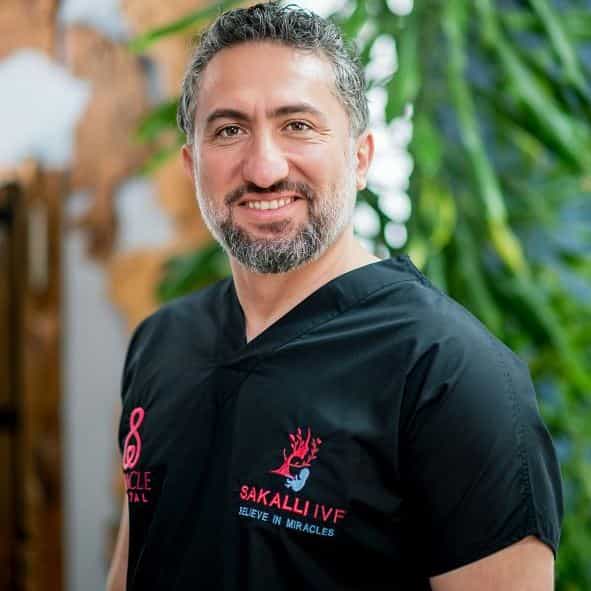
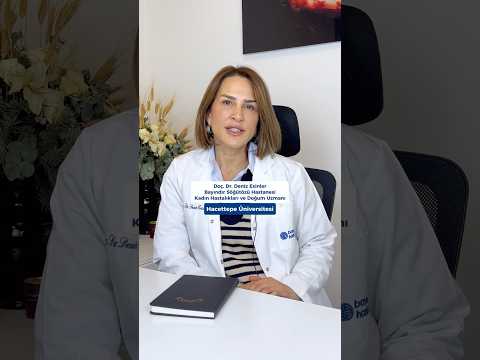
Maak kennis met onze ervaren chirurgen op Cyprus, gespecialiseerd in pre-implantatie genetische diagnostiek (PGD) en vruchtbaarheidsbehandelingen. Deze artsen zijn zorgvuldig geselecteerd vanwege hun expertise en toewijding aan patiëntenzorg en staan klaar om u te ondersteunen tijdens uw reis. Lees hieronder meer over hen.
Kiezen voor IVF met PGD Cyprus biedt een aantrekkelijke combinatie van geavanceerde medische zorg en een buitengewone vakantie-ervaring. Het eiland biedt internationaal opgeleide experts in pre-implantatie genetische diagnostiek , concurrerende prijzen, diensten van wereldklasse in moderne fertiliteitsklinieken met PGD Cyprus en wetenschappelijk onderbouwde IVF met PGD-protocollen. Deze unieke combinatie garandeert een hoge kans op een gezonde zwangerschap, waardoor Cyprus een topkeuze is voor duizenden medische toeristen die een PGD-behandeling in Cyprus zoeken.
Het belang van het verifiëren van medische gegevens bij pre-implantatie genetische diagnose in Cyprus
Bij het overwegen van een medische behandeling in het buitenland, met name voor geavanceerde therapieën zoals PGD, is het cruciaal om de kwalificaties van medische professionals en de normen van de faciliteiten te controleren. Deze zorgvuldigheid is van cruciaal belang voor een veilige en succesvolle medische reis voor IVF-genetische screening op Cyprus.
Deskundigheid van beoefenaars
Het is essentieel om de kwalificaties van een fertiliteitsspecialist te begrijpen. Belangrijke aspecten om op te letten zijn onder andere:
Om deze kwalificaties te verifiëren, kunt u gedetailleerde informatie opvragen over hun professionele achtergrond, certificeringen en lidmaatschappen bij internationale medische organisaties. Contact opnemen met medisch toerisme-facilitators kan ook helpen bij dit onderzoeksproces.
Faciliteitennormen en accreditaties
Het is van cruciaal belang om een kliniek of ziekenhuis te selecteren dat zich aan de hoogste veiligheids- en kwaliteitsprotocollen houdt. Let op:
Het evalueren van de kwaliteit van de zorginstelling kan virtuele rondleidingen omvatten, het bekijken van patiëntervaringen en het stellen van specifieke vragen over hun veiligheidsmaatregelen en kwaliteitscontrole. Grondig onderzoek is essentieel voor een positieve en succesvolle PGD-ervaring in Cyprus.
Mogelijke overwegingen en behandeling voor PGD-behandeling in Cyprus
Hoewel IVF met PGD over het algemeen als veilig wordt beschouwd, hebben mogelijke overwegingen voornamelijk betrekking op het type procedure, de gebruikte hormonale medicatie en de individuele gezondheidstoestand van de patiënt. Deze aspecten worden beheerd onder deskundig medisch toezicht in alle fertiliteitsklinieken met PGD in Cyprus.
Het veiligheidsprofiel van PGD hangt af van verschillende factoren, waaronder de leeftijd van de patiënt, het gekozen protocol en de verwerkingsnormen van de kliniek. De medische instellingen op Cyprus geven prioriteit aan patiëntveiligheid en uitgebreide zorg:
Algemene overwegingen:
Managementstrategieën:
Succespercentages en verwachte resultaten bij IVF met PGD Cyprus
IVF met PGD op Cyprus heeft veelbelovende resultaten laten zien, met succespercentages die variëren afhankelijk van de behandelde aandoening, het type genetische screening en individuele patiëntfactoren. Patiënten melden vaak aanzienlijke verbeteringen op hun weg naar ouderschap.
De effectiviteit van PGD-behandeling in Cyprus bij toonaangevende klinieken wordt ondersteund door hun toewijding aan wetenschappelijk onderbouwde protocollen en patiëntgerichte zorg. Hoewel specifieke succespercentages afhankelijk zijn van de aandoening, wijzen algemene trends op positieve resultaten:
Voorbereiding op PGD op Cyprus
Voorbereiding op PGD op Cyprus vereist uitgebreide medische documentatie, soepele reislogistiek en kennismaken met de patiëntgerichte benadering van lokale zorgverleners.
Zodra een patiënt is goedgekeurd voor IVF met PGD Cyprus, zijn er verschillende voorbereidende stappen essentieel voor een soepele en comfortabele ervaring:
Nazorg en follow-up voor IVF met PGD Cyprus
De nazorg na PGD is nauwkeurig gestructureerd om optimaal herstel te garanderen, de effectiviteit van de behandeling te bewaken en het welzijn op de lange termijn te ondersteunen. Vaak sluit dit naadloos aan op de herstelomgeving van het eiland.
De herstelfase na een PGD-behandeling is cruciaal voor het maximaliseren van de behandelvoordelen. Zorgverleners op Cyprus leggen de nadruk op uitgebreide nazorg en follow-up:
Feiten die u moet weten:
Cyprus heeft zich snel ontwikkeld tot een toonaangevende bestemming voor geavanceerde vruchtbaarheidsbehandelingen, waaronder PGD. Het eiland biedt geavanceerde IVF-genetische screening op Cyprus, uitgevoerd door internationaal erkende artsen in moderne, gereguleerde faciliteiten met geavanceerde technologie. Patiënten profiteren van wetenschappelijk bewezen behandelprotocollen, gepersonaliseerde zorgplannen en een multiculturele, Engelstalige omgeving die medisch reizen vereenvoudigt. Met zijn concurrerende kosten voor IVF met PGD, hoge slagingspercentages en naadloze herstelmogelijkheden in een veilig en levendig land, trekt Cyprus patiënten van over de hele wereld aan die genetische aandoeningen willen voorkomen en een gezonde zwangerschap willen garanderen, naast onvergetelijke reiservaringen.
Klaar om Pre-implantatie Genetische Diagnose (PGD) te overwegen voor uw IVF-vruchtbaarheidsbehandeling op Cyprus? Ons doel is om het hele proces soepel en stressvrij te laten verlopen voor u en uw partner. Van het begrijpen van de procedure tot het kiezen van de juiste kliniek en het plannen van uw reis, ons toegewijde team staat klaar om u bij elke stap persoonlijke begeleiding te bieden. Neem vandaag nog contact met ons op voor alle informatie die u nodig heeft, deskundig advies en ondersteuning op maat, zodat u vol vertrouwen beslissingen kunt nemen over uw vruchtbaarheidstraject. Samen kunnen we de volgende stap zetten naar het verwezenlijken van uw droom: een gezin stichten op Cyprus.
Share this listing