เนื้อหา
การบำบัดด้วยเซลล์ต้นกำเนิดผมราคาประหยัดจากญี่ปุ่น - ฟื้นคืนความมั่นใจ
หลายคนที่ประสบปัญหาผมบาง เส้นผมร่น หรือผมร่วงในรูปแบบต่างๆ มักรู้สึกว่าการรักษาแบบดั้งเดิมให้ผลเพียงชั่วคราวหรือจำกัด อย่างไรก็ตาม Hair Stem Cell Japan กำลังเปลี่ยนมุมมองดังกล่าวด้วยการนำเสนอนวัตกรรมการรักษาผมร่วงขั้นสูงในญี่ปุ่นเพื่อการเจริญเติบโตและฟื้นฟู ด้วยศูนย์วิจัยระดับโลก แพทย์ผิวหนังผู้เชี่ยวชาญ และความมุ่งมั่นในการบำบัดฟื้นฟูเส้นผมที่ทันสมัย ญี่ปุ่นกำลังกลายเป็นจุดหมายปลายทางที่น่าเชื่อถือสำหรับผู้ป่วยที่กำลังมองหาวิธีแก้ไขปัญหาผมร่วงแบบยั่งยืนอย่างรวดเร็ว
มาเจาะลึกข้อดีของการรักษาโดยใช้เซลล์ต้นกำเนิดเส้นผมในญี่ปุ่น มาตรฐานการรักษาพยาบาลในคลินิกฟื้นฟูเส้นผมในญี่ปุ่น และเปรียบเทียบตัวเลือกเหล่านี้กับคลินิกอื่นๆ ในต่างประเทศ เราจะสำรวจมุมมองของผู้ป่วยและโครงสร้างพื้นฐานด้านการดูแลสุขภาพที่ครอบคลุมยิ่งขึ้น มาร่วมค้นพบข้อมูลเพิ่มเติมเกี่ยวกับการรักษาด้วยเซลล์ต้นกำเนิดเส้นผมในญี่ปุ่น พร้อมแบ่งปันข้อมูลเชิงลึกอันมีค่าเกี่ยวกับค่าใช้จ่ายที่อาจเกิดขึ้น คลินิกชั้นนำ และคำรับรองจากผู้ป่วยจริง!
ข้อมูลสำคัญโดยย่อ
ภาวะผมร่วงหลากหลายรูปแบบ ตั้งแต่ศีรษะล้านแบบชายไปจนถึงภาวะผมร่วงแบบเทโลเจนเอฟฟลูเวียม สามารถส่งผลกระทบอย่างมีนัยสำคัญต่อความภาคภูมิใจในตนเองและคุณภาพชีวิต Hair stem cell Japan เป็นวิธีการฟื้นฟูเส้นผมแนวใหม่ที่ใช้ความสามารถในการรักษาตามธรรมชาติของร่างกายเพื่อซ่อมแซมและฟื้นฟูรูขุมขนที่เสียหาย ญี่ปุ่นได้สร้างชื่อเสียงในฐานะจุดหมายปลายทางสำคัญสำหรับการรักษาทางการแพทย์ขั้นสูง ซึ่งนำเสนอแนวทางที่มีแนวโน้มดีสำหรับผู้ป่วยที่กำลังมองหาวิธีการรักษาที่ทันสมัย เช่นเดียวกับที่นำเสนอผ่านการบำบัดด้วยเซลล์ต้นกำเนิด hair Japan
เวชศาสตร์ฟื้นฟูได้เปลี่ยนแปลงวิธีการรักษาโรคภัยไข้เจ็บต่างๆ ของเรา ด้วยการใช้ประโยชน์จากกลไกการซ่อมแซมตามธรรมชาติของร่างกายเพื่อต่อสู้กับความเสียหายของเซลล์ ในบรรดาเทคนิคการฟื้นฟูต่างๆ การรักษาด้วยสเต็มเซลล์เส้นผมในญี่ปุ่น ถือเป็นวิธีการเฉพาะบุคคลและทรงประสิทธิภาพในการแก้ไขปัญหาผมร่วงที่หลากหลาย คู่มือฉบับสมบูรณ์นี้จะสำรวจการบำบัดผมแบบฟื้นฟูในญี่ปุ่น ครอบคลุมหลักการ ประโยชน์ ค่าใช้จ่ายที่เกี่ยวข้อง และสิ่งที่ผู้ป่วยสามารถคาดหวังได้ระหว่างการรักษา
Stem Cell Therapy สำหรับผมร่วงคืออะไร?
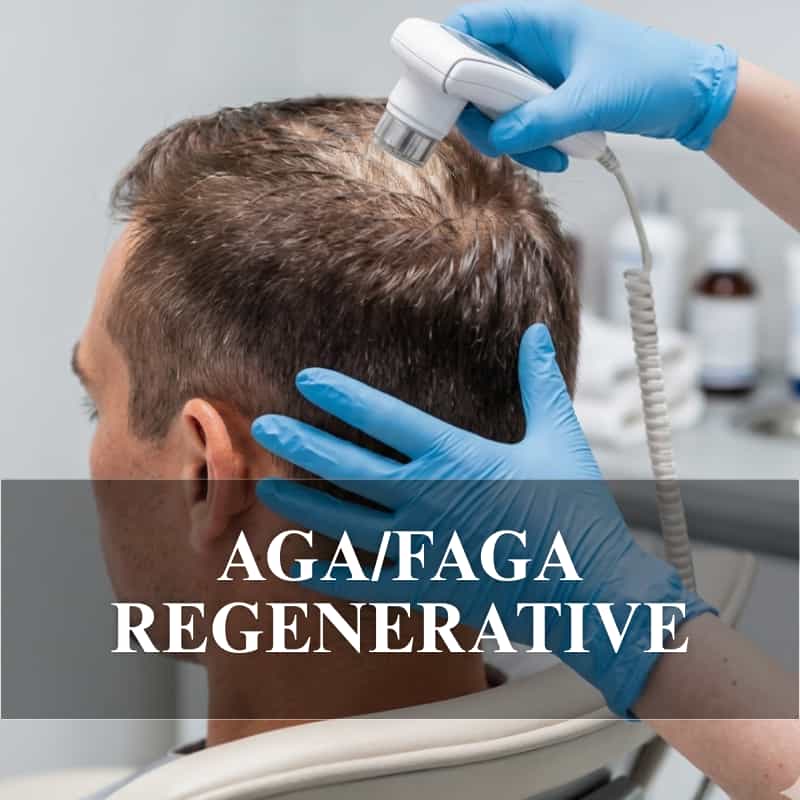
การบำบัดด้วยเซลล์ต้นกำเนิดสำหรับผมร่วงเกี่ยวข้องกับการใช้เซลล์เฉพาะทางที่เรียกว่าเซลล์ต้นกำเนิด (มักได้มาจากเนื้อเยื่อไขมันหรือรูขุมขน) ซึ่งมีความสามารถพิเศษในการพัฒนาเป็นเซลล์รูขุมขนใหม่และกระตุ้นการเจริญเติบโตของเส้นผมเดิมที่อ่อนแอ โดยทั่วไปเซลล์เหล่านี้จะถูกเก็บเกี่ยวจากร่างกายของผู้ป่วยเอง (ออโตโลกัส) นำไปผ่านกระบวนการเพื่อนำปัจจัยการเจริญเติบโตเข้มข้น แล้วนำไปใส่ในบริเวณที่ผมร่วงเพื่อส่งเสริมการรักษาและฟื้นฟู
การบำบัดด้วยเซลล์ต้นกำเนิดผมในญี่ปุ่นเป็นรูปแบบหนึ่งของการบำบัดฟื้นฟูเส้นผมในญี่ปุ่น ซึ่งแตกต่างจากการรักษาแบบเดิมที่มักมุ่งเน้นไปที่การจัดการอาการ (เช่น การใช้ยาตามใบสั่งแพทย์) การบำบัดด้วยเซลล์ต้นกำเนิดมีจุดมุ่งหมายเพื่อแก้ไขที่ต้นเหตุของปัญหาโดยการกระตุ้นกระบวนการซ่อมแซมตามธรรมชาติของร่างกายภายในหนังศีรษะ โดยทั่วไปแล้วขั้นตอนนี้จะเริ่มต้นด้วยการเก็บตัวอย่างเซลล์ต้นกำเนิด ซึ่งมักจะมาจากตัวอย่างเนื้อเยื่อไขมันขนาดเล็ก (เซลล์ต้นกำเนิดจากไขมัน) หรือการตัดชิ้นเนื้อหนังศีรษะของผู้ป่วยจำนวนเล็กน้อย จากนั้นเซลล์ที่เก็บรวบรวมเหล่านี้จะถูกนำไปประมวลผลในห้องปฏิบัติการเฉพาะทางเพื่อทำให้เซลล์เหล่านี้เข้มข้นและกระตุ้นการทำงาน
ก่อนการนำเซลล์เหล่านี้กลับคืน ผู้ป่วยอาจต้องผ่านขั้นตอนเตรียมการบางอย่าง เช่น การใช้ยาชาเฉพาะที่ จากนั้นจึงนำเซลล์ต้นกำเนิดเข้มข้นเข้าสู่ร่างกายผู้ป่วย ซึ่งโดยปกติจะฉีดเข้าบริเวณหนังศีรษะที่ได้รับผลกระทบ หลังจากขั้นตอนนี้ ผู้ป่วยจะได้รับการติดตามผลการตอบสนอง เป้าหมายคือเพื่อให้เซลล์ต้นกำเนิดเหล่านี้ช่วยซ่อมแซมเนื้อเยื่อ ลดการอักเสบ และส่งเสริมการสร้างรูขุมขนใหม่ ส่งผลให้ผมหนาขึ้น หนาขึ้น และหลุดร่วงน้อยลง
เหตุใดจึงควรพิจารณาใช้ Hair Stem Cell Japan สำหรับการรักษา?
ญี่ปุ่นกำลังก้าวขึ้นเป็นผู้นำด้านการรักษาผมร่วงขั้นสูงอย่างรวดเร็ว ด้วยราคาการรักษาที่สามารถแข่งขันได้ มีสิ่งอำนวยความสะดวกทางการแพทย์ที่ทันสมัย และการมีส่วนร่วมอย่างแข็งขันในการวิจัยทางคลินิกสำหรับการบำบัดเส้นผมแบบฟื้นฟูในญี่ปุ่น
ญี่ปุ่น โดยเฉพาะอย่างยิ่งคลินิกเฉพาะทาง ได้ลงทุนอย่างมากในการวิจัยและพัฒนาทางการแพทย์ โดยเฉพาะอย่างยิ่งในด้านเวชศาสตร์ฟื้นฟู สำหรับผู้ป่วยที่กำลังพิจารณาการรักษาด้วยเซลล์ต้นกำเนิด ญี่ปุ่นมีข้อได้เปรียบที่น่าสนใจหลายประการ:
ผู้สมัครเข้ารับการรักษาด้วยเซลล์ต้นกำเนิดเส้นผมในญี่ปุ่น
การรักษาด้วยเซลล์ต้นกำเนิดของเส้นผมในญี่ปุ่น มักถูกพิจารณาใช้กับบุคคลที่มีภาวะผมร่วงแบบชาย (Androgenetic Alopecia) ระยะต่างๆ ผมร่วงแบบหญิง และผมบางบางประเภท โดยเฉพาะเมื่อการรักษาแบบธรรมดาไม่ได้ให้ผลลัพธ์ตามที่ต้องการ
ไม่ใช่ผู้ป่วยทุกคนที่จะเหมาะสมเข้ารับการบำบัดฟื้นฟูเส้นผมที่ประเทศญี่ปุ่น กระบวนการคัดเลือกมีความละเอียดถี่ถ้วนและเกี่ยวข้องกับการประเมินประวัติทางการแพทย์ สถานะสุขภาพปัจจุบัน และประเภทและระดับของผมร่วงอย่างละเอียด โดยทั่วไปแล้ว ผู้ที่เหมาะที่สุดสำหรับการรักษาผมร่วงขั้นสูงที่ประเทศญี่ปุ่น ได้แก่ ผู้ที่มี:
การปรึกษาหารืออย่างละเอียดกับทีมแพทย์ผู้เชี่ยวชาญในคลินิกฟื้นฟูเส้นผมในประเทศญี่ปุ่นจะเป็นสิ่งสำคัญในการพิจารณาความเหมาะสมของแต่ละบุคคลและแผนการรักษาที่เหมาะสมที่สุด
กระบวนการบำบัดผมด้วยเซลล์ต้นกำเนิดจากญี่ปุ่น
โดยทั่วไปโปรโตคอลการบำบัดเส้นผมด้วยเซลล์ต้นกำเนิดของญี่ปุ่นจะเกี่ยวข้องกับการรวบรวมเซลล์ (จากไขมันหรือเนื้อเยื่อหนังศีรษะ) การประมวลผลและการทำให้เข้มข้นในห้องแล็บ จากนั้นจึงนำเซลล์กลับมาใช้ที่หนังศีรษะอีกครั้ง โดยมักจะตามด้วยการดูแลหลังการรักษา
การเดินทางสู่การรักษาด้วยเซลล์ต้นกำเนิดเส้นผมในญี่ปุ่นเป็นกระบวนการหลายขั้นตอนที่ต้องอาศัยการวางแผนและการประสานงานอย่างรอบคอบ ต่อไปนี้คือภาพรวมทั่วไปของขั้นตอนการรักษา:
สำรวจแพ็กเกจรักษาผมร่วงด้วยสเต็มเซลล์ในญี่ปุ่น ซึ่งเราได้รวบรวมตัวเลือกราคาประหยัดจากคลินิกที่เชื่อถือได้ แพ็กเกจเหล่านี้ออกแบบมาเพื่อมอบการดูแลที่ดีเยี่ยมโดยไม่ทำให้งบประมาณของคุณบานปลาย ลองดูรายการแพ็กเกจของเราและค้นหาแพ็กเกจที่ตรงกับความต้องการและงบประมาณของคุณ
`การรักษาผมร่วงด้วยสเต็มเซลล์ในญี่ปุ่นเป็นทางเลือกที่คุ้มค่าสำหรับผู้ที่ต้องการฟื้นฟูเส้นผม ค่าใช้จ่ายโดยทั่วไปต่ำกว่าในประเทศอย่างสหรัฐอเมริกามาก ทำให้ประหยัดค่าใช้จ่ายได้มากในขณะที่ยังคงได้รับการดูแลที่มีคุณภาพสูง ด้วยแพทย์ผู้เชี่ยวชาญและเทคนิคการฟื้นฟูเส้นผมขั้นสูง คุณสามารถสำรวจทางเลือกในการฟื้นฟูเส้นผมที่มีประสิทธิภาพได้แล้ววันนี้
Stem Cell Treatment for Hair Loss เปรียบเทียบราคาศูนย์ใน Japan
| ผู้ให้บริการ | ขั้นตอน | ราคา |
|---|---|---|
| Cell Grand Clinic – Japan’s Best Stem Cell Clinic | Stem Cell Treatment for Hair Loss, Stem Cell Therapy | $42000 |
| HELENE - Stem Cell Clinic | Stem Cell Treatment for Hair Loss, Stem Cell Therapy | $10000 |
Stem Cell Treatment for Hair Loss Cost Comparison in Japan
| ประเทศ | ขั้นตอน | ราคา |
|---|---|---|
| United States | Stem Cell Treatment for Hair Loss, Stem Cell Therapy | $50000 |
คลินิกพันธมิตรของเราในญี่ปุ่นให้บริการรักษาผมร่วงด้วยสเต็มเซลล์โดยเฉพาะ โดยใช้เทคนิคการบำบัดด้วยสเต็มเซลล์ที่ทันสมัย คลินิกที่น่าเชื่อถือเหล่านี้ให้การดูแลอย่างดีเยี่ยมโดยแพทย์ผู้เชี่ยวชาญที่ทุ่มเทให้กับสุขภาพและความเป็นอยู่ที่ดีของคุณ เลื่อนลงเพื่อดูข้อมูลเพิ่มเติมเกี่ยวกับคลินิกที่เราคัดสรรมา
สำรวจวิดีโอที่เป็นประโยชน์ของเราเพื่อเรียนรู้เพิ่มเติมเกี่ยวกับการรักษาด้วยสเต็มเซลล์สำหรับผมร่วงในญี่ปุ่น คลิปวิดีโอเหล่านี้แบ่งปันเรื่องราวและข้อมูลเชิงลึกส่วนตัวเพื่อช่วยให้คุณเข้าใจขั้นตอนการรักษาและสิ่งที่คาดหวัง ดูวิดีโอด้านล่างเพื่อรับเคล็ดลับและข้อมูลเพื่อเตรียมพร้อมสำหรับการรักษาของคุณ
ค้นพบเรื่องราวจริงจากผู้ป่วยเกี่ยวกับการรักษาผมร่วงด้วยสเต็มเซลล์ในญี่ปุ่น เชื่อถือรีวิวจาก Google และ Trustpilot เพื่อรับข้อมูลเชิงลึกที่เป็นประโยชน์เกี่ยวกับการรักษาของคุณ!
การรักษาผมร่วงด้วยเซลล์ต้นกำเนิดคืออะไร และทำงานอย่างไร?
การรักษาผมร่วงด้วยเซลล์ต้นกำเนิด (Stem Cell Treatment) เกี่ยวข้องกับการใช้เซลล์ต้นกำเนิดเพื่อสร้างรูขุมขนใหม่ โดยทั่วไปแล้วขั้นตอนนี้จะสกัดเซลล์ต้นกำเนิดจากร่างกายของผู้ป่วยเอง ซึ่งส่วนใหญ่มักมาจากเนื้อเยื่อไขมัน จากนั้นเซลล์เหล่านี้จะถูกฉีดเข้าสู่หนังศีรษะ เพื่อส่งเสริมการเจริญเติบโตของเส้นผมและอาจช่วยฟื้นฟูปัญหาผมร่วงได้ การรักษานี้เป็นการบุกรุกน้อยที่สุด โดยปกติแล้วการรักษาจะใช้เวลาไม่กี่ชั่วโมง และผู้ป่วยสามารถเห็นผลการรักษาที่ดีขึ้นอย่างค่อยเป็นค่อยไปภายในเวลาหลายเดือน
การบำบัดด้วยเซลล์ต้นกำเนิดในญี่ปุ่นมีประโยชน์ต่อปัญหาผมร่วงอย่างไรบ้าง?
ญี่ปุ่นมีชื่อเสียงในด้านเทคโนโลยีทางการแพทย์ขั้นสูงและความเชี่ยวชาญด้านเวชศาสตร์ฟื้นฟู ผู้ป่วยที่เลือกการบำบัดด้วยเซลล์ต้นกำเนิดในญี่ปุ่นจะได้รับประโยชน์จาก:
- เข้าถึงเทคนิคอันล้ำสมัยและผู้เชี่ยวชาญที่ผ่านการฝึกอบรมมาอย่างดี
- มาตรฐานความปลอดภัยและสุขอนามัยสูงในสถานพยาบาล
- การสนับสนุนการดูแลหลังการรักษาแบบครอบคลุมเพื่อการฟื้นตัวและการติดตามผล
การผสมผสานนี้ช่วยให้มั่นใจได้ถึงประสบการณ์เชิงบวกและผลลัพธ์ที่มีประสิทธิภาพ
การฟื้นตัวหลังการรักษาด้วย Stem Cell สำหรับผมร่วงต้องใช้เวลานานเท่าไร?
โดยทั่วไปการฟื้นตัวหลังการรักษาด้วยสเต็มเซลล์สำหรับผมร่วงจะรวดเร็ว ผู้ป่วยส่วนใหญ่สามารถกลับไปใช้ชีวิตได้ตามปกติภายในไม่กี่วัน อย่างไรก็ตาม ผลลัพธ์ที่สมบูรณ์อาจใช้เวลาหลายเดือนตามวงจรการเจริญเติบโตของเส้นผม การปฏิบัติตามคำแนะนำในการดูแลรักษาหลังการรักษาที่คลินิกกำหนดไว้เป็นสิ่งสำคัญ ซึ่งอาจรวมถึงการหลีกเลี่ยงกิจกรรมที่ต้องออกแรงมาก และการปกป้องหนังศีรษะจากแสงแดด
การบำบัดด้วยเซลล์ต้นกำเนิดในญี่ปุ่นมีความเสี่ยงหรือผลข้างเคียงใดๆ หรือไม่?
การบำบัดด้วยเซลล์ต้นกำเนิดถือว่าปลอดภัย โดยเฉพาะอย่างยิ่งเมื่อดำเนินการโดยผู้เชี่ยวชาญที่มีประสบการณ์ อย่างไรก็ตาม เช่นเดียวกับหัตถการทางการแพทย์อื่นๆ อาจมีความเสี่ยงและผลข้างเคียงบางประการ ได้แก่:
- มีอาการบวมหรือแดงชั่วคราวบริเวณที่ฉีด
- รู้สึกไม่สบายหรือคันเล็กน้อย
- ในบางกรณีอาจเกิดการติดเชื้อหรือเกิดอาการแพ้
การหารือเกี่ยวกับความเสี่ยงที่อาจเกิดขึ้นกับผู้ให้บริการด้านการดูแลสุขภาพของคุณจะช่วยจัดการความคาดหวังและรับรองประสบการณ์การรักษาที่ปลอดภัย
ฉันจะเลือกคลินิกที่เหมาะสมสำหรับการรักษาผมร่วงด้วยเซลล์ต้นกำเนิดในญี่ปุ่นได้อย่างไร?
การเลือกคลินิกที่เหมาะสมสำหรับการรักษาผมร่วงด้วยเซลล์ต้นกำเนิดในญี่ปุ่นมีปัจจัยหลายประการดังนี้:
- การค้นหาข้อมูลประจำตัวของคลินิกและความคิดเห็นของคนไข้
- สอบถามคุณสมบัติและประสบการณ์ของทีมแพทย์
- เพื่อให้มั่นใจว่าคลินิกปฏิบัติตามมาตรฐานความปลอดภัยระดับสากล
- การประเมินระดับการสนับสนุนผู้ป่วยและการดูแลหลังการรักษาที่เสนอ
การตัดสินใจอย่างรอบรู้จะช่วยเพิ่มความสะดวกสบายและความมั่นใจในการดำเนินการรักษาของคุณ
When Will I See Results After Stem Cell Therapy for Hair Loss in Japan?
Most patients begin to see initial results after stem cell therapy for hair loss in Japan, such as reduced hair shedding, around 2 to 3 months. Significant, visible results in hair density and thickness typically appear between 6 and 12 months post-treatment. Watching your hair thin over time can be a deeply personal and frustrating experience. You've probably noticed more hair in the shower drain or on your brush and tried countless "solutions" that promise the world but deliver very little. It's a journey that can really impact your confidence. But in the field of hair restoration, there's a genuine shift happening, and Japan is at the forefront. We're moving beyond temporary fixes and into the realm of true regeneration. Stem cell therapy for hair loss in Japan is not a gimmick; it's an advanced medical treatment backed by a strong, safety-focused regulatory system. So, you're wondering, if I take this step, when will I *actually* see a difference? It's the most important question, and the answer is all about patience and understanding your body's natural hair growth cycle. Unlike a hair transplant, which moves hair, stem cell therapy works to *reactivate* your own dormant follicles. This process doesn't happen overnight. You can expect the first encouraging signs, like less shedding, to show up around the 2 to 3-month mark. The really exciting, visible changes in density—the kind you see in photos—start to become noticeable around 6 months and continue to improve for a full year or more. It's a process of healing and rebirth for your follicles. This guide will walk you through everything you need to know, from that all-important results timeline to the types of cells used, the cost, and what to expect from this cutting-edge hair regrowth results treatment in Japan. We'll answer all the questions you've been searching for, so you can make an informed and confident decision. What is stem cell therapy for hair loss? Stem cell therapy for hair loss is an advanced, non-surgical hair restoration treatment. It uses a patient's own (autologous) stem cells, typically from their fat tissue, to reactivate dormant hair follicles, reduce inflammation, and stimulate new hair growth in thinning areas. This treatment is a game-changer because it's *regenerative*. It's not a cover-up and it's not a transplant (like FUE or FUT), which simply moves follicles from one place to another. Instead, this therapy aims to fix the problem at its source: the weak, sleepy, or "miniaturized" hair follicles that are no longer producing healthy hair. The treatment involves injecting your scalp with a high concentration of your body's own master repair cells—specifically, Mesenchymal Stem Cells (MSCs). These cells are known as the "conductors" of your body's orchestra of healing. When placed in an area of thinning hair, they don't just sit there; they get to work, signaling your follicles to wake up and function properly again. It's about healing the scalp environment to support natural, healthy growth. How does stem cell therapy work for hair regrowth? Stem cell therapy works for hair regrowth by injecting millions of Mesenchymal Stem Cells (MSCs) into the scalp. These cells release a powerful cocktail of growth factors and anti-inflammatory signals that "wake up" dormant hair follicles, improve blood flow to the area, and reset the follicle's growth (anagen) phase. The science behind this is fascinating. Hair loss, particularly common androgenetic alopecia (male/female pattern baldness), is often caused by inflammation and a hormone called DHT, which makes follicles shrink. Stem cells fight this in several ways: Paracrine Signaling: The stem cells release hundreds of different growth factors and proteins (a "paracrine" effect) that act like a code, telling the shrunken follicles to restart the growth cycle. Anti-Inflammatory Action: They calm the chronic "micro-inflammation" around the follicles that contributes to hair loss. Angiogenesis: They promote the formation of new, tiny blood vessels, which increases the supply of oxygen and nutrients to the struggling follicles. Essentially, you are creating a much healthier, more fertile environment in your scalp, giving your existing (but dormant) follicles the best possible chance to start producing hair again. What types of stem cells are used for hair loss in Japan? The most common and effective type of stem cells used for hair loss in Japan are Adipose-Derived Stem Cells (ADSCs). These are Mesenchymal Stem Cells (MSCs) taken from a small sample of the patient's own (autologous) fat tissue, which is incredibly rich in these powerful regenerative cells. While stem cells can be found in bone marrow, the preferred source for most Japanese hair loss clinics is adipose (fat) tissue. There are a few key reasons for this: Higher Concentration: Fat tissue contains up to 500 times more MSCs per volume than bone marrow. This means a small, simple harvest can yield a very high and potent dose of cells. Easy Harvest: The "harvest" is a simple mini-liposuction procedure done under local anesthetic. It's minimally invasive, quick, and much more comfortable for the patient than a bone marrow draw. Some clinics may also offer treatments using allogeneic (donor) cells, such as from an umbilical cord bank. However, the standard for safety and efficacy in Japan is often autologous ADSCs, as using your own cells eliminates all risk of rejection or allergic reaction. When will I see results after stem cell therapy for hair loss in Japan? Patients typically see initial hair regrowth results from stem cell hair therapy in Japan within 2 to 3 months. This first sign is usually a reduction in hair shedding. More noticeable improvements in hair density and thickness become visible from 6 months onwards, with peak results often seen at the 12-month mark. This is the most critical question, and the answer lies in the human hair growth cycle. This cycle is naturally slow, and stem cell therapy works *with* it. The treatment "resets" the cycle for many dormant follicles, pushing them into a new "anagen" or growth phase. But that new hair has to grow from the root up. Here is a typical timeline of what to expect: Month 0-2 (The "Quiet" Phase): You've had the treatment. On the surface, nothing is happening. But beneath the skin, the stem cells are working, reducing inflammation and signaling follicles. The very first sign of success, often seen in month 2, is a significant decrease in hair shedding. Month 2-4 (The "First Fuzz" Phase): This is when the first new hairs, called vellus hairs, may begin to appear. They will likely be very fine, soft, and light in color, like "peach fuzz." This is a fantastic sign! It means the follicles are "on" again. Month 6-12 (The "Visible" Phase): This is when the magic happens. Those new vellus hairs, as well as other existing miniaturized hairs, begin to mature. They grow thicker, darker, and longer, becoming "terminal" hairs. This is when you and your barber or stylist will notice a real, visible increase in density and scalp coverage. This is why follow-up photos are so important. The change is so gradual that you might not notice it day-to-day, but a 6-month comparison photo can be dramatic. What do the first results look like? The very first results are often not new hair, but a significant reduction in hair shedding. You'll simply notice less hair in the shower drain or on your brush. This is followed by the appearance of fine, soft, "peach fuzz" (vellus) hairs in the treated areas. Managing expectations is key. You will not wake up a month after treatment with a full, thick head of hair. This is a biological process, not a cosmetic one. The first positive sign to look for is a stabilization of your hair loss. For many people, just stopping the shedding is a huge win. Following this stabilization, you'll enter the new growth phase. In addition to the new vellus hairs, you might also notice your *existing* hair looks healthier. The stem cells' growth factors can improve the quality and thickness of the "miniaturized" hairs you already have, making your hair look fuller even before the new growth fully matures. When will I see the *peak* results from the treatment? Peak hair regrowth results for stem cell therapy are typically observed between 12 and 18 months after the procedure. This extended timeline allows for multiple hair growth cycles to complete, giving new hairs time to mature from vellus hairs into strong, thick, terminal hairs. The stem cells themselves don't live in the scalp forever, but the healing cascade they initiate continues for a very long time. The cells release their growth factors, and your body's own repair systems continue the work. Because hair grows slowly (about 1/2 inch per month), it simply takes that long for the full effect of the "rebooted" follicles to become visible to the naked eye. This is why clinics in Japan will schedule follow-up appointments at 6, 12, and even 18 months. They are tracking this long-term improvement. Your 12-month photo will almost always look significantly better than your 6-month photo. How many stem cell treatment sessions are needed for hair loss? This depends on the clinic and the patient's condition. Some advanced Japanese hair loss clinics use high-dose, cultured stem cells, which often requires only one main treatment session. Other protocols may recommend a series of 2-3 smaller injections spaced a few months apart. There are two main approaches: High-Dose Cultured Cells: This is an advanced technique common in Japan. After your fat harvest, your cells are sent to a certified lab (CPC) and are "cultured" or grown for several weeks. This multiplies your 5-10 million harvested cells into 50 million, 100 million, or more. You then return for *one* very high-dose injection. This is often a "one and done" approach (for several years, at least). Non-Cultured Cells (SVF): This is a same-day procedure where the harvested fat is processed in a machine to isolate the stem cells (called Stromal Vascular Fraction, or SVF). This is a lower dose of cells, and some doctors may recommend a series of treatments to achieve the desired result. In either case, because hair loss is an ongoing genetic condition, your doctor may recommend a single "maintenance" treatment every 2-5 years to keep the results fresh. Is stem cell therapy for hair loss in Japan safe and legal? Yes, stem cell therapy for hair loss is legal and highly regulated in Japan. In 2014, Japan passed the "Act on the Safety of Regenerative Medicine" (ASRM). This law ensures that all clinics are approved by the Ministry of Health, Labour and Welfare (MHLW), guaranteeing high standards of safety, cell processing, and patient oversight. This is precisely *why* Japan is a top destination for this treatment. Unlike in many countries where clinics can operate in a regulatory gray area, the Japanese government has a clear, legal framework. This framework (the ASRM) requires any clinic offering stem cell therapies to: Furthermore, when using autologous (your own) cells, the treatment is exceptionally safe. There is no risk of rejection, immune reaction, or allergic response. It is your own body's healing mechanism, simply concentrated and redirected. What is the cost of stem cell therapy for hair loss in Japan? The cost of stem cell therapy for hair loss in Japan typically ranges from $4,000 to $10,000 USD (approximately ¥600,000 to ¥1,500,000 JPY). The price varies significantly depending on the source of the cells, whether they are cultured (a more complex process), and the clinic's protocol. This treatment is considered an elective procedure and is not covered by national health insurance. The price reflects the highly advanced technology, the cost of the certified lab processing, and the expertise of the specialists. Here is a general breakdown of what you might expect. "SVF" refers to the non-cultured, same-day procedure, while "Cultured ADSCs" refers to the more advanced, high-dose treatment that requires two visits. Estimated Cost Comparison: Stem Cell Hair Loss Treatment in Japan Treatment Type Estimated Cost (JPY) Estimated Cost (USD) Notes Single Treatment (SVF, non-cultured) ¥600,000 - ¥900,000 $4,000 - $6,000 Same-day procedure. Lower cell count. Single Treatment (Cultured ADSCs) ¥1,000,000 - ¥1,500,000 $6,500 - $10,000 High cell count (e.g., 50M+ cells). Requires 2 visits. Multi-Session Package (SVF) ¥1,200,000 - ¥1,800,000 $8,000 - $12,000 A series of 2-3 injections over several months. *Note: Prices are estimates and can vary based on the clinic, the size of the treatment area, and currency exchange rates. What factors influence the final cost? The main factors influencing the final cost are: 1) Cell Culturing (growing cells to a high number in a lab is more expensive than a same-day procedure), 2) The number of cells used (a 100-million cell dose costs more than 20 million), 3) The number of sessions, and 4) The clinic's reputation and technology. When you get a quote, it's not just for the injection. The price covers a comprehensive medical service, including: While a same-day SVF procedure is cheaper, many specialists in Japan prefer the cultured cell method as it delivers a much more potent, high-count dose, which may lead to more significant hair regrowth results. Who is a good candidate for this treatment? The best candidates are individuals in the early to moderate stages of hair loss (e.g., Norwood scale 2-5 for men, Ludwig scale 1-2 for women). This treatment works best when there are still "miniaturized" or dormant follicles that can be reactivated. This therapy is ideal for people who: Submit their entire treatment plan to a government-accredited committee for approval. Detail the cell source, processing method, and safety protocols. Use only certified, government-inspected Cell Processing Centers (CPCs). Track patient outcomes and report all data, including any adverse effects. The specialist consultation. The mini-liposuction (fat harvest) procedure. The complex, sterile lab work at the Cell Processing Center (CPC). The injection procedure, often done by a skilled doctor. All follow-up appointments. Are just beginning to see significant thinning and want to be proactive. Have "diffuse thinning," where the hair is weaker all over, rather than in one bald spot. Still have hair, even if it's very fine (this means the follicles are "asleep," not "dead"). Want a non-surgical, natural hair restoration option with no downtime. Are in general good health. Who is *not* a good candidate? This treatment is not effective for individuals with "slick bald" areas (e.g., Norwood 6-7), where the hair follicles have been completely lost for many years. It also does not work for scarring (cicatricial) alopecia or hair loss from active autoimmune diseases like alopecia areata. It's crucial to be realistic. Stem cells can "wake up" a sleepy follicle, but they cannot create a new follicle from scratch or revive one that is "dead" and gone. A reputable doctor will be honest with you. If your scalp is smooth and shiny, with no fine hairs visible at all, the follicles are likely gone, and a hair transplant (FUE) would be a more appropriate discussion. What is the treatment process like in Japan? For the advanced cultured stem cell method, it is a two-visit process. Visit 1 (1-2 days): This involves your consultation and the simple, 30-minute fat harvest procedure. You can then fly home. Visit 2 (3-6 weeks later): You return for the final treatment, which is a series of simple injections of your cultured cells into the scalp. Step 1: Consultation & Harvest (Visit 1). You'll meet the doctor and confirm you're a candidate. Then, under local anesthetic, a small amount of fat (about 20cc) is taken from your abdomen or flank. It's a quick procedure with no stitches. Your sample is then sent to the lab. Step 2: Cell Culturing (The "Wait"). For the next 3-6 weeks, you are back home. In the lab, technicians isolate your MSCs and grow them until they have a high-purity, high-count dose of millions of new cells. Step 3: Injection (Visit 2). You return to Japan. The doctor takes your new, powerful cells and injects them with a very fine needle into the areas of thinning on your scalp. The process is quick (about 30-60 minutes) and relatively painless (local anesthetic or numbing cream is used). You can walk out of the clinic and go to dinner. There is no downtime. What is the recovery time after a stem cell hair treatment? There is virtually no downtime. You can return to work and most normal activities immediately. You may have some minor scalp tenderness, redness, or swelling for 24-48 hours, but this is mild. You'll be advised to avoid heavy exercise or washing your hair for one day. This is one of the biggest advantages over surgical options. You don't have to "hide" for a week. The fat harvest site is tiny and just requires a small bandage. The scalp injections are done with such a fine needle that they are unnoticeable. You can fly home the day after your procedure. Are the results of stem cell hair therapy permanent? The hair regrowth results are long-lasting but not considered "permanent." The treatment does not stop the underlying genetic or hormonal cause of hair loss. A single treatment can show results for several years (e.g., 2-5 years), but your doctor may recommend a smaller "maintenance" session to maintain the results. Think of it like tending a garden. The stem cell therapy is like tilling the soil and adding a powerful, rich fertilizer, causing a beautiful bloom. But the underlying conditions (your genetics) are still there. Over time, the effects can fade as the aging and hair loss process continues. The good news is, a single, powerful treatment can "reset the clock" for years, and a simple maintenance injection can keep the results going strong. How does this compare to PRP (Platelet-Rich Plasma) therapy? Stem cell therapy is a more powerful and advanced treatment. PRP (from your blood) uses platelets, which are "signal flares" that release growth factors. Stem cell therapy (from your fat) uses the actual Mesenchymal Stem Cells (MSCs), which are the "master repair cells." These MSCs are far more anti-inflammatory and release a much wider, more potent range of growth factors for a longer period. PRP is a great, less-expensive option, but it often requires 3-5 sessions to see results. Stem cell therapy, especially the cultured cell method, is a much more robust, "heavy-duty" intervention. Many people see PRP as a good "maintenance" therapy after a more powerful stem cell treatment. How does it compare to a hair transplant (FUE/FUT)? They are completely different treatments. A hair transplant (FUE/FUT) is a surgical procedure that moves hair follicles from the back of your head (the donor area) to the front, bald area. Stem cell therapy is a non-surgical, regenerative treatment that reactivates your *existing* dormant follicles in the thinning area. You can't transplant hair to an area that is just "thinning." You need to shave the area. This is where stem cells shine—they are perfect for "diffuse thinning" to increase density *without* surgery. In fact, the two treatments work incredibly well together. Many of the world's best surgeons now use stem cell therapy *in combination* with a transplant. They will transplant hair to the bald spots and use stem cell injections in the thinning areas *behind* the transplant to increase overall density and protect the native hair. This is considered the "gold standard" for a complete hair restoration. What are the side effects of stem cell therapy for hair? Side effects are extremely rare, mild, and temporary, especially when using your own (autologous) cells. The most common side effects are temporary soreness, slight swelling, or redness at the injection sites on the scalp or at the small fat harvest site. Because you are using your own tissue, there is no risk of rejection, allergy, or transmitting disease. The entire process is "autologous." The main risks are the same as any needle-based procedure: a tiny risk of bruising or infection. In a high-end, MHLW-regulated Japanese clinic, this risk is negligible as they operate under the strictest sterile standards, just like a hospital. How do I choose a reputable hair loss clinic in Japan? You must choose a clinic that is legally registered with the Japanese Ministry of Health, Labour and Welfare (MHLW) under the ASRM (Act on the Safety of Regenerative Medicine). Always ask for their "Notification Number" and confirm they use a certified Cell Processing Center (CPC). This is the most important step you can take. Any clinic can have a flashy website, but only the best are compliant with Japan's strict laws. Here is your checklist: Ask for their MHLW approval. If they can't provide it, walk away. Ask where the cells are processed. It *must* be a certified CPC lab, not a machine in the office back room. Look for transparency. They should be honest about the cost, the timeline, and who is *not* a good candidate. Check their specialty. Look for a clinic that specializes in hair restoration and regenerative orthopedics, not just a general anti-aging clinic. Ready to take the next step in your hair restoration journey? Don't let hair loss define you. Discover the world-class regenerative medicine solutions available in Japan. Explore top-tier, MHLW-regulated medical centers with PlacidWay
What is the Cost of Stem Cell Treatment for Hair Regrowth in Japan?
The cost of stem cell treatment for hair regrowth in Japan typically ranges from ¥220,000 ($1,460) for culture supernatant therapy to over ¥2,750,000 ($18,300) for advanced autologous stem cell transplantation per session. Japan is widely recognized as a global pioneer in regenerative medicine, and for good reason. The country has established some of the world's most advanced regulations and research centers dedicated to stem cell therapy. If you are noticing thinning hair or early signs of balding, you might be considering Japan as a destination to access these cutting-edge treatments. However, navigating the pricing can be confusing because stem cell treatment in Japan can refer to two very different things: direct stem cell transplantation (which is rare and expensive) or the more common "culture supernatant" (exosome) therapy. In this guide, we will break down exactly what you are paying for, the hidden costs, and how Japan compares to other countries. What is the average price of stem cell hair therapy in Japan? On average, patients pay between ¥300,000 and ¥800,000 ($2,000 - $5,300 USD) per course for standard stem cell culture supernatant (exosome) treatments, while full autologous stem cell therapies can exceed ¥2,000,000 ($13,300 USD). When you look at price lists for Japanese clinics, you will see a massive variance in numbers. This is primarily because there are different "tiers" of treatment. The most common and affordable option is Stem Cell Culture Supernatant (often called "StemSup" or Exosome therapy). A single session for this might start as low as ¥40,000 ($260), but effective treatment usually requires a package of 6-12 sessions, bringing the total average to around ¥500,000 ($3,300). On the other end of the spectrum is Autologous Adipose-Derived Stem Cell Therapy. This involves harvesting your own fat, processing it in a regulated Cell Processing Center (CPC) to isolate live stem cells, and re-injecting them. Because of the strict laws (ASRM) and laboratory costs involved, this is a premium service. Prices for this specific procedure often start at ¥1,100,000 ($7,300) and can go up to ¥2,750,000 ($18,300) depending on the clinic's reputation and location in districts like Ginza or Shinjuku. It is vital to ask the clinic specifically which type of treatment the price covers. Many clinics market "stem cell therapy" when they are actually offering cell-free supernatants, which explains the lower price point. What is the difference between Culture Supernatant and Autologous Stem Cell Therapy? Culture Supernatant is a cell-free liquid rich in growth factors and exosomes, whereas Autologous Therapy uses your own live stem cells harvested from fat or skin to actively regenerate tissue. Understanding this distinction is the single most important factor in understanding the cost. Autologous Stem Cell Therapy uses your own living cells. A doctor performs minor liposuction to extract fat, sends it to a lab to expand the stem cell count, and then injects these live cells into your scalp. These cells can differentiate and actively repair the follicle environment. This is labour-intensive and strictly regulated, hence the high cost ($10,000+). Stem Cell Culture Supernatant (Exosomes), on the other hand, does not contain live cells. It is the "soup" that stem cells grew in. It is packed with cytokines, growth factors, and exosomes (messenger signals) that tell your existing hair follicles to grow. Because there are no live cells to manage, it is safer, easier to store, and significantly cheaper ($200 - $1,000 per vial). Most "stem cell hair treatments" advertised to tourists in Japan are actually this supernatant/exosome therapy. How much does Exosome hair therapy specifically cost in Japan? Exosome hair therapy in Japan generally costs between ¥50,000 and ¥150,000 ($330 - $1,000 USD) per individual session, with bulk packages of 5-10 sessions offering discounts. Exosome therapy is currently the trending treatment in Tokyo clinics. The price depends heavily on the source of the exosomes. You will typically find three types: Adipose-derived (Fat): The most common and affordable. Dental Pulp-derived: Often touted as having higher potency for neuro/hair regeneration, sometimes priced 20-30% higher. Umbilical Cord-derived: Considered the "premium" option due to the youth of the source cells, often costing ¥100,000+ per vial. Clinics often sell these in packages. For example, a clinic might offer a single trial session for ¥40,000, but a "complete hair restoration course" of 6 sessions might be priced at ¥450,000 ($3,000). Always check the concentration (cc) being used; some low prices assume 1cc, while a full scalp treatment might require 3cc-5cc. What factors influence the price of stem cell hair treatment? The main factors influencing price are the type of stem cell source (fat vs. umbilical cord), the concentration of cells/exosomes, the clinic's location, and whether live cells or cell-free supernatants are used. Beyond just the type of treatment, the location plays a huge role. Clinics in luxury districts like Ginza or Omotesando in Tokyo pay massive rents, and this is reflected in their pricing. You might find the exact same treatment protocol in Osaka or Fukuoka for 20-30% less. Another factor is the delivery method. Simple injections are standard, but some clinics use "non-needle" high-pressure jet injectors or combine the treatment with microneedling or lasers to increase absorption. These "combo treatments" will naturally drive up the price. Finally, the volume matters—treating a receding hairline requires less product than treating diffuse thinning across the entire top of the scalp. Detailed Cost Comparison: Japan vs. Turkey vs. USA Japan offers premium, highly regulated treatments costing $3,000-$18,000, while Turkey provides budget-friendly packages around $2,500-$4,000, and the USA remains the most expensive at $8,000-$30,000. It is helpful to see how Japan stacks up against other major medical tourism hubs. Japan positions itself as a premium, high-safety destination, whereas Turkey is volume-driven and cost-effective. Country Treatment Type Estimated Cost (USD) What's Included? Japan Culture Supernatant / Exosomes $2,000 - $5,000 (Course) Treatment only (high safety standards) Japan Autologous Stem Cell Transplant $10,000 - $20,000+ Cell processing, surgery, injections Turkey Stem Cell (often Regenera Activa) $2,000 - $4,000 Often includes hotel, transfers, and sometimes a transplant USA Exosomes / PRP + Stem Cells $5,000 - $15,000 Treatment only (consultations extra) South Korea Stem Cell / Growth Factors $3,000 - $8,000 Treatment, sometimes scalp scaling/care If your primary goal is saving money, Turkey remains unbeatable, often bundling stem cell therapy with a hair transplant for less than the cost of just the stem cell injections in Japan. However, patients choose Japan for the assurance of safety and the rigorous government oversight of cell processing facilities. Is stem cell hair treatment legal in Japan? Yes, stem cell therapy is fully legal in Japan and is strictly regulated under the Act on the Safety of Regenerative Medicine (ASRM) to ensure patient safety. Japan is one of the few countries with a comprehensive legal framework specifically for regenerative medicine. The Act on the Safety of Regenerative Medicine (ASRM) was enacted in 2014. It categorizes treatments by risk level. Live stem cell transplants are "Class II" or "Class III" risks and require the clinic to submit detailed plans to the Ministry of Health, Labour and Welfare (MHLW) and use a certified Cell Processing Center. This legal framework is a huge benefit for patients. It means that if you go to a licensed clinic, you know the cells have been processed in a clean, sterile, and regulated environment. You can actually check if a clinic has a notification number with the MHLW before booking. This level of government oversight is rare in other parts of the world. Is this treatment covered by Japanese health insurance? No, stem cell treatment for hair regrowth is classified as elective cosmetic or free-practice medical care and is not covered by Japanese National Health Insurance. Like most aesthetic procedures, hair restoration is considered non-essential. Therefore, you will have to pay 100% of the cost out of pocket. This applies to both Japanese citizens and international visitors. Payment is usually required upfront, often before the treatment cycle begins. Some clinics may offer "medical loans" for residents of Japan, but international tourists will typically need to pay via credit card or wire transfer. Be aware that some clinics add a surcharge for credit card payments or international cards, so it is wise to clarify payment methods during your consultation. What is the success rate of stem cell hair regrowth in Japan? Success rates vary, but many clinics report visible improvement in hair thickness and density in roughly 70% to 85% of suitable candidates after a full course of treatment. It is important to manage expectations: stem cell therapy is not a "cure" for baldness, especially if the hair follicles are completely dead (shiny bald skin). The treatment works best for patients with thinning hair or early-stage alopecia where the follicles are still alive but dormant. Japanese clinics tend to be very data-driven. Many will perform a "trichoscopy" (microscopic scalp analysis) before and after to count the hair density. "Success" usually means a thickening of existing hair shafts and the reactivation of dormant follicles, leading to better coverage. Complete regrowth of a full head of hair on a bald scalp is generally not a realistic outcome for this therapy alone. Who is the ideal candidate for this procedure? The ideal candidate is a man or woman experiencing early to moderate thinning (Androgenetic Alopecia) who still has active hair follicles, rather than someone with complete baldness. Stem cell therapy relies on signaling existing cells to repair themselves. If there is no follicle left to receive the signal, the treatment will not work. Therefore, the best candidates are: Men with early receding hairlines or thinning at the crown. Women with diffuse thinning (widening part line). Patients who want to avoid surgery (like hair transplants). Patients looking to strengthen hair before or after a transplant. If you have been completely bald in an area for many years, a traditional hair transplant (FUE) is likely the only solution that will provide coverage. However, some patients do both: a transplant for coverage, and stem cells to improve the quality of the remaining hair. What are the risks and side effects? Side effects are generally mild, including temporary redness, swelling, or minor pain at the injection site, with serious complications like infection being extremely rare due to strict hygiene standards. Because most treatments in Japan use cell-free supernatants (exosomes), the risk of tumor formation or rejection is virtually non-existent. The body recognizes the growth factors but does not have to deal with foreign DNA or live cells in the same way. For autologous live cell therapy, there is a slightly higher risk profile simply because it involves a minor liposuction procedure to harvest fat, which carries standard surgical risks like bruising or infection. However, Japan's strict CPC regulations minimize the risk of sample contamination. You may feel a "heavy" sensation in the scalp for a few hours post-injection, but most people return to normal activities immediately. How many sessions are required for visible results? Most protocols recommend a course of 3 to 6 sessions spaced 2-4 weeks apart to see significant thickening and regrowth. One-off treatments are rarely enough to reverse years of hair loss. Hair grows in cycles, and you need to stimulate the follicles consistently to push them into the "Anagen" (growth) phase. A typical Japanese clinic protocol involves an initial intensive phase (e.g., one injection every 3 weeks for 4 months) followed by maintenance sessions every 6-12 months. If a clinic promises a "one-shot miracle cure," be skeptical. Sustainable results in regenerative medicine almost always require a cumulative approach. How long is the recovery time? Recovery is virtually immediate; patients can usually return to work the same day, though they are advised to avoid strenuous exercise and hair washing for 24 hours. This is often marketed as a "lunchtime procedure." The actual injection process takes about 30 to 60 minutes. There are no bandages and no stitches (unless you underwent liposuction for autologous fat harvesting). You might have some small red bumps on your scalp where the needle entered, but these typically fade within a day. Doctors will advise you not to use hair wax, sprays, or harsh shampoos for at least 24 hours to allow the injection sites to close and prevent infection. Saunas and swimming pools should also be avoided for a few days. Can international patients get stem cell treatment in Japan? Yes, international patients are welcome, but many clinics require advance booking and may charge a consultation fee to cover interpretation services if you do not speak Japanese. Tokyo and Osaka have seen a boom in "inbound" medical tourism. Many high-end clinics now have English-speaking staff or translators on hand. However, the documentation—especially for the more regulated autologous treatments—can be extensive. You will need to sign consent forms that explain the experimental nature of the treatment. It is highly recommended to use a medical tourism facilitator or contact the clinic via email well in advance. Walking in off the street is rarely possible for these specialized treatments, as the lab often needs to prepare the serum or schedule the cell processing beforehand. What should I look for in a Japanese stem cell clinic? Look for a clinic that displays its MHLW Notification Number and clearly explains the source of their stem cells (e.g., whether they use a certified Cell Processing Center). Transparency is your best friend. A reputable clinic will be proud of its compliance with the Act on the Safety of Regenerative Medicine. They should be able to tell you exactly where the exosomes come from (e.g., "We source from a domestic CPC using Japanese umbilical cords" vs. "We import from overseas"). Also, look for "Before and After" photos that are consistent. Avoid clinics that use generic stock photos. Ask to see case studies of patients with a similar hair loss pattern to yours. Why is Japan considered a leader in regenerative medicine? Japan's leadership is driven by the Nobel Prize-winning discovery of iPS cells by Dr. Shinya Yamanaka and strong government backing that created a fast-track approval system for regenerative therapies. Japan is not just following trends; it is setting them. Since they won the Nobel Prize in 2012 for induced pluripotent stem cells (iPSCs), the Japanese government decided to make the country a hub for this science. They passed laws that allow regenerative treatments to be offered to patients faster than in the US, provided safety is proven. This "conditional approval" system means that innovative therapies reach clinics in Tokyo years before they might be approved by the FDA in the US. For hair loss sufferers, this means access to the absolute latest generation of exosome and growth factor treatments. Looking for Top-Rated Hair Restoration Clinics? Navigating the options for stem cell therapy in Japan can be overwhelming. PlacidWay can help you connect with certified, English-speaking clinics that meet international safety standards.
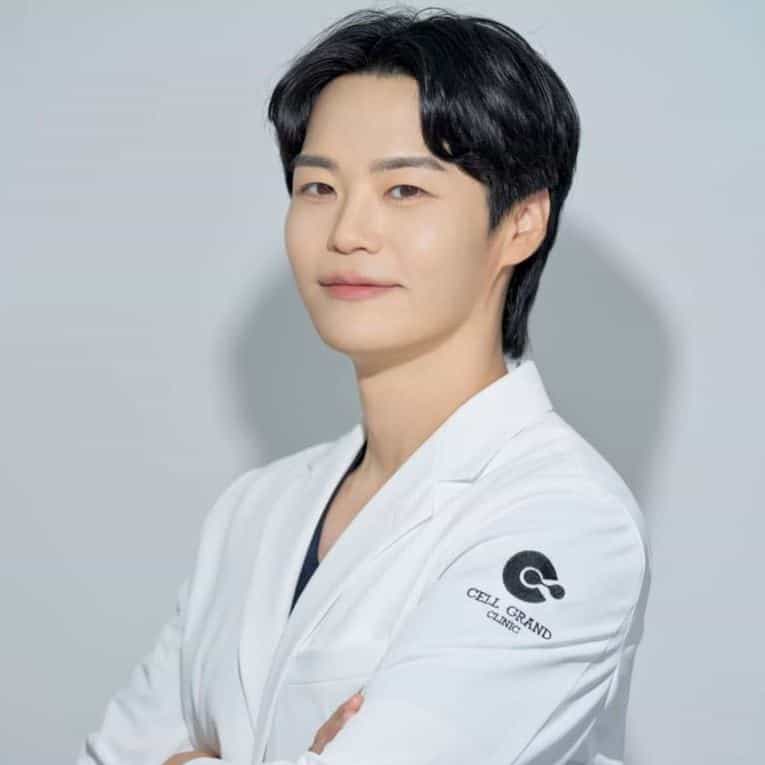
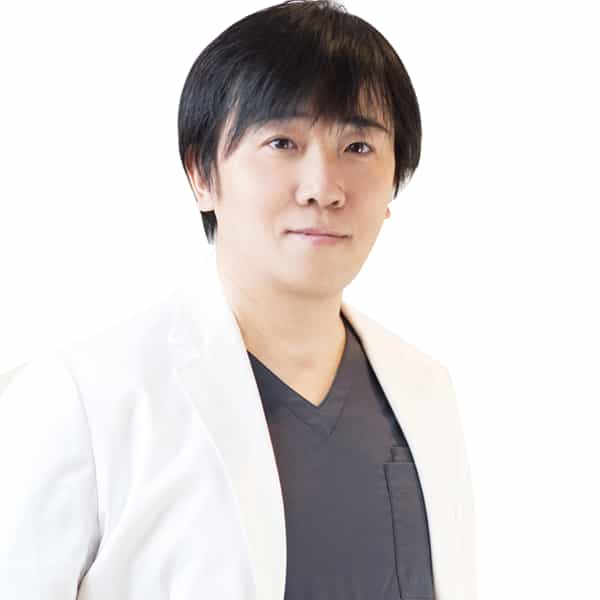
พบกับศัลยแพทย์ผู้เชี่ยวชาญของเราในญี่ปุ่น ผู้มีประสบการณ์ในการรักษาผมร่วงด้วยสเต็มเซลล์ และทุ่มเทเพื่อการดูแลที่ปลอดภัยและมีประสิทธิภาพ เรียนรู้เพิ่มเติมเกี่ยวกับคุณสมบัติและวิธีที่พวกเขาสามารถช่วยเหลือคุณได้ด้านล่าง
การพิจารณาใช้ Hair Stem Cell Japan เพื่อฟื้นฟูเส้นผม มอบการผสมผสานอันน่าประทับใจระหว่างการดูแลทางการแพทย์ขั้นสูงและประสบการณ์การเดินทางอันน่าประทับใจ ญี่ปุ่นมีผู้เชี่ยวชาญด้านเวชศาสตร์ฟื้นฟูที่ได้รับการยอมรับในระดับสากล ชื่อเสียงระดับโลกด้านนวัตกรรมเทคโนโลยี และศูนย์การรักษาสเต็มเซลล์เส้นผมที่ทันสมัย การผสมผสานอันเป็นเอกลักษณ์นี้ช่วยให้มั่นใจได้ว่าญี่ปุ่นจะสามารถเข้าถึงการรักษาผมร่วงที่ทันสมัยและทันสมัย ทำให้ญี่ปุ่นเป็นตัวเลือกอันดับต้นๆ สำหรับนักท่องเที่ยวเชิงการแพทย์ที่กำลังมองหาวิธีการฟื้นฟูเส้นผมที่ยั่งยืน
ความสำคัญของการตรวจสอบข้อมูลทางการแพทย์ในสเต็มเซลล์เพื่อการรักษาผมร่วง
เมื่อพิจารณาการรักษาทางการแพทย์ในต่างประเทศ โดยเฉพาะอย่างยิ่งการรักษาขั้นสูง เช่น การรักษาด้วยสเต็มเซลล์เส้นผมในญี่ปุ่น สิ่งสำคัญคือต้องตรวจสอบคุณสมบัติของผู้เชี่ยวชาญทางการแพทย์และมาตรฐานของคลินิกฟื้นฟูเส้นผมในญี่ปุ่น การตรวจสอบอย่างรอบคอบนี้มีความสำคัญอย่างยิ่งยวดต่อการสร้างความมั่นใจว่าการเดินทางท่องเที่ยวเชิงการแพทย์จะปลอดภัยและประสบความสำเร็จ
ความเชี่ยวชาญของผู้ปฏิบัติ
การเข้าใจคุณสมบัติของผู้เชี่ยวชาญด้านเซลล์ต้นกำเนิดเป็นสิ่งสำคัญ ประเด็นสำคัญที่ควรพิจารณา ได้แก่:
เพื่อตรวจสอบข้อมูลประจำตัวเหล่านี้ โปรดพิจารณาขอข้อมูลโดยละเอียดเกี่ยวกับประวัติการทำงาน ใบรับรอง และการเชื่อมโยงกับองค์กรทางการแพทย์ระหว่างประเทศ การมีส่วนร่วมกับผู้อำนวยความสะดวกด้านการท่องเที่ยวเชิงการแพทย์ก็สามารถช่วยในกระบวนการวิจัยนี้ได้เช่นกัน
มาตรฐานและการรับรองสถานประกอบการ
การเลือกคลินิกหรือโรงพยาบาลที่ปฏิบัติตามมาตรฐานความปลอดภัยและคุณภาพสูงสุดเป็นสิ่งสำคัญ มองหา:
การประเมินคุณภาพของสถานพยาบาลอาจเกี่ยวข้องกับการเยี่ยมชมเสมือนจริง การตรวจสอบคำรับรองจากผู้ป่วย และการถามคำถามเฉพาะเกี่ยวกับมาตรการความปลอดภัยและการควบคุมคุณภาพ การวิจัยอย่างละเอียดเป็นกุญแจสำคัญสู่ประสบการณ์การรักษาผมร่วงขั้นสูงที่ประสบความสำเร็จในญี่ปุ่น
ข้อควรพิจารณาและการจัดการที่เป็นไปได้สำหรับการบำบัดด้วยเซลล์ต้นกำเนิดสำหรับผมร่วง
แม้ว่าโดยทั่วไปแล้วการบำบัดด้วยเซลล์ต้นกำเนิดสำหรับผมร่วงจะถือว่าปลอดภัย แต่ปัจจัยที่อาจพิจารณาได้นั้นเกี่ยวข้องกับวิธีการเก็บเซลล์และสถานะสุขภาพของผู้ป่วยแต่ละรายเป็นหลัก ประเด็นเหล่านี้ได้รับการจัดการภายใต้การดูแลของแพทย์ผู้เชี่ยวชาญในคลินิกฟื้นฟูเส้นผมที่ทันสมัยในญี่ปุ่น
โปรไฟล์ความปลอดภัยของการบำบัดด้วยเซลล์ต้นกำเนิดในญี่ปุ่นขึ้นอยู่กับหลายปัจจัย รวมถึงแหล่งที่มาของเซลล์ต้นกำเนิด (ออโตโลกัส) และขั้นตอนการประมวลผล สถานพยาบาลในญี่ปุ่นให้ความสำคัญกับความปลอดภัยของผู้ป่วยและการดูแลที่ครอบคลุม:
ข้อควรพิจารณาทั่วไป:
กลยุทธ์การบริหารจัดการ:
อัตราความสำเร็จและผลลัพธ์ที่คาดหวังในการบำบัดผมร่วงด้วยเซลล์ต้นกำเนิดของญี่ปุ่น
การบำบัดด้วยเซลล์ต้นกำเนิดผมในญี่ปุ่นได้แสดงให้เห็นถึงผลลัพธ์ที่น่าพึงพอใจ โดยมีอัตราความสำเร็จที่แตกต่างกันไปขึ้นอยู่กับชนิดของผมร่วง ระยะของผมร่วง และปัจจัยของผู้ป่วยแต่ละราย ผู้ป่วยมักรายงานว่าผมมีความหนาแน่นและหนาขึ้นอย่างเห็นได้ชัด
ประสิทธิภาพของการรักษาผมร่วงขั้นสูงในคลินิกชั้นนำในญี่ปุ่นได้รับการสนับสนุนจากความมุ่งมั่นในการปฏิบัติตามมาตรฐานทางวิทยาศาสตร์และการดูแลที่เน้นผู้ป่วยเป็นศูนย์กลาง แม้ว่าอัตราความสำเร็จเฉพาะจะขึ้นอยู่กับภาวะของโรค แต่แนวโน้มทั่วไปบ่งชี้ถึงผลลัพธ์เชิงบวก:
การเตรียมความพร้อมสำหรับการบำบัดด้วยเซลล์ต้นกำเนิดเพื่อรักษาผมร่วงในญี่ปุ่น
การเตรียมตัวสำหรับการรักษาผมร่วงขั้นสูงในญี่ปุ่นเกี่ยวข้องกับเอกสารทางการแพทย์ที่ครอบคลุม การจัดการการเดินทางที่ราบรื่น และการทำความคุ้นเคยกับแนวทางที่เน้นผู้ป่วยเป็นศูนย์กลางของผู้ให้บริการด้านการดูแลสุขภาพในท้องถิ่น
เมื่อผู้ป่วยได้รับการอนุมัติให้รับการรักษาด้วยเซลล์ต้นกำเนิดเส้นผมในญี่ปุ่นแล้ว ขั้นตอนการเตรียมการบางประการถือเป็นสิ่งสำคัญสำหรับประสบการณ์ที่ราบรื่นและสบาย:
การดูแลหลังการรักษาและติดตามผลสำหรับการบำบัดด้วยเซลล์ต้นกำเนิดเพื่อแก้ปัญหาผมร่วงในญี่ปุ่น
การดูแลหลังการบำบัดด้วยเซลล์ต้นกำเนิดในญี่ปุ่นได้รับการออกแบบมาอย่างพิถีพิถันเพื่อให้แน่ใจว่าการฟื้นตัวเป็นไปอย่างดีที่สุด ติดตามประสิทธิผลของการรักษา และสนับสนุนความเป็นอยู่ที่ดีในระยะยาว โดยมักจะบูรณาการได้อย่างลงตัวกับสภาพแวดล้อมที่พิถีพิถันของประเทศ
ระยะฟื้นฟูหลังการบำบัดด้วยเซลล์ต้นกำเนิดผมในญี่ปุ่นมีความสำคัญอย่างยิ่งต่อการเพิ่มประโยชน์สูงสุดจากการรักษา ผู้ให้บริการด้านสุขภาพในญี่ปุ่นให้ความสำคัญกับการดูแลหลังการรักษาและการติดตามผลอย่างครอบคลุม:
ข้อเท็จจริงที่ควรรู้:
ญี่ปุ่นเป็นผู้นำระดับโลกด้านเวชศาสตร์ฟื้นฟูสุขภาพ (Regenerative Medicine) ที่นำเสนอการรักษาผมร่วงขั้นสูงในญี่ปุ่น โดยผสมผสานความเข้มงวดทางวิทยาศาสตร์เข้ากับการดูแลที่เน้นผู้ป่วยเป็นศูนย์กลาง ญี่ปุ่นให้บริการรักษาด้วยเซลล์ต้นกำเนิดเส้นผมที่ทันสมัย โดยแพทย์ที่ได้รับการรับรองมาตรฐานสากล ณ สถานพยาบาลที่ทันสมัยและได้รับการรับรองมาตรฐาน พร้อมด้วยเทคโนโลยีขั้นสูง ผู้ป่วยจะได้รับประโยชน์จากขั้นตอนการรักษาที่ได้รับการพิสูจน์ทางวิทยาศาสตร์ แผนการดูแลเฉพาะบุคคล และสภาพแวดล้อมที่มีประสิทธิภาพและปลอดภัย ซึ่งช่วยลดความยุ่งยากในการเดินทางทางการแพทย์ ด้วยการมุ่งเน้นนวัตกรรม ลดระยะเวลารอคอย และทางเลือกในการฟื้นฟูที่ราบรื่นในประเทศที่เปี่ยมด้วยวัฒนธรรม ญี่ปุ่นจึงดึงดูดผู้ป่วยจากทั่วโลกที่แสวงหาการบำบัดเส้นผมแบบฟื้นฟูสุขภาพคุณภาพสูง ควบคู่ไปกับประสบการณ์การเดินทางอันน่าประทับใจ
พร้อมก้าวสู่อีกขั้นของการฟื้นฟูเส้นผมด้วยทรีตเมนต์สเต็มเซลล์แล้วหรือยัง? ติดต่อ PlacidWay วันนี้เพื่อรับข้อมูลทั้งหมดที่คุณต้องการและสำรวจทางเลือกต่างๆ ได้อย่างมั่นใจ ทีมงานที่เป็นมิตรและมีความรู้ของเราพร้อมให้คำแนะนำในทุกรายละเอียด ทำให้ขั้นตอนต่างๆ ง่ายดาย ไร้กังวล พร้อมตอบทุกคำถามที่คุณสงสัย ด้วยการเข้าถึงคลินิกที่เชื่อถือได้และผู้เชี่ยวชาญมากประสบการณ์ในญี่ปุ่น เรามั่นใจว่าคุณจะได้รับการสนับสนุนตั้งแต่การสอบถามครั้งแรกไปจนถึงการรักษาและหลังจากนั้น อย่ารอช้า ติดต่อเราวันนี้และเริ่มต้นการเดินทางสู่ความมั่นใจและสุขภาพผมที่ดีขึ้นในญี่ปุ่น!
Share this listing