
Contenu
Malte s'impose rapidement comme une destination de choix pour le tourisme médical, notamment en médecine régénérative. Ce petit État insulaire allie les normes rigoureuses de l'Union européenne en matière de santé à des biotechnologies innovantes. Des cliniques situées à Sliema et St. Julian's, entre autres, proposent des protocoles de thérapie cellulaire de pointe pour lutter contre le vieillissement, favoriser la rééducation orthopédique et traiter les maladies auto-immunes, grâce à l'utilisation de cellules souches mésenchymateuses (CSM) de haute qualité, issues de sources éthiques telles que le cordon ombilical.
Le système médical maltais est réputé pour son excellence et figure souvent parmi les meilleurs au monde. Les cliniques spécialisées en thérapie cellulaire disposent de laboratoires de pointe respectant les normes de bonnes pratiques de fabrication (BPF). Ceci garantit une pureté, une viabilité et une sécurité optimales des cellules utilisées dans les traitements.
Outre ses atouts médicaux, Malte offre un cadre serein et propice à la guérison grâce à son climat ensoleillé et à son riche patrimoine historique. L'anglais y est langue officielle, ce qui élimine les barrières de communication et simplifie considérablement le processus pour les patients internationaux.
Que vous cherchiez à revitaliser votre santé ou à traiter une affection chronique, Malte offre un cadre haut de gamme, sûr et sophistiqué pour votre parcours de régénération.
Saviez-vous?
Malte s'est imposée comme une « île biotechnologique », attirant d'importants investissements dans les sciences de la vie. Cette orientation a permis la création du Malta Life Sciences Park, un complexe ultramoderne situé à proximité du principal hôpital et de l'université, favorisant la collaboration entre chercheurs et cliniciens pour faire progresser les thérapies telles que les cellules souches.
Aperçu des principaux points
Le strict respect des réglementations européennes garantit la sécurité et la qualité du traitement et de l'administration des cellules.
L'anglais est une langue officielle, ce qui garantit une communication claire et directe avec tout le personnel médical.
Les cliniques utilisent des laboratoires modernes et certifiés pour l'expansion et la préparation de cellules souches à haute puissance.
Les traitements sont proposés à des prix compétitifs par rapport aux États-Unis et au Royaume-Uni, offrant des soins de qualité supérieure à moindre coût.
De nombreux centres associent la thérapie cellulaire à un soutien nutritionnel et à des protocoles de bien-être pour de meilleurs résultats.
Facilement accessible depuis l'Europe, l'Afrique du Nord et le Moyen-Orient, grâce à d'excellentes liaisons aériennes.
Choisir la bonne clinique est essentiel pour un résultat optimal. Dans la section ci-dessous, nous avons sélectionné pour vous une liste des meilleures cliniques privées de Malte proposant des forfaits complets de thérapie par cellules souches. Ces forfaits incluent généralement la consultation médicale, des analyses sanguines approfondies, la procédure (perfusion intraveineuse ou injection locale), le suivi post-traitement et souvent les transferts aéroport. Parcourez les différentes options pour trouver un protocole adapté à votre situation, qu'il s'agisse de rajeunissement ou de problèmes orthopédiques.
Remarque : Les traitements sont généralement effectués en ambulatoire, mais des forfaits peuvent être organisés pour inclure l'hébergement dans des hôtels 4 ou 5 étoiles à proximité.

Price starting from $2,900
Stem Cell Therapy for Joint Pain & Arthritis Package in Malta by St. Mary’s Clinic
St. Mary’s Clinic: Plastic Surgery, Aesthetic & Stem Cells in Malta
- Stem Cell Therapy
Mosta, Malta
Il est important de bien comprendre l'engagement financier. Le tableau ci-dessous présente une analyse transparente des coûts moyens des traitements par cellules souches à Malte, comparés aux prix pratiqués aux États-Unis et au Royaume-Uni. Malte offre une alternative avantageuse, proposant des soins européens de qualité supérieure à des tarifs souvent 30 à 50 % inférieurs à ceux des grands centres médicaux occidentaux.
Conseil : À Malte, un forfait standard de thérapie par cellules souches coûte généralement entre 5 000 et 12 000 € selon le protocole.
Stem Cell Therapy Comparaison des coûts des centres en Malta
| Fournisseur | Procédure | Prix |
|---|---|---|
| St. Mary’s Clinic: Plastic Surgery, Aesthetic & Stem Cells in Malta | Stem Cell Therapy for Joints, Stem Cell Therapy | $3000 |
Stem Cell Therapy Comparaison des coûts dans Malta
| Pays | Procédure | Prix |
|---|---|---|
| United States | Stem Cell Therapy for Joints, Stem Cell Therapy | $30000 |
Votre santé dépend de l'expertise de l'équipe médicale. Nous avons sélectionné pour vous une liste de cliniques de premier plan à Malte, reconnues pour leur spécialisation en thérapie cellulaire et en médecine biologique. Ces cliniques ont été rigoureusement choisies selon leurs normes de laboratoire, leurs protocoles de sécurité et leur expérience auprès de patients internationaux. Consultez les profils ci-dessous pour en savoir plus sur leurs approches thérapeutiques spécifiques.
Critère standard : Recherchez les cliniques qui fournissent des informations détaillées sur la viabilité et le nombre de cellules, garantissant ainsi la transparence de votre traitement.
Entendre directement le témoignage d'anciens patients peut être d'un grand réconfort. Les témoignages vidéo ci-dessous présentent des histoires vraies de personnes ayant bénéficié d'une thérapie par cellules souches à Malte. Visionnez ces vidéos pour découvrir leurs progrès en matière de vitalité, de réduction de la douleur et de bien-être général, ainsi que leur expérience avec le personnel de la clinique.
Observation : Les patients soulignent souvent la facilité de communication en anglais et l'atmosphère méditerranéenne relaxante.
Les avis des patients offrent un aperçu honnête de la qualité des soins. Dans cette section, vous trouverez des avis et des évaluations vérifiés de patients ayant confié leur santé à des spécialistes à Malte. Consultez leurs commentaires concernant l'efficacité du traitement, le professionnalisme des médecins et le rapport qualité-prix afin de vous aider à choisir votre prestataire.
Conseil pour la rédaction d'un avis : Recherchez les avis mentionnant l'attention personnalisée reçue de l'équipe médicale pendant le séjour.

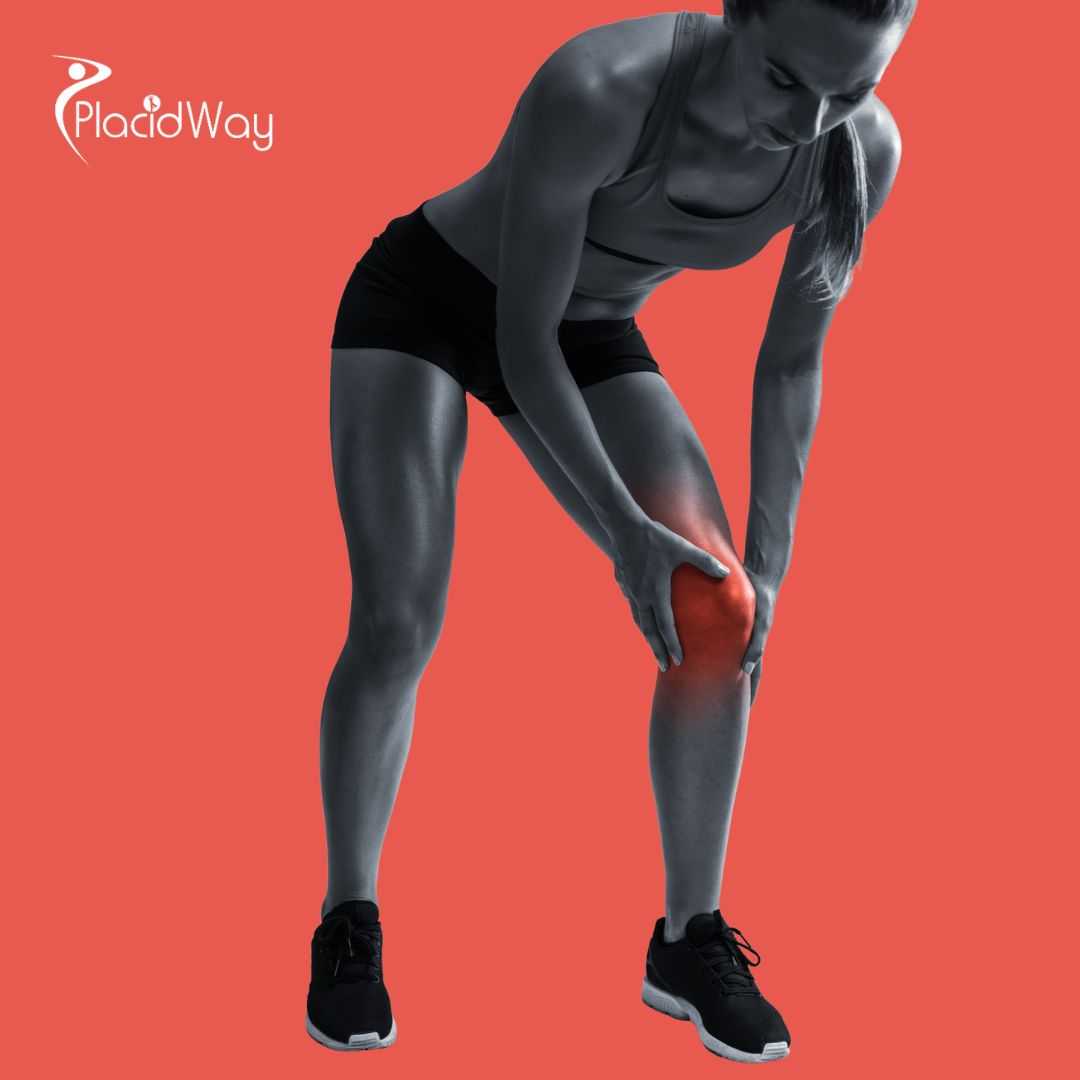
What's the Recovery Like After Stem Cell Therapy for Knee Injuries in Malta?
Recovery after stem cell therapy for knee injuries typically involves mild soreness for a few days, followed by several weeks of modified activity. Most patients resume daily routines within 4 to 6 weeks, though full healing may take months. Exploring stem cell therapy for knee injuries in Malta involves not only understanding the procedure itself but also knowing exactly what happens after you leave the clinic. Malta has become a respected destination for individuals seeking specialized orthopedic and regenerative treatments, combining high European healthcare standards with a mild, recovery-friendly climate. However, the journey to a healthier knee joint does not end when the injection is administered. The post-procedure phase is crucial for allowing the newly introduced biological materials to settle, integrate, and potentially aid in tissue repair. Because cellular healing is a complex biological process, patient adherence to post-care protocols greatly influences the overall outcome. Key Takeaways The initial rest period usually requires 1 to 3 days of limited mobility. Physical therapy typically begins 2 to 4 weeks post-procedure to support joint function. High-impact sports and heavy lifting must be avoided for several months. Medical tourism in Malta offers EU-standard clinics with English-speaking medical staff. Individual healing timelines vary widely based on age, lifestyle, and the extent of knee damage. What is the immediate timeline for recovery right after the procedure? During the first 24 to 48 hours, you can expect the treated knee to feel stiff, swollen, and somewhat tender as the body's natural inflammatory healing response begins. Right after your treatment is completed, you will usually spend a brief observation period at the clinic before being discharged. Doctors universally advise resting the joint as much as possible during the first three days. The introduced stem cells need a stable environment to attach to damaged tissues and begin signaling the body’s natural repair mechanisms. During this immediate timeframe, it is common to experience what is known as a "flare-up." Because stem cell treatments are designed to provoke a controlled inflammatory response to stimulate healing, localized swelling and warmth are standard reactions. Patients are typically instructed to avoid ice packs directly over the joint unless specifically approved by their physician, as icing can sometimes blunt the intended inflammatory healing cascade. Does the procedure cause significant pain during the healing phase? The pain is usually described as a dull ache rather than severe distress, peaking in the first few days and gradually subsiding over the following week. While pain tolerance varies from person to person, most patients find the post-procedure discomfort highly manageable. If cells were harvested from your bone marrow or adipose (fat) tissue prior to the knee injection, you will also experience some soreness at the harvest site—commonly the hip or abdomen. Managing this pain requires a specific approach. Physicians generally advise against using Non-Steroidal Anti-Inflammatory Drugs (NSAIDs) like ibuprofen or naproxen. These medications interrupt the inflammatory pathways that stem cells rely on to work effectively. Instead, pain is usually managed with simple analgesics prescribed by your doctor, alongside rest, elevation, and gentle movement. When can I start walking normally again? Most patients require crutches or a knee brace for the first week to limit weight-bearing, after which they can slowly transition to walking normally. Although you will not be bedridden, offloading the joint is a critical step in early recovery. Putting full body weight on the knee too soon can place undue mechanical stress on the joint capsule, potentially disrupting the newly injected cells before they have had a chance to integrate into the surrounding tissue environment. Typically, by the second week, patients are encouraged to gradually increase their weight-bearing activities. Short walks around the house or hotel room become easier, and the reliance on crutches is steadily reduced. By week three or four, most patients can handle standard daily activities, such as light grocery shopping or walking short distances, without assistive devices. Is physical therapy necessary after the treatment? Yes, engaging in a structured physical therapy program is highly recommended and often considered essential for optimizing the long-term results of the procedure. Restores Range of Motion: Gentle mobilization prevents scar tissue formation and stiffness in the joint. Strengthens Support Structures: Building up the quadriceps and hamstrings reduces daily stress on the knee joint itself. Improves Proprioception: Targeted exercises help retrain the nervous system to balance and coordinate knee movements safely. Promotes Blood Flow: Movement encourages circulation, delivering vital nutrients to the healing tissues. Guides Safe Progression: A physical therapist ensures you do not advance to heavy activities too rapidly. How long until I can return to sports and vigorous activities? Returning to high-impact sports generally takes anywhere from 3 to 6 months, and medical clearance is required before resuming such activities. Patience is vital when returning to physical exertion. While your knee may feel significantly better within a month, the microscopic cellular repair continues for many months. Low-impact exercises, such as stationary cycling or hydrotherapy, are usually introduced around the four-to-six-week mark. These activities provide cardiovascular benefits and joint mobility without the repetitive shock of hard surfaces. High-impact activities, such as running, jumping, tennis, or heavy weightlifting, place immense rotational and compressive forces on the knee cartilage and ligaments. Engaging in these sports prematurely can compromise the healing process and negate the benefits of the therapy. Always follow your orthopedic specialist's specific timeline for a safe return to play. What factors can affect how quickly I heal? Healing times are influenced by the severity of your initial injury, your age, nutritional habits, and how strictly you adhere to the post-care instructions. Regenerative medicine relies entirely on your body's innate biological environment. Patients who maintain a healthy lifestyle, possess good cardiovascular health, and have a lower Body Mass Index (BMI) often experience smoother recoveries, as excess weight places constant mechanical strain on healing knee joints. Furthermore, the underlying condition being treated plays a massive role. A patient receiving treatment for mild tendinopathy may bounce back much faster than a patient receiving injections to help manage moderate osteoarthritis or a partial ligament tear. Chronic conditions generally require a longer, more gradual recovery trajectory compared to acute, localized injuries. Are there specific post-treatment restrictions I need to follow? Yes, patients are strictly advised to avoid anti-inflammatory medications, smoking, and heavy alcohol consumption during the crucial first month of recovery. No NSAIDs: Medications like ibuprofen halt the inflammation required for the stem cells to signal tissue repair. Avoid Smoking: Nicotine constricts blood vessels, severely restricting oxygen and nutrient delivery to the joint. Limit Alcohol: Alcohol can interfere with cellular regeneration and increase the risk of bleeding or excessive swelling. No Deep Squats or Kneeling: Placing direct pressure or extreme flexion on the knee can strain the treated tissues. Keep the Site Dry: Puncture sites must remain clean and un-submerged in water for several days to prevent infection. Why do patients choose Malta for this specific knee treatment? Malta offers a combination of highly regulated EU-standard medical facilities, widespread English proficiency, and a warm Mediterranean climate conducive to rest and recovery. Because healthcare in Malta is subject to stringent European regulations, private clinics maintain excellent standards of hygiene, technology, and specialist qualifications. This regulatory environment offers international patients peace of mind regarding the safety and ethical handling of biological therapies. Additionally, the logistics of navigating medical care abroad are simplified in Malta because English is one of the official languages. Consultations, medical records, and physical therapy sessions are seamlessly conducted in English, effectively eliminating the language barriers often encountered in global healthcare travel. How does the cost affect the decision to travel to Malta? The stem cell therapy cost in Malta is often more competitive than in the United States or the UK, making it an attractive option for those funding their own care. Prices for regenerative treatments fluctuate based on the specific type of cells used (such as bone marrow vs. adipose tissue), the complexity of the knee injury, and the technology utilized by the clinic. While it is important to remember that exact prices are estimates and vary per patient, traveling to Malta often allows patients to receive care from board-certified orthopedic specialists at a lower out-of-pocket expense. When evaluating costs, prospective patients should factor in the expense of flights, accommodation for the required recovery period, and any necessary pre-procedure diagnostics. Even with these travel expenses included, many patients find the overall financial outlay more manageable compared to their home countries. How should international patients manage their flight back home? Patients must plan for safe travel by requesting aisle seats, wearing compression stockings, and moving frequently during the flight to prevent blood clots. Flying after any medical procedure carries a slight increase in the risk of Deep Vein Thrombosis (DVT), a condition where blood clots form in the deep veins of the legs. Because you will be recovering from a knee procedure, prolonged sitting in cramped airplane cabins can exacerbate stiffness and swelling. Your local specialist in Malta will advise you on the safest timeframe for air travel, which is usually a few days to a week post-procedure. Booking a seat with extra legroom, doing seated ankle-pump exercises, and staying highly hydrated during the flight are essential practical steps for a comfortable and safe journey home. Once home, scheduling a check-in with your local physician is vital for ongoing monitoring. Why Choose PlacidWay for Medical Tourism in Malta? PlacidWay assists patients worldwide in exploring international healthcare options through comprehensive, educational resources. Global Network Connects patients with an extensive directory of healthcare facilities and clinics across Europe and globally. Direct Communication Facilitates direct inquiries so patients can ask clinical teams detailed questions about procedures and protocols. Transparent Profiles Provides detailed profiles detailing clinic accreditations, specialties, and available treatment options. Educational Focus Offers comprehensive articles, guides, and resources to help patients understand medical tourism nuances. Cost Comparisons Enables users to gather estimates and compare pricing structures across different international destinations. Frequently Asked Questions Is stem cell therapy for knees approved in Malta? Medical facilities in Malta operate under European Union healthcare regulations. While stem cell treatments are subject to stringent European Medicines Agency (EMA) guidelines, specific orthopedic applications are available at licensed private clinics when performed by qualified specialists. Always verify that your chosen clinic complies with local and EU medical standards. How many days should I stay in Malta after the procedure? Most physicians recommend staying in Malta for at least 3 to 7 days after the procedure. This allows time for the initial acute inflammation to subside, ensures you can attend a follow-up consultation, and reduces the risk of travel-related complications like deep vein thrombosis. Can I drive a rental car in Malta right after my knee treatment? You should not drive immediately after knee injections. Your joint may be stiff, sore, or temporarily immobilized, which severely impairs your reaction time and ability to operate pedals safely. Patients typically need to wait until their doctor clears them for driving, which may take several days or weeks depending on the treatment extent. Are crutches mandatory after the injections? Crutches or a knee brace are frequently recommended for the first few days to a week. Offloading weight from the treated knee helps prevent unnecessary stress on the joint while the initial cellular healing response begins. Your specialist will give you precise guidelines based on your specific injury. Will I need a follow-up appointment before flying home? Yes, a follow-up appointment is typically scheduled within a few days of the procedure. During this visit, the doctor will check the injection site for any signs of infection, evaluate your initial mobility, and provide clearance for you to travel back home safely. Can both knees be treated during the same visit to a stem cell therapy clinic in Malta? In many cases, bilateral treatments (treating both knees at the same time) are possible if the specialist deems it appropriate. However, treating both knees simultaneously will make your early recovery more challenging, as you will not have a "good" leg to rely on for weight-bearing and mobility. What kind of stem cells are typically used for knee joint injuries? Most orthopedic treatments utilize autologous mesenchymal stem cells (MSCs). These are typically harvested from the patient's own body—usually from bone marrow (often the pelvis) or adipose (fat) tissue. Using your own cells minimizes the risk of immune rejection. How soon will I notice improvements in my knee joint? Cellular healing is a gradual process. While some patients report reduced inflammation and mild pain relief within 3 to 4 weeks, the more significant structural and functional improvements typically develop between 3 to 6 months post-procedure. Can I swim in the Mediterranean Sea during my recovery? You must avoid submerging the injection site in any water—including the sea, pools, or hot tubs—until the puncture wounds have completely healed, which usually takes about a week. This is a critical precaution to prevent bacterial infections. Once healed, light swimming is often recommended as excellent low-impact physical therapy. Are there age restrictions for getting this procedure in Malta? While there is no strict upper age limit, the quality and regenerative potential of a person's own stem cells can decline with advanced age. Suitability is usually determined on a case-by-case basis during a thorough medical evaluation, focusing on the patient's overall health, bone density, and the severity of knee degeneration. Compare Treatment Options Worldwide If you are considering options for knee treatments abroad, PlacidWay can help you find detailed information on specialized clinics and request estimates tailored to your needs. Request Treatment Information References Stem Cell Therapy for Osteoarthritis: A Narrative Review – National Center for Biotechnology Information (NCBI) Stem Cell Therapy for Arthritis – Arthritis Foundation FDA Warns About Stem Cell Therapies – U.S. Food and Drug Administration (FDA) Advanced Therapy Medicinal Products Overview – European Medicines Agency (EMA) Health and Travel Safety – World Health Organization (WHO) Healthcare Standards and Regulations – Malta Medicines Authority Deep Vein Thrombosis and Travel – Centers for Disease Control and Prevention (CDC) Medical Disclaimer: The information provided in this article is for educational and informational purposes only and does not constitute medical advice, diagnosis, or treatment recommendations. Cellular therapies and their recovery timelines vary widely based on individual health profiles, the severity of the condition, and clinical protocols. Stem cell treatments may not be suitable for everyone and carry inherent risks. Always consult with a qualified, board-certified healthcare professional or orthopedic specialist to thoroughly discuss your medical history, eligibility, potential benefits, risks, and necessary aftercare before proceeding with any medical treatment locally or abroad. If you experience unexpected complications after returning home from a medical trip, seek immediate care from a local physician.
How Effective is Stem Cell Treatment in Malta for Joint Pain Arthritis?
Stem cell treatment in Malta for joint pain and arthritis can help manage symptoms by reducing inflammation and promoting tissue health. While not a cure, many suitable patients experience varying degrees of pain relief and improved mobility. Living with chronic joint pain can significantly diminish your quality of life, making routine tasks feel overwhelming. As conventional treatments like painkillers and corticosteroid injections often provide only temporary relief, many patients turn their attention to regenerative medicine. Evaluating the potential of these therapies involves understanding both their capabilities and their limitations. Recently, the Mediterranean island nation of Malta has garnered attention as a destination for healthcare. Combining strict European medical standards with accessible English-speaking healthcare professionals, the country presents an appealing option for international patients. Understanding how these therapies function, who they serve best, and what to expect can help you make an informed decision regarding your musculoskeletal health. Key Takeaways Stem cell therapy aims to manage arthritis symptoms and modulate inflammation, rather than completely cure the underlying condition. Results vary significantly based on patient age, the severity of joint degeneration, and general physiological health. Medical facilities in Malta operate under strict European Union healthcare directives, prioritizing patient safety and tissue handling protocols. Treatments most commonly utilize the patient's own adult stem cells, which significantly reduces the risk of immune rejection. A thorough, individualized evaluation by an appropriately qualified orthopedic specialist is required to determine true eligibility. What types of arthritis can stem cell therapy in Malta address? Clinics generally focus on treating osteoarthritis, which involves the physical wear and tear of joint cartilage, though some providers also offer supportive protocols for rheumatoid arthritis. Osteoarthritis (OA) is the most common target for regenerative injections. Over time, the protective cartilage that cushions the ends of bones wears down, leading to friction, pain, and stiffness. Stem cell procedures typically focus on major weight-bearing joints such as the knees and hips, as well as the shoulders. The goal is to address the localized deterioration and create a more favorable environment within the joint capsule. Rheumatoid arthritis (RA), conversely, is an autoimmune condition where the body's immune system attacks its own joint linings. While some regenerative medicine approaches attempt to modulate this immune response, treating RA is generally more complex than treating localized OA. Patients with systemic or autoimmune arthritis must undergo extensive consultation with their rheumatologist before pursuing these localized treatments, as outcomes for RA are often more variable. How do stem cells reduce joint pain and inflammation? When introduced into a damaged joint, stem cells release anti-inflammatory proteins and specific growth factors that alter the joint's internal environment to encourage natural healing. There is a common misconception that injecting stem cells into a knee will magically regrow a thick layer of new cartilage. Current scientific evidence suggests that adult mesenchymal stem cells (MSCs) primarily work through a process called paracrine signaling. Instead of simply turning into new cartilage cells, they act as cellular managers, releasing signals that command the body's own repair systems to become more active. By secreting cytokines and growth factors, these cells help to quiet the chronic inflammation that causes pain and further cartilage destruction. This immunomodulatory effect can soothe the irritated joint lining (synovium) and potentially slow down the progression of the arthritis. For many patients, this reduction in inflammation is what leads to the notable decrease in daily joint pain and the return of functional mobility. What is the typical success rate for joint pain treatments? Success rates are highly individualized; while many patients with mild to moderate arthritis report significant pain reduction, the treatment does not work identically or successfully for everyone. It is crucial to approach regenerative medicine with realistic expectations. Efficacy largely depends on the current state of the joint. Studies often show that patients with early to mid-stage osteoarthritis respond much better to these treatments than those with end-stage disease. When cartilage is entirely gone—a state known as bone-on-bone arthritis—the structural damage is typically too severe for stem cells to provide meaningful, long-term relief. Furthermore, success is not solely defined by imaging results (like an MRI showing thicker cartilage), but mostly by clinical outcomes: reduced pain scores, less reliance on daily pain medication, and the ability to walk or climb stairs more comfortably. Because biological responses vary, reputable clinics will never guarantee a 100% success rate or promise a permanent cure. How much does a stem cell treatment cost in Malta? A stem cell treatment cost in Malta is typically an estimate ranging between €4,000 and €8,000 per joint, depending on the specific extraction method and the complexity of the medical protocol. The financial investment for these therapies can vary based on several factors. The main cost drivers include the type of cellular extraction required. Harvesting cells from bone marrow involves different clinical skills and equipment compared to extracting them from adipose (fat) tissue. Additionally, some protocols combine stem cell injections with Platelet-Rich Plasma (PRP) therapy to potentially enhance the regenerative signaling, which can adjust the total price. When reviewing the estimated stem cell treatment cost in Malta, patients should ask exactly what is included in the quote. Clarify whether the price covers the initial specialist consultation, the imaging tests (such as X-rays or ultrasounds), the facility fees, and the required post-treatment follow-up appointments. Keep in mind that as an elective procedure, this is rarely covered by standard health insurance policies. Is this procedure considered safe under Maltese medical regulations? Yes, Malta operates under European Union healthcare directives, meaning clinics must adhere to stringent protocols for medical procedures, hygiene, and the handling of human tissue. Because Malta is a member of the EU, its medical practices align with the European Medicines Agency (EMA) standards. The therapies utilizing a patient's own cells (autologous therapies) carry a very low risk of immune rejection or disease transmission. The facilities where these extractions and injections take place must meet rigorous clinical governance and sterilization requirements. However, no medical intervention is entirely without risk. Any injection into a joint carries a small risk of infection, bleeding, localized swelling, or temporary exacerbation of pain. A responsible medical provider will discuss all potential complications, contraindications, and risks with you during the pre-treatment consultation to ensure you are making a fully informed decision regarding your care. How do I choose a reputable stem cell treatment clinic in Malta? Selecting a reputable stem cell treatment clinic in Malta requires verifying board certifications, reviewing facility accreditations, and ensuring transparent communication about realistic expected outcomes. When researching facilities, careful due diligence is essential. You want to ensure you are being treated by specialized medical professionals, not just general practitioners offering novelty injections. Consider the following criteria when evaluating a provider: Specialist Credentials: Ensure the doctor administering the treatment is an orthopedic specialist, rheumatologist, or sports medicine physician with specific training in regenerative therapies. Diagnostic Rigor: A good clinic will require recent MRI or X-ray imaging before agreeing to treat you to confirm you are actually a suitable candidate. Transparent Claims: Avoid any clinic that claims a 100% success rate, promises to "cure" arthritis, or downplays the potential risks of the procedure. Image Guidance: The clinic should use ultrasound or fluoroscopy to guide the injection directly into the affected joint space accurately. Clear Pricing: The facility should provide a comprehensive breakdown of costs without hidden fees for follow-ups or standard equipment. Who is not a good candidate for this type of joint therapy? Individuals with severe, end-stage bone-on-bone osteoarthritis, active systemic infections, or certain blood disorders are typically not recommended for this therapy. Suitability for regenerative medicine is highly dependent on individual medical history. Patients who have completely lost their joint space (bone grinding directly on bone) usually require a surgical joint replacement, as stem cells cannot build a new joint matrix from scratch. Treating such advanced cases with injections often results in frustration and wasted financial resources. Additionally, contraindications exist for patients with active cancers (especially blood or bone marrow cancers), individuals currently undergoing chemotherapy, and those with severe bleeding disorders. Patients who are significantly overweight may also find that the mechanical stress on their joints limits the effectiveness of the therapy. An ethical practitioner will review your full medical history and may decline to treat you if the likelihood of a positive outcome is very low. What should I expect during the recovery period? The initial recovery involves a few days of localized joint soreness, followed by a gradual return to normal activities over several weeks as the internal joint inflammation subsides. The healing process following a regenerative injection is a marathon, not a sprint. Because the therapy relies on biological processes, results are rarely instantaneous. Patients typically experience stiffness, swelling, and mild pain at the injection site for the first 48 to 72 hours. During this acute phase, doctors usually advise resting the joint and avoiding strenuous activities. General Estimated Recovery Timeline Timeframe Typical Patient Experience Days 1 - 3 Rest phase. Mild to moderate soreness at extraction and injection sites. Avoid NSAIDs (like Ibuprofen) as they can interfere with the signaling process. Weeks 1 - 4 Gradual integration of light daily activities. Commencement of gentle, guided physical therapy to maintain range of motion. Months 1 - 3 Noticeable reduction in joint inflammation and pain for responding patients. Improved tolerance for walking and stairs. Months 3 - 6+ Peak therapeutic effect is often realized during this period. Long-term management focuses on weight control and sustained muscle strengthening. It is vital to follow the specific aftercare instructions provided by your treating physician. You will likely need to arrange for local physical therapy once you return home, as strengthening the muscles around the joint is critical to supporting the structural benefits of the treatment. Why is medical tourism in Malta popular for regenerative medicine? Medical tourism in Malta appeals to international patients due to its highly regulated English-speaking healthcare system and agreeable climate that supports a comfortable initial recovery. Many international patients face long waiting lists or exceptionally high out-of-pocket costs for regenerative procedures in their home countries. Malta offers a compelling alternative. The island features modern healthcare infrastructure heavily influenced by British medical traditions, meaning English is the primary language used in clinical settings, minimizing the risk of miscommunication regarding complex medical details. Beyond the clinical advantages, the environment in Malta is highly conducive to post-treatment rest. The mild Mediterranean climate is often more comfortable for individuals with arthritis, whose joints can be sensitive to cold or damp weather. Patients frequently combine their medical consultation and injection process with a short, quiet recovery period on the island before returning home for their long-term rehabilitation. Why Choose PlacidWay for Medical Tourism? Navigating international healthcare requires reliable information and clear communication. PlacidWay serves as a comprehensive resource for patients exploring medical options abroad. Global Provider Network: PlacidWay connects patients with a wide directory of international medical facilities and specialized clinics. Educational Resources: Access detailed guides, articles, and comparative tools to better understand various medical procedures and international destinations. Facility Transparency: Review clinic profiles, medical team credentials, and facility accreditations in one centralized platform. Cost Comparisons: Easily compare estimated pricing structures for treatments across different countries and clinics to assist in financial planning. Direct Communication: PlacidWay facilitates initial inquiries, allowing you to ask questions directly to the medical providers before making any decisions. Frequently Asked Questions Does stem cell therapy cure osteoarthritis completely? No, stem cell therapy does not cure osteoarthritis completely. It is primarily utilized to manage symptoms, reduce localized joint inflammation, and support tissue health. It cannot fully reverse extensive cartilage loss. How many treatment sessions are usually required for joint pain? Many patients undergo a single, targeted injection session. However, depending on the specific protocol and the severity of the arthritis, some individuals may require subsequent supportive treatments or follow-up injections. Are stem cells for joint pain derived from the patient's own body? Yes, the vast majority of clinics in Malta use autologous stem cells. This means the cells are safely extracted from your own adipose (fat) tissue or bone marrow, which significantly reduces the risk of immune rejection. How long does it take to see results from stem cell injections? While some patients notice a reduction in inflammation within a few weeks, the primary biological response typically takes between 4 to 12 weeks. Gradual improvements in pain and mobility may continue for several months. Will I need physical therapy after stem cell treatment in Malta? Yes, physical therapy is highly recommended. Engaging in structured, low-impact rehabilitation helps strengthen the surrounding muscles, supports joint stability, and can maximize the functional benefits of the therapy. Can stem cell therapy replace the need for a knee replacement? For patients with mild to moderate osteoarthritis, stem cell therapy may help delay the need for joint replacement surgery by managing symptoms. However, it is rarely an effective substitute for surgery in cases of end-stage, bone-on-bone arthritis. Are there age limits for receiving stem cell therapy for arthritis? There is no strict upper age limit, but physiological age can impact cellular vitality. An orthopedic specialist will assess your overall health, bone density, and joint condition rather than relying solely on your chronological age. Can I travel home immediately after receiving stem cell injections in Malta? Most medical professionals advise waiting 24 to 72 hours before taking a long flight. This brief resting period allows the clinical team to monitor for any immediate post-injection reactions and ensures the joint has time to settle. Is the stem cell extraction process painful? Patients typically experience mild discomfort rather than severe pain. The extraction area (whether fat or bone marrow) and the injection site are treated with local anesthetics to minimize discomfort during the procedure. Do Maltese clinics use ethically sourced stem cells? Yes. Clinics operating under EU healthcare standards primarily focus on adult mesenchymal stem cells harvested directly from the patient, completely avoiding the ethical concerns associated with embryonic stem cells. Explore Your Joint Health Options Discover more about medical facilities, compare estimated costs, and request information for orthopedic treatments abroad to make an informed healthcare decision. Request Treatment Information References Advanced Therapy Medicinal Products (ATMPs) Overview – European Medicines Agency (EMA) Stem Cell Therapy for Arthritis – Arthritis Foundation Guidelines for the Non-Surgical Management of Knee Osteoarthritis – Osteoarthritis Research Society International (OARSI) Mesenchymal Stem Cells in Osteoarthritis Therapy – National Institutes of Health (NIH / PMC) Musculoskeletal Health Fact Sheet – World Health Organization (WHO) Medical Council Standards and Healthcare Regulations – Government of Malta Medical Disclaimer: The content provided in this article is for informational and educational purposes only and does not constitute professional medical advice, diagnosis, or treatment. Outcomes, risks, and recovery times for stem cell treatments vary widely based on individual health profiles and disease severity. The therapies discussed are not guaranteed cures, and all prices mentioned are estimates subject to change. Always seek the direct advice of your physician, orthopedic specialist, or another qualified healthcare provider with any questions you may have regarding a medical condition or treatment plan. Never disregard professional medical advice or delay in seeking it because of something you have read in this article.
Votre traitement est assuré par des experts à la pointe de la biotechnologie. Nous avons dressé une liste des meilleurs spécialistes de Malte, possédant une vaste expérience des applications des cellules souches. Leurs profils mettent en lumière leurs qualifications, leurs travaux de recherche et leur dévouement aux soins des patients.
Médecins en médecine régénérative
Experts en thérapie cellulaire
Parmi les spécialistes référencés figurent des médecins qui se consacrent exclusivement à la médecine régénérative. Ils sont experts dans l'adaptation des doses et des modes d'administration des cellules souches (voie intraveineuse, injection locale) afin de cibler des affections spécifiques telles que l'arthrite, les maladies auto-immunes ou les besoins en matière de lutte contre le vieillissement.
Immunologistes
Spécialistes en santé immunitaire
Les immunologues jouent un rôle essentiel dans les traitements de longévité à Malte. Ils évaluent votre système immunitaire et supervisent les thérapies visant à renforcer l'immunité et à réduire l'inflammation chronique, en s'attaquant aux causes profondes du vieillissement et des maladies.
Chirurgiens orthopédistes
Experts en articulations et mobilité
Pour les patients recherchant une thérapie par cellules souches pour des problèmes articulaires, Malte dispose de spécialistes en orthopédie qui utilisent des injections régénératrices pour traiter des affections comme l'arthrose et les blessures sportives, offrant une alternative non chirurgicale pour soulager la douleur et réparer les tissus.
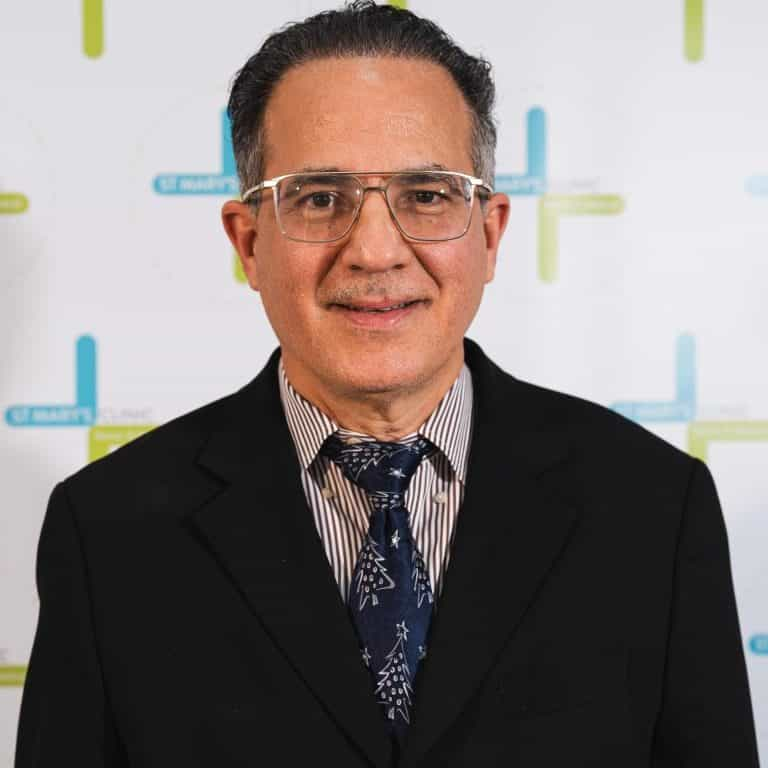
Dr. Frank Farrugia
St. Mary’s Clinic: Plastic Surgery, Aesthetic & Stem Cells in Malta
- Regenerative Medicine Specialist
Mosta, Malta
S'orienter dans le monde de la médecine régénérative peut s'avérer complexe. PlacidWay vous accompagne en toute confiance, en vous mettant en relation avec des cliniques de cellules souches certifiées à Malte. Nous prenons en charge la sélection des cliniques, la communication et la logistique afin de vous garantir un traitement sûr et efficace.
Vérification de la clinique
Nous collaborons uniquement avec des cliniques respectant les normes de l'UE et utilisant des laboratoires certifiés pour le traitement cellulaire, garantissant ainsi votre sécurité.
Revue médicale
Nous facilitons une évaluation gratuite de vos antécédents médicaux et de vos objectifs par l'équipe médicale à Malte afin de confirmer votre admissibilité et d'établir un plan personnalisé.
Citations transparentes
Nous fournissons des devis clairs et tout compris qui détaillent le coût de la procédure, le type de cellules, le dosage et toutes les thérapies complémentaires.
Logistique de voyage
De l'organisation des transferts aéroport à la recommandation d'hôtels à proximité de la clinique, nous vous aidons à gérer les aspects pratiques de votre voyage.
Consultations virtuelles
Nous pouvons organiser des consultations vidéo avec le médecin, vous permettant de poser des questions sur l'intervention et les résultats attendus avant votre voyage.
Défense des droits des patients
Notre équipe est à votre disposition pour vous accompagner tout au long de votre parcours, afin de garantir que votre expérience soit à la hauteur de vos attentes.
Investissez dans votre vitalité future. Contactez PlacidWay dès aujourd'hui pour une évaluation gratuite et confidentielle et entamez votre parcours régénérateur à Malte.
Obtenez votre devis personnalisé gratuit




















Share this listing