
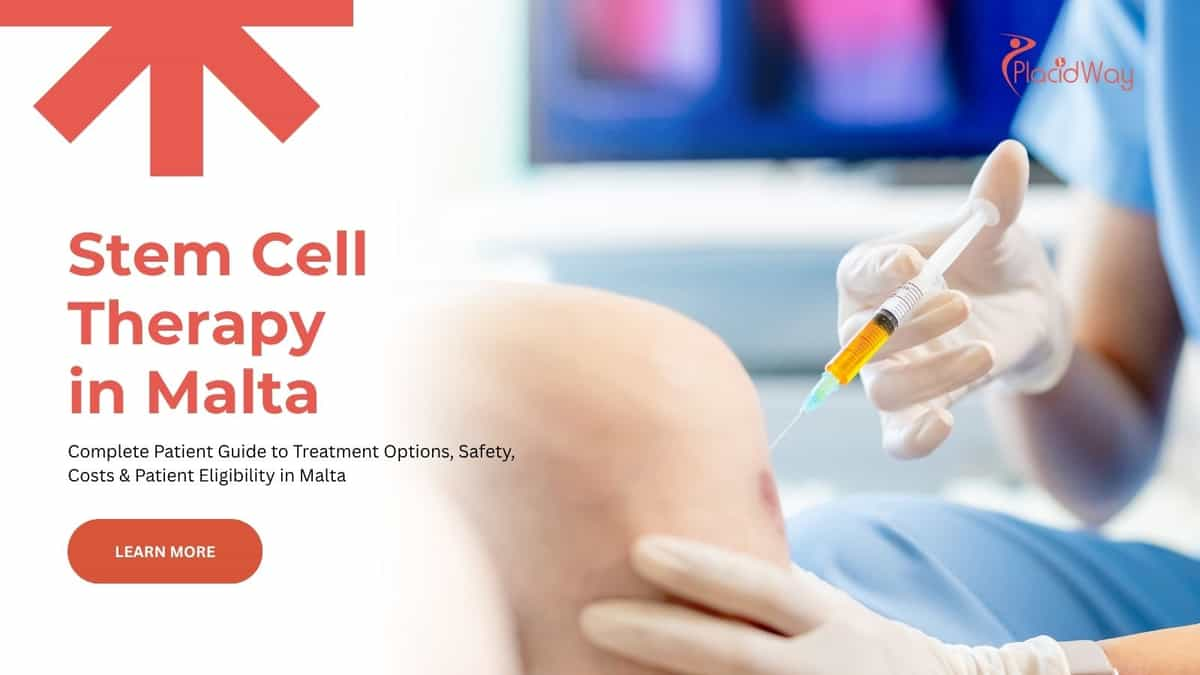
Living with chronic joint pain or an unresolved autoimmune condition can drastically affect your daily routine, prompting many patients to explore alternative regenerative treatments abroad. Malta has emerged as a preferred destination because it blends strict European Union medical regulations with treatment costs that are often much lower than those in the United States or the UK. Before planning your journey, you must understand your specific procedure costs, verify that your chosen clinic holds a valid license from the Health Care Standards Directorate, and confirm your doctor is registered with the Medical Council Malta. This guide helps you navigate these important medical decisions safely and confidently.
Quick Summary: Stem Cell Therapy in Malta
- Estimated Cost: Typically ranges between $5,000 and $12,000 USD, depending on the specific joint or condition treated.
- Safety Standards: Highly regulated under European Medicines Agency (EMA) guidelines and the Malta Ministry for Health.
- Certifications to Verify: Always look for facility licensing from the Health Care Standards Directorate and doctor registration with the Medical Council Malta.
- Ideal Candidate: Individuals with early-to-moderate osteoarthritis, specific orthopedic injuries, or certain inflammatory conditions who have not responded to conservative treatments.
- Recovery Time: Generally 2 to 6 weeks for initial tissue healing, though biological regeneration continues for several months.
- Main Reason Patients Choose Malta: Access to advanced, EU-compliant regenerative medicine at accessible prices in a calm, Mediterranean recovery environment.
- Important Caution: Regenerative outcomes vary significantly by patient age and diagnosis; results are never guaranteed, and you should always consult your primary doctor first.
Understanding Stem Cell Therapy Standards in Malta
Deciding to travel for medical care requires a clear understanding of the destination's healthcare ecosystem. Malta operates under rigorous European Union healthcare directives. This means that any facility offering biological treatments must adhere to strict safety protocols regarding tissue handling and patient care.
Patients often seek Stem Cell Therapy to help reduce inflammation, manage chronic pain, or support natural tissue repair. By choosing Malta, you gain access to modern medical infrastructure without the inflated prices common in North America. The national healthcare system ensures that private clinics maintain excellent hygiene, equipment, and ethical standards.
People primarily travel to Malta for these procedures for several key reasons:
- Strict adherence to European Union clinical safety standards.
- Significantly lower treatment costs compared to the US and UK.
- Highly qualified, English-speaking medical professionals.
- Shorter wait times for elective and regenerative procedures.
- A peaceful, supportive climate ideal for post-procedure recovery.
How Stem Cell Therapy Works for International Patients
Regenerative medicine utilizes your body’s own biological materials to promote healing. In most reputable clinics in Malta, doctors use autologous treatments, meaning the cells are harvested directly from your own body. This approach greatly minimizes the risk of immune rejection or disease transmission.
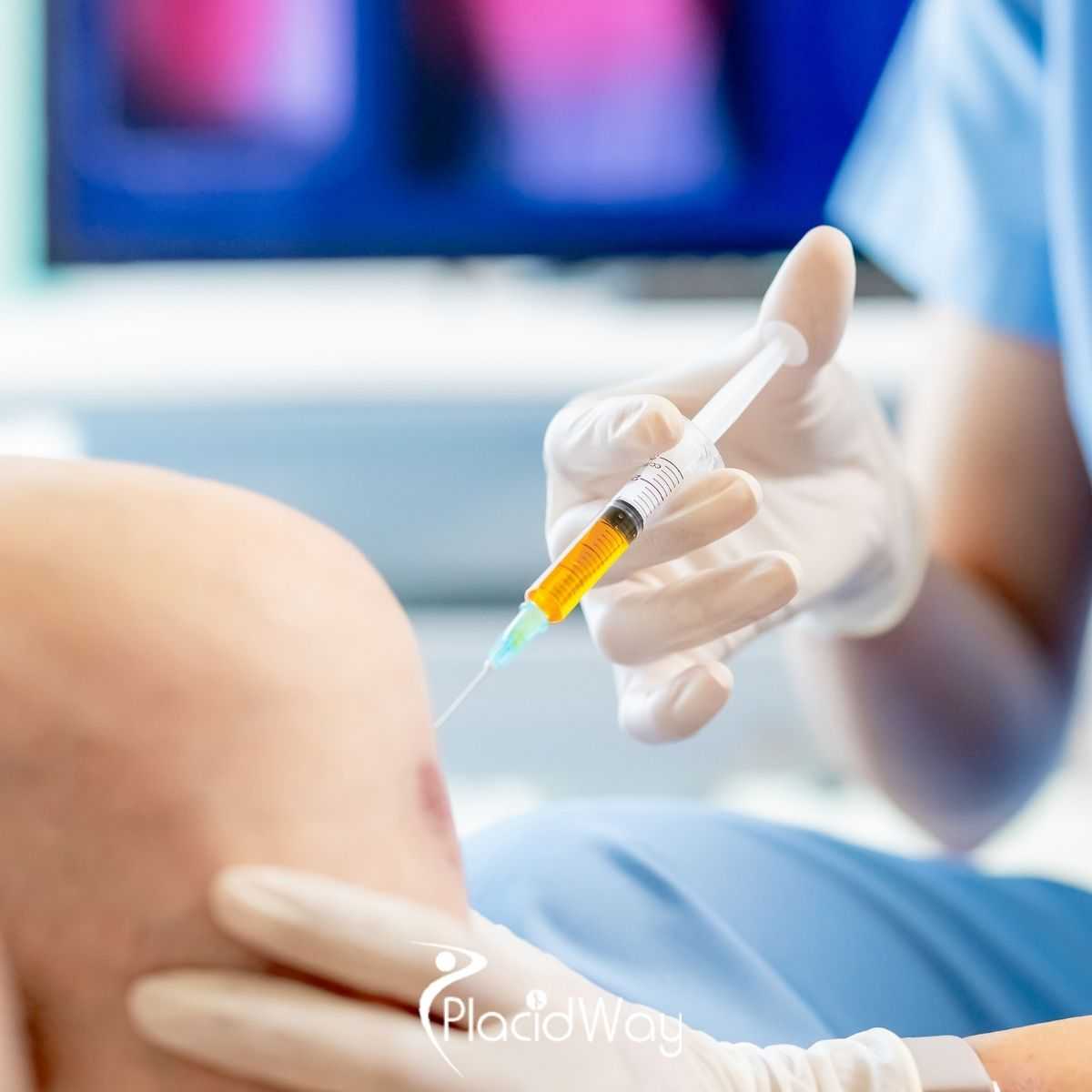
The biological material is usually extracted from your adipose (fat) tissue or bone marrow. Once extracted, the sample is processed in a sterile laboratory to isolate the therapeutic cells. Your doctor then carefully injects these concentrated cells into the damaged joint or tissue, often using ultrasound guidance for maximum precision.
The concentrated cells release growth factors and anti-inflammatory proteins at the injury site. Over several weeks, this biological response can help modulate the immune system, decrease chronic inflammation, and create a better environment for natural tissue repair.
Common Conditions Treated by Stem Cell Therapy in Malta
Regenerative treatments are not a cure-all. They are most commonly applied to specific orthopedic and inflammatory conditions where traditional therapies have failed. Your doctor will evaluate your specific medical history to determine if you are a suitable candidate.
The primary clinical applications currently focus on joint preservation and pain management. Many patients report improvements in mobility and a reduction in daily discomfort following targeted injections.
| Medical Category | Specific Conditions | Typical Clinical Goal |
|---|---|---|
| Orthopedic | Mild to moderate osteoarthritis, meniscus tears, tendonitis | Reduce joint pain, improve mobility, delay surgical intervention |
| Autoimmune | Rheumatoid arthritis, systemic inflammation | Modulate immune response, decrease systemic inflammation |
| Sports Injuries | Ligament sprains, cartilage defects, chronic muscle strains | Accelerate natural tissue repair, support faster rehabilitation |
It is crucial to have realistic expectations. Stem Cell Therapy cannot reverse severe bone-on-bone arthritis or cure degenerative neurological diseases. Always demand a thorough medical evaluation before agreeing to any treatment plan.
Patient Demographics Traveling to Malta for Regenerative Medicine
Medical tourism data from 2024 highlights specific trends regarding who travels to Malta for regenerative procedures. The majority of these patients are seeking orthopedic relief. They are looking to maintain active lifestyles without committing to invasive joint replacement surgeries.
Verified European cross-border healthcare data from 2024 shows that patients primarily travel from the United Kingdom, Italy, and Germany. The absence of a language barrier, combined with direct flights from major European hubs, makes Malta highly accessible. Furthermore, a growing number of North American patients are arriving, driven by the stark cost differences in healthcare.
2024 European Regenerative Medicine: Patient Age Distribution
Data based on 2024 EU Cross-Border Healthcare Registries for joint preservation therapies.
The demographic distribution heavily favors the 45-to-64 age bracket. These individuals frequently present with degenerative joint disease but are otherwise healthy enough to travel. Gender distribution remains relatively balanced, with a slight female majority in autoimmune-related inquiries.
2024 Clinical Application Inquiries in Mediterranean EU
Demonstrates the steady rise in orthopedic regenerative treatment requests throughout 2024.
Estimating the Cost of Stem Cell Therapy in Malta
Cost is a primary driver for medical travel. However, treating biological procedures as commodity purchases can be dangerous. You must evaluate what the cost actually covers. In Malta, the pricing is generally transparent and highly competitive on a global scale.
Prices fluctuate based on the extraction method, the number of joints treated, and the processing technology used in the lab. Adipose-derived treatments may differ in price from bone marrow aspirate concentrate (BMAC) procedures due to varying laboratory requirements.
| Destination Country | Estimated Cost Range (USD) | Primary Cost Driver |
|---|---|---|
| Malta | $5,000 - $12,000 | Laboratory processing and physician fees |
| United States | $10,000 - $25,000+ | High administrative overhead and clinic fees |
| United Kingdom | $8,000 - $15,000 | Private hospital facility charges |
| Germany | $7,000 - $14,000 | Advanced regulatory compliance protocols |
Always request a written, itemized quotation before traveling. You need to know if initial consultations, post-procedure imaging, and follow-up care are included in the quoted price. Hidden travel logistics can also impact your overall medical budget.
What Your Stem Cell Therapy Package in Malta Includes
Medical tourism clinics frequently bundle services to simplify the patient experience. While convenient, you must review these packages carefully to ensure medical necessities are not being substituted for luxury hotel stays.
A comprehensive treatment package should heavily prioritize clinical safety. Look for inclusions such as pre-operative blood work, advanced imaging (like MRI), and access to a multidisciplinary medical team. Beware of packages that push immediate treatment without a thorough prior medical review.
What to Expect in a Package
- Initial telemedicine consultation
- In-person medical evaluation
- Cell harvesting and lab processing
- Image-guided injection procedure
- Basic post-procedure medications
Common Out-of-Pocket Costs
- Flights to and from Malta
- Extended hotel accommodations
- Specialized physical therapy
- Medical complication insurance
- Tourist activities and dining
Discuss the clinic’s policy on complications. You need to know who bears the financial responsibility if you require extended medical care due to an unforeseen adverse reaction.
Verifying Clinic Licenses for Stem Cell Therapy in Malta
Your safety depends entirely on the regulatory compliance of the clinic you choose. Malta possesses a structured healthcare regulatory environment. You should never undergo a biological treatment in an unverified or purely cosmetic facility.
The primary regulatory body you must check is the Health Care Standards Directorate, functioning under the Ministry for Health. This directorate licenses all private hospitals and specialized day clinics. A valid license ensures the facility meets European standards for infection control, emergency preparedness, and safe tissue handling.
Additionally, ask about the laboratory where your cells will be processed. The processing lab should adhere to Good Manufacturing Practice (GMP) standards, a critical requirement under EU regulations for advanced therapy medicinal products.
Choosing Your Stem Cell Therapy Specialist in Malta
The success of regenerative medicine relies heavily on the doctor's diagnostic skill and injection precision. Simply having biological material is not enough; it must be delivered exactly to the damaged tissue using advanced imaging techniques.
When selecting a doctor, verify their credentials through the Medical Council Malta. This official body maintains the professional registers for all licensed medical practitioners and specialists in the country. Ensure your provider is listed on the Specialist Register for orthopedics, rheumatology, or sports medicine.
- Verify active registration with the Medical Council Malta.
- Ask about their specific training in regenerative and biological medicine.
- Request their annual case volume for your specific procedure.
- Confirm they use ultrasound or fluoroscopy for injection guidance.
- Check if they offer a structured follow-up program.
A reputable specialist will spend time explaining why you might not be a candidate, rather than pressuring you into a procedure. Honesty regarding success rates is a strong indicator of a trustworthy medical professional.
The Stem Cell Therapy Consultation Process in Malta
The medical journey begins long before you arrive in the Mediterranean. A comprehensive clinical evaluation is mandatory. Most reputable clinics in Malta start with a secure telehealth consultation to review your medical history and existing MRI scans.
During this initial phase, the medical team assesses your current medications, underlying health conditions, and specific symptoms. Blood thinners, active infections, or a history of certain cancers may disqualify you from receiving autologous cell treatments.
Once you arrive in Malta, you will undergo a physical examination. The doctor will assess joint mobility, review new diagnostic imaging, and finalize the treatment plan. This careful, step-by-step approach ensures the procedure is customized to your exact anatomy and biological needs.
Potential Risks of Stem Cell Therapy
No medical procedure is entirely risk-free. While autologous treatments carry a low risk of immune rejection, the physical processes of harvesting and injecting tissues present standard clinical risks.
Common, mild side effects include temporary swelling, bruising, and stiffness at both the harvest site (such as the hip or abdomen) and the injection site. These symptoms typically resolve within a few days with rest and basic pain management.
| Potential Risk | Clinical Explanation | Prevention Strategy in Malta |
|---|---|---|
| Infection | Bacteria entering the harvest or injection site | Strict adherence to EU sterile laboratory and surgical protocols |
| Nerve Damage | Accidental needle contact with surrounding nerves | Mandatory use of ultrasound or fluoroscopic needle guidance |
| Lack of Efficacy | The cells fail to induce a meaningful healing response | Strict patient selection criteria; refusing poor candidates |
In extremely rare cases, severe complications can occur. You must monitor for signs of systemic infection, such as fever or severe, escalating pain. Always ensure you have a clear line of communication with your medical team after leaving the clinic.
Your Stem Cell Therapy Recovery Timeline in Malta
Recovery from regenerative treatments is a biological process that takes time. You will not experience immediate relief. In fact, you may feel increased soreness in the treated joint for the first week as the inflammatory healing cascade begins.
Because you are in Malta, you can spend your early recovery period resting in a comfortable, temperate environment. However, you must follow your doctor's strict protocols regarding weight-bearing and physical activity to allow the cells to attach and function properly.
| Timeframe | Biological Process | Patient Sensation | Action Required |
|---|---|---|---|
| Days 1-3 | Initial inflammatory response | Soreness, swelling, mild stiffness | Rest, apply prescribed therapies, avoid anti-inflammatories |
| Weeks 1-4 | Cellular proliferation and signaling | Gradual decrease in baseline pain | Begin gentle, guided range-of-motion exercises |
| Months 2-6 | Tissue remodeling and stabilization | Noticeable improvements in function | Engage in structured physical therapy and strengthening |
Your doctor will advise against using NSAIDs (like ibuprofen) for several weeks, as these medications can blunt the biological healing response you just paid to stimulate. Adhere strictly to the prescribed rehabilitation timeline for the best chance of clinical success.
Planning Your Medical Travel to Malta
Organizing a medical trip requires attention to logistical details. Malta is part of the European Schengen Area, meaning you must verify your visa requirements based on your country of citizenship. US and UK citizens generally do not need a visa for short medical stays, but entry rules can change.
Plan to stay in Malta for at least 5 to 7 days. This timeframe covers your pre-procedure consultation, the treatment day, and a crucial follow-up appointment before you fly home. Flying immediately after joint injections can increase swelling and the risk of blood clots.
When booking accommodation, prioritize hotels or apartments that offer ground-floor access or elevators, especially if you are receiving treatment on your knees or hips. Navigating stairs immediately after a harvesting procedure can be difficult and painful.
Frequently Asked Questions
Is Stem Cell Therapy in Malta regulated by the government?
Yes. Medical clinics in Malta are strictly regulated by the Health Care Standards Directorate and adhere to broader European Medicines Agency (EMA) guidelines regarding biological treatments and tissue handling.
How much does knee stem cell therapy cost in Malta?
Depending on the clinic and the specific cellular extraction method used (bone marrow vs. adipose), treating a knee generally costs between $5,000 and $9,000 USD. Prices vary based on case complexity.
Do Maltese clinics use my own cells or donor cells?
Reputable clinics in Malta predominantly use autologous treatments, meaning the cells are harvested directly from your own body to minimize the risk of immune rejection and comply with EU safety standards.
How long do I need to stay in Malta for the treatment?
Most medical providers recommend staying in Malta for 5 to 7 days. This allows time for the initial evaluation, the harvesting and injection procedures, and a final safety follow-up before you fly home.
Are the results of regenerative treatments guaranteed?
No medical treatment is ever guaranteed. Outcomes for regenerative medicine vary widely depending on your age, the severity of your tissue damage, and your adherence to post-procedure physical therapy.
How do I verify a Maltese doctor’s credentials?
You can verify a doctor’s credentials and specialty status by checking the official registers maintained by the Medical Council Malta. Always ensure your chosen doctor holds active registration.
Will I need physical therapy after the procedure in Malta?
Yes, structured physical therapy is a critical component of the recovery process. Your clinic in Malta will provide a rehabilitation timeline that you should share with a local physiotherapist once you return home.
Does medical insurance cover regenerative medicine abroad?
In most cases, standard health insurance policies do not cover stem cell therapies, considering them experimental or elective. You should plan to pay out-of-pocket and request an itemized quote.
Is it safe to fly immediately after joint injections?
Flying immediately is not recommended due to changes in cabin pressure, increased risk of blood clots, and potential joint stiffness. Doctors typically advise waiting 48 to 72 hours before taking a flight.
Can regenerative treatments cure severe osteoarthritis?
No. While these therapies can help reduce pain and improve mobility in mild to moderate cases, they cannot reverse severe, bone-on-bone osteoarthritis. Severe cases typically require surgical joint replacement.
Ready to Explore Your Options in Malta?
PlacidWay can help you compare licensed providers, understand itemized treatment costs, and ask the right clinical questions before you make a decision. Let us connect you with vetted specialists for a customized medical evaluation.
Request Free InformationDisclaimer: This information is for educational purposes only and does not replace professional medical advice. Always consult a qualified healthcare provider before making medical decisions.
References
- Health Care Standards Directorate – Government of Malta Ministry for Health
- Official Specialist Registers – Medical Council Malta
- Advanced Therapy Medicinal Products (ATMP) Regulations – European Medicines Agency (EMA)
- Cross-Border Healthcare Directives and Patient Rights – European Commission
- Efficacy of Autologous Stem Cells in Knee Osteoarthritis (2024 Study) – National Institutes of Health (PubMed)
- Osteoarthritis Fact Sheet and Management Guidelines – World Health Organization (WHO)























Share this listing