Đông lạnh trứng ở Thái Lan

Ngày xuất bản: Ngày sửa đổi: Được đánh giá về mặt y khoa bởi: Dr. Brenda Sanchez on May 30, 2026 Tác giả: Hina Munawar

Trải nghiệm giá

$7,500 Giá khởi điểm từ
Đông lạnh trứng ở Thái Lan

Nội dung

Quyết định trữ đông trứng là một bước tiến quan trọng giúp bạn kiểm soát đồng hồ sinh học và kế hoạch gia đình trong tương lai. Thái Lan đã nổi lên như một quốc gia dẫn đầu thế giới trong lĩnh vực này, cung cấp sự kết hợp hoàn hảo giữa công nghệ sinh sản tiên tiến, các chuyên gia về vô sinh có tay nghề cao và một môi trường yên tĩnh, thuận lợi cho việc thư giãn trong suốt quá trình điều trị. Đối với nhiều phụ nữ quốc tế, Thái Lan mang đến cơ hội tiếp cận tiêu chuẩn chăm sóc cao tương tự như ở phương Tây với chi phí thấp hơn nhiều.

Quy trình thụ tinh trong ống nghiệm ở Thái Lan thường sử dụng phương pháp "Thủy tinh hóa" – một công nghệ đông lạnh nhanh giúp ngăn chặn sự hình thành tinh thể băng, từ đó cải thiện đáng kể tỷ lệ sống sót của trứng sau khi rã đông. Các phòng khám ở Bangkok, Phuket và Chiang Mai được trang bị phòng thí nghiệm phôi học hiện đại và thường được chứng nhận bởi Ủy ban Liên hợp Quốc tế (JCI), đảm bảo các quy trình an toàn tương đương với các bệnh viện ở Mỹ và châu Âu.

Du lịch y tế hỗ trợ sinh sản tại Thái Lan được tổ chức bài bản và lấy bệnh nhân làm trung tâm. Bạn không chỉ là một con số ở đây; văn hóa "hiếu khách Thái Lan" được thể hiện rõ nét trong lĩnh vực y tế, tạo ra một bầu không khí hỗ trợ, không căng thẳng, điều vô cùng quan trọng khi trải qua quá trình kích thích hormone.

Dù bạn đang tập trung vào sự nghiệp, chưa sẵn sàng lập gia đình, hay đang đối mặt với các phương pháp điều trị y tế có thể ảnh hưởng đến khả năng sinh sản, Thái Lan đều cung cấp giải pháp an toàn, dễ tiếp cận và chất lượng cao để bảo toàn các lựa chọn của bạn trong tương lai.

!

Bạn có biết?

Thái Lan là một trong số ít quốc gia ở châu Á sử dụng rộng rãi công nghệ giải trình tự gen thế hệ mới (NGS) kết hợp với điều trị vô sinh. Công nghệ tiên tiến này cho phép các chuyên gia phôi học sàng lọc các bất thường về gen với độ chính xác cực cao, đảm bảo rằng các phòng khám bạn đến đang hoạt động ở trình độ khoa học di truyền tiên tiến nhất.

Những điểm chính cần lưu ý

1
Hiệu quả chi phí:

Tiết kiệm tới 60-70% chi phí sản xuất so với ở Mỹ hoặc Úc, mà không ảnh hưởng đến chất lượng.

2
Công nghệ tiên tiến:

Việc sử dụng phương pháp "đông lạnh nhanh" (vitrification) tiêu chuẩn đảm bảo tỷ lệ sống sót của trứng trên 90%.

3
Chuyên môn toàn cầu:

Nhiều chuyên gia về hiếm muộn ở Thái Lan đã được cấp chứng chỉ hành nghề và hoàn thành các chương trình đào tạo chuyên sâu tại Mỹ hoặc châu Âu.

4
Cách tiếp cận toàn diện:

Các phòng khám thường kết hợp các kỹ thuật giảm căng thẳng và hướng dẫn dinh dưỡng để tối ưu hóa chất lượng trứng.

5
Chứng nhận:

Nơi đây có nhiều bệnh viện đạt chứng nhận JCI và tuân thủ nghiêm ngặt các quy trình an toàn quốc tế.

6
Không có danh sách chờ:

Tiếp cận ngay lập tức với tư vấn và bắt đầu điều trị, tôn trọng nhịp sinh học của bạn.

THÔNG TIN THÚ VỊ

"Kỳ nghỉ tăng cường khả năng sinh sản"

Vì quá trình trữ đông trứng cần theo dõi khoảng 10-14 ngày trong thời gian kích thích hormone, nhiều phụ nữ biến chuyến đi này thành một kỳ nghỉ dưỡng chăm sóc sức khỏe. Giữa những lần khám nhanh tại phòng khám, bệnh nhân được tận hưởng massage Thái, ẩm thực lành mạnh và những chuyến đi thư giãn trên bãi biển—những yếu tố giúp giảm cortisol (hormone gây căng thẳng) một cách tự nhiên, điều này thực sự có thể có lợi cho kết quả điều trị!

Việc lựa chọn gói dịch vụ phù hợp rất quan trọng để quản lý chi phí và mang lại sự an tâm. Chúng tôi đã tổng hợp danh sách các phòng khám hỗ trợ sinh sản hàng đầu tại Thái Lan cung cấp các gói dịch vụ toàn diện. Các gói này thường bao gồm tư vấn ban đầu, thuốc kích thích nội tiết tố (có thể khá tốn kém), siêu âm theo dõi, thủ thuật lấy trứng, gây mê và phí lưu trữ năm đầu tiên. Hãy xem danh sách của chúng tôi để tìm gói dịch vụ minh bạch phù hợp với nhu cầu của bạn.

Lưu ý: Hãy làm rõ xem gói dịch vụ có bao gồm chi phí thuốc men hay không, vì đây là khoản chi phí thay đổi tùy thuộc vào phản ứng của buồng trứng của bạn.
`

Khả năng tiếp cận tài chính là một trong những điểm thu hút lớn nhất của Thái Lan. Bảng dưới đây nêu rõ chi phí trung bình cho các chu kỳ trữ đông trứng ở Thái Lan so với giá cả ở các nước phương Tây. Mặc dù chi phí cụ thể có thể khác nhau tùy thuộc vào liều lượng thuốc và thời gian bảo quản, nhưng nhìn chung bạn sẽ thấy tổng chi phí đầu tư—bao gồm cả đi lại—thấp hơn đáng kể so với các lựa chọn trong nước. Hãy sử dụng dữ liệu này để lập ngân sách cho hành trình bảo tồn khả năng sinh sản của bạn.

Mẹo: Hãy nhớ tính cả phí lưu trữ hàng năm cho những năm sau khi thực hiện thủ thuật, phí này thường thấp hơn ở Thái Lan.

Egg Freezing Treatment So sánh chi phí trung tâm tại Thailand

Nhà cung cấp Thủ tục Giá
LRC Fertility Clinic - Best IVF Clinic Bangkok Egg Freezing Treatment, Fertility Treatment $7500

Egg Freezing Treatment So sánh chi phí trong Thailand

Quốc gia Thủ tục Giá
United States Egg Freezing Treatment, Fertility Treatment $12000

Bảo tồn khả năng sinh sản đòi hỏi độ chính xác cao trong phòng thí nghiệm. Chúng tôi đã lựa chọn những bệnh viện hàng đầu và các phòng khám chuyên khoa hỗ trợ sinh sản nổi tiếng tại Thái Lan, được biết đến với các phòng thí nghiệm phôi học và tỷ lệ thành công cao. Các cơ sở này đều được kiểm định theo tiêu chuẩn quốc tế, vệ sinh và công nghệ đông lạnh hiện đại. Hãy xem các thông tin bên dưới để biết thêm chi tiết về chứng nhận và tiện nghi của các cơ sở này.

An toàn là trên hết: Ưu tiên các phòng khám có chứng nhận JCI hoặc chứng nhận ISO cho phòng thí nghiệm của họ.

Điều trị vô sinh là một hành trình mang tính cá nhân sâu sắc. Các video chia sẻ dưới đây là những câu chuyện của những người phụ nữ thực sự đã chọn Thái Lan để trữ đông trứng. Hãy xem câu chuyện của họ để hiểu được mức độ chăm sóc, sự hỗ trợ về mặt tinh thần từ đội ngũ nhân viên và sự hài lòng tổng thể của họ với quy trình này. Những lời kể trực tiếp này có thể mang lại sự an tâm và rõ ràng khi bạn cân nhắc các lựa chọn của mình.

Lời khuyên: Hãy tìm kiếm những lời nhận xét đề cập đến khả năng giao tiếp của đội ngũ y tế, vì sự hiểu biết rõ ràng là vô cùng quan trọng.

Phản hồi trung thực giúp thiết lập những kỳ vọng thực tế. Trong phần này, bạn có thể đọc các đánh giá đã được xác minh từ những bệnh nhân đã thực hiện phương pháp đông lạnh trứng tại Thái Lan. Hãy chú ý đến những nhận xét của họ về cách tổ chức của phòng khám, sự tận tâm của đội ngũ điều dưỡng và sự thuận tiện trong các thủ tục. Những đánh giá này sẽ là một hướng dẫn giúp bạn tìm được nhà cung cấp dịch vụ thân thiện nhất với bệnh nhân.

Mẹo đánh giá: Những nhận xét tích cực về "Điều phối viên bệnh nhân" thường cho thấy trải nghiệm quốc tế diễn ra suôn sẻ.

Phương pháp trữ đông trứng tại Thái Lan có an toàn và hiệu quả không?

Đúng vậy, việc trữ đông trứng ở Thái Lan an toàn và tuân thủ các quy trình quốc tế nghiêm ngặt. Các trung tâm hỗ trợ sinh sản hàng đầu thường được chứng nhận JCI và sử dụng phương pháp đông lạnh nhanh ( vitrification ), vốn là tiêu chuẩn vàng toàn cầu. Công nghệ này đã thay thế phần lớn phương pháp đông lạnh chậm, giúp tỷ lệ sống sót của trứng sau khi rã đông đạt trên 90%. Các chuyên gia Thái Lan rất giàu kinh nghiệm, thường thực hiện hàng nghìn chu kỳ mỗi năm, đảm bảo bạn nhận được sự chăm sóc chuyên nghiệp tương đương với các phòng khám phương Tây.

Tôi có thể tiết kiệm được bao nhiêu tiền khi du lịch Thái Lan?

Thông thường, bệnh nhân có thể tiết kiệm từ 50% đến 70% so với giá ở Mỹ, Anh hoặc Úc. Một chu kỳ điều trị ở Mỹ có thể tốn hơn 15.000 đô la (chưa bao gồm thuốc), trong khi ở Thái Lan, chi phí thường dao động từ 2.500 đến 5.000 đô la. Ngay cả khi tính cả vé máy bay và chỗ ở, tổng chi phí vẫn thấp hơn đáng kể. Thêm vào đó, phí lưu trữ hàng năm ở Thái Lan cũng phải chăng hơn nhiều, giúp tiết kiệm chi phí lâu dài.

Độ tuổi tốt nhất để trữ đông trứng là bao nhiêu?

Về mặt y khoa, thời điểm tối ưu để trữ đông trứng là từ cuối độ tuổi 20 đến đầu độ tuổi 30, vì đây là thời điểm chất lượng và số lượng trứng (dự trữ buồng trứng) cao nhất. Hầu hết các chuyên gia khuyên nên trữ đông trước tuổi 35 để đạt tỷ lệ thành công cao nhất. Tuy nhiên, phụ nữ ở độ tuổi cuối 30 (36-39) vẫn có thể trữ đông trứng, mặc dù họ có thể cần nhiều hơn một chu kỳ kích thích buồng trứng để thu thập đủ số lượng trứng khả dụng. Chuyên gia người Thái của bạn sẽ thực hiện xét nghiệm AMH để đánh giá dự trữ buồng trứng trước khi bắt đầu.

Tôi cần ở lại Thái Lan trong bao lâu?

Bạn nên lên kế hoạch ở lại Thái Lan khoảng 10 đến 14 ngày. Quá trình này bắt đầu vào ngày thứ hai của chu kỳ kinh nguyệt. Bạn sẽ trải qua khoảng 8-12 ngày tiêm hormone để kích thích buồng trứng, cần đến phòng khám vài ngày một lần để theo dõi. Khi trứng đã trưởng thành, việc lấy trứng sẽ được lên lịch. Thông thường, bạn sẽ được phép bay về nước sau 24-48 giờ kể từ khi thực hiện thủ thuật lấy trứng.

Thủ thuật này có gây đau không?

Quá trình lấy trứng không gây đau đớn vì được thực hiện dưới hình thức gây mê nhẹ. Bạn sẽ ngủ và không cảm thấy gì. Sau đó, bạn có thể bị chuột rút tương tự như đau bụng kinh hoặc đầy hơi nhẹ trong vài ngày. Việc tiêm hormone hàng ngày trong giai đoạn kích thích buồng trứng sử dụng kim rất nhỏ và nhìn chung được dung nạp tốt, chỉ gây khó chịu nhẹ.

Phụ nữ độc thân ở Thái Lan có thể trữ đông trứng được không?

Vâng, phụ nữ độc thân được phép hợp pháp trữ đông trứng để bảo tồn khả năng sinh sản tại Thái Lan. Mặc dù Thái Lan có luật nghiêm ngặt về mang thai hộ và hiến tặng trứng (thường yêu cầu kết hôn), việc trữ đông trứng của chính mình để sử dụng trong tương lai vẫn được cho phép đối với phụ nữ độc thân. Tuy nhiên, bạn nên xác minh các quy định pháp luật cụ thể hiện hành với phòng khám hoặc PlacidWay trước khi đặt lịch.

Trứng có thể bảo quản đông lạnh được bao lâu?

Về lý thuyết, bằng phương pháp đông lạnh nhanh (vitrification), trứng có thể được bảo quản vô thời hạn mà không bị hư hỏng. Tuy nhiên, trên thực tế, hầu hết các trung tâm đều cung cấp các gói bảo quản trong 1, 5 hoặc 10 năm, có thể gia hạn hàng năm. Bạn có thể giữ chúng đông lạnh cho đến khi sẵn sàng sử dụng. Khi quyết định sử dụng, trứng có thể được rã đông, thụ tinh với tinh trùng (IVF/ICSI), và phôi thai được cấy vào tử cung.

Nếu tôi muốn vận chuyển trứng về nhà thì sao?

Việc vận chuyển vật liệu sinh học đông lạnh qua biên giới rất phức tạp nhưng hoàn toàn khả thi. Nó đòi hỏi các dịch vụ vận chuyển y tế chuyên nghiệp (như Cryoport) để duy trì các bình chứa nitơ lỏng trong suốt quá trình vận chuyển. Có rất nhiều thủ tục giấy tờ liên quan đến quy định của FDA (nếu vận chuyển đến Mỹ) và giấy phép nhập khẩu. Nhiều bệnh nhân chọn quay lại Thái Lan để thực hiện quá trình thụ tinh và chuyển phôi sau đó, vì điều này thường dễ dàng và tiết kiệm chi phí hơn so với việc vận chuyển trứng.

Các bác sĩ có nói tiếng Anh không?

Đúng vậy, tiếng Anh được sử dụng rộng rãi tại các bệnh viện tư nhân và phòng khám hỗ trợ sinh sản ở Thái Lan phục vụ bệnh nhân quốc tế. Nhiều bác sĩ nội tiết sinh sản ở Thái Lan đã hoàn thành các chương trình đào tạo chuyên sâu tại Anh, Mỹ hoặc Úc và nói tiếng Anh rất tốt. Hơn nữa, các phòng khám thường có đội ngũ chuyên trách về bệnh nhân quốc tế với phiên dịch viên để đảm bảo không có sự hiểu lầm nào trong quá trình tư vấn và điều trị.

Có rủi ro nào liên quan không?

Rủi ro tuy thấp nhưng vẫn tồn tại. Rủi ro chính là Hội chứng kích thích buồng trứng quá mức (OHSS), trong đó buồng trứng sưng lên và đau do hormone. Tuy nhiên, các mũi tiêm kích thích buồng trứng hiện đại đã giảm đáng kể nguy cơ này. Ngoài ra, còn có một nguy cơ rất nhỏ bị nhiễm trùng hoặc chảy máu trong quá trình hút trứng bằng kim. Việc lựa chọn một phòng khám uy tín, được chứng nhận tại Thái Lan đảm bảo bạn được theo dõi chặt chẽ để giảm thiểu những rủi ro này.

What Are The Main Advantages Of Undergoing Egg Freezing In Thailand?

The main advantages of undergoing egg freezing in Thailand include significant cost savings, access to internationally accredited medical facilities, and the use of advanced vitrification technology, all in a renowned medical tourism destination. Making the decision to preserve your fertility is a deeply personal and often complex choice. For many individuals, opting to undergo egg freezing in Thailand has become an increasingly popular route. By combining highly developed medical infrastructure with more accessible pricing models, the country attracts thousands of international patients seeking reproductive care every year. This growing trend reflects a broader shift toward proactive family planning and borderless healthcare solutions. If you are exploring your options for oocyte cryopreservation abroad, understanding the medical standards, logistical requirements, and regulatory landscape is essential. This guide covers the main benefits, typical procedures, safety considerations, and practical facts you should know before planning your journey. Key Takeaways Cost estimates for the procedure are typically lower than those in North America or Western Europe. The procedure requires a time commitment of approximately 14 to 20 days in the country. Medical facilities often utilize fast-freezing vitrification technology to improve cell survival rates. While single women can legally freeze their eggs, local laws restrict embryo creation and IVF to married heterosexual couples. Proper medical consultation is required to assess your individual risks and suitability for ovarian stimulation. How Much Does Egg Freezing Cost In Thailand Compared To Other Countries? The primary advantage for many patients is the financial aspect, as the estimated egg freezing cost in Thailand can be significantly lower than in countries like the US or the UK, often without sacrificing the standard of care. In locations such as the United States, a single cycle of egg freezing can range heavily, often not including the required hormone medications or annual storage fees. When exploring options abroad, patients frequently find that the total expenditure—even factoring in flights and accommodation—remains highly competitive. Costs vary widely depending on the specific facility, the dosage of fertility medications required based on your age and ovarian reserve, and how many years of storage you pay for upfront. Most package estimates provided by facilities include physician consultations, ultrasound monitoring, blood tests, egg retrieval surgery, and the first year of cryogenic storage. Region Estimated Cost per Cycle (Medication often extra) United States $10,000 - $15,000+ United Kingdom £3,500 - £5,000+ Thailand $3,500 - $6,000 (Estimates vary widely) Note: The figures above are broad estimates. Individual clinic pricing, medication protocols, and currency exchange rates will cause actual costs to fluctuate. What Is The Quality Of Medical Care Like At An Egg Freezing Clinic In Thailand? Many reproductive facilities in the region are equipped with advanced embryology laboratories and hold international accreditations, ensuring that an egg freezing clinic in Thailand adheres to strict clinical and safety protocols. One of the main reasons patients travel to Southeast Asia for reproductive care is the high standard of medical infrastructure available in major urban centers. Many private hospitals and specialized fertility centers have pursued accreditations from organizations such as the Joint Commission International (JCI). This accreditation indicates that the facility adheres to rigorous global standards regarding patient safety, equipment sterilization, and clinical governance. Additionally, the fertility specialists handling your case often have international backgrounds. It is common to find reproductive endocrinologists and clinical embryologists who have completed fellowships or specialized training in North America, Europe, or Australia. This allows for smooth communication, as English is widely spoken in the medical tourism sector. The embryology lab itself is a critical component of the process. High-quality clinics invest heavily in clean-room technology, specialized incubators, and strict temperature controls to ensure that delicate reproductive cells are handled in the optimal environment before and during the freezing process. Who Is Eligible For Elective Egg Freezing Under Thai Medical Regulations? While elective egg freezing is generally available to adult women regardless of marital status, Thailand's Assisted Reproductive Technology (ART) laws place strict limitations on how those eggs can be used in the future. If you are a single woman wanting to preserve your fertility for social, career, or medical reasons, you are typically eligible to undergo the stimulation and retrieval process. The country's medical regulations permit the freezing and storage of unfertilized oocytes. However, it is vital to understand the long-term legal landscape. Under current Thai laws designed to regulate reproductive medicine and prevent commercial surrogacy exploitation, the fertilization of eggs (creating embryos) and subsequent implantation are strictly controlled. Generally, only legally married, heterosexual couples can undergo IVF treatments or utilize a surrogate within the country. Because of this, many international patients choose to freeze their eggs in Southeast Asia due to the cost and quality, with the long-term plan of either using them in Thailand once they meet the legal marriage requirements or securely shipping the frozen eggs back to their home country for fertilization later. What Are The Success Rates For Oocyte Cryopreservation In Thailand? Success rates for preserving eggs depend heavily on the patient’s age at the time of retrieval and the total number of eggs frozen, rather than the geographic location of the clinic. It is crucial to approach fertility preservation with realistic expectations. Medical organizations globally emphasize that freezing eggs does not guarantee a future baby. Instead, it provides a statistical possibility of pregnancy later in life. The younger you are when you freeze your eggs, the higher the quality and genetic competence of those eggs tend to be. Women in their late twenties and early thirties generally yield a higher number of mature eggs per cycle and have better survival and fertilization rates upon thawing compared to women in their late thirties or forties. Most advanced fertility centers utilize modern vitrification techniques that yield a high post-thaw survival rate (often estimated between 80% to 90%). However, the chances of those surviving eggs successfully fertilizing, developing into healthy embryos, and resulting in a live birth depend entirely on your biological profile and future reproductive health. Discussing your Anti-Müllerian Hormone (AMH) levels and antral follicle count with a specialist will give you a clearer personal estimate. How Long Do I Need To Stay In Thailand For The Procedure? Patients should plan to stay for approximately 14 to 20 days. This timeframe covers the initial consultation, hormone stimulation, monitoring scans, the egg retrieval procedure, and a brief recovery period. The timeline is tied closely to your menstrual cycle. Most treatment protocols require you to have your initial baseline scan on Day 2 or Day 3 of your period. Because international travel can sometimes delay or shift menstrual cycles due to stress or time zone changes, it is wise to arrive a few days before your period is expected. Phase Typical Day What Happens Baseline Check Day 2 or 3 of cycle Ultrasound and blood tests to check hormone levels. Start of daily injections. Monitoring Days 5 to 11 Visits every few days to monitor follicle growth and adjust medication dosages. Trigger Shot Approx. Day 12 A final injection is given exactly 36 hours before retrieval to mature the eggs. Retrieval Approx. Day 14 A short outpatient surgical procedure under sedation. After the retrieval, doctors typically require you to remain in the area for three to five days to monitor your recovery and ensure you do not develop complications before clearing you for a long-haul flight home. What Are The Potential Medical Risks And Side Effects Of Egg Retrieval? While generally safe, the process carries risks including Ovarian Hyperstimulation Syndrome (OHSS), adverse reactions to fertility medications, and rare surgical complications such as bleeding or pelvic infection. Patient safety must always remain the priority. The process of hormone stimulation forces the ovaries to mature multiple eggs simultaneously, which causes the ovaries to swell significantly. Many women experience bloating, mood swings, fatigue, breast tenderness, and mild pelvic discomfort during the injection phase. The most notable risk is OHSS. In mild cases, this causes abdominal pain and bloating that resolves on its own. In severe, albeit rare, cases, OHSS can lead to rapid weight gain, severe abdominal pain, vomiting, shortness of breath, and fluid buildup in the abdomen. This requires immediate medical intervention. Your physician will monitor you closely via ultrasound and bloodwork to adjust your medication dosage and mitigate this risk. The retrieval itself involves using a transvaginal ultrasound probe fitted with a needle to puncture the vaginal wall and access the ovaries. Because it is a surgical procedure, it carries inherent risks of infection, damage to surrounding organs (like the bowel or bladder), and internal bleeding. Always discuss your personal medical history and these potential complications thoroughly with your doctor before committing to treatment. Can I Combine Medical Tourism In Thailand With My Treatment Cycle? Yes, combining treatment with medical tourism in Thailand is common, provided you stick to low-impact, relaxing activities and avoid strenuous physical exertion as your ovaries enlarge. Many patients use the required two-to-three-week stay to enjoy the cultural and relaxing elements of the destination. However, this is not the time for rigorous adventure tourism. As you progress through the stimulation phase, your ovaries will become enlarged and fragile. Doctors strongly advise against high-impact exercises, heavy lifting, swimming in public pools (especially post-retrieval due to infection risks), or activities that involve twisting the torso (like certain yoga poses). Twisting can lead to a serious medical emergency called ovarian torsion, where the heavy ovary twists on its blood supply. Instead, medical tourists are encouraged to enjoy gentle walks, sightseeing, spa therapies (avoiding deep abdominal massages), and the local cuisine. Maintaining a stress-free environment is often beneficial for your overall well-being during the emotional ups and downs of hormone therapy. What Technology Is Used To Freeze And Store Eggs In Thai Facilities? Top facilities employ a rapid-freezing technology known as vitrification, which prevents damaging ice crystals from forming inside the egg, thereby significantly improving cell survival rates. Historically, a slow-freezing method was used for human oocytes, but eggs have a high water content, which often led to ice crystals forming and shattering the cell structure upon thawing. The advancement of vitrification has revolutionized fertility preservation globally. During vitrification, the eggs are treated with cryoprotectants (anti-freeze solutions) and flash-frozen at incredibly fast speeds. This transforms the cellular fluid into a glass-like state. Reputable fertility labs in the region utilize this exact technology, aligning with modern best practices seen in top Western clinics. Once frozen, the oocytes are stored in specialized tanks of liquid nitrogen at -196°C (-320°F). These tanks are heavily monitored with automated alarm systems to ensure the temperature remains perfectly stable over the years. How Do I Transfer My Frozen Eggs Back To My Home Country Later? You can use specialized medical courier services that maintain continuous cryogenic temperatures during transit to safely ship your biological material across international borders. Because of local legal restrictions regarding IVF for unmarried individuals, many patients who freeze their eggs abroad eventually need to move them. Specialized cryo-shipping companies manage this complex logistical process. They use "dry shippers"—containers filled with liquid nitrogen vapor that safely hold temperatures for days without the risk of liquid spilling during flights. This process involves extensive coordination between your current facility, the receiving fertility center in your home country, and the shipping company. There are strict customs regulations, export permits, and health screening documentation required for the international transfer of human tissue. Keep in mind that cryo-shipping adds an additional expense to your overall fertility planning, often costing several thousand dollars depending on the distance and courier service utilized. Why Choose PlacidWay for Medical Tourism in Thailand? Navigating international healthcare systems can be challenging. PlacidWay acts as an informational resource to help you understand your options. Here is how they support medical tourists: Comprehensive Provider Directory: Provides a centralized platform to discover various medical centers and specialized fertility clinics abroad. Educational Content: Offers detailed articles, guides, and resources about different procedures to help you gather initial information. Facility Comparisons: Allows patients to compare the listed services, available technologies, and general facility details side by side. Direct Connection: Facilitates initial communication by helping you request quotes and treatment outlines directly from the international medical providers. Patient-Focused Platform: Focuses on empowering individuals with the data needed to have informed discussions with their own local healthcare providers before traveling. Frequently Asked Questions Is there an age limit for freezing eggs in Thailand? While there is no strict legal age limit for freezing your eggs in Thailand, most medical professionals recommend undergoing the procedure before age 35 for optimal egg quality. Clinics may evaluate patients over 40 on a case-by-case basis, as success rates decrease significantly with advanced maternal age. Does freezing eggs guarantee a future pregnancy? No. Oocyte cryopreservation preserves your eggs for potential future use, but it does not guarantee a successful pregnancy. Outcomes depend on your age when the eggs were frozen, the number of eggs retrieved, sperm quality, and how your body responds to future IVF treatments. Does the egg retrieval procedure hurt? The retrieval process is typically performed under light sedation or anesthesia, meaning you will not feel pain during the procedure. Afterward, you may experience mild cramping, bloating, and soreness for a few days, which can usually be managed with over-the-counter pain relief recommended by your doctor. How many eggs should I aim to freeze? The ideal number of eggs to freeze depends primarily on your age. Medical guidelines often suggest freezing 10 to 15 eggs for women under 35 to have a reasonable chance of at least one future pregnancy. Women over 35 may need to freeze more eggs to achieve similar statistical odds. Are there annual storage fees for frozen eggs in Thailand? Yes, maintaining frozen eggs requires ongoing cryogenic storage. Clinics typically include the first year of storage in the initial procedure cost. Afterward, you will need to pay an annual maintenance fee, which varies by facility but is generally lower than storage fees in Western countries. Can I fly immediately after the egg retrieval? It is usually recommended to wait at least a few days to a week before flying home. This allows your medical team to monitor you for any signs of Ovarian Hyperstimulation Syndrome (OHSS) or internal bleeding. Always get clearance from your treating physician before booking your return flight. Will taking stimulation hormones affect my future natural fertility? There is currently no scientific evidence suggesting that undergoing ovarian stimulation for egg freezing depletes your overall egg reserve faster or negatively impacts your ability to conceive naturally in the future. The procedure simply rescues eggs that would have otherwise naturally degenerated during that menstrual cycle. What happens if I develop Ovarian Hyperstimulation Syndrome (OHSS)? If you develop OHSS, your ovaries become swollen and painful. Mild cases often resolve on their own with rest and hydration. Severe cases may require hospitalization for intravenous fluids and monitoring. Your medical team will adjust your medication to minimize this risk throughout the cycle. Can my partner use my frozen eggs in Thailand if we are unmarried? Under Thailand’s Assisted Reproductive Technology (ART) laws, IVF and surrogacy treatments are strictly regulated. Currently, you must be in a legally recognized heterosexual marriage to undergo embryo creation and transfer in Thailand. Single women can freeze their eggs, but using them locally requires meeting marriage criteria or shipping them abroad. Do Thai clinics offer financing plans for international patients? Most medical facilities in Thailand require international patients to pay upfront or in installments throughout the treatment cycle. While local residents might access financing, foreigners usually rely on personal funds, medical loans from their home country, or credit cards. Explore Your Fertility Preservation Options Gather the information you need to make an informed decision about your reproductive health journey abroad. Compare facility details and request educational information today. Request Treatment Information Medical Disclaimer: The information provided in this article is for educational and informational purposes only and does not constitute professional medical advice, diagnosis, or treatment. Medical protocols, success rates, regulations, and risks vary by individual. Always seek the advice of a qualified healthcare provider or reproductive endocrinologist regarding any questions you may have about fertility preservation or medical conditions. Do not disregard professional medical advice or delay in seeking it because of something you have read here. References Oocyte Cryopreservation – American College of Obstetricians and Gynecologists (ACOG) Mature Oocyte Cryopreservation: A Guideline – American Society for Reproductive Medicine (ASRM) Assisted Reproductive Technology (ART) – Centers for Disease Control and Prevention (CDC) Egg Freezing – Human Fertilisation and Embryology Authority (HFEA) Global Healthcare Accreditation Standards – Joint Commission International (JCI) Egg Freezing Overview & Risks – Mayo Clinic

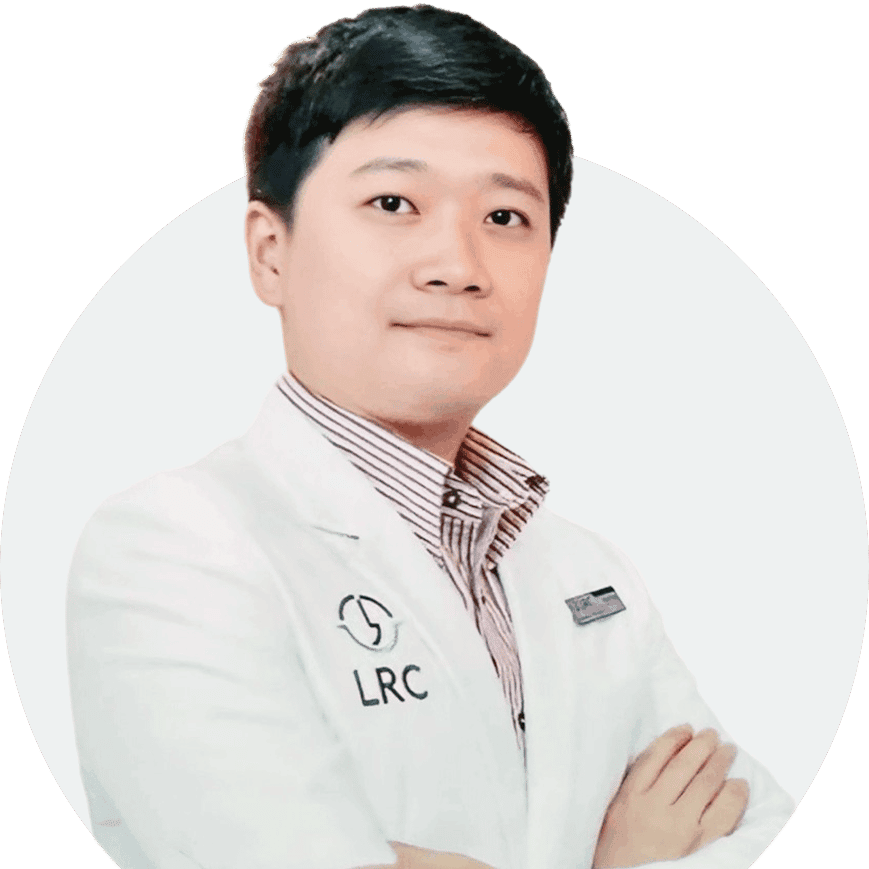
Thành công của chu kỳ trữ đông trứng của bạn phụ thuộc rất nhiều vào chuyên môn của bác sĩ nội tiết sinh sản phụ trách điều trị. Chúng tôi đã tổng hợp danh sách các chuyên gia hàng đầu tại Thái Lan, những người dẫn đầu trong lĩnh vực bảo tồn khả năng sinh sản. Hồ sơ của họ nêu bật quá trình đào tạo quốc tế, nhiều năm kinh nghiệm trong thụ tinh trong ống nghiệm (IVF) và trữ đông trứng, cũng như đánh giá của bệnh nhân. Việc xem xét các chuyên gia này sẽ giúp bạn tìm được bác sĩ đáng tin cậy để thực hiện mục tiêu xây dựng gia đình trong tương lai.

1

Các chuyên gia được đào tạo quốc tế

Học bổng tại Mỹ, Châu Âu và Úc

Nhiều bác sĩ chuyên khoa hiếm muộn hàng đầu của Thái Lan đã hoàn thành các chương trình đào tạo chuyên sâu ở nước ngoài. Điều này đảm bảo họ được đào tạo theo các phác đồ và công nghệ tiên tiến nhất của phương Tây, mang đến cho bạn chất lượng chăm sóc tương đương với ở trong nước, nhưng kèm theo đó là sự ấm áp của lòng hiếu khách Thái Lan.

2

Chuyên gia đông cứng thủy tinh

Thạc sĩ Công nghệ Bảo quản lạnh

Các bác sĩ này chuyên về kỹ thuật đông lạnh nhanh. Họ hợp tác chặt chẽ với các chuyên gia phôi học giàu kinh nghiệm để đảm bảo quy trình đông lạnh nhanh tinh tế được thực hiện chính xác, tối đa hóa tỷ lệ sống sót của trứng cho lần sử dụng sau.

3

Những người cung cấp dịch vụ chăm sóc đầy lòng trắc ẩn

Đồng cảm và tập trung vào giao tiếp

Các phương pháp điều trị vô sinh liên quan đến hormone và cảm xúc. Các chuyên gia được lựa chọn được đánh giá cao trong các bài đánh giá của bệnh nhân về thái độ ân cần, kiên nhẫn giải thích các thuật ngữ y khoa phức tạp và khả năng hỗ trợ bệnh nhân quốc tế trong suốt quá trình điều trị.
1

Cơ sở hạ tầng y tế đẳng cấp thế giới

Thái Lan là một cường quốc trong lĩnh vực du lịch y tế, tự hào sở hữu số lượng bệnh viện được chứng nhận JCI cao nhất Đông Nam Á. Điều này đảm bảo rằng cơ sở nơi bạn đông lạnh trứng đáp ứng các tiêu chuẩn nghiêm ngặt toàn cầu về vệ sinh, an toàn và quản lý.

Các phòng khám được trang bị phòng thí nghiệm phôi học hiện đại sử dụng các loại máy ấp trứng và công nghệ đông lạnh tiên tiến nhất, đảm bảo vật liệu sinh học của bạn được xử lý với sự cẩn thận và an toàn tối đa.

2

Giá trị tuyệt vời không thỏa hiệp

Chi phí sinh hoạt và nhân công ở Thái Lan thấp cho phép các phòng khám cung cấp dịch vụ chất lượng cao với giá chỉ bằng một phần nhỏ so với phương Tây. Điều này không có nghĩa là chất lượng "rẻ tiền", mà là chất lượng tuyệt vời với giá cả phải chăng.

Với chi phí của một chu kỳ điều trị tại Mỹ, nhiều bệnh nhân có thể đủ khả năng chi trả cho liệu trình, vé máy bay khứ hồi, kỳ nghỉ hai tuần tại khách sạn hạng sang và vẫn còn tiền tiết kiệm. Điều này giúp việc bảo tồn khả năng sinh sản trở nên dễ tiếp cận hơn với nhiều phụ nữ.

3

Môi trường không căng thẳng

Căng thẳng có thể ảnh hưởng tiêu cực đến khả năng sinh sản. Cơ sở hạ tầng du lịch và dịch vụ khách sạn nổi tiếng của Thái Lan tạo nên một khung cảnh thư giãn cho quá trình này.

Thay vì phải vừa làm việc vừa đi khám bệnh ở một thành phố nhộn nhịp, bệnh nhân ở Thái Lan có thể thư giãn bên hồ bơi, tận hưởng các liệu pháp massage và ăn những thực phẩm tươi ngon, tốt cho sức khỏe trong suốt giai đoạn kích thích buồng trứng. Khái niệm "kỳ nghỉ hỗ trợ sinh sản" này giúp bệnh nhân giữ bình tĩnh và lạc quan trong suốt quá trình điều trị.

Việc điều trị vô sinh ở nước ngoài đòi hỏi sự tin tưởng và hướng dẫn của chuyên gia. PlacidWay đóng vai trò là người hỗ trợ và đối tác của bạn, đơn giản hóa hành trình để bạn có thể tập trung vào mục tiêu xây dựng gia đình trong tương lai.

Kiểm tra lý lịch phòng khám và bác sĩ

Chúng tôi tiến hành sàng lọc nghiêm ngặt các trung tâm hỗ trợ sinh sản và các chuyên gia về sinh sản để đảm bảo họ có đầy đủ chứng nhận cần thiết và có thành tích đã được chứng minh trong việc đông lạnh tinh trùng thành công.

Báo giá minh bạch

Chúng tôi thu thập báo giá chi tiết từ nhiều phòng khám hàng đầu, phân tích rõ chi phí thuốc men, lấy mẫu, đông lạnh và bảo quản, vì vậy sẽ không có bất ngờ nào phát sinh.

Điều phối tư vấn

Chúng tôi sắp xếp các cuộc gọi video ban đầu với các chuyên gia y tế Thái Lan, cho phép bạn đặt câu hỏi về y tế và xây dựng mối quan hệ tốt với bác sĩ trước khi bạn đặt vé máy bay.

Tổng quan về kế hoạch điều trị

Chúng tôi giúp bạn hiểu rõ lịch trình điều trị, đảm bảo bạn biết chính xác mình cần ở lại Thái Lan bao nhiêu ngày cho quá trình kích thích buồng trứng và lấy trứng.

Phản hồi thực tế từ bệnh nhân

Hãy truy cập vào cơ sở dữ liệu của chúng tôi gồm những lời chứng thực đã được xác minh từ những phụ nữ đã trữ đông trứng tại Thái Lan, giúp bạn hiểu rõ hơn về trải nghiệm này.

Hỗ trợ liên tục

Từ lúc bạn liên hệ lần đầu cho đến khi trở về nhà, đội ngũ của chúng tôi đóng vai trò là cầu nối, đảm bảo sự giao tiếp thông suốt và giải quyết mọi vấn đề phát sinh.

Hãy bảo vệ tương lai sinh học của bạn một cách an tâm. Liên hệ với PlacidWay ngay hôm nay để nhận báo giá cá nhân hóa miễn phí và bắt đầu lên kế hoạch cho hành trình trữ đông trứng của bạn tại Thái Lan.

Nhận báo giá cá nhân miễn phí của bạn

Đông lạnh trứng ở Thái Lan thumbnail

Về Trải nghiệm

  • Bản dịch: EN AR ID JA KO RU TH TL VI ZH
  • Phạm vi giá: $7,500 - $7,500
  • Sự đối đãi: Egg Freezing Treatment, Fertility Treatment
  • Vị trí: Thailand
  • Phòng khám: Takara IVF Bangkok, Genea IVF and Genetics Center in Bangkok, Thailand, LRC Fertility Clinic - Best IVF Clinic Bangkok,
  • Bác sĩ Somphoch Pumipichet M.D.,
  • Gói hàng Egg Freezing Package in Bangkok Thailand at LRC Fertility Center,
  • Tổng quan Đông lạnh trứng tại Thái Lan - Chi phí, quy trình và tỷ lệ thành công

Trusted Medical Tourism Platform Since 2007

60+
Countries
2k+
Clinics
19.5k+
Reviews
2.5k+
Qualified Doctors
1.1M+
Patients Served Since 2007