
Contents
Aging well is not only about adding more years to life. it is about understanding what options may support better health, energy, and quality of life as the body changes. For many international patients, stem cell therapy for longevity in Mexico has become an option they research when looking beyond traditional wellness approaches.
Patients from the United States, Canada, and other countries often explore Mexico because of its proximity, established medical travel routes, and access to regenerative medicine providers. However, choosing the right option requires more than comparing prices. It means understanding the type of stem cell therapy offered, the medical team’s qualifications, facility standards, and whether the treatment approach matches your health goals.
The cost of stem cell therapy for longevity in Mexico generally starts around $4,000, depending on the treatment approach, clinic, and patient evaluation requirements. Before choosing a clinic, patients should review local licenses, medical registrations, and relevant certifications or accreditations that demonstrate the facility follows recognized healthcare standards.
Different treatment packages may vary in their medical approach, evaluation process, and included services. Comparing packages side by side helps patients understand what they are receiving instead of comparing only the headline price.
Review the available options below to understand differences in treatment plans, clinics, and services before deciding which option fits your personal health goals.

Price starting from $4,250
All-Inclusive Stem Cell Therapy for Longevity Package in Mexico City, Mexico
PlacidWay Mexico Medical Tourism
- Stem Cell Therapy for Longevity
Tijuana,Mexicali, Mexico

Price starting from $5,995
Stem Cell Therapy for Longevity Package in Tijuana, Mexico by Immunity Therapy Center
Regenerative Medicine - Stem Cells by ITC Immunity Therapy Center
- Stem Cell Therapy for Longevity
Tijuana, Mexico

Price starting from $4,000
Stem Cell Therapy for Longevity Package in Tijuana, Mexico by Stem Health
Stem Health | Leading Stem Cell Clinic in Tijuana, Mexico
- Stem Cell Therapy for Longevity
Tijuana, Mexico
The starting cost for stem cell therapy for longevity in Mexico is approximately $4,000. The final cost may vary based on the type of stem cells used, number of sessions, diagnostic evaluations, and additional medical services involved.
When comparing costs, patients should ask what is included, what medical assessments are required before treatment, and whether follow-up care is available after returning home.
Stem Cell Therapy for Longevity Centers Cost Comparison in Mexico
| Provider | Procedure | Price |
|---|---|---|
| CellsTime Clinique in Puerto Vallarta, Mexico | Anti Aging Stem Cell Treatments, Stem Cell Therapy for Longevity | $7800 |
Stem Cell Therapy for Longevity Cost Comparison in Mexico
| Country | Procedure | Price |
|---|---|---|
| United States | Anti Aging Stem Cell Treatments, Stem Cell Therapy for Longevity | $25000 |
The clinic with the lowest price is not always the most suitable choice. A careful comparison starts with verifying the basics: who provides the treatment, where it is performed, and what safety standards the facility follows.
Patients should consider checking:
- Medical licenses and registrations required by local health authorities
- Facility certifications or healthcare accreditations
- Physician training and experience in regenerative medicine
- Patient evaluation and informed consent procedures
- Emergency care plans and follow-up communication
Stem Health | Leading Stem Cell Clinic in Tijuana, Mexico
Tijuana, Mexico
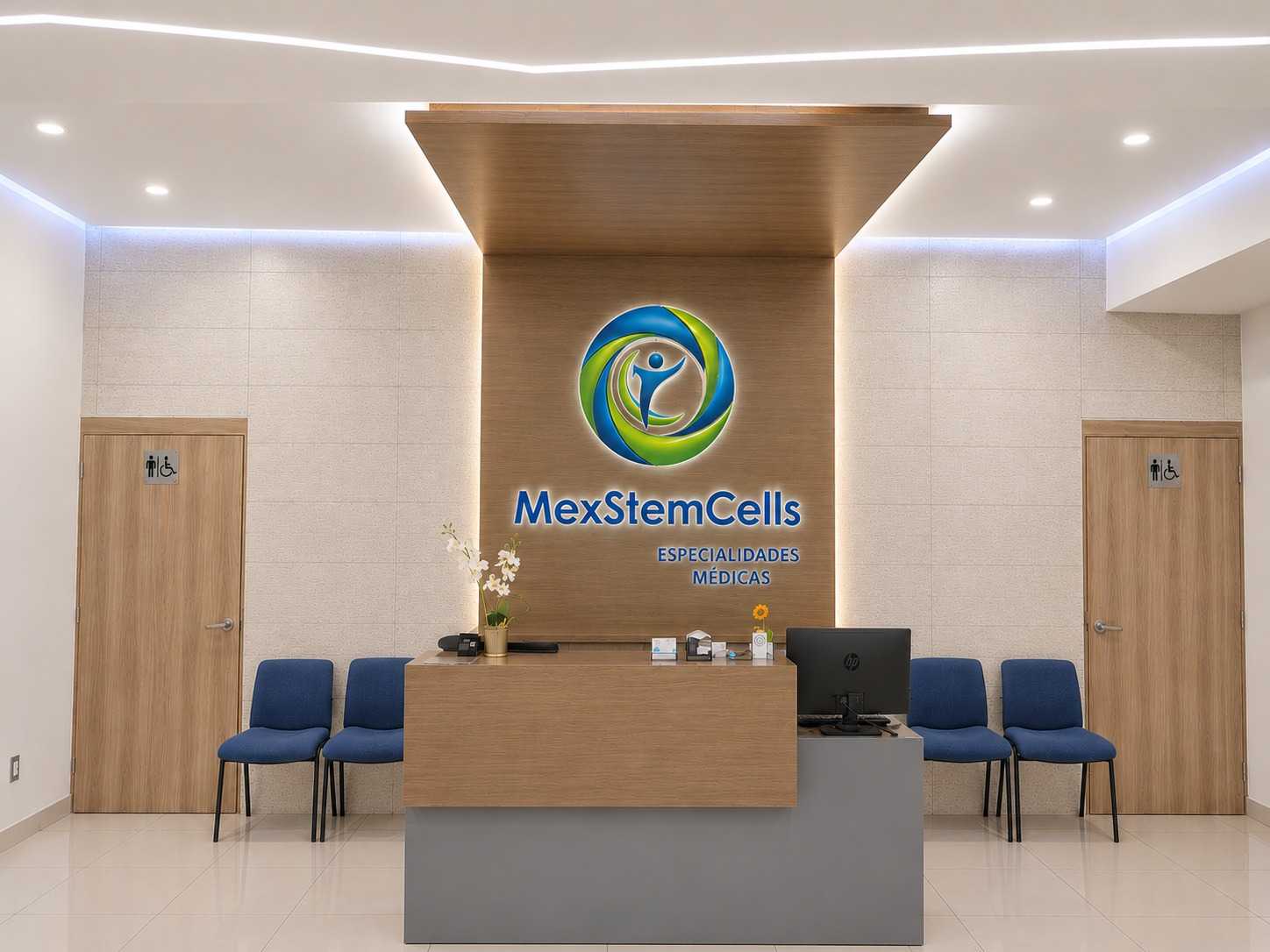
MexStemCells Clinic
Mexico City, Mexico
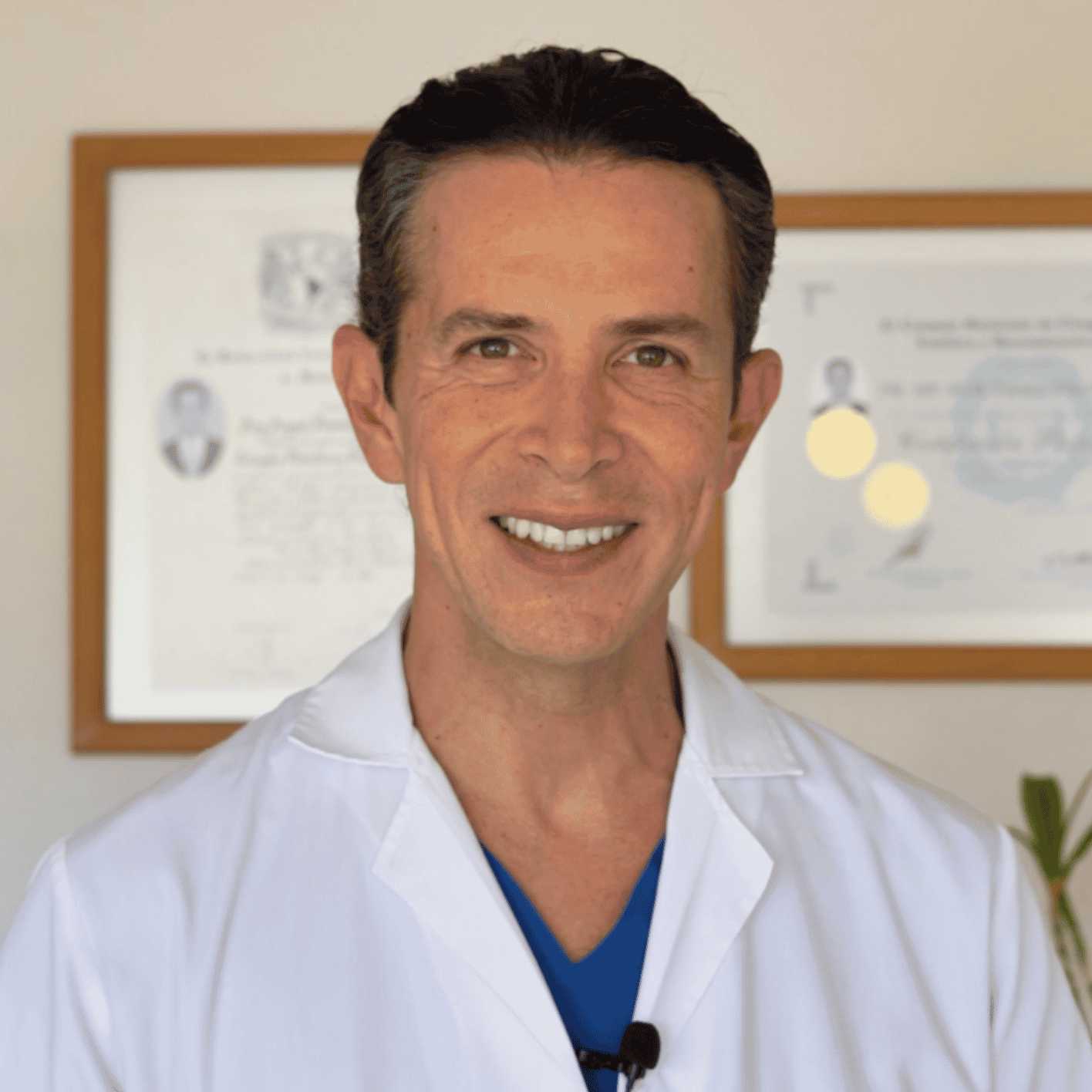
World-Leading Anti-Aging Stem Cell Clinic in Mexico City by Dr. Ary Papadopulos
Mexico City, Mexico
Patient experiences can provide insight into travel arrangements, communication, and overall treatment journeys. However, individual experiences are different, and personal results cannot predict what another patient may experience.
When reviewing experiences, focus on details such as the treatment process, medical support, follow-up care, and whether expectations were clearly explained.

What is stem cell therapy for longevity in Mexico?
Stem cell therapy for longevity in Mexico refers to regenerative medicine approaches that patients explore with the goal of supporting healthy aging. Treatment plans vary depending on the clinic, medical evaluation, and individual health needs.
How much does stem cell therapy for longevity cost in Mexico?
The starting cost for stem cell therapy for longevity in Mexico is around $4,000. The final cost depends on treatment details, medical assessments, and services included in the plan.
Why do patients travel to Mexico for longevity stem cell therapy?
Many international patients consider Mexico because of its location, travel accessibility, and availability of medical tourism services. Patients should still evaluate providers carefully before choosing treatment.
Is stem cell therapy for longevity approved everywhere?
Regulations for stem cell treatments differ by country and treatment type. Patients should ask providers about regulatory status, medical oversight, and available documentation.
How long should I stay in Mexico for stem cell therapy?
The recommended stay depends on the treatment plan, evaluations required, and follow-up schedule. Patients should confirm travel timing directly with the medical provider.
What questions should I ask a stem cell clinic in Mexico?
Patients should ask about physician qualifications, treatment details, possible risks, costs, follow-up care, and facility certifications before scheduling treatment.
Are results from longevity stem cell therapy guaranteed?
No medical treatment can guarantee results. Outcomes vary depending on individual health conditions, treatment methods, and other personal factors.
How do I choose a stem cell clinic in Mexico?
Patients should compare medical credentials, facility standards, treatment transparency, and follow-up support before selecting a clinic.
What medical records should I bring for stem cell therapy in Mexico?
Patients usually need relevant medical history, diagnostic reports, medication information, and previous treatment records for evaluation.
Can international patients combine travel with longevity stem cell therapy in Mexico?
Many international patients combine medical travel with recovery time or tourism activities, but treatment schedules and recovery needs should guide travel planning.
How is stem cell therapy used for longevity and health improvements in Mexico
In Mexico, stem cell therapy for longevity involves using mesenchymal stem cells (MSCs) to potentially reduce systemic inflammation, promote tissue repair, and modulate the immune system to support healthy aging and overall wellness. The pursuit of healthy aging has shifted focus from merely treating diseases to proactively managing cellular health. As research in regenerative medicine expands, many individuals explore alternative options abroad. Understanding how stem cell therapy in Mexico is utilized for longevity requires looking at the science behind cellular aging, the types of treatments available, and what patients can realistically expect. Key Takeaways Longevity treatments primarily use Mesenchymal Stem Cells (MSCs) to target cellular inflammation and support natural repair mechanisms. Therapies are mostly administered via intravenous (IV) drip for systemic circulation. Treatment focuses on improving "healthspan"—the quality of life during aging—rather than guaranteeing life extension. Mexico has an established regulatory framework through COFEPRIS, though clinic standards and protocols vary widely. A thorough medical evaluation is necessary, as not everyone is an ideal candidate for regenerative treatments. What Types of Stem Cells Are Used for Anti-Aging in Mexico? Longevity treatments primarily utilize Mesenchymal Stem Cells (MSCs), often sourced ethically from donated human umbilical cord tissue (Wharton's Jelly) or harvested from the patient's own fat or bone marrow. Mesenchymal stem cells are the cornerstone of regenerative wellness therapies. When individuals travel for aging-focused care, providers frequently utilize allogeneic (donor) MSCs derived from umbilical cords. This tissue is typically gathered from healthy, full-term pregnancies following strict donor screening protocols. Wharton's Jelly MSCs are highly favored because they are young, robust cells capable of rapid proliferation and rarely trigger adverse immune responses in the recipient. Alternatively, some providers offer autologous treatments. In these procedures, a doctor extracts stem cells from your own adipose (fat) tissue or bone marrow. The extracted tissue is processed to isolate the cells before they are reintroduced into your body. While using your own cells eliminates the already minimal risk of donor rejection, older adults may find that their naturally aged stem cells are less vigorous than younger, donor-derived cells. How Does Stem Cell Therapy Target the Aging Process? Stem cells combat age-related decline primarily through the "paracrine effect," where they release potent anti-inflammatory proteins, growth factors, and exosomes that encourage existing cells to repair and regenerate. Aging at the cellular level is heavily driven by systemic inflammation—often referred to in scientific circles as "inflammaging." Over time, damaged cells lose their ability to divide and function normally. Instead of dying off, they become senescent ("zombie cells") and secrete inflammatory chemicals that damage surrounding healthy tissues. When MSCs are introduced into the body, they do not necessarily transform into new tissue to replace the old. Instead, they act as cellular managers. They detect signals of inflammation and migrate toward damaged areas. Once there, they release cytokines and growth factors that modulate the immune system, quiet chronic inflammation, and stimulate the body's natural healing pathways. By addressing this underlying cellular stress, the therapy seeks to slow the physical manifestations of aging. What Are the Potential Health Improvements and Benefits? Patients undergoing systemic stem cell therapy often seek improvements in energy levels, sleep quality, joint mobility, cognitive clarity, and a stronger immune response. Because longevity treatments are generally administered systemically, the anticipated benefits focus on overall well-being rather than treating one specific disease. It is important to understand that outcomes vary widely depending on baseline health, lifestyle habits, and genetics. Increased Vitality: Many report a noticeable boost in daily energy and a reduction in generalized fatigue. Joint and Muscle Support: Reductions in systemic inflammation can alleviate mild, chronic aches associated with natural aging. Immune Modulation: MSCs help balance the immune system, potentially supporting better recovery from minor illnesses. Sleep and Recovery: Patients often describe deeper sleep cycles and faster recovery from physical exertion. Cognitive Function: Some individuals experience improvements in mental clarity and focus, likely due to reduced neuro-inflammation. Who is an Ideal Candidate for Longevity Stem Cell Treatments? Ideal candidates are generally healthy adults seeking proactive wellness care to manage age-related decline, rather than those seeking cures for severe, end-stage chronic diseases. A suitable candidate is usually someone experiencing the early to moderate signs of aging—such as declining energy, slower recovery times, or persistent mild inflammation—who wishes to enhance their healthspan. They should have realistic expectations, understanding that regenerative medicine is supportive rather than curative. Not everyone is eligible for these procedures. Contraindications often include a current or recent history of cancer, active systemic infections, or certain severe autoimmune disorders. Thorough medical screening, including blood work and a review of medical history, is a mandatory step before any responsible medical provider will agree to administer cellular therapies. Are Stem Cell Therapies for Wellness Safe and Regulated in Mexico? Stem cell therapy is legally regulated in Mexico by COFEPRIS (the national health authority), which oversees the licensing of clinics and cell-processing laboratories to ensure basic safety standards are met. Mexico has developed a specific regulatory framework for regenerative medicine, allowing specialized physicians to utilize therapies that may still be restricted or classified as investigational in other countries. Clinics handling human tissues must undergo rigorous inspections to obtain and maintain licenses for cell harvesting, processing, and application. However, safety relies heavily on the individual facility. The use of MSCs is generally considered to have a strong safety profile with low risks of adverse immune reactions. The primary risks associated with the treatment are typically related to the administration method itself, such as minor infections at the IV site. To mitigate risks, it is critical to ensure that the chosen provider adheres to strict sterile protocols, utilizes third-party testing for cell viability, and operates a certified laboratory. How Much Does Stem Cell Therapy Cost in Mexico for Longevity? The estimated stem cell therapy cost in Mexico for longevity purposes typically ranges from $3,500 to $8,000 per session, depending heavily on the dosage of cells required. Pricing for regenerative treatments is determined by several specific variables. The most significant factor is the cell count—often ranging from 50 million to 200 million cells per treatment. A larger dosage, often recommended for systemic longevity approaches, will increase the price. Furthermore, the source of the stem cells (umbilical cord MSCs vs. autologous extraction) impacts laboratory and processing fees. Factor Influencing Cost Impact on Estimate Cell Dosage Higher millions of cells increase laboratory cultivation costs. Cell Origin Donor tissue requires ethical screening and specialized cryopreservation. Additional Therapies Adding exosomes, IV vitamins, or ozone therapy will raise total costs. Facility Expertise Licensed hematologists and certified clean-rooms require higher operational budgets. It is important for patients to request itemized treatment plans so they clearly understand what is included in the estimated price, such as pre-treatment medical evaluations, the infusion itself, and follow-up consultations. What Happens During a Typical Longevity Stem Cell Session? The procedure is usually a straightforward outpatient visit where patients receive the stem cells through an intravenous (IV) drip over the course of one to three hours in a comfortable setting. When a patient arrives for their scheduled session, the day begins with a final consultation and a review of current vital signs. If allogeneic cells are being used, the specialized laboratory thaws the cryopreserved cells just prior to administration to ensure maximum cell survival and viability. The medical team will place an IV line, usually in the arm. The stem cells, suspended in a saline solution, are slowly dripped into the bloodstream. Patients remain awake and can read, listen to music, or rest during this time. Afterward, there is a short observation period to ensure no immediate adverse reactions occur before the patient is cleared to return to their hotel. How Long Does It Take to See Results from Anti-Aging Stem Cells? While some individuals notice initial improvements in energy within a few weeks, the deep cellular repair processes typically take three to six months to unfold fully. Regenerative medicine works on a biological timeline. Unlike pharmaceutical stimulants that offer immediate but fleeting effects, stem cells initiate a gradual cascade of healing. In the first few weeks, patients may experience an initial "boost," often attributed to the powerful anti-inflammatory cytokines released immediately by the MSCs. However, the more profound structural and systemic benefits—such as improved tissue health and sustained immune modulation—require time. The cells need weeks to communicate with the body's native tissues and orchestrate cellular turnover. Physicians typically schedule follow-up assessments around the three-month and six-month marks to evaluate progress properly. What Should Patients Look for in a Stem Cell Therapy Clinic in Mexico? Safety and efficacy rely heavily on choosing a verifiable stem cell therapy clinic in Mexico that holds current COFEPRIS licenses, employs specialized medical staff, and provides transparent laboratory sourcing. Due diligence is non-negotiable when evaluating medical providers abroad. Patients should look for facilities that employ highly qualified specialists, such as hematologists or immunologists, who are formally trained in cellular biology. The clinic must be willing to provide documented proof of their health department certifications. Furthermore, inquire about cell viability and laboratory standards. Reputable clinics will source cells from inspected laboratories, utilize rigorous screening for infectious diseases (such as HIV, Hepatitis, and Syphilis), and provide a "Certificate of Analysis" that outlines cell counts and viability rates prior to the infusion. Beware of facilities that use overly aggressive sales tactics or promise guaranteed anti-aging miracles. Why is Medical Tourism in Mexico Popular for Regenerative Medicine? The growth of medical tourism in Mexico for regenerative care is driven by accessible geographic proximity for North Americans, advanced specialized clinics, and a supportive regulatory environment for MSC use. For individuals in the United States and Canada, Mexico offers convenient travel routes, with major medical hubs located in accessible cities like Tijuana, Cancun, Guadalajara, and Mexico City. This proximity makes traveling for preliminary consultations and subsequent treatments highly manageable without the need for long-haul flights. Additionally, because Mexico's regulatory bodies have approved the use of expanded umbilical cord MSCs for various therapeutic applications, patients have access to treatments that might be categorized strictly as investigational clinical trials in their home countries. Many high-quality Mexican facilities cater specifically to international patients, offering bilingual staff, modern amenities, and comprehensive medical coordination. Why Choose PlacidWay for Medical Tourism Research? PlacidWay is a global health portal designed to assist individuals in researching international healthcare options. Educational Resources: Provides extensive guides, articles, and data on international medical procedures and destinations. Provider Directory: Lists numerous medical centers and clinics across multiple countries, including regenerative medicine facilities in Mexico. Direct Communication: Connects patients directly with international hospitals and clinics for inquiries and virtual consultations. Profile Comparison: Allows users to evaluate clinic profiles, view doctors' credentials, and read detailed facility information side-by-side. Patient Experiences: Shares verifiable patient reviews and testimonials to aid in thorough research and informed decision-making. Frequently Asked Questions Is stem cell therapy for longevity FDA-approved? The U.S. FDA has not approved stem cell therapy for anti-aging or general longevity. In Mexico, these treatments are regulated by COFEPRIS, the national health authority, but they are still considered investigational for general wellness. Can stem cells reverse aging completely? No medical treatment, including stem cell therapy, can completely reverse the aging process. The therapy aims to manage cellular damage, reduce systemic inflammation, and support tissue repair to improve healthspan rather than stop aging entirely. How many sessions are usually needed for health improvements? Most patients seeking longevity benefits undergo one initial session, which may be followed by maintenance treatments every 12 to 18 months, depending on their individual health goals and their physician's recommendations. Do I need to stay in Mexico for a long time after the treatment? Because most systemic longevity treatments involve simple IV infusions, they are performed on an outpatient basis. Patients typically stay in Mexico for a few days to rest and complete any required post-infusion observation before flying home. What is the difference between autologous and allogeneic stem cells? Autologous stem cells are harvested from your own body, such as from bone marrow or fat. Allogeneic stem cells come from a carefully screened donor, often sourced from ethically donated umbilical cord tissue. Are there age limits for receiving longevity stem cell treatments? While there is no strict upper age limit, eligibility depends heavily on a patient's overall health, organ function, and medical history. A comprehensive medical evaluation is necessary to determine if the treatment is appropriate for older adults. How are stem cells administered for systemic health? For general wellness and longevity, stem cells are most commonly administered intravenously (IV). This allows the cells to circulate throughout the bloodstream and naturally seek out areas of inflammation or cellular damage. What are the common side effects of IV stem cell therapy? Common side effects are generally mild and temporary, including fatigue, a low-grade fever, mild headache, or minor bruising at the IV site. Severe complications are rare but can include infection or immune reactions. Can I combine stem cell therapy with other wellness treatments? Many patients combine stem cell therapy with complementary treatments like hyperbaric oxygen therapy (HBOT), IV nutrition, or peptide therapy. However, this should only be done under the strict guidance of a coordinating medical professional. How long do the effects of stem cell therapy for aging last? The duration of benefits varies significantly by individual, lifestyle, and underlying health. Some patients report sustained improvements in energy and joint comfort for one to two years, while others may experience shorter-term effects. Compare Treatment Options Discover recognized clinics, compare costs, and gather the information you need to make an informed decision regarding cellular therapies abroad. Request Treatment Information Medical Disclaimer: The information provided in this article is for educational purposes only and does not constitute medical advice, diagnosis, or treatment planning. Stem cell therapies for longevity and wellness are considered investigational in many jurisdictions. Individual outcomes, risks, and recovery times vary greatly. Always consult with a qualified healthcare professional before pursuing medical treatments abroad or making changes to your health regimen. References Mesenchymal Stem Cells and Aging: A Comprehensive Review – National Institutes of Health (NIH) / NCBI Patient Guide to Stem Cell Treatments – International Society for Stem Cell Research (ISSCR) Stem Cells: What They Are and What They Do – Mayo Clinic Ageing and Health Fact Sheet – World Health Organization (WHO) Allogeneic Human Mesenchymal Stem Cell Infusions in Aging Frailty – ClinicalTrials.gov FDA Warns About Stem Cell Therapies – U.S. Food and Drug Administration (FDA)
How long do the anti-aging results of a non-surgical stem cell facial rejuvenation in Mexico City actually last?
The anti-aging results of non-surgical stem cell facial rejuvenation in Mexico City typically last between 12 to 18 months, with some patients enjoying benefits for up to two years. Maintenance sessions can help prolong these youthful skin effects. Key Takeaways: Regenerative Anti-Aging in Mexico Long-Lasting Vitality: Cellular regeneration continues to improve skin texture for up to six months post-treatment, with results holding strong for over a year. Cost Efficiency: Patients save significantly compared to North American prices without compromising on laboratory standards or medical expertise. Minimally Invasive: The procedure involves no surgical incisions, leading to a rapid recovery time of just 24 to 48 hours. Comprehensive Repair: Effectively targets fine lines, loss of elasticity, uneven pigmentation, and acne scarring simultaneously. Advanced Facilities: Mexico City is home to world-renowned regenerative medicine centers utilizing cutting-edge stem cell isolation protocols. What is the average stem cell facial rejuvenation cost in Mexico compared to the United States? The average stem cell facial rejuvenation cost in Mexico ranges from $1,500 to $3,500 per session. This offers a massive savings of 50 to 70 percent compared to the United States, where similar therapies can exceed $8,000. Understanding the financial aspect of regenerative medicine is crucial for international patients. The primary reason for the stark price difference is not a reduction in medical quality, but rather the lower cost of living, reduced administrative overhead, and specialized healthcare economic structures present in Mexico. Facilities in Mexico City can operate advanced laboratories at a fraction of the cost required in North America, passing those savings directly to the patient. When you request a quote for this procedure, the packages are typically highly inclusive. Unlike clinics in the US that may charge separately for the initial consultation, blood work, laboratory processing, and the actual application, Mexican clinics generally bundle these into a single transparent price. This means you know exactly what your financial commitment is before you ever board a plane. Location Estimated Cost Range (USD) Typical Package Inclusions United States $6,000 - $10,000+ Procedure only (consultation and lab fees often extra) Mexico City, Mexico $1,500 - $3,500 Consultation, lab processing, application, and basic follow-up How do mesenchymal stem cells actually work to reverse aging signs on the face? Mesenchymal stem cells trigger massive natural collagen production and tissue repair when applied to the face. They replace damaged, aging skin cells with fresh, healthy tissue to create a profound youthful glow. At the core of this revolutionary treatment are Mesenchymal Stem Cells, widely regarded as the master building blocks of human tissue. When these cells are introduced into the dermis, either through micro-injections or clinical microneedling, they act like a biological command center. They immediately begin secreting growth factors and cytokines, which signal your body to wake up dormant skin cells and initiate a rapid healing response. The most visible result of this cellular communication is the synthesis of new collagen and elastin. As we age, our natural production of these structural proteins plummets, leading to sagging and wrinkles. By reintroducing stem cells, the skin regains its structural integrity. The dermis thickens naturally, effectively plumping out deep wrinkles from the inside out without the need for artificial fillers. Furthermore, these potent cells encourage angiogenesis, which is the formation of new blood vessels. Improved microcirculation means that your facial tissue receives an abundance of oxygen and vital nutrients. This process actively flushes away cellular debris and toxins, directly resulting in the radiant, even-toned complexion that makes this procedure so highly sought after. What makes finding a reputable stem cell facial rejuvenation clinic in Mexico essential for success? Selecting a certified stem cell facial rejuvenation clinic in Mexico requires checking their COFEPRIS accreditation and laboratory standards. You should prioritize facilities with dedicated regenerative medicine departments to ensure maximum cellular viability. Because regenerative therapies rely on the handling of live biological materials, the clinic you choose makes all the difference in your final results. The viability of the stem cells, meaning how alive and active they are when applied to your face, depends entirely on the laboratory protocols. If a clinic uses outdated centrifuges or lacks a sterile cleanroom, the cells may die before they even reach your skin, rendering the treatment ineffective. When exploring options, many patients seek out advanced regenerative medicine therapies at MexStemCells Clinic in Mexico City, Mexico because of their state-of-the-art laboratory protocols. High-quality clinics ensure that whether they are harvesting your autologous fat-derived cells or utilizing ethically sourced Wharton jelly, the cellular expansion process is handled by dedicated hematologists and cellular biologists. On-Site Laboratories: Clinics with their own labs minimize the time cells spend in transit, ensuring maximum potency. Specialist Credentials: Ensure the medical team includes board-certified specialists in regenerative or aesthetic medicine. Transparent Sourcing: The clinic must provide clear documentation on how and where the cells are sourced and screened. Patient Testimonials: Look for documented before-and-after cases of international patients who have undergone the exact same facial procedure. Safety Certifications: Verify adherence to international medical standards and local government health board approvals. Expert Insight Not all stem cell treatments are created equal. The concentration of live cells injected into the dermis dictates the level of rejuvenation. Always ask your prospective clinic about the cell count and viability percentage guaranteed in their anti-aging serum formulations. Who is the ideal candidate for this non-surgical anti-aging treatment? The best candidates are individuals between 35 and 65 experiencing mild to moderate skin laxity, fine lines, and dullness. It is highly recommended for those who want to avoid the risks associated with invasive surgical facelifts. Stem cell facial rejuvenation is incredibly versatile, making it suitable for a wide demographic of patients. The ideal candidate is someone who is beginning to notice the hallmark signs of intrinsic aging but is not yet ready, or willing, to undergo general anesthesia for a traditional facelift. It appeals greatly to individuals seeking natural-looking enhancements rather than the frozen appearance sometimes caused by excessive neurotoxins. This therapy is also excellent for younger patients in their early thirties who want to adopt a proactive, preventative approach to skin aging. By banking collagen early, they can significantly delay the onset of deep wrinkles and volume loss. Candidates should generally be in good overall health, as a robust immune system helps facilitate the cellular repair signals sent by the stem cells. However, it is important to manage expectations. Patients with severe, advanced skin sagging or massive volume loss may not achieve their desired results through stem cells alone and might be better suited for surgical intervention. A thorough consultation with a regenerative specialist in Mexico will determine if your skin quality possesses the necessary baseline to respond effectively to cellular therapy. What specific skin concerns can be treated with regenerative cellular therapy? This regenerative therapy effectively targets fine lines, deep wrinkles, uneven skin tone, acne scarring, and general loss of facial volume. It comprehensively rejuvenates the skin at a fundamental cellular level. Unlike isolated cosmetic treatments that only address one issue at a time, stem cell applications provide a holistic repair mechanism. One of the primary concerns it addresses is the structural breakdown of the skin. Deep forehead creases, prominent nasolabial folds, and crow's feet are visibly softened as the new collagen matrix plumps the tissue beneath the epidermis. Pigmentation issues and sun damage also respond exceptionally well to this treatment. As the stem cells promote a faster turnover of skin cells, areas of hyperpigmentation, melasma, and age spots begin to fade. The new layers of skin brought to the surface are brighter, healthier, and boast a much more uniform tone, effectively reversing years of environmental damage. Furthermore, textural irregularities are smoothed out dramatically. Patients suffering from textural scarring caused by severe acne or minor injuries find that stem cell therapy helps break down the rigid scar tissue. Over the course of a few months, the skin rebuilds itself smoother and more resilient, drastically shrinking pore size and leaving a refined, glass-like finish. How does medical tourism in Mexico benefit patients seeking regenerative skin treatments? Medical tourism in Mexico provides international patients with VIP healthcare experiences, luxury recovery options, and access to world-class regenerative treatments at a fraction of domestic costs. Mexico has rapidly evolved into a global powerhouse for advanced medical procedures, particularly in the realm of regenerative medicine. The infrastructure in major hubs like Mexico City is specifically designed to cater to international visitors. Clinics often reside in modern, hyper-sterile hospital complexes that rival or exceed the standards found in major North American or European cities. The medical tourism ecosystem provides an incredibly seamless experience. Many premier clinics offer dedicated international patient coordinators who are fully bilingual. These coordinators handle everything from interpreting complex medical jargon during consultations to arranging your clinical itinerary. You are treated not just as a patient, but as a valued guest receiving highly personalized, unhurried medical attention. Additionally, undergoing stem cell facial rejuvenation in Mexico allows patients to recover in a vibrant, culturally rich environment. Since the downtime for this non-surgical procedure is minimal, patients can easily turn their medical trip into a relaxing vacation. Enjoying the culinary delights, museums, and historical architecture of Mexico City makes the entire anti-aging journey a highly enjoyable and stress-free experience. Did You Know? Mexico City is home to some of the most advanced medical research universities in Latin America. Because of this, the local specialists performing your stem cell therapy are often pioneers in regenerative protocols, possessing years of hands-on experience that far exceeds standard aesthetic training. Are there any risks or side effects associated with facial stem cell therapy? Because the procedure uses naturally occurring biological material, the risks of allergic reaction or rejection are virtually nonexistent. The side effects are typically limited to minor, temporary inflammation at the application sites. Safety is a primary concern for any anti-aging treatment, and stem cell therapy boasts one of the most remarkable safety profiles in cosmetic medicine. If the clinic utilizes autologous stem cells, meaning they are harvested from your own body fat, there is absolutely zero risk of your immune system rejecting the cells. You are simply relocating your own healing mechanisms to where they are needed most. Even when using allogeneic cells, such as those derived from ethically donated umbilical cord tissue, the cells are considered immune-privileged. This means they do not contain the markers that trigger an immune response, making them universally safe. The clinical environment in top Mexican facilities ensures all materials are screened extensively for communicable diseases and bacterial contamination prior to use. The most common side effects are purely mechanical, resulting from the microneedling or micro-injections used to deliver the serum. Patients typically experience transient redness, slight tenderness, and perhaps minor pinpoint bruising. These effects are completely normal signs that the body is initiating the repair process and they resolve themselves entirely within a few days without any medical intervention. How long is the recovery time after a non-surgical facial stem cell treatment? The recovery time is remarkably fast, usually requiring only 24 to 48 hours of minor redness before you can resume normal daily activities. It is a true walk-in, walk-out procedure. One of the most appealing aspects of a non-surgical stem cell facial is the lack of extensive downtime. Immediately after leaving the clinic in Mexico City, your face will likely look flushed, similar to the aftermath of a brisk workout or a day at the beach. You will be advised to keep your face clean and avoid applying makeup for the first twenty-four hours to allow the micro-channels in your skin to close and trap the precious stem cells inside. By the second day, the initial redness usually subsides significantly. You may experience a feeling of tightness or mild dryness as the old superficial layers of skin prepare to naturally exfoliate. During this period, keeping the skin aggressively hydrated with clinic-approved serums is essential. Most patients feel entirely comfortable attending social engagements or returning to work by day three. It is important to remember that while the physical recovery from the application is rapid, the biological recovery and cellular regeneration are just beginning. You must diligently protect your face from direct UV exposure by wearing a high-quality SPF sunscreen daily. Protecting the new, vulnerable skin cells is paramount to ensuring your long-lasting anti-aging results. Why Choose PlacidWay for stem cell facial rejuvenation in Mexico? PlacidWay simplifies your regenerative medicine journey by connecting you exclusively with top-tier, rigorously vetted clinics. We ensure transparency, safety, and personalized support throughout your entire healthcare experience. Navigating the global healthcare landscape for advanced treatments like cellular therapy can feel overwhelming. PlacidWay acts as your trusted partner, eliminating the guesswork and ensuring you are matched with certified medical excellence. Here is why patients globally rely on our expertise: Strict Clinic Vetting: We conduct rigorous background checks on every partner clinic, ensuring they hold active government accreditations, utilize certified laboratories, and maintain impeccable hygiene standards. Comprehensive Provider Profiles: You gain full access to detailed biographies of the regenerative specialists, allowing you to review their education, board certifications, and years of specific cellular therapy experience. Transparent Pricing Structures: We eliminate hidden fees by providing clear, pre-negotiated treatment packages so you know exactly what your regenerative facial procedure will cost upfront. Direct Medical Communication: Our platform facilitates direct, seamless communication between you and the Mexican medical specialists, ensuring all your clinical questions are answered thoroughly before you commit. Personalized Patient Advocacy: Our dedicated support team champions your needs throughout the entire process, providing guidance, addressing concerns, and ensuring your medical journey is completely stress-free. Frequently Asked Questions How long does the actual stem cell facial procedure take in Mexico City? The entire procedure usually takes between one to two hours. This timeframe includes the initial consultation review, the application of a topical anesthetic to ensure your comfort, the preparation of the stem cell serum, and the precise microneedling or injection process. You can easily return to your hotel the same morning or afternoon. Can I combine a stem cell facial with other cosmetic treatments in Mexico? Yes, many patients choose to combine their regenerative therapy with other non-surgical procedures. It is very common to pair stem cell applications with platelet-rich plasma therapy or mild radiofrequency treatments to maximize collagen production. However, you should consult with your specialist to ensure the therapies do not interfere with the cellular integration process. How soon will I see the results after my stem cell facial rejuvenation? While you may notice a superficial glow within the first week due to increased blood flow, true cellular regeneration takes time. Most patients begin to see significant improvements in skin texture, firmness, and wrinkle reduction between three to four weeks post-treatment, with results continuing to improve for up to six months as new collagen forms. Are there any age restrictions for getting stem cell skin treatments? There are no strict age restrictions, but the treatment is generally recommended for adults over the age of thirty who are beginning to show signs of cellular aging, such as fine lines or loss of elasticity. Older patients in their sixties and seventies can also benefit greatly, though their bodies may require slightly more time to synthesize new collagen. Do Mexican clinics use strict safety guidelines for stem cell treatments? Top-tier clinics in Mexico operate under stringent regulations enforced by COFEPRIS, the Mexican health authority equivalent to the FDA. These facilities utilize ISO-certified cleanrooms and advanced laboratory protocols to ensure that all biological materials are rigorously screened, ethically sourced, and entirely safe for patient application. Is a stem cell facial better than traditional dermal fillers? Stem cell therapy and dermal fillers serve different purposes. Fillers provide immediate, localized volume to specific wrinkles but degrade over time. Stem cell treatments, on the other hand, actively repair the skin at a cellular level, improving overall texture, tone, and elasticity across the entire face for a more comprehensive and natural anti-aging effect. What should I avoid before traveling to Mexico for a stem cell facial? Specialists recommend avoiding blood-thinning medications, intense sun exposure, and harsh chemical peels for at least two weeks prior to your procedure. It is also highly advised to stop smoking, as nicotine constricts blood vessels and can severely impede the delivery of oxygen and nutrients necessary for the newly introduced stem cells to thrive. How many sessions of stem cell therapy are required for optimal anti-aging results? For mild to moderate signs of aging, a single comprehensive session is often sufficient to produce remarkable results. However, patients with deeper wrinkles or severe sun damage may benefit from a series of two to three sessions spaced several months apart, followed by an annual maintenance treatment to sustain the regenerative effects. Can stem cell therapy help with severe cystic acne scars? Stem cell facial rejuvenation is highly effective at minimizing the appearance of acne scars. The regenerative cells promote targeted tissue repair, breaking down old scar tissue and encouraging the growth of smooth, healthy skin. While severe pitting may require multiple sessions, patients typically see a dramatic improvement in skin texture and scar depth. Will my face look swollen or puffy after the stem cell injections? You may experience mild swelling, pinpoint redness, and a feeling of tightness immediately following the procedure, similar to a moderate sunburn. This is a normal inflammatory response that signals the beginning of the healing cascade, and these minor side effects typically subside completely within twenty-four to forty-eight hours. Unlock Youthful Radiance in Mexico City Today Do not trust your skin to outdated methods. PlacidWay connects you with certified regenerative experts in Mexico for safe, effective, and transformative stem cell facial therapies. Get a free, personalized quote and start your journey to a naturally glowing complexion. Get Your Free Quote * Responses typically within 24 hours. Patient privacy is always guaranteed.
Is Stem Cell Longevity Treatment in Mexico Safe and Legal for US Patients?
Yes. It is completely legal for Americans to travel to Mexico for stem cell therapy, and it is highly safe when performed at properly licensed clinics. Due to progressive regulations, Mexico allows for the expansion of stem cells in state-of-the-art labs, giving patients access to 100 million to 300 million cells per treatment doses that are currently restricted in the US but are essential for true anti-aging results. You are feeling the signs of aging creep in. The joint stiffness that wasn't there five years ago, the brain fog that slows your afternoons, the persistent fatigue that a good night's sleep just doesn't cure anymore. You have probably read about the incredible anti-aging benefits of stem cells how they can repair tissue, lower systemic inflammation, and essentially turn back your biological clock. But when you looked into getting it done at home, you hit a massive roadblock: astronomical costs and frustrating legal restrictions. So, you expand your search and keep hearing the same thing: go south of the border. But is stem cell longevity treatment in Mexico safe and legal for US patients? It is completely natural to feel hesitant. You are considering crossing an international border for an advanced medical procedure. You are wondering about the quality of the labs, the training of the doctors, and what happens if something goes wrong. I understand the anxiety. You need facts, not sales pitches. In this guide, I promise to give you honest, transparent, and complete information. We will break down the exact differences in US regulations vs Mexican stem cell laws, compare the real costs, and outline exactly how to ensure your safety so you can make a confident decision about your health and longevity. Quick Facts: Stem Cell Therapy in US vs Mexico Average Cost for IV Therapy (US) $8,000 - $15,000+ Average Cost for IV Therapy (Mexico) $3,000 - $8,000 Cell Expansion Allowed? US: No (FDA Restricted) | Mexico: Yes (COFEPRIS Approved) Typical Cell Count Administered US: 1-5 Million | Mexico: 100-300+ Million Safety Profile / Viability 90-95%+ Live Cells (Using cold-chain logistics) Average Recovery Time 1-3 days (mild fatigue is common) Typical Support/Follow-up 6-12 months remote monitoring Complication Rate Less than 1% (extremely rare) What Exactly Is a Stem Cell Longevity Procedure and How Does It Work? Mesenchymal stem cells (MSCs) are the body's master repair cells. In a longevity treatment, hundreds of millions of these youthful, ethically sourced cells are delivered into your body via IV to find and repair damaged tissue, reduce systemic inflammation, and modulate your immune system. To understand why this is so effective, we have to talk about Mesenchymal Stem Cells (MSCs). Think of MSCs as your body's general contractors. When you are injured or aging, these cells rush to the site of damage, reduce inflammation, and coordinate the repair of tissue. The problem? As you age, your natural supply of these cells drops drastically. By the time you are 50, you have a fraction of the stem cells you had at birth, and the ones you do have are tired. A stem cell longevity procedure introduces millions of highly potent, youthful MSCs (usually ethically sourced from donated umbilical cord tissue after healthy, full-term births) into your body. Here is step-by-step how the procedure works: Consultation & Diagnostics: Your medical team reviews your medical history, runs comprehensive blood panels, and customizes the dosage of cells needed for your specific aging concerns. Preparation: The state-of-the-art lab thaws and prepares the precise number of expanded MSCs required, ensuring over 90% of the cells are alive, active, and viable. Administration: For anti-aging and longevity, the cells are typically administered via a simple intravenous (IV) drip. It is painless and usually takes less than an hour. Sometimes, targeted local injections (like into a painful knee) are done simultaneously. Cellular Homing: Once in your bloodstream, the stem cells act like biological homing beacons. They seek out areas of inflammation, oxidative stress, and tissue damage, setting up shop to secrete growth factors and begin the healing process over the next several months. Unlike merely taking supplements or undergoing hormone therapy, stem cells address aging at the foundational, cellular level. You are not just masking symptoms; you are genuinely giving your body the tools to repair itself. Why Traveling to Mexico for Stem Cell Therapy Is the Best Option for Anti-Aging Mexico allows the lab expansion of stem cells, meaning you get 100 to 300 million potent cells per treatment. In the US, FDA regulations prohibit cell expansion, so you usually receive fewer than 5 million of your own older, depleted cells. Why not just get this done in the United States? It all comes down to US regulations vs Mexican stem cell laws. The FDA considers the expansion (multiplying) of stem cells in a laboratory to be the creation of a "drug." Therefore, US clinics are legally restricted from expanding cells. They are largely limited to extracting your own cells (from bone marrow or fat) and spinning them in a centrifuge before reinjecting them. Here is why Mexico is the superior choice for longevity: Massive Cell Counts: Because Mexico legally permits cell expansion in regulated labs, you can receive doses of 100 million, 200 million, or even 300 million cells. In regenerative medicine, dose matters immensely. Youthful Cells (Allogeneic): Instead of using your own 50- or 60-year-old cells, top Mexican clinics use ethically sourced Wharton's Jelly (umbilical cord) MSCs. These are "day zero" cells—vibrant, highly active, and capable of rapid replication. No Painful Harvesting: US procedures often require drilling into your hip bone or performing mini-liposuction to harvest your cells. In Mexico, the high-quality cells are pre-prepared. You just sit back and receive an IV. Systemic Healing: The massive cell quantities available in Mexico allow for systemic IV drips that circulate throughout your entire body, fighting whole-body inflammation, brain fog, and organ aging. Cost Accessibility: Even factoring in flights and a luxury hotel, you will pay 50 to 70 percent less than you would for a vastly inferior procedure in the States. How Much Does Stem Cell Therapy Cost in Mexico vs the US? You will save 50-70% overall. A comprehensive 100-million cell anti-aging IV protocol costs about $4,000-$5,000 in Mexico. In the US, an unexpanded, lower-dose treatment easily exceeds $10,000. Cost is a massive factor. While stem cell therapy is an investment in your longevity, the price difference across the border is undeniable. However, it is crucial to understand that lower cost does not mean lower quality. Procedure Type United States Price Mexico Price Savings Systemic Anti-Aging IV (High Dose) $10,000-$15,000+ $3,500-$6,000 50-65% Single Joint Injection (e.g., Knee) $5,000-$8,000 $1,500-$3,000 60-70% Facial Rejuvenation (Stem Cell Facelift) $6,000-$10,000 $2,000-$4,000 60-65% Full Longevity Package (IV + Joints + Face) $25,000-$35,000+ $8,000-$12,000 65-70% Why is the cost of stem cells in Mexico so much lower? Just like with other forms of medical tourism, the savings are primarily driven by economics, not a reduction in medical quality. Laboratory operational costs, facility rent, malpractice insurance, and physician salaries are substantially lower in Mexico. Furthermore, the regulatory environment (COFEPRIS) allows for the efficient cultivation of stem cells at scale, driving down the per-million cell cost. You are paying for the medicine, not the bloated US healthcare administrative overhead. Ensuring Stem Cell Safety for Americans: Are Mexican Clinics Regulated? Yes. Top tier clinics in Mexico are strictly regulated by COFEPRIS (the Mexican equivalent of the FDA). Quality clinics use ISO-certified labs, extensive donor screening matching international standards, and board-certified medical specialists. It is perfectly normal to be protective of your health. Your biggest fear is likely receiving an unsafe or contaminated product. Let's put those fears to rest by looking at the rigorous safety protocols implemented by top-tier facilities. Quality Metric US Standard Top Mexican Standard Notes Regulatory Body FDA COFEPRIS COFEPRIS closely mirrors FDA safety protocols Laboratory Standard cGMP / ISO cGMP / ISO 9001 World-class clean room environments Donor Screening AATB Standards AATB / International Standards Tested for HIV, Hepatitis, Syphilis, genetics Physician Training Board Certified Board Certified Many Mexican doctors hold international fellowships To ensure your stem cell clinic verification is foolproof, look for these specific safety measures: Rigorous Donor Screening: The umbilical cords used for MSCs are obtained only from healthy, full-term pregnancies where both the mother and the tissue undergo exhaustive infectious disease and genetic testing. Third-Party Viability Testing: Reputable clinics send their cells to independent labs (often in the US) to verify that over 90% of the cells are alive and viable before they are ever administered to a patient. Cold Chain Logistics: Cells must be kept cryogenically frozen and thawed precisely before administration. Top facilities have strict cold-chain management to ensure cells do not die in transit. Immune Privilege: A major fear is rejection. Mesenchymal stem cells are "immune-privileged." They do not contain the markers that trigger an immune response, meaning your body will not reject them, and you do not need to take immunosuppressant drugs. Do your due diligence, ask to see their COFEPRIS license, and choose a clinic with a track record of treating international patients. Safety is a choice of provider, not a matter of geography. What to Expect: Navigating the Timeline for Longevity Stem Cell Procedures The actual medical procedure takes just a few hours. Most patients plan a 2-3 day trip to Mexico. You arrive, have your consultation and treatment the next day, and fly home safely the following day. Traveling to Mexico for stem cell therapy is surprisingly straightforward. It does not require weeks of downtime or painful rehabilitation. Here is a realistic timeline of what you can expect: Pre-Travel (2-4 Weeks Prior): You will have a remote video consultation with the medical team. You will likely be asked to send recent blood work and medical history so they can formulate your exact cell dosage. Day 1 - Arrival: You fly into the destination (e.g., San Diego for Tijuana, or direct to Cancun). Clinic staff will greet you at the airport and provide VIP transport to your hotel. Day 2 - Treatment Day: You arrive at the clinic. The doctor performs a final physical evaluation. The IV is placed, and the cells are administered over 45 to 60 minutes. You rest, and then you are free to return to your hotel and relax. Day 3 - Departure: After a good night's sleep, the clinic shuttle returns you to the airport for your flight home. Months 1-6 - Regeneration: You won't feel 20 years younger the very next morning. Cellular repair takes time. Between weeks 4 and 12, most patients report sustained spikes in energy, reduction in joint pain, and clearer cognitive function. Important considerations to plan for: Travel Logistics: Book flights to major hubs. If going to border cities like Tijuana, you will fly into the US (San Diego) and the clinic will drive you across the medical border lane. Language Barrier: High-end medical tourism clinics cater almost exclusively to Americans and Canadians. The doctors and patient coordinators speak fluent English. Insurance: Keep in mind that US health insurance does not cover international regenerative medicine. You will need to budget for cash payment, credit cards, or medical financing. Follow-Up: The clinic will follow up via video calls. Ensure you have a primary care doctor at home willing to order follow-up blood panels if needed. Who Is the Ideal Candidate for Mesenchymal Stem Cells for Anti-Aging? The best candidates are proactive adults experiencing the typical markers of aging—fatigue, systemic inflammation, minor joint pain, and reduced recovery times—who want to optimize their health before major disease sets in. Stem cell therapy is powerful, but it is not magic, and it is not right for everyone. A reputable clinic will be completely honest about whether you are a suitable candidate. You are likely a great candidate if you are experiencing: General signs of biological aging, including persistent fatigue and lower stamina Degenerative joint issues, cartilage loss, or osteoarthritis Chronic systemic inflammation or autoimmune flare-ups Brain fog, memory slips, or reduced cognitive sharpness Slower recovery from workouts, injuries, or illnesses A desire for preventative longevity care to optimize your health span You may need to reconsider if you fall into these categories: Active Cancer: Stem cells promote growth. While they don't cause cancer, they are strictly contraindicated for anyone with active tumors, as they could potentially promote tumor growth. Severe Active Infections: You must clear serious systemic infections before receiving regenerative therapy. Expecting Overnight Miracles: Tissue regeneration takes 3 to 6 months. If you lack the patience for cellular healing, this isn't for you. Unwilling to Change Lifestyle: Stem cells cannot outwork a terrible diet, severe chronic stress, and zero exercise. You have to protect your investment with a healthy lifestyle. Pregnancy: Treatments are not performed on pregnant or nursing women. End-Stage Organ Failure: While stem cells can help repair tissue, they cannot bring a completely dead or fully failing organ back to life. If you fit the ideal profile, the next step is simply speaking with a medical coordinator. A medical review of your labs is the only way to know definitively what this treatment can do for you. Frequently Asked Questions When researching such a vital topic, the same concerns pop up repeatedly. We have compiled the 12 most critical questions patients ask regarding cost, quality comparison, safety, and logistics to give you absolute clarity. How much does stem cell therapy cost in Mexico? Stem cell longevity treatment in Mexico typically costs between $3,000 and $8,000 for high-dose systemic IV treatments, compared to $8,000 to $15,000 for lower-dose, non-expanded treatments in the US. Joint injections range from $1,500 to $3,000. The cost relies heavily on the total number of millions of cells administered. Is stem cell longevity treatment in Mexico safe and legal for US patients? Yes, it is entirely legal for US citizens to travel to Mexico for stem cell therapy. When performed at clinics regulated by COFEPRIS (Mexico's FDA), using properly screened mesenchymal stem cells, the treatments are highly safe with a complication rate of less than 1%. What is the recovery time for anti-aging stem cell treatments? Recovery is minimal. You may experience mild fatigue or flu-like symptoms for 24 to 48 hours as your body processes the cells. Most patients return to normal activities within 1 to 3 days. There is no surgical downtime since it is typically administered via IV. What happens if there are complications with my stem cell treatment? Serious complications are incredibly rare. Reputable clinics provide 6 to 12 months of post-treatment monitoring. If you experience mild reactions (like slight fever or fatigue), they can typically be managed easily with guidance from your Mexican medical team or your local US doctor. Can stem cells in Mexico help if I have bone loss or joint degeneration? Yes. Mesenchymal stem cells are highly effective at targeting inflammation and promoting tissue regeneration in areas of cartilage deterioration and bone density loss, offering a powerful alternative or delay to invasive joint replacement surgeries. Which Mexican cities are best for stem cell therapy? Tijuana, Cancun, Puerto Vallarta, and Los Cabos are the premier destinations. Tijuana is incredibly popular due to its direct proximity to San Diego, while Cancun and Puerto Vallarta offer a relaxing environment for recovery. Focus on the clinic's certifications rather than just the city. Will my US doctor do follow-up care for stem cell treatments? Many progressive US physicians, especially functional medicine doctors, will happily monitor your progress, run follow-up blood work, and manage your continuing care once you return home. Be upfront with your doctor about your decision to pursue regenerative medicine abroad. How do I verify a stem cell clinic verification in Mexico? Always look for a current COFEPRIS license (Mexico's health regulatory body). Ask for independent third-party lab testing showing cell viability (usually 90-95%+) and ensure the medical team consists of board-certified specialists with experience in regenerative medicine. Is it safe to travel to Mexico for stem cell therapy alone? Yes, many patients travel solo. Reputable medical tourism clinics provide door-to-door VIP transportation from the airport or border directly to the clinic and your hotel, ensuring a safe, guided experience from start to finish. How many trips to Mexico will I need for longevity treatments? Most longevity protocols require only 1 trip lasting 2 to 3 days. Depending on your anti-aging goals, some patients choose to return once a year for a booster, but the initial protocol is completed in a single visit. Can I finance stem cell treatments in Mexico? While US health insurance will not cover international stem cell therapies, many patients use medical tourism financing companies, personal loans, or health savings accounts (HSAs) if applicable. Because the cost is 50-70% lower than the US, many pay out of pocket. Why are Mexican stem cell laws different from US regulations? The US FDA strictly limits the expansion (multiplying) of stem cells in a lab, meaning you get very low cell counts. Mexico's COFEPRIS allows the legal expansion of ethical stem cells, allowing doctors to safely administer the 100-300 million cells necessary for true anti-aging benefits. Ready to Reclaim Your Vitality? You have done the research. You understand why Mexico offers superior cell counts, strict regulations, and better pricing. The only thing left to do is find out what this incredible medicine can do for your specific body. Get My Free Quote No obligation. No pressure. Just honest medical advice from certified regenerative specialists. References National Institutes of Health (NIH). "Mesenchymal Stem Cells: Anti-Aging and Anti-Inflammatory Properties." US Food and Drug Administration (FDA). "Important Information About Regenerative Medicine Therapies." International Society for Cellular Therapy (ISCT). "Global Standards for Stem Cell Manufacturing and Administration." PlacidWay Medical Tourism. "Guide to Stem Cell Therapy in Mexico: Costs and Clinics" Medical Disclaimer Important: This article is for informational purposes only and is not medical advice. Consult a licensed physician or specialist before undergoing any regenerative medicine procedure. Individual results vary. Stem cell therapies are not guaranteed cures. Seek immediate medical attention if you experience severe shortness of breath, high fever, or allergic reactions following any medical treatment.
Why Are Americans Traveling to Mexico for Stem Cell Longevity Therapy Instead of Getting It in the US?
Mexico allows the use of lab-expanded, highly potent young umbilical cord stem cells, while FDA regulations strictly limit US clinics to using your own aging cells. Furthermore, Americans save 60% to 70% on these advanced treatments just across the border. You have probably noticed the shift in your body. The afternoon fatigue that hits like a wall. The joint stiffness that takes a little longer to shake off every morning. The brain fog that makes you feel less sharp than you used to be. You do your research, and you discover that regenerative medicine and cellular therapies are the future of anti-aging. But when you look into options at home, the reality sets in. Finding out exactly why are Americans traveling to Mexico for stem cell longevity therapy instead of getting it in the US usually starts with sticker shock and regulatory frustration. A single, limited stem cell treatment in the United States can cost you $15,000 to $25,000. Worse yet, because of strict federal regulations, US doctors are legally restricted to extracting your own cells (which are as old as you are) and re-injecting them without multiplying them. You are paying a premium for a medically inferior product. It is completely normal to feel hesitant about crossing the border for medical care. You might be wondering, "Is it really safe to go to Mexican stem cell clinics? Will I get ripped off? Am I putting my health at risk?" I understand those fears perfectly. This guide is written for you to give you honest, hype-free, fully factual information about stem cell longevity treatments in Mexico, so you can make an educated, confident decision about your health and your future. Quick Facts: Stem Cell Longevity Therapy (US vs. Mexico) Average Cost for IV Therapy (US) $10,000 - $25,000 Average Cost for IV Therapy (Mexico) $3,000 - $8,000 Types of Cells Allowed US: Autologous (Your own aged cells) Mexico: Allogeneic (Young umbilical cord cells) Cell Expansion (Growing in Lab) US: Strictly Prohibited by FDA Mexico: Legal and Regulated by COFEPRIS Cell Count Yield US: 1M - 5M cells (Low) Mexico: 100M - 300M+ cells (High) What Is Stem Cell Therapy for Longevity? Stem cell longevity therapy involves infusing millions of young, vibrant Mesenchymal Stem Cells (MSCs) into your bloodstream. These cells hunt down inflammation and repair damaged tissues at a cellular level, effectively turning back your biological clock. To understand why this works, we need to strip away the complex medical jargon. Mesenchymal Stem Cells (MSCs) are essentially the master repairmen of your body. When you are young, you have an abundance of them. Every time you get injured or experience inflammation, these cells rush to the site, secrete healing proteins, and fix the damage. But as you age, your supply of these cells diminishes dramatically, and the ones you have left get sluggish. Here is exactly how the procedure works when you visit a clinic in Mexico: Ethical Sourcing: The clinic uses stem cells harvested from donated human umbilical cords after healthy, full-term cesarean births. These are "day zero" cells—vibrant, highly active, and totally pure. Laboratory Expansion: In a highly sterile, ISO-certified lab, scientists multiply these cells. Instead of getting just a few thousand, they grow them until there are 100 million to 300 million potent cells. (This crucial step is not allowed in the US). Intravenous (IV) Administration: You sit comfortably in a lounge chair. A nurse sets up an IV drip containing your massive dose of stem cells. The infusion takes about 45 to 60 minutes. It is virtually painless. Homing and Repair: Once in your bloodstream, these cells use a process called "homing." They actively seek out signals of distress and inflammation in your body, whether that is in your joints, your brain, your heart, or your immune system, and they get to work repairing the tissue. The core benefit over US treatments is simple mathematics and biology. In the US, doctors have to perform a painful mini-liposuction or bone marrow extraction to get your own cells. If you are 60 years old, your stem cells are 60 years old. In Mexico, you are getting an army of hundreds of millions of brand-new, hyper-active cells without any painful extraction surgery. What Are the Benefits of Anti-Aging Stem Cell Therapy in Mexico? Choosing Mexico allows you to access 100 million+ young, expanded umbilical cord cells. This leads to profound reductions in systemic inflammation, increased energy, better sleep, and significant joint pain relief without the painful extraction process required in the US. When you compare the actual medical outcomes between the restrictive US framework and the advanced regenerative medicine in Mexico, the benefits become undeniable. Here is what you can expect: Profound reduction in systemic inflammation: Inflammation is the root cause of aging (often called "inflammaging"). Young MSCs secrete massive amounts of anti-inflammatory cytokines that calm your overactive immune system. Zero painful extractions: Because you are receiving donor umbilical cord cells, you completely skip the painful bone marrow drilling or fat liposuction required by US autologous treatments. Massive cell counts: You cannot fix decades of aging with a few million cells. By expanding the cells to 100 million or more, the therapeutic dose in Mexico is up to 50 times higher than what you might get back home. Rejuvenated energy and cognitive clarity: Patients consistently report that the "brain fog" lifts within weeks. As cellular repair happens, systemic energy levels rise, making you feel physically younger. Immune system modulation: These treatments help reset and regulate your immune system, which is incredibly beneficial if you suffer from autoimmune conditions that flare up with age. What is the Cost of Stem Cell Therapy for Anti-Aging in Mexico? You will save an average of 65% to 75% on treatments. An advanced 100-million cell IV infusion costs about $4,500 in Mexico, whereas a vastly inferior, low-cell-count autologous procedure in the US costs $15,000 or more. Let us look straight at the numbers. The main reason people begin this search is the staggering price tag in their home country. But it is vital that you understand you are not paying less for lower quality; you are bypassing an artificial price inflation created by regulatory bottlenecks. Treatment Type United States Price Mexico Price Average Savings Standard Anti-Aging IV (50M-100M cells) $12,000 - $18,000* $3,500 - $5,500 68% High-Dose Longevity Protocol (200M+ cells) $25,000+ $6,000 - $8,500 72% Targeted Joint Injections (per joint) $5,000 - $8,000 $1,200 - $2,500 70% Facial Rejuvenation (with Exosomes) $4,500 - $7,000 $1,500 - $2,500 65% *Note: US prices represent autologous (self-derived) treatments as cell expansion is restricted. Why is there such a massive price difference? It is all about how the cells are processed. Because the US FDA classifies expanded stem cells as a "drug," the approval process for a clinic to produce them costs hundreds of millions of dollars. Consequently, US clinics must perform labor-intensive surgical extractions on you every single time. In Mexico, the regulatory body (COFEPRIS) allows safe lab expansion. One healthy umbilical cord can yield enough stem cells for thousands of treatments. This creates an economy of scale. You are paying less because the science is far more efficient in Mexico, not because they are cutting corners on your safety. Is it Safe to Travel to Mexico for Stem Cells? Yes. When you choose a certified clinic, the safety profile is exceptional. Mexican facilities operate under strict COFEPRIS regulations and utilize ISO-certified cleanroom laboratories. Because MSCs are immune-privileged, allergic reactions or rejections are extraordinarily rare. This is the dealbreaker for most people. The fear of getting an infection or receiving "fake" cells in a foreign country is entirely valid. But the truth about top-tier Mexican stem cell clinics will likely surprise you. Their safety standards often rival or exceed what you find in boutique US wellness centers. Quality Metric US Clinics Top Mexican Clinics Notes Regulatory Oversight FDA COFEPRIS Both have stringent safety frameworks Lab Sterilization FDA Cleanroom ISO 13485 / Class 100 Cleanroom International sterile standards met Cell Testing Varies (often done same day) Rigorous 3rd Party Viral Testing Mexico screens for HIV, Hep, Syphilis, etc. Cell Viability Guarantee Unknown (cells degrade fast) Over 90% viability usually guaranteed Clinics provide a Certificate of Analysis Here is what keeps you safe when you go to a reputable provider: Immune Privilege: Umbilical cord MSCs do not contain HLA-DR surface markers. In plain English: your immune system does not recognize them as foreign. Therefore, your body will not reject them, and you do not need to take dangerous immunosuppressive drugs. Third-Party Screening: Every single umbilical cord used is thoroughly screened for infectious diseases, genetic anomalies, and bacteria before it ever enters the lab. Certificate of Analysis: A trustworthy clinic will literally hand you a document showing the exact count and life-status (viability) of the cells going into your body. If a clinic refuses to show you this, walk away. Medical Tourism Infrastructure: Clinics in border cities like Tijuana or resort towns like Cancun cater almost exclusively to Americans. They operate like high-end concierge medical centers, with US-trained doctors and fluent English-speaking staff. How Long Do Stem Cell Treatments for Longevity Take? The entire medical process takes just 1 to 3 days. The actual IV infusion takes less than an hour. You can fly in on a Friday, get your treatment on a Saturday, and fly home on a Sunday. Forget the idea of a long, painful hospital stay. Stem cell therapy for anti-aging is primarily an outpatient wellness procedure. Here is what your timeline looks like: Phase 1: Pre-Arrival Consultation (2-3 weeks prior): You will have a telehealth call with the clinic's medical team to discuss your goals, review any recent blood work, and determine the exact cell count you need. Phase 2: Arrival & Testing (Day 1): You arrive in Mexico. The clinic driver picks you up. You have a final physical check-up and bloodwork done at the clinic to ensure you are perfectly healthy for the infusion. Phase 3: The Infusion (Day 2): You relax in a private room. The IV is administered over 45 to 60 minutes. You might feel a slight chill or taste a metallic flavor (due to the safe preservative used to freeze the cells). After a brief observation period, you go back to your hotel. Phase 4: Return Home (Day 3): You are completely cleared to fly or drive home. Crucial considerations for your trip: Travel fatigue: Keep your schedule light for 48 hours after the IV. Your body is directing its energy toward cellular repair, so you might feel sleepy. Passports: Ensure your US passport is valid for at least 6 months past your travel date. Companions: While you are physically capable of traveling alone, bringing a friend or spouse makes the medical tourism experience much more enjoyable. Follow-up: Ask the clinic about their post-treatment telehealth check-ins, usually scheduled at the 1-month and 3-month marks. Who is the Ideal Candidate for Stem Cell Longevity Treatments? The ideal candidate is an adult experiencing age-related fatigue, joint inflammation, or general physical decline who wants to proactively extend their "healthspan." Patients with active cancer cannot receive stem cells. While stem cells are incredible, they are not magic fairy dust. They obey the laws of biology. It is vital that you are properly screened to ensure you will actually benefit from the investment. You are likely a great candidate if you: Are over 40 and want to combat general age-related decline. Suffer from osteoarthritis, nagging joint pain, or old sports injuries. Experience chronic fatigue or "brain fog" that does not resolve with sleep. Have high markers of systemic inflammation in your bloodwork. Suffer from certain autoimmune conditions (MSCs help modulate immune responses). Want to recover faster from intense physical workouts or physical labor. You must reconsider or cannot receive treatment if you have: Active Cancer: This is a strict absolute no. Stem cells promote the growth of new blood vessels and tissue. If you have an active tumor, stem cells could inadvertently help the cancer grow. You must be in remission for at least 5 years. Active Infections: If you currently have severe pneumonia, a blood infection, or an acute viral illness, you must heal first. Pregnancy: Treatments are not performed on pregnant or nursing women as a strict precaution. Unrealistic expectations: If you expect to run a marathon the day after treatment at age 80, you will be disappointed. Healing takes 3 to 6 months to peak. The only way to know for sure is to speak with a doctor. Do not guess—get a professional medical evaluation. Frequently Asked Questions When you are planning medical travel, questions naturally pile up. Here are the most detailed, fact-based answers to the exact questions Americans ask when considering longevity therapies across the border. How much does stem cell longevity therapy cost in Mexico compared to the US? Stem cell longevity treatments in Mexico typically cost between $3,000 and $8,000. In the US, similar treatments (often using inferior, unexpanded cells) can cost $10,000 to $25,000, representing a 60% to 70% savings in Mexico. The savings come from lower regulatory overhead and lower labor costs, not from cutting corners. Are Mexican stem cell clinics safe and regulated? Yes. Reputable Mexican stem cell clinics are highly regulated by COFEPRIS (Mexico's equivalent to the FDA). They use ISO-certified laboratories and rigorous third-party testing to ensure the viability, sterility, and safety of the stem cells before they are ever administered to a patient. Why can I get better stem cell treatments in Mexico than the US? The US FDA strictly limits the expansion (growing in a lab) of stem cells, forcing US clinics to use your own aged cells in extremely low quantities. Mexico allows the ethical expansion of young, potent umbilical cord stem cells, providing hundreds of millions of highly active cells for significantly superior anti-aging results. What is the recovery time for anti-aging stem cell therapy? Recovery is virtually immediate, as the treatment usually only involves an IV drip. Most patients experience mild fatigue for 24 to 48 hours as the cells begin actively working to repair tissue in the body. You can typically return to your normal routine and fly home within 1 to 2 days after your infusion. Are there any side effects or complications from stem cell therapy in Mexico? Severe complications are extremely rare. The most common side effects are temporary fatigue, a mild headache, or slight redness at the IV site, which resolve within 24 to 48 hours. Because umbilical cord mesenchymal stem cells are immune-privileged (lacking specific markers), your body will not reject them. How do I verify the quality of a stem cell clinic in Mexico? Look for a clinic that holds current COFEPRIS licensing, uses a certified cleanroom laboratory (ISO 13485), and provides a transparent Certificate of Analysis showing the cell count and viability (usually over 90%) of the cells they administer. Always ask to see these documents during your consultation. How long does it take to see results from stem cell longevity therapy? Some patients report increased energy and reduced brain fog within 1 to 2 weeks. However, deeper cellular repair, reduced joint pain, and systemic anti-aging effects take time to build, typically peaking between 3 and 6 months after the treatment as the cells continuously secrete healing proteins. Which Mexican cities are best for stem cell therapy? Tijuana, Cancun, Puerto Vallarta, and Los Cabos are the leading hubs for regenerative medicine in Mexico. Tijuana is highly popular for its immediate proximity to the US border (making it a quick drive from San Diego), while Cancun offers excellent medical facilities combined with a relaxing environment to recover. Is it safe to travel solo to Mexico for stem cell treatments? Yes. The treatment is non-invasive, meaning you will not be physically incapacitated or require someone to nurse you. Many patients travel alone. Furthermore, high-end clinics provide VIP transportation, picking you up at the airport, taking you to your hotel, and driving you to the medical facility for total security. How many trips to Mexico do I need for stem cell therapy? Anti-aging stem cell therapy typically requires just one single trip lasting 2 to 3 days. The doctor consultation, necessary bloodwork, and the stem cell infusion are often completed in one weekend. Many patients choose to return annually or bi-annually as part of their ongoing longevity maintenance. Will my US doctor provide follow-up care for Mexican stem cell treatments? Because the treatment primarily involves an IV infusion with no surgical healing required, minimal physical follow-up care is needed. However, functional medicine doctors and naturopaths in the US are usually very supportive of regenerative medicine and are happy to track your bloodwork and inflammatory markers post-treatment. Can I finance regenerative medicine in Mexico? While US health insurance will not cover stem cell therapies abroad, many patients use third-party medical tourism financing companies, personal bank loans, or health savings accounts (HSAs). Because prices are up to 70% lower in Mexico, paying cash out of pocket is much more attainable for the average American. Ready to Turn Back the Clock? You have done the research. You know why the science is better and more affordable in Mexico. You know it is safe. The only thing left is taking the first step toward getting your vitality back. Get My Free Quote No obligation. No pressure. Just honest answers from medical professionals. References National Institutes of Health (NIH). "Mesenchymal stem cells for aging and longevity." International Society for Stem Cell Research (ISSCR). "Guidelines for Stem Cell Research and Clinical Translation." COFEPRIS (Federal Commission for the Protection against Sanitary Risk). "Regulatory Framework for Cellular Therapies in Mexico." PlacidWay Medical Tourism. "Cost of Stem Cell Therapy in Mexico vs US." Medical Disclaimer Important: This article is for informational purposes only and does not constitute medical advice. Consult a licensed physician or specialist before undergoing any stem cell or regenerative medicine procedure. Individual results vary based on age, health status, and cellular response. Seek immediate medical attention if you experience severe fever, shortness of breath, or chest pain after any medical procedure.
The medical team behind a longevity stem cell treatment plays an important role in patient safety. Patients should review physician credentials, medical background, experience with regenerative treatments, and the process used to determine whether treatment is appropriate.
A qualified consultation should include discussion of medical history, current health conditions, possible risks, and realistic expectations.
Dr. Ernesto Romero Lopez
Immunotherapy Regenerative Medicine Clinic - Stem Cell Therapy Mexico
- Longevity Specialist
Puerto Vallarta, Mexico

Mexico is one of the most accessible medical tourism destinations for patients from North America. Its geographic location allows many travelers to reach treatment centers with shorter flights compared with other international destinations.
Patients commonly travel from:
| Region | Why Patients Consider Mexico |
|---|---|
| United States | Short travel distances, direct flights from many cities, and interest in regenerative medicine options. |
| Canada | Patients may explore international options when seeking different treatment availability. |
| Other International Regions | Some patients compare Mexico with other medical tourism destinations based on access and logistics. |
Before traveling, patients should plan transportation, accommodation, medical records transfer, and communication with the healthcare team before arrival.
Take the Next Step with Confidence
Choosing a regenerative medicine option abroad requires careful comparison, not just a destination decision. If you're ready to review treatment approaches, clinic qualifications, exact costs for your condition, and personalized treatment plans in Mexico, reach out for transparent, expert guidance.
Medical Disclaimer
This page is for general education and comparison only; it is not medical advice, a diagnosis, or a recommendation to undergo treatment. Stem cell-based approaches and regenerative medicine protocols in Mexico may be investigational, and clinical outcomes vary based on individual medical conditions. Do not delay, stop, or change your current medical treatments, prescribed medications, or therapeutic plans without consulting your primary physician or specialist. Always seek professional medical advice before considering international travel for specialized healthcare procedures.
References
- Federal Commission for the Protection against Sanitary Risks (COFEPRIS Mexico) — Cell Therapy Regulations
- Secretariat of Health of Mexico (Secretaría de Salud) — Healthcare Quality and Hospital Standards
- International Society for Stem Cell Research (ISSCR) — Patient Guide to Stem Cell Treatments
- ClinicalTrials.gov — Search Database for Regenerative Medicine Studies
- U.S. Department of State — Mexico International Travel Information & Medical Advisories






















Share this listing