
.png)
Contents
Stem Cell Japan for Alzheimer’s Disease: New Hope for Patients
Japan stands at the global vanguard of regenerative medicine, driven by a national imperative to address the health challenges of its super-aged population. For families seeking advanced interventions for Alzheimer’s Disease, Japan offers a unique medical environment where cutting-edge stem cell research is translated into clinical practice under one of the world's most comprehensive regulatory frameworks. Unlike many countries where such therapies are strictly limited to clinical trials, Japan’s "Act on the Safety of Regenerative Medicine" allows licensed clinics to provide approved cell therapies safely and legally.
The approach to treating Alzheimer’s in Japan focuses on the potential of Mesenchymal Stem Cells (MSCs) and other regenerative protocols to reduce neuroinflammation, promote neurogenesis, and potentially slow cognitive decline. Treatment here is characterized by meticulous attention to detail, from the high-quality culturing of cells in state-of-the-art Cell Processing Centers (CPCs) to the precise administration by board-certified specialists.
Patients choosing Japan are not just accessing new technology; they are entering a healthcare system renowned for its hygiene, safety standards, and deep respect for the elderly. While stem cell therapy is not a guaranteed cure, Japan provides a scientifically rigorous and strictly regulated pathway to explore its regenerative potential.
This combination of legislative support, scientific innovation—including the birthplace of iPS cells—and compassionate care makes Japan a premier destination for those looking to fight back against the progression of Alzheimer’s.
Did You Know?
Japan is the birthplace of Induced Pluripotent Stem Cells (iPS cells). In 2012, Dr. Shinya Yamanaka of Kyoto University was awarded the Nobel Prize for this discovery. This legacy of innovation permeates the entire Japanese regenerative medicine sector, ensuring that clinics maintain the highest scientific standards.
Key Insights at a Glance
Therapies are overseen by the Ministry of Health, Labour and Welfare (MHLW) under strict safety acts.
Clinics utilize advanced Cell Processing Centers (CPCs) to ensure cell purity and viability.
Protocols often target neuroinflammation, a key driver of Alzheimer’s progression.
Strict screening of donors and autologous cells minimizes rejection risks and complications.
Many treatments use Intravenous (IV) or intranasal delivery, avoiding invasive brain surgery.
A society deeply accustomed to caring for the elderly ensures a dignified patient experience.
The "Super-Aged" Innovator
Japan has the highest proportion of elderly citizens in the world. Rather than seeing this as a burden, the country has leveraged it as a catalyst for innovation. Japan approves new regenerative therapies faster than the US FDA under its "conditional approval" system for regenerative products, specifically to get safe, potential treatments to patients who cannot wait decades for final trial results.
Medical travel for specialized care requires meticulous planning. In the section below, we have curated a list of licensed clinics in Japan offering comprehensive therapy packages. These often include the costs of cell culturing, medical consultations, administration of therapy, and sometimes logistics like interpretation services and accommodation assistance. Review these options to find a provider that offers the specific protocol best suited to your condition.
Note: Look for packages that explicitly state the number of cells (cell count) and the method of administration included.
Stem cell therapy is an advanced, personalized medical intervention, and costs in Japan reflect the high standards of safety and technology employed. While generally not covered by insurance, the investment covers rigorous cell processing, specialist fees, and hospital care. The table below provides an estimated cost range for various protocols. Use this data to plan your budget, keeping in mind that the final price depends on the cell type, dosage, and number of sessions required.
Tip: Always ask if the quoted price includes the necessary pre-treatment testing and post-treatment follow-up consultations.
Stem Cell Treatment for Alzheimers Disease Cost Comparison in Japan
| Country | Procedure | Price |
|---|---|---|
| United States | Stem Cell Treatment for Alzheimers Disease, Stem Cell Therapy | $35000 |
Selecting the right facility is critical for safety and efficacy. We have identified top-tier medical centers in Japan that are officially licensed by the Ministry of Health, Labour and Welfare to perform regenerative medicine. These clinics are vetted for their adherence to the Act on the Safety of Regenerative Medicine, their use of certified laboratories, and their experience in treating neurodegenerative conditions. Explore the profiles below to learn more about their specific research and clinical focus.
Safety First: Ensure the clinic possesses a valid "Provision Plan Number" issued by the MHLW, indicating legal authorization.
細胞グランドクリニック - 日本最高の幹細胞クリニック
Osaka, Japan

HELENE - Stem Cell Clinic
Tokyo, Japan
Hearing from families who have navigated the journey of Alzheimer’s treatment can be incredibly empowering. The video testimonials featured below share the experiences of international patients in Japan. Watch these stories to understand the treatment process, the level of care provided by Japanese medical teams, and the improvements in quality of life observed by patients and their caregivers.
Insight: Patient stories often highlight subtle but meaningful improvements in alertness, mood, and daily functioning.
Honest feedback helps manage expectations and choose the right path. In this section, you will find verified reviews from patients and their families who chose Japan for stem cell therapy. Read about their interactions with doctors, the comfort of the facilities, and their overall satisfaction with the support they received during their stay in cities like Tokyo, Osaka, or Kyoto.
Review Tip: Look for reviews that discuss the "concierge" aspect, as language support is crucial for a smooth experience.

Treatment success relies heavily on the expertise of the medical team. We have compiled a list of leading regenerative medicine specialists in Japan. These doctors are often certified by the Japanese Society for Regenerative Medicine and operate within MHLW-licensed facilities. Their profiles highlight their academic background, research contributions, and years of clinical experience in cellular therapies.
Certified Regenerative Experts
Licensed by Ministry of Health (MHLW)
Specialists in Japan must undergo rigorous certification to perform stem cell therapies. They are often pioneers in the field, contributing to global research while maintaining strict adherence to national safety protocols.
Neuro-Regenerative Focus
Specialized in Neurodegenerative Conditions
Leading doctors often specialize specifically in neurology and geriatrics, combining their knowledge of Alzheimer’s pathology with regenerative techniques to tailor protocols for maximum potential benefit.
Holistic Care Approach
Comprehensive Patient Management
Japanese specialists are renowned for "Omotenashi" (wholehearted hospitality). They provide compassionate care that respects the dignity of Alzheimer’s patients, ensuring comfort and understanding throughout the complex treatment process.
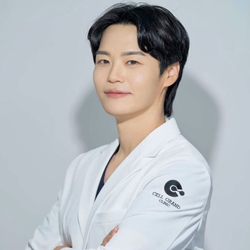
Yuichi Wakabayashi
Cell Grand Clinic – Japan’s Best Stem Cell Clinic
- Regenerative Medicine Specialist
Osaka, Japan
Unrivaled Regulatory Safety
Japan distinguishes itself with the "Act on the Safety of Regenerative Medicine." This law provides a legal, safe, and regulated pathway for patients to access advanced therapies that are still in early trial phases in the US or Europe.
This eliminates the "wild west" risks found in unregulated markets, giving patients peace of mind that their treatment meets stringent national standards.
Advanced Cell Processing
The efficacy of stem cell therapy depends on the quality of the cells. Japan’s clinics utilize high-tech Cell Processing Centers (CPCs) that maintain pharmaceutical-grade sterility and quality control.
This ensures high cell viability (the percentage of live, active cells), which is crucial for achieving potential therapeutic outcomes in neurodegenerative conditions.
Respectful Geriatric Care
As a "super-aged" society, Japan has built a healthcare culture deeply attuned to the needs of the elderly. Facilities are designed for accessibility, and staff are trained to interact with Alzheimer’s patients with extreme patience and dignity.
This supportive environment reduces stress for both the patient and the accompanying family members, making the medical journey as comfortable as possible.
Accessing advanced regenerative medicine in a foreign country requires trust and expert guidance. PlacidWay connects you with Japan’s licensed and vetted stem cell clinics, ensuring a safe, transparent, and supported medical journey for your loved one.
Verified License Checks
We confirm that every partner clinic holds a valid license from the Japanese Ministry of Health to perform regenerative therapies legally.
Direct Specialist Access
We facilitate preliminary remote consultations, allowing Japanese specialists to review medical records and confirm eligibility before you travel.
Transparent Pricing
Get detailed quotes that break down the costs of cell processing, administration, and hospital stays, avoiding hidden financial surprises.
Language Support
We connect you with clinics that provide professional medical interpretation, ensuring you fully understand every step of the treatment.
Personalized Coordination
Our team assists with the complex logistics of medical travel, from appointment scheduling to finding patient-friendly accommodation.
Ongoing Advocacy
We stand by your side throughout the process, advocating for your needs and ensuring your experience meets high standards of care.
Explore the potential of regenerative medicine with confidence. Contact PlacidWay today to receive a free consultation and personalized quote for Stem Cell Therapy in Japan.
Get Your Free Personalized Quote.png)




.png)





Share this listing