


Exploring Stem Cell Therapy in India: Availability and Applications Explained
Exploring stem cell therapy in India opens the door to cutting-edge regenerative medicine at a fraction of the cost found in Western healthcare systems. For decades, patients suffering from chronic degenerative conditions have relied on traditional therapies that merely manage symptoms rather than addressing the root cause. Today, the medical landscape has shifted dramatically. Advanced stem cell treatment protocols are offering unprecedented hope for tissue regeneration, immune modulation, and cellular healing.
India has rapidly emerged as a global epicenter for these breakthrough medical procedures. By combining world-class scientific research facilities, highly specialized medical professionals, and deeply compassionate care, the country is redefining the possibilities of modern medicine. This comprehensive guide details the availability of regenerative treatments, specific medical applications, and why international patients are choosing India as their primary destination for cellular therapy.
Video Chapters & Quick Navigation
The Rise of Regenerative Medicine in India
The global healthcare community has witnessed a paradigm shift toward regenerative medicine over the last two decades. As highlighted in the video at , stem cell therapy is no longer an experimental concept relegated to science fiction; it is a clinical reality. India has positioned itself at the forefront of this medical revolution by investing heavily in biotechnology and cellular research.
Unlike conventional pharmaceuticals that primarily mask pain or artificially alter bodily functions, regenerative treatments focus on organic healing. Stem cells possess the unique ability to differentiate into various specialized cell types, replacing damaged tissues and reducing systemic inflammation. Indian medical centers have harnessed this biological mechanism, providing innovative treatments for patients who have exhausted traditional medical avenues.
International patients are flocking to cities like Mumbai, New Delhi, Chennai, and Bangalore. These metropolitan hubs are equipped with internationally accredited hospitals that feature state-of-the-art Good Manufacturing Practice (GMP) certified laboratories. The availability of high-tier medical infrastructure ensures that patients receive uncontaminated, highly viable stem cell infusions that maximize therapeutic outcomes.
Understanding the Regulatory Landscape and ICMR Guidelines
A critical factor contributing to the success of affordable stem cell treatment in India is the structured regulatory environment. The Indian Council of Medical Research (ICMR) and the Central Drugs Standard Control Organization (CDSCO) have established stringent national guidelines for stem cell research and therapy. As discussed around , these regulations are designed to protect patient safety while fostering medical innovation.
Currently, hematopoietic stem cell transplantation (HSCT) for blood disorders like leukemia, lymphoma, and thalassemia is fully approved and considered standard of care in India. For other degenerative conditions, therapies are often conducted under rigorously monitored clinical trial settings or compassionate use protocols. This ensures that every procedure is ethically sound and medically justified.
Top stem cell hospitals in India adhere strictly to these ethical frameworks. Institutional Review Boards (IRB) and Institutional Committee for Stem Cell Research (IC-SCR) bodies meticulously review patient cases before approving customized treatment protocols. This level of regulatory oversight guarantees that international medical tourists receive treatments that are not only cutting-edge but also highly secure and scientifically validated.
Top Medical Applications: Orthopedic and Musculoskeletal Healing
One of the most profound applications of regenerative medicine lies in orthopedics. Millions of individuals suffer from debilitating joint pain, osteoarthritis, and severe sports injuries. Traditional approaches often culminate in highly invasive and expensive joint replacement surgeries. However, stem cell therapy for osteoarthritis in India is changing this narrative by offering a minimally invasive alternative.
Mesenchymal stem cells (MSCs) are directly injected into the affected joint space, such as the knee or hip. Once introduced, these powerful cells immediately begin to secrete growth factors that stimulate cartilage regeneration and modulate the local immune response to halt further tissue degradation. As referenced at , patients frequently report significant reductions in pain and improvements in joint mobility within weeks of the procedure.
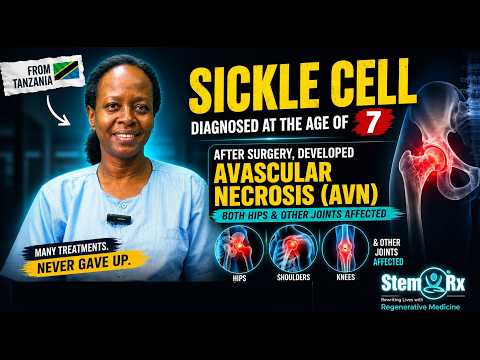
Beyond osteoarthritis, orthopedic stem cell therapy is highly effective for treating tendon tears, ligament damage, and avascular necrosis. Athletes and active individuals favor these biological therapies because they dramatically accelerate recovery times compared to surgical interventions. The ability to preserve the native joint architecture while naturally rebuilding damaged tissue is a hallmark of India's advanced regenerative capabilities.
Treating Complex Neurological Disorders
Neurological conditions present some of the most significant challenges in modern medicine due to the limited regenerative capacity of the central nervous system. However, exploring stem cell therapy in India reveals highly promising interventions for neurodegenerative diseases. Indian clinics are pioneering treatments for autism spectrum disorder, cerebral palsy, multiple sclerosis, and spinal cord injuries.
During these targeted neurological treatments, stem cells are often administered via intrathecal injection. This method allows the therapeutic cells to bypass the blood-brain barrier and directly access the cerebrospinal fluid. The stem cells then migrate to areas of neurological damage, promoting neurogenesis, angiogenesis (the formation of new blood vessels), and the repair of the myelin sheath that protects nerve fibers.
While stem cell therapy is not yet a definitive cure for all neurological ailments, the symptomatic improvements are deeply impactful. Families of children with autism or cerebral palsy frequently travel to India to access these treatments. Documented outcomes include enhanced cognitive function, improved motor skills, and better overall quality of life, proving that cellular therapy holds immense potential for neurological rehabilitation.
Addressing Autoimmune and Metabolic Conditions
Autoimmune diseases occur when the body's immune system mistakenly attacks its own healthy tissues. Conditions such as rheumatoid arthritis, lupus, and Type 1 diabetes are historically managed with lifelong immunosuppressive drugs, which carry severe side effects. Stem cell therapy offers a revolutionary approach by resetting the immune system rather than merely suppressing it.
Mesenchymal stem cells possess powerful immunomodulatory properties. When introduced into a patient suffering from an autoimmune disorder, MSCs help regulate T-cell and B-cell activity, effectively calming the hyperactive immune response. As highlighted at in the video, this cellular intervention aims to induce long-term disease remission.
Furthermore, regenerative therapy is showing promise in the management of metabolic disorders like diabetes. By promoting the regeneration of pancreatic beta cells or improving peripheral insulin sensitivity, stem cell treatments in India are helping patients achieve better glycemic control. This multifaceted healing approach underscores the versatility and power of cellular medicine.
Stem Cell Therapy Cost in India vs. Global Averages
One of the primary catalysts driving medical tourism for regenerative medicine is the massive cost disparity between Eastern and Western healthcare markets. Patients seeking affordable stem cell treatment in India are often astounded by the financial savings. Procedures that could easily bankrupt an uninsured family in the United States are accessible for a fraction of the price in India, without any compromise on medical quality.
The lower stem cell procedure cost in India is not a reflection of inferior care. Rather, it is the result of lower localized administrative costs, favorable currency exchange rates, and the high volume of procedures performed, which creates economies of scale. Additionally, Indian clinics often provide all-inclusive packages that cover the medical procedure, pre-treatment diagnostics, hospital stays, and even local transportation.
| Medical Condition / Treatment | Estimated Cost in USA/UK | Estimated Cost in India | Average Savings |
|---|---|---|---|
| Orthopedic (e.g., Knee Osteoarthritis) | $8,000 - $15,000 | $3,500 - $6,000 | Up to 65% |
| Neurological (e.g., Autism, MS) | $20,000 - $35,000 | $6,000 - $12,000 | Up to 70% |
| Autoimmune Diseases | $15,000 - $30,000 | $5,000 - $10,000 | Up to 75% |
| Hematopoietic Transplant (HSCT) | $150,000 - $300,000 | $25,000 - $45,000 | Up to 80% |
As noted at , this transparent pricing structure empowers patients to make informed healthcare decisions. Without the burden of inflated medical bills, patients can focus entirely on their recovery and therapeutic protocols, ensuring a stress-free medical journey.
Types of Stem Cells Utilized in Indian Medical Facilities
The efficacy of regenerative medicine heavily depends on the source and quality of the cellular material used. The best stem cell hospitals in India utilize a variety of cell types, customizing the biological approach to the patient's specific medical condition. A thorough understanding of these cellular sources is crucial for prospective patients.
Indian specialists primarily work with adult stem cells, thereby avoiding the ethical controversies associated with embryonic stem cells. The treatments are generally categorized into Autologous (derived from the patient's own body) and Allogeneic (derived from a healthy, screened donor). Here are the primary types utilized:
- Bone Marrow-Derived Stem Cells: Extracted from the patient's hip bone, these are rich in both hematopoietic and mesenchymal stem cells. They are considered the gold standard for treating orthopedic injuries and severe blood disorders.
- Adipose-Derived Stem Cells (ADSCs): Harvested from the patient's fat tissue via a mini-liposuction procedure. Fat tissue yields an incredibly high concentration of MSCs, making it highly effective for autoimmune therapies and systemic inflammation reduction.
- Umbilical Cord Wharton’s Jelly: These are allogeneic cells sourced from ethically donated umbilical cords following healthy, full-term births. They are extremely young, robust, and highly proliferative, making them ideal for neurological applications and patients whose own stem cells may be compromised by age or chronic illness.
Leading Indian laboratories employ advanced culturing techniques to expand these cell populations safely. By adhering to rigorous safety protocols, they ensure that the final biological product administered to the patient is highly viable, sterile, and primed for maximum therapeutic impact.
Selecting the Best Hospitals for Regenerative Medicine in India
When traveling abroad for advanced medical care, selecting the right medical facility is paramount. Exploring stem cell therapy in India requires careful vetting of clinics to ensure they meet international healthcare standards. The premier regenerative medicine centers in the country hold prestigious accreditations that guarantee excellence in patient care and clinical outcomes.
Patients should look for hospitals accredited by the Joint Commission International (JCI) or the National Accreditation Board for Hospitals & Healthcare Providers (NABH). These certifications indicate that the facility adheres to strict protocols regarding infection control, patient safety, and medical ethics. Furthermore, the highest-rated clinics boast specialized ISO-certified clean rooms for cell processing, which eliminates the risk of contamination during cell expansion.
Equally important is the expertise of the medical team. The most successful regenerative treatments are administered by multidisciplinary teams comprising hematologists, neurologists, orthopedic surgeons, and dedicated stem cell biologists. This collaborative approach ensures that the treatment protocol is comprehensively designed to address the specific nuances of the patient's condition.
The Comprehensive Patient Journey: What to Expect
The prospect of traveling to a foreign country for advanced medical treatment can feel daunting, but top Indian healthcare providers have streamlined the patient journey to be entirely hassle-free. From the moment you inquire about a procedure, dedicated patient coordinators assist you every step of the way, as mentioned at in the video guide.
The journey begins with an exhaustive online consultation. Patients submit their medical records, MRI scans, and blood reports to the Indian medical team via secure portals. The specialists review these documents to determine cellular eligibility and design a customized, scientifically backed treatment protocol. Once approved, medical tourism facilitators assist with medical visa procurement, flight arrangements, and comfortable hotel accommodations near the treatment center.
Upon arrival in India, the patient undergoes comprehensive physical evaluations and diagnostic testing to establish a baseline. The extraction phase (if using autologous cells) is performed under local anesthesia to ensure comfort. After the laboratory precisely isolates and potentially expands the stem cells, the administration phase takes place. Post-procedure, patients are closely monitored and provided with extensive physical therapy and rehabilitation guidelines to maximize the integration and efficacy of the newly introduced cells.
Long-Term Outlook and Success Rates
While stem cell therapy is highly personalized and outcomes can vary based on the severity of the condition, the overall clinical data emerging from Indian medical centers is overwhelmingly positive. Patients engaging in regenerative medicine applications frequently experience sustained relief from chronic pain, improved motor functions, and an enhanced quality of everyday life.
The biological nature of cellular healing means that results are not always instantaneous. Stem cells continue to work within the body for weeks and months after the initial administration, progressively repairing tissues and modulating immune responses. Indian clinics maintain rigorous follow-up schedules, conducting virtual check-ins at regular intervals to track long-term progress and provide ongoing medical guidance.
By offering scientifically validated therapies, transparent pricing, and unparalleled medical expertise, India has solidified its reputation as a sanctuary for healing. Exploring stem cell therapy in India is no longer just a medical alternative; for many global patients suffering from degenerative diseases, it represents the primary path to reclaiming their health, mobility, and vitality.
Ready to Explore Stem Cell Therapy Options?
Discover how advanced regenerative medicine in India can help you overcome chronic conditions. PlacidWay connects you with top-tier, accredited stem cell clinics and world-renowned specialists for a safe, seamless, and affordable medical journey.
REQUEST YOUR FREE QUOTE







.png)
.png)






.png)








Share this listing