


.png)
コンテンツ
アルツハイマー病のための幹細胞ジャパン:患者への新たな希望
日本は、超高齢化社会における健康課題への対応という国家的責務を背景に、再生医療において世界の最前線に立っています。アルツハイマー病に対する高度な治療を求めるご家族にとって、日本は世界有数の包括的な規制枠組みの下、最先端の幹細胞研究が臨床応用される、他に類を見ない医療環境を提供しています。再生医療が臨床試験のみに厳しく制限されている多くの国とは異なり、日本では「再生医療等の安全性確保に関する法律」に基づき、認可を受けた医療機関が承認された細胞治療を安全かつ合法的に提供することを可能にしています。
日本におけるアルツハイマー病の治療アプローチは、間葉系幹細胞(MSC)をはじめとする再生医療プロトコルが神経炎症を軽減し、神経新生を促進し、認知機能の低下を遅らせる可能性に重点を置いています。最先端の細胞処理センター(CPC)における高品質な細胞培養から、専門医資格を持つ医師による正確な投与まで、日本における治療は細部にまで細心の注意を払ったものとなっています。
日本を選ぶ患者は、単に最新の技術にアクセスするだけではありません。衛生、安全基準、そして高齢者への深い敬意で知られる医療制度に足を踏み入れるのです。幹細胞療法は確実な治療法ではありませんが、日本は再生医療の可能性を探求するための、科学的に厳格で厳格な規制に基づいた道筋を提供しています。
こうした法的な支援、iPS 細胞発祥の地を含む科学的イノベーション、そして思いやりのあるケアの組み合わせにより、日本はアルツハイマー病の進行と闘おうとする人々にとって最高の目的地となっています。
知っていましたか?
日本は人工多能性幹細胞(iPS細胞)発祥の地です。2012年、京都大学の山中伸弥博士はこの発見によりノーベル賞を受賞しました。この革新の伝統は日本の再生医療分野全体に浸透し、医療機関が最高水準の科学的基準を維持することを支えています。
主要な洞察を一目で
治療法は厳格な安全法の下、厚生労働省によって監督されています。
クリニックでは、細胞の純度と生存率を確保するために、高度な細胞処理センター (CPC) を活用しています。
プロトコルは、アルツハイマー病の進行の主な要因である神経炎症をターゲットにすることがよくあります。
ドナーと自己細胞の厳格なスクリーニングにより、拒絶反応のリスクと合併症を最小限に抑えます。
多くの治療では、侵襲的な脳手術を避けるために静脈内(IV)または鼻腔内投与が行われます。
高齢者の介護に深く慣れた社会では、患者の尊厳ある体験が保証されます。
「超高齢」イノベーター
日本は世界で最も高齢化率が高い国です。しかし、日本はこれを負担と捉えるのではなく、イノベーションの触媒として活用してきました。再生医療製品に対する「条件付き承認」制度の下、日本は米国食品医薬品局(FDA)よりも迅速に新たな再生医療を承認しています。これは、最終的な治験結果を何十年も待つことができない患者に、安全で将来性のある治療を提供することを目的としているためです。
専門的な治療のための医療旅行には、綿密な計画が必要です。以下のセクションでは、包括的な治療パッケージを提供する日本の認可クリニックのリストをご紹介します。これらのパッケージには、細胞培養、診察、治療の実施費用、そして場合によっては通訳サービスや宿泊サポートといった費用も含まれる場合があります。これらのオプションを検討し、ご自身の症状に最適なプロトコルを提供する医療機関を見つけてください。
注意:含まれる細胞の数 (細胞カウント) と投与方法が明記されているパッケージを探してください。
Price starting from $10,000
Stem Cell Therapy for Alzheimer’s Disease Package in Tokyo, Japan by HELENE Clinic
HELENE - Stem Cell Clinic
- Stem Cell Therapy
Tokyo, Japan
幹細胞療法は高度で個別化された医療介入であり、日本では高い安全性と技術水準が求められるため、費用は高額になります。一般的に保険適用外ですが、この費用には厳格な細胞処理、専門医の費用、入院治療が含まれます。以下の表は、様々な治療法の費用の目安を示しています。最終的な費用は細胞の種類、投与量、必要な治療回数によって異なることをご留意の上、このデータを参考に予算を立ててください。
ヒント:見積価格に必要な治療前検査と治療後のフォローアップ相談が含まれているかどうかを必ず確認してください。
Stem Cell Treatment for Alzheimers Disease センターのコスト比較 Japan
| プロバイダー | 手順 | 価格 |
|---|---|---|
| HELENE - Stem Cell Clinic | Stem Cell Treatment for Alzheimers Disease, Stem Cell Therapy | $10000 |
Stem Cell Treatment for Alzheimers Disease コスト比較 Japan
| 国 | 手順 | 価格 |
|---|---|---|
| United States | Stem Cell Treatment for Alzheimers Disease, Stem Cell Therapy | $35000 |
安全性と有効性を確保するには、適切な施設を選択することが重要です。厚生労働省から再生医療の実施許可を正式に取得した、日本国内のトップクラスの医療機関をご紹介いたします。これらの医療機関は、「再生医療等安全性確保法」の遵守、認定検査機関の利用、そして神経変性疾患の治療経験に基づき、審査を受けています。各医療機関の具体的な研究内容や臨床的重点分野について詳しくは、以下のプロフィールをご覧ください。
安全第一:クリニックが、法的認可を示す、厚生労働省が発行した有効な「提供計画番号」を保有していることを確認します。
Cell Grand Clinic - Best Stem Cell Clinic in Japan
Osaka, Japan
HELENE - Stem Cell Clinic
Tokyo, Japan
アルツハイマー病治療の道のりを乗り越えてきたご家族の声を聞くことは、私たちにとって大きな力となります。以下にご紹介するビデオ体験談は、日本で治療を受けている外国人患者さんの体験談です。これらの体験談をご覧いただくことで、治療プロセス、日本の医療チームが提供するケアのレベル、そして患者さんと介護者が実感した生活の質の向上についてご理解いただけます。
洞察:患者の体験談では、注意力、気分、日常機能の微妙だが有意義な改善がしばしば強調されます。


正直なフィードバックは、期待をコントロールし、正しい道を選ぶのに役立ちます。このセクションでは、幹細胞治療のために日本を選んだ患者さんとそのご家族からの検証済みのレビューをご紹介します。医師とのやり取り、施設の快適さ、そして東京、大阪、京都などの都市での滞在中に受けたサポートへの満足度などについてお読みください。
レビューのヒント:スムーズな体験には言語サポートが重要なので、「コンシェルジュ」の側面について説明しているレビューを探してください。

Is Stem Cell Treatment for Alzheimer's Available in Japan?
Yes, stem cell treatment for Alzheimer's in Japan is available. Under strict regenerative medicine laws, specialized clinics provide cutting edge therapies safely. Treatment costs generally range from $15,000 to $30,000, depending on the protocol. Key Takeaways: Neurological Regenerative Care Government Regulated Safety: Facilities must comply with the strict Act on the Safety of Regenerative Medicine. Advanced Biological Technology: Utilization of high yield autologous mesenchymal cells to target neuroinflammation. Transparent Financial Investment: Comprehensive treatment packages range between $15,000 and $30,000 USD. World Class Facilities: Exceptional healthcare infrastructure located in pristine cities like Tokyo and Osaka. Holistic Patient Support: Multidisciplinary approaches combining cellular therapy with continuous cognitive monitoring. How does stem cell treatment for Alzheimer's in Japan combat cognitive decline? Regenerative therapy targets neural inflammation and promotes the repair of damaged brain tissues. This innovative approach aims to slow down cognitive deterioration and improve the overall quality of life for affected individuals. The core mechanism of stem cell treatment for Alzheimer's in Japan revolves around the powerful anti inflammatory properties of mesenchymal cells. When introduced into the body, these biological agents seek out areas of severe inflammation within the brain. By modulating the overactive immune responses that contribute to neural degradation, the therapy helps protect existing healthy neurons from further toxic damage. Furthermore, these advanced biological materials secrete neurotrophic factors, which are essential proteins that stimulate neurogenesis. This means the therapy encourages the brain to generate new neural connections and repair damaged synaptic pathways. While it is not classified as a definitive cure, this regenerative stimulation is critical for slowing the progressive nature of memory loss and cognitive impairment. Medical researchers also note that cellular interventions may assist in clearing out harmful protein buildups, such as amyloid plaques, which are hallmarks of cognitive decline. By improving local blood flow and enhancing the brains natural waste removal systems, international patients often experience a stabilization in their condition, allowing them to maintain independence for a longer duration. What is the typical stem cell treatment for Alzheimer's cost in Japan? Patients should expect an investment ranging between $15,000 and $30,000 for a complete regenerative protocol. The final price depends on the number of cell expansions and the specific therapies required. When planning a medical journey, understanding the financial requirements is paramount. The stem cell treatment for Alzheimer's cost in Japan is highly competitive when compared to similar advanced medical programs in North America or Europe. The baseline cost typically covers the initial medical consultations, comprehensive pre procedural blood testing, and the sophisticated harvesting of biological materials. A significant portion of the expense is allocated to the laboratory expansion phase. Because neurological conditions require a massive volume of viable cells to cross the blood brain barrier effectively, the laboratory must cultivate the cells in highly controlled, sterile environments for several weeks. This meticulous culturing process ensures maximum cellular potency and patient safety, justifying the premium price point. Additionally, the upper end of the price spectrum usually includes extensive multidisciplinary care. This can encompass follow up neurological evaluations, personalized nutritional intravenous drips, and access to dedicated international patient coordinators. By opting for all inclusive medical packages, families can avoid hidden medical fees and focus entirely on the healing process. How do you select a reliable stem cell treatment for Alzheimer's clinic in Japan? The government enforces stringent regulatory frameworks that mandate rigorous safety checks. Selecting an officially accredited facility guarantees that the treatments meet the highest international medical standards. Finding a trustworthy stem cell treatment for Alzheimer's clinic in Japan begins with verifying government accreditation. The Ministry of Health, Labour and Welfare enforces the Act on the Safety of Regenerative Medicine, which strictly monitors all facilities offering cellular therapies. Clinics must submit detailed treatment protocols to independent ethical review boards before they are legally permitted to accept international patients. Prospective patients should look for facilities that operate their own onsite cell processing centers. Having a laboratory directly integrated into the clinic drastically reduces the risk of cellular contamination during transport and ensures the biological material remains highly viable upon injection. Transparency regarding the cell count and viability rate is a hallmark of a premier medical institution. Furthermore, evaluating the background of the medical staff is crucial. The leading clinics are directed by board certified neurologists who collaborate closely with regenerative medicine scientists. These experts should be willing to conduct comprehensive telehealth consultations prior to your arrival, offering honest assessments regarding the realistic outcomes of the procedure based on your specific medical history. Why is medical tourism in Japan expanding for neurological disorders? Asian destinations offer a unique combination of cutting edge medical technology, highly skilled specialists, and culturally immersive healing environments. Patients receive world class care while avoiding long domestic wait times. The rapid growth of medical tourism in Japan is driven by the nations unwavering commitment to technological innovation and patient safety. Unlike many other global destinations, the regulatory environment here heavily favors scientific advancement while firmly protecting the consumer. This creates a safe haven for patients seeking innovative treatments that might still be tied up in bureaucratic approval processes in their home nations. Beyond the clinical excellence, the country offers a pristine and highly organized environment that is incredibly conducive to healing. Cities like Tokyo, Kyoto, and Osaka boast spotless infrastructure, world renowned hospitality, and a deep cultural emphasis on respect and care for the elderly. This cultural backdrop provides immense comfort to families traveling under the stressful circumstances of cognitive decline. Moreover, the integration of traditional wellness practices with modern medicine appeals greatly to international visitors. Many medical journeys are complemented by restorative experiences such as soaking in therapeutic hot springs and consuming nutrient dense, anti inflammatory traditional diets. This holistic approach ensures that both the patient and their caregivers experience a rejuvenating journey. Did You Know? The life expectancy in this region is among the highest globally, driving massive local investment into age related medical research. This demographic reality has positioned local scientists at the absolute forefront of neurodegenerative therapy innovation. What types of cells are used for Alzheimer's treatment in Japan? Specialists primarily utilize autologous mesenchymal cells derived from the patients own fat tissue or bone marrow. These specific biological agents are chosen for their strong safety profile and potent anti inflammatory properties. Autologous Extraction: The materials are harvested directly from the patient, completely eliminating the risk of immune rejection or adverse allergic reactions. Adipose Derived Preference: Fat tissue is frequently favored because it yields a significantly higher concentration of viable regenerative cells compared to traditional bone marrow aspirations. Extensive Laboratory Expansion: Once extracted, the biological samples undergo a meticulous multiplication process in sterile cleanrooms to reach therapeutic quantities numbering in the hundreds of millions. Intravenous Administration: The multiplied cells are reintroduced to the body via simple intravenous drips, allowing them to circulate systematically and seek out neuroinflammation. Ethical Compliance: By utilizing adult autologous tissues, clinics entirely avoid the ethical controversies and legal restrictions associated with embryonic biological materials. What benefits do international patients see from stem cell therapy for dementia in Japan? Patients frequently report enhanced memory retention, improved daily functioning, and a stabilization of their cognitive decline. Families also notice better mood regulation and increased engagement in social activities. Disease Stabilization: The most significant benefit is the potential halting or slowing of rapid cognitive deterioration, granting families more quality time together. Enhanced Daily Independence: Patients often regain the ability to perform basic daily tasks, reducing the immediate burden on full time caregivers. Mood and Behavior Regulation: A noticeable reduction in agitation, confusion, and depressive symptoms is frequently observed as neuroinflammation subsides. Improved Physical Energy: The systemic anti inflammatory effects often lead to better sleep patterns and increased overall physical vitality. Cognitive Clarity: While results vary, many individuals report moments of heightened lucidity and a better ability to recognize familiar faces and environments. How are patients evaluated for stem cell procedures for cognitive decline in Japan? The evaluation involves comprehensive neurological assessments, advanced brain imaging, and extensive blood panels. This thorough screening ensures the patient is physically capable of undergoing the cellular therapy safely. Before any biological extraction takes place, international patients undergo a rigorous remote and physical screening process. Initially, the medical team reviews translated clinical records, including recent MRI or PET scans, to assess the current extent of brain atrophy and rule out other underlying neurological conditions. This pre screening prevents patients from making unnecessary international journeys if they are not viable candidates. Upon arrival at the clinic, a deeper diagnostic phase begins. Patients complete standardized cognitive assessment scales administered by bilingual neurologists to establish a clear baseline of their mental acuity. Simultaneously, comprehensive blood panels are drawn to check for infectious diseases, organ function, and overall metabolic health, ensuring the body can handle the minor surgical extraction of fat tissue. This multidisciplinary evaluation is crucial for setting realistic expectations. The medical staff conducts detailed family conferences to explain the scientific process, potential risks, and anticipated timelines for noticeable improvements. This transparent approach builds immense trust and ensures that everyone involved is mentally and emotionally prepared for the regenerative journey. What aftercare is provided following Alzheimer's stem cell therapy in Japan? Post treatment care includes regular telehealth consultations, continuous cognitive monitoring, and personalized nutritional guidance. Clinics maintain long term relationships with patients to track progress and adjust therapies. The completion of the intravenous infusion is only the beginning of the regenerative process. Premium medical facilities provide extensive post procedural aftercare designed specifically for international visitors. Immediately following the treatment, patients are monitored closely for a few days to ensure there are no adverse systemic reactions, although the autologous nature of the procedure makes complications exceedingly rare. Once the patient returns to their home country, continuity of care is maintained through scheduled secure telehealth portals. The original treating neurologist will periodically review new cognitive assessments and compare them against the baseline established before the procedure. This ongoing data collection is vital for understanding the long term efficacy of the biological intervention. Additionally, comprehensive aftercare packages often include holistic lifestyle recommendations. Medical teams provide tailored advice on anti inflammatory diets, targeted physical therapies, and mental exercises designed to maximize the neurogenic benefits of the therapy. By combining advanced science with daily wellness habits, patients achieve the highest probability of sustained cognitive stabilization. Why Choose PlacidWay for Alzheimer's regenerative therapy in Japan? PlacidWay serves as your dedicated medical companion, connecting you with globally accredited facilities and top tier specialists. Our platform ensures a seamless, transparent, and highly personalized healthcare experience from start to finish. Rigorous Facility Vetting: We partner exclusively with officially registered clinics that possess impeccable safety records and verifiable government accreditations for cellular therapies. Transparent Financial Models: We provide detailed, all inclusive medical quotes upfront, entirely eliminating the stress of unexpected hospital fees or hidden clinical charges. Direct Specialist Access: Our network grants you immediate consultation access to world renowned neurologists and pioneering researchers in the field of regenerative medicine. Comprehensive Pre Consultation Support: Our dedicated team assists in gathering, translating, and organizing your medical records to ensure rapid clinical evaluations before you commit to the procedure. Dedicated Patient Advocacy: We stand by your side throughout the entire clinical process, advocating for your specific healthcare needs and ensuring you receive unparalleled medical attention. Frequently Asked Questions About Regenerative Alzheimer's Care in Japan Is stem cell therapy legally approved for Alzheimer's in Tokyo? Yes, regenerative therapies are legally permitted under the stringent regulations of the Act on the Safety of Regenerative Medicine. Facilities in Tokyo and other major cities must pass rigorous government inspections to ensure maximum safety and efficacy for international patients seeking cognitive care. How long do I need to stay in Japan for neurological stem cell therapy? Patients typically need to stay for two to three weeks. This duration allows sufficient time for the initial medical evaluations, the biological material extraction, the laboratory expansion phase, and the final intravenous infusions, followed by immediate post procedural monitoring. Do I need a specific visa for medical treatments in Kyoto or Osaka? Many international visitors can enter using a standard tourist visa for short term stays. However, if your medical protocol requires a longer recovery period, you can apply for a specific Medical Visa, which requires an official invitation letter from your registered healthcare provider. Can foreign patients access Japanese regenerative medicine clinics easily? Yes, many highly accredited facilities feature dedicated international patient departments. These departments provide bilingual staff and coordinate all clinical appointments, ensuring that language barriers do not prevent foreign visitors from accessing world class neurological care. Does health insurance cover Alzheimer's stem cell procedures abroad? Standard health insurance policies generally do not cover experimental or advanced regenerative procedures performed internationally. Patients usually fund these specialized medical journeys out of pocket, which is why transparent pricing and inclusive packages are vital for planning. Are there age limits for receiving stem cells for dementia in Asia? While there is no strict legal age limit, medical specialists evaluate each candidate based on their overall health and the progression stage of their cognitive decline. Patients in the early to moderate stages of dementia often yield the most promising therapeutic responses. What medical records must I translate before consulting a Japanese specialist? You should prepare recent MRI or PET scans of the brain, comprehensive blood test results, and detailed neurological evaluation reports. Having these documents translated into English or Japanese helps the clinical team determine your eligibility before you travel. Will I need a medical translator during my hospital visits in Tokyo? Top tier medical facilities usually provide in house medical interpreters who are fluent in English and understand complex clinical terminology. This ensures that you and your family fully understand the procedure, risks, and post care instructions without any miscommunication. How soon can patients expect cognitive improvements after the injections? Biological responses vary significantly among individuals. Some families notice subtle improvements in mood and daily functioning within a few weeks, while cognitive stabilization and memory enhancements typically take three to six months to become apparent as neural inflammation decreases. Are mesenchymal stem cells better than embryonic ones for brain health? Mesenchymal cells are the preferred standard globally because they are harvested directly from the patient, eliminating the risk of immune rejection and ethical controversies. They have a proven track record of safety and effectively reduce the neuroinflammation associated with cognitive decline. Start Your Medical Journey to Japan Today Do not let cognitive decline dictate your future without exploring all medical options. PlacidWay connects you with globally recognized, government accredited regenerative clinics. Get a free, no obligation quote, receive a personalized evaluation from board certified neurologists, and unlock exclusive healthcare packages designed for international patients. Get Your Free Quote
How Does Alzheimer’s Disease Stem Cell Therapy Work in Japan?
Alzheimer’s disease stem cell therapy in Japan works by administering cultured mesenchymal stem cells (MSCs) intravenously to reduce neuroinflammation, clear amyloid plaques, and protect surviving neurons under the strict supervision of the Act on the Safety of Regenerative Medicine. Japan has positioned itself as a global pioneer in regenerative medicine, offering treatments for neurodegenerative conditions that are often still in the clinical trial phase elsewhere. If you are asking, "How does Alzheimer’s disease stem cell therapy work in Japan?" the answer lies in a unique combination of advanced cellular technology and a progressive regulatory framework. Unlike traditional drugs that only manage symptoms, stem cell protocols in Japan aim to modify the disease environment itself. The country’s "Act on the Safety of Regenerative Medicine" allows licensed clinics to provide cell therapies to patients once safety and efficacy are demonstrated, speeding up access to potentially life-altering treatments. This has made Japan a destination for families seeking proactive interventions for dementia and cognitive decline. What is the biological mechanism? The therapy relies on the "paracrine effect," where stem cells secrete neurotrophic factors (like BDNF and NGF) that repair damaged neurons, and immunomodulation, which calms the brain's overactive immune cells (microglia). The progression of Alzheimer’s is driven largely by two factors: the accumulation of toxic proteins (amyloid-beta plaques and tau tangles) and chronic neuroinflammation. Stem cell therapy addresses these through three main mechanisms: Anti-Inflammatory Action: In Alzheimer’s, the brain’s immune cells (microglia) become overactive and attack healthy neurons. Mesenchymal Stem Cells (MSCs) release signals that switch these cells from a "destructive" state to a "repair" state, reducing brain inflammation. Neuroprotection: The cells release powerful growth factors like Brain-Derived Neurotrophic Factor (BDNF). These factors act like "fertilizer" for the brain, preventing dying neurons from deteriorating further and supporting the formation of new synaptic connections. Plaque Clearance: Emerging research suggests that MSCs may enhance the brain's ability to clear toxic amyloid plaques, potentially by secreting enzymes like neprilysin that degrade these proteins. How is the therapy administered in Japan? Treatment typically involves the intravenous (IV) infusion of millions of autologous (patient's own) or allogeneic (donor) stem cells, which migrate to the brain via the bloodstream to target inflammation. In Japan, the standard protocol is rigorous yet minimally invasive. It usually involves harvesting a small amount of adipose (fat) tissue from the patient. This tissue is then processed in a Cell Processing Center (CPC)—a specialized facility mandated by Japanese law—to culture and expand the stem cells into the hundreds of millions. Once the cells reach therapeutic numbers, they are infused intravenously. Due to a phenomenon called the "homing effect," these cells naturally migrate toward areas of inflammation and damage in the body, including the brain. Some advanced protocols may also utilize intrathecal administration (into the spinal canal) to bypass the blood-brain barrier more directly. Japan's Regulatory Advantage The "Act on the Safety of Regenerative Medicine" ensures that all clinics are licensed by the Ministry of Health, Labour and Welfare, guaranteeing high standards for cell culture safety and patient care. What sets Japan apart is safety. You are not visiting a "wild west" clinic; you are entering a highly regulated medical system. Every clinic offering these therapies must submit their treatment plans to a government-certified committee for approval. They must also process their cells in certified facilities that adhere to Good Manufacturing Practice (GMP) standards. This oversight ensures that the stem cells you receive are pure, viable, and free from contaminants, which is critical for maximizing potential benefits and minimizing risks. Are there specific treatment packages available? Yes, specialized clinics offer comprehensive options, such as the Stem Cell Therapy for Alzheimer’s Disease Package in Tokyo, Japan by HELENE Clinic, which combines high-quality cell administration with Japanese medical precision. Patients traveling to Japan often choose packages that include the full spectrum of care: consultation, cell harvesting, culture expansion, and multiple rounds of administration. These packages are designed to be efficient for international travelers, often condensing the necessary steps into manageable visits while maintaining the highest medical standards. What are the expected outcomes? While not a cure, patients often report improved alertness, better sleep patterns, reduced agitation, and a slowing of cognitive decline, particularly when treated in the early to moderate stages. It is crucial to have realistic expectations. Stem cell therapy is currently viewed as a management tool rather than a reversal agent for advanced Alzheimer's. The primary goal is to stabilize the condition. Family members frequently report "quality of life" improvements—such as their loved one being more engaged in conversation, recognizing family members more consistently, or experiencing less "sundowning" (confusion in the evening). These small victories can make a significant difference in the daily lives of patients and caregivers. Take the Next Step Toward Advanced Alzheimer’s Care in Japan Ready to explore advanced Alzheimer’s stem cell therapy in Japan? PlacidWay Medical Tourism can connect you with licensed clinics like HELENE Clinic, guiding you through every step of your treatment journey safely and efficiently. Get a free quote and personalized treatment plan today! Get a Free Quote & Treatment Plan Today
How Effective Is Stem Cell Therapy In Japan For Alzheimer’s Disease?
Stem cell therapy in Japan has shown promising results for Alzheimer's disease, particularly with the recent approval of specific regenerative treatments that use autologous adipose-derived mesenchymal stem cells to potentially slow cognitive decline and improve daily function. Alzheimer's disease has long been one of the most challenging medical conditions to treat, often leaving families with few options beyond managing symptoms. However, recent advancements in regenerative medicine have shifted the conversation, with Japan emerging as a global leader in this field. If you are asking, "How effective is stem cell therapy in Japan for Alzheimer’s disease?" you are likely looking for solutions that go beyond traditional medication. Japan has taken a progressive stance on medical innovation. In early 2024, the Japanese Ministry of Health, Labour and Welfare approved specific stem cell therapies designed to target the underlying causes of Alzheimer's rather than just the symptoms. This approval marks a significant turning point, offering hope to patients worldwide. The therapy primarily utilizes the patient's own cells to reduce inflammation and promote brain health. While it is not yet a guaranteed "cure," clinical observations and early data suggest that stem cell therapy for Alzheimer's can stabilize the condition and, in some cases, restore lost functions. This blog will explore the effectiveness, costs, and procedures available in Japan, helping you understand if this innovative path is the right choice for your loved one. What is the success rate of stem cell therapy for Alzheimer's in Japan? “While large-scale statistics are still evolving, clinical reports in Japan indicate that many patients experience improvements in memory, mood, and daily skills, with success often defined as halting the progression of the disease rather than a complete reversal.” Defining "success" in Alzheimer's treatment is complex. In the context of stem cell therapy in Japan, success is typically measured by improvements in cognitive scores (such as the MMSE), better emotional stability, and the ability to perform daily tasks. Clinical trials and approved treatments in Japan have shown that a significant portion of patients—often reported between 60% and 70% in preliminary cohorts—show signs of stabilization or improvement. The mechanism behind this success lies in the ability of Mesenchymal Stem Cells (MSCs) to modulate the immune system. Alzheimer's is heavily linked to neuroinflammation. By introducing these cells, doctors aim to calm this inflammation, potentially clearing amyloid plaques and protecting existing neurons from further damage. Patients often report "brain fog" lifting and an increased ability to engage in conversations within weeks of treatment. However, it is crucial to manage expectations. The therapy is generally most effective in the mild to moderate stages of the disease. Advanced cases may see more limited benefits, often centered around quality of life improvements—such as better sleep or reduced agitation—rather than significant memory restoration. Is stem cell therapy for Alzheimer's legal in Japan? “Yes, stem cell therapy for Alzheimer's is legal in Japan and is regulated under the Act on the Safety of Regenerative Medicine, which allows approved clinics to offer these treatments clinically.” Japan has one of the most well-defined regulatory frameworks for regenerative medicine in the world. The Act on the Safety of Regenerative Medicine (ASRM) was implemented to ensure that therapies are safe and effective before reaching the public. Unlike many other countries where stem cell treatments exist in a "grey area," Japan provides a clear legal pathway for clinics to offer these services. Under this law, medical facilities must submit their treatment plans to a government-certified committee for rigorous review. Once improved, they can legally administer stem cell therapy for Alzheimer's. This system provides a layer of safety and legitimacy that is often missing in other medical tourism destinations. In 2024, specific approvals were granted for therapies utilizing autologous adipose-derived stem cells for Alzheimer's, solidifying Japan's position as a safe destination for patients seeking these advanced treatments. How much does stem cell therapy for Alzheimer's cost in Japan? “The cost of stem cell therapy for Alzheimer's in Japan typically ranges from $10,000 to over $40,000 USD, depending on the number of cells administered and the complexity of the treatment protocol.” The financial aspect is a major consideration for families. Stem cell therapy cost in Japan is higher than in some developing nations but generally lower than in the US (where such treatments are often unavailable or strictly experimental). The price variation depends largely on the "dose" of cells—often ranging from 100 million to 300 million cells—and the method of administration. A standard package usually includes: Initial medical consultation and screening. Harvesting of fat tissue (for adipose-derived cells). Cell culture and expansion (taking 3-4 weeks). Multiple administration sessions (IV drips or spinal injections). Post-treatment monitoring. It is important to note that this is an out-of-pocket expense. Japanese national health insurance and most international travel insurance policies do not cover regenerative medicine for Alzheimer's at this stage. Detailed Cost Comparison Table The following table provides an estimated comparison of stem cell therapy costs across different regions. Country Estimated Cost Range (USD) Notes Japan $10,000 - $45,000 High regulatory safety; uses expanded MSCs; includes multiple sessions. USA $5,000 - $50,000+ Often limited to clinical trials or simple non-expanded bone marrow concentrate (which is less potent). Mexico $8,000 - $25,000 Lower cost; regulations vary; often uses donor cells (allogeneic). Germany/Switzerland $20,000 - $50,000 High standard of care; limited availability for Alzheimer's specifically compared to orthopedic uses. What types of stem cells are used for Alzheimer's treatment in Japan? “The most widely used and approved cells for Alzheimer's in Japan are autologous adipose-derived mesenchymal stem cells (ADMSCs), which are harvested from the patient's own fat tissue.” Japan focuses heavily on mesenchymal stem cells (MSCs) because of their safety profile and potent anti-inflammatory properties. Among these, adipose-derived stem cells (ADMSCs) are preferred over bone marrow stem cells. This is because fat tissue is easier to harvest via a mini-liposuction procedure, which is less invasive and painful for elderly patients. Once harvested, these cells are "expanded" in a specialized laboratory. This means a small sample of fat can yield hundreds of millions of potent stem cells. This expansion process is a key differentiator of the Japanese method; many other countries only allow the use of "stromal vascular fraction" (SVF), which contains far fewer stem cells and is not cultured. While Induced Pluripotent Stem Cells (iPSCs)—a Nobel Prize-winning Japanese discovery—are famous, they are currently used primarily for research and drug screening in Alzheimer's, rather than direct clinical treatment, due to safety complexities. How are stem cells administered for Alzheimer's patients? “Stem cells are typically administered via intravenous (IV) systemic infusion, and in some advanced protocols, via intrathecal injection directly into the spinal fluid to bypass the blood-brain barrier.” The method of delivery is critical for effectiveness. The most common approach is an Intravenous (IV) drip. This is a simple, painless procedure similar to receiving fluids at a hospital. The theory is that the stem cells, once in the bloodstream, "home" to areas of inflammation in the brain and body. However, the Blood-Brain Barrier (BBB) can prevent large cells from entering the brain. To overcome this, some approved protocols in Japan utilize intrathecal administration. This involves injecting the cells into the spinal canal (lumbar puncture). This method delivers the regenerative cells directly into the cerebrospinal fluid, allowing them to circulate around the brain and spinal cord more effectively. Physicians will determine the best method based on the patient's physical condition and the severity of the disease. A combination of both IV and intrathecal methods is often considered the "gold standard" for maximizing potential results. Are there any side effects or risks? “Side effects are generally mild and may include temporary fever, headache, or minor pain at the injection site, but serious complications are rare when using the patient's own cells.” One of the primary reasons Japan favors autologous (patient's own) stem cells is safety. Because the biological material comes from the patient, there is zero risk of immune rejection or graft-vs-host disease, which can happen with donor cells. The safety profile for stem cell therapy in Japan is well-documented. Common minor side effects include: Fever: A low-grade fever for 24 hours post-treatment is a common sign that the immune system is active. Headache: Mild headaches can occur, especially if intrathecal administration is used. Fatigue: Patients often feel tired for a day or two as the body processes the therapy. Serious risks, such as infection or bleeding, are extremely rare in accredited Japanese facilities due to strict hygiene standards. However, as with any medical procedure involving a spinal tap, there is a small inherent risk of nerve irritation or headache from fluid pressure changes. How long does the treatment process take? “The entire process usually spans 4 to 6 weeks, starting with cell harvesting, followed by a culture period, and concluding with one or more treatment sessions.” Patients traveling to Japan should plan for a multi-step process. It is not a "one-day" cure. The timeline ensures that the cells are grown to sufficient numbers to be therapeutically effective. The typical schedule looks like this: Visit 1 (Day 1): Consultation, blood tests, and fat tissue harvesting (liposuction). This takes a few hours. Cultivation Period (3-4 Weeks): The patient can return home or travel during this time while the lab grows the cells. Visit 2 (Treatment): The patient returns for the infusion. This takes about 2-3 hours. Follow-up: Some protocols require multiple infusions spaced 2 weeks apart. For international patients, many clinics offer "banked" schedules where cells are frozen, allowing the patient to return months later for additional doses without needing another liposuction procedure. Who is eligible for stem cell therapy in Japan? “Eligibility is generally determined by the patient's overall physical health, with mild to moderate Alzheimer's patients being the ideal candidates for the best potential outcomes.” Not every patient is a candidate for this therapy. Japanese clinics maintain strict inclusion criteria to ensure safety. Generally, patients must be physically stable enough to undergo mild sedation for the fat harvesting procedure. They must not have active cancer or severe chronic infections. The stage of Alzheimer's is also a factor. While stem cell therapy is offered to late-stage patients, physicians will often counsel families that the goal in these cases is palliative (improving comfort) rather than restorative. The most dramatic responses are usually seen in patients who are in the early stages of cognitive decline, where there is still significant neural tissue to protect and preserve. Why is Japan considered a leader in regenerative medicine? “Japan leads the field due to the Nobel Prize-winning discovery of iPS cells and a government that actively supports accelerated approval tracks for regenerative therapies.” Japan's leadership is not accidental. It stems from a national commitment to solving the problems of an aging population. Following Dr. Shinya Yamanaka's Nobel Prize for iPS cells, the Japanese government revamped its medical laws to favor innovation. The "conditional approval" system allows therapies that show safety and "likely efficacy" to reach patients years faster than they would in the US or Europe. This environment attracts top global talent and allows clinics to use advanced cell processing technologies. For an Alzheimer's patient, this means access to high-dose, high-quality cell therapies that are manufactured in clinical-grade laboratories (CPCs) located directly within or near the hospitals. How do stem cells work in the Alzheimer's brain? “Stem cells combat Alzheimer's by releasing growth factors that reduce neuroinflammation, encourage the growth of new blood vessels, and protect surviving neurons from toxic proteins.” The mechanism is often described as a "paracrine effect." The injected stem cells act like tiny drug factories. They do not necessarily turn into new brain neurons themselves. Instead, they release powerful proteins and cytokines that signal the body's own repair mechanisms to activate. In the context of Alzheimer's, this activity helps to: Reduce Inflammation: Chronic brain inflammation is a driver of Alzheimer's. MSCs are powerful anti-inflammatories. Improve Blood Flow: They stimulate angiogenesis (new blood vessel growth), improving oxygen delivery to the brain. Clear Waste: Some research suggests they may help the brain's immune cells (microglia) clear out amyloid plaques more efficiently. Can international patients get stem cell treatment in Japan? “Yes, international patients are welcome at many specialized Japanese clinics, often supported by medical tourism facilitators who handle visas and translation.” Japan has opened its doors to medical tourists. While the language barrier can be a challenge, major clinics in Tokyo, Osaka, and Fukuoka typically have English-speaking staff or dedicated international departments. Patients usually need to submit their medical history and recent MRI scans in advance for a remote evaluation. Furthermore, Japan offers a specific Medical Visa for foreign patients who need to stay for extended treatment periods. Coordination services often assist with booking accommodation and arranging transport, making the logistics manageable for families traveling with an elderly relative. What improvements can family members expect to see? “Families often report improvements in the patient's mood, sleep patterns, and social interaction levels first, with cognitive gains in memory occurring more gradually over months.” It is helpful to listen to the experiences of other families. The most immediate changes reported are often behavioral. A patient who was previously agitated, anxious, or withdrawn may become calmer and more engaged with their surroundings. These "quality of life" metrics are incredibly valuable. Cognitive improvements, such as remembering names or following complex plots on TV, tend to appear more slowly, often 3 to 6 months post-treatment. It is rare for a patient to regain memories that have been completely lost for years, but "reconnecting" with the present moment is a common and cherished outcome of stem cell therapy for Alzheimer's. How to choose the right facility in Japan? “Choose a facility that holds a valid license from the Ministry of Health, Labour and Welfare and has a dedicated Cell Processing Center (CPC) on-site or contracted.” Not all clinics are created equal. To ensure safety and efficacy, you must verify that the clinic operates under the ASRM laws. You should ask for their "provision plan number" (a license number for the specific therapy). Legitimate clinics will be transparent about this. Additionally, look for clinics that use a Cell Processing Center (CPC). This is the sterile laboratory where the cells are grown. The quality of the CPC determines the quality (viability) of the cells. High-viability cells are essential for the treatment to work. What is the recovery time after the procedure? “Recovery is rapid, with most patients discharged immediately after the IV drip or within a few hours of a spinal injection, returning to normal activities the next day.” One of the benefits of this therapy is that it is minimally invasive. The fat harvesting (liposuction) leaves a tiny incision that heals quickly and requires only basic care. The actual administration of cells via IV is painless. If a spinal injection is performed, the patient may need to lie flat for a few hours to prevent headaches, but an overnight hospital stay is rarely required. This ease of recovery is particularly beneficial for Alzheimer's patients, who may find hospital environments confusing or distressing. Being able to return to a hotel or home environment quickly reduces stress and aids in the overall healing process. Looking for Stem Cell Therapy Options for Alzheimer's? Navigating the options for regenerative medicine in Japan can be overwhelming. If you need assistance finding accredited clinics, understanding costs, or arranging a consultation for a loved one, help is available. Explore safe and effective medical tourism solutions today. Explore Options on PlacidWay
Can stem cell therapy in Tokyo restore memory and cognitive function in Alzheimer's patients?
Stem cell therapy in Tokyo for Alzheimer's shows potential to slow cognitive decline and promote brain tissue regeneration, though full memory restoration is not guaranteed. Comprehensive treatment protocols typically range from $15,000 to $30,000. Key Takeaways: Cognitive Regenerative Medicine in Japan Regulatory Safety: Japan enforces the world-leading Act on the Safety of Regenerative Medicine, ensuring unparalleled treatment purity. Treatment Focus: Protocols aim to halt neurodegeneration, reduce neuroinflammation, and improve daily functioning rather than offering a miraculous cure. Cell Sourcing: Autologous Mesenchymal Stem Cells harvested from the patient's own fat or bone marrow are the gold standard. Global Hub: Excellent infrastructure makes medical tourism in Tokyo highly appealing for neurological patients. Holistic Care: Leading facilities like HELENE - Stem Cell Clinic in Tokyo, Japan integrate therapies for maximum efficacy. Alzheimer's disease remains one of the most challenging neurodegenerative conditions globally, characterized by progressive memory loss, cognitive decline, and a diminishing ability to perform daily tasks. As traditional pharmaceuticals often only manage symptoms temporarily, families are increasingly looking toward advanced regenerative medicine. Japan has emerged as a global pioneer in this field, offering highly regulated and technologically advanced options. Understanding how these therapies work, the realistic outcomes, and the logistical aspects of receiving care in Asia is crucial for making informed medical decisions. How does stem cell therapy in Tokyo target Alzheimer's disease progression? Regenerative treatments combat cognitive decline by targeting chronic brain inflammation and promoting neurogenesis. The infused cells secrete vital growth factors that help repair damaged neural networks. The primary pathology of Alzheimer's involves the accumulation of amyloid-beta plaques and tau protein tangles, which create a highly toxic and inflamed environment in the brain. This chronic neuroinflammation leads to the systematic death of neurons, particularly in the hippocampus, which governs memory and learning. When a patient undergoes stem cell therapy in Tokyo, the medical objective is not merely to replace dead cells, but to fundamentally alter the brain's hostile internal environment. Mesenchymal cells possess a unique ability known as immunomodulation. Once they cross the blood-brain barrier, they release anti-inflammatory cytokines that calm the aggressive immune response destroying healthy brain tissue. By reducing this inflammation, the remaining healthy neurons are protected from further degradation, effectively slowing the rapid progression of the disease. Furthermore, these cells exhibit profound paracrine effects. They act as microscopic biological factories, secreting neurotrophic factors that stimulate the brain's intrinsic repair mechanisms. This process encourages angiogenesis, which is the formation of new blood vessels, improving blood flow and oxygen delivery to compromised cortical regions. While this mechanism cannot resurrect long-dead neurons to restore forgotten memories from decades past, it can significantly strengthen existing neural connections, thereby improving short-term memory retention and cognitive clarity. What is the average stem cell therapy cost in Tokyo for neurological conditions? The financial investment for comprehensive neurological regenerative care typically ranges from $15,000 to $30,000. This pricing reflects the rigorous laboratory cultivation protocols and stringent safety measures required by Japanese law. Understanding the stem cell therapy cost in Tokyo requires looking at the comprehensive nature of the medical packages offered to international patients. Unlike standard clinical procedures, regenerative medicine involves complex, multi-step biological processes. A significant portion of the cost covers the specialized laboratory work required to harvest, isolate, and multiply the cells to a therapeutic volume, ensuring maximum vitality and sterility before administration. For a single round of autologous treatment, patients can expect baseline costs around $15,000. However, Alzheimer's patients often require multiple administrations or higher cell counts to effectively penetrate the central nervous system, pushing the investment closer to $25,000 or $30,000. These premium packages usually bundle essential auxiliary services such as extensive neurological mapping, MRI scans, comprehensive blood panels, and post-operative monitoring to track cognitive improvements accurately. While this represents a significant financial commitment, it is important to contextualize these figures globally. Comparable legitimate, highly-regulated treatments in North America or parts of Europe can exceed $40,000, often with longer waiting lists. The Japanese pricing model offers a balance of world-class scientific rigor, cutting-edge laboratory technology, and clinical accountability, providing genuine value for families seeking the highest standard of neurological care. Treatment Location Estimated Cost Range (USD) Regulatory Environment Tokyo, Japan $15,000 - $30,000 Highly Regulated (ASRM Law) United States $25,000 - $45,000+ Strict FDA Oversight Latin America $8,000 - $18,000 Variable per country Which types of stem cells are used at a stem cell clinic in Tokyo for memory care? Clinics in Japan predominantly utilize autologous Mesenchymal Stem Cells sourced from the patient's adipose tissue. These cells are celebrated for their ethical sourcing and powerful regenerative properties. When evaluating a stem cell clinic in Tokyo, patients will find that the medical community has reached a consensus on the safest and most effective cellular materials for neurological conditions. Mesenchymal cells, specifically Adipose-Derived Stem Cells, are the undisputed gold standard. Because these cells are extracted from the patient's own body fat, there are zero ethical concerns regarding embryonic tissue, and more importantly, there is absolutely no risk of graft-versus-host disease or immune rejection. Adipose tissue is heavily favored by Japanese researchers because it yields an incredibly high concentration of viable cells compared to bone marrow extraction. The harvesting process is minimally invasive, resembling a minor liposuction procedure performed under local anesthesia. Once collected, these cells are transported to state-of-the-art, government-certified cleanrooms where they are multiplied into the tens of millions over several weeks. In some advanced clinical scenarios, facilities may also incorporate exosomes into the treatment protocol. Exosomes are tiny extracellular vesicles secreted by stem cells that carry genetic information and proteins to target cells. They are highly efficient at crossing the blood-brain barrier. Combining cultivated autologous cells with concentrated exosomes creates a synergistic effect, maximizing the neuroprotective and anti-inflammatory benefits delivered to the deteriorating areas of the Alzheimer's patient's brain. Did You Know? Japanese scientists were awarded the Nobel Prize in Physiology or Medicine for their groundbreaking work in regenerative medicine, specifically regarding induced pluripotent stem cells. This legacy of excellence drives the entire nation's clinical standards today. What makes medical tourism in Tokyo ideal for Alzheimer's stem cell treatments? Tokyo combines cutting-edge biotechnological infrastructure with exceptional patient hospitality. The city offers a highly regulated, safe environment that caters specifically to the complex needs of international neurological patients. The landscape of medical tourism in Tokyo is uniquely structured to support patients dealing with severe cognitive impairments. Unlike typical health tourism destinations that focus primarily on cosmetic or dental procedures, Japan's capital has purposefully positioned itself as a global sanctuary for advanced biotechnology and regenerative therapeutics. The clinics here operate under some of the most rigorous healthcare standards in the developed world, ensuring absolute precision in every aspect of patient care. For families traveling with a loved one suffering from Alzheimer's, safety and accessibility are paramount concerns. Tokyo is renowned for its immaculate cleanliness, extremely low crime rate, and highly efficient public infrastructure. Medical centers dedicated to international patients are equipped with specialized sensory-friendly environments designed to reduce the anxiety and confusion often experienced by individuals with dementia when placed in unfamiliar settings. Additionally, the culture of Omotenashi, representing the Japanese philosophy of wholehearted hospitality, permeates the medical sector. International patients receive dedicated concierges, native-speaking medical interpreters, and personalized dietary planning. This comprehensive support system alleviates the enormous stress placed on caregivers, allowing them to focus entirely on their loved one's comfort and recovery during the treatment protocol. How quickly can patients see cognitive improvements after stem cell therapy in Japan? Cellular regeneration is a biological process that requires time. Most families begin to notice subtle improvements in mood and cognition within three to six months post-treatment. Weeks 1 to 4: The immediate post-treatment phase is categorized by internal systemic regulation. The cells are migrating to damaged areas and beginning to reduce neuroinflammation, though outward cognitive changes are rarely visible this early. Months 2 to 3: Families frequently report the first noticeable shifts during this window. These typically present as improvements in the patient's mood, a reduction in sundowning behaviors, and enhanced physical energy or appetite. Months 4 to 6: This is when primary cognitive benefits emerge. Caregivers often observe better short-term recall, increased verbal engagement, and a clearer ability to recognize familiar faces or follow simple daily routines. Months 6 to 12: The regenerative plateau is reached. The goal is that the patient's cognitive decline has stabilized significantly compared to their pre-treatment trajectory, preserving their current quality of life for an extended duration. Long-Term Monitoring: Continuous assessment is vital. Depending on the disease's aggressiveness, Japanese specialists may recommend a booster treatment after twelve to eighteen months to maintain the neuroprotective benefits. Are there specialized regulations for a stem cell clinic in Tokyo treating dementia? Yes, Japan enforces the Act on the Safety of Regenerative Medicine. This stringent legislation mandates that every clinic and cell processing center must pass rigorous government audits to operate legally. Unlike many destinations where regenerative medicine operates in a legal gray area, Japan has fully integrated these therapies into its national healthcare framework. In 2014, the Japanese government enacted pioneering legislation designed specifically to fast-track safe regenerative therapies while eliminating fraudulent or unsafe practitioners. Any facility offering these treatments must be officially certified by the Ministry of Health, Labour and Welfare. Under these regulations, a clinic cannot simply decide to inject cells into a patient. They must submit detailed scientific protocols for treating specific conditions like Alzheimer's to a specialized review board. Only after presenting substantial evidence of safety and potential efficacy will they receive permission to administer care. Furthermore, the laboratories where the cells are cultivated must adhere to standards equivalent to pharmaceutical manufacturing plants. This intense regulatory oversight provides unparalleled peace of mind for international patients. When visiting a certified Japanese facility, families are guaranteed that the cellular products being administered are sterile, genetically stable, and completely free from pathogens or contaminants. This legal framework has cemented Japan's reputation as the safest global destination for advanced cellular therapeutics. What medical evaluations are required before stem cell therapy in Tokyo? Comprehensive pre-treatment diagnostics are mandatory. These include advanced neuroimaging, extensive blood chemistry panels, and thorough cognitive assessments to ensure the patient is a viable and safe candidate. Ethical medical practice dictates that not every individual suffering from cognitive decline is an automatic candidate for cellular regeneration. To ensure patient safety and optimize clinical outcomes, specialists in Japan conduct an exhaustive pre-operative screening process. Long before travel arrangements are finalized, the patient's local medical records, including recent MRI or PET scans, must be submitted for preliminary review by the attending neurology board. Once approved for travel, the on-site evaluation begins. Physicians will perform high-resolution neuroimaging to map the precise areas of cortical atrophy and evaluate the integrity of the blood-brain barrier. Simultaneous blood work is conducted to screen for active infections, assess liver and kidney function, and evaluate tumor markers. Because regenerative cells promote growth, it is a strict contraindication to administer them to a patient with an active, undiagnosed malignancy. Additionally, formal psychometric testing is administered to establish a baseline of the patient's memory, language skills, and spatial awareness. This baseline is crucial, as it provides the quantifiable metric against which all post-treatment improvements will be measured. If the medical team determines the patient is in the terminal stages of dementia where cellular therapy would yield no measurable benefit, ethical guidelines require them to advise against the procedure. Expert Insight Proper patient selection is the cornerstone of success in regenerative neurology. Treating Alzheimer's in its mild to moderate stages allows the stem cells to protect existing neural architecture. Once complete structural devastation has occurred in late-stage dementia, clinical benefits become severely limited. Can international patients access HELENE - Stem Cell Clinic in Tokyo, Japan? Yes, prestigious facilities like HELENE - Stem Cell Clinic in Tokyo, Japan, actively welcome international medical tourists, offering streamlined protocols and comprehensive language support for global patients. Navigating international healthcare can seem daunting, but premier Japanese institutions have purposefully designed pathways to accommodate patients from around the globe. A leading example of this accessibility is HELENE - Stem Cell Clinic in Tokyo, Japan. Recognized for its stringent adherence to government safety protocols, this facility has tailored its clinical approach to meet the specific logistical and medical needs of international travelers seeking cutting-edge neurological interventions. When patients coordinate through an advanced stem cell therapy clinic in Tokyo, they receive a holistic care experience. These facilities understand that treating Alzheimer's requires immense compassion. They provide multilingual medical coordinators who remain by the family's side during every consultation, ensuring that all procedural details, risks, and expected outcomes are communicated with absolute transparency in the patient's native language. Furthermore, these dedicated international departments handle the complex administrative burdens associated with cross-border healthcare. They assist with the secure transfer of international medical records, provide the necessary documentation for medical visas if required, and ensure that the patient's primary care physicians back home receive comprehensive, translated discharge summaries to facilitate seamless continuing care. How does stem cell therapy in Japan compare to treatments in North America? Japan offers faster clinical application of safe, proven regenerative technologies due to its progressive regulatory framework, whereas North American systems often face prolonged bureaucratic delays regarding cell cultivation. The fundamental difference between Japanese and North American cellular therapeutics lies in the regulatory philosophy. In the United States, the FDA regulates cultivated autologous stem cells as biological drugs. This classification requires clinics to navigate a labyrinthine and profoundly expensive trial process that spans decades. Consequently, the commercial availability of cultivated cell therapies for neurodegenerative diseases remains highly restricted, forcing many clinics to offer uncultivated, less potent cell mixtures. Conversely, Japan adopted a dual-track regulatory system specifically to safely accelerate patient access. If a treatment utilizes the patient's own cells, is processed in a government-certified laboratory, and is administered by credentialed specialists, it can be provided legally without waiting for decades of generic pharmaceutical trials. This allows Japanese neurologists to deploy massive volumes of highly viable, cultivated cells, achieving a therapeutic potency that is difficult to replicate legally in North America. This progressive stance does not sacrifice patient safety. The mandatory auditing of Japanese cell processing centers ensures that the biochemical purity of the treatments meets or exceeds global standards. For Alzheimer's patients who do not have the luxury of waiting ten years for new domestic clinical trials to conclude, Japan's approach offers an immediate, scientifically sound, and legally secure avenue for intervention. Why Choose PlacidWay for stem cell therapy in Tokyo? PlacidWay empowers patients by providing access to strictly vetted, government-certified medical centers in Japan, ensuring complete price transparency and expert clinical coordination. Rigorous Facility Vetting: We exclusively partner with Japanese clinics that hold official Ministry of Health certifications for regenerative medicine, guaranteeing uncompromising safety standards. Transparent Medical Pricing: Our platform eliminates hidden fees by providing comprehensive, pre-negotiated treatment packages so families can plan their medical budgets accurately. Direct Specialist Access: We facilitate direct medical record reviews and virtual consultations with leading Japanese neurologists before you commit to the treatment plan. Dedicated Clinical Coordination: Our patient support team assists in translating your medical history and communicating complex neurological requirements to the receiving clinic. Comprehensive Care Planning: We assist patients in finding facilities that offer multi-disciplinary approaches, combining cellular infusions with specialized neurological rehabilitation therapies. Frequently Asked Questions Is stem cell therapy in Tokyo safe for elderly Alzheimer's patients? Yes, regenerative medicine for cognitive decline in Japan is highly regulated and considered very safe for elderly individuals. Specialists conduct extensive pre-operative health screenings, including cardiovascular and pulmonary testing, to ensure the patient is physically capable of receiving the intravenous or intrathecal cell administration without adverse reactions. How long do I need to stay in Japan for cognitive stem cell treatments? International patients should plan to stay in Japan for approximately ten to fourteen days. This timeline allows for initial consultations, necessary blood work, the cell cultivation period if using autologous cells, the actual administration procedure, and several days of mandatory post-treatment observation. Does insurance cover stem cell therapy cost in Tokyo for international patients? Standard international health insurance policies generally do not cover regenerative medicine for dementia, as it is still classified as an elective or experimental procedure in many western jurisdictions. Patients must fund these treatments privately, which is why transparent pricing packages are essential. What are the side effects of stem cell therapy for dementia in Japan? The procedure is minimally invasive, resulting in very few side effects. Patients might experience mild fatigue, a low-grade fever, or slight discomfort at the injection site for a day or two. Serious complications are exceedingly rare due to the strict purity standards enforced by Japanese medical authorities. Can stem cell therapy in Tokyo completely cure Alzheimer's disease? Currently, there is no definitive cure for this neurodegenerative condition. The goal of regenerative protocols is to significantly slow disease progression, reduce brain inflammation, and improve the patient's daily quality of life, rather than providing a complete reversal of all neurological damage. Do clinics in Tokyo offer English-speaking staff for medical tourists? Top-tier facilities catering to international visitors employ dedicated bilingual medical coordinators. These professionals translate complex medical terminology during consultations, assist with paperwork, and ensure seamless communication between the patient, their family, and the attending neurologists. What is the success rate of stem cell therapy for memory loss in Japan? Clinical outcomes vary based on the stage of cognitive decline at the time of treatment. Patients in early to moderate stages often report a sixty to seventy percent improvement in cognitive stability, mood regulation, and physical mobility, though individual results depend heavily on overall health and genetics. How are mesenchymal stem cells administered for brain conditions in Tokyo? Physicians primarily use intravenous infusions to allow cells to circulate systemically and cross the blood-brain barrier. In some specialized cases, an intrathecal injection into the spinal canal is utilized to deliver the regenerative agents more directly to the central nervous system. Are donor stem cells or my own cells used for Alzheimer's treatment in Japan? Japanese medical guidelines strongly favor autologous treatments, meaning the cells are harvested from the patient's own body, usually from adipose fat tissue or bone marrow. This completely eliminates the risk of tissue rejection and aligns with strict domestic bioethics regulations. Can I undergo other wellness treatments while visiting Tokyo for stem cell therapy? Many patients combine their cognitive protocols with complementary wellness therapies such as hyperbaric oxygen therapy, intravenous vitamin infusions, and exosome treatments. These complementary therapies are widely available and can actively enhance the efficacy of the primary regenerative procedure. Discover Hope for Cognitive Health in Japan Do not navigate the complexities of neurological care alone. PlacidWay connects you directly with Tokyo's most advanced, government-certified regenerative medicine clinics. Secure a free, no-obligation medical evaluation and receive a transparent pricing package tailored to your loved one's specific cognitive needs. Get Your Free Quote * Secure, confidential medical consultations. Responses typically within 24 hours.
治療の成功は、医療チームの専門知識に大きく依存します。日本を代表する再生医療専門医のリストを作成しました。これらの医師の多くは、日本再生医療学会の認定を受けており、厚生労働省の認可を受けた施設で診療を行っています。彼らのプロフィールには、学歴、研究への貢献、そして細胞治療における長年の臨床経験が詳しく記載されています。
認定再生専門家
厚生労働省認可
日本では、幹細胞治療を行う専門医は厳格な認定を受けなければなりません。彼らはしばしばこの分野の先駆者であり、国の安全プロトコルを厳格に遵守しながら、世界的な研究に貢献しています。
神経再生に焦点を当てる
神経変性疾患の専門医
一流の医師は多くの場合、神経学と老年医学を専門とし、アルツハイマー病の病理に関する知識と再生技術を組み合わせて、最大限の潜在的利益が得られるようにプロトコルをカスタマイズします。
ホリスティックケアアプローチ
包括的な患者管理
日本の専門医は「おもてなし」(心のこもったおもてなし)で知られています。彼らはアルツハイマー病患者の尊厳を尊重し、複雑な治療プロセスを通して患者の安心感と理解を確かなものにする、思いやりのあるケアを提供します。

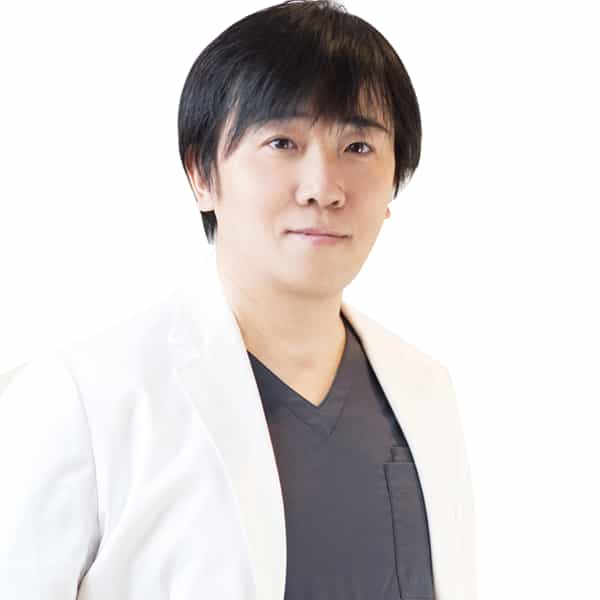
Yuichi Wakabayashi
Cell Grand Clinic – Japan’s Best Stem Cell Clinic
- Longevity Specialist
Osaka, Japan
比類のない規制安全性
日本は「再生医療等の安全性確保に関する法律」によって他国と一線を画しています。この法律は、米国や欧州ではまだ初期試験段階にある先進的な治療法を、患者が合法的かつ安全に、そして規制された方法で利用できるようにしています。
これにより、規制されていない市場に見られる「無法地帯」のリスクが排除され、患者は治療が厳格な国家基準を満たしていることに安心できます。
高度な細胞処理
幹細胞療法の効果は細胞の質に左右されます。日本のクリニックでは、医薬品グレードの無菌性と品質管理を維持する最先端の細胞処理センター(CPC)を活用しています。
これにより、神経変性疾患における潜在的な治療成果を達成するために極めて重要な、高い細胞生存率(生きている活性細胞の割合)が保証されます。
敬意ある高齢者ケア
超高齢社会である日本は、高齢者のニーズに深く配慮した医療文化を築いてきました。施設はアクセシビリティを考慮した設計となっており、職員はアルツハイマー病患者に対し、極めて忍耐強く、尊厳をもって接するよう訓練されています。
このサポート環境により、患者と付き添いの家族の両方のストレスが軽減され、医療の過程が可能な限り快適なものになります。
海外で高度な再生医療を受けるには、信頼と専門家の指導が必要です。PlacidWayは、日本で認可・審査済みの幹細胞クリニックとお客様を繋ぎ、大切なご家族のために安全で透明性のある、そしてサポート体制が整った医療の旅を保証します。
検証済みライセンスチェック
当社は、すべての提携クリニックが再生医療を合法的に実施するために日本の厚生労働省から有効なライセンスを取得していることを確認しています。
専門家への直接アクセス
弊社では、事前の遠隔診察を実施し、ご旅行前に日本人専門医が医療記録を確認し、適格性を確認できるようにしています。
透明な価格設定
細胞の処理、投与、入院にかかる費用を詳細に見積もってもらい、予期せぬ金銭的負担を回避しましょう。
言語サポート
私たちは、治療のあらゆる段階を完全に理解していただけるよう、専門的な医療通訳を提供するクリニックをご紹介します。
パーソナライズされたコーディネーション
私たちのチームは、予約のスケジュール設定から患者に優しい宿泊施設の探し方まで、医療旅行の複雑なロジスティクスを支援します。
継続的なアドボカシー
私たちはプロセス全体を通じてお客様のそばに立ち、お客様のニーズを擁護し、お客様の体験が高いケア基準を満たすことを保証します。
再生医療の可能性を自信を持って探求しましょう。PlacidWayに今すぐご連絡いただければ、日本での幹細胞療法に関する無料相談と個別見積もりをご提供いたします。
無料の個別見積もりを入手.png)

.png)














Share this listing