


Isi
Terapi Sel Punca di Jepang untuk Rehabilitasi Stroke: Meningkatkan Kehidupan Sehari-hari
Jepang berada di garis depan global dalam bidang pengobatan regeneratif, menawarkan harapan bagi para penyintas stroke di mana rehabilitasi konvensional telah mencapai batasnya. Tidak seperti banyak negara di mana terapi sel punca beroperasi di area abu-abu regulasi, Jepang telah menetapkan kerangka hukum terlengkap di dunia—Undang-Undang tentang Keamanan Pengobatan Regeneratif. Hal ini memastikan bahwa pasien internasional yang mencari pengobatan untuk gejala sisa stroke iskemik atau hemoragik menerima terapi yang dipantau secara ketat untuk keamanan dan efektivitasnya oleh Kementerian Kesehatan, Tenaga Kerja, dan Kesejahteraan.
Pengobatan sel punca di Jepang biasanya berfokus pada penggunaan Sel Punca Mesenkimal (MSC), yang sering kali berasal dari jaringan adiposa (lemak) atau sumsum tulang pasien sendiri, dan semakin banyak terapi inovatif yang melibatkan sel punca saraf. Perawatan ini bertujuan untuk memperbaiki jalur saraf yang rusak, mengurangi peradangan, dan merangsang neurogenesis (pertumbuhan sel otak baru), yang berpotensi mengembalikan fungsi motorik dan bicara yang hilang.
Klinik-klinik di Tokyo, Osaka, dan Kyoto menggabungkan terapi seluler canggih ini dengan rehabilitasi fisik intensif yang dibantu robot. Pendekatan "hibrida" ini memaksimalkan plastisitas otak. Pasien dirawat di fasilitas berteknologi tinggi yang bersih dan mencerminkan komitmen Jepang terhadap ketelitian dan omotenashi (keramahan sepenuh hati), memastikan pengalaman medis yang bermartabat sekaligus mutakhir.
Bagi mereka yang ingin melampaui batas pemulihan standar, Jepang menawarkan lingkungan unik di mana ilmu pengetahuan peraih Hadiah Nobel bertemu dengan penerapan klinis yang ketat.
Tahukah Anda?
Jepang adalah tempat kelahiran Sel Punca Pluripoten Terinduksi (sel iPS), sebuah penemuan yang mengantarkan Dr. Shinya Yamanaka meraih Hadiah Nobel pada tahun 2012. Warisan ilmiah ini mendorong komitmen nasional untuk mempercepat pengembangan terapi regeneratif, memungkinkan klinik untuk menawarkan perawatan bertahun-tahun sebelum perawatan tersebut tersedia di AS atau Eropa.
Ringkasan Wawasan Utama
Terapi diatur berdasarkan "Undang-Undang tentang Keamanan Pengobatan Regeneratif," yang memastikan klinik-klinik tersebut memiliki lisensi dari pemerintah.
Banyak pusat menggabungkan pemberian sel punca dengan robot rehabilitasi canggih Jepang (seperti Cyberdyne HAL).
Penyaringan ketat terhadap kultur sel menghilangkan risiko kontaminasi, yang merupakan kekhawatiran umum di pasar yang kurang diatur.
Sebagian besar perawatan menggunakan sel pasien sendiri (autologus), sehingga menghilangkan risiko penolakan imun.
Meskipun lebih mahal daripada di Asia Tenggara, harga tersebut mencerminkan standar keamanan yang lebih tinggi dan pemrosesan sel eksklusif.
Sel diberikan melalui jalur intravena (IV), intratekal (spinal), atau bahkan intranasal tergantung pada kasusnya.
Sistem "Sakigake"
Jepang menerapkan strategi "Sakigake" (pelopor) yang unik untuk pengobatan regeneratif. Penunjukan ini memungkinkan terapi terobosan untuk menerima persetujuan bersyarat untuk penggunaan klinis jauh lebih cepat daripada proses FDA, asalkan keamanannya terbukti. Ini berarti pasien stroke di Jepang dapat mengakses terapi yang masih membutuhkan waktu bertahun-tahun untuk mendapatkan persetujuan di Barat.
Wisata medis di Jepang sangat terspesialisasi. Klinik-klinik terkemuka yang menawarkan terapi sel punca sering kali menggabungkan layanan mereka ke dalam paket komprehensif yang dirancang untuk pasien internasional. Paket-paket ini biasanya mencakup pengambilan sel, pemrosesan (kultur), pemberian, dan beberapa hari rehabilitasi khusus. Paket premium juga dapat mencakup layanan penerjemahan, bantuan visa untuk kunjungan medis, dan akomodasi di hotel yang ramah bagi penyandang disabilitas.
Catatan: Carilah paket yang menyertakan "penyimpanan sel," yang memungkinkan Anda menyimpan sel tambahan untuk perawatan penguat di masa mendatang.
Price starting from $10,000
Stem Cell Therapy for Stroke Rehabilitation Package in Tokyo, Japan by HELENE Clinic
HELENE - Stem Cell Clinic
- Stem Cell Therapy
Tokyo, Japan
Biaya pengobatan di Jepang mencerminkan standar regulasi yang tinggi dan teknologi pemrosesan sel yang canggih. Rata-rata, satu rangkaian terapi sel punca untuk rehabilitasi stroke berkisar antara $15.000 hingga $35.000 USD. Variasi ini bergantung pada jumlah suntikan sel (misalnya, 50 juta vs. 200 juta sel), sumber sel, dan termasuknya layanan rehabilitasi. Meskipun lebih tinggi daripada destinasi Asia lainnya, harga tersebut menjamin Anda dirawat di fasilitas berlisensi pemerintah dengan kualitas sel yang terverifikasi.
Tips: Selalu tanyakan apakah penawaran harga sudah termasuk biaya "kultur", yaitu proses mahal untuk memperbanyak sel punca Anda di laboratorium.
Stem Cell Therapy for Stroke Perbandingan Biaya Pusat di Japan
| Penyedia | Prosedur | Harga |
|---|---|---|
| HELENE - Stem Cell Clinic | Stem Cell Therapy for Stroke, Stem Cell Therapy | $10000 |
Stem Cell Therapy for Stroke Perbandingan Biaya dalam Japan
| Negara | Prosedur | Harga |
|---|---|---|
| United States | Stem Cell Therapy for Stroke, Stem Cell Therapy | $36000 |
Kami telah menyusun daftar klinik pengobatan regeneratif paling terkemuka di Jepang. Fasilitas-fasilitas ini secara eksplisit dilisensikan oleh Kementerian Kesehatan untuk melakukan terapi sel punca. Terutama berlokasi di Tokyo, Osaka, dan Kyoto, pusat-pusat ini memiliki pusat pemrosesan sel (CPC) di tempat dengan tingkat sterilitas tinggi. Telusuri profil di bawah ini untuk memeriksa lisensi spesifik dan pengalaman mereka dengan kondisi neurologis.
Standar: Klinik terverifikasi harus menampilkan nomor lisensi khusus yang diberikan oleh Undang-Undang Keselamatan Kedokteran Regeneratif.
Cell Grand Clinic - Best Stem Cell Clinic in Japan
Osaka, Japan
HELENE - Stem Cell Clinic
Tokyo, Japan
Saksikan perjalanan pemulihan pasien yang melakukan perjalanan ke Jepang untuk terapi sel punca. Video-video di bawah ini menampilkan peningkatan mobilitas, kemampuan berbicara, dan kualitas hidup bagi para penyintas stroke. Meskipun hasilnya bervariasi, testimoni ini memberikan gambaran jujur tentang pengalaman pasien, lingkungan fasilitas, dan perawatan penuh kasih sayang yang diberikan oleh tim medis Jepang.
Wawasan: Carilah testimoni yang membahas "peningkatan fungsional" seperti peningkatan kekuatan genggaman atau kemampuan berjalan.


Baca ulasan terverifikasi dari pasien internasional yang telah menjalani terapi regeneratif di Jepang. Ulasan-ulasan ini menyoroti profesionalisme staf, kebersihan fasilitas, dan efektivitas pengobatan. Peringkat tinggi untuk keamanan dan transparansi prosedur adalah hal yang umum, mencerminkan budaya medis Jepang yang ketat.
Tips Membaca Ulasan: Perhatikan ulasan yang menyebutkan kejelasan komunikasi dan kualitas layanan penerjemahan.

Can Stem Cells Help Recover from Paralysis in Japan?
Yes, recent breakthroughs in Japan show that stem cell therapy, particularly using iPS-derived cells, has helped some patients with spinal cord injuries regain motor function, offering new hope for paralysis recovery. Hello, and welcome! If you or a loved one are facing the challenges of paralysis, you've likely heard whispers of groundbreaking medical advancements. One of the brightest beacons of hope is coming from Japan, a country at the forefront of stem cell therapy. The big question on everyone's mind is, "Does it actually work?" The short answer is that it's showing incredible promise. We're not talking about a far-off science fiction concept anymore; we're talking about real clinical studies where patients with severe spinal cord injuries have regained movement. It's a journey, not a magic wand, but the progress is undeniable and exciting. Japan has uniquely positioned itself as a global leader in this field, thanks to supportive government regulations and world-class research institutions. This has created an environment where cutting-edge treatments can be developed and, in some cases, offered to patients sooner than in other parts of the world. This doesn't mean it's a free-for-all; the process is still carefully regulated, but the focus is on accelerating hope and healing. In this post, we're going to dive deep into what's really happening with stem cell therapy for paralysis in Japan. We'll cut through the hype and look at the facts. What types of treatments are available? What do the studies *actually* say about success rates? Who is a good candidate? And, of course, what is the cost of stem cell therapy? We'll answer the questions you've been searching for, so you can get a clearer picture of what's possible. What is stem cell therapy for paralysis? Stem cell therapy for paralysis is a regenerative treatment that uses special cells (stem cells) to help repair damaged nerve tissue in the spinal cord, reduce inflammation, and potentially restore lost motor or sensory function. At its core, stem cell therapy for paralysis is a form of regenerative medicine. When a spinal cord injury (SCI) occurs, the vital connection between the brain and the rest of the body is damaged or severed. This blocks signals, leading to paralysis. Traditional treatments focus on stabilization and rehabilitation, but they can't repair the damaged spinal cord itself. This is where stem cells come in. Stem cells are like the body's master builders. They have the amazing ability to develop into different types of cells and can also self-renew. When used to treat paralysis, the idea is that these cells can be introduced to the injury site to: Replace damaged nerve cells: Some stem cells can be coaxed into becoming new neurons or the support cells (glia) that help neurons function. Reduce inflammation: Inflammation at the injury site can cause further damage. Many stem cells, particularly Mesenchymal Stem Cells (MSCs), are powerfully anti-inflammatory. Release protective factors: Stem cells secrete special proteins (growth factors) that can protect the surviving nerve cells from dying and encourage them to grow. Modulate the immune system: They can help calm the body's immune response, which sometimes attacks its own tissue after an injury. The goal isn't just to patch a hole. It's to create a more supportive environment for healing, to rebuild broken circuits, and to give the body a chance to repair itself in ways it couldn't on its own. Can stem cells really help paralysis recovery? Yes, clinical studies, particularly in Japan, have shown that stem cells can help some patients with paralysis recovery. In a recent trial, patients with spinal cord injuries regained the ability to stand or use their arms. This is the most important question, and the answer is a cautious but optimistic "yes." For a long time, spinal cord injuries were considered permanent. However, recent breakthroughs are challenging that grim prognosis. The most compelling evidence comes from a clinical trial at Keio University in Tokyo. In this landmark study, researchers treated patients with "subacute" spinal cord injuries (meaning their injury was recent, typically within a few weeks). They injected millions of special stem cells, called iPS-derived neural stem cells, directly into the injury site. The results, published in 2022, were remarkable: out of four patients, two showed significant improvement. One patient, who was fully paralyzed, regained the ability to stand and even practice walking. Another regained the ability to move their arms and feed themselves. This is considered a massive leap forward. It's important to be realistic. This was a small, early-phase study focused primarily on safety. The success rate was "50%" in this tiny group, and the other two patients did not see the same level of improvement. It also works best on recent injuries. However, it provides concrete, human proof that paralysis recovery is no longer an impossible dream. It shows that, with the right cells in the right environment, regeneration is possible. Why is Japan known for stem cell therapy for paralysis? Japan is known for stem cell therapy because of its advanced research, particularly in iPS cells (a Nobel Prize-winning Japanese discovery), and its unique regulatory system that allows for the fast-tracking of promising regenerative treatments. Japan's reputation as a stem cell hub isn't an accident. It's built on two key pillars: scientific innovation and supportive regulation. First, the innovation: the technology behind induced Pluripotent Stem Cells (iPS cells) was developed at Kyoto University, earning a Nobel Prize in 2012. This discovery allows scientists to take adult skin or blood cells and "reprogram" them into an embryonic-like state, from which they can become any cell type—including nerve cells. This bypasses the ethical debates around embryonic stem cells and is a cornerstone of Japanese research. Second, the regulation. In 2014, Japan passed new laws—the "Act on the Safety of Regenerative Medicine (ASRM)" and the "PMD Act"—to create a special, fast-track pathway for regenerative medicine. This system allows for "conditional approval" of treatments that show promising early data. This means that, unlike in the US or Europe where it can take 10-15 years, a promising therapy can be made available to patients in Japan much more quickly, provided they are monitored and data is collected. This has turned Japan into a "living laboratory" for regenerative medicine, attracting patients and researchers from all over the world. What is the legal status of stem cell therapy in Japan? Stem cell therapy is legal in Japan, operating under a specific regulatory framework. The "Act on the Safety of Regenerative Medicine" allows clinics to offer approved treatments, but many are still considered experimental and are not the same as fully approved drugs. This is a crucial point to understand. "Legal" doesn't mean "universally approved and covered by insurance." Japan's system is tiered. On one hand, you have fully approved medical products, like Stemirac, which has conditional approval for treating subacute spinal cord injuries. On the other hand, you have many private clinics that operate under the ASRM law. Under the ASRM, a clinic can submit a detailed treatment plan (e.g., "Use the patient's own fat-derived stem cells to treat osteoarthritis") to a government-certified committee. If the committee approves the plan based on its safety and rationale, the clinic is legally allowed to offer that treatment, even if it's still considered experimental. This is why you'll see a wide variety of stem cell therapies offered in Japan that may not be available elsewhere. It's a system designed to balance patient access with safety, but it places a lot of responsibility on the patient to research the specific clinic and treatment plan. It's also important to note that treatments using iPS cells (like the Keio University trial) are still largely in the clinical trial phase and not available commercially in private clinics. What's typically offered in clinics are treatments using Mesenchymal Stem Cells (MSCs) derived from a patient's own fat or bone marrow. What types of stem cells are used in Japan for paralysis? The two main types are induced Pluripotent Stem Cells (iPS cells), used in cutting-edge clinical trials, and Mesenchymal Stem Cells (MSCs), which are more commonly used in clinics and for the approved product "Stemirac." Understanding the "ingredients" is key. Not all stem cells are the same. In Japan, the treatments for paralysis generally involve two different types: Induced Pluripotent Stem Cells (iPS cells): This is the "high-tech" option. As mentioned, these are adult cells reprogrammed to be pluripotent (meaning they can become *any* cell). In the Keio trial, they were turned into neural precursor cells—the building blocks of the nervous system. The hope is that they will directly integrate into the spinal cord and become new, functional neurons. This is a highly complex, targeted approach primarily seen in major university hospitals and clinical trials. Mesenchymal Stem Cells (MSCs): This is the more common type used in clinics, including for the conditionally approved product Stemirac. MSCs are "adult" stem cells, typically harvested from the patient's own (autologous) bone marrow or fat tissue. Their main power isn't necessarily becoming new neurons. Instead, they act as the "paramedics" of the body. When infused, they home in on the injury, powerfully reduce inflammation, release a flood of protective growth factors, and help modulate the immune system. They create a healthy, supportive environment that allows the body's own repair mechanisms to work better. So, you can think of iPS cells as trying to rebuild the road, while MSCs are like the crew that cleans up the crash site, puts out the fires, and directs traffic so repair trucks can get through. What is the difference between iPS cells and MSCs for paralysis? iPS cells are used to create new nerve cells to directly replace damaged ones (a "regenerative" approach). MSCs are used to manage the injury site by reducing inflammation and releasing growth factors (a "reparative" and "supportive" approach). Let's dig a little deeper into this. The approach you might receive in Japan depends heavily on this difference. The iPS cell approach is one of direct replacement. The theory is that the paralysis is due to lost nerve cells, so the solution is to add new ones. This is a highly complex process, with risks like the cells not integrating correctly or, in early fears, forming tumors (a risk that has been greatly reduced with new techniques). This is the cutting edge and is mostly found in research trials for very specific patients, like those with recent injuries. The MSC approach is more about support and modulation. It's less about rebuilding the spinal cord from scratch and more about saving what's left. Most of the long-term damage from a spinal cord injury comes from the secondary cascade—swelling, inflammation, and cell death that spreads from the initial impact. MSCs are brilliant at stopping this secondary damage. By calming inflammation and protecting existing neurons, they can preserve function that would otherwise be lost. This is why Stemirac (which uses MSCs) is approved for *subacute* injuries—to stop that secondary damage wave in its tracks. What is the "Stemirac" treatment in Japan? Stemirac is a conditionally approved stem cell product in Japan for treating subacute spinal cord injuries. It uses the patient's own (autologous) bone marrow-derived mesenchymal stem cells (MSCs) delivered through an intravenous (IV) infusion. Stemirac is a big deal because it was one of the first stem cell products to receive any kind of government approval for spinal cord injury. It was developed by a company called Nipro and received conditional, time-limited approval in 2018. This approval was based on a small study of 13 patients. The process is specific: It is intended for patients with subacute SCI (generally within 14-40 days of injury). Doctors harvest bone marrow from the patient's hip. The MSCs are isolated from the marrow and grown in a lab for several weeks to get a very large dose (hundreds of millions of cells). This large dose is then infused back into the patient through a simple IV drip. The cells are thought to travel through the bloodstream, detect the "danger signals" from the spinal cord injury, and accumulate there to do their work. The approval was controversial because the trial was small and not double-blinded (the "gold standard"). However, supporters argue that for patients with no other options, this accelerated access is a humane and necessary step. What is the cost of stem cell therapy for paralysis in Japan? The cost of stem cell therapy for paralysis in Japan can vary dramatically, from $15,000 to over $50,000 USD. This depends on the type of cells, the number of treatments, the clinic, and the patient's specific condition. This is the question on everyone's mind, and unfortunately, the answer is complex. The cost of stem cell therapy is not a single, fixed price. It depends on many factors. Treatments in major university hospitals as part of a trial (like the Keio iPS cell study) may be covered by research funds, but these are extremely difficult to get into. For private clinics offering MSC treatments, you are paying out-of-pocket. The price range is wide, but here’s a general breakdown of what you might see. Please note these are *estimates* to give you an idea, not exact quotes. Treatment Type Estimated Cost Range (USD) What It Typically Includes Single IV Infusion (MSCs) $15,000 - $25,000 Consultation, cell harvesting (if autologous), lab processing, and a single high-dose IV infusion of MSCs. Multi-Session Program (MSCs) $25,000 - $60,000+ A comprehensive package that may include 3-5 infusions over several weeks, plus associated therapies like physiotherapy. Direct Injection (Clinical Trial) Varies (Often covered by trial) This is for treatments like the iPS cell trial. It's not a commercial product. Costs are for the surgery, hospital stay, and monitoring, which may be covered by the research grant or national health insurance if it's an approved trial. Stemirac (Approved Product) Covered by Japanese Insurance* *If you are a resident of Japan and meet the extremely specific criteria (e.g., subacute SCI), the product itself is conditionally covered. Foreigners would likely not have access to this coverage. These costs typically do *not* include travel, accommodation, or long-term follow-up care. It's a significant financial undertaking, which is why it's so important to have a clear consultation with a clinic beforehand. Does Japanese national insurance cover stem cell therapy for paralysis? Only in very specific cases. The approved product "Stemirac" has conditional insurance coverage for Japanese residents with subacute spinal cord injuries. Most other stem cell treatments in private clinics are not covered and must be paid out-of-pocket. This is a common point of confusion. The headlines about Stemirac being "covered by insurance" are true, but they apply to a very narrow slice of the population: Japanese citizens or residents who are part of the national health insurance system and who suffer a spinal cord injury, and are treated within the "subacute" window. For international patients, or for patients with chronic (old) injuries, this coverage does not apply. Almost all treatments offered to medical tourists in private clinics are self-pay. You should operate under the assumption that you will be responsible for 100% of the cost. How successful is stem cell therapy for paralysis in Japan? Success rates are still being studied and are not guaranteed. The famous Keio University iPS cell trial showed significant improvement in 2 out of 4 patients (a 50% rate in a tiny group). Other studies show more modest, but still meaningful, improvements in sensation or motor function. This is where we must be both hopeful and realistic. "Success" can mean different things. For one person, it might mean regaining the ability to breathe without a ventilator. For another, it might mean regaining bladder control. For another, it's walking. The Keio University trial is the most dramatic example, with a 50% success rate in its first four patients. But it's a tiny, tiny sample size. The 13-patient study for Stemirac also showed that 12 of the 13 patients improved by at least one grade on the ASIA impairment scale (a standard for measuring SCI). However, critics pointed out that some spontaneous recovery is expected in subacute injuries, and there was no placebo group to compare against. Most clinics will not—and should not—promise a "cure." What they are offering is a *chance* at improvement. The success depends heavily on: The type of injury: A complete severing of the spinal cord is much harder to treat than a contusion or partial injury. The age of the injury: Subacute (recent) injuries generally respond much better than chronic (old) injuries, as there is less scar tissue. The patient's health: Overall health and commitment to rehabilitation play a huge role. The treatment protocol: The type of cells, the dose, and the delivery method all matter. What does the stem cell therapy procedure for paralysis involve? The procedure varies. It can be a non-invasive IV infusion (like for Stemirac), where cells travel to the injury, or a more complex surgical procedure involving direct injection of cells into the spinal cord (like the iPS cell trials). Your experience in Japan would be very different depending on the treatment you receive. For an IV Infusion (Common in clinics with MSCs): Consultation & Harvest: You'll have an initial consultation, blood tests, and scans. If using your own (autologous) cells, there will be a procedure to harvest them, often a "mini-liposuction" to get fat tissue or a bone marrow draw. Cell Processing: The harvested tissue is sent to a lab, where the MSCs are isolated and cultured. This can take 2-4 weeks. Infusion: You'll return to the clinic for the infusion. This is often as simple as sitting in a chair with an IV in your arm for 30-60 minutes. You are monitored for a short time after and then are free to leave. Repeat: This process might be repeated several times over a number of weeks. For a Direct Injection (Common in clinical trials with iPS cells): Screening: This is an extensive process to see if you are a perfect match for the trial's criteria (e.g., must be 3 weeks post-injury, ASIA-A grade, etc.). Surgery: This is a major neurosurgical procedure. The surgical team will carefully expose the injured part of your spinal cord. Injection: Using micro-needles and advanced imaging, the surgeons inject millions of prepared neural stem cells directly into and around the injury site. Recovery & Rehab: You will have a significant hospital stay for recovery, followed by months or even years of intensive, monitored physiotherapy. You will also need to take immune-suppressing drugs to prevent your body from rejecting the new cells. Who is a good candidate for this treatment in Japan? The best candidates are often those with "subacute" spinal cord injuries (a few weeks to a few months old). However, clinics may also treat "chronic" injuries (older than 6 months), though expectations for recovery may be more modest. This is one of the most important factors. The "timing" of the injury is critical. Most of the dramatic success stories, and the approved treatments like Stemirac, are for subacute spinal cord injuries. This is the "sweet spot" after the initial swelling has gone down but before dense, impenetrable scar tissue has formed. In this window, the stem cells have the best chance of stopping secondary damage and promoting repair. What about chronic injuries (e.g., someone who has been in a wheelchair for 5 years)? This is a much tougher challenge. The scar tissue at the injury site is a major physical barrier, and the neural pathways have been dormant for a long time. Many clinics in Japan *will* treat chronic patients, usually with high-dose IV infusions of MSCs. The goal here is less about "rebuilding" the spine and more about "optimizing" it—reducing chronic inflammation, improving nerve signaling, and potentially waking up dormant pathways. Improvements are often more subtle: a recovery of some sensation, reduced pain, or slight improvements in motor control, rather than walking again. It's about improving quality of life. What is a "subacute" spinal cord injury and why does it matter? A "subacute" spinal cord injury is one that is no longer in the initial, acute phase (first few days) but is not yet chronic. This period, typically from 2 weeks to 6 months post-injury, is considered the prime window for stem cell intervention. Think of a spinal cord injury like a major car crash on a highway. Acute Phase (First 0-14 days): This is the crash itself. There's chaos, fire, and explosions (swelling, inflammation, cell death). It's too dangerous and chaotic to start repairs. The focus is on stabilization. Subacute Phase (2 weeks - 6 months): The fires are out, but the wreckage is still smoldering. This is the critical window. If you can get a cleanup crew (MSCs) in *now*, you can clear the debris, stop smoldering fires (inflammation), and prevent the whole highway from being permanently blocked. This is when Stemirac is used. Chronic Phase (6+ months): The wreckage has been left for so long that a giant, permanent concrete barrier (scar tissue) has been built across the highway. Now, just cleaning up isn't enough. You have to somehow break through that barrier, which is much, much harder. This is why all the most promising research and approved treatments target that subacute window. It's the moment of greatest opportunity for intervention. What are the risks or side effects of this therapy? The risks are generally considered low for MSC infusions, with the most common side effects being temporary headache, fever, or fatigue. The risks for surgical injection (iPS cell trials) are higher, as they include the risks of major spinal surgery and immune-suppressing drugs. No medical procedure is zero-risk, but the safety profile for MSC therapy is one of its biggest advantages. Because the cells are often your own (autologous), there is no risk of rejection. The Keio University iPS cell trial, which used donor cells, reported no serious adverse effects. The Mayo Clinic's similar trial in the U.S. also concluded the procedure was safe, with minor side effects like headaches. For MSC IV infusions, the risks are minimal and may include: Headache or fever, which usually resolves within 24 hours. Fatigue after the infusion. Risk of infection at the IV site (same as any IV). For iPS cell surgical injections, the risks are more significant because it's a major operation: Standard risks of anesthesia. Risk of infection at the surgical site. Risk of bleeding or spinal fluid leak. Risks from the immune-suppressing drugs (like high blood pressure or increased risk of infection), which are required for donor cells. An early fear with iPS cells was the risk of them forming tumors (teratomas). However, researchers have gotten much better at purifying the cells, and this risk is now considered very low and is watched for intensely in all trials. How long is the recovery period after treatment? For an IV infusion, there is virtually no recovery period. For surgical injections, hospital recovery is several weeks. However, the "recovery" in terms of neural function takes many months, or even years, and requires intensive, ongoing rehabilitation. This is a critical point: the stem cells are not a "fix." They are the *start* of a new recovery process. You don't get the infusion and walk the next day. The stem cells create the *potential* for repair, but the brain still needs to relearn how to use those new or repaired pathways. Think of the stem cells as planting a seed. You still have to water it, give it sunlight, and protect it. That "watering" is rehabilitation. Every successful stem cell study has been paired with intensive physiotherapy. The patient in the Keio trial who can now stand has been in active training to relearn how to walk. You must be prepared for a long-term, dedicated rehabilitation program to take advantage of any openings the stem cells create. What is the process for a foreigner to get stem cell therapy in Japan? Foreigners can get stem cell therapy in Japan by contacting private clinics or medical tourism facilitators. The process involves submitting medical records for review, an online consultation, and then traveling to Japan for the treatment, which is paid for out-of-pocket. Japan's system is open to international patients, but it requires careful planning. Research: This is the most important step. You need to find reputable clinics. Look for clinics that are transparent about their treatment, have clear pricing, and are registered with the Ministry of Health, Labour and Welfare (MHLW). Consultation: You will typically start with an online consultation. You (or a medical facilitator) will send all your medical records, MRIs, and a history of your injury. The clinic's doctors will review your case and determine if you are a candidate. Treatment Plan & Cost: If you are accepted, the clinic will propose a detailed treatment plan (e.g., "Three infusions of 200 million adipose-derived MSCs") and a clear cost estimate. Travel & Logistics: You will need to arrange a medical visa (if required), flights, and accessible accommodation. Many clinics or their partner agencies (like PlacidWay) can help with these logistics. Treatment: You will travel to Japan for the treatment, which could take anywhere from a few days for a single infusion to several weeks for a multi-session protocol. Follow-up: The clinic will provide follow-up instructions, and you will typically be monitored remotely after you return home. What should I look for in a Japanese stem cell clinic? Look for a clinic that is officially registered with the Japanese Ministry of Health, Labour and Welfare (MHLW). They should be transparent about their treatment plan, the source and number of cells, the risks, and the cost, and they should not make unrealistic promises of a "cure." This is your most important task as a patient. Because this field is so new, and there is so much hope, it can be a target for bad actors. Here's a checklist of what to look for: Government Registration: This is non-negotiable. Ask for proof that the clinic and its treatment plan are registered with the MHLW under the ASRM. Transparency: Do they clearly explain the *type* of cells (MSCs? iPS?), the *source* (your own fat? a donor?), and the *dose* (how many million cells)? If they are vague, this is a red flag. Realistic Claims: Be very wary of any clinic that "guarantees" results or promises a "cure for paralysis." Reputable doctors are hopeful but cautious. They will talk about "potential for improvement" and "quality of life." Specialization: Do they have experience with neurological conditions and spinal cord injuries, or do they just treat wrinkles and sore knees? Look for specialists. Clear Pricing: You should receive a detailed, itemized quote with no hidden fees. Good Communication: Do they have English-speaking staff? Do they answer your questions patiently and completely? You must be able-to communicate clearly about your health. Finding the right path to recovery can feel overwhelming, but you don't have to do it alone. The world of regenerative medicine is complex, but it's filled with new possibilities. If you're ready to explore your options for stem cell therapy in Japan or other leading destinations, PlacidWay is here to help. We connect patients with a global network of accredited clinics and hospitals. Let us help you get a free, no-obligation consultation and find the solution that's right for you.
How Does Stem Cell Therapy in Japan Support Stroke Recovery?
Stem cell therapy in Japan supports stroke recovery by reducing brain inflammation, stimulating the growth of new blood vessels (angiogenesis), and promoting neuroplasticity, which allows the brain to "rewire" itself and bypass damaged areas to restore motor and cognitive function. For stroke survivors, the window of "spontaneous recovery" is often said to close after six months. However, Japan is challenging this medical dogma. Thanks to the groundbreaking Act on the Safety of Regenerative Medicine (ASRM) passed in 2014, Japan has become the world's leading destination for advanced stroke rehabilitation using stem cells. Unlike traditional rehab which focuses on retraining muscles, stem cell therapy in Japan targets the brain itself. Using high-potency Mesenchymal Stem Cells (MSCs) or specific products like SB623, these treatments aim to jumpstart the brain's natural repair mechanisms, offering hope even to patients in the "chronic" phase of recovery (years after their stroke). In this guide, we explore the science behind how these cells support long-term brain function, the unique legal framework in Japan, and the costs involved for international patients in 2025. How does the therapy actually repair the brain? The therapy works primarily through the "Paracrine Effect," where stem cells release growth factors that reduce neuro-inflammation, prevent further cell death, and stimulate the formation of new neural connections. The old belief was that stem cells would turn into new neurons. We now know the primary mechanism is more complex and effective. When introduced into the body, stem cells act as "living drug factories." They seek out the site of the stroke injury and release potent proteins (cytokines and growth factors). Key Mechanisms: Angiogenesis: They stimulate the growth of new blood vessels, improving oxygen flow to damaged (but not dead) brain tissue. Neuroprotection: They protect surviving neurons from "secondary death" caused by inflammation. Synaptogenesis: They encourage the formation of new synapses, effectively helping the brain "rewire" signals around the dead tissue to restore movement or speech. Can it help with chronic stroke (years later)? Yes, clinical trials in Japan have shown significant motor function improvements in patients treated even 3 to 5 years post-stroke, challenging the idea that recovery stops after 6 months. This is the most revolutionary aspect of Japan's approach. Treatments like the SB623 cell product (developed by SanBio) have demonstrated in clinical trials that chronic stroke patients can regain motor function. By reducing chronic inflammation in the brain—which can persist for years after a stroke—the therapy "wakes up" stunned neural circuits. Patients often report improvements in fine motor skills (like holding a spoon), balance, and speech (aphasia), which were previously thought to be permanently lost. What is the cost of stroke stem cell therapy in Japan? The cost of stroke stem cell therapy in Japan is premium, typically ranging from $15,000 to $35,000 USD per session, reflecting the high regulatory standards and advanced cell processing technology used. Japan is not a "budget" medical destination like others in Asia; it is a "quality" destination. The cost includes the strict safety testing required by the Ministry of Health. Treatment Protocol Average Cost (USD) Inclusions Standard IV MSC Therapy $15,000 - $22,000 1 Infusion, Medical Clearance, Follow-up Intensive Neuro-Regen (Multi-dose) $25,000 - $40,000 2-3 Infusions + Rehabilitation sessions Exosome & Growth Factor Add-on $3,000 - $6,000 Added to main protocol for potency Is stem cell therapy legal in Japan? Yes, it is fully legal under the 2014 Act on the Safety of Regenerative Medicine (ASRM), which allows clinics to offer approved therapies to patients under a special "Class I/II/III" license. Japan has the most progressive regenerative medicine laws in the world. The Sakigake Designation System allows promising therapies to be fast-tracked. Unlike in the US, where you must wait for a therapy to pass Phase 3 trials (which takes decades), Japan allows clinics to administer therapies that have proven safety and likely efficacy in earlier phases. Every clinic must present their specific treatment plan to a government-certified committee for approval before they can treat a single patient. What types of stem cells are used? Clinics primarily use autologous (patient's own) Mesenchymal Stem Cells derived from adipose (fat) tissue or bone marrow, or high-quality allogeneic (donor) cells from umbilical cord tissue. Autologous (Self): Most Japanese clinics prefer using your own cells to eliminate any risk of rejection. They harvest a small amount of fat (mini-liposuction), culture the cells in a high-tech lab for 3-4 weeks to reach hundreds of millions of cells, and then re-infuse them. Allogeneic (Donor): For patients who cannot travel twice (once for harvest, once for treatment), some clinics offer umbilical cord stem cells. These are "off-the-shelf" and can be administered immediately. They are sourced from healthy Japanese donors under strict ethical guidelines. How is the treatment administered? The most common method is Intravenous (IV) infusion, but some specialized clinics offer Intrathecal (spinal) injection or even Intranasal delivery to bypass the blood-brain barrier. Intravenous (IV): This is the safest and most common method. The cells are smaller than lung capillaries, allowing them to pass through and circulate to the brain, attracted by the inflammation signals from the stroke site. Intranasal: A newer, non-invasive method involves spraying concentrated stem cells/exosomes into the nasal cavity, where they can travel along the olfactory nerves directly into the brain, bypassing the blood-brain barrier entirely. What are the best clinics/cities for this? Tokyo and Osaka are the primary hubs, hosting renowned clinics like the Helene Clinic and Cell Grand Clinic, which specialize in international patient care. Tokyo: The capital hosts the highest concentration of "Class II" licensed clinics. Facilities here often have English-speaking staff and concierge services to assist with visas and accommodation. Osaka/Kyoto: This region is the birthplace of iPS (induced pluripotent stem cell) technology (Nobel Prize winner Shinya Yamanaka is from here). Clinics in this area are deeply integrated with university research centers, offering cutting-edge protocols. What is the success rate? Success is measured by functional improvement; approximately 60-70% of patients report measurable gains in mobility, strength, or speech within 3 to 6 months post-treatment. "Success" in stroke recovery doesn't always mean a return to 100% pre-stroke condition. However, shifting from a wheelchair to a walker, or regaining the ability to speak clearly, is a massive life improvement. Data from Japanese registries suggests that younger patients and those who combine the therapy with intensive physical rehabilitation (neuro-rehab) see the highest success rates. The stem cells "open the door" for recovery, but physical therapy "walks through it." Ready to Restart Your Recovery? Japan offers a unique opportunity to access the future of stroke treatment today. If you have hit a plateau in your recovery, this advanced therapy could be the breakthrough you need. Explore top licensed clinics and get a free treatment plan for Stroke Recovery in Japan with PlacidWay Medical Tourism. Get a Free Quote & Treatment Plan Today
How does stem cell therapy in Osaka help stroke survivors regain mobility and cognitive function?
Stem cell therapy in Japan helps stroke survivors by utilizing cultured mesenchymal stem cells to repair damaged neural tissues, reduce brain inflammation, and promote new blood vessel growth, significantly improving mobility and cognitive functions. Key Takeaways: Stroke Recovery & Cellular Healing Neural Regeneration: Infused cells secrete growth factors that rebuild damaged brain connections. Advanced Regulations: Treatments fall under strict government oversight ensuring maximum safety and high cell viability. Cost Efficiency: Programs typically range between $15,000 and $30,000 including cultivation and medical care. Targeted Improvements: Patients frequently see gains in speech clarity, fine motor skills, and independent walking. Global Destination: Osaka stands out as a world-class hub for neurological regenerative medicine. How does stem cell therapy in Japan target brain damage after a stroke? Stem cell therapy in Japan targets brain damage by delivering regenerative cells that secrete neurotrophic factors. This process heals injured neurons and restores neural pathways essential for movement. When a stroke occurs, restricted blood flow causes immediate cell death in specific regions of the brain, leading to sudden losses in motor function and cognition. Regenerative protocols intervene by introducing millions of highly concentrated mesenchymal stem cells into the body. These intelligent cells naturally migrate toward areas of acute inflammation and tissue damage through a biological process known as homing. Once they reach the affected brain tissue, they begin their restorative work. Instead of merely replacing dead brain cells, these biological agents act as powerful healing catalysts. They release specialized proteins and exosomes that stimulate angiogenesis, which is the creation of new blood vessels. This fresh vascular network restores oxygen and vital nutrients to the dormant brain regions surrounding the main injury site, effectively waking up tissues that were impaired but not entirely destroyed during the stroke event. Patients seeking top-tier care often look toward advanced stem cell therapy for stroke recovery at Cell Grand Clinic in Osaka, Japan to access these cellular benefits. Furthermore, these therapies forcefully combat neuroinflammation, which can persist for months or years after the initial attack and inhibit recovery. By modulating the immune system and creating a highly supportive microenvironment, the brain becomes far more receptive to neuroplasticity. This means the central nervous system can successfully rewire itself, allowing healthy areas of the brain to take over the functions of the damaged regions, directly leading to improved walking, grasping, and speaking abilities. Did You Know? Mesenchymal stem cells possess a unique immunoprivileged status. This means they can be administered without triggering a severe immune response, making the treatment exceptionally safe and removing the need for harsh immunosuppressant drugs during recovery. What makes Osaka a top destination for medical tourism in Japan? Osaka is a premier destination for medical tourism in Japan due to its high concentration of advanced regenerative research centers. Patients gain direct access to cutting-edge neurological treatments and highly skilled medical professionals. Osaka has historically been known as the commercial and scientific heart of the Kansai region, and today it stands as a global leader in bioscience and healthcare innovation. The city heavily invests in designated medical industry clusters, creating environments where universities, biotech companies, and clinical hospitals collaborate seamlessly. This synergy ensures that the latest laboratory breakthroughs in cellular medicine are swiftly and safely translated into active patient care protocols. For international visitors, navigating a foreign healthcare system can be daunting, but Osaka is uniquely equipped to handle international patient influxes. Top facilities maintain dedicated international departments featuring multilingual patient coordinators and culturally sensitive nursing staff. The city infrastructure itself is highly accessible, featuring an international airport, extensive wheelchair-friendly public transportation, and a wide array of recovery-focused accommodations tailored for individuals with physical limitations. Beyond the medical expertise, the calm and healing environment of the city contributes significantly to patient recovery. While offering all the amenities of a hyper-modern metropolis, Osaka is surrounded by tranquil nature and traditional therapeutic elements like therapeutic hot springs just outside the urban center. This blend of ultra-modern neurological science and traditional hospitality creates an optimal low-stress environment essential for stroke survivors undergoing intensive cellular rehabilitation. What is the average stem cell therapy cost in Japan for stroke recovery? The stem cell therapy cost in Japan for stroke recovery typically ranges from $15,000 to $30,000. This investment covers cell extraction, multi-week laboratory cultivation, and comprehensive neurological evaluations. When evaluating international treatment options, transparency regarding financial commitment is crucial for patients and their families. The overall price for regenerative stroke care depends heavily on the specific number of cells required, the method of administration, and the duration of the laboratory culturing process. Unlike generic medical treatments, cellular therapies require highly specialized biotechnology laboratories to expand a small fat or bone marrow sample into hundreds of millions of viable therapeutic cells. To provide clear context, a standard package usually bundles several necessary components. This includes pre-treatment MRI and blood screenings, the minor surgical procedure to harvest the original tissue, the fees for the cell processing center, and the final infusion day under strict medical supervision. Some comprehensive packages also fold in immediate physical therapy sessions and post-infusion medical consultations to track the initial neuro-response. Treatment Component Estimated Cost Range (USD) Initial Consultation & Neurological Screening $500 - $1,500 Cell Harvesting & Processing $10,000 - $18,000 Cell Infusion & Medical Monitoring $4,000 - $9,000 Total Average Package $15,000 - $30,000 How to choose the right stem cell clinic in Japan for neurological care? Selecting the best stem cell clinic in Japan requires verifying official Ministry of Health accreditation and reviewing their specific protocols regarding ischemic or hemorrhagic stroke rehabilitation. Government Certification Check: Verify that the facility holds a formal provision from the Ministry of Health, Labour and Welfare to practice regenerative medicine specifically for neurological indications. Neurology Specialization: Ensure the medical team consists of board-certified neurologists who understand the complex mechanics of stroke recovery, rather than general anti-aging practitioners. Laboratory Transparency: Reputable centers will happily disclose their cell culturing practices, providing data on final cell counts, viability percentages, and contamination testing protocols. Detailed Assessment Procedures: Quality facilities mandate rigorous pre-treatment imaging and cognitive testing to ensure the patient is a viable candidate before accepting any payment. Long-term Follow-up: The top destinations commit to remote monitoring and periodic health assessments extending months after the patient returns to their home country. How soon can patients expect results from a stem cell clinic in Japan? Patients visiting a stem cell clinic in Japan often notice initial improvements in energy and sleep within weeks. Significant cognitive and motor function gains typically manifest between three to six months. The timeline for stroke recovery using regenerative medicine is not instantaneous; it relies on biological healing processes that unfold in distinct phases. During the first two to four weeks post-infusion, patients commonly report subtle systemic changes. These early indicators often include better sleep architecture, reduced muscle spasticity, and a general increase in daytime stamina. This immediate phase occurs because the cells rapidly modulate the immune system and lower systemic inflammation. The intermediate phase emerges between month two and month four. During this critical window, the neurotrophic factors secreted by the cells actively stimulate new blood vessel formation and repair damaged myelin sheaths around nerves. Families often notice marked improvements in speech fluidity, better balance during physical therapy, and the ability to perform fine motor tasks that were previously impossible, such as holding a fork or buttoning a shirt. The long-term phase extends up to twelve months and beyond. Because the brain undergoes continuous neuroplasticity, the new neural pathways solidified during earlier phases become permanent functional gains. Patients who combine their cellular treatments with aggressive daily physical and cognitive therapy tend to achieve the most profound and lasting results, demonstrating how cellular medicine lays the groundwork for sustained physical rehabilitation. Did You Know? The brain continues to remodel itself long after the initial stem cell infusion. The cells create a hospitable environment known as the bystander effect, encouraging the brains own native neural stem cells to multiply and join the repair process months down the line. What types of stem cells are utilized for stroke recovery in Japan? Japanese clinics primarily utilize autologous Mesenchymal Stem Cells derived from the patients own bone marrow or adipose tissue. These cells possess strong immunomodulatory and tissue-regenerative capabilities. The global standard for treating neurological conditions safely involves Mesenchymal Stem Cells. In Japan, adipose-derived cells are highly favored due to their abundance and ease of extraction. A minor liposuction procedure performed under local anesthesia yields millions of robust cells. Adipose tissue is a rich biological reservoir, and the derived cells are exceptionally skilled at surviving the expansion process while maintaining their potent therapeutic qualities. Bone marrow-derived cells are the other primary option utilized in specialized stroke protocols. Harvested from the hip bone, these cells have decades of clinical data backing their efficacy in vascular and neurological repair. While the extraction process is slightly more involved than adipose harvesting, neurologists sometimes prefer bone marrow derivatives for specific types of severe ischemic damage due to their powerful angiogenic properties. Regardless of the source, the critical differentiator in Japan is the rigorous cell expansion phase. Japanese cell processing centers take a small sample and nurture it in highly controlled incubators for several weeks. This multiplication process ensures the patient receives a massive therapeutic dose often exceeding one hundred million viable cells, which is vital for overcoming the blood-brain barrier and reaching the site of the stroke injury in effective numbers. Are there strict age limits for stroke patients seeking stem cell therapy in Japan? There is no strict upper age limit for stem cell therapy in Japan, provided the patient is in stable overall health. Comprehensive medical screenings determine individual eligibility rather than chronological age alone. Stroke disproportionately affects the elderly population, making rigid age cutoffs counterproductive to patient care. Japanese medical professionals focus on biological age and physiological stability rather than numbers on a birth certificate. Many successful patients are in their seventies or eighties. The primary requirement is that the patient can safely undergo the minor harvesting procedure and does not have active severe infections or untreated malignancies. To ensure safety, older patients undergo extensive cardiovascular and respiratory screenings before approval. If a patient has severe comorbidities, the medical board will weigh the potential neurological benefits against the physical toll of traveling and the mild stress of the extraction procedure. This personalized risk assessment guarantees that only those who stand to genuinely benefit are accepted into the treatment programs. Furthermore, customized dosing plays a significant role in treating elderly patients. Cell culturing times may be slightly adjusted based on the initial vitality of the harvested cells, ensuring the final therapeutic product is robust enough to combat age-related cellular decline alongside the stroke-induced neurological deficits. How do Japanese clinics integrate physical therapy with stem cell treatments? Leading facilities for medical tourism in Japan mandate rigorous physical therapy alongside stem cell infusions. This combined approach maximizes neuroplasticity and translates cellular healing into functional mobility. Customized Neuro-Rehabilitation: Specialized therapists design specific movement exercises targeting the exact paralyzed or weakened limbs to force the brain to forge new neural connections. Cognitive and Speech Therapy: Patients suffering from aphasia engage in targeted vocal and memory exercises while the brain is in a highly receptive, plastic state following the infusion. Advanced Gait Training: Facilities often utilize state-of-the-art robotic exoskeletons and harness systems to safely rebuild walking endurance and correct poor posture habits formed post-stroke. Occupational Functionality: Rehabilitation emphasizes regaining independence by practicing crucial daily activities like eating, dressing, and bathing in simulated home environments. Dietary and Lifestyle Counseling: Nutritionists provide guidance on anti-inflammatory diets designed to support cellular survival and optimize cardiovascular health to prevent future stroke events. Why Choose PlacidWay for stem cell therapy in Japan? PlacidWay ensures a secure and transparent journey to find the ideal stem cell clinic in Japan. We connect you with vetted, government-approved facilities specializing in advanced stroke recovery protocols. Rigorous Facility Vetting: We conduct thorough certification checks on all partner clinics, ensuring complete compliance with Japanese regenerative medical laws and high laboratory standards. Specialist Medical Access: Our network provides direct communication channels to board-certified neurologists, allowing you to have comprehensive virtual consultations before making any commitments. Transparent Financial Planning: We deliver clear, itemized cost breakdowns that guarantee no hidden medical fees for diagnostics, cell culturing, or specialized physician consultations. Medical Documentation Assistance: Our teams assist in gathering, formatting, and securely transmitting your local MRI scans and medical history directly to the receiving clinic in Japan for accurate evaluation. Dedicated Patient Coordination: You receive continuous support focused entirely on managing your clinical timeline, aligning extraction and infusion dates seamlessly with laboratory cultivation schedules. Frequently Asked Questions Is stem cell therapy for stroke approved by the Japanese government? Yes, regenerative medicine for neurological conditions is highly regulated and approved by the Ministry of Health, Labour and Welfare in Japan. Clinics must pass rigorous safety and ethical committee evaluations to offer these advanced biological treatments to domestic and international patients. Can stem cell therapy cure a stroke completely? While regenerative medicine cannot erase all historical brain damage entirely, it significantly enhances neuroplasticity and cellular repair. Many patients experience remarkable improvements in speech, motor skills, and independence, transitioning from severe impairment to highly functional daily living. What is the difference between ischemic and hemorrhagic stroke treatment in Japan? Both types benefit from regenerative protocols, but the focus differs. For ischemic strokes, the goal is to stimulate angiogenesis to restore blood flow to deprived areas. For hemorrhagic strokes, the focus shifts toward reducing neuroinflammation and absorbing residual toxicity in the surrounding brain tissue. How are stem cells administered to stroke patients in Japanese clinics? The most common and least invasive method is intravenous infusion, where cells circulate systemically and home in on the inflamed brain tissue. Some highly specialized facilities may also offer intrathecal injections, delivering cells directly into the spinal fluid for closer proximity to the central nervous system. Does medical insurance cover stem cell therapy in Japan for international patients? International health insurance typically classifies regenerative treatments as experimental or elective, meaning they are rarely covered. Patients traveling from abroad should expect to pay out of pocket for the procedure, though some diagnostic tests might be reimbursable depending on the provider. What are the potential side effects of stem cell treatment for stroke? Because most Japanese clinics use the patients own autologous cells, rejection risks are virtually eliminated. Minor side effects can include temporary fatigue, low-grade fever, or mild headache immediately following the infusion, all of which typically resolve within twenty-four to forty-eight hours. How long do I need to stay in Osaka for stroke stem cell treatment? A standard medical itinerary requires two separate trips or one extended stay. The initial visit involves cell extraction and takes about three to five days. The cells then culture for three to four weeks. The second visit for the infusion and initial monitoring requires another five to seven days. Can I undergo stem cell therapy years after my initial stroke? Yes, chronic stroke survivors can still benefit. While treating a patient within the first six months yields the most dramatic neuroprotective results, late-stage therapy still helps reduce chronic neuroinflammation and stimulates dormant neural pathways to improve long-term mobility and cognition. How do Japanese stem cell cultivation methods differ from other countries? Japan enforces the Act on the Safety of Regenerative Medicine, mandating that cell culturing occurs in specialized cell processing centers under strict clean-room conditions. This ensures massive cell expansion yields high viability rates above ninety-five percent without genetic mutation. What neurological tests are required before stem cell therapy in Japan? Prior to treatment approval, patients undergo comprehensive diagnostics including advanced MRI scans, blood panels, and thorough neurological evaluations measuring motor scales and cognitive deficits. These establish a baseline to accurately measure the clinical efficacy of the subsequent cell infusion. Start Your Path to Neurological Recovery Today Do not let distance prevent you from accessing the worlds best regenerative medicine. PlacidWay connects you with verified, government-accredited specialists in Japan. Receive a free, personalized assessment from leading neurologists and discover customized treatment plans to help reclaim your independence. Get Your Free Medical Review * Responses typically within 24 hours. Full patient privacy and medical confidentiality guaranteed.
Keefektifan terapi Anda sangat bergantung pada keahlian dokter dan tim pemrosesan sel. Kami telah bermitra dengan spesialis pengobatan regeneratif terkemuka di Jepang. Para dokter ini bukan hanya klinisi berlisensi, tetapi seringkali juga peneliti yang telah menerbitkan karya ilmiah dan berkontribusi pada kemajuan global ilmu sel punca.
Dokter Regeneratif Berlisensi
Pakar Bersertifikasi Pemerintah
Setiap spesialis dalam jaringan kami memegang lisensi khusus untuk praktik pengobatan regeneratif yang dikeluarkan oleh Kementerian Kesehatan. Sertifikasi ini memastikan mereka telah menjalani pelatihan yang ketat dalam penanganan sel, protokol keselamatan, dan standar etika.
Pakar Neurologi
Spesialisasi Cedera Otak
Para dokter ini seringkali adalah ahli bedah saraf atau ahli neurologi yang beralih ke terapi regeneratif. Mereka memahami kompleksitas patologi stroke dan dapat menyesuaikan rute pemberian sel (intravena vs. spinal) untuk menargetkan area otak yang rusak secara paling efektif.
Klinisi Berbasis Penelitian
Pendekatan Berbasis Bukti
Banyak spesialis mitra kami memimpin tim riset universitas. Mereka menerapkan temuan terbaru dari laboratorium langsung ke perawatan pasien, memastikan Anda mendapatkan manfaat dari pemahaman ilmiah terkini tentang kemanjuran dan keamanan sel punca.

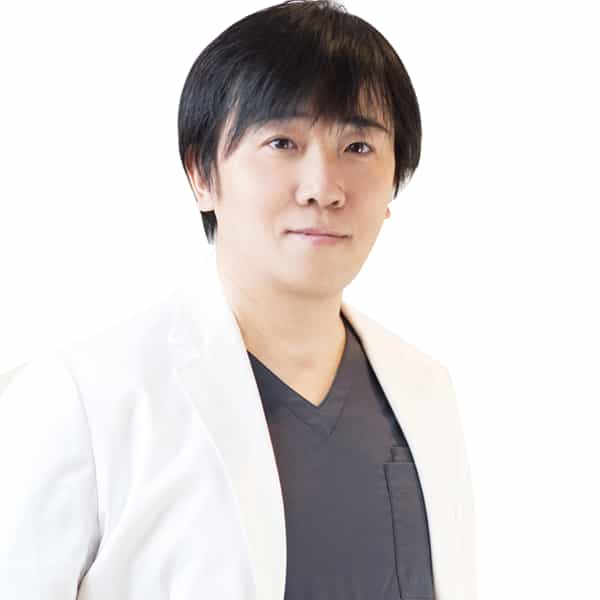
Yuichi Wakabayashi
Cell Grand Clinic – Japan’s Best Stem Cell Clinic
- Longevity Specialist
Osaka, Japan
Keamanan Regulasi yang Tak Tertandingi
Daya tarik utamanya adalah ketenangan pikiran. Undang-Undang Jepang tentang Keamanan Pengobatan Regeneratif menciptakan lingkungan teraman di dunia untuk menerima terapi sel.
Para pasien mengetahui bahwa klinik-klinik tersebut tidak beroperasi secara sembunyi-sembunyi, melainkan diperiksa dan disetujui oleh pemerintah, serta mematuhi standar ketat untuk kultur sel dan pemberian obat.
Teknologi Medis Canggih
Jepang adalah masyarakat berteknologi tinggi, dan hal ini juga berlaku di bidang kedokteran. Klinik-klinik menggunakan penghitung sel otomatis canggih, peralatan pengujian sterilitas, dan pencitraan MRI/CT tingkat lanjut untuk penilaian sebelum dan sesudah perawatan.
Keunggulan teknologi ini memastikan ketelitian di setiap langkah, mulai dari diagnosis awal hingga infus sel akhir.
Budaya Keramahtamahan (Omotenashi)
Pelayanan kesehatan Jepang terkenal dengan "Omotenashi"—semangat keramahan sepenuh hati. Staf medis memperlakukan pasien dengan penuh hormat, martabat, dan perhatian.
Bagi para penyintas stroke yang mungkin merasa rentan, pendekatan yang lembut dan penuh perhatian ini memberikan kenyamanan emosional yang sama pentingnya dengan perawatan fisik.
Mengakses perawatan medis canggih di Jepang bisa menjadi tantangan karena kendala bahasa dan persyaratan masuk yang ketat. PlacidWay bertindak sebagai jembatan Anda, memastikan koneksi yang lancar ke klinik pengobatan regeneratif terbaik di Jepang.
Verifikasi Klinik
Kami memverifikasi bahwa setiap klinik yang kami rekomendasikan memiliki lisensi yang sah dari Kementerian Kesehatan Jepang untuk terapi sel spesifik yang Anda butuhkan.
Dukungan Visa Medis
Kami bekerja sama dengan penjamin terdaftar untuk membantu Anda mendapatkan Visa Medis Jepang, yang seringkali diperlukan untuk perawatan jangka panjang.
Bantuan Bahasa
Kami memastikan Anda dipasangkan dengan klinik yang menyediakan penerjemah medis profesional, sehingga Anda dapat berkomunikasi dengan jelas dengan dokter Anda.
Logistik Perjalanan
Kami membantu mengatur transportasi dan akomodasi yang mudah diakses di dekat klinik, memastikan masa inap Anda nyaman terlepas dari masalah mobilitas.
Transparansi Biaya
Kami menyediakan penawaran terperinci yang merinci biaya pemrosesan sel, administrasi, dan rehabilitasi opsional, sehingga menghindari biaya tak terduga.
Konsultasi Jarak Jauh
Kami memfasilitasi konsultasi video awal di mana spesialis Jepang dapat meninjau hasil pemindaian MRI dan riwayat medis Anda sebelum Anda memesan perjalanan.
Jelajahi potensi pengobatan regeneratif di lingkungan teraman di dunia. Hubungi PlacidWay hari ini untuk memulai perjalanan Anda menuju pemulihan di Jepang.
Dapatkan Penawaran Harga Pribadi Gratis Anda
.png)
.png)
.png)
.png)









Share this listing