


Contents
일본의 줄기세포 치료를 통한 뇌졸중 재활: 일상생활 개선
일본은 재생 의학 분야에서 세계를 선도하며, 기존 재활 치료의 한계에 다다른 뇌졸중 환자들에게 희망을 제시하고 있습니다. 줄기세포 치료가 규제 사각지대에서 이루어지는 많은 국가들과 달리, 일본은 세계에서 가장 포괄적인 법적 체계인 '재생 의학 안전법'을 제정했습니다. 이 법을 통해 허혈성 또는 출혈성 뇌졸중 후유증 치료를 원하는 해외 환자들은 후생노동성의 엄격한 관리 감독 하에 안전성과 효능을 검증받은 치료를 받을 수 있습니다.
일본에서 줄기세포 치료는 주로 환자 자신의 지방 조직이나 골수에서 추출한 중간엽 줄기세포(MSC)를 이용하고 있으며, 최근에는 신경 줄기세포를 활용한 혁신적인 치료법이 점차 확대되고 있습니다. 이러한 치료법은 손상된 신경 경로를 복구하고 염증을 줄이며 신경세포 생성(새로운 뇌세포 성장)을 촉진하여 운동 기능과 언어 능력을 회복할 가능성을 제시합니다.
도쿄, 오사카, 교토에 위치한 클리닉에서는 이러한 첨단 세포 치료와 집중적인 로봇 보조 물리 재활 치료를 결합했습니다. 이러한 "하이브리드" 접근 방식은 뇌의 가소성을 극대화합니다. 환자들은 일본 특유의 정밀함과 오모테나시(진심 어린 환대) 정신이 반영된 최첨단 시설에서 치료를 받으며, 품격 있으면서도 최첨단 의료 경험을 누릴 수 있습니다.
일반적인 회복의 틀을 뛰어넘고자 하는 사람들에게 일본은 노벨상 수상에 빛나는 과학과 엄격한 임상 적용이 만나는 독특한 환경을 제공합니다.
알고 계셨나요?
일본은 2012년 노벨상을 수상한 야마나카 신야 박사의 발견인 유도 만능 줄기세포(iPS 세포)의 발상지입니다. 이러한 과학적 유산을 바탕으로 일본은 재생 치료법을 신속하게 개발하고 있으며, 이를 통해 미국이나 유럽에서보다 몇 년 앞서 일본에서 치료법을 제공할 수 있습니다.
핵심 요약
치료법은 "재생의학 안전에 관한 법률"에 따라 규제되며, 이를 통해 클리닉은 정부 허가를 받아야 합니다.
많은 센터에서 줄기세포 투여와 일본의 첨단 재활 로봇 기술(예: 사이버다인 HAL)을 결합하여 사용하고 있습니다.
세포 배양에 대한 엄격한 검사는 오염 위험을 제거하는데, 이는 규제가 덜한 시장에서 흔히 발생하는 문제입니다.
대부분의 치료법은 환자 자신의 세포(자가이식)를 사용하므로 면역 거부 반응의 위험이 없습니다.
동남아시아보다 가격이 비싸지만, 이는 더 높은 안전 기준과 독자적인 세포 처리 기술을 반영한 가격입니다.
세포는 경우에 따라 정맥 주사(IV), 척수강 내 주사 또는 비강 내 투여 경로를 통해 투여됩니다.
"사키가케" 시스템
일본은 재생 의학 분야에서 독자적인 '사키가케'(선구자) 전략을 시행하고 있습니다. 이 제도를 통해 획기적인 치료법은 안전성이 입증될 경우 미국 식품의약국(FDA)의 승인 절차보다 훨씬 빠르게 임상 사용 승인을 받을 수 있습니다. 즉, 일본의 뇌졸중 환자들은 서구에서 승인받기까지 수년이 걸릴 치료법을 먼저 이용할 수 있다는 뜻입니다.
일본의 의료 관광은 매우 전문화되어 있습니다. 줄기세포 치료를 제공하는 최고 수준의 클리닉들은 해외 환자들을 위해 종합적인 패키지 상품을 제공하는 경우가 많습니다. 이러한 패키지에는 일반적으로 세포 채취, 처리(배양), 시술, 그리고 며칠간의 전문 재활 치료가 포함됩니다. 프리미엄 패키지에는 통역 서비스, 의료 체류 비자 발급 지원, 장애인 편의시설이 갖춰진 호텔 숙박 등이 추가로 제공되는 경우도 있습니다.
참고: 추후 추가 치료를 위해 여분의 세포를 보관할 수 있는 "세포 보관" 기능이 포함된 패키지를 찾으세요.
Price starting from $10,000
Stem Cell Therapy for Stroke Rehabilitation Package in Tokyo, Japan by HELENE Clinic
HELENE - Stem Cell Clinic
- Stem Cell Therapy
Tokyo, Japan
일본의 치료 비용은 엄격한 규제 기준과 첨단 세포 처리 기술을 반영합니다. 뇌졸중 재활을 위한 줄기세포 치료 과정은 평균적으로 15,000달러에서 35,000달러 사이입니다. 이 차이는 주입되는 세포 수(예: 5천만 개 vs. 2억 개), 세포의 출처, 그리고 재활 서비스 포함 여부에 따라 달라집니다. 다른 아시아 지역에 비해 가격이 높지만, 이는 정부 허가를 받은 시설에서 검증된 세포 품질로 치료받을 수 있다는 것을 의미합니다.
팁: 견적에 "배양" 비용이 포함되어 있는지 항상 확인하세요. 배양 비용은 실험실에서 줄기세포를 증식시키는 데 드는 비용이 많이 드는 과정입니다.
Stem Cell Therapy for Stroke Centers Cost Comparison in Japan
| Provider | Procedure | Price |
|---|---|---|
| HELENE - Stem Cell Clinic | Stem Cell Therapy for Stroke, Stem Cell Therapy | $10000 |
Stem Cell Therapy for Stroke Cost Comparison in Japan
| Country | Procedure | Price |
|---|---|---|
| United States | Stem Cell Therapy for Stroke, Stem Cell Therapy | $36000 |
일본에서 가장 존경받는 재생의학 클리닉 목록을 엄선했습니다. 이 시설들은 후생성으로부터 줄기세포 치료를 시행할 수 있는 정식 허가를 받았습니다. 주로 도쿄, 오사카, 교토에 위치한 이 센터들은 최고 수준의 무균 상태를 유지하는 자체 세포 처리 센터(CPC)를 갖추고 있습니다. 아래 프로필을 통해 각 클리닉의 허가 여부와 신경 질환 치료 경험을 확인해 보세요.
표준: 인증된 클리닉은 재생의학 안전법에 따라 발급된 특정 면허 번호를 표시해야 합니다.
Cell Grand Clinic - Best Stem Cell Clinic in Japan
Osaka, Japan
HELENE - Stem Cell Clinic
Tokyo, Japan
일본에서 줄기세포 치료를 받고 회복 중인 환자들의 모습을 영상으로 확인해 보세요. 아래 영상들은 뇌졸중 생존자들의 운동 능력, 언어 능력, 삶의 질이 향상된 모습을 보여줍니다. 결과는 개인마다 다를 수 있지만, 이 영상들은 환자들의 경험, 시설 환경, 그리고 일본 의료진의 따뜻한 보살핌을 생생하게 보여줍니다.
팁: 악력 향상이나 보행 능력 향상과 같은 "기능적 개선"에 대해 언급하는 사용 후기를 찾아보세요.


일본에서 재생 치료를 받은 해외 환자들의 실제 후기를 읽어보세요. 이 후기들은 의료진의 전문성, 시설의 청결도, 그리고 치료 효과에 대한 긍정적인 평가를 보여줍니다. 안전성과 절차의 투명성에 대한 높은 평점은 일본의 엄격한 의료 문화를 반영합니다.
리뷰 팁: 의사소통의 명확성과 번역 서비스 품질에 대한 언급이 있는 리뷰를 눈여겨보세요.

Can Stem Cells Help Recover from Paralysis in Japan?
Yes, recent breakthroughs in Japan show that stem cell therapy, particularly using iPS-derived cells, has helped some patients with spinal cord injuries regain motor function, offering new hope for paralysis recovery. Hello, and welcome! If you or a loved one are facing the challenges of paralysis, you've likely heard whispers of groundbreaking medical advancements. One of the brightest beacons of hope is coming from Japan, a country at the forefront of stem cell therapy. The big question on everyone's mind is, "Does it actually work?" The short answer is that it's showing incredible promise. We're not talking about a far-off science fiction concept anymore; we're talking about real clinical studies where patients with severe spinal cord injuries have regained movement. It's a journey, not a magic wand, but the progress is undeniable and exciting. Japan has uniquely positioned itself as a global leader in this field, thanks to supportive government regulations and world-class research institutions. This has created an environment where cutting-edge treatments can be developed and, in some cases, offered to patients sooner than in other parts of the world. This doesn't mean it's a free-for-all; the process is still carefully regulated, but the focus is on accelerating hope and healing. In this post, we're going to dive deep into what's really happening with stem cell therapy for paralysis in Japan. We'll cut through the hype and look at the facts. What types of treatments are available? What do the studies *actually* say about success rates? Who is a good candidate? And, of course, what is the cost of stem cell therapy? We'll answer the questions you've been searching for, so you can get a clearer picture of what's possible. What is stem cell therapy for paralysis? Stem cell therapy for paralysis is a regenerative treatment that uses special cells (stem cells) to help repair damaged nerve tissue in the spinal cord, reduce inflammation, and potentially restore lost motor or sensory function. At its core, stem cell therapy for paralysis is a form of regenerative medicine. When a spinal cord injury (SCI) occurs, the vital connection between the brain and the rest of the body is damaged or severed. This blocks signals, leading to paralysis. Traditional treatments focus on stabilization and rehabilitation, but they can't repair the damaged spinal cord itself. This is where stem cells come in. Stem cells are like the body's master builders. They have the amazing ability to develop into different types of cells and can also self-renew. When used to treat paralysis, the idea is that these cells can be introduced to the injury site to: Replace damaged nerve cells: Some stem cells can be coaxed into becoming new neurons or the support cells (glia) that help neurons function. Reduce inflammation: Inflammation at the injury site can cause further damage. Many stem cells, particularly Mesenchymal Stem Cells (MSCs), are powerfully anti-inflammatory. Release protective factors: Stem cells secrete special proteins (growth factors) that can protect the surviving nerve cells from dying and encourage them to grow. Modulate the immune system: They can help calm the body's immune response, which sometimes attacks its own tissue after an injury. The goal isn't just to patch a hole. It's to create a more supportive environment for healing, to rebuild broken circuits, and to give the body a chance to repair itself in ways it couldn't on its own. Can stem cells really help paralysis recovery? Yes, clinical studies, particularly in Japan, have shown that stem cells can help some patients with paralysis recovery. In a recent trial, patients with spinal cord injuries regained the ability to stand or use their arms. This is the most important question, and the answer is a cautious but optimistic "yes." For a long time, spinal cord injuries were considered permanent. However, recent breakthroughs are challenging that grim prognosis. The most compelling evidence comes from a clinical trial at Keio University in Tokyo. In this landmark study, researchers treated patients with "subacute" spinal cord injuries (meaning their injury was recent, typically within a few weeks). They injected millions of special stem cells, called iPS-derived neural stem cells, directly into the injury site. The results, published in 2022, were remarkable: out of four patients, two showed significant improvement. One patient, who was fully paralyzed, regained the ability to stand and even practice walking. Another regained the ability to move their arms and feed themselves. This is considered a massive leap forward. It's important to be realistic. This was a small, early-phase study focused primarily on safety. The success rate was "50%" in this tiny group, and the other two patients did not see the same level of improvement. It also works best on recent injuries. However, it provides concrete, human proof that paralysis recovery is no longer an impossible dream. It shows that, with the right cells in the right environment, regeneration is possible. Why is Japan known for stem cell therapy for paralysis? Japan is known for stem cell therapy because of its advanced research, particularly in iPS cells (a Nobel Prize-winning Japanese discovery), and its unique regulatory system that allows for the fast-tracking of promising regenerative treatments. Japan's reputation as a stem cell hub isn't an accident. It's built on two key pillars: scientific innovation and supportive regulation. First, the innovation: the technology behind induced Pluripotent Stem Cells (iPS cells) was developed at Kyoto University, earning a Nobel Prize in 2012. This discovery allows scientists to take adult skin or blood cells and "reprogram" them into an embryonic-like state, from which they can become any cell type—including nerve cells. This bypasses the ethical debates around embryonic stem cells and is a cornerstone of Japanese research. Second, the regulation. In 2014, Japan passed new laws—the "Act on the Safety of Regenerative Medicine (ASRM)" and the "PMD Act"—to create a special, fast-track pathway for regenerative medicine. This system allows for "conditional approval" of treatments that show promising early data. This means that, unlike in the US or Europe where it can take 10-15 years, a promising therapy can be made available to patients in Japan much more quickly, provided they are monitored and data is collected. This has turned Japan into a "living laboratory" for regenerative medicine, attracting patients and researchers from all over the world. What is the legal status of stem cell therapy in Japan? Stem cell therapy is legal in Japan, operating under a specific regulatory framework. The "Act on the Safety of Regenerative Medicine" allows clinics to offer approved treatments, but many are still considered experimental and are not the same as fully approved drugs. This is a crucial point to understand. "Legal" doesn't mean "universally approved and covered by insurance." Japan's system is tiered. On one hand, you have fully approved medical products, like Stemirac, which has conditional approval for treating subacute spinal cord injuries. On the other hand, you have many private clinics that operate under the ASRM law. Under the ASRM, a clinic can submit a detailed treatment plan (e.g., "Use the patient's own fat-derived stem cells to treat osteoarthritis") to a government-certified committee. If the committee approves the plan based on its safety and rationale, the clinic is legally allowed to offer that treatment, even if it's still considered experimental. This is why you'll see a wide variety of stem cell therapies offered in Japan that may not be available elsewhere. It's a system designed to balance patient access with safety, but it places a lot of responsibility on the patient to research the specific clinic and treatment plan. It's also important to note that treatments using iPS cells (like the Keio University trial) are still largely in the clinical trial phase and not available commercially in private clinics. What's typically offered in clinics are treatments using Mesenchymal Stem Cells (MSCs) derived from a patient's own fat or bone marrow. What types of stem cells are used in Japan for paralysis? The two main types are induced Pluripotent Stem Cells (iPS cells), used in cutting-edge clinical trials, and Mesenchymal Stem Cells (MSCs), which are more commonly used in clinics and for the approved product "Stemirac." Understanding the "ingredients" is key. Not all stem cells are the same. In Japan, the treatments for paralysis generally involve two different types: Induced Pluripotent Stem Cells (iPS cells): This is the "high-tech" option. As mentioned, these are adult cells reprogrammed to be pluripotent (meaning they can become *any* cell). In the Keio trial, they were turned into neural precursor cells—the building blocks of the nervous system. The hope is that they will directly integrate into the spinal cord and become new, functional neurons. This is a highly complex, targeted approach primarily seen in major university hospitals and clinical trials. Mesenchymal Stem Cells (MSCs): This is the more common type used in clinics, including for the conditionally approved product Stemirac. MSCs are "adult" stem cells, typically harvested from the patient's own (autologous) bone marrow or fat tissue. Their main power isn't necessarily becoming new neurons. Instead, they act as the "paramedics" of the body. When infused, they home in on the injury, powerfully reduce inflammation, release a flood of protective growth factors, and help modulate the immune system. They create a healthy, supportive environment that allows the body's own repair mechanisms to work better. So, you can think of iPS cells as trying to rebuild the road, while MSCs are like the crew that cleans up the crash site, puts out the fires, and directs traffic so repair trucks can get through. What is the difference between iPS cells and MSCs for paralysis? iPS cells are used to create new nerve cells to directly replace damaged ones (a "regenerative" approach). MSCs are used to manage the injury site by reducing inflammation and releasing growth factors (a "reparative" and "supportive" approach). Let's dig a little deeper into this. The approach you might receive in Japan depends heavily on this difference. The iPS cell approach is one of direct replacement. The theory is that the paralysis is due to lost nerve cells, so the solution is to add new ones. This is a highly complex process, with risks like the cells not integrating correctly or, in early fears, forming tumors (a risk that has been greatly reduced with new techniques). This is the cutting edge and is mostly found in research trials for very specific patients, like those with recent injuries. The MSC approach is more about support and modulation. It's less about rebuilding the spinal cord from scratch and more about saving what's left. Most of the long-term damage from a spinal cord injury comes from the secondary cascade—swelling, inflammation, and cell death that spreads from the initial impact. MSCs are brilliant at stopping this secondary damage. By calming inflammation and protecting existing neurons, they can preserve function that would otherwise be lost. This is why Stemirac (which uses MSCs) is approved for *subacute* injuries—to stop that secondary damage wave in its tracks. What is the "Stemirac" treatment in Japan? Stemirac is a conditionally approved stem cell product in Japan for treating subacute spinal cord injuries. It uses the patient's own (autologous) bone marrow-derived mesenchymal stem cells (MSCs) delivered through an intravenous (IV) infusion. Stemirac is a big deal because it was one of the first stem cell products to receive any kind of government approval for spinal cord injury. It was developed by a company called Nipro and received conditional, time-limited approval in 2018. This approval was based on a small study of 13 patients. The process is specific: It is intended for patients with subacute SCI (generally within 14-40 days of injury). Doctors harvest bone marrow from the patient's hip. The MSCs are isolated from the marrow and grown in a lab for several weeks to get a very large dose (hundreds of millions of cells). This large dose is then infused back into the patient through a simple IV drip. The cells are thought to travel through the bloodstream, detect the "danger signals" from the spinal cord injury, and accumulate there to do their work. The approval was controversial because the trial was small and not double-blinded (the "gold standard"). However, supporters argue that for patients with no other options, this accelerated access is a humane and necessary step. What is the cost of stem cell therapy for paralysis in Japan? The cost of stem cell therapy for paralysis in Japan can vary dramatically, from $15,000 to over $50,000 USD. This depends on the type of cells, the number of treatments, the clinic, and the patient's specific condition. This is the question on everyone's mind, and unfortunately, the answer is complex. The cost of stem cell therapy is not a single, fixed price. It depends on many factors. Treatments in major university hospitals as part of a trial (like the Keio iPS cell study) may be covered by research funds, but these are extremely difficult to get into. For private clinics offering MSC treatments, you are paying out-of-pocket. The price range is wide, but here’s a general breakdown of what you might see. Please note these are *estimates* to give you an idea, not exact quotes. Treatment Type Estimated Cost Range (USD) What It Typically Includes Single IV Infusion (MSCs) $15,000 - $25,000 Consultation, cell harvesting (if autologous), lab processing, and a single high-dose IV infusion of MSCs. Multi-Session Program (MSCs) $25,000 - $60,000+ A comprehensive package that may include 3-5 infusions over several weeks, plus associated therapies like physiotherapy. Direct Injection (Clinical Trial) Varies (Often covered by trial) This is for treatments like the iPS cell trial. It's not a commercial product. Costs are for the surgery, hospital stay, and monitoring, which may be covered by the research grant or national health insurance if it's an approved trial. Stemirac (Approved Product) Covered by Japanese Insurance* *If you are a resident of Japan and meet the extremely specific criteria (e.g., subacute SCI), the product itself is conditionally covered. Foreigners would likely not have access to this coverage. These costs typically do *not* include travel, accommodation, or long-term follow-up care. It's a significant financial undertaking, which is why it's so important to have a clear consultation with a clinic beforehand. Does Japanese national insurance cover stem cell therapy for paralysis? Only in very specific cases. The approved product "Stemirac" has conditional insurance coverage for Japanese residents with subacute spinal cord injuries. Most other stem cell treatments in private clinics are not covered and must be paid out-of-pocket. This is a common point of confusion. The headlines about Stemirac being "covered by insurance" are true, but they apply to a very narrow slice of the population: Japanese citizens or residents who are part of the national health insurance system and who suffer a spinal cord injury, and are treated within the "subacute" window. For international patients, or for patients with chronic (old) injuries, this coverage does not apply. Almost all treatments offered to medical tourists in private clinics are self-pay. You should operate under the assumption that you will be responsible for 100% of the cost. How successful is stem cell therapy for paralysis in Japan? Success rates are still being studied and are not guaranteed. The famous Keio University iPS cell trial showed significant improvement in 2 out of 4 patients (a 50% rate in a tiny group). Other studies show more modest, but still meaningful, improvements in sensation or motor function. This is where we must be both hopeful and realistic. "Success" can mean different things. For one person, it might mean regaining the ability to breathe without a ventilator. For another, it might mean regaining bladder control. For another, it's walking. The Keio University trial is the most dramatic example, with a 50% success rate in its first four patients. But it's a tiny, tiny sample size. The 13-patient study for Stemirac also showed that 12 of the 13 patients improved by at least one grade on the ASIA impairment scale (a standard for measuring SCI). However, critics pointed out that some spontaneous recovery is expected in subacute injuries, and there was no placebo group to compare against. Most clinics will not—and should not—promise a "cure." What they are offering is a *chance* at improvement. The success depends heavily on: The type of injury: A complete severing of the spinal cord is much harder to treat than a contusion or partial injury. The age of the injury: Subacute (recent) injuries generally respond much better than chronic (old) injuries, as there is less scar tissue. The patient's health: Overall health and commitment to rehabilitation play a huge role. The treatment protocol: The type of cells, the dose, and the delivery method all matter. What does the stem cell therapy procedure for paralysis involve? The procedure varies. It can be a non-invasive IV infusion (like for Stemirac), where cells travel to the injury, or a more complex surgical procedure involving direct injection of cells into the spinal cord (like the iPS cell trials). Your experience in Japan would be very different depending on the treatment you receive. For an IV Infusion (Common in clinics with MSCs): Consultation & Harvest: You'll have an initial consultation, blood tests, and scans. If using your own (autologous) cells, there will be a procedure to harvest them, often a "mini-liposuction" to get fat tissue or a bone marrow draw. Cell Processing: The harvested tissue is sent to a lab, where the MSCs are isolated and cultured. This can take 2-4 weeks. Infusion: You'll return to the clinic for the infusion. This is often as simple as sitting in a chair with an IV in your arm for 30-60 minutes. You are monitored for a short time after and then are free to leave. Repeat: This process might be repeated several times over a number of weeks. For a Direct Injection (Common in clinical trials with iPS cells): Screening: This is an extensive process to see if you are a perfect match for the trial's criteria (e.g., must be 3 weeks post-injury, ASIA-A grade, etc.). Surgery: This is a major neurosurgical procedure. The surgical team will carefully expose the injured part of your spinal cord. Injection: Using micro-needles and advanced imaging, the surgeons inject millions of prepared neural stem cells directly into and around the injury site. Recovery & Rehab: You will have a significant hospital stay for recovery, followed by months or even years of intensive, monitored physiotherapy. You will also need to take immune-suppressing drugs to prevent your body from rejecting the new cells. Who is a good candidate for this treatment in Japan? The best candidates are often those with "subacute" spinal cord injuries (a few weeks to a few months old). However, clinics may also treat "chronic" injuries (older than 6 months), though expectations for recovery may be more modest. This is one of the most important factors. The "timing" of the injury is critical. Most of the dramatic success stories, and the approved treatments like Stemirac, are for subacute spinal cord injuries. This is the "sweet spot" after the initial swelling has gone down but before dense, impenetrable scar tissue has formed. In this window, the stem cells have the best chance of stopping secondary damage and promoting repair. What about chronic injuries (e.g., someone who has been in a wheelchair for 5 years)? This is a much tougher challenge. The scar tissue at the injury site is a major physical barrier, and the neural pathways have been dormant for a long time. Many clinics in Japan *will* treat chronic patients, usually with high-dose IV infusions of MSCs. The goal here is less about "rebuilding" the spine and more about "optimizing" it—reducing chronic inflammation, improving nerve signaling, and potentially waking up dormant pathways. Improvements are often more subtle: a recovery of some sensation, reduced pain, or slight improvements in motor control, rather than walking again. It's about improving quality of life. What is a "subacute" spinal cord injury and why does it matter? A "subacute" spinal cord injury is one that is no longer in the initial, acute phase (first few days) but is not yet chronic. This period, typically from 2 weeks to 6 months post-injury, is considered the prime window for stem cell intervention. Think of a spinal cord injury like a major car crash on a highway. Acute Phase (First 0-14 days): This is the crash itself. There's chaos, fire, and explosions (swelling, inflammation, cell death). It's too dangerous and chaotic to start repairs. The focus is on stabilization. Subacute Phase (2 weeks - 6 months): The fires are out, but the wreckage is still smoldering. This is the critical window. If you can get a cleanup crew (MSCs) in *now*, you can clear the debris, stop smoldering fires (inflammation), and prevent the whole highway from being permanently blocked. This is when Stemirac is used. Chronic Phase (6+ months): The wreckage has been left for so long that a giant, permanent concrete barrier (scar tissue) has been built across the highway. Now, just cleaning up isn't enough. You have to somehow break through that barrier, which is much, much harder. This is why all the most promising research and approved treatments target that subacute window. It's the moment of greatest opportunity for intervention. What are the risks or side effects of this therapy? The risks are generally considered low for MSC infusions, with the most common side effects being temporary headache, fever, or fatigue. The risks for surgical injection (iPS cell trials) are higher, as they include the risks of major spinal surgery and immune-suppressing drugs. No medical procedure is zero-risk, but the safety profile for MSC therapy is one of its biggest advantages. Because the cells are often your own (autologous), there is no risk of rejection. The Keio University iPS cell trial, which used donor cells, reported no serious adverse effects. The Mayo Clinic's similar trial in the U.S. also concluded the procedure was safe, with minor side effects like headaches. For MSC IV infusions, the risks are minimal and may include: Headache or fever, which usually resolves within 24 hours. Fatigue after the infusion. Risk of infection at the IV site (same as any IV). For iPS cell surgical injections, the risks are more significant because it's a major operation: Standard risks of anesthesia. Risk of infection at the surgical site. Risk of bleeding or spinal fluid leak. Risks from the immune-suppressing drugs (like high blood pressure or increased risk of infection), which are required for donor cells. An early fear with iPS cells was the risk of them forming tumors (teratomas). However, researchers have gotten much better at purifying the cells, and this risk is now considered very low and is watched for intensely in all trials. How long is the recovery period after treatment? For an IV infusion, there is virtually no recovery period. For surgical injections, hospital recovery is several weeks. However, the "recovery" in terms of neural function takes many months, or even years, and requires intensive, ongoing rehabilitation. This is a critical point: the stem cells are not a "fix." They are the *start* of a new recovery process. You don't get the infusion and walk the next day. The stem cells create the *potential* for repair, but the brain still needs to relearn how to use those new or repaired pathways. Think of the stem cells as planting a seed. You still have to water it, give it sunlight, and protect it. That "watering" is rehabilitation. Every successful stem cell study has been paired with intensive physiotherapy. The patient in the Keio trial who can now stand has been in active training to relearn how to walk. You must be prepared for a long-term, dedicated rehabilitation program to take advantage of any openings the stem cells create. What is the process for a foreigner to get stem cell therapy in Japan? Foreigners can get stem cell therapy in Japan by contacting private clinics or medical tourism facilitators. The process involves submitting medical records for review, an online consultation, and then traveling to Japan for the treatment, which is paid for out-of-pocket. Japan's system is open to international patients, but it requires careful planning. Research: This is the most important step. You need to find reputable clinics. Look for clinics that are transparent about their treatment, have clear pricing, and are registered with the Ministry of Health, Labour and Welfare (MHLW). Consultation: You will typically start with an online consultation. You (or a medical facilitator) will send all your medical records, MRIs, and a history of your injury. The clinic's doctors will review your case and determine if you are a candidate. Treatment Plan & Cost: If you are accepted, the clinic will propose a detailed treatment plan (e.g., "Three infusions of 200 million adipose-derived MSCs") and a clear cost estimate. Travel & Logistics: You will need to arrange a medical visa (if required), flights, and accessible accommodation. Many clinics or their partner agencies (like PlacidWay) can help with these logistics. Treatment: You will travel to Japan for the treatment, which could take anywhere from a few days for a single infusion to several weeks for a multi-session protocol. Follow-up: The clinic will provide follow-up instructions, and you will typically be monitored remotely after you return home. What should I look for in a Japanese stem cell clinic? Look for a clinic that is officially registered with the Japanese Ministry of Health, Labour and Welfare (MHLW). They should be transparent about their treatment plan, the source and number of cells, the risks, and the cost, and they should not make unrealistic promises of a "cure." This is your most important task as a patient. Because this field is so new, and there is so much hope, it can be a target for bad actors. Here's a checklist of what to look for: Government Registration: This is non-negotiable. Ask for proof that the clinic and its treatment plan are registered with the MHLW under the ASRM. Transparency: Do they clearly explain the *type* of cells (MSCs? iPS?), the *source* (your own fat? a donor?), and the *dose* (how many million cells)? If they are vague, this is a red flag. Realistic Claims: Be very wary of any clinic that "guarantees" results or promises a "cure for paralysis." Reputable doctors are hopeful but cautious. They will talk about "potential for improvement" and "quality of life." Specialization: Do they have experience with neurological conditions and spinal cord injuries, or do they just treat wrinkles and sore knees? Look for specialists. Clear Pricing: You should receive a detailed, itemized quote with no hidden fees. Good Communication: Do they have English-speaking staff? Do they answer your questions patiently and completely? You must be able-to communicate clearly about your health. Finding the right path to recovery can feel overwhelming, but you don't have to do it alone. The world of regenerative medicine is complex, but it's filled with new possibilities. If you're ready to explore your options for stem cell therapy in Japan or other leading destinations, PlacidWay is here to help. We connect patients with a global network of accredited clinics and hospitals. Let us help you get a free, no-obligation consultation and find the solution that's right for you.
How Does Stem Cell Therapy in Japan Support Stroke Recovery?
Stem cell therapy in Japan supports stroke recovery by reducing brain inflammation, stimulating the growth of new blood vessels (angiogenesis), and promoting neuroplasticity, which allows the brain to "rewire" itself and bypass damaged areas to restore motor and cognitive function. For stroke survivors, the window of "spontaneous recovery" is often said to close after six months. However, Japan is challenging this medical dogma. Thanks to the groundbreaking Act on the Safety of Regenerative Medicine (ASRM) passed in 2014, Japan has become the world's leading destination for advanced stroke rehabilitation using stem cells. Unlike traditional rehab which focuses on retraining muscles, stem cell therapy in Japan targets the brain itself. Using high-potency Mesenchymal Stem Cells (MSCs) or specific products like SB623, these treatments aim to jumpstart the brain's natural repair mechanisms, offering hope even to patients in the "chronic" phase of recovery (years after their stroke). In this guide, we explore the science behind how these cells support long-term brain function, the unique legal framework in Japan, and the costs involved for international patients in 2025. How does the therapy actually repair the brain? The therapy works primarily through the "Paracrine Effect," where stem cells release growth factors that reduce neuro-inflammation, prevent further cell death, and stimulate the formation of new neural connections. The old belief was that stem cells would turn into new neurons. We now know the primary mechanism is more complex and effective. When introduced into the body, stem cells act as "living drug factories." They seek out the site of the stroke injury and release potent proteins (cytokines and growth factors). Key Mechanisms: Angiogenesis: They stimulate the growth of new blood vessels, improving oxygen flow to damaged (but not dead) brain tissue. Neuroprotection: They protect surviving neurons from "secondary death" caused by inflammation. Synaptogenesis: They encourage the formation of new synapses, effectively helping the brain "rewire" signals around the dead tissue to restore movement or speech. Can it help with chronic stroke (years later)? Yes, clinical trials in Japan have shown significant motor function improvements in patients treated even 3 to 5 years post-stroke, challenging the idea that recovery stops after 6 months. This is the most revolutionary aspect of Japan's approach. Treatments like the SB623 cell product (developed by SanBio) have demonstrated in clinical trials that chronic stroke patients can regain motor function. By reducing chronic inflammation in the brain—which can persist for years after a stroke—the therapy "wakes up" stunned neural circuits. Patients often report improvements in fine motor skills (like holding a spoon), balance, and speech (aphasia), which were previously thought to be permanently lost. What is the cost of stroke stem cell therapy in Japan? The cost of stroke stem cell therapy in Japan is premium, typically ranging from $15,000 to $35,000 USD per session, reflecting the high regulatory standards and advanced cell processing technology used. Japan is not a "budget" medical destination like others in Asia; it is a "quality" destination. The cost includes the strict safety testing required by the Ministry of Health. Treatment Protocol Average Cost (USD) Inclusions Standard IV MSC Therapy $15,000 - $22,000 1 Infusion, Medical Clearance, Follow-up Intensive Neuro-Regen (Multi-dose) $25,000 - $40,000 2-3 Infusions + Rehabilitation sessions Exosome & Growth Factor Add-on $3,000 - $6,000 Added to main protocol for potency Is stem cell therapy legal in Japan? Yes, it is fully legal under the 2014 Act on the Safety of Regenerative Medicine (ASRM), which allows clinics to offer approved therapies to patients under a special "Class I/II/III" license. Japan has the most progressive regenerative medicine laws in the world. The Sakigake Designation System allows promising therapies to be fast-tracked. Unlike in the US, where you must wait for a therapy to pass Phase 3 trials (which takes decades), Japan allows clinics to administer therapies that have proven safety and likely efficacy in earlier phases. Every clinic must present their specific treatment plan to a government-certified committee for approval before they can treat a single patient. What types of stem cells are used? Clinics primarily use autologous (patient's own) Mesenchymal Stem Cells derived from adipose (fat) tissue or bone marrow, or high-quality allogeneic (donor) cells from umbilical cord tissue. Autologous (Self): Most Japanese clinics prefer using your own cells to eliminate any risk of rejection. They harvest a small amount of fat (mini-liposuction), culture the cells in a high-tech lab for 3-4 weeks to reach hundreds of millions of cells, and then re-infuse them. Allogeneic (Donor): For patients who cannot travel twice (once for harvest, once for treatment), some clinics offer umbilical cord stem cells. These are "off-the-shelf" and can be administered immediately. They are sourced from healthy Japanese donors under strict ethical guidelines. How is the treatment administered? The most common method is Intravenous (IV) infusion, but some specialized clinics offer Intrathecal (spinal) injection or even Intranasal delivery to bypass the blood-brain barrier. Intravenous (IV): This is the safest and most common method. The cells are smaller than lung capillaries, allowing them to pass through and circulate to the brain, attracted by the inflammation signals from the stroke site. Intranasal: A newer, non-invasive method involves spraying concentrated stem cells/exosomes into the nasal cavity, where they can travel along the olfactory nerves directly into the brain, bypassing the blood-brain barrier entirely. What are the best clinics/cities for this? Tokyo and Osaka are the primary hubs, hosting renowned clinics like the Helene Clinic and Cell Grand Clinic, which specialize in international patient care. Tokyo: The capital hosts the highest concentration of "Class II" licensed clinics. Facilities here often have English-speaking staff and concierge services to assist with visas and accommodation. Osaka/Kyoto: This region is the birthplace of iPS (induced pluripotent stem cell) technology (Nobel Prize winner Shinya Yamanaka is from here). Clinics in this area are deeply integrated with university research centers, offering cutting-edge protocols. What is the success rate? Success is measured by functional improvement; approximately 60-70% of patients report measurable gains in mobility, strength, or speech within 3 to 6 months post-treatment. "Success" in stroke recovery doesn't always mean a return to 100% pre-stroke condition. However, shifting from a wheelchair to a walker, or regaining the ability to speak clearly, is a massive life improvement. Data from Japanese registries suggests that younger patients and those who combine the therapy with intensive physical rehabilitation (neuro-rehab) see the highest success rates. The stem cells "open the door" for recovery, but physical therapy "walks through it." Ready to Restart Your Recovery? Japan offers a unique opportunity to access the future of stroke treatment today. If you have hit a plateau in your recovery, this advanced therapy could be the breakthrough you need. Explore top licensed clinics and get a free treatment plan for Stroke Recovery in Japan with PlacidWay Medical Tourism. Get a Free Quote & Treatment Plan Today
How does stem cell therapy in Osaka help stroke survivors regain mobility and cognitive function?
Stem cell therapy in Japan helps stroke survivors by utilizing cultured mesenchymal stem cells to repair damaged neural tissues, reduce brain inflammation, and promote new blood vessel growth, significantly improving mobility and cognitive functions. Key Takeaways: Stroke Recovery & Cellular Healing Neural Regeneration: Infused cells secrete growth factors that rebuild damaged brain connections. Advanced Regulations: Treatments fall under strict government oversight ensuring maximum safety and high cell viability. Cost Efficiency: Programs typically range between $15,000 and $30,000 including cultivation and medical care. Targeted Improvements: Patients frequently see gains in speech clarity, fine motor skills, and independent walking. Global Destination: Osaka stands out as a world-class hub for neurological regenerative medicine. How does stem cell therapy in Japan target brain damage after a stroke? Stem cell therapy in Japan targets brain damage by delivering regenerative cells that secrete neurotrophic factors. This process heals injured neurons and restores neural pathways essential for movement. When a stroke occurs, restricted blood flow causes immediate cell death in specific regions of the brain, leading to sudden losses in motor function and cognition. Regenerative protocols intervene by introducing millions of highly concentrated mesenchymal stem cells into the body. These intelligent cells naturally migrate toward areas of acute inflammation and tissue damage through a biological process known as homing. Once they reach the affected brain tissue, they begin their restorative work. Instead of merely replacing dead brain cells, these biological agents act as powerful healing catalysts. They release specialized proteins and exosomes that stimulate angiogenesis, which is the creation of new blood vessels. This fresh vascular network restores oxygen and vital nutrients to the dormant brain regions surrounding the main injury site, effectively waking up tissues that were impaired but not entirely destroyed during the stroke event. Patients seeking top-tier care often look toward advanced stem cell therapy for stroke recovery at Cell Grand Clinic in Osaka, Japan to access these cellular benefits. Furthermore, these therapies forcefully combat neuroinflammation, which can persist for months or years after the initial attack and inhibit recovery. By modulating the immune system and creating a highly supportive microenvironment, the brain becomes far more receptive to neuroplasticity. This means the central nervous system can successfully rewire itself, allowing healthy areas of the brain to take over the functions of the damaged regions, directly leading to improved walking, grasping, and speaking abilities. Did You Know? Mesenchymal stem cells possess a unique immunoprivileged status. This means they can be administered without triggering a severe immune response, making the treatment exceptionally safe and removing the need for harsh immunosuppressant drugs during recovery. What makes Osaka a top destination for medical tourism in Japan? Osaka is a premier destination for medical tourism in Japan due to its high concentration of advanced regenerative research centers. Patients gain direct access to cutting-edge neurological treatments and highly skilled medical professionals. Osaka has historically been known as the commercial and scientific heart of the Kansai region, and today it stands as a global leader in bioscience and healthcare innovation. The city heavily invests in designated medical industry clusters, creating environments where universities, biotech companies, and clinical hospitals collaborate seamlessly. This synergy ensures that the latest laboratory breakthroughs in cellular medicine are swiftly and safely translated into active patient care protocols. For international visitors, navigating a foreign healthcare system can be daunting, but Osaka is uniquely equipped to handle international patient influxes. Top facilities maintain dedicated international departments featuring multilingual patient coordinators and culturally sensitive nursing staff. The city infrastructure itself is highly accessible, featuring an international airport, extensive wheelchair-friendly public transportation, and a wide array of recovery-focused accommodations tailored for individuals with physical limitations. Beyond the medical expertise, the calm and healing environment of the city contributes significantly to patient recovery. While offering all the amenities of a hyper-modern metropolis, Osaka is surrounded by tranquil nature and traditional therapeutic elements like therapeutic hot springs just outside the urban center. This blend of ultra-modern neurological science and traditional hospitality creates an optimal low-stress environment essential for stroke survivors undergoing intensive cellular rehabilitation. What is the average stem cell therapy cost in Japan for stroke recovery? The stem cell therapy cost in Japan for stroke recovery typically ranges from $15,000 to $30,000. This investment covers cell extraction, multi-week laboratory cultivation, and comprehensive neurological evaluations. When evaluating international treatment options, transparency regarding financial commitment is crucial for patients and their families. The overall price for regenerative stroke care depends heavily on the specific number of cells required, the method of administration, and the duration of the laboratory culturing process. Unlike generic medical treatments, cellular therapies require highly specialized biotechnology laboratories to expand a small fat or bone marrow sample into hundreds of millions of viable therapeutic cells. To provide clear context, a standard package usually bundles several necessary components. This includes pre-treatment MRI and blood screenings, the minor surgical procedure to harvest the original tissue, the fees for the cell processing center, and the final infusion day under strict medical supervision. Some comprehensive packages also fold in immediate physical therapy sessions and post-infusion medical consultations to track the initial neuro-response. Treatment Component Estimated Cost Range (USD) Initial Consultation & Neurological Screening $500 - $1,500 Cell Harvesting & Processing $10,000 - $18,000 Cell Infusion & Medical Monitoring $4,000 - $9,000 Total Average Package $15,000 - $30,000 How to choose the right stem cell clinic in Japan for neurological care? Selecting the best stem cell clinic in Japan requires verifying official Ministry of Health accreditation and reviewing their specific protocols regarding ischemic or hemorrhagic stroke rehabilitation. Government Certification Check: Verify that the facility holds a formal provision from the Ministry of Health, Labour and Welfare to practice regenerative medicine specifically for neurological indications. Neurology Specialization: Ensure the medical team consists of board-certified neurologists who understand the complex mechanics of stroke recovery, rather than general anti-aging practitioners. Laboratory Transparency: Reputable centers will happily disclose their cell culturing practices, providing data on final cell counts, viability percentages, and contamination testing protocols. Detailed Assessment Procedures: Quality facilities mandate rigorous pre-treatment imaging and cognitive testing to ensure the patient is a viable candidate before accepting any payment. Long-term Follow-up: The top destinations commit to remote monitoring and periodic health assessments extending months after the patient returns to their home country. How soon can patients expect results from a stem cell clinic in Japan? Patients visiting a stem cell clinic in Japan often notice initial improvements in energy and sleep within weeks. Significant cognitive and motor function gains typically manifest between three to six months. The timeline for stroke recovery using regenerative medicine is not instantaneous; it relies on biological healing processes that unfold in distinct phases. During the first two to four weeks post-infusion, patients commonly report subtle systemic changes. These early indicators often include better sleep architecture, reduced muscle spasticity, and a general increase in daytime stamina. This immediate phase occurs because the cells rapidly modulate the immune system and lower systemic inflammation. The intermediate phase emerges between month two and month four. During this critical window, the neurotrophic factors secreted by the cells actively stimulate new blood vessel formation and repair damaged myelin sheaths around nerves. Families often notice marked improvements in speech fluidity, better balance during physical therapy, and the ability to perform fine motor tasks that were previously impossible, such as holding a fork or buttoning a shirt. The long-term phase extends up to twelve months and beyond. Because the brain undergoes continuous neuroplasticity, the new neural pathways solidified during earlier phases become permanent functional gains. Patients who combine their cellular treatments with aggressive daily physical and cognitive therapy tend to achieve the most profound and lasting results, demonstrating how cellular medicine lays the groundwork for sustained physical rehabilitation. Did You Know? The brain continues to remodel itself long after the initial stem cell infusion. The cells create a hospitable environment known as the bystander effect, encouraging the brains own native neural stem cells to multiply and join the repair process months down the line. What types of stem cells are utilized for stroke recovery in Japan? Japanese clinics primarily utilize autologous Mesenchymal Stem Cells derived from the patients own bone marrow or adipose tissue. These cells possess strong immunomodulatory and tissue-regenerative capabilities. The global standard for treating neurological conditions safely involves Mesenchymal Stem Cells. In Japan, adipose-derived cells are highly favored due to their abundance and ease of extraction. A minor liposuction procedure performed under local anesthesia yields millions of robust cells. Adipose tissue is a rich biological reservoir, and the derived cells are exceptionally skilled at surviving the expansion process while maintaining their potent therapeutic qualities. Bone marrow-derived cells are the other primary option utilized in specialized stroke protocols. Harvested from the hip bone, these cells have decades of clinical data backing their efficacy in vascular and neurological repair. While the extraction process is slightly more involved than adipose harvesting, neurologists sometimes prefer bone marrow derivatives for specific types of severe ischemic damage due to their powerful angiogenic properties. Regardless of the source, the critical differentiator in Japan is the rigorous cell expansion phase. Japanese cell processing centers take a small sample and nurture it in highly controlled incubators for several weeks. This multiplication process ensures the patient receives a massive therapeutic dose often exceeding one hundred million viable cells, which is vital for overcoming the blood-brain barrier and reaching the site of the stroke injury in effective numbers. Are there strict age limits for stroke patients seeking stem cell therapy in Japan? There is no strict upper age limit for stem cell therapy in Japan, provided the patient is in stable overall health. Comprehensive medical screenings determine individual eligibility rather than chronological age alone. Stroke disproportionately affects the elderly population, making rigid age cutoffs counterproductive to patient care. Japanese medical professionals focus on biological age and physiological stability rather than numbers on a birth certificate. Many successful patients are in their seventies or eighties. The primary requirement is that the patient can safely undergo the minor harvesting procedure and does not have active severe infections or untreated malignancies. To ensure safety, older patients undergo extensive cardiovascular and respiratory screenings before approval. If a patient has severe comorbidities, the medical board will weigh the potential neurological benefits against the physical toll of traveling and the mild stress of the extraction procedure. This personalized risk assessment guarantees that only those who stand to genuinely benefit are accepted into the treatment programs. Furthermore, customized dosing plays a significant role in treating elderly patients. Cell culturing times may be slightly adjusted based on the initial vitality of the harvested cells, ensuring the final therapeutic product is robust enough to combat age-related cellular decline alongside the stroke-induced neurological deficits. How do Japanese clinics integrate physical therapy with stem cell treatments? Leading facilities for medical tourism in Japan mandate rigorous physical therapy alongside stem cell infusions. This combined approach maximizes neuroplasticity and translates cellular healing into functional mobility. Customized Neuro-Rehabilitation: Specialized therapists design specific movement exercises targeting the exact paralyzed or weakened limbs to force the brain to forge new neural connections. Cognitive and Speech Therapy: Patients suffering from aphasia engage in targeted vocal and memory exercises while the brain is in a highly receptive, plastic state following the infusion. Advanced Gait Training: Facilities often utilize state-of-the-art robotic exoskeletons and harness systems to safely rebuild walking endurance and correct poor posture habits formed post-stroke. Occupational Functionality: Rehabilitation emphasizes regaining independence by practicing crucial daily activities like eating, dressing, and bathing in simulated home environments. Dietary and Lifestyle Counseling: Nutritionists provide guidance on anti-inflammatory diets designed to support cellular survival and optimize cardiovascular health to prevent future stroke events. Why Choose PlacidWay for stem cell therapy in Japan? PlacidWay ensures a secure and transparent journey to find the ideal stem cell clinic in Japan. We connect you with vetted, government-approved facilities specializing in advanced stroke recovery protocols. Rigorous Facility Vetting: We conduct thorough certification checks on all partner clinics, ensuring complete compliance with Japanese regenerative medical laws and high laboratory standards. Specialist Medical Access: Our network provides direct communication channels to board-certified neurologists, allowing you to have comprehensive virtual consultations before making any commitments. Transparent Financial Planning: We deliver clear, itemized cost breakdowns that guarantee no hidden medical fees for diagnostics, cell culturing, or specialized physician consultations. Medical Documentation Assistance: Our teams assist in gathering, formatting, and securely transmitting your local MRI scans and medical history directly to the receiving clinic in Japan for accurate evaluation. Dedicated Patient Coordination: You receive continuous support focused entirely on managing your clinical timeline, aligning extraction and infusion dates seamlessly with laboratory cultivation schedules. Frequently Asked Questions Is stem cell therapy for stroke approved by the Japanese government? Yes, regenerative medicine for neurological conditions is highly regulated and approved by the Ministry of Health, Labour and Welfare in Japan. Clinics must pass rigorous safety and ethical committee evaluations to offer these advanced biological treatments to domestic and international patients. Can stem cell therapy cure a stroke completely? While regenerative medicine cannot erase all historical brain damage entirely, it significantly enhances neuroplasticity and cellular repair. Many patients experience remarkable improvements in speech, motor skills, and independence, transitioning from severe impairment to highly functional daily living. What is the difference between ischemic and hemorrhagic stroke treatment in Japan? Both types benefit from regenerative protocols, but the focus differs. For ischemic strokes, the goal is to stimulate angiogenesis to restore blood flow to deprived areas. For hemorrhagic strokes, the focus shifts toward reducing neuroinflammation and absorbing residual toxicity in the surrounding brain tissue. How are stem cells administered to stroke patients in Japanese clinics? The most common and least invasive method is intravenous infusion, where cells circulate systemically and home in on the inflamed brain tissue. Some highly specialized facilities may also offer intrathecal injections, delivering cells directly into the spinal fluid for closer proximity to the central nervous system. Does medical insurance cover stem cell therapy in Japan for international patients? International health insurance typically classifies regenerative treatments as experimental or elective, meaning they are rarely covered. Patients traveling from abroad should expect to pay out of pocket for the procedure, though some diagnostic tests might be reimbursable depending on the provider. What are the potential side effects of stem cell treatment for stroke? Because most Japanese clinics use the patients own autologous cells, rejection risks are virtually eliminated. Minor side effects can include temporary fatigue, low-grade fever, or mild headache immediately following the infusion, all of which typically resolve within twenty-four to forty-eight hours. How long do I need to stay in Osaka for stroke stem cell treatment? A standard medical itinerary requires two separate trips or one extended stay. The initial visit involves cell extraction and takes about three to five days. The cells then culture for three to four weeks. The second visit for the infusion and initial monitoring requires another five to seven days. Can I undergo stem cell therapy years after my initial stroke? Yes, chronic stroke survivors can still benefit. While treating a patient within the first six months yields the most dramatic neuroprotective results, late-stage therapy still helps reduce chronic neuroinflammation and stimulates dormant neural pathways to improve long-term mobility and cognition. How do Japanese stem cell cultivation methods differ from other countries? Japan enforces the Act on the Safety of Regenerative Medicine, mandating that cell culturing occurs in specialized cell processing centers under strict clean-room conditions. This ensures massive cell expansion yields high viability rates above ninety-five percent without genetic mutation. What neurological tests are required before stem cell therapy in Japan? Prior to treatment approval, patients undergo comprehensive diagnostics including advanced MRI scans, blood panels, and thorough neurological evaluations measuring motor scales and cognitive deficits. These establish a baseline to accurately measure the clinical efficacy of the subsequent cell infusion. Start Your Path to Neurological Recovery Today Do not let distance prevent you from accessing the worlds best regenerative medicine. PlacidWay connects you with verified, government-accredited specialists in Japan. Receive a free, personalized assessment from leading neurologists and discover customized treatment plans to help reclaim your independence. Get Your Free Medical Review * Responses typically within 24 hours. Full patient privacy and medical confidentiality guaranteed.
치료 효과는 담당 의사와 세포 처리팀의 전문성에 크게 좌우됩니다. 저희는 일본 최고의 재생 의학 전문가들과 협력하고 있습니다. 이 의사들은 면허를 소지한 임상의일 뿐만 아니라, 줄기세포 과학의 세계적인 발전에 기여하는 연구 논문을 발표하기도 합니다.
재생의학 전문의 자격증 소지자
정부 인증 전문가
저희 네트워크의 모든 전문의는 보건복지부에서 발급한 재생의학 시술 자격증을 보유하고 있습니다. 이 자격증은 세포 취급, 안전 프로토콜 및 윤리 기준에 대한 엄격한 교육을 이수했음을 보장합니다.
신경과 전문가
뇌손상 전문
이러한 의사들은 대개 신경외과 전문의나 신경과 전문의 출신으로, 재생 치료 분야로 전향한 경우가 많습니다. 이들은 뇌졸중 병리의 복잡성을 이해하고 있으며, 손상된 뇌 부위를 가장 효과적으로 표적화하기 위해 세포 투여 경로(정맥 주사 vs. 척추강내 투여)를 맞춤 설정할 수 있습니다.
연구 중심의 임상의
증거 기반 접근법
저희 협력 전문의 중 다수는 대학 연구팀을 이끌고 있습니다. 이들은 연구실에서 얻은 최신 연구 결과를 환자 치료에 직접 적용하여 줄기세포의 효능과 안전성에 대한 최신 과학적 이해를 바탕으로 환자 여러분께 최상의 서비스를 제공합니다.

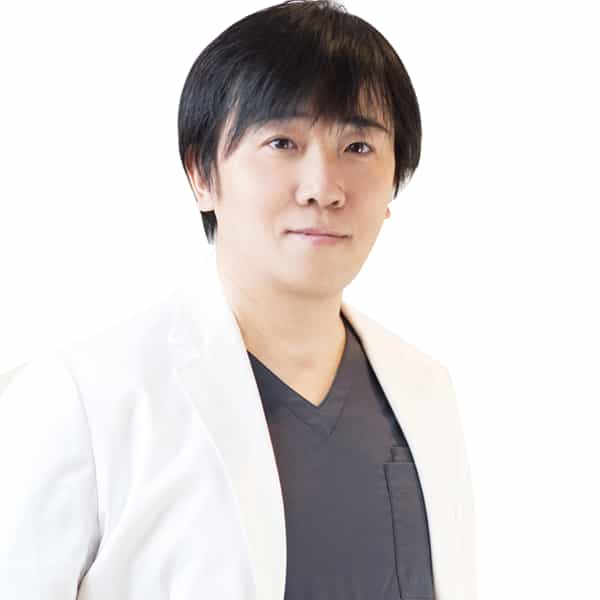
Yuichi Wakabayashi
Cell Grand Clinic – Japan’s Best Stem Cell Clinic
- Longevity Specialist
Osaka, Japan
비교할 수 없는 규제 안전성
가장 큰 장점은 안심할 수 있다는 점입니다. 일본의 재생의학 안전법은 세포 치료를 받기에 세계에서 가장 안전한 환경을 조성합니다.
환자들은 해당 클리닉들이 음지에서 운영되는 것이 아니라 정부의 검사와 승인을 받았으며, 세포 배양 및 투여에 대한 엄격한 기준을 준수하고 있다는 것을 알고 있습니다.
첨단 의료 기술
일본은 첨단 기술 사회이며, 이는 의학 분야에도 적용됩니다. 병원에서는 최첨단 자동 세포 계수기, 무균 검사 장비, 그리고 치료 전후 평가를 위한 고급 MRI/CT 영상 장비를 사용합니다.
이러한 기술적 우위는 초기 진단부터 최종 세포 주입에 이르기까지 모든 단계에서 정확성을 보장합니다.
환대 문화(오모테나시)
일본의 의료 시스템은 '오모테나시', 즉 진심 어린 환대의 정신으로 유명합니다. 의료진은 환자를 존중과 존엄, 그리고 세심한 배려로 대합니다.
취약한 상태에 빠질 수 있는 뇌졸중 생존자들에게 이러한 부드럽고 세심한 접근 방식은 신체적 치료만큼이나 중요한 정서적 안정감을 제공합니다.
일본에서 수준 높은 의료 서비스를 받는 것은 언어 장벽과 엄격한 입국 요건 때문에 어려울 수 있습니다. 플래시드웨이는 이러한 어려움을 해결해 주는 다리 역할을 하여 일본 최고의 재생 의학 클리닉과 원활하게 연결해 드립니다.
클리닉 인증
저희는 추천해 드리는 모든 클리닉이 고객님께 필요한 특정 세포 치료에 대해 일본 후생성으로부터 유효한 허가를 받았는지 확인합니다.
의료 비자 지원
저희는 등록된 보증인과 협력하여 장기 치료 체류에 종종 필요한 일본 의료 비자 취득을 도와드립니다.
언어 지원
저희는 귀하께서 의사와 명확하게 소통하실 수 있도록 전문 의료 통역 서비스를 제공하는 병원과 연결해 드립니다.
여행 물류
저희는 환자분께서 이동에 어려움이 있으시더라도 편안하게 머무르실 수 있도록 병원 근처의 교통편과 숙박 시설을 마련해 드립니다.
비용 투명성
저희는 세포 처리, 관리 및 선택적 재활 비용을 자세히 명시한 견적서를 제공하여 예상치 못한 추가 비용이 발생하지 않도록 합니다.
원격 진료
저희는 여행 예약 전에 일본 전문의가 MRI 영상과 병력을 검토할 수 있도록 초기 화상 상담을 제공합니다.
세계에서 가장 안전한 환경에서 재생 의학의 잠재력을 경험해 보세요. 지금 바로 플래시드웨이에 연락하여 일본에서 회복을 향한 여정을 시작하세요.
무료 맞춤 견적을 받아보세요


.png)













Share this listing