
.png)
Contents
Japan Stem Cell for Diabetes: New Hope for Type 1 & Type 2
Japan stands at the global forefront of regenerative medicine, offering some of the most advanced and strictly regulated stem cell therapies for Diabetes Mellitus (Type 1 and Type 2). Following the awarding of the Nobel Prize to Dr. Shinya Yamanaka for his discovery of induced pluripotent stem cells (iPSCs), the Japanese government accelerated the clinical application of regenerative therapies, creating a unique environment where innovation meets rigorous safety protocols.
For patients with diabetes, treatment in Japan focuses on repairing pancreatic function, improving insulin sensitivity, and managing severe complications like neuropathy and nephropathy. Unlike many other jurisdictions where stem cell clinics operate in a "gray area," Japan enforces the Act on the Safety of Regenerative Medicine (ASRM). This ensures that every clinic treating international patients has been vetted and licensed by the Ministry of Health, Labour and Welfare.
Patients traveling to cities like Tokyo, Osaka, or Kyoto can expect a highly scientific approach. Treatments typically utilize autologous Mesenchymal Stem Cells (MSCs) derived from adipose tissue, cultured in high-tech laboratories to ensure purity and potency before administration.
Choosing Japan is a choice for quality, safety, and precision. It is an ideal destination for patients seeking legitimate, evidence-based regenerative care to manage their condition and improve their quality of life.
Did You Know?
Japan was the first country in the world to fast-track approval for regenerative medicine products. The government’s "Sakigake Strategy" allows promising therapies to be approved for conditional use faster than in the US or Europe, giving patients earlier access to breakthrough treatments under strict surveillance.
Key Insights at a Glance
Clinics must hold a Class I, II, or III license under the Act on the Safety of Regenerative Medicine to operate legally.
Therapies are highly effective at addressing diabetic neuropathy, kidney function issues, and vascular health.
Japanese labs use advanced cell culture technology (CPC) to expand stem cells to high numbers without losing potency.
Treatment often combines stem cell infusions with nutritional guidance and advanced diagnostics.
International patients typically require a Medical Visa, which ensures they are treated at accredited facilities.
Clinics utilize cutting-edge delivery methods, including IV infusion and localized injections, guided by precision imaging.
The Home of iPS Cells
Japan is the birthplace of Induced Pluripotent Stem Cells (iPS cells), discovered by Kyoto University's Dr. Shinya Yamanaka in 2006. While most current clinical treatments use adult stem cells (MSCs), Japan is actively conducting the world's most advanced clinical trials using iPS cells to create insulin-producing beta cells, bringing us closer to a potential cure for Type 1 Diabetes.
Medical care in Japan is comprehensive and detail-oriented. Providers offering packages for international patients typically bundle the stem cell culture process, administration, extensive pre-treatment testing (blood work, imaging), and post-treatment monitoring. Due to language barriers, the best packages also include a dedicated medical interpreter and assistance with the Medical Visa application process (Certificate of Eligibility).
Note: Most packages do not include flights or accommodation, but clinics can recommend partner hotels nearby.
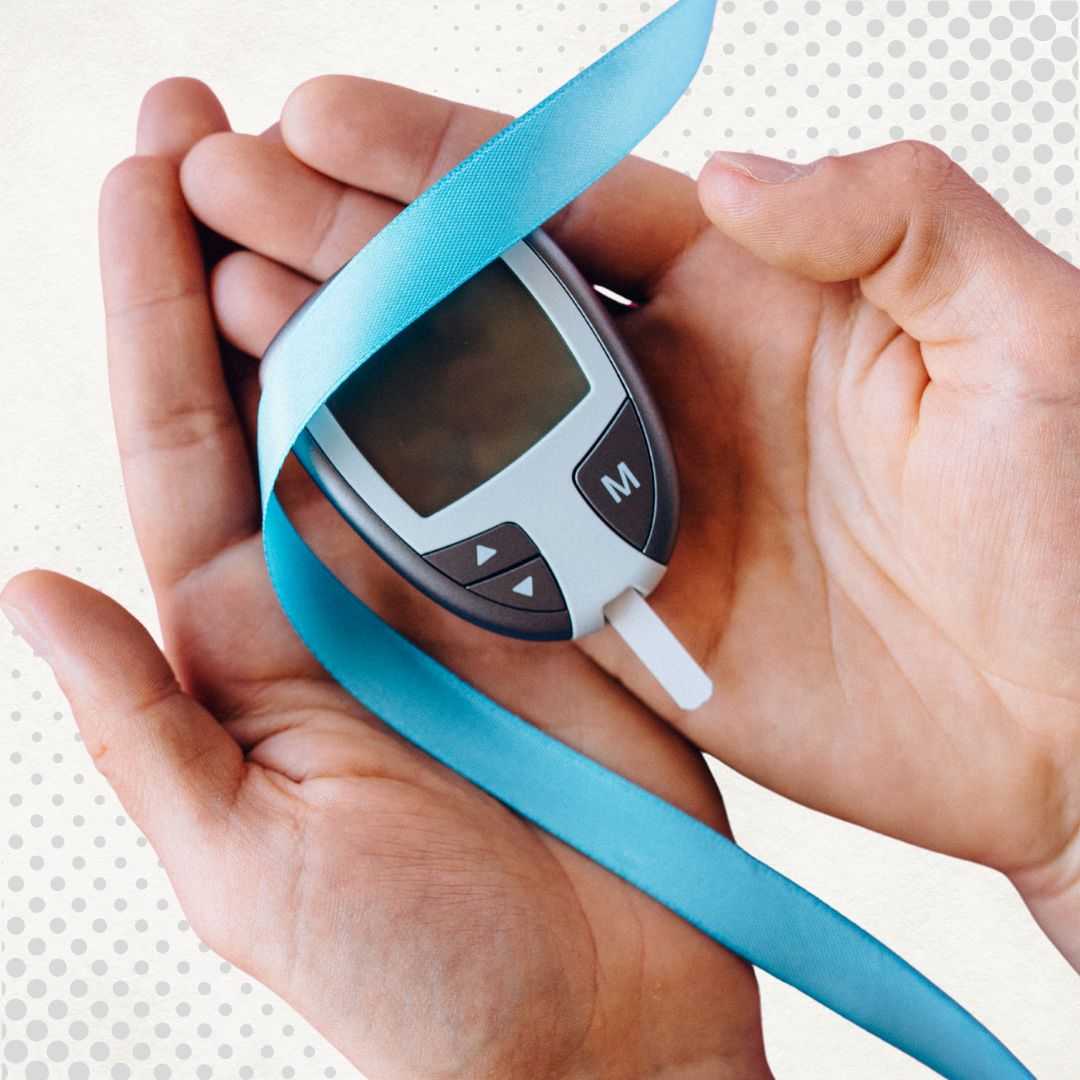
Price starting from $70000.0
Diabetes Regenerative Medicine Package in Osaka, Japan by Cell Grand Clinic
細胞グランドクリニック - 日本最高の幹細胞クリニック
- Stem Cell Therapy
Osaka, Japan

Price starting from $68000.0
Advanced Autologous Stem Cell Treatment for Diabetes Package in Tokyo, Japan by HELENE Clinic
HELENE - Stem Cell Clinic
- Stem Cell Therapy
Tokyo, Japan
Japan is a premium medical destination, and costs reflect the high standards of laboratory processing and safety compliance. The average cost for a course of stem cell therapy for diabetes typically ranges from $15,000 to $25,000 USD. This price often covers the harvesting of adipose tissue, cell culturing (which takes 3-4 weeks), and the infusion session. While higher than in some other countries, the cost ensures the cells are processed in a certified Cell Processing Center (CPC).
Tip: Always ask if the price includes the cost of cell culturing/expansion, as this is the most expensive part of the process.
Stem Cell Treatment for Diabetes Centers Cost Comparison in Japan
| Provider | Procedure | Price |
|---|---|---|
| HELENE - Stem Cell Clinic | Stem Cell Treatment for Diabetes, Stem Cell Therapy | $10000 |
Stem Cell Treatment for Diabetes Cost Comparison in Japan
| Country | Procedure | Price |
|---|---|---|
| United States | Stem Cell Treatment for Diabetes, Stem Cell Therapy | $22000 |
We have curated a list of Japan's most reputable clinics that hold valid licenses from the Ministry of Health, Labour and Welfare. These centers are often led by academic researchers and operate within strict ethical guidelines. They feature on-site or partnered CPCs (Cell Processing Centers) to ensure the highest viability of stem cells. Explore the profiles below to check their specific licenses (Class II or Class III) and treatment protocols.
Standard: Look for clinics that display their "Provision of Regenerative Medicine" notification number on their profile.
細胞グランドクリニック - 日本最高の幹細胞クリニック
Osaka, Japan

HELENE - Stem Cell Clinic
Tokyo, Japan
Hearing from patients who have navigated the Japanese medical system provides valuable reassurance. The testimonials below feature international patients sharing their experiences with stem cell therapy in Japan. They discuss improvements in their blood glucose levels (HbA1c), reductions in neuropathy symptoms, and the professionalism of the Japanese medical teams.
Insight: Patients often praise the cleanliness, punctuality, and detailed explanations provided by Japanese doctors.
Reviews for medical treatment in Japan consistently highlight the "Omotenashi" (hospitality) culture. In this section, read verified reviews covering the entire patient journey—from the initial remote consultation to the final discharge. Patients frequently recommend Japan for its sense of safety, high-tech facilities, and the thoroughness of the medical reports provided post-treatment.
Review Tip: Look for reviews that mention long-term follow-up, as Japanese clinics are known for maintaining contact.

How Much Does Stem Cell Treatment for Type 1 Diabetes Cost in Japan?
Stem cell treatment for Type 1 diabetes in Japan typically costs between $15,000 and $40,000 USD for standard protocols. Premium packages, which may include higher cell counts or multiple sessions, can range from $50,000 to over $100,000 depending on the clinic and duration of care. Type 1 diabetes is a challenging autoimmune condition where the body’s immune system attacks the insulin-producing beta cells in the pancreas. For decades, the only solution has been lifelong insulin injections and constant blood sugar monitoring. However, recent advancements in regenerative medicine are offering a new avenue of hope. Japan, a world leader in this field, has become a top destination for patients seeking stem cell therapy for Type 1 diabetes. Unlike conventional treatments that merely manage symptoms, stem cell therapy aims to address the underlying immune dysfunction. By utilizing the body’s own repair mechanisms, this therapy seeks to protect remaining beta cells and potentially improve insulin sensitivity. If you are considering traveling to Japan for this cutting-edge treatment, understanding the costs, legalities, and realistic outcomes is crucial. In this comprehensive guide, we will break down everything you need to know to make an informed decision about your health journey. What is stem cell therapy for Type 1 diabetes? Stem cell therapy for Type 1 diabetes involves the administration of mesenchymal stem cells (MSCs) to modulate the immune system, reduce pancreatic inflammation, and potentially preserve or regenerate insulin-producing beta cells. In Type 1 diabetes, the immune system mistakenly identifies beta cells as threats and destroys them. Stem cell therapy works primarily through "immunomodulation." The introduced stem cells act like peacekeepers, signaling the immune system to calm down and stop attacking the pancreas. This creates a more favorable environment for the body to heal. Additionally, these cells release potent growth factors that improve blood flow and reduce systemic inflammation. While the primary goal is to stop the autoimmune attack, there is also hope that this environment allows for the preservation of whatever beta cell function remains, which can significantly stabilize blood sugar levels and reduce the amount of exogenous insulin a patient needs daily. Why choose Japan for Type 1 diabetes treatment? Japan offers a unique combination of advanced medical technology and strict government regulation under the "Act on the Safety of Regenerative Medicine," ensuring that patients receive safe, high-quality, and legally approved cell therapies. Many countries offer stem cell treatments in regulatory gray areas, but Japan is different. The Japanese government has proactively legislated regenerative medicine, creating a framework where clinics must prove the safety and sterility of their procedures before they can treat patients. This provides a layer of consumer protection that is rare in the medical tourism industry. Furthermore, Japan is the birthplace of induced pluripotent stem cell (iPS) technology (Nobel Prize-winning research). While most clinical treatments currently use adult stem cells (MSCs), this strong research culture permeates the clinical landscape, meaning you are often treated by doctors who are at the forefront of global scientific research. Is stem cell therapy for Type 1 diabetes legal in Japan? Yes, it is legal. Clinics must obtain specific approval from the Ministry of Health, Labour and Welfare (MHLW) to offer stem cell therapies for diabetes, and they are rigorously monitored for compliance and safety. You can verify a clinic's legitimacy by asking for their MHLW notification number. This number proves that their specific treatment plan—in this case, using stem cells for diabetes—has been vetted by a certified committee and registered with the government. This transparency is a huge advantage for international patients. It is important to note that while legal, these treatments are generally considered "self-funded" medical care. This means they are not covered by Japanese national insurance for tourists, nor are they typically covered by insurance companies from the US or Europe, as they are still classified as experimental or elective in those regions. What is the cost of stem cell treatment for Type 1 diabetes in Japan? The cost generally falls between $15,000 and $40,000 USD for a standard single-cycle treatment. Comprehensive packages involving multiple infusions or extended hospital stays can exceed $100,000. The price tag reflects the high cost of operating in Japan's regulated environment. The most expensive component is the cell processing. Your cells must be cultured in a specialized, sterile facility known as a Cell Processing Center (CPC) for several weeks to ensure they are free of contaminants and have multiplied to therapeutic numbers. Here is a breakdown of what you might expect to pay: Treatment Package Estimated Cost (USD) Details Standard Protocol $15,000 - $25,000 One harvesting session, lab culture, and one large IV infusion. Advanced Protocol $30,000 - $50,000 Higher cell counts (300M+), cryopreservation for future use, multiple infusions. Premium / Multi-Stage $90,000 - $150,000 Comprehensive "cure" programs with extensive monitoring, genetic testing, and multiple visits. What types of stem cells are used? The most common cell type used in Japan for Type 1 diabetes is Autologous Adipose-Derived Mesenchymal Stem Cells (ADSCs), taken from the patient's own fat tissue. Doctors prefer ADSCs for several reasons. First, they are easily accessible via a simple mini-liposuction procedure. Second, fat tissue is incredibly rich in mesenchymal stem cells—much more so than bone marrow. Third, because they are "autologous" (your own), there is zero risk of your body rejecting them as a foreign object. While Japan is famous for iPS cells (which can theoretically be turned into new pancreatic beta cells), this specific technology is still largely in the clinical trial phase and not widely available for commercial treatment. ADSCs remain the safest and most established option for current patients. How is the procedure performed? The procedure is a multi-step process: first, a small amount of fat is harvested under local anesthesia; next, the cells are cultured in a lab for 3-4 weeks; finally, the expanded cells are returned to the patient via an intravenous (IV) drip. The process is designed to be minimally invasive. On your first visit, the doctor will perform a small liposuction on your abdomen or thigh. This takes less than an hour. You are then free to leave, though you will have to wait a few weeks for the laboratory to do its work. This culture phase is critical; it turns a few thousand cells into hundreds of millions. When you return for the infusion, it is a simple outpatient appointment. The cells are dripped into your bloodstream over the course of 1-2 hours. The MSCs then circulate through the body, homing in on areas of inflammation, including the pancreas. What success rates can I expect? Success is measured by a reduction in insulin requirements and improved HbA1c levels, not necessarily a total cure. Many patients report a "honeymoon period" where blood sugar stabilizes and insulin needs drop by 30-50%. It is vital to manage expectations. Stem cell therapy is not a magic wand that will instantly regrow a full new pancreas. For Type 1 diabetics, the success is often defined by a reduction in the "brittleness" of their diabetes. This means fewer dangerous lows (hypoglycemia) and fewer spikes. Some patients may find they can reduce their daily insulin dosage significantly, while a small percentage of early-stage patients (those diagnosed very recently) may achieve temporary insulin independence. However, for long-term diabetics, the goal is usually stability and the prevention of complications like neuropathy or kidney failure. Can this therapy cure Type 1 Diabetes? Currently, stem cell therapy is considered a treatment, not a guaranteed cure. While it can significantly improve quality of life and reduce symptoms, most patients will still need to use some insulin, albeit often at lower doses. The word "cure" implies that you can walk away and never think about diabetes again. Science is getting closer, but we aren't quite there yet with commercially available treatments. The autoimmune nature of Type 1 diabetes means that even if new beta cells are regenerated, the body may eventually attack them again without ongoing immunomodulation. Think of this therapy as a powerful tool to reset your immune system and preserve your body's remaining function, buying you time and health while protecting your organs from the damage of high blood sugar. What are the risks and side effects? Side effects are generally mild and rare. They may include temporary pain or bruising at the liposuction site, and occasionally a low-grade fever or fatigue for 24 hours after the cell infusion. Because the cells are your own, there is no risk of graft-vs-host disease or rejection, which are major risks in organ transplants. The biggest safety concern in cell therapy is contamination, but Japan's strict regulations on cell processing centers make this risk extremely low. Long-term risks are minimal, but as with any medical procedure, it is important to discuss your full medical history with the doctor to ensure there are no contraindications, such as active cancer or severe infections. What is the recovery time? Recovery is minimal. Patients can typically walk out of the clinic immediately after both the fat harvest and the infusion. Most return to normal non-strenuous daily activities the next day. You won't need to stay in a hospital bed. The liposuction site might feel tender, like a muscle workout or a bruise, for about a week. Doctors usually advise avoiding heavy lifting, intense gym sessions, or swimming/baths for a week to ensure the harvest site heals perfectly. For the infusion, you might feel a bit tired afterwards, so planning a quiet evening at your hotel is a good idea. By the next morning, most patients feel back to normal and are ready to enjoy their time in Japan. Who is eligible for this treatment? Eligible patients are typically those with Type 1 diabetes who are in stable health and free of active infections or cancer. It is often most effective for patients diagnosed more recently who still have some beta cell function (detectable C-peptide). Doctors will ask for your recent blood tests, specifically your HbA1c and C-peptide levels. C-peptide is a marker that shows if your body is still making any of its own insulin. Patients with detectable C-peptide tend to respond better because there are still beta cells left to protect and stimulate. However, even long-term patients with no C-peptide can benefit from the anti-inflammatory effects, which can help treat or prevent complications like diabetic foot, kidney issues, or eye problems. How does this compare to an insulin pump or islet transplant? An insulin pump is a mechanical management tool, while stem cell therapy is a biological repair treatment. Islet transplants are effective but require lifelong immunosuppressant drugs, whereas stem cell therapy uses your own cells and requires no anti-rejection medication. Insulin pumps are fantastic for management, but they do not treat the disease itself. Islet transplants (taking cells from a donor) can cure diabetes, but they trade one disease for another: you must take powerful drugs to suppress your immune system for the rest of your life, which carries high risks. Stem cell therapy attempts to find a middle ground—biological repair without the need for dangerous immunosuppressive drugs. It is a safer, albeit currently less "curative," option compared to a full transplant. Are there specific clinics in Japan for this? Yes, several licensed clinics in Tokyo, Osaka, and Kyoto specialize in diabetes treatment. Notable names often include clinics or those affiliated with major research universities offering private care. When searching for a clinic, look for one that specifically lists "diabetes" in their MHLW-approved provision plan. Some clinics specialize in orthopedic (joint) stem cells, which is a different protocol. You want a clinic that understands the metabolic and autoimmune nature of diabetes. These clinics are often high-end, boutique medical facilities designed to cater to international clientele, providing a comfortable and private environment for treatment. Will I face a language barrier? Leading clinics dealing with international patients typically have English-speaking staff or provide professional medical interpreters to ensure seamless communication during consultations and procedures. Japan has invested heavily in medical tourism infrastructure. You will likely be assigned a dedicated case manager who speaks English. They will handle your appointments, translate your medical documents, and be by your side during the doctor's consultation. Always confirm the availability of interpretation services before you book. Miscommunication in medical settings can be stressful, so having that guaranteed support is worth checking for. How do I get started? The first step is to contact a clinic or a medical tourism agency to submit your medical records. You will need to provide recent blood work (HbA1c, C-peptide, etc.) for a preliminary review by the Japanese medical team. Do not book your flight just yet. You need to be "accepted" as a patient first. This remote consultation ensures that you are a good candidate and that the treatment is likely to help you. Once approved, the clinic will help you coordinate your travel dates. Remember to plan for the timeline: you will either need a long stay (4-5 weeks) or two short trips (3-4 days each) separated by a month. Factor this travel time and cost into your overall budget. Take the Next Step for Your Health If you are ready to explore the potential of stem cell therapy for Type 1 diabetes and want to connect with licensed, safe clinics in Japan, PlacidWay is here to assist you. We simplify the process of finding top-tier medical care abroad.
Is Stem Cell Treatment for Type 1 Diabetes Available in Japan?
Yes, stem cell treatment is available in Japan, but it exists in two distinct forms: Clinical Trials (using iPS cells to replace the pancreas's function) which aim for a cure, and Private Clinic Therapies (using MSCs) which aim to manage inflammation and reduce insulin needs. Japan is currently at the forefront of global research into curing Type 1 Diabetes (T1D). In 2025, the country made headlines with Kyoto University's breakthrough clinical trials using iPS cells. However, for patients looking to book a flight and get treated tomorrow, the options are different from what is happening in university labs. It is crucial to understand the difference between "regenerative medicine" available for purchase (which typically modulates the immune system) and "beta-cell replacement" (which is still in the trial phase). This guide breaks down what is actually available to patients today. Clinical Trials: The Quest for a Cure (iPS Cells) A landmark clinical trial in Japan successfully transplanted iPS cell-derived pancreatic islet sheets into T1D patients to restore insulin production. This is considered the "holy grail" of diabetes treatment. The approach involves taking healthy cells, reprogramming them into stem cells (iPSCs), converting them into insulin-producing pancreatic islet cells, and transplanting them into the patient, often in a sheet form under the abdominal muscle. Availability: Highly restricted. Only available to a handful of patients enrolled in the official study. Cost: Generally free for trial participants, but not commercially purchasable. Goal: Total insulin independence (a functional cure). Status (2025): Early phases have shown success, with plans to expand trials, but widespread commercial availability is projected for the 2030s. Private Clinics: Immunomodulation Therapy (MSCs) Private regenerative medicine clinics in Japan offer Mesenchymal Stem Cell (MSC) infusions, costing between $15,000 and $40,000 USD, aimed at halting the autoimmune attack rather than replacing the pancreas. If you search for "stem cell treatment for diabetes in Japan" and find a clinic you can book today, this is what they are offering. These clinics typically use Autologous Adipose-Derived Stem Cells (fat stem cells) or Umbilical Cord Stem Cells. How it works: These stem cells are not turned into insulin-producing cells. Instead, they are infused intravenously to act as powerful anti-inflammatories. The goal is to "reset" the immune system to stop it from attacking whatever beta cells the patient has left. Availability: Widely available at licensed clinics in Tokyo, Osaka, and Kyoto. Target Patient: Most effective for "Honeymoon Phase" patients (recently diagnosed) who still have some insulin production to save. Long-term T1D patients may see less benefit. Goal: Reduce daily insulin dosage, stabilize blood sugar swings (HbA1c), and prevent complications (neuropathy, kidney issues). It is rarely a total cure for established T1D. Cost of Diabetes Stem Cell Treatment in Japan Commercial MSC treatments typically cost ¥2,200,000 to ¥6,000,000 ($15,000 - $40,000) depending on the cell count (e.g., 100 million vs. 300 million cells) and the number of infusions. Since this is an elective, "free-practice" treatment, it is not covered by Japanese health insurance. You are paying for the specialized cell processing in a sterile CPC (Cell Processing Center) and the medical procedure. Premium packages often include: Initial consultation and blood work. Fat harvesting (liposuction) if using autologous cells. Cell culturing (takes 3-4 weeks). Intravenous infusion sessions (1 to 3 sessions). Follow-up monitoring. Success Rates and Expectations For private MSC therapy, success is measured by a reduction in exogenous insulin needs (often 30-50%) and improved HbA1c, but patients should not expect to stop taking insulin entirely. Studies suggest that MSC therapy is safe and can preserve C-peptide levels (a marker of natural insulin production) better than standard care alone. However, for patients who have had T1D for decades and have zero beta cells left, MSC therapy offers limited benefit regarding insulin production, though it may help heal vascular damage caused by high blood sugar. Comparison: Clinical Trial vs. Private Clinic Feature Kyoto Univ. Trial (iPS Cells) Private Clinic (MSC Therapy) Primary Goal Cure (Create new pancreas cells) Management (Stop immune attack) Mechanism Beta-cell Replacement Immunomodulation Availability Extremely Limited (Research only) Available Now (Commercial) Cost Free (if selected) $15,000 - $40,000+ Best Candidate Severe, unstable T1D Newly diagnosed / Early stage Interested in Japanese Stem Cell Therapies? Whether you are seeking to join a clinical trial or explore private regenerative medicine for diabetes management, PlacidWay can guide you to licensed and reputable providers in Japan.
Treatment in Japan is led by clinician-scientists who are often at the cutting edge of regenerative research. We feature specialists who are licensed under the ASRM and have extensive experience in metabolic diseases. Their expertise ensures that your treatment protocol is based on the latest scientific evidence and tailored to your specific health needs.
Certified Regenerative Physicians
Licensed by the Ministry of Health
Top specialists must undergo specific training and certification to administer cell therapies. They are experts not just in endocrinology, but in the safe handling and administration of biological products.
Research Leaders
Academic and Clinical Excellence
Many practitioners hold positions at prestigious universities in Tokyo and Osaka. They often contribute to global journals on regenerative medicine, ensuring they apply the newest findings directly to patient care.
Safety-First Approach
Rigorous Protocols
Japanese specialists are known for their conservative, safety-first approach. They perform extensive pre-screening to ensure you are a good candidate, prioritizing your long-term health over quick fixes.
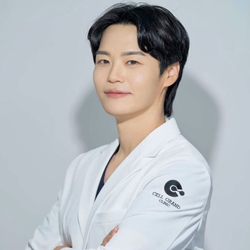
Yuichi Wakabayashi
Cell Grand Clinic – Japan’s Best Stem Cell Clinic
- Regenerative Medicine Specialist
Osaka, Japan
Gold Standard Regulation
The primary reason patients choose Japan is peace of mind. The Act on the Safety of Regenerative Medicine (ASRM) provides a transparent legal framework that eliminates "cowboy clinics."
Patients know that any clinic they visit has been vetted by government-approved committees, ensuring the highest standards of ethics and safety in the world.
Advanced Cell Processing
The quality of the stem cells determines the success of the treatment. Japan's Cell Processing Centers (CPCs) are state-of-the-art, using advanced culture mediums (often serum-free) to expand cells into the millions without contamination.
This ensures that the final product infused into your body is highly potent and active.
Cultural Trust and Service
Japanese healthcare is renowned for its meticulous attention to detail and patient respect. From precise scheduling to spotless facilities, the entire experience is designed to reduce stress.
This supportive environment is crucial for patients managing chronic conditions like diabetes.
Accessing advanced medical care in Japan can be challenging due to language and regulatory barriers. PlacidWay serves as your trusted bridge, connecting you with licensed clinics and ensuring a smooth, compliant journey.
License Verification
We confirm that every partner clinic holds a valid license from the Japanese Ministry of Health to perform stem cell therapies, guaranteeing your safety.
Medical Visa Support
We connect you with registered guarantors in Japan who are authorized to issue the documents required for your Medical Visa application.
Remote Consultations
We facilitate initial video calls with Japanese specialists (with interpreters) to review your medical history and determine your eligibility before you travel.
Interpreter Services
We ensure that your package includes professional medical interpretation, so you fully understand your treatment plan and doctor's instructions.
Transparent Pricing
Get detailed quotes that explain the costs of cell culture, administration, and hospital fees, helping you plan your investment without surprises.
Patient Advocacy
From your first inquiry to post-treatment follow-up, our team supports you, ensuring your experience in Japan is comfortable, respectful, and effective.
Experience the future of medicine today. Contact PlacidWay to receive a free, personalized quote and start your journey toward better health with stem cell therapy in Japan.
Get Your Free Personalized Quote.png)
.png)
.png)


.png)



Share this listing