


.png)
เนื้อหา
เซลล์ต้นกำเนิดจากญี่ปุ่นสำหรับการรักษาโรคเบาหวาน: ความหวังใหม่สำหรับโรคเบาหวานประเภทที่ 1 และประเภทที่ 2
ญี่ปุ่นเป็นผู้นำระดับโลกด้านเวชศาสตร์ฟื้นฟู โดยนำเสนอการรักษาด้วยเซลล์ต้นกำเนิดที่ทันสมัยและอยู่ภายใต้การควบคุมอย่างเข้มงวดที่สุดสำหรับโรคเบาหวาน (ประเภทที่ 1 และประเภทที่ 2) หลังจากที่ ดร. ชินยะ ยามานากะ ได้รับรางวัลโนเบลจากการค้นพบเซลล์ต้นกำเนิดแบบเหนี่ยวนำให้เป็นเซลล์ต้นกำเนิดหลายศักยภาพ (iPSCs) รัฐบาลญี่ปุ่นได้เร่งการนำการรักษาด้วยเวชศาสตร์ฟื้นฟูมาใช้ในทางคลินิก ทำให้เกิดสภาพแวดล้อมที่เป็นเอกลักษณ์ซึ่งนวัตกรรมมาบรรจบกับระเบียบการด้านความปลอดภัยที่เข้มงวด
สำหรับผู้ป่วยโรคเบาหวาน การรักษาในญี่ปุ่นมุ่งเน้นไปที่การฟื้นฟูการทำงานของตับอ่อน การเพิ่มความไวต่ออินซูลิน และการจัดการภาวะแทรกซ้อนร้ายแรง เช่น โรคเส้นประสาทและโรคไต แตกต่างจากหลายประเทศที่คลินิกเซลล์ต้นกำเนิดดำเนินการอยู่ใน "พื้นที่สีเทา" ญี่ปุ่นบังคับใช้ พระราชบัญญัติว่าด้วยความปลอดภัยของเวชศาสตร์ฟื้นฟู (ASRM) ซึ่งรับประกันว่าทุกคลินิกที่รักษาผู้ป่วยต่างชาติได้รับการตรวจสอบและได้รับใบอนุญาตจากกระทรวงสาธารณสุข แรงงาน และสวัสดิการแล้ว
ผู้ป่วยที่เดินทางไปรักษาในเมืองต่างๆ เช่น โตเกียว โอซาก้า หรือเกียวโต จะได้รับการรักษาที่มีมาตรฐานทางวิทยาศาสตร์สูง โดยทั่วไปแล้ว การรักษาจะใช้เซลล์ต้นกำเนิดมีเซนไคม์ (MSC) จากเนื้อเยื่อไขมันของผู้ป่วยเอง ซึ่งนำมาเพาะเลี้ยงในห้องปฏิบัติการที่มีเทคโนโลยีขั้นสูง เพื่อให้มั่นใจในความบริสุทธิ์และประสิทธิภาพก่อนนำไปใช้
การเลือกประเทศญี่ปุ่นคือการเลือกคุณภาพ ความปลอดภัย และความแม่นยำ เป็นจุดหมายปลายทางที่เหมาะสมสำหรับผู้ป่วยที่ต้องการการดูแลรักษาแบบฟื้นฟูที่ได้รับการรับรองและมีหลักฐานเชิงประจักษ์ เพื่อจัดการกับอาการป่วยและปรับปรุงคุณภาพชีวิตของตนเอง
คุณรู้หรือไม่?
ญี่ปุ่นเป็นประเทศแรกในโลกที่เร่งกระบวนการอนุมัติผลิตภัณฑ์เวชศาสตร์ฟื้นฟู "ยุทธศาสตร์ซากิกาเกะ" ของรัฐบาลช่วยให้การบำบัดที่มีแนวโน้มดีได้รับการอนุมัติให้ใช้แบบมีเงื่อนไขได้เร็วกว่าในสหรัฐอเมริกาหรือยุโรป ทำให้ผู้ป่วยสามารถเข้าถึงการรักษาที่ก้าวล้ำได้เร็วขึ้นภายใต้การกำกับดูแลอย่างเข้มงวด
ข้อมูลเชิงลึกที่สำคัญโดยสรุป
คลินิกจะต้องมีใบอนุญาตประเภทที่ 1, 2 หรือ 3 ภายใต้พระราชบัญญัติว่าด้วยความปลอดภัยของเวชศาสตร์ฟื้นฟู จึงจะสามารถดำเนินการได้อย่างถูกกฎหมาย
การรักษาเหล่านี้มีประสิทธิภาพสูงในการแก้ไขปัญหาระบบประสาทที่เกิดจากเบาหวาน ปัญหาการทำงานของไต และสุขภาพของหลอดเลือด
ห้องปฏิบัติการของญี่ปุ่นใช้เทคโนโลยีการเพาะเลี้ยงเซลล์ขั้นสูง (CPC) เพื่อขยายจำนวนเซลล์ต้นกำเนิดให้ได้จำนวนมากโดยไม่สูญเสียศักยภาพ
การรักษาโดยทั่วไปมักเป็นการผสมผสานการให้สเต็มเซลล์ร่วมกับการให้คำแนะนำด้านโภชนาการและการวินิจฉัยขั้นสูง
โดยทั่วไปผู้ป่วยต่างชาติจำเป็นต้องมีวีซ่าทางการแพทย์ ซึ่งจะช่วยให้มั่นใจได้ว่าพวกเขาจะได้รับการรักษาในสถานพยาบาลที่ได้รับการรับรอง
คลินิกเหล่านี้ใช้วิธีการให้ยาที่ทันสมัย รวมถึงการให้ยาทางหลอดเลือดดำและการฉีดยาเฉพาะที่ โดยอาศัยภาพวินิจฉัยที่มีความแม่นยำสูง
แหล่งกำเนิดของเซลล์ iPS
ญี่ปุ่นเป็นแหล่งกำเนิดของ เซลล์ต้นกำเนิดแบบเหนี่ยวนำให้เป็นเซลล์หลายศักยภาพ (iPS cells) ซึ่งค้นพบโดย ดร. ชินยะ ยามานากะ จากมหาวิทยาลัยเกียวโต ในปี 2549 ในขณะที่การรักษาทางคลินิกส่วนใหญ่ในปัจจุบันใช้เซลล์ต้นกำเนิดจากผู้ใหญ่ (MSCs) ญี่ปุ่นกำลังดำเนินการทดลองทางคลินิกที่ก้าวหน้าที่สุดในโลกโดยใช้เซลล์ iPS เพื่อสร้างเซลล์เบต้าที่ผลิตอินซูลิน ซึ่งทำให้เราเข้าใกล้การรักษาโรคเบาหวานประเภทที่ 1 ได้มากขึ้น
การดูแลทางการแพทย์ในญี่ปุ่นมีความครอบคลุมและใส่ใจในรายละเอียด ผู้ให้บริการที่เสนอแพ็กเกจสำหรับผู้ป่วยต่างชาติมักจะรวมกระบวนการเพาะเลี้ยงสเต็มเซลล์ การให้ยา การตรวจก่อนการรักษาอย่างละเอียด (การตรวจเลือด การถ่ายภาพ) และการติดตามผลหลังการรักษาไว้ด้วยกัน เนื่องจากอุปสรรคทางด้านภาษา แพ็กเกจที่ดีที่สุดจึงมักรวมถึงล่ามทางการแพทย์โดยเฉพาะและความช่วยเหลือในกระบวนการยื่นขอวีซ่าทางการแพทย์ (ใบรับรองคุณสมบัติ) ด้วย
หมายเหตุ: แพ็กเกจส่วนใหญ่ไม่รวมตั๋วเครื่องบินหรือที่พัก แต่คลินิกสามารถแนะนำโรงแรมพันธมิตรในบริเวณใกล้เคียงได้
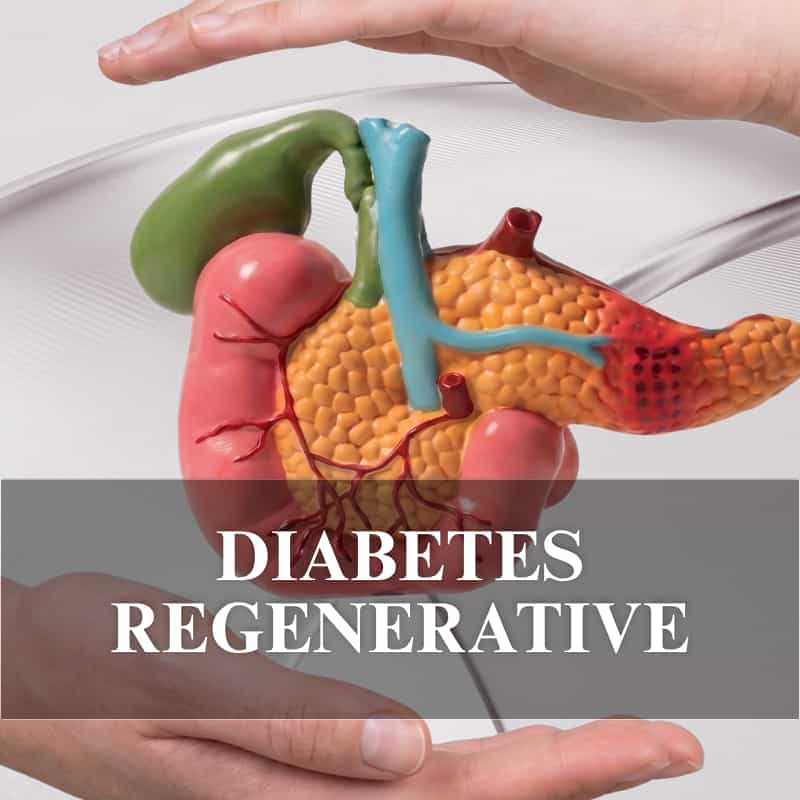
Price starting from $19,800
Diabetes Regenerative Medicine Package in Osaka, Japan by Cell Grand Clinic
Cell Grand Clinic - Best Stem Cell Clinic in Japan
- Stem Cell Therapy
Osaka, Japan

Price starting from $68,000
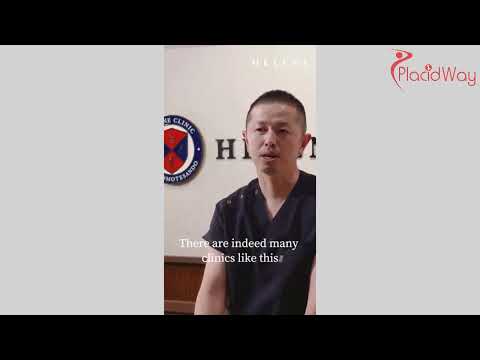
Advanced Autologous Stem Cell Treatment for Diabetes Package in Tokyo, Japan by HELENE Clinic
HELENE - Stem Cell Clinic
- Stem Cell Therapy
Tokyo, Japan
ญี่ปุ่นเป็นจุดหมายปลายทางทางการแพทย์ชั้นนำ และค่าใช้จ่ายสะท้อนให้เห็นถึงมาตรฐานระดับสูงของการประมวลผลในห้องปฏิบัติการและการปฏิบัติตามข้อกำหนดด้านความปลอดภัย ค่าใช้จ่ายโดยเฉลี่ยสำหรับการรักษาด้วยสเต็มเซลล์สำหรับโรคเบาหวานโดยทั่วไปอยู่ที่ 15,000 ถึง 25,000 ดอลลาร์สหรัฐ ราคาดังกล่าวครอบคลุมการเก็บเกี่ยวเนื้อเยื่อไขมัน การเพาะเลี้ยงเซลล์ (ซึ่งใช้เวลา 3-4 สัปดาห์) และการฉีดเซลล์ แม้ว่าราคาจะสูงกว่าในบางประเทศ แต่ค่าใช้จ่ายนี้รับประกันได้ว่าเซลล์จะได้รับการประมวลผลในศูนย์ประมวลผลเซลล์ (CPC) ที่ได้รับการรับรอง
คำแนะนำ: ควรสอบถามเสมอว่าราคารวมค่าใช้จ่ายในการเพาะเลี้ยง/ขยายเซลล์แล้วหรือไม่ เนื่องจากนี่เป็นส่วนที่แพงที่สุดของกระบวนการ
Stem Cell Treatment for Diabetes เปรียบเทียบราคาศูนย์ใน Japan
| ผู้ให้บริการ | ขั้นตอน | ราคา |
|---|---|---|
| HELENE - Stem Cell Clinic | Stem Cell Treatment for Diabetes, Stem Cell Therapy | $10000 |
Stem Cell Treatment for Diabetes การเปรียบเทียบต้นทุนใน Japan
| ประเทศ | ขั้นตอน | ราคา |
|---|---|---|
| United States | Stem Cell Treatment for Diabetes, Stem Cell Therapy | $22000 |
เราได้รวบรวมรายชื่อคลินิกที่มีชื่อเสียงที่สุดในญี่ปุ่น ซึ่งได้รับใบอนุญาตอย่างถูกต้องจากกระทรวงสาธารณสุข แรงงาน และสวัสดิการ ศูนย์เหล่านี้มักนำโดยนักวิจัยทางวิชาการและดำเนินงานภายใต้หลักจริยธรรมที่เข้มงวด โดยมีศูนย์ประมวลผลเซลล์ (CPC) ในสถานที่หรือร่วมมือกับพันธมิตร เพื่อให้มั่นใจได้ว่าเซลล์ต้นกำเนิดมีคุณภาพสูงสุด สำรวจรายละเอียดด้านล่างเพื่อตรวจสอบใบอนุญาตเฉพาะ (ประเภทที่ 2 หรือประเภทที่ 3) และขั้นตอนการรักษา
มาตรฐาน: มองหาคลินิกที่แสดงหมายเลขแจ้งเตือน "การให้บริการเวชศาสตร์ฟื้นฟู" ไว้ในโปรไฟล์ของคลินิกนั้นๆ
Cell Grand Clinic - Best Stem Cell Clinic in Japan
Osaka, Japan

HELENE - Stem Cell Clinic
Tokyo, Japan
การได้รับฟังประสบการณ์จากผู้ป่วยที่เคยเข้ารับการรักษาในระบบการแพทย์ของญี่ปุ่นนั้นเป็นสิ่งที่ช่วยสร้างความมั่นใจได้อย่างมาก คำบอกเล่าด้านล่างนี้มาจากผู้ป่วยต่างชาติที่แบ่งปันประสบการณ์เกี่ยวกับการรักษาด้วยสเต็มเซลล์ในญี่ปุ่น พวกเขาพูดถึงการเปลี่ยนแปลงที่ดีขึ้นในระดับน้ำตาลในเลือด (HbA1c) การลดลงของอาการทางระบบประสาท และความเป็นมืออาชีพของทีมแพทย์ชาวญี่ปุ่น
ข้อสังเกต: ผู้ป่วยมักชื่นชมความสะอาด ความตรงต่อเวลา และคำอธิบายอย่างละเอียดที่แพทย์ชาวญี่ปุ่นให้แก่ผู้ป่วย
รีวิวเกี่ยวกับการรักษาพยาบาลในญี่ปุ่นมักเน้นย้ำถึงวัฒนธรรม "โอโมเตนาชิ" (การต้อนรับอย่างอบอุ่น) ในส่วนนี้ คุณจะได้อ่านรีวิวที่ได้รับการตรวจสอบแล้ว ซึ่งครอบคลุมขั้นตอนการรักษาทั้งหมด ตั้งแต่การปรึกษาทางไกลครั้งแรกไปจนถึงการออกจากโรงพยาบาล ผู้ป่วยมักแนะนำญี่ปุ่นเพราะความรู้สึกปลอดภัย สิ่งอำนวยความสะดวกที่ทันสมัย และรายงานทางการแพทย์ที่ละเอียดถี่ถ้วนหลังการรักษา
เคล็ดลับการตรวจสอบ: มองหารีวิวที่กล่าวถึงการติดตามผลในระยะยาว เนื่องจากคลินิกในญี่ปุ่นขึ้นชื่อเรื่องการติดต่อกับผู้ป่วยอย่างต่อเนื่อง

How Much Does Stem Cell Treatment for Type 1 Diabetes Cost in Japan?
Stem cell treatment for Type 1 diabetes in Japan typically costs between $15,000 and $40,000 USD for standard protocols. Premium packages, which may include higher cell counts or multiple sessions, can range from $50,000 to over $100,000 depending on the clinic and duration of care. Type 1 diabetes is a challenging autoimmune condition where the body’s immune system attacks the insulin-producing beta cells in the pancreas. For decades, the only solution has been lifelong insulin injections and constant blood sugar monitoring. However, recent advancements in regenerative medicine are offering a new avenue of hope. Japan, a world leader in this field, has become a top destination for patients seeking stem cell therapy for Type 1 diabetes. Unlike conventional treatments that merely manage symptoms, stem cell therapy aims to address the underlying immune dysfunction. By utilizing the body’s own repair mechanisms, this therapy seeks to protect remaining beta cells and potentially improve insulin sensitivity. If you are considering traveling to Japan for this cutting-edge treatment, understanding the costs, legalities, and realistic outcomes is crucial. In this comprehensive guide, we will break down everything you need to know to make an informed decision about your health journey. What is stem cell therapy for Type 1 diabetes? Stem cell therapy for Type 1 diabetes involves the administration of mesenchymal stem cells (MSCs) to modulate the immune system, reduce pancreatic inflammation, and potentially preserve or regenerate insulin-producing beta cells. In Type 1 diabetes, the immune system mistakenly identifies beta cells as threats and destroys them. Stem cell therapy works primarily through "immunomodulation." The introduced stem cells act like peacekeepers, signaling the immune system to calm down and stop attacking the pancreas. This creates a more favorable environment for the body to heal. Additionally, these cells release potent growth factors that improve blood flow and reduce systemic inflammation. While the primary goal is to stop the autoimmune attack, there is also hope that this environment allows for the preservation of whatever beta cell function remains, which can significantly stabilize blood sugar levels and reduce the amount of exogenous insulin a patient needs daily. Why choose Japan for Type 1 diabetes treatment? Japan offers a unique combination of advanced medical technology and strict government regulation under the "Act on the Safety of Regenerative Medicine," ensuring that patients receive safe, high-quality, and legally approved cell therapies. Many countries offer stem cell treatments in regulatory gray areas, but Japan is different. The Japanese government has proactively legislated regenerative medicine, creating a framework where clinics must prove the safety and sterility of their procedures before they can treat patients. This provides a layer of consumer protection that is rare in the medical tourism industry. Furthermore, Japan is the birthplace of induced pluripotent stem cell (iPS) technology (Nobel Prize-winning research). While most clinical treatments currently use adult stem cells (MSCs), this strong research culture permeates the clinical landscape, meaning you are often treated by doctors who are at the forefront of global scientific research. Is stem cell therapy for Type 1 diabetes legal in Japan? Yes, it is legal. Clinics must obtain specific approval from the Ministry of Health, Labour and Welfare (MHLW) to offer stem cell therapies for diabetes, and they are rigorously monitored for compliance and safety. You can verify a clinic's legitimacy by asking for their MHLW notification number. This number proves that their specific treatment plan—in this case, using stem cells for diabetes—has been vetted by a certified committee and registered with the government. This transparency is a huge advantage for international patients. It is important to note that while legal, these treatments are generally considered "self-funded" medical care. This means they are not covered by Japanese national insurance for tourists, nor are they typically covered by insurance companies from the US or Europe, as they are still classified as experimental or elective in those regions. What is the cost of stem cell treatment for Type 1 diabetes in Japan? The cost generally falls between $15,000 and $40,000 USD for a standard single-cycle treatment. Comprehensive packages involving multiple infusions or extended hospital stays can exceed $100,000. The price tag reflects the high cost of operating in Japan's regulated environment. The most expensive component is the cell processing. Your cells must be cultured in a specialized, sterile facility known as a Cell Processing Center (CPC) for several weeks to ensure they are free of contaminants and have multiplied to therapeutic numbers. Here is a breakdown of what you might expect to pay: Treatment Package Estimated Cost (USD) Details Standard Protocol $15,000 - $25,000 One harvesting session, lab culture, and one large IV infusion. Advanced Protocol $30,000 - $50,000 Higher cell counts (300M+), cryopreservation for future use, multiple infusions. Premium / Multi-Stage $90,000 - $150,000 Comprehensive "cure" programs with extensive monitoring, genetic testing, and multiple visits. What types of stem cells are used? The most common cell type used in Japan for Type 1 diabetes is Autologous Adipose-Derived Mesenchymal Stem Cells (ADSCs), taken from the patient's own fat tissue. Doctors prefer ADSCs for several reasons. First, they are easily accessible via a simple mini-liposuction procedure. Second, fat tissue is incredibly rich in mesenchymal stem cells—much more so than bone marrow. Third, because they are "autologous" (your own), there is zero risk of your body rejecting them as a foreign object. While Japan is famous for iPS cells (which can theoretically be turned into new pancreatic beta cells), this specific technology is still largely in the clinical trial phase and not widely available for commercial treatment. ADSCs remain the safest and most established option for current patients. How is the procedure performed? The procedure is a multi-step process: first, a small amount of fat is harvested under local anesthesia; next, the cells are cultured in a lab for 3-4 weeks; finally, the expanded cells are returned to the patient via an intravenous (IV) drip. The process is designed to be minimally invasive. On your first visit, the doctor will perform a small liposuction on your abdomen or thigh. This takes less than an hour. You are then free to leave, though you will have to wait a few weeks for the laboratory to do its work. This culture phase is critical; it turns a few thousand cells into hundreds of millions. When you return for the infusion, it is a simple outpatient appointment. The cells are dripped into your bloodstream over the course of 1-2 hours. The MSCs then circulate through the body, homing in on areas of inflammation, including the pancreas. What success rates can I expect? Success is measured by a reduction in insulin requirements and improved HbA1c levels, not necessarily a total cure. Many patients report a "honeymoon period" where blood sugar stabilizes and insulin needs drop by 30-50%. It is vital to manage expectations. Stem cell therapy is not a magic wand that will instantly regrow a full new pancreas. For Type 1 diabetics, the success is often defined by a reduction in the "brittleness" of their diabetes. This means fewer dangerous lows (hypoglycemia) and fewer spikes. Some patients may find they can reduce their daily insulin dosage significantly, while a small percentage of early-stage patients (those diagnosed very recently) may achieve temporary insulin independence. However, for long-term diabetics, the goal is usually stability and the prevention of complications like neuropathy or kidney failure. Can this therapy cure Type 1 Diabetes? Currently, stem cell therapy is considered a treatment, not a guaranteed cure. While it can significantly improve quality of life and reduce symptoms, most patients will still need to use some insulin, albeit often at lower doses. The word "cure" implies that you can walk away and never think about diabetes again. Science is getting closer, but we aren't quite there yet with commercially available treatments. The autoimmune nature of Type 1 diabetes means that even if new beta cells are regenerated, the body may eventually attack them again without ongoing immunomodulation. Think of this therapy as a powerful tool to reset your immune system and preserve your body's remaining function, buying you time and health while protecting your organs from the damage of high blood sugar. What are the risks and side effects? Side effects are generally mild and rare. They may include temporary pain or bruising at the liposuction site, and occasionally a low-grade fever or fatigue for 24 hours after the cell infusion. Because the cells are your own, there is no risk of graft-vs-host disease or rejection, which are major risks in organ transplants. The biggest safety concern in cell therapy is contamination, but Japan's strict regulations on cell processing centers make this risk extremely low. Long-term risks are minimal, but as with any medical procedure, it is important to discuss your full medical history with the doctor to ensure there are no contraindications, such as active cancer or severe infections. What is the recovery time? Recovery is minimal. Patients can typically walk out of the clinic immediately after both the fat harvest and the infusion. Most return to normal non-strenuous daily activities the next day. You won't need to stay in a hospital bed. The liposuction site might feel tender, like a muscle workout or a bruise, for about a week. Doctors usually advise avoiding heavy lifting, intense gym sessions, or swimming/baths for a week to ensure the harvest site heals perfectly. For the infusion, you might feel a bit tired afterwards, so planning a quiet evening at your hotel is a good idea. By the next morning, most patients feel back to normal and are ready to enjoy their time in Japan. Who is eligible for this treatment? Eligible patients are typically those with Type 1 diabetes who are in stable health and free of active infections or cancer. It is often most effective for patients diagnosed more recently who still have some beta cell function (detectable C-peptide). Doctors will ask for your recent blood tests, specifically your HbA1c and C-peptide levels. C-peptide is a marker that shows if your body is still making any of its own insulin. Patients with detectable C-peptide tend to respond better because there are still beta cells left to protect and stimulate. However, even long-term patients with no C-peptide can benefit from the anti-inflammatory effects, which can help treat or prevent complications like diabetic foot, kidney issues, or eye problems. How does this compare to an insulin pump or islet transplant? An insulin pump is a mechanical management tool, while stem cell therapy is a biological repair treatment. Islet transplants are effective but require lifelong immunosuppressant drugs, whereas stem cell therapy uses your own cells and requires no anti-rejection medication. Insulin pumps are fantastic for management, but they do not treat the disease itself. Islet transplants (taking cells from a donor) can cure diabetes, but they trade one disease for another: you must take powerful drugs to suppress your immune system for the rest of your life, which carries high risks. Stem cell therapy attempts to find a middle ground—biological repair without the need for dangerous immunosuppressive drugs. It is a safer, albeit currently less "curative," option compared to a full transplant. Are there specific clinics in Japan for this? Yes, several licensed clinics in Tokyo, Osaka, and Kyoto specialize in diabetes treatment. Notable names often include clinics or those affiliated with major research universities offering private care. When searching for a clinic, look for one that specifically lists "diabetes" in their MHLW-approved provision plan. Some clinics specialize in orthopedic (joint) stem cells, which is a different protocol. You want a clinic that understands the metabolic and autoimmune nature of diabetes. These clinics are often high-end, boutique medical facilities designed to cater to international clientele, providing a comfortable and private environment for treatment. Will I face a language barrier? Leading clinics dealing with international patients typically have English-speaking staff or provide professional medical interpreters to ensure seamless communication during consultations and procedures. Japan has invested heavily in medical tourism infrastructure. You will likely be assigned a dedicated case manager who speaks English. They will handle your appointments, translate your medical documents, and be by your side during the doctor's consultation. Always confirm the availability of interpretation services before you book. Miscommunication in medical settings can be stressful, so having that guaranteed support is worth checking for. How do I get started? The first step is to contact a clinic or a medical tourism agency to submit your medical records. You will need to provide recent blood work (HbA1c, C-peptide, etc.) for a preliminary review by the Japanese medical team. Do not book your flight just yet. You need to be "accepted" as a patient first. This remote consultation ensures that you are a good candidate and that the treatment is likely to help you. Once approved, the clinic will help you coordinate your travel dates. Remember to plan for the timeline: you will either need a long stay (4-5 weeks) or two short trips (3-4 days each) separated by a month. Factor this travel time and cost into your overall budget. Take the Next Step for Your Health If you are ready to explore the potential of stem cell therapy for Type 1 diabetes and want to connect with licensed, safe clinics in Japan, PlacidWay is here to assist you. We simplify the process of finding top-tier medical care abroad.
Is Stem Cell Treatment for Type 1 Diabetes Available in Japan?
Yes, Stem Cell Treatment for Type 1 Diabetes in Japan is available under some of the world's strictest regenerative medicine regulatory frameworks. Governed by the Act on the Safety of Regenerative Medicine (ASRM), licensed Japanese clinics utilize advanced mesenchymal stem cell (MSC) protocols aimed at modulating autoimmune responses, preserving surviving pancreatic beta cells, and significantly reducing daily exogenous insulin dependency for qualified international patients. Key Takeaways: Stem Cell Therapy for Diabetes in Japan Regulatory Quality: Japan operates under class-defined government approvals (ASRM), ensuring world-leading clinical safety and laboratory purity standards. Immunomodulatory Focus: Treatments target the root autoimmune destruction in Type 1 Diabetes, helping protect remaining insulin-producing pancreatic cells. Cost Efficiency: Patients save between 30% to 50% compared to equivalent experimental cellular therapies and long-term care management in the United States. Autologous Safety Profile: Using the patient's own adipose-derived stem cells minimizes risks of immune rejection, graft-versus-host disease, or severe adverse events. Comprehensive Travel Care: Elite clinics in Tokyo and Osaka offer full international patient support, from visa invitation letters to English medical coordination. Can Stem Cell Therapy Cure My Diabetes? While stem cell therapy is one of the most promising frontiers in modern endocrinology, medical science currently does not classify it as an absolute permanent "cure" for Type 1 Diabetes. Instead, it serves as a powerful regenerative disease-modifying treatment designed to restore functional pancreatic activity and drastically improve metabolic regulation. Type 1 Diabetes is fundamentally a complex autoimmune disorder where the host's immune system erroneously targets and destroys insulin-producing beta cells situated within the pancreatic islets of Langerhans. Stem cell interventions in Japan focus primarily on halting this auto-aggressive cascade through advanced immunomodulation. By infusing high-purity autologous mesenchymal stem cells (MSCs), physicians aim to reset aberrant T-cell responses and create a protective microenvironment that prevents further destruction of viable pancreatic tissue. Furthermore, regenerative therapies work to stimulate endogenous cell survival and encourage microvascular tissue repair throughout the pancreas. While patients should remain cautious of any clinic claiming an immediate end to all diabetic management, clinical evidence demonstrates that successful therapy can significantly decrease daily exogenous insulin needs, stabilize fluctuating blood glucose spikes, and decrease long-term glycated hemoglobin (HbA1c) levels over extended periods. Managing clinical expectations is crucial for every prospective international patient evaluating regenerative treatment options. Stem cell therapy should be viewed as a foundational regenerative tool that works synergistically with tailored nutrition, lifestyle optimization, and continuous endocrinological follow-up to maximize long-term metabolic health and quality of life. Autoimmune Modulation: MSCs suppress hyperactive T-lymphocytes, helping protect surviving functional pancreatic islet cells. Paracrine Signaling: Excreted growth factors promote microvascular formation and reduce chronic systemic inflammation. Insulin Reduction: Most responsive patients report a substantial decrease in required units of daily basal and bolus insulin. Glycemic Stabilization: Treatment helps minimize sharp blood sugar spikes, reducing dangerous nocturnal hypoglycemic episodes. Long-Term Maintenance: Periodic booster protocols or comprehensive lifestyle Integration help maintain therapeutic benefits over time. Can Stem Cell Therapy Reverse Type 1 Diabetes or Reduce Insulin Dependence? Stem cell therapy can significantly reduce insulin dependence and reverse functional metabolic decline in eligible Type 1 Diabetes patients, particularly when administered during earlier stages of disease progression or when residual beta-cell mass is preserved. The core mechanism behind reducing insulin dependence lies in restoring residual pancreatic islet capacity. In Type 1 Diabetes, even after clinical onset, many patients retain a small fraction of functional beta cells—a state often reflected by measurable C-peptide levels. Autologous adipose-derived stem cells secret biological factors (such as TGF-beta, VEGF, and anti-inflammatory cytokines) that suppress active autoantibodies and support the biological rehabilitation of these dormant or struggling cells. Clinical observations in Japanese specialized institutions indicate that patients receiving expanded mesenchymal stem cell infusions frequently experience a notable reduction in daily exogenous insulin units. While complete, permanent insulin independence remains rare, partial reversal of insulin dependency provides immense clinical value by flattening glycemic volatility and curbing acute hypoglycemic unawareness, which significantly lowers long-term cardiovascular and neurological risks. Reversing the metabolic impact of diabetes also means shielding peripheral organs from chronic hyperglycemia. Elevated blood sugar damages microvascular endothelial cells in the eyes, kidneys, and peripheral nerves. By decreasing overall inflammatory burdens and improving overall systemic insulin sensitivity, stem cell protocols play a vital protective role against diabetic neuropathy, nephropathy, and retinopathy over the patient's lifetime. Did You Know? Japan was awarded the Nobel Prize in Physiology or Medicine in 2012 for pioneer Dr. Shinya Yamanaka's breakthrough discovery of Induced Pluripotent Stem Cells (iPSCs). Today, Japan maintains the world's most comprehensive government regulation for stem cell banking and regenerative medicine safety through its Ministry of Health, Labour and Welfare (MHLW). How Much Does Stem Cell Therapy for Diabetes Cost in Japan Compared to the USA? Stem cell treatment for diabetes in Japan generally ranges from $15,000 to $35,000 USD, depending on cell expansion requirements and protocol duration. In contrast, unapproved experimental stem cell therapies or clinical trial access in the United States often exceeds $45,000 to $70,000 USD out-of-pocket with minimal regulatory protection for non-FDA approved autologous procedures. The cost structure in Japan is highly transparent due to strict government oversight under the Act on the Safety of Regenerative Medicine. Patients receive fully itemized packages that typically include initial physician consultations, cell harvesting via minor lipoaspirate biopsy, certified laboratory culturing and expansion in cleanroom cell processing centers (CPC), intravenous stem cell infusions, and post-treatment monitoring assessments. When comparing costs globally, it is crucial to account for what is included in the package. In the US, experimental or off-label cellular treatments are rarely covered by private insurance or Medicare, forcing patients into expensive cash-pay arrangements with unpredictable secondary charges. Japanese clinics often bundle medical concierge, multilingual translation support, and detailed follow-up diagnostic plans directly into their international patient fees. Moreover, the favorable exchange rate for the Japanese Yen in recent years has made receiving medical care in Japan significantly more accessible for international medical travelers. Below is an estimated cost breakdown comparing key stem cell therapy parameters between Japan, the USA, and broader global averages. Medical Service / Parameter Estimated Cost (USA Private Out-of-Pocket) Estimated Cost (Japan Specialized Clinic) Initial Regenerative Evaluation & Biomarker Panel $2,500 - $4,500 $800 - $1,500 Adipose Tissue Harvesting & Cell Processing (CPC) $18,000 - $25,000 $8,000 - $14,000 Expanded MSC Infusion Protocol (100M+ Stem Cells) $25,000 - $40,000+ $12,000 - $20,000 Full Treatment Package (Consult, Harvest, Infusions & Follow-Up) $45,000 - $70,000 $20,000 - $35,000 Is Autologous Stem Cell Therapy for Diabetes Safe? Autologous stem cell therapy—which utilizes the patient's own biological cells—boasts an exceptional safety profile with minimal risk of immune rejection, graft-versus-host disease (GVHD), or pathogen transmission, especially when performed within Japan's strictly regulated clinical environment. Safety in cell-based therapies is heavily dictated by the source of the stem cells and the purity of cell culturing processes. Because autologous mesenchymal stem cells (ADMSCs) are derived directly from the patient's own adipose tissue (fat cells), the body naturally recognizes them upon reinfusion. This completely eliminates the severe immunological rejection risks associated with donor-derived (allogeneic) tissues or unvetted biological products. Japan's regulatory framework further elevates safety standard requirements. Under the ASRM, every clinic offering stem cell treatments must submit specific treatment plans to a certified Regenerative Medicine Committee for rigorous peer review. Furthermore, cell culture and expansion must occur exclusively in Ministry-accredited Cell Processing Centers (CPCs) adhering to strict Good Manufacturing Practice (GMP) protocols to prevent bacterial or viral contamination. Reported side effects from autologous adipose-derived stem cell infusions are generally mild, temporary, and self-limiting. Patients may experience minor soreness or bruising at the lipoaspirate harvest site, transient low-grade fatigue, or minor localized warmth following IV administration. Long-term safety follow-ups across accredited Japanese centers consistently demonstrate zero tumorigenic risks when using non-genetically modified adult autologous MSCs. How Do I Choose the Best Stem Cell Clinic for Diabetes Treatment in Japan? Selecting a premier stem cell center in Japan requires verifying official Ministry of Health accreditation under the Act on the Safety of Regenerative Medicine (ASRM), reviewing physician endocrinology credentials, assessing cell processing laboratory standards, and ensuring clear international patient support. First and foremost, patients must confirm that the medical institution holds an active Class II or Class III Regenerative Medicine Plan License issued by Japan's Ministry of Health, Labour and Welfare (MHLW). Licensed facilities proudly display their registration numbers and regulatory approvals. Working with an accredited center guarantees that cell harvesting, culture handling, and administration procedures meet rigorous national health standards. Second, evaluate the clinical expertise of the medical team. Top institutions feature board-certified specialists in endocrinology, internal medicine, and cell biology who possess specialized experience in managing Type 1 Diabetes autoimmune profiles. Leading clinics customize cell cell dosage and administration schedules based on comprehensive laboratory evaluation—including fasting C-peptide levels, HbA1c tracking, autoantibody titers, and vascular health checks. Finally, consider the clinic's dedicated infrastructure for international healthcare travelers. Leading centers in Tokyo and Osaka provide end-to-end medical concierge services, including pre-arrival remote video evaluations, English-speaking clinical translators, airport transfers, and structured remote follow-up schedules once you return home. Helene Clinic - Tokyo, Japan Helene Clinic is a globally recognized pioneer in regenerative medicine located in the prestigious Minato-ku district of Tokyo. Operating under full MHLW licensing, Helene Clinic was the first facility in Japan to receive official approval for expanded autologous stem cell treatments. Featuring state-of-the-art CPC cell culturing labs, the clinic specializes in high-density MSC therapies tailored for autoimmune modulation, diabetic rehabilitation, and vascular revitalization for international patients. Cell Grand Clinic - Osaka, Japan Situated in Osaka's medical technological corridor, Cell Grand Clinic is a premier center of excellence for autologous adipose-derived stem cell treatments. The facility integrates precision endocrinological evaluations with advanced cell culturing capabilities. Renowned for its patient-centric approach, Cell Grand Clinic delivers targeted biological therapies aimed at halting metabolic deterioration, promoting vascular health, and improving overall glycemic control in patients with Type 1 and Type 2 diabetes. Who Is Not a Candidate for Stem Cell Therapy for Diabetes? While stem cell therapy offers significant metabolic potential, it is not universally suitable for every individual. Patients with active malignancies, unmanaged severe systemic infections, acute heart failure, or complete absence of pancreatic reserve tissue are generally disqualified from treatment. Proper candidate selection is essential to ensuring both treatment efficacy and clinical safety. Japanese medical guidelines strictly screen out candidates with underlying risks that could impair cellular recovery or lead to adverse events. For instance, because stem cells produce growth factors that encourage angiogenesis (new blood vessel growth), patients with active or recent oncological conditions cannot undergo MSC therapy until full medical clearance and prolonged remission are established. Furthermore, candidates with end-stage multi-organ failure—such as advanced unmanaged diabetic nephropathy requiring active hemodialysis or acute decompensated heart failure—must first be stabilized under conventional medical management. Stem cells require a relatively stable systemic environment to exert their paracrine regenerative effects effectively. Additionally, realistic biological potential must be evaluated prior to travel. Patients with long-standing Type 1 Diabetes who test negative for any measurable serum C-peptide may have lower recovery response rates compared to those with retained residual beta-cell activity. Comprehensive pre-screening of blood work allows Japanese physicians to establish realistic prognosis expectations before patients commit to international travel. Active Malignancies: History of active cancer within the past 5 years contraindicates stem cell growth factor administration. Severe Acute Infections: Active systemic bacterial or viral infections must be fully resolved before harvesting cells. Unstable Cardiovascular Disease: Recent heart attack, unstable angina, or severe heart failure increases procedure risk. Severe Coagulopathy: Uncontrolled bleeding disorders interfere with safe lipoaspirate tissue harvesting. Pregnancy or Breastfeeding: Regenerative stem cell protocols are strictly avoided during pregnancy due to hormonal influences. Why Do International Patients Choose Japan for Stem Cell Therapy? International patients choose Japan for diabetes stem cell therapy due to its unparalleled combination of government-backed safety regulations, cutting-edge laboratory infrastructure, renowned medical expertise, and highly structured patient care protocols. Japan stands as a world leader in regenerative medicine legal frameworks. Unlike many unregulated offshore destinations that offer unverified stem cell cocktails without safety tracking, Japan passed comprehensive legislation—the Act on the Safety of Regenerative Medicine—to standardize every step of cell handling. This legal rigor provides international patients with complete peace of mind, knowing their care complies with strict Ministry standards. In addition to safety oversight, Japanese clinics are famous for their technological sophistication. Cell Processing Centers (CPCs) in Tokyo and Osaka utilize automated cleanroom monitoring, single-use sterile closed systems, and high-precision flow cytometry to verify cell viability, purity, and count before every infusion. This level of quality control ensures optimal cell function and biological potency. Finally, Japanese hospitality—known as Omotenashi—defines the international patient experience. Medical travel coordinators assist patients through every phase of their medical journey, from securing medical visas and providing bilingual translation during physician consultations to arranging seamless luxury transport and customized hotel accommodations. Regulatory Oversight: Direct Ministry of Health oversight guarantees transparent, safe, and legal treatment standards. Purity & Viability: Advanced CPC cleanroom culturing achieves high stem cell expansion purity and cell survival rates. Pioneering Research: Japanese scientists lead global innovations in cellular engineering and regenerative endocrinology. Transparent Pricing: All-inclusive treatment costs eliminate hidden fees or sudden unexpected hospital billings. Omotenashi Concierge: World-class Japanese hospitality ensures smooth, stress-free care for international visitors. How Long Should International Patients Stay in Japan for Diabetes Stem Cell Treatment? International patients typically need to plan for a total stay of 10 to 14 days in Japan for a complete expanded autologous stem cell protocol, or opt for a two-visit strategy separated by 3 to 4 weeks depending on laboratory cell expansion requirements. The timeline of treatment is dictated by the biological process of harvesting and culturing autologous stem cells. On Day 1 or Day 2 following arrival, the patient undergoes baseline laboratory testing, an endocrinological consultation, and a brief, minimally invasive lipoaspirate procedure under local anesthesia to collect fat tissue. The collected tissue is immediately delivered to the accredited Cell Processing Center for cellular separation and culture expansion. Cellular culturing typically requires approximately 10 to 12 days to expand the isolated mesenchymal stem cells to therapeutic counts (often exceeding 100 million to 200 million viable MSCs). During this incubation window, international patients are free to rest, enjoy leisure sightseeing across Tokyo or Osaka, and experience Japan's rich cultural heritage while maintaining light activity. Once cell culturing meets stringent quality control checks, the patient returns to the clinic for intravenous stem cell administration, followed by a short post-infusion observation period. Alternatively, some international patients choose a "two-trip model," staying 3 days for the initial tissue harvest, returning home, and flying back to Japan 3 to 4 weeks later for a brief 2-day trip to receive their expanded stem cell infusions. What Results Can I Realistically Expect After Stem Cell Therapy for Diabetes? Realistic outcome goals for Type 1 Diabetes stem cell therapy focus on stabilized glycated hemoglobin (HbA1c), reduced exogenous insulin dosages, enhanced endogenous C-peptide production, improved energy levels, and long-term protection against microvascular complications. Primary clinical improvements typically begin with a noticeable reduction in blood glucose variability. Patients who previously experienced unpredictable hyper- and hypoglycemic swings often report smoother, more consistent continuous glucose monitoring (CGM) traces. As the systemic inflammatory load decreases and immunomodulation takes effect, insulin requirements may gradually drop by 20% to 50% over the first six months post-treatment. Secondary benefits heavily center on peripheral microvascular health and nerve revitalization. Diabetic patients struggling with early-stage peripheral neuropathy frequently report decreased numbness, tingling, or burning sensations in their feet and hands. Improved endothelial function also supports kidney filtration efficiency and retinal vascular stability, mitigating long-term organ damage risks. It is crucial to emphasize that outcome degrees vary based on individual age, diabetes duration, baseline pancreatic function, and adherence to healthy metabolic lifestyle choices. Japanese endocrinologists emphasize that stem cell therapy functions best as a powerful catalyst alongside continuous glucose tracking, targeted clinical nutrition, and regular physical activity. Insulin Unit Reduction: Most responsive patients experience a 20% to 50% decrease in daily required exogenous insulin units. HbA1c Stabilization: Clinical studies show noticeable baseline reductions in long-term glycated hemoglobin levels. Neuropathy Relief: Reduced inflammation leads to diminished nerve pain, tingling, and sensory loss in limbs. Enhanced Vitality: Patients routinely report improved physical energy, better sleep quality, and faster exercise recovery. Vascular Protection: Microvascular improvements safeguard renal function, eye vision, and cardiovascular health. How Soon Can I Expect Results After Stem Cell Therapy for Diabetes? Initial biological effects—such as reduced systemic inflammation and improved energy—may appear within 2 to 4 weeks, while major endocrine improvements like insulin dosage reductions and HbA1c shifts typically peak between 3 to 6 months post-infusion. The timeline for stem cell therapy response follows a progressive biological sequence. During the first month immediately following intravenous MSC administration, stem cells migrate toward inflammatory signals in the pancreas and vascular bed. In this early immunomodulatory phase, patients often notice subtle improvements in energy levels, sleep patterns, and overall systemic well-being before major metabolic metrics shift. Between months 2 and 6 post-treatment, paracrine signaling stimulates microvascular repair and resets autoantibody activity. It is during this crucial window that endocrinologists and patients observe measurable changes on Continuous Glucose Monitors (CGM), such as fewer extreme glycemic spikes and a gradual, safe decrease in required daily insulin units under medical supervision. Long-term tissue remodelling and tissue stabilization continue for 6 to 12 months post-infusion. Japanese clinics schedule remote follow-up assessments at 1, 3, 6, and 12-month intervals to review blood glucose logs, HbA1c panels, and C-peptide metrics, ensuring that progress is closely monitored and optimized over time. Ready to Explore Advanced Stem Cell Therapy in Japan? Take control of your metabolic health with world-leading regenerative protocols. Connect with licensed medical specialists and top-rated stem cell centers in Japan for Stem Cell Treatment for Diabetes in Japan. Let our global medical coordination team organize your free, confidential consultation today. Get a Free Custom Quote Today
การรักษาในญี่ปุ่นนำโดยแพทย์และนักวิทยาศาสตร์ผู้ซึ่งมักเป็นผู้นำด้านงานวิจัยเกี่ยวกับการฟื้นฟูเซลล์ เรามีผู้เชี่ยวชาญที่ได้รับใบอนุญาตจาก ASRM และมีประสบการณ์มากมายในด้านโรคเมตาบอลิก ความเชี่ยวชาญของพวกเขาทำให้มั่นใจได้ว่าแผนการรักษาของคุณจะอิงตามหลักฐานทางวิทยาศาสตร์ล่าสุดและปรับให้เหมาะสมกับความต้องการด้านสุขภาพเฉพาะของคุณ
แพทย์ผู้เชี่ยวชาญด้านเวชศาสตร์ฟื้นฟู
ได้รับอนุญาตจากกระทรวงสาธารณสุข
ผู้เชี่ยวชาญระดับสูงต้องผ่านการฝึกอบรมและได้รับการรับรองเฉพาะทางจึงจะสามารถทำการรักษาด้วยเซลล์บำบัดได้ พวกเขาเป็นผู้เชี่ยวชาญไม่เพียงแต่ในด้านต่อมไร้ท่อเท่านั้น แต่ยังรวมถึงการจัดการและการบริหารผลิตภัณฑ์ทางชีวภาพอย่างปลอดภัยด้วย
ผู้นำด้านการวิจัย
ความเป็นเลิศทางวิชาการและทางคลินิก
ผู้เชี่ยวชาญหลายท่านดำรงตำแหน่งในมหาวิทยาลัยที่มีชื่อเสียงในโตเกียวและโอซาก้า พวกเขามักมีส่วนร่วมในการตีพิมพ์บทความในวารสารระดับโลกด้านเวชศาสตร์ฟื้นฟู เพื่อให้มั่นใจได้ว่าพวกเขาได้นำผลการค้นพบใหม่ล่าสุดไปประยุกต์ใช้กับการดูแลผู้ป่วยโดยตรง
แนวทางที่เน้นความปลอดภัยเป็นอันดับแรก
ระเบียบปฏิบัติที่เข้มงวด
ผู้เชี่ยวชาญชาวญี่ปุ่นขึ้นชื่อเรื่องแนวทางการรักษาที่รอบคอบและเน้นความปลอดภัยเป็นอันดับแรก พวกเขาจะทำการตรวจคัดกรองเบื้องต้นอย่างละเอียดเพื่อให้แน่ใจว่าคุณเป็นผู้ที่เหมาะสม โดยให้ความสำคัญกับสุขภาพระยะยาวของคุณมากกว่าการแก้ไขปัญหาอย่างรวดเร็ว

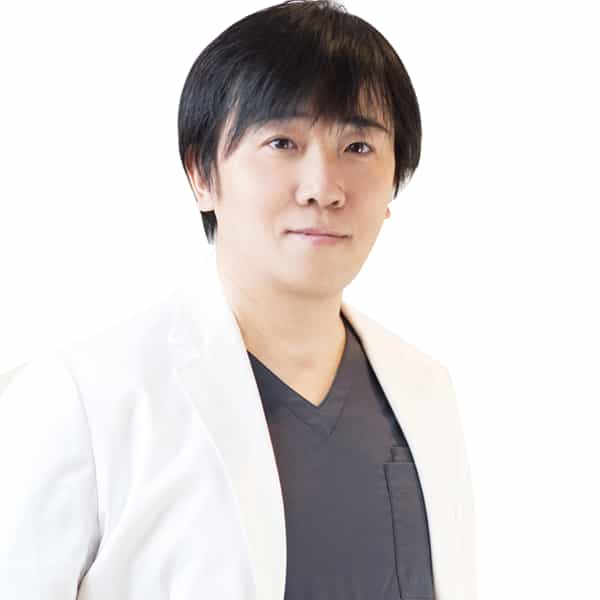
Yuichi Wakabayashi
Cell Grand Clinic – Japan’s Best Stem Cell Clinic
- Longevity Specialist
Osaka, Japan
กฎระเบียบมาตรฐานทองคำ
เหตุผลหลักที่ผู้ป่วยเลือกญี่ปุ่นคือความสบายใจ พระราชบัญญัติว่าด้วยความปลอดภัยของเวชศาสตร์ฟื้นฟู (ASRM) ให้กรอบกฎหมายที่โปร่งใสซึ่งช่วยขจัด "คลินิกเถื่อน"
ผู้ป่วยทราบดีว่าคลินิกทุกแห่งที่พวกเขาไปใช้บริการได้รับการตรวจสอบจากคณะกรรมการที่ได้รับการอนุมัติจากรัฐบาลแล้ว ซึ่งรับประกันมาตรฐานด้านจริยธรรมและความปลอดภัยสูงสุดในโลก
การประมวลผลเซลล์ขั้นสูง
คุณภาพของเซลล์ต้นกำเนิดเป็นตัวกำหนดความสำเร็จของการรักษา ศูนย์ประมวลผลเซลล์ (CPC) ของญี่ปุ่นมีเทคโนโลยีล้ำสมัย โดยใช้สารอาหารเลี้ยงเซลล์ขั้นสูง (มักปราศจากซีรั่ม) เพื่อขยายเซลล์ให้ได้หลายล้านเซลล์โดยปราศจากการปนเปื้อน
วิธีนี้ช่วยให้มั่นใจได้ว่าผลิตภัณฑ์ขั้นสุดท้ายที่ฉีดเข้าสู่ร่างกายของคุณนั้นมีประสิทธิภาพและออกฤทธิ์ได้ดีเยี่ยม
ความไว้วางใจและบริการทางวัฒนธรรม
ระบบการดูแลสุขภาพของญี่ปุ่นมีชื่อเสียงในด้านความใส่ใจในรายละเอียดอย่างพิถีพิถันและการให้เกียรติผู้ป่วย ตั้งแต่การจัดตารางเวลาที่แม่นยำไปจนถึงสถานที่ที่สะอาดหมดจด ประสบการณ์ทั้งหมดได้รับการออกแบบมาเพื่อลดความเครียด
สภาพแวดล้อมที่เอื้ออำนวยเช่นนี้มีความสำคัญอย่างยิ่งสำหรับผู้ป่วยที่ต้องรับมือกับโรคเรื้อรัง เช่น โรคเบาหวาน
การเข้าถึงบริการทางการแพทย์ขั้นสูงในญี่ปุ่นอาจเป็นเรื่องยากเนื่องจากอุปสรรคทางด้านภาษาและกฎระเบียบ PlacidWay ทำหน้าที่เป็นสะพานเชื่อมที่เชื่อถือได้ของคุณ โดยเชื่อมต่อคุณกับคลินิกที่ได้รับอนุญาตและรับประกันการเดินทางที่ราบรื่นและเป็นไปตามข้อกำหนด
การตรวจสอบใบอนุญาต
เราขอยืนยันว่าคลินิกพันธมิตรทุกแห่งได้รับใบอนุญาตที่ถูกต้องจากกระทรวงสาธารณสุขของญี่ปุ่นในการทำการรักษาด้วยเซลล์ต้นกำเนิด ซึ่งรับประกันความปลอดภัยของคุณ
การสนับสนุนวีซ่าทางการแพทย์
เราจะช่วยคุณติดต่อกับผู้ค้ำประกันที่ขึ้นทะเบียนในประเทศญี่ปุ่น ซึ่งมีอำนาจในการออกเอกสารที่จำเป็นสำหรับการยื่นขอวีซ่าทางการแพทย์ของคุณ
การให้คำปรึกษาทางไกล
เราอำนวยความสะดวกในการสนทนาทางวิดีโอเบื้องต้นกับผู้เชี่ยวชาญชาวญี่ปุ่น (พร้อมล่าม) เพื่อตรวจสอบประวัติทางการแพทย์ของคุณและพิจารณาคุณสมบัติของคุณก่อนการเดินทาง
บริการล่าม
เรามั่นใจว่าแพ็กเกจของคุณจะรวมถึงบริการล่ามทางการแพทย์มืออาชีพ เพื่อให้คุณเข้าใจแผนการรักษาและคำแนะนำของแพทย์อย่างครบถ้วน
การกำหนดราคาที่โปร่งใส
รับใบเสนอราคาโดยละเอียดที่อธิบายถึงค่าใช้จ่ายในการเพาะเลี้ยงเซลล์ การบริหารจัดการ และค่าธรรมเนียมโรงพยาบาล ช่วยให้คุณวางแผนการลงทุนได้อย่างไม่มีเรื่องเซอร์ไพรส์
การสนับสนุนผู้ป่วย
ตั้งแต่การสอบถามครั้งแรกจนถึงการติดตามผลหลังการรักษา ทีมงานของเราให้การสนับสนุนคุณอย่างเต็มที่ เพื่อให้มั่นใจว่าประสบการณ์ของคุณในญี่ปุ่นนั้นสะดวกสบาย ได้รับความเคารพ และมีประสิทธิภาพ
สัมผัสอนาคตของวงการแพทย์ได้แล้ววันนี้ ติดต่อ PlacidWay เพื่อรับใบเสนอราคาแบบเฉพาะบุคคลฟรี และเริ่มต้นการเดินทางสู่สุขภาพที่ดีขึ้นด้วยการบำบัดด้วยสเต็มเซลล์ในญี่ปุ่น
รับใบเสนอราคาส่วนตัวฟรี.png)


.png)
.png)
.png)
.png)









Share this listing