


.png)
内容
日本干细胞治疗糖尿病:1型和2型糖尿病的新希望
日本在全球再生医学领域处于领先地位,提供一些最先进且监管最严格的糖尿病(1型和2型)干细胞疗法。自从山中伸弥博士因发现诱导多能干细胞(iPSCs)而荣获诺贝尔奖以来,日本政府加快了再生疗法的临床应用,营造了一个创新与严格安全规程相结合的独特环境。
在日本,糖尿病患者的治疗重点在于修复胰腺功能、提高胰岛素敏感性以及控制神经病变和肾病等严重并发症。与其他许多干细胞诊所处于“灰色地带”的地区不同,日本严格执行《再生医学安全法》(ASRM) 。该法确保所有接诊国际患者的诊所都经过厚生劳动省的审查和许可。
前往东京、大阪或京都等城市就医的患者可以期待接受高度科学的治疗。治疗通常采用自体间充质干细胞(MSCs),这些细胞来源于脂肪组织,并在高科技实验室中培养以确保其纯度和效力后再进行治疗。
选择日本,就是选择品质、安全和精准。对于寻求合法、循证再生医学治疗以控制病情、提高生活质量的患者而言,日本是理想的目的地。
你可知道?
日本是世界上第一个加快再生医学产品审批流程的国家。政府的“先驱战略”允许有前景的疗法比美国或欧洲更快地获得有条件使用批准,使患者能够在严格监管下更早地获得突破性疗法。
关键信息概览
根据《再生医学安全法》,诊所必须持有 I 类、II 类或 III 类许可证才能合法经营。
这些疗法在治疗糖尿病神经病变、肾功能问题和血管健康方面非常有效。
日本实验室利用先进的细胞培养技术(CPC)将干细胞扩增到大量数量,而不会失去效力。
治疗通常结合干细胞输注、营养指导和先进诊断技术。
国际患者通常需要医疗签证,以确保他们在获得认证的医疗机构接受治疗。
诊所采用尖端的给药方式,包括静脉输液和局部注射,并在精确成像的引导下进行。
iPS细胞的家园
日本是诱导多能干细胞(iPS细胞)的发源地,该细胞由京都大学的山中伸弥博士于2006年发现。虽然目前大多数临床治疗都使用成体干细胞(MSCs),但日本正在积极开展世界上最先进的临床试验,利用iPS细胞来制造胰岛素分泌β细胞,这使我们离治愈1型糖尿病的目标更近了一步。
日本的医疗服务全面而细致。为国际患者提供套餐的医疗机构通常将干细胞培养、注射、全面的治疗前检查(血液检查、影像学检查)以及治疗后监测打包在一起。考虑到语言障碍,最好的套餐还包括配备专门的医疗翻译人员,并协助办理医疗签证申请(资格认定证明书)。
注意:大多数套餐不包含机票或住宿,但诊所可以推荐附近的合作酒店。
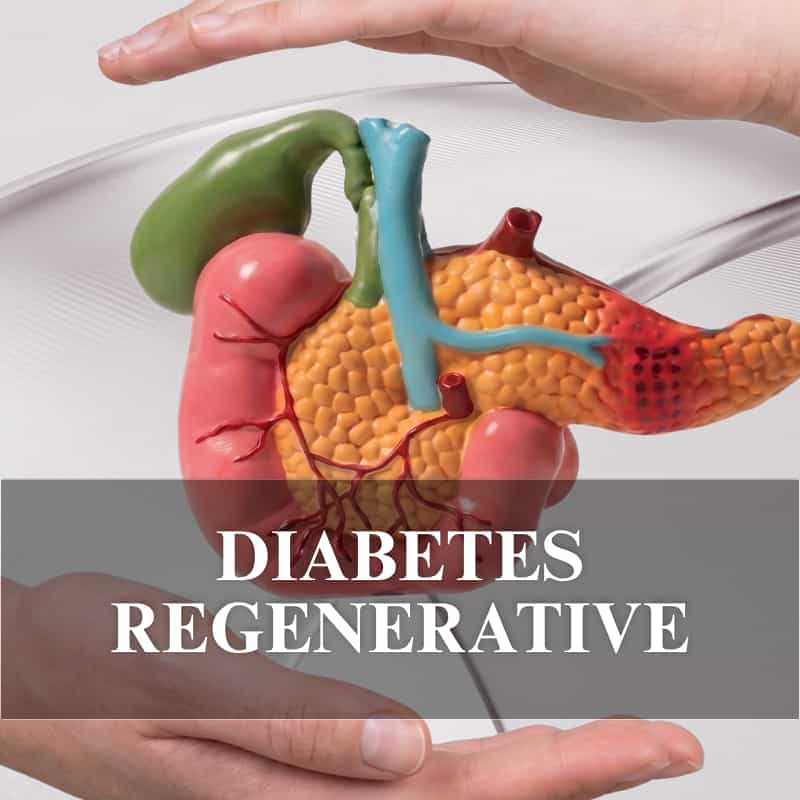
Price starting from $19,800
Diabetes Regenerative Medicine Package in Osaka, Japan by Cell Grand Clinic
Cell Grand Clinic - Best Stem Cell Clinic in Japan
- Stem Cell Therapy
Osaka, Japan

Price starting from $68,000
Advanced Autologous Stem Cell Treatment for Diabetes Package in Tokyo, Japan by HELENE Clinic
HELENE - Stem Cell Clinic
- Stem Cell Therapy
Tokyo, Japan
日本是世界顶级医疗目的地,其费用也反映了实验室处理和安全合规方面的高标准。糖尿病干细胞治疗的平均费用通常在15,000美元至25,000美元之间。这一价格通常涵盖脂肪组织采集、细胞培养(需3-4周)以及输注过程。虽然高于其他一些国家,但这一费用确保了细胞是在经过认证的细胞处理中心(CPC)进行处理的。
提示:一定要问清楚价格是否包含细胞培养/扩增的费用,因为这是整个过程中最昂贵的部分。
Stem Cell Treatment for Diabetes 中心成本比较 Japan
| 提供者 | 程序 | 价格 |
|---|---|---|
| HELENE - Stem Cell Clinic | Stem Cell Treatment for Diabetes, Stem Cell Therapy | $10000 |
Stem Cell Treatment for Diabetes 成本比较 Japan
| 国家 | 程序 | 价格 |
|---|---|---|
| United States | Stem Cell Treatment for Diabetes, Stem Cell Therapy | $22000 |
我们精心整理了一份日本最负盛名的诊所名单,这些诊所均持有厚生劳动省颁发的有效许可证。这些中心通常由学术研究人员领导,并严格遵守伦理准则。它们设有内部或合作的细胞处理中心 (CPC),以确保干细胞的最高存活率。请浏览以下诊所简介,查看其具体许可证(II 类或 III 类)和治疗方案。
标准:寻找在其个人资料中显示“提供再生医学”通知编号的诊所。
Cell Grand Clinic - Best Stem Cell Clinic in Japan
Osaka, Japan

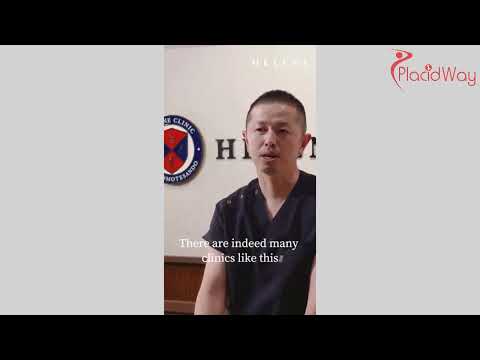
HELENE - Stem Cell Clinic
Tokyo, Japan
聆听亲身经历过日本医疗体系的患者的经验分享,能给人带来极大的安慰。以下证词来自国际患者,他们分享了在日本接受干细胞治疗的经历。他们谈到了血糖水平(糖化血红蛋白HbA1c)的改善、神经病变症状的减轻,以及日本医疗团队的专业精神。
洞察:患者经常称赞日本医生的清洁卫生、准时就诊和详细的解释。
对日本医疗服务的评价普遍强调其“款待之道”(Omotenashi)。本部分收录了涵盖患者就医全程的真实评价——从最初的远程咨询到最终出院。患者经常推荐日本,因为那里安全可靠、医疗设施先进,而且治疗后提供的医疗报告详尽周到。
评论提示:寻找提及长期随访的评论,因为日本诊所以保持联系而闻名。

How Much Does Stem Cell Treatment for Type 1 Diabetes Cost in Japan?
Stem cell treatment for Type 1 diabetes in Japan typically costs between $15,000 and $40,000 USD for standard protocols. Premium packages, which may include higher cell counts or multiple sessions, can range from $50,000 to over $100,000 depending on the clinic and duration of care. Type 1 diabetes is a challenging autoimmune condition where the body’s immune system attacks the insulin-producing beta cells in the pancreas. For decades, the only solution has been lifelong insulin injections and constant blood sugar monitoring. However, recent advancements in regenerative medicine are offering a new avenue of hope. Japan, a world leader in this field, has become a top destination for patients seeking stem cell therapy for Type 1 diabetes. Unlike conventional treatments that merely manage symptoms, stem cell therapy aims to address the underlying immune dysfunction. By utilizing the body’s own repair mechanisms, this therapy seeks to protect remaining beta cells and potentially improve insulin sensitivity. If you are considering traveling to Japan for this cutting-edge treatment, understanding the costs, legalities, and realistic outcomes is crucial. In this comprehensive guide, we will break down everything you need to know to make an informed decision about your health journey. What is stem cell therapy for Type 1 diabetes? Stem cell therapy for Type 1 diabetes involves the administration of mesenchymal stem cells (MSCs) to modulate the immune system, reduce pancreatic inflammation, and potentially preserve or regenerate insulin-producing beta cells. In Type 1 diabetes, the immune system mistakenly identifies beta cells as threats and destroys them. Stem cell therapy works primarily through "immunomodulation." The introduced stem cells act like peacekeepers, signaling the immune system to calm down and stop attacking the pancreas. This creates a more favorable environment for the body to heal. Additionally, these cells release potent growth factors that improve blood flow and reduce systemic inflammation. While the primary goal is to stop the autoimmune attack, there is also hope that this environment allows for the preservation of whatever beta cell function remains, which can significantly stabilize blood sugar levels and reduce the amount of exogenous insulin a patient needs daily. Why choose Japan for Type 1 diabetes treatment? Japan offers a unique combination of advanced medical technology and strict government regulation under the "Act on the Safety of Regenerative Medicine," ensuring that patients receive safe, high-quality, and legally approved cell therapies. Many countries offer stem cell treatments in regulatory gray areas, but Japan is different. The Japanese government has proactively legislated regenerative medicine, creating a framework where clinics must prove the safety and sterility of their procedures before they can treat patients. This provides a layer of consumer protection that is rare in the medical tourism industry. Furthermore, Japan is the birthplace of induced pluripotent stem cell (iPS) technology (Nobel Prize-winning research). While most clinical treatments currently use adult stem cells (MSCs), this strong research culture permeates the clinical landscape, meaning you are often treated by doctors who are at the forefront of global scientific research. Is stem cell therapy for Type 1 diabetes legal in Japan? Yes, it is legal. Clinics must obtain specific approval from the Ministry of Health, Labour and Welfare (MHLW) to offer stem cell therapies for diabetes, and they are rigorously monitored for compliance and safety. You can verify a clinic's legitimacy by asking for their MHLW notification number. This number proves that their specific treatment plan—in this case, using stem cells for diabetes—has been vetted by a certified committee and registered with the government. This transparency is a huge advantage for international patients. It is important to note that while legal, these treatments are generally considered "self-funded" medical care. This means they are not covered by Japanese national insurance for tourists, nor are they typically covered by insurance companies from the US or Europe, as they are still classified as experimental or elective in those regions. What is the cost of stem cell treatment for Type 1 diabetes in Japan? The cost generally falls between $15,000 and $40,000 USD for a standard single-cycle treatment. Comprehensive packages involving multiple infusions or extended hospital stays can exceed $100,000. The price tag reflects the high cost of operating in Japan's regulated environment. The most expensive component is the cell processing. Your cells must be cultured in a specialized, sterile facility known as a Cell Processing Center (CPC) for several weeks to ensure they are free of contaminants and have multiplied to therapeutic numbers. Here is a breakdown of what you might expect to pay: Treatment Package Estimated Cost (USD) Details Standard Protocol $15,000 - $25,000 One harvesting session, lab culture, and one large IV infusion. Advanced Protocol $30,000 - $50,000 Higher cell counts (300M+), cryopreservation for future use, multiple infusions. Premium / Multi-Stage $90,000 - $150,000 Comprehensive "cure" programs with extensive monitoring, genetic testing, and multiple visits. What types of stem cells are used? The most common cell type used in Japan for Type 1 diabetes is Autologous Adipose-Derived Mesenchymal Stem Cells (ADSCs), taken from the patient's own fat tissue. Doctors prefer ADSCs for several reasons. First, they are easily accessible via a simple mini-liposuction procedure. Second, fat tissue is incredibly rich in mesenchymal stem cells—much more so than bone marrow. Third, because they are "autologous" (your own), there is zero risk of your body rejecting them as a foreign object. While Japan is famous for iPS cells (which can theoretically be turned into new pancreatic beta cells), this specific technology is still largely in the clinical trial phase and not widely available for commercial treatment. ADSCs remain the safest and most established option for current patients. How is the procedure performed? The procedure is a multi-step process: first, a small amount of fat is harvested under local anesthesia; next, the cells are cultured in a lab for 3-4 weeks; finally, the expanded cells are returned to the patient via an intravenous (IV) drip. The process is designed to be minimally invasive. On your first visit, the doctor will perform a small liposuction on your abdomen or thigh. This takes less than an hour. You are then free to leave, though you will have to wait a few weeks for the laboratory to do its work. This culture phase is critical; it turns a few thousand cells into hundreds of millions. When you return for the infusion, it is a simple outpatient appointment. The cells are dripped into your bloodstream over the course of 1-2 hours. The MSCs then circulate through the body, homing in on areas of inflammation, including the pancreas. What success rates can I expect? Success is measured by a reduction in insulin requirements and improved HbA1c levels, not necessarily a total cure. Many patients report a "honeymoon period" where blood sugar stabilizes and insulin needs drop by 30-50%. It is vital to manage expectations. Stem cell therapy is not a magic wand that will instantly regrow a full new pancreas. For Type 1 diabetics, the success is often defined by a reduction in the "brittleness" of their diabetes. This means fewer dangerous lows (hypoglycemia) and fewer spikes. Some patients may find they can reduce their daily insulin dosage significantly, while a small percentage of early-stage patients (those diagnosed very recently) may achieve temporary insulin independence. However, for long-term diabetics, the goal is usually stability and the prevention of complications like neuropathy or kidney failure. Can this therapy cure Type 1 Diabetes? Currently, stem cell therapy is considered a treatment, not a guaranteed cure. While it can significantly improve quality of life and reduce symptoms, most patients will still need to use some insulin, albeit often at lower doses. The word "cure" implies that you can walk away and never think about diabetes again. Science is getting closer, but we aren't quite there yet with commercially available treatments. The autoimmune nature of Type 1 diabetes means that even if new beta cells are regenerated, the body may eventually attack them again without ongoing immunomodulation. Think of this therapy as a powerful tool to reset your immune system and preserve your body's remaining function, buying you time and health while protecting your organs from the damage of high blood sugar. What are the risks and side effects? Side effects are generally mild and rare. They may include temporary pain or bruising at the liposuction site, and occasionally a low-grade fever or fatigue for 24 hours after the cell infusion. Because the cells are your own, there is no risk of graft-vs-host disease or rejection, which are major risks in organ transplants. The biggest safety concern in cell therapy is contamination, but Japan's strict regulations on cell processing centers make this risk extremely low. Long-term risks are minimal, but as with any medical procedure, it is important to discuss your full medical history with the doctor to ensure there are no contraindications, such as active cancer or severe infections. What is the recovery time? Recovery is minimal. Patients can typically walk out of the clinic immediately after both the fat harvest and the infusion. Most return to normal non-strenuous daily activities the next day. You won't need to stay in a hospital bed. The liposuction site might feel tender, like a muscle workout or a bruise, for about a week. Doctors usually advise avoiding heavy lifting, intense gym sessions, or swimming/baths for a week to ensure the harvest site heals perfectly. For the infusion, you might feel a bit tired afterwards, so planning a quiet evening at your hotel is a good idea. By the next morning, most patients feel back to normal and are ready to enjoy their time in Japan. Who is eligible for this treatment? Eligible patients are typically those with Type 1 diabetes who are in stable health and free of active infections or cancer. It is often most effective for patients diagnosed more recently who still have some beta cell function (detectable C-peptide). Doctors will ask for your recent blood tests, specifically your HbA1c and C-peptide levels. C-peptide is a marker that shows if your body is still making any of its own insulin. Patients with detectable C-peptide tend to respond better because there are still beta cells left to protect and stimulate. However, even long-term patients with no C-peptide can benefit from the anti-inflammatory effects, which can help treat or prevent complications like diabetic foot, kidney issues, or eye problems. How does this compare to an insulin pump or islet transplant? An insulin pump is a mechanical management tool, while stem cell therapy is a biological repair treatment. Islet transplants are effective but require lifelong immunosuppressant drugs, whereas stem cell therapy uses your own cells and requires no anti-rejection medication. Insulin pumps are fantastic for management, but they do not treat the disease itself. Islet transplants (taking cells from a donor) can cure diabetes, but they trade one disease for another: you must take powerful drugs to suppress your immune system for the rest of your life, which carries high risks. Stem cell therapy attempts to find a middle ground—biological repair without the need for dangerous immunosuppressive drugs. It is a safer, albeit currently less "curative," option compared to a full transplant. Are there specific clinics in Japan for this? Yes, several licensed clinics in Tokyo, Osaka, and Kyoto specialize in diabetes treatment. Notable names often include clinics or those affiliated with major research universities offering private care. When searching for a clinic, look for one that specifically lists "diabetes" in their MHLW-approved provision plan. Some clinics specialize in orthopedic (joint) stem cells, which is a different protocol. You want a clinic that understands the metabolic and autoimmune nature of diabetes. These clinics are often high-end, boutique medical facilities designed to cater to international clientele, providing a comfortable and private environment for treatment. Will I face a language barrier? Leading clinics dealing with international patients typically have English-speaking staff or provide professional medical interpreters to ensure seamless communication during consultations and procedures. Japan has invested heavily in medical tourism infrastructure. You will likely be assigned a dedicated case manager who speaks English. They will handle your appointments, translate your medical documents, and be by your side during the doctor's consultation. Always confirm the availability of interpretation services before you book. Miscommunication in medical settings can be stressful, so having that guaranteed support is worth checking for. How do I get started? The first step is to contact a clinic or a medical tourism agency to submit your medical records. You will need to provide recent blood work (HbA1c, C-peptide, etc.) for a preliminary review by the Japanese medical team. Do not book your flight just yet. You need to be "accepted" as a patient first. This remote consultation ensures that you are a good candidate and that the treatment is likely to help you. Once approved, the clinic will help you coordinate your travel dates. Remember to plan for the timeline: you will either need a long stay (4-5 weeks) or two short trips (3-4 days each) separated by a month. Factor this travel time and cost into your overall budget. Take the Next Step for Your Health If you are ready to explore the potential of stem cell therapy for Type 1 diabetes and want to connect with licensed, safe clinics in Japan, PlacidWay is here to assist you. We simplify the process of finding top-tier medical care abroad.
Is Stem Cell Treatment for Type 1 Diabetes Available in Japan?
Yes, Stem Cell Treatment for Type 1 Diabetes in Japan is available under some of the world's strictest regenerative medicine regulatory frameworks. Governed by the Act on the Safety of Regenerative Medicine (ASRM), licensed Japanese clinics utilize advanced mesenchymal stem cell (MSC) protocols aimed at modulating autoimmune responses, preserving surviving pancreatic beta cells, and significantly reducing daily exogenous insulin dependency for qualified international patients. Key Takeaways: Stem Cell Therapy for Diabetes in Japan Regulatory Quality: Japan operates under class-defined government approvals (ASRM), ensuring world-leading clinical safety and laboratory purity standards. Immunomodulatory Focus: Treatments target the root autoimmune destruction in Type 1 Diabetes, helping protect remaining insulin-producing pancreatic cells. Cost Efficiency: Patients save between 30% to 50% compared to equivalent experimental cellular therapies and long-term care management in the United States. Autologous Safety Profile: Using the patient's own adipose-derived stem cells minimizes risks of immune rejection, graft-versus-host disease, or severe adverse events. Comprehensive Travel Care: Elite clinics in Tokyo and Osaka offer full international patient support, from visa invitation letters to English medical coordination. Can Stem Cell Therapy Cure My Diabetes? While stem cell therapy is one of the most promising frontiers in modern endocrinology, medical science currently does not classify it as an absolute permanent "cure" for Type 1 Diabetes. Instead, it serves as a powerful regenerative disease-modifying treatment designed to restore functional pancreatic activity and drastically improve metabolic regulation. Type 1 Diabetes is fundamentally a complex autoimmune disorder where the host's immune system erroneously targets and destroys insulin-producing beta cells situated within the pancreatic islets of Langerhans. Stem cell interventions in Japan focus primarily on halting this auto-aggressive cascade through advanced immunomodulation. By infusing high-purity autologous mesenchymal stem cells (MSCs), physicians aim to reset aberrant T-cell responses and create a protective microenvironment that prevents further destruction of viable pancreatic tissue. Furthermore, regenerative therapies work to stimulate endogenous cell survival and encourage microvascular tissue repair throughout the pancreas. While patients should remain cautious of any clinic claiming an immediate end to all diabetic management, clinical evidence demonstrates that successful therapy can significantly decrease daily exogenous insulin needs, stabilize fluctuating blood glucose spikes, and decrease long-term glycated hemoglobin (HbA1c) levels over extended periods. Managing clinical expectations is crucial for every prospective international patient evaluating regenerative treatment options. Stem cell therapy should be viewed as a foundational regenerative tool that works synergistically with tailored nutrition, lifestyle optimization, and continuous endocrinological follow-up to maximize long-term metabolic health and quality of life. Autoimmune Modulation: MSCs suppress hyperactive T-lymphocytes, helping protect surviving functional pancreatic islet cells. Paracrine Signaling: Excreted growth factors promote microvascular formation and reduce chronic systemic inflammation. Insulin Reduction: Most responsive patients report a substantial decrease in required units of daily basal and bolus insulin. Glycemic Stabilization: Treatment helps minimize sharp blood sugar spikes, reducing dangerous nocturnal hypoglycemic episodes. Long-Term Maintenance: Periodic booster protocols or comprehensive lifestyle Integration help maintain therapeutic benefits over time. Can Stem Cell Therapy Reverse Type 1 Diabetes or Reduce Insulin Dependence? Stem cell therapy can significantly reduce insulin dependence and reverse functional metabolic decline in eligible Type 1 Diabetes patients, particularly when administered during earlier stages of disease progression or when residual beta-cell mass is preserved. The core mechanism behind reducing insulin dependence lies in restoring residual pancreatic islet capacity. In Type 1 Diabetes, even after clinical onset, many patients retain a small fraction of functional beta cells—a state often reflected by measurable C-peptide levels. Autologous adipose-derived stem cells secret biological factors (such as TGF-beta, VEGF, and anti-inflammatory cytokines) that suppress active autoantibodies and support the biological rehabilitation of these dormant or struggling cells. Clinical observations in Japanese specialized institutions indicate that patients receiving expanded mesenchymal stem cell infusions frequently experience a notable reduction in daily exogenous insulin units. While complete, permanent insulin independence remains rare, partial reversal of insulin dependency provides immense clinical value by flattening glycemic volatility and curbing acute hypoglycemic unawareness, which significantly lowers long-term cardiovascular and neurological risks. Reversing the metabolic impact of diabetes also means shielding peripheral organs from chronic hyperglycemia. Elevated blood sugar damages microvascular endothelial cells in the eyes, kidneys, and peripheral nerves. By decreasing overall inflammatory burdens and improving overall systemic insulin sensitivity, stem cell protocols play a vital protective role against diabetic neuropathy, nephropathy, and retinopathy over the patient's lifetime. Did You Know? Japan was awarded the Nobel Prize in Physiology or Medicine in 2012 for pioneer Dr. Shinya Yamanaka's breakthrough discovery of Induced Pluripotent Stem Cells (iPSCs). Today, Japan maintains the world's most comprehensive government regulation for stem cell banking and regenerative medicine safety through its Ministry of Health, Labour and Welfare (MHLW). How Much Does Stem Cell Therapy for Diabetes Cost in Japan Compared to the USA? Stem cell treatment for diabetes in Japan generally ranges from $15,000 to $35,000 USD, depending on cell expansion requirements and protocol duration. In contrast, unapproved experimental stem cell therapies or clinical trial access in the United States often exceeds $45,000 to $70,000 USD out-of-pocket with minimal regulatory protection for non-FDA approved autologous procedures. The cost structure in Japan is highly transparent due to strict government oversight under the Act on the Safety of Regenerative Medicine. Patients receive fully itemized packages that typically include initial physician consultations, cell harvesting via minor lipoaspirate biopsy, certified laboratory culturing and expansion in cleanroom cell processing centers (CPC), intravenous stem cell infusions, and post-treatment monitoring assessments. When comparing costs globally, it is crucial to account for what is included in the package. In the US, experimental or off-label cellular treatments are rarely covered by private insurance or Medicare, forcing patients into expensive cash-pay arrangements with unpredictable secondary charges. Japanese clinics often bundle medical concierge, multilingual translation support, and detailed follow-up diagnostic plans directly into their international patient fees. Moreover, the favorable exchange rate for the Japanese Yen in recent years has made receiving medical care in Japan significantly more accessible for international medical travelers. Below is an estimated cost breakdown comparing key stem cell therapy parameters between Japan, the USA, and broader global averages. Medical Service / Parameter Estimated Cost (USA Private Out-of-Pocket) Estimated Cost (Japan Specialized Clinic) Initial Regenerative Evaluation & Biomarker Panel $2,500 - $4,500 $800 - $1,500 Adipose Tissue Harvesting & Cell Processing (CPC) $18,000 - $25,000 $8,000 - $14,000 Expanded MSC Infusion Protocol (100M+ Stem Cells) $25,000 - $40,000+ $12,000 - $20,000 Full Treatment Package (Consult, Harvest, Infusions & Follow-Up) $45,000 - $70,000 $20,000 - $35,000 Is Autologous Stem Cell Therapy for Diabetes Safe? Autologous stem cell therapy—which utilizes the patient's own biological cells—boasts an exceptional safety profile with minimal risk of immune rejection, graft-versus-host disease (GVHD), or pathogen transmission, especially when performed within Japan's strictly regulated clinical environment. Safety in cell-based therapies is heavily dictated by the source of the stem cells and the purity of cell culturing processes. Because autologous mesenchymal stem cells (ADMSCs) are derived directly from the patient's own adipose tissue (fat cells), the body naturally recognizes them upon reinfusion. This completely eliminates the severe immunological rejection risks associated with donor-derived (allogeneic) tissues or unvetted biological products. Japan's regulatory framework further elevates safety standard requirements. Under the ASRM, every clinic offering stem cell treatments must submit specific treatment plans to a certified Regenerative Medicine Committee for rigorous peer review. Furthermore, cell culture and expansion must occur exclusively in Ministry-accredited Cell Processing Centers (CPCs) adhering to strict Good Manufacturing Practice (GMP) protocols to prevent bacterial or viral contamination. Reported side effects from autologous adipose-derived stem cell infusions are generally mild, temporary, and self-limiting. Patients may experience minor soreness or bruising at the lipoaspirate harvest site, transient low-grade fatigue, or minor localized warmth following IV administration. Long-term safety follow-ups across accredited Japanese centers consistently demonstrate zero tumorigenic risks when using non-genetically modified adult autologous MSCs. How Do I Choose the Best Stem Cell Clinic for Diabetes Treatment in Japan? Selecting a premier stem cell center in Japan requires verifying official Ministry of Health accreditation under the Act on the Safety of Regenerative Medicine (ASRM), reviewing physician endocrinology credentials, assessing cell processing laboratory standards, and ensuring clear international patient support. First and foremost, patients must confirm that the medical institution holds an active Class II or Class III Regenerative Medicine Plan License issued by Japan's Ministry of Health, Labour and Welfare (MHLW). Licensed facilities proudly display their registration numbers and regulatory approvals. Working with an accredited center guarantees that cell harvesting, culture handling, and administration procedures meet rigorous national health standards. Second, evaluate the clinical expertise of the medical team. Top institutions feature board-certified specialists in endocrinology, internal medicine, and cell biology who possess specialized experience in managing Type 1 Diabetes autoimmune profiles. Leading clinics customize cell cell dosage and administration schedules based on comprehensive laboratory evaluation—including fasting C-peptide levels, HbA1c tracking, autoantibody titers, and vascular health checks. Finally, consider the clinic's dedicated infrastructure for international healthcare travelers. Leading centers in Tokyo and Osaka provide end-to-end medical concierge services, including pre-arrival remote video evaluations, English-speaking clinical translators, airport transfers, and structured remote follow-up schedules once you return home. Helene Clinic - Tokyo, Japan Helene Clinic is a globally recognized pioneer in regenerative medicine located in the prestigious Minato-ku district of Tokyo. Operating under full MHLW licensing, Helene Clinic was the first facility in Japan to receive official approval for expanded autologous stem cell treatments. Featuring state-of-the-art CPC cell culturing labs, the clinic specializes in high-density MSC therapies tailored for autoimmune modulation, diabetic rehabilitation, and vascular revitalization for international patients. Cell Grand Clinic - Osaka, Japan Situated in Osaka's medical technological corridor, Cell Grand Clinic is a premier center of excellence for autologous adipose-derived stem cell treatments. The facility integrates precision endocrinological evaluations with advanced cell culturing capabilities. Renowned for its patient-centric approach, Cell Grand Clinic delivers targeted biological therapies aimed at halting metabolic deterioration, promoting vascular health, and improving overall glycemic control in patients with Type 1 and Type 2 diabetes. Who Is Not a Candidate for Stem Cell Therapy for Diabetes? While stem cell therapy offers significant metabolic potential, it is not universally suitable for every individual. Patients with active malignancies, unmanaged severe systemic infections, acute heart failure, or complete absence of pancreatic reserve tissue are generally disqualified from treatment. Proper candidate selection is essential to ensuring both treatment efficacy and clinical safety. Japanese medical guidelines strictly screen out candidates with underlying risks that could impair cellular recovery or lead to adverse events. For instance, because stem cells produce growth factors that encourage angiogenesis (new blood vessel growth), patients with active or recent oncological conditions cannot undergo MSC therapy until full medical clearance and prolonged remission are established. Furthermore, candidates with end-stage multi-organ failure—such as advanced unmanaged diabetic nephropathy requiring active hemodialysis or acute decompensated heart failure—must first be stabilized under conventional medical management. Stem cells require a relatively stable systemic environment to exert their paracrine regenerative effects effectively. Additionally, realistic biological potential must be evaluated prior to travel. Patients with long-standing Type 1 Diabetes who test negative for any measurable serum C-peptide may have lower recovery response rates compared to those with retained residual beta-cell activity. Comprehensive pre-screening of blood work allows Japanese physicians to establish realistic prognosis expectations before patients commit to international travel. Active Malignancies: History of active cancer within the past 5 years contraindicates stem cell growth factor administration. Severe Acute Infections: Active systemic bacterial or viral infections must be fully resolved before harvesting cells. Unstable Cardiovascular Disease: Recent heart attack, unstable angina, or severe heart failure increases procedure risk. Severe Coagulopathy: Uncontrolled bleeding disorders interfere with safe lipoaspirate tissue harvesting. Pregnancy or Breastfeeding: Regenerative stem cell protocols are strictly avoided during pregnancy due to hormonal influences. Why Do International Patients Choose Japan for Stem Cell Therapy? International patients choose Japan for diabetes stem cell therapy due to its unparalleled combination of government-backed safety regulations, cutting-edge laboratory infrastructure, renowned medical expertise, and highly structured patient care protocols. Japan stands as a world leader in regenerative medicine legal frameworks. Unlike many unregulated offshore destinations that offer unverified stem cell cocktails without safety tracking, Japan passed comprehensive legislation—the Act on the Safety of Regenerative Medicine—to standardize every step of cell handling. This legal rigor provides international patients with complete peace of mind, knowing their care complies with strict Ministry standards. In addition to safety oversight, Japanese clinics are famous for their technological sophistication. Cell Processing Centers (CPCs) in Tokyo and Osaka utilize automated cleanroom monitoring, single-use sterile closed systems, and high-precision flow cytometry to verify cell viability, purity, and count before every infusion. This level of quality control ensures optimal cell function and biological potency. Finally, Japanese hospitality—known as Omotenashi—defines the international patient experience. Medical travel coordinators assist patients through every phase of their medical journey, from securing medical visas and providing bilingual translation during physician consultations to arranging seamless luxury transport and customized hotel accommodations. Regulatory Oversight: Direct Ministry of Health oversight guarantees transparent, safe, and legal treatment standards. Purity & Viability: Advanced CPC cleanroom culturing achieves high stem cell expansion purity and cell survival rates. Pioneering Research: Japanese scientists lead global innovations in cellular engineering and regenerative endocrinology. Transparent Pricing: All-inclusive treatment costs eliminate hidden fees or sudden unexpected hospital billings. Omotenashi Concierge: World-class Japanese hospitality ensures smooth, stress-free care for international visitors. How Long Should International Patients Stay in Japan for Diabetes Stem Cell Treatment? International patients typically need to plan for a total stay of 10 to 14 days in Japan for a complete expanded autologous stem cell protocol, or opt for a two-visit strategy separated by 3 to 4 weeks depending on laboratory cell expansion requirements. The timeline of treatment is dictated by the biological process of harvesting and culturing autologous stem cells. On Day 1 or Day 2 following arrival, the patient undergoes baseline laboratory testing, an endocrinological consultation, and a brief, minimally invasive lipoaspirate procedure under local anesthesia to collect fat tissue. The collected tissue is immediately delivered to the accredited Cell Processing Center for cellular separation and culture expansion. Cellular culturing typically requires approximately 10 to 12 days to expand the isolated mesenchymal stem cells to therapeutic counts (often exceeding 100 million to 200 million viable MSCs). During this incubation window, international patients are free to rest, enjoy leisure sightseeing across Tokyo or Osaka, and experience Japan's rich cultural heritage while maintaining light activity. Once cell culturing meets stringent quality control checks, the patient returns to the clinic for intravenous stem cell administration, followed by a short post-infusion observation period. Alternatively, some international patients choose a "two-trip model," staying 3 days for the initial tissue harvest, returning home, and flying back to Japan 3 to 4 weeks later for a brief 2-day trip to receive their expanded stem cell infusions. What Results Can I Realistically Expect After Stem Cell Therapy for Diabetes? Realistic outcome goals for Type 1 Diabetes stem cell therapy focus on stabilized glycated hemoglobin (HbA1c), reduced exogenous insulin dosages, enhanced endogenous C-peptide production, improved energy levels, and long-term protection against microvascular complications. Primary clinical improvements typically begin with a noticeable reduction in blood glucose variability. Patients who previously experienced unpredictable hyper- and hypoglycemic swings often report smoother, more consistent continuous glucose monitoring (CGM) traces. As the systemic inflammatory load decreases and immunomodulation takes effect, insulin requirements may gradually drop by 20% to 50% over the first six months post-treatment. Secondary benefits heavily center on peripheral microvascular health and nerve revitalization. Diabetic patients struggling with early-stage peripheral neuropathy frequently report decreased numbness, tingling, or burning sensations in their feet and hands. Improved endothelial function also supports kidney filtration efficiency and retinal vascular stability, mitigating long-term organ damage risks. It is crucial to emphasize that outcome degrees vary based on individual age, diabetes duration, baseline pancreatic function, and adherence to healthy metabolic lifestyle choices. Japanese endocrinologists emphasize that stem cell therapy functions best as a powerful catalyst alongside continuous glucose tracking, targeted clinical nutrition, and regular physical activity. Insulin Unit Reduction: Most responsive patients experience a 20% to 50% decrease in daily required exogenous insulin units. HbA1c Stabilization: Clinical studies show noticeable baseline reductions in long-term glycated hemoglobin levels. Neuropathy Relief: Reduced inflammation leads to diminished nerve pain, tingling, and sensory loss in limbs. Enhanced Vitality: Patients routinely report improved physical energy, better sleep quality, and faster exercise recovery. Vascular Protection: Microvascular improvements safeguard renal function, eye vision, and cardiovascular health. How Soon Can I Expect Results After Stem Cell Therapy for Diabetes? Initial biological effects—such as reduced systemic inflammation and improved energy—may appear within 2 to 4 weeks, while major endocrine improvements like insulin dosage reductions and HbA1c shifts typically peak between 3 to 6 months post-infusion. The timeline for stem cell therapy response follows a progressive biological sequence. During the first month immediately following intravenous MSC administration, stem cells migrate toward inflammatory signals in the pancreas and vascular bed. In this early immunomodulatory phase, patients often notice subtle improvements in energy levels, sleep patterns, and overall systemic well-being before major metabolic metrics shift. Between months 2 and 6 post-treatment, paracrine signaling stimulates microvascular repair and resets autoantibody activity. It is during this crucial window that endocrinologists and patients observe measurable changes on Continuous Glucose Monitors (CGM), such as fewer extreme glycemic spikes and a gradual, safe decrease in required daily insulin units under medical supervision. Long-term tissue remodelling and tissue stabilization continue for 6 to 12 months post-infusion. Japanese clinics schedule remote follow-up assessments at 1, 3, 6, and 12-month intervals to review blood glucose logs, HbA1c panels, and C-peptide metrics, ensuring that progress is closely monitored and optimized over time. Ready to Explore Advanced Stem Cell Therapy in Japan? Take control of your metabolic health with world-leading regenerative protocols. Connect with licensed medical specialists and top-rated stem cell centers in Japan for Stem Cell Treatment for Diabetes in Japan. Let our global medical coordination team organize your free, confidential consultation today. Get a Free Custom Quote Today
在日本,治疗由临床科学家主导,他们往往处于再生医学研究的前沿。我们拥有获得美国生殖医学学会 (ASRM) 认证的专家,他们在代谢性疾病领域拥有丰富的经验。他们的专业知识确保您的治疗方案基于最新的科学证据,并根据您的具体健康需求量身定制。
认证再生医学医师
经卫生部许可
顶尖专家必须经过专门培训和认证才能进行细胞疗法。他们不仅是内分泌学专家,而且精通生物制品的安全操作和使用。
研究领导者
学术和临床卓越
许多从业者在东京和大阪的著名大学任职。他们经常为全球再生医学期刊撰稿,确保将最新研究成果直接应用于患者护理。
安全第一的方法
严格的规程
日本专科医生以其保守、安全至上的理念而闻名。他们会进行全面的术前筛查,以确保您适合接受治疗,并将您的长期健康置于短期疗效之上。

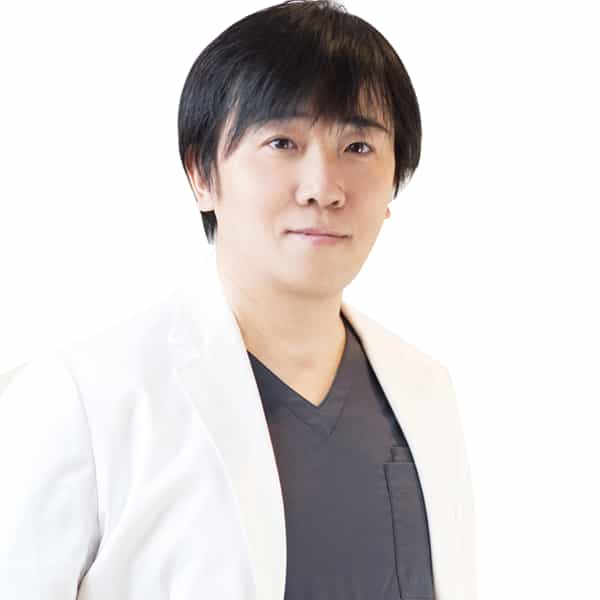
Yuichi Wakabayashi
Cell Grand Clinic – Japan’s Best Stem Cell Clinic
- Longevity Specialist
Osaka, Japan
黄金标准监管
患者选择日本的主要原因是安心。日本的《再生医学安全法》(ASRM)提供了一个透明的法律框架,杜绝了“黑诊所”现象。
患者知道,他们去的任何诊所都经过政府认可的委员会审查,从而确保达到世界最高的道德和安全标准。
高级细胞处理
干细胞的质量决定了治疗的成败。日本的细胞处理中心(CPC)采用最先进的技术,使用先进的培养基(通常为无血清培养基)将细胞扩增至数百万个,且不会造成污染。
这样可以确保注入体内的最终产品具有很高的效力和活性。
文化信托与服务
日本医疗保健以其一丝不苟的细节把控和对患者的尊重而闻名。从精准的预约安排到一尘不染的设施,整个就医过程都旨在减轻患者的压力。
这种支持性的环境对于患有糖尿病等慢性疾病的患者至关重要。
在日本,由于语言和监管障碍,获得先进的医疗服务可能充满挑战。PlacidWay 作为您值得信赖的桥梁,连接您与获得许可的诊所,确保您获得顺畅合规的就医体验。
许可证验证
我们确认所有合作诊所均持有日本厚生劳动省颁发的有效干细胞治疗许可证,保证您的安全。
医疗签证支持
我们会为您联系日本的注册担保人,他们有权签发您申请医疗签证所需的文件。
远程咨询
我们会安排您与日本专家(配备翻译)进行初步视频通话,以便审查您的病史并在您出行前确定您是否符合资格。
口译服务
我们确保您的套餐包含专业医疗翻译服务,以便您充分了解您的治疗方案和医生的指示。
透明定价
获取详细报价,其中解释了细胞培养、管理、医院费用等各项成本,帮助您规划投资,避免意外支出。
患者权益倡导
从您首次咨询到治疗后随访,我们的团队将全程为您提供支持,确保您在日本的体验舒适、受尊重且有效。
立即体验未来医学。联系 PlacidWay 获取免费的个性化报价,开启您在日本接受干细胞治疗的健康之旅。
获取您的免费个性化报价.png)




.png)
.png)









Share this listing