


US Parkinson's Surge Drives Mexico City Stem Cell Demand
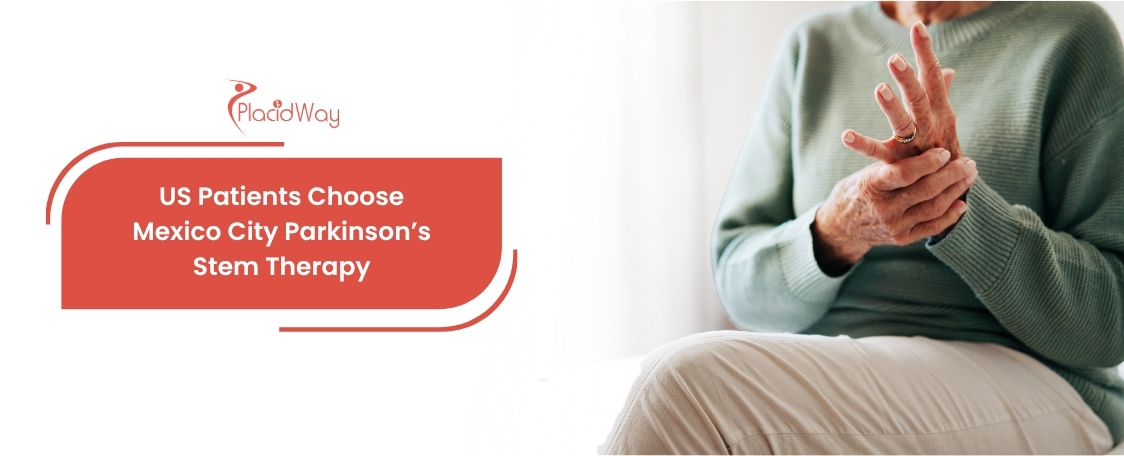
Driven by rising domestic healthcare costs and regulatory hurdles in 2024, thousands are seeking Stem Cell Therapy for Parkinson's in Mexico City. This emerging trend highlights a desperate search for innovative neurodegenerative treatments, offering hope and affordability just a short flight away.
The Science Behind High-Dose Stem Cells for Neurodegeneration
Parkinson’s disease fundamentally attacks the central nervous system, progressively destroying dopamine-producing neurons in the substantia nigra. Traditional pharmacological interventions, such as Levodopa, merely mask the symptoms and often lose their efficacy over time, leading to severe motor fluctuations and dyskinesia. In stark contrast, regenerative medicine introduces a paradigm shift. High-dose Mesenchymal Stem Cells (MSCs), particularly those ethically derived from human umbilical cord tissue (Wharton’s Jelly), possess profound immunomodulatory and neurotrophic properties. Rather than just replacing lost dopamine, these cells secrete powerful growth factors and exosomes that target neuroinflammation—the very root of the degenerative process.
When administered in high volumes, these cellular therapies work via a paracrine effect, signaling the body's native repair mechanisms to halt cellular apoptosis (death) and stimulate angiogenesis (new blood vessel formation) in the brain. The clinical objective is neuroprotection and neurorestoration. Patients exploring these advanced protocols report improvements in rigidity, resting tremors, and overall energy levels. Because neurological conditions require massive quantities of viable cells to effectively cross the blood-brain barrier and induce systemic repair, the ability to utilize laboratory-expanded stem cells is the cornerstone of this emerging medical tourism sector.
Did You Know?
Nearly 90,000 Americans are diagnosed with Parkinson's disease each year. As standard medications lose their effectiveness over a 5-to-10-year window, an estimated 15% of these patients are now actively researching outbound medical travel for regenerative therapies unavailable in their home state.
Why U.S. Patients Choose Mexico City for Parkinson's Care?
The mass exodus of neurodegenerative patients toward Mexico's capital is not a coincidence; it is driven by a calculated assessment of medical accessibility and geographical convenience. Mexico City stands as a global metropolis, boasting direct, short-haul flights from nearly every major hub in the United States and Canada. For a Parkinson’s patient battling mobility issues, rigid joints, and travel fatigue, the prospect of a brief three-hour flight is infinitely more appealing than enduring grueling, multi-day journeys to alternative regenerative hubs in Eastern Europe or Southeast Asia.
Beyond mere logistics, Mexico City offers a deeply empathetic, patient-centric healthcare culture. Domestic U.S. healthcare often feels highly transactional, with neurologists constrained by insurance mandates and limited consultation times. In contrast, the medical infrastructure in Mexico City prioritizes comprehensive, multidisciplinary care. Patients are welcomed into luxurious, highly modernized clinical environments where bilingual medical teams dedicate hours to understanding the specific nuances of their motor and non-motor symptoms. This fusion of premier hospitality, accessible travel, and deeply personalized medical attention creates an optimal healing environment for those facing chronic illness.
Understanding the Regulatory Landscape: FDA vs. COFEPRIS
To understand the surge in medical travel, one must analyze the stark differences in regulatory frameworks. In the United States, the Food and Drug Administration (FDA) strictly regulates stem cells as biological drugs. Under current U.S. guidelines, clinics are largely restricted to using "minimally manipulated" autologous cells—meaning cells harvested from the patient’s own fat or bone marrow, which cannot be cultured or expanded in a lab. For an elderly Parkinson's patient, autologous cells are often aged, depleted in number, and lack the robust regenerative vitality required to combat severe central nervous system degradation.
Conversely, Mexico’s health regulatory agency, COFEPRIS (Federal Committee for Protection from Sanitary Risks), has established a progressive, rigorously monitored legal framework that permits the laboratory expansion of allogeneic (donor-derived) umbilical cord mesenchymal stem cells. This allows scientists in Mexico City to cultivate hundreds of millions of highly potent, day-zero stem cells in ISO-certified cleanrooms. By permitting cell expansion, COFEPRIS enables doctors to administer the ultra-high cellular dosages (often exceeding 100 million cells per treatment) mathematically required to achieve systemic neuro-regeneration, a protocol that remains legally inaccessible north of the border.
"Patients battling degenerative conditions like Parkinson's are no longer willing to wait decades for regulatory shifts in their home countries. They are utilizing transparent digital platforms to access Mexico City's highly regulated, advanced stem cell protocols, combining cutting-edge bioscience with compassionate, globally accessible care."
— Pramod Goel, CEO of PlacidWay
Cost Comparison: The Financial Reality of Regenerative Medicine
The financial toxicity of managing Parkinson's disease in the United States is staggering. Between branded pharmaceuticals, physical therapy, continuous neurological consultations, and eventually, full-time assisted living care, the lifetime economic burden can easily exceed hundreds of thousands of dollars. Because regenerative stem cell therapy is not covered by standard U.S. health insurance, patients seeking domestic alternative treatments are forced to pay out-of-pocket for low-dose, autologous procedures that often yield suboptimal clinical outcomes due to cellular aging.
In Mexico City, the economics of regenerative medicine are drastically different. Lower operational overhead, subsidized commercial real estate, and a competitive international medical market allow top-tier clinics to offer highly concentrated, lab-expanded stem cell packages at a fraction of the global cost. These medical packages are highly transparent, generally encompassing all cellular products, specialist fees, medical administration, and post-operative monitoring, delivering unprecedented value without compromising on rigorous biological safety standards.
Advanced Medical Infrastructure in Mexico's Capital
The notion of crossing the border for medical care often carries outdated stigmas, but the reality of Mexico City’s healthcare infrastructure shatters these misconceptions immediately. Districts such as Polanco, Santa Fe, and Lomas de Chapultepec host some of the most technologically advanced medical towers in the Western Hemisphere. These multi-billion-dollar facilities rival top-tier American institutions, operating with international joint commission equivalent accreditations and featuring hyper-modern diagnostic imaging centers, specialized neurology wings, and intensive care units.
Crucially for stem cell patients, these urban medical hubs are deeply integrated with sophisticated biotechnology laboratories. Unlike transient clinics that purchase frozen cells from third-party vendors and thaw them bedside, elite facilities in Mexico City often feature on-site or closely partnered ISO 7 (Class 10,000) cleanrooms. This proximity guarantees that the mesenchymal stem cells maintain an astonishingly high viability rate—often exceeding 95%—at the exact moment of administration. The presence of such elite scientific infrastructure assures international travelers that they are receiving legitimately advanced biological medicine, not medical tourism gimmicks.
Did You Know?
Effective Parkinson's regenerative therapy often requires bypassing the blood-brain barrier. Advanced clinics in Mexico City utilize specialized Intrathecal administration (injecting cells into the spinal fluid), a highly technical procedure performed by board-certified anesthesiologists, ensuring millions of stem cells reach the brain directly.
What to Expect During a Regenerative Treatment Protocol?
Embarking on a neurological stem cell journey is a highly structured, multi-day process designed to maximize patient safety and cellular absorption. Premium international packages are built around a comprehensive 5-to-7-day medical itinerary. By setting clear expectations, facilities ensure that patients and their traveling companions experience a stress-free, deeply supportive environment. When traveling to Mexico City for Parkinson's care, a typical protocol includes:
- Comprehensive Pre-Evaluation: Upon arrival, patients undergo exhaustive metabolic blood panels, neurological assessments, and consultations with a multidisciplinary team to customize the exact cell dosage and delivery method based on disease progression.
- Systemic Intravenous (IV) Therapy: Millions of MSCs are introduced via a slow IV drip. This targets systemic inflammation throughout the body, improving energy levels, modulating the immune system, and addressing peripheral neuropathies.
- Targeted Intrathecal Administration: To bypass the restrictive blood-brain barrier, a specialist carefully injects concentrated stem cells directly into the cerebrospinal fluid via a lumbar puncture, sending regenerative agents straight to the central nervous system.
- Adjunct Biological Therapies: To prime the body’s microenvironment for cellular grafting, protocols frequently include Hyperbaric Oxygen Therapy (HBOT), high-dose Vitamin C infusions, and localized exosome injections.
- Post-Therapy Observation: Patients are monitored in luxury recovery suites to track immediate responses, manage minor side effects (like mild headaches from the lumbar puncture), and receive a detailed post-care nutritional and physical therapy roadmap.
Safety, Ethics, and Vetting Premium Stem Cell Providers
While the therapeutic potential of MSCs is immense, safety and ethical sourcing remain paramount concerns for cross-border patients. Legitimate Mexican medical institutions strictly utilize umbilical cord tissue donated by healthy mothers undergoing scheduled, full-term cesarean sections. This process is 100% ethical, entirely painless for the donor, and avoids the controversies associated with embryonic stem cells. Furthermore, the donated tissue undergoes an exhaustive battery of viral screening—testing for HIV, Hepatitis B and C, Syphilis, and endotoxins—far exceeding standard international blood bank requirements.
However, the explosion of the regenerative market has led to the rise of unregulated actors. Patients must be vigilant, as sub-par clinics may offer deceptively cheap packages featuring dead, unexpanded, or improperly stored cells that yield zero medical benefit. Premium providers distinguish themselves through radical transparency. They provide detailed Certificates of Analysis (COA) from third-party laboratories, documenting the exact cell count, surface marker characterization (flow cytometry), and the confirmed viability percentage of the biological product moments before it is administered to the patient.
Navigating Cross-Border Medical Travel with PlacidWay
The digital landscape of medical tourism is fraught with aggressive marketing and overwhelming amounts of conflicting information. For a Parkinson's patient whose daily energy is already compromised, attempting to independently verify foreign medical licenses, audit laboratory certifications, and arrange complex medical logistics is a daunting, if not impossible, task. This critical information gap highlights the essential role of specialized medical tourism facilitators who act as independent, patient-first advocates in the global healthcare market.
By utilizing a globally recognized platform like PlacidWay, patients can seamlessly bypass the noise and connect directly with strictly vetted, COFEPRIS-compliant medical centers in Mexico City. PlacidWay meticulously curates its network, ensuring that listed providers maintain flawless safety records, employ board-certified neurologists, and operate genuine cleanroom laboratories. From comparing comprehensive treatment packages and reading verified patient outcomes to scheduling virtual consultations with lead scientists, PlacidWay empowers patients with the data and logistical support required to make life-changing healthcare decisions with absolute confidence.


















Share this listing