


Japan Stem Cell Therapy for COPD Draws SE Asian Patients
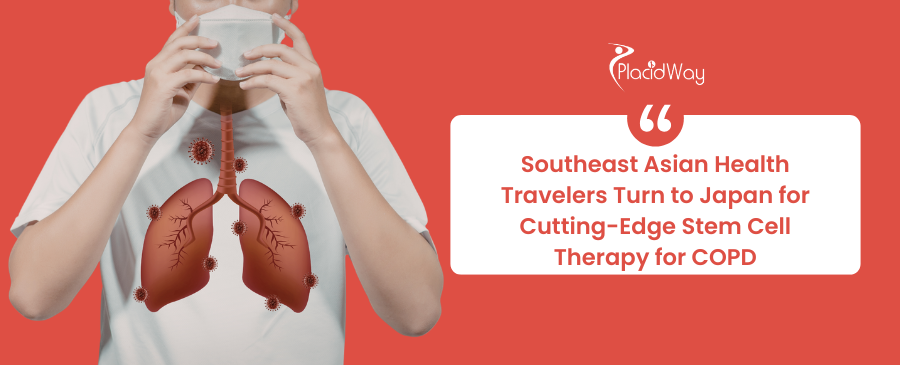
In 2024, thousands of Southeast Asian health travelers are flocking to undergo Stem Cell Therapy for COPD in Japan. Seeking an escape from severe urban pollution, these patients are accessing advanced regenerative lung treatments to restore their breathing capacity.
The Escalating Respiratory Crisis Across Southeast Asian Nations
Across Southeast Asia, a silent but devastating public health crisis has been steadily gaining momentum. Rapid industrialization, persistent agricultural burning, dense urban smog, and historically high rates of tobacco consumption have created a perfect storm for respiratory illnesses. Consequently, Chronic Obstructive Pulmonary Disease (COPD) has surged, becoming one of the leading causes of mortality and morbidity in nations such as Indonesia, the Philippines, Thailand, and Vietnam. For millions of residents, the simple act of breathing has become a daily, exhausting struggle, severely diminishing their overall quality of life and economic productivity.
Within their domestic healthcare systems, Southeast Asian patients are frequently met with the stark limitations of conventional respiratory medicine. Standard protocols rely heavily on bronchodilators, inhaled corticosteroids, and supplemental oxygen. While these modalities are essential for managing acute exacerbations and providing temporary symptomatic relief, they are fundamentally palliative. They cannot halt the progressive destruction of lung tissue or repair damaged alveoli. Faced with this grim prognosis and declining lung function, a rapidly growing demographic of health-conscious, middle-to-upper-class patients are looking beyond their borders for a definitive, disease-modifying solution.
Why Stem Cell Therapy for COPD in Japan is Revolutionizing Respiratory Care
The paradigm of pulmonary medicine is experiencing a monumental shift thanks to the advent of regenerative therapies. Seeking Stem Cell Therapy for COPD in Japan has become the gold standard for international medical tourists because of the profound biological mechanisms at play. Highly specialized clinics utilize Mesenchymal Stem Cells (MSCs), which are harvested, purified, and intravenously or via nebulizer administered to the patient. These extraordinary cells possess unique immunomodulatory properties, meaning they actively seek out areas of severe inflammation within the lungs and work to suppress the hyperactive immune response that drives COPD progression.
More importantly, Japanese researchers have perfected the application of these cells to promote genuine tissue regeneration. Through a process called angiogenesis, stem cells encourage the formation of new capillary networks, dramatically improving the oxygen-exchange capacity of the lungs. They also secrete vital growth factors that stimulate the body's native progenitor cells to repair damaged alveolar walls. Unlike the palliative inhalers distributed in standard clinics, this highly sophisticated cellular therapy targets the root pathology of the disease, offering Southeast Asian patients the unprecedented opportunity to regain lost lung function, increase their exercise tolerance, and reclaim their independence.
Did You Know?
Japan enacted the groundbreaking "Act on the Safety of Regenerative Medicine" in 2014, creating a highly regulated, fast-tracked legal framework. This unique legislation allows the country to legally offer proven, safe stem cell therapies years—sometimes decades—before regulatory bodies in North America or Europe approve similar commercial treatments.
Understanding the Regenerative Medical Infrastructure in Japanese Cities
The allure of Japan as a premier medical destination is intrinsically linked to its flawless, hyper-advanced clinical infrastructure. In metropolitan powerhouses like Tokyo, Yokohama, and Osaka, medical facilities operate at technological standards that are practically unparalleled on the global stage. These institutions are not merely hospitals; they are integrated bioscience hubs where cutting-edge clinical practice meets rigorous academic research. The cell processing centers (CPCs) embedded within these facilities operate under stringent ISO-certified cleanroom conditions, ensuring that every stem cell cultured for international patients is pristine, highly viable, and free from any risk of contamination.
Furthermore, the Japanese healthcare philosophy is deeply intertwined with the cultural concept of "Omotenashi," or absolute, wholehearted hospitality. Medical tourists traveling from Southeast Asia are greeted by an ecosystem designed to eliminate travel-related stress. Premium regenerative facilities employ dedicated international patient departments equipped with fluent medical translators, cross-cultural navigators, and private VIP recovery suites. This seamless integration of breathtaking technological superiority and profound human empathy creates an optimal, low-stress healing environment, which is scientifically proven to enhance the efficacy of cellular therapies.
The Economic Logic: Cost vs. Value of Advanced Respiratory Treatments
When evaluating the feasibility of medical tourism, patients must conduct a comprehensive cost-to-value analysis. At first glance, securing an elite regenerative medical package abroad requires a notable upfront financial commitment. However, when contrasted with the staggering, compounding lifetime costs of conventional COPD management in Southeast Asia, the economic narrative shifts dramatically. Traditional management involves decades of expensive daily pharmaceuticals, recurrent emergency room admissions during exacerbations, the immense cost of home oxygen delivery systems, and the unquantifiable economic loss of early forced retirement due to physical disability.
Japanese medical facilities combat the anxiety of international healthcare through absolute financial transparency. Unlike the convoluted billing systems prevalent in other nations, Japanese regenerative packages are meticulously itemized prior to arrival. Below is an analytical comparison demonstrating why investing in regenerative therapies offers not just superior clinical outcomes, but long-term economic relief for patients and their families.
Strict Safety Protocols and Board Regulations Governing Japanese Medicine
When traveling abroad for advanced biological treatments, patient safety and institutional legitimacy are paramount concerns. Japan offers an incredibly secure environment for medical tourists precisely because of its uncompromising regulatory landscape. The Ministry of Health, Labour and Welfare (MHLW) enforces some of the strictest medical guidelines in the world. Any facility wishing to administer stem cell therapies must undergo rigorous, multi-tiered inspections by independent ethical committees before receiving government certification. This ensures that experimental or unverified treatments are strictly prohibited, and only scientifically validated protocols are offered to patients.
Additionally, the medical professionals administering these treatments represent the pinnacle of global medical talent. Board-certified pulmonologists and regenerative medicine specialists undergo decades of rigorous academic training, often contributing heavily to international peer-reviewed medical journals. Before any treatment begins, a multidisciplinary board reviews the international patient's medical files to confirm that they are an ideal candidate for stem cell intervention. This strict adherence to ethical, evidence-based patient selection guarantees that Southeast Asian travelers receive the safest, most effective, and highly personalized care possible.
"We are witnessing a historical pivot in how respiratory diseases are managed on a global scale. Southeast Asian patients are no longer accepting the limitations of conventional medicine; they are proactively seeking cures. Japan's visionary regulatory framework has firmly established it as the undisputed global epicenter for regenerative medicine. By connecting patients with these highly regulated, elite Japanese medical institutions, we are not just facilitating medical tourism—we are fundamentally restoring people's ability to breathe, live, and thrive."
— Pramod Goel, CEO of PlacidWay
What Medical Tourists Can Expect During Their Treatment Journey in Japan
Embarking on a medical journey for regenerative respiratory care is a highly structured process designed to maximize clinical outcomes while ensuring absolute patient comfort. The leading regenerative facilities in Japan have perfected a step-by-step protocol tailored specifically for international health travelers. From the moment a patient expresses interest to their final post-treatment evaluation, the pathway is defined by meticulous attention to detail.
- Pre-Arrival Telemedicine Consultation: Before booking flights, patients engage in detailed video consultations with Japanese pulmonary specialists, submitting their spirometry results, CT scans, and medical histories for comprehensive evaluation.
- Advanced In-Country Diagnostics: Upon arrival, patients undergo a battery of state-of-the-art pulmonary function tests and high-resolution imaging to map the exact extent of lung tissue damage, allowing doctors to customize the cell dosage.
- Cell Culturing and Preparation: Whether utilizing autologous (patient's own) or ethically sourced allogeneic stem cells, the biological material is processed in elite, MHLW-approved cleanrooms to ensure maximum cellular vitality.
- The Painless Infusion Process: The actual administration is minimally invasive, typically involving a slow intravenous drip combined with advanced nebulization techniques that deliver stem cells directly into the deepest branches of the bronchial tree.
- Integrated Pulmonary Rehabilitation: To maximize the efficacy of the stem cells, clinics often pair the biological treatment with bespoke physiotherapy sessions, teaching patients advanced breathing techniques to strengthen their diaphragm.
The Strategic Role of PlacidWay in Navigating Japanese Medical Travel
While the prospect of receiving revolutionary stem cell therapy is life-changing, navigating a foreign healthcare system presents distinct logistical and cultural challenges. For Southeast Asian patients, deciphering complex Japanese medical terminology, verifying clinic accreditations, and managing international medical payments can be overwhelming. Attempting to organize such a critical medical intervention independently often leads to administrative roadblocks and unnecessary stress, which is detrimental to a patient already suffering from respiratory distress.
This is where the strategic intervention of a global medical tourism facilitator becomes invaluable. PlacidWay acts as the ultimate bridge between desperate patients and elite Japanese medical providers. By maintaining an intensely vetted network of only the highest-tier, legally compliant regenerative clinics, PlacidWay removes the guesswork from medical travel. They empower patients to transparently compare options, access translated medical credentials, secure upfront pricing without hidden fees, and schedule direct consultations. By managing the profound complexities of international healthcare logistics, PlacidWay ensures the patient can focus entirely on their healing and recovery.
Did You Know?
Patients traveling for regenerative COPD treatments frequently report a notable improvement in their FEV1 (Forced Expiratory Volume) scores within 3 to 6 months post-treatment, alongside a drastic reduction in their dependency on supplemental oxygen tanks.
Preparing for Your Medical Travel: Visas, Logistics, and Recovery
Executing a successful medical journey to Japan requires strategic foresight and logistical preparation. Recognizing the immense value of international health travelers, the Japanese government has introduced the specific "Visa for Medical Stay," which accommodates international patients and their accompanying family members. This specialized visa allows for extended stays, ensuring that patients have ample time to complete their comprehensive stem cell protocols and participate in necessary follow-up evaluations without the pressure of a rapidly expiring tourist visa. Obtaining this documentation requires official sponsorship from certified Japanese medical institutions, a process seamlessly coordinated through verified medical travel facilitators.
Beyond the clinical environment, the geography of Japan itself plays a therapeutic role in a COPD patient's recovery. Compared to the heavy smog that blankets many Southeast Asian metropolises, the crisp, exceptionally clean air found in Japan provides immediate respiratory relief. Patients are encouraged to spend their post-treatment recovery exploring serene, low-exertion environments—such as traditional healing gardens or luxury wellness hotels—which promote lowered cortisol levels and optimize the body's cellular regeneration. Proper logistical planning, from selecting direct flights to avoiding Japan's colder winter months, ensures a profoundly transformative and safe medical tourism experience.




.png)
.png)
.png)
.png)









Share this listing