


Stroke Stem Cells Draw Canadians to Puerto Vallarta
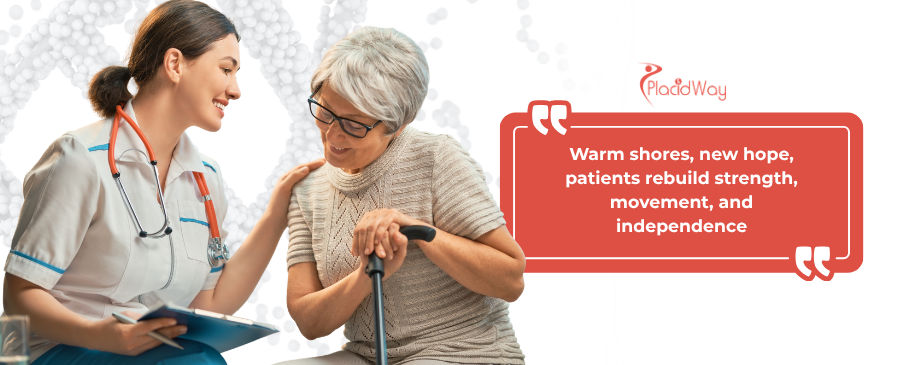
Facing harsh winters and healthcare waits, Canadian patients rapidly choose post-stroke stem cell care in Puerto Vallarta. This destination offers rapid access to regenerative rehabilitation, combining advanced neurological recovery with a healing tropical climate.
The Surging Demand for Stem Cell Therapy for Stroke Recovery in Mexico
The global landscape of neurological rehabilitation is undergoing a profound transformation, moving away from purely compensatory physical therapies toward biologically active restorative treatments. For survivors of ischemic and hemorrhagic strokes, the critical window for motor function and cognitive recovery is notoriously brief. Consequently, the massive demand for stem cell therapy for stroke recovery in Mexico has skyrocketed. Patients are no longer willing to accept the traditional plateau of recovery often diagnosed by domestic physicians. Instead, they are actively seeking out international medical hubs where progressive regenerative medicine protocols are legally approved, highly regulated, and readily accessible without the burden of multi-year waiting lists.
Mexico, specifically its vibrant coastal medical hubs, has emerged as the premier destination for these advanced neurological interventions. The country has heavily invested in sophisticated biotechnology infrastructure, allowing world-class laboratories to cultivate high-viability mesenchymal stem cells (MSCs). By fostering a collaborative environment between neuro-specialists and cellular biologists, these modern clinics are able to offer customized, multi-modal treatment plans that are simply unavailable in many North American jurisdictions. This dynamic shift has positioned medical tourism in Mexico as a lifeline for those seeking to maximize their neuroplasticity and regain independent living capabilities.
Why Canadians Are Escaping Cold Winters for Medical Travel
For decades, the "snowbird" phenomenon has seen hundreds of thousands of Canadians migrate south to escape punishing winter temperatures. However, this demographic trend has rapidly evolved into a targeted medical strategy. The Canadian provincial healthcare systems, while universally accessible for acute emergencies, are notoriously burdened by systemic bottlenecks when it comes to long-term rehabilitation and elective regenerative therapies. For a stroke survivor, languishing on a waitlist for intensive physiotherapy is detrimental; neurons require immediate, consistent stimulation to reroute pathways around damaged brain tissue. The frustration of these administrative delays is a primary catalyst driving patients across international borders.
Furthermore, the physical environment plays a massive, heavily documented role in neurological recovery. Freezing temperatures exacerbate post-stroke spasticity, increase joint stiffness, and severely limit outdoor mobility, trapping recovering patients in sedentary indoor environments. By relocating to a tropical climate during these crucial recovery months, patients immediately benefit from passive vasodilation—increased blood flow facilitated by warmth—which naturally relaxes stiff musculature. The ability to engage in year-round aquatic therapy in warm, ocean-side environments dramatically accelerates the physical milestones required for successful regenerative rehabilitation abroad.
Did You Know? Clinical data indicates that combining high-dose cellular therapy with intensive daily physiotherapy within the first year of a neurological event can improve fine motor skill recovery by up to 40% compared to standard, standalone physical therapy models.
Understanding the Science Behind Regenerative Rehabilitation
Regenerative rehabilitation represents the cutting-edge convergence of cellular biology and advanced biomechanics. Traditional physical therapy aims to train intact brain regions to take over the functions of the tissue destroyed during a stroke. While effective, this approach has strict biological limits. Cellular treatments introduce powerful biological catalysts—typically multipotent mesenchymal stem cells derived from ethically sourced, highly screened Wharton’s Jelly (umbilical cord tissue). Once introduced into the patient's system via intravenous or intrathecal administration, these cells home in on sites of neuroinflammation through a process known as targeted chemotaxis.
The true magic of this process lies in the paracrine effect. The introduced stem cells secrete a rich cocktail of neurotrophic factors, cytokines, and exosomes that fundamentally alter the microenvironment of the brain. They promote angiogenesis (the creation of new blood vessels to nourish oxygen-starved tissue), mitigate chronic neuro-inflammation, and stimulate the patient's own endogenous stem cells to repair damaged neural pathways. When this biological priming is immediately followed by intensive, repetitive physical rehabilitation, the newly forming neural connections are reinforced. This synergy essentially rewires the brain, leading to profound improvements in speech, motor control, and cognitive processing.
Inside the Puerto Vallarta Clinic Revolutionizing Neurological Care
The standard of care in Mexican regenerative medicine has reached unprecedented heights, characterized by state-of-the-art laboratory infrastructure and internationally trained specialists. A prime example of this clinical excellence can be observed when patients secure access to world-renowned facilities. For those seeking elite neurological care, exploring options like CellsTime Clinique Puerto Vallarta reveals a profound paradigm shift in how post-stroke rehabilitation is administered. These hyper-modern clinics are distinctively designed to eliminate the sterile, anxiety-inducing atmosphere of traditional hospitals, replacing them with holistic, patient-centric healing environments that prioritize both physiological and psychological wellness.
Within these advanced clinical settings, treatment protocols are rigorously customized to the individual’s specific neurological deficits. Board-certified neurologists and regenerative medicine specialists utilize advanced diagnostic imaging to map the exact location of the cerebral infarction. From there, highly viable, lab-expanded stem cells are administered using the most direct, scientifically validated delivery methods. To maximize the absorption and efficacy of the cellular infusions, these clinics frequently integrate powerful adjunct therapies, including hyperbaric oxygen therapy (HBOT), intravenous nutrient infusions, and transcranial magnetic stimulation, ensuring the central nervous system is in an optimal state for cellular regeneration.
"We are observing a massive demographic shift where Canadian patients are refusing to let geographical and systemic healthcare limitations dictate their recovery outcomes. The integration of high-end regenerative medicine within premier wellness destinations like Puerto Vallarta allows stroke survivors to access unparalleled cellular therapies while rehabilitating in an environment that actively promotes physiological healing."
— Pramod Goel, CEO of PlacidWay
Comparing the True Costs: Domestic Care vs. Mexican Stem Cell Clinics
When evaluating the financial logistics of chronic neurological recovery, transparency is crucial. In North America, the out-of-pocket costs for long-term, intensive private physiotherapy, occupational therapy, and in-home nursing care can rapidly deplete a family's life savings. Furthermore, because advanced cellular therapies are largely classified as experimental in Canada, insurance providers offer absolutely zero financial mitigation. If a patient attempts to seek private stem cell therapies within U.S. borders, exorbitant regulatory overhead and facility fees routinely push single-infusion invoices well past the $25,000 threshold, excluding the necessary rehabilitation.
Conversely, the robust medical tourism infrastructure in Mexico operates on an all-inclusive package model. Because the cost of laboratory cultivation, real estate, and clinical administration is vastly lower, these savings are directly passed on to the international consumer. A comprehensive post-stroke stem cell care package in Puerto Vallarta—which typically bundles multiple cellular infusions, daily physical therapy, airport transfers, and sometimes even luxury recovery accommodations—provides a monumental return on investment. The economic disparity makes life-altering medical intervention fundamentally accessible.
The Comprehensive Neurological Recovery Experience Abroad
Transitioning from a patient to a medical tourist in a destination known for its hospitality fundamentally changes the recovery narrative. Leading clinics in the region do not merely provide a medical injection; they curate an intensive, immersive healing retreat designed to stimulate all aspects of neurological repair. When booking a dedicated stroke recovery journey, patients and their accompanying family members can anticipate a highly structured, multidisciplinary itinerary:
- Rigorous Pre-Treatment Diagnostics: Comprehensive blood panels, neurological scoring, and immunological assessments to ensure the patient is a viable candidate for cellular therapy.
- Targeted Cellular Administration: Utilization of specialized delivery mechanisms, such as lumbar punctures or guided intravenous drips, to ensure the maximum volume of stem cells breaches the blood-brain barrier.
- Integrated Hyperbaric Support: Daily sessions in pressurized oxygen chambers to hyper-oxygenate the blood plasma, accelerating cellular proliferation and tissue healing.
- Specialized Kinesiology and Motor Training: Dedicated hours of one-on-one robotic gait training, aquatic therapy, and fine-motor skill rehabilitation executed by bilingual therapists.
- Anti-Inflammatory Nutritional Protocols: Customized dietary plans prepared by clinical nutritionists to reduce systemic inflammation and support optimal brain health during the cellular grafting phase.
Did You Know? Puerto Vallarta has experienced a monumental surge in medical tourism infrastructure, with continuous investments in English-speaking medical personnel, VIP patient transport lanes, and globally accredited biological laboratories catering directly to North American patients.
How to Navigate Medical Tourism for Stem Cell Treatments
While the therapeutic benefits of accessing regenerative rehabilitation in Mexico are undeniably compelling, organizing complex neurological care in a foreign country requires meticulous planning. The modern digital landscape is saturated with marketing claims, making it difficult for families navigating the emotional stress of a stroke to independently verify the legitimacy of a clinic's laboratory certifications or the origin of their cellular products. This severe information asymmetry underscores the critical importance of utilizing independent, authoritative medical tourism facilitators.
By engaging with global platforms like PlacidWay, patients bypass the uncertainty of online searching. Facilitators act as a protective buffer, presenting only clinics that have passed rigorous, multi-point credentialing processes. Through these platforms, families can easily access transparent pricing structures, compare verified physician backgrounds, review standardized laboratory purity reports, and arrange secure, encrypted virtual consultations with the chief medical officers before committing to travel. This streamlined approach removes the logistical friction, allowing the patient to focus solely on their impending recovery.
Ensuring Patient Safety and Long-Term Rehabilitation Success
The ultimate goal of international medical travel is not just the safe execution of the procedure, but the sustained, long-term improvement of the patient's quality of life. Premier regenerative clinics in Mexico operate under strict regulations mandated by COFEPRIS (the Mexican equivalent of the FDA), ensuring that all cellular products are rigorously screened for communicable diseases, chromosomal abnormalities, and cellular viability prior to administration. This intense regulatory oversight guarantees that international patients receive pharmaceutical-grade biological treatments in impeccably sterile clinical environments.
However, ethical medical providers are quick to manage expectations: stem cell therapy is not an instant magic bullet, but rather a profoundly powerful biological catalyst. The cells lay the groundwork for neurogenesis, but the patient must continually build upon that foundation. Top-tier medical packages always include comprehensive post-operative frameworks. Upon returning to the Canadian winter, patients transition into structured telemedicine follow-ups, receiving continued guidance on dietary supplementation and at-home physical therapy regimens. This seamless continuum of care ensures that the neuroplastic momentum gained under the Mexican sun translates into permanent, life-changing functional independence at home.

















Share this listing