


Rare Cancer Solutions: Canadians Surge to Mexico for Appendix Tumor Care

Facing profound healthcare wait times, desperate patients are increasingly seeking Appendix Tumor Treatment in Mexico. This cross-border shift provides Canadians diagnosed with rare abdominal cancers immediate access to life-saving, innovative therapies outside their strained domestic system.
The Growing Crisis: Why Canadians Look Beyond Borders for Rare Cancer Care
The Canadian healthcare system, long celebrated for its equitable approach to universal medical coverage, is currently buckling under the weight of unprecedented administrative backlogs and critical staffing shortages. For standard medical procedures, these delays are an inconvenience; however, for patients diagnosed with rare, aggressive malignancies, protracted waiting periods represent a direct threat to their survival. Consequently, a rapidly growing demographic of Canadian citizens is taking their health into their own hands, crossing international borders to secure immediate, highly specialized oncological interventions before their conditions deteriorate beyond the point of medical management.
This exodus is particularly pronounced among those seeking rare cancer treatment abroad. Domestic oncological protocols are heavily standardized, meaning that uncommon diseases often fall into diagnostic and therapeutic gray areas. Patients frequently face agonizing months of delays simply to secure a consultation with a specialist who understands the unique pathology of their specific tumor. Driven by the sheer urgency of their diagnoses, these patients are identifying alternative medical hubs in Latin America that offer rapid admission protocols, cutting-edge diagnostic imaging, and highly personalized care plans that are fundamentally unavailable within the rigid constraints of their home country’s public health network.
Understanding Appendix Cancer and the Urgent Need for Specialized Therapies
Appendiceal carcinoma is a profoundly rare and biologically complex group of diseases that originate in the cells lining the appendix. Conditions such as Pseudomyxoma Peritonei (PMP) or neuroendocrine appendix tumors present unique challenges to the global medical community. Because these tumors frequently do not present with symptoms until they have ruptured or metastasized throughout the abdominal cavity, early detection is exceedingly uncommon. Standard systemic chemotherapy, which remains the cornerstone of conventional oncology, often proves highly ineffective against mucinous appendix tumors, leaving patients with alarmingly few viable treatment options within standard healthcare paradigms.
The highly specialized nature of this disease dictates an equally specialized therapeutic response. While certain surgical interventions like Cytoreductive Surgery combined with HIPEC (Hyperthermic Intraperitoneal Chemotherapy) exist, the queue for such highly invasive procedures in Canada is notoriously long, and the criteria for patient qualification are remarkably strict. Recognizing the limitations of standard domestic protocols, patients are actively researching integrative appendix cancer therapy in Tijuana and other advanced medical jurisdictions. These alternative frameworks prioritize halting tumor progression, boosting the patient's intrinsic immune response, and utilizing targeted treatments that traditional northern hospitals are often too slow to implement or authorize.
Did You Know? Appendix cancer is considered an "orphan disease," affecting only 1 to 2 people per million annually. Due to its extreme rarity, nearly 65% of patients are initially misdiagnosed with conditions like appendicitis or ovarian cysts, making rapid, specialized intervention absolutely critical once the correct diagnosis is finally established.
Why Appendix Tumor Treatment in Mexico is Attracting Canadian Patients
Geographical accessibility and logistical efficiency form the foundation of Mexico's dominance in the North American medical tourism sector. For Canadian patients battling fatigue, pain, and compromised immune systems, enduring long-haul flights to medical centers in Asia or Europe is virtually impossible. Mexico, conversely, offers direct flight routes from major Canadian hubs like Toronto, Vancouver, and Montreal, placing world-class medical facilities within a highly manageable travel radius. Upon arrival, the bureaucratic friction is virtually non-existent; patients can transition from the airport to an advanced oncology suite in a matter of hours, bypassing the referral labyrinths that define their domestic experience.
Beyond mere geography, the fundamental appeal lies in the progressive medical philosophy adopted by leading Mexican health centers. Physicians in these jurisdictions operate outside the restrictive, formulary-based constraints of the Canadian system. This clinical freedom allows them to utilize highly synergistic treatment combinations—pairing lower-dose, targeted traditional therapies with robust biological and holistic interventions. For the Canadian patient who has been told by domestic doctors that "nothing more can be done," this progressive, patient-empowered approach provides not just a secondary medical opinion, but a legitimate, scientifically grounded lifeline.
Spotlight on Elite Facilities: The Immunity Therapy Center in Tijuana, Mexico
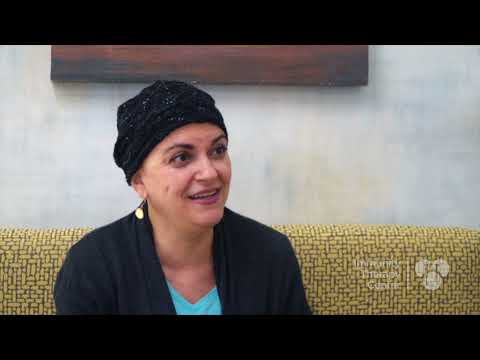
The transformation of Baja California into a globally respected hub for integrative oncology is spearheaded by a select group of highly accredited institutions. A prime example of this advanced medical infrastructure is the renowned Immunity Therapy Center in Tijuana, Mexico. This facility has fundamentally redefined the standard of care for rare malignancies, offering an environment where customized, multidimensional treatment protocols replace the one-size-fits-all methodology prevalent in traditional hospital settings. Their multidisciplinary teams consist of board-certified oncologists, immunologists, and holistic practitioners who collaborate daily to monitor and adapt to the patient's unique biological responses.
What distinguishes the Immunity Therapy Center in Tijuana, Mexico, is its unwavering commitment to treating the entirety of the patient's biological ecosystem, rather than focusing solely on the isolated eradication of the tumor. By utilizing advanced diagnostics to understand the specific metabolic pathways feeding the appendiceal cancer cells, the clinic deploys bespoke therapies designed to selectively starve the malignancy while simultaneously fortifying the patient's immune system. This elite standard of highly personalized, integrative care has generated international headlines, establishing the center as a vital destination for patients seeking aggressive, non-toxic alternatives to conventional end-of-life palliative care.
"For patients battling incredibly rare conditions like appendix tumors, time is the ultimate currency. The Canadian healthcare system, while well-intentioned and equitable, often struggles with the agility required for immediate, specialized rare-cancer interventions. By traveling to accredited, innovative medical hubs in Mexico, these patients are reclaiming control of their health, accessing cutting-edge integrative therapies without the devastating burden of domestic waiting lists."
— Pramod Goel, CEO of PlacidWay
Integrating Conventional and Alternative Medical Paradigms
The hallmark of elite medical travel for oncology is the seamless integration of diverse medical philosophies. Integrative oncology packages in Baja California do not force patients to choose between standard science and alternative medicine; instead, they merge the most effective elements of both. Standard chemotherapy is often administered through Insulin Potentiation Therapy (IPT), a targeted method that utilizes the cancer cell's own appetite for sugar to deliver lower, safer doses of cytotoxic drugs directly into the tumor. This dramatically minimizes the systemic toxicity and severe side effects that typically ravage the patient's body during conventional treatments.
In parallel, these advanced clinics deploy a vast arsenal of immune-modulating and hyperthermic therapies. Localized and whole-body hyperthermia leverages high temperatures to damage cancer cells and sensitize them to concurrent therapies. Furthermore, intravenous therapies utilizing high-dose Vitamin C, dendritic cell vaccines, and ozone therapy are heavily utilized to oxygenate the body, neutralize free radicals, and reprogram the immune system to recognize and attack the stealthy appendix tumor cells. This multi-pronged, synergistic assault on the cancer creates a highly inhospitable environment for disease progression while preserving the patient's quality of life.
The Financial Reality: Comparing Cancer Care Costs and Inclusions
A common misconception regarding universal healthcare is that it is entirely "free." For Canadian cancer patients, the hidden financial toxicity of their disease is staggering. Lost wages due to prolonged illness, immense travel and lodging costs required to reach centralized domestic oncology centers, and the out-of-pocket expenses for non-covered alternative therapies or specialized nutrition rapidly drain family resources. When traditional treatments fail, patients seeking off-label or experimental drugs in North America are routinely denied coverage, leaving them facing astronomical, unmanageable domestic invoices.
By stark contrast, cross-border oncology centers operate on a model of absolute financial transparency. Integrated treatment programs are bundled into comprehensive, predictable pricing structures. These packages inherently cover the multifaceted costs of daily physician consultations, complex biological therapies, specialized nutritional catering, and continuous medical monitoring. When evaluating the total economic impact, patients frequently discover that financing a specialized, six-week integrative program in Mexico is significantly more viable than slowly absorbing the hidden, unquantifiable costs of prolonged illness and restricted medical access at home.
Did You Know? Integrative oncology clinics frequently utilize Localized Hyperthermia—a process that raises the temperature of tumor tissue to 104-113°F (40-45°C). This heat damages the proteins within cancer cells, shrinking tumors and making them exponentially more susceptible to concurrent immune therapies.
What to Expect During Your Medical Journey and Recovery Process
Committing to international medical travel for cancer treatment involves a highly structured, patient-centric continuum of care. Accredited clinics in Mexico have meticulously refined this process to ensure that patients focus strictly on healing, entirely free from logistical anxiety. From the moment the initial contact is made, a dedicated care coordination team assumes responsibility for every facet of the patient’s journey. When booking through recognized healthcare networks, Canadian patients can confidently expect an experience defined by the following elements:
- In-Depth Virtual Diagnostics: Before booking flights, patients participate in comprehensive telemedicine consultations, sharing their domestic pathology reports for review by Mexican oncological boards to guarantee treatment viability.
- Seamless Cross-Border Transit: Clinics provide private, medically equipped transportation directly from the San Diego International Airport, utilizing dedicated medical fast-lanes for rapid, stress-free border crossing into Tijuana.
- Intensive Daily Treatment Regimens: Unlike the outpatient nature of standard care, patients undergo daily, multi-hour therapeutic sessions, receiving a rotating protocol of targeted IV infusions, immunotherapy, and biological treatments.
- Holistic Nutritional Catering: Recovery is supported by specialized, anti-inflammatory dietary plans formulated by clinical nutritionists to optimize gut health, regulate blood sugar, and fortify the immune response.
- Continuous Progress Monitoring: Treatment efficacy is relentlessly tracked through frequent blood panels and imaging, allowing the medical team to dynamically adjust therapies in real-time based on the tumor's biological feedback.
- Home-Care Transition Protocols: Upon discharge, patients are not simply sent away; they receive extensive home-care instructions, a supply of necessary supplements, and scheduled virtual follow-ups to maintain therapeutic momentum in Canada.
Navigating Cross-Border Health Travel Safely with PlacidWay
While the life-saving potential of integrative cancer treatments in Mexico is undeniable, navigating the international healthcare landscape during a period of profound personal illness can feel insurmountable. The internet is fraught with unverified claims and varying standards of care, making the task of identifying a legitimately accredited, safe facility a daunting challenge for patients and their families. This vast information asymmetry underscores the critical importance of utilizing a highly reputable medical tourism facilitator.
PlacidWay serves as the vital bridge connecting Canadian patients with elite, rigorously vetted global healthcare providers. By leveraging their extensive network, patients can instantly access transparent facility profiles, verify international board certifications, and read authentic patient testimonials. PlacidWay eliminates the guesswork from cross-border health travel, providing a secure, streamlined platform where patients can evaluate advanced therapeutic options, secure individualized treatment plans, and coordinate complex travel logistics. Ultimately, this partnership ensures that individuals battling rare diseases can transition out of waiting rooms and into world-class clinical care with absolute confidence.








.png)

.png)











Share this listing