


Canadians Skip Cancer Delays via Pink Ribbon Bridge
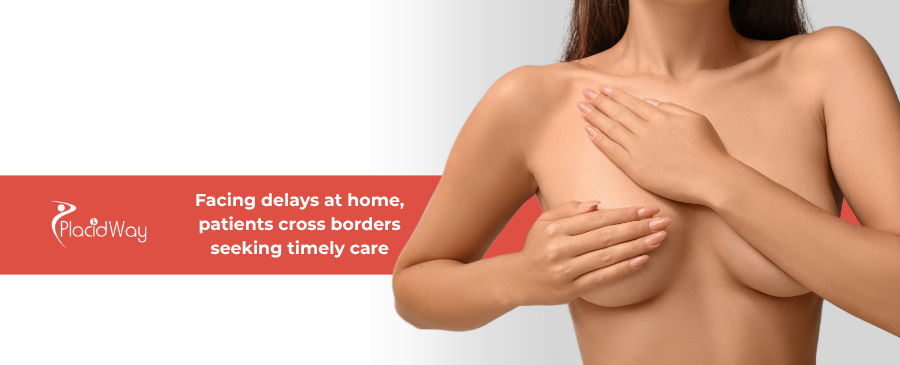
Thousands of women are overcoming critical healthcare backlogs by seeking breast cancer treatment in Mexico. This urgent medical tourism shift grants instant access to world-class oncology care, allowing patients to bypass life-threatening Canadian wait times for specialized therapies.
The Crisis of Healthcare Wait Times for Canadian Patients
The Canadian healthcare system, long celebrated for its universal access, is currently buckling under the weight of unprecedented administrative and logistical backlogs. For patients recently diagnosed with malignant tumors, the timeline between initial biopsy, specialist consultation, and surgical intervention has stretched into agonizing months. This systemic delay places patients in a highly vulnerable position, where the disease is granted a dangerous window to progress from a localized issue to a widespread systemic threat. For those battling aggressive breast cancer variants, such as triple-negative or HER2-positive strains, every single week of delayed treatment drastically impacts long-term survival rates.
The psychological toll of these extended waitlists cannot be overstated. Women in Canada are finding themselves caught in a devastating holding pattern, forced to live with the daily anxiety of a growing tumor while waiting for the public health sector to allocate surgical time or initiate chemotherapy. This profound lack of control over their own health outcomes has sparked a significant exodus. Patients are no longer willing to accept "watch and wait" protocols dictated by hospital capacity rather than medical necessity, prompting thousands to construct their own "Pink Ribbon Bridge" to private international healthcare facilities where rapid intervention is the standard.
Did You Know? Studies indicate that delaying breast cancer treatment by just four to eight weeks can increase the risk of mortality by up to 20%. The timely initiation of therapies like lumpectomies, mastectomies, and systemic oncology regimens is the most critical factor in achieving total remission.
Why Breast Cancer Treatment in Mexico is Gaining Traction
As the demand for immediate oncological intervention surges, seeking breast cancer treatment in Mexico has emerged as a premier strategy for North American patients. The country has heavily invested in establishing high-tech medical hubs in cities like Tijuana, Monterrey, and Mexico City, specifically designed to cater to the influx of international medical tourists. These facilities operate on a completely different paradigm than public Canadian hospitals. Because they function within a competitive private sector, their primary focus is on rapid admission, immediate diagnostic imaging, and the swift execution of comprehensive treatment plans, often initiating therapy within 48 hours of a patient's arrival.
Beyond the sheer speed of access, medical tourism for cancer in Latin America offers an unparalleled level of personalized patient care. Women crossing borders for their health are greeted by multidisciplinary tumor boards—comprising surgical oncologists, radiologists, and reconstructive experts—who collaborate to design cohesive, individualized strategies. This holistic approach ensures that every aspect of the patient's well-being is addressed simultaneously, eliminating the fragmented care that often characterizes overburdened public health systems. The proximity to North American borders also allows patients to travel without enduring exhausting, long-haul overseas flights, making the logistical transition as seamless as possible.
Expanding Options: Alternative Cancer Treatment in Tijuana
A massive driver of cross-border medical travel is the desire for integrative and alternative therapies that are often unavailable or heavily restricted in the patient's home country. Many Canadian women find that standard protocols of extreme radiation and high-dose chemotherapy take an unacceptable toll on their immune systems and overall quality of life. In response, they look southward for innovative, less toxic methodologies that focus on eradicating cancer cells while simultaneously strengthening the body's natural defense mechanisms. This burgeoning field of integrative oncology utilizes cutting-edge science to bridge the gap between allopathic medicine and holistic healing.
Pioneering clinics have made this region an international epicenter for advanced, personalized care. For instance, the highly regarded Immunity Therapy Center in Tijuana, Mexico offers deeply customized, integrative protocols that blend conventional diagnostics with advanced alternative treatments. Facilities like this provide targeted therapies—such as localized hyperthermia, high-dose intravenous vitamin C, and specific immunotherapy vaccines—designed to directly attack malignant cells without devastating surrounding healthy tissue. This comprehensive, dual-pronged approach offers profound hope, allowing patients to pursue rigorous disease management while maintaining their energy, dignity, and physiological resilience.
"Cancer does not respect waitlists, and patients are rightfully refusing to let administrative bottlenecks dictate their survival. We are witnessing an incredible shift where medical tourism is no longer just for elective procedures; it is a critical, life-saving avenue. By looking abroad, patients are reclaiming their power, accessing elite oncological treatments, and securing immediate, high-quality care that fundamentally alters their prognosis for the better."
— Pramod Goel, CEO of PlacidWay
Cost Comparison: Public Healthcare Delays vs. Private Care
A common misconception regarding universal healthcare is that it is entirely "free." However, when analyzing the true cost of breast cancer treatment delays, the hidden financial and physiological expenses become alarmingly clear. In Canada, prolonged waiting periods often result in disease progression, forcing patients to eventually require vastly more aggressive, invasive, and debilitating treatments than if the tumor had been addressed immediately. Furthermore, the prolonged inability to work due to mounting symptoms, coupled with the immense mental health strain, introduces severe socioeconomic hardships for the patient and their family.
Conversely, accessing private oncological care via medical tourism offers profound financial transparency and value. While the out-of-pocket expense may initially seem daunting, international clinics provide comprehensive, all-inclusive packages that bundle diagnostics, surgical fees, facility stays, and customized therapies into a single, predictable price point. When weighed against the terrifying prospect of a worsening prognosis at home, investing in immediate cross-border care is increasingly viewed not as a luxury, but as an essential, life-preserving strategy.
Advanced Infrastructure Driving Medical Tourism for Oncology
The physical and technological landscape of private Mexican healthcare facilities rivals, and frequently surpasses, the domestic hospitals available to North American patients. Fueled by international investment and a high volume of global patients, these medical centers have aggressively equipped their oncology wards with the absolute latest in diagnostic and surgical technology. Patients have rapid access to advanced PET/CT imaging scanners, highly precise genetic tumor profiling laboratories, and cutting-edge radiation delivery systems that ensure maximum efficacy with minimal collateral tissue damage.
Furthermore, the surgical theaters in these modern medical hubs are outfitted with robotic-assisted technologies and high-definition endoscopic equipment, allowing for minimally invasive tumor extractions and immediate, state-of-the-art breast reconstruction. The integration of such advanced infrastructure means that international patients are not compromising on quality to save time; instead, they are actively upgrading their level of care. These sophisticated environments foster an atmosphere of healing, combining rigorous clinical excellence with private, hotel-like recovery suites that respect the patient's dignity during their most vulnerable moments.
Did You Know? Many premium oncology centers in Latin America employ a dedicated "patient concierge" system. This means international patients receive a designated medical coordinator who manages all logistics, from translating medical documents to arranging localized transportation, ensuring a completely stress-free clinical environment.
Safety First: Unpacking Global Oncology Accreditations
When leaving their home country for critical illness treatment, a patient's foremost concern is naturally clinical safety and physician competence. The private oncology sector catering to international medical tourists operates under exceedingly stringent global regulations. Top-tier facilities boast prestigious international accreditations, such as the Joint Commission International (JCI) or certifications from the Consejo de Salubridad General (CSG) in Mexico. These rigorous standards guarantee that hospital hygiene, patient safety protocols, and emergency response capabilities match or exceed the strict mandates found in the United States and Canada.
Equally important are the credentials of the medical professionals delivering the care. The oncology specialists, surgeons, and integrative medical practitioners leading these international teams are highly esteemed within the global medical community. It is standard practice for these doctors to have completed extensive fellowships and specialized residency programs at leading medical institutions across the US, Europe, and Canada. They frequently hold active memberships in authoritative organizations like the American Society of Clinical Oncology (ASCO), ensuring that every diagnostic decision and treatment protocol is rooted in the most current, globally recognized evidence-based medicine.
The Role of PlacidWay in Your Global Healthcare Journey
Attempting to coordinate an international medical journey immediately following a cancer diagnosis can be an overwhelming endeavor. Patients are already dealing with intense emotional and physical trauma; tasking them with vetting foreign hospital accreditations, comparing intricate treatment packages, and deciphering complex medical travel logistics is simply not feasible. This monumental information gap is precisely where the intervention of an expert, independent medical tourism facilitator becomes a vital component of the treatment strategy.
PlacidWay serves as the essential bridge between patients and elite global healthcare. By leveraging a meticulously vetted network of certified international oncology centers, PlacidWay empowers patients to take back control of their healthcare timeline. The platform allows individuals to seamlessly compare transparent pricing, review verified success rates, read detailed provider profiles, and even schedule direct virtual consultations with leading oncologists abroad before booking a flight. By handling the complex administrative groundwork, PlacidWay ensures that patients and their families can focus 100% of their energy on healing, recovery, and defeating the disease.
What to Expect During Your Recovery and Post-Treatment Phase
The philosophy of international medical tourism extends far beyond the operating room or the infusion center; it encompasses the entire holistic recovery process. Recognizing that the healing phase is as critical as the intervention itself, specialized oncology hubs have engineered post-treatment environments designed to optimize physiological recovery and mental well-being.
- Comprehensive Nutritional Support: Recovery packages often include bespoke culinary programs designed by oncological dietitians, focusing on anti-inflammatory, immune-boosting meals that aid cellular repair and manage treatment side effects.
- Continuous Medical Monitoring: Patients do not return to a standard hotel room; they are hosted in specialized medical recovery boutiques with 24/7 bilingual nursing staff to monitor vitals, manage pain effectively, and administer restorative IV therapies.
- Psychological and Emotional Care: Integrative centers frequently provide on-site counseling, stress management therapies, and gentle restorative practices like medically supervised yoga or meditation to support the patient’s mental health.
- Seamless Transition Home: Upon discharge, clinics supply meticulously translated, comprehensive medical files outlining the entire treatment course. Many also coordinate border fast-passes to expedite the return to the US or Canada, minimizing travel fatigue.
- Remote Follow-Up: The continuum of care does not end at the border. Dedicated medical teams arrange ongoing virtual check-ins with the primary oncologist to monitor long-term recovery and coordinate with the patient's local general practitioner.
.png)



.png)
.png)
.png)










Share this listing