


Viral Thyroid Reset: Vietnamese Hashimoto's Patients Flock to Tokyo
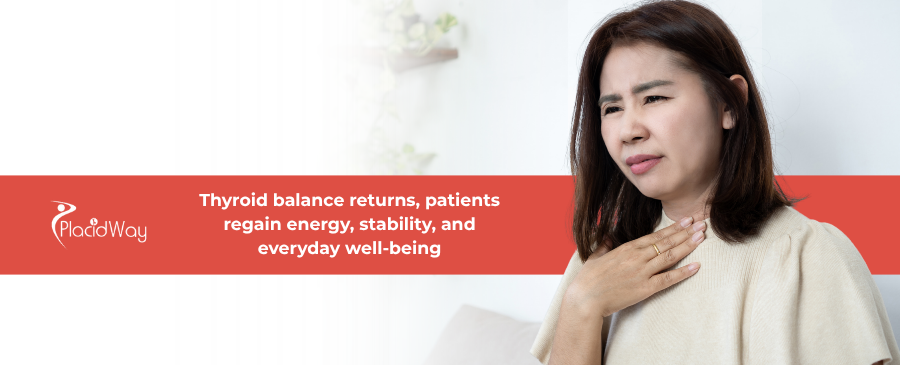
Driven by a desire to escape lifelong medication, a massive wave of Vietnamese patients is seeking stem cell therapy for Hashimoto's in Tokyo. This regenerative treatment is redefining autoimmune care, offering a true physiological reset just a short flight away.
The Growing Burden of Hashimoto’s Disease in Vietnam
In recent times, the medical community in Southeast Asia has documented a sharp, alarming increase in autoimmune disorders, with Hashimoto's thyroiditis leading the charge. For patients in Vietnam, the standard endocrine approach has remained frustratingly static: diagnose the failing thyroid, wait until the hormone levels plummet significantly, and prescribe daily synthetic hormone replacement therapy. This clinical pathway treats the organ's failure but entirely ignores the root cause of the disease—the body's own immune system relentlessly attacking the thyroid gland. As a result, thousands of patients are left in a medical grey area, experiencing debilitating symptoms despite their laboratory results technically falling within "normal" ranges.
The impact of this chronic autoimmune condition stretches far beyond the physical toll. Vietnamese patients frequently report severe chronic fatigue, stubborn weight gain, hair loss, joint pain, and an unrelenting brain fog that significantly hinders their professional productivity and quality of life. The realization that conventional domestic medicine offers no cure, but merely a lifelong subscription to pharmaceutical management, has sparked a profound shift in patient behavior. Armed with comprehensive medical research and global connectivity, these health-conscious individuals are aggressively looking beyond their borders to find therapies that modulate the immune system and repair damaged tissues, ultimately pointing their compass toward the hyper-advanced medical hubs of Japan.
Did You Know? Hashimoto’s thyroiditis is the most common cause of hypothyroidism globally, predominantly affecting women at a ratio of roughly 7 to 1 compared to men. Despite daily medication, up to 15% of patients continue to suffer from persistent, quality-of-life-altering autoimmune symptoms.
Why Stem Cell Therapy for Hashimoto’s in Tokyo is the New Standard
The paradigm of autoimmune care is undergoing a seismic transformation thanks to the application of Mesenchymal Stem Cells (MSCs). Unlike traditional therapies that merely mask symptoms, stem cell treatment for Hashimoto's in Tokyo targets the dysfunctional immune response itself. When intravenously administered, these highly potent, ethically sourced stem cells naturally home in on areas of chronic inflammation—specifically the inflamed thyroid gland. Once there, they begin secreting a powerful array of immunomodulatory cytokines and growth factors. This unique biological mechanism forces the hyperactive immune cells to calm down, halting the production of anti-thyroid antibodies and allowing the body to break the cycle of self-destruction.
Beyond immune suppression, regenerative medicine in Japan offers the unprecedented potential for tissue repair. Years of relentless autoimmune attacks leave the thyroid gland scarred, fibrotic, and incapable of producing adequate hormones. Stem cells actively promote angiogenesis (the formation of new blood vessels) and stimulate the body's native progenitor cells to regenerate damaged follicular cells within the thyroid. For many Vietnamese medical tourists, this dual-action approach—stopping the immune attack and regenerating lost tissue functionality—represents the "Thyroid Reset" they desperately need. The ultimate goal is not just symptom management, but restoring native thyroid function to a level where absolute dependence on synthetic hormones can be safely reduced or entirely eliminated.
The Limitations of Lifelong Thyroid Hormone Replacement Therapy
To fully understand the massive exodus of patients seeking alternative treatments abroad, one must examine the severe limitations of standard levothyroxine therapy. While synthetic hormones are life-saving, they are often grossly inadequate for restoring optimal health in autoimmune patients. The daily pill regimen comes with a host of complex challenges that leave patients deeply dissatisfied:
- Incomplete Symptom Resolution: Because medication does not stop the immune system from producing thyroid peroxidase (TPO) antibodies, the underlying systemic inflammation continues to cause chronic fatigue, muscle weakness, and depression.
- T4 to T3 Conversion Issues: Standard medication provides T4, an inactive hormone that the body must convert to active T3. Many Hashimoto's patients have compromised conversion rates, meaning their cells remain starved of energy despite normal blood tests.
- Strict Dosing Complexities: Absorption of synthetic thyroid hormones is highly volatile and can be disrupted by coffee, calcium supplements, iron, or even minor changes in gastrointestinal health, leading to wild fluctuations in daily energy levels.
- Progressive Organ Destruction: Taking a pill does absolutely nothing to protect the actual thyroid gland. Over decades, the gland slowly atrophies until it is completely destroyed, ensuring absolute, lifelong medical dependency.
- Cardiovascular and Bone Density Risks: Long-term use of high-dose thyroid hormone replacement, particularly if dosing is imperfect, significantly increases the risk of cardiac arrhythmias, atrial fibrillation, and accelerated bone density loss (osteoporosis) as patients age.
Inside Tokyo’s Advanced Regenerative Medicine Ecosystem
Japan has established itself as the undisputed global capital of regenerative medicine, fueled by aggressive government backing, visionary scientific research, and an unwavering commitment to clinical excellence. The infrastructure supporting stem cell therapy in Tokyo is years—if not decades—ahead of regulatory frameworks found in Southeast Asia or the United States. In Japan, cellular therapies are handled in incredibly sophisticated, clean-room laboratories that mimic the sterile environments of aerospace manufacturing. These pristine conditions ensure that every batch of stem cells is cultivated with absolute purity, maximizing cellular viability and therapeutic potency before being administered to the international patient.
Top-tier medical institutions have optimized this highly specialized scientific process for the global medical tourist. Facilities like the renowned HELENE - Stem Cell Clinic in Tokyo, Japan are at the forefront of this medical revolution. This pioneering facility holds rigorous international accreditations and utilizes proprietary cell-culturing techniques to deliver targeted regenerative protocols specifically designed for autoimmune conditions. By visiting such elite establishments, Vietnamese patients bypass outdated domestic limitations and gain immediate access to Nobel-Prize-winning biotechnology, safely overseen by Japan's leading immunological specialists.
"The influx of Vietnamese medical tourists seeking regenerative treatments in Japan represents a fundamental shift in healthcare consumer behavior. Patients are no longer settling for symptom management; they are actively utilizing borderless healthcare networks to access true disease-modifying therapies. Tokyo’s hyper-advanced clinics provide the precise intersection of biological innovation and uncompromised patient safety."
— Pramod Goel, CEO of PlacidWay
Cost and Value Breakdown: Treating Autoimmune Thyroid Conditions Abroad
When evaluating the prospect of medical tourism, the financial narrative often dictates the decision-making process. At first glance, a premium stem cell procedure in Tokyo represents a significant upfront investment compared to the monthly cost of basic levothyroxine in Vietnam. However, savvy healthcare consumers recognize that chronic illness functions as a hidden, escalating tax on their lives. Decades of repeated doctor visits, secondary medications to manage side effects, specialized diets, and the immense economic cost of lost productivity due to chronic fatigue far outweigh the cost of a definitive, root-cause medical intervention.
The value proposition of traveling to Japan for a "Thyroid Reset" becomes crystal clear when patients analyze the comprehensive nature of the medical packages offered. By consolidating advanced diagnostics, personalized cellular culturing, and holistic post-treatment monitoring into a single predictable cost, international patients protect themselves from the endless financial drain of chronic disease management. The table below outlines the sharp contrast in clinical value between standard domestic care and the premium Japanese regenerative approach.
The Seamless Patient Journey: From Hanoi and Ho Chi Minh to Tokyo
Traveling abroad for advanced medical procedures might sound daunting, but the route from Vietnam to Japan has been meticulously streamlined to offer a stress-free, VIP patient experience. Direct flights from Ho Chi Minh City and Hanoi to Tokyo take merely five to six hours. This geographic proximity, combined with deeply ingrained cultural affinities regarding hospitality and respect, makes Japan an incredibly comfortable and accessible destination for Southeast Asian patients seeking medical sanctuary.
Upon arrival, the medical tourism infrastructure takes over immediately. Leading Japanese stem cell clinics provide an end-to-end concierge service. Patients are greeted at Narita or Haneda airports by dedicated chauffeurs and are assigned native-speaking medical interpreters who accompany them to every consultation. This eliminates any potential language barriers, ensuring absolute clarity regarding medical protocols, expected outcomes, and post-treatment care. During their brief recovery window, patients have the opportunity to relax in luxury accommodations, enjoying Tokyo's renowned culinary scene and restorative atmosphere before returning home rejuvenated.
Did You Know? Japan enacted the Act on the Safety of Regenerative Medicine (ASRM) to rapidly but safely accelerate the clinical use of cellular therapies. This progressive legislation allows international patients to access life-changing treatments years before they undergo the slow, bureaucratic approval processes required in other countries.
Safety, Regulations, and Japanese Medical Accreditations
Safety is the absolute paramount concern for any patient venturing across borders for cellular therapies. In this regard, the Japanese healthcare system is legendary for its meticulous, almost obsessive attention to clinical safety and regulatory compliance. The Ministry of Health, Labour and Welfare (MHLW) closely governs all regenerative medicine clinics in the country. Any facility offering stem cell therapy must pass exhaustive inspections of their cell processing centers, proving zero-contamination rates and proving cellular efficacy before they are legally permitted to treat a single patient.
Furthermore, the physicians administering these revolutionary treatments are among the most heavily credentialed in the world. They typically hold advanced board certifications in immunology, endocrinology, and regenerative biology. Unlike unregulated stem cell clinics in other regions that offer generic, unverified treatments, Japanese specialists formulate targeted cellular doses customized to the precise severity of the patient's Hashimoto's disease. This unparalleled adherence to scientific rigor guarantees that Vietnamese patients receive a therapy that is not only highly effective but fundamentally safe, ethically sourced, and legally protected.
How PlacidWay Facilitates Your Thyroid Reset Journey
While the life-changing benefits of undergoing a thyroid reset in Japan are immense, coordinating international medical travel requires expertise and insider knowledge. Navigating the myriad of clinic choices, deciphering complex medical jargon, and ensuring a clinic's regulatory standing can overwhelm a patient already battling the exhaustion of an autoimmune disease. This critical gap in the patient journey is exactly where specialized medical tourism platforms become an invaluable asset.
PlacidWay serves as the essential bridge connecting Vietnamese Hashimoto’s patients with Tokyo’s elite regenerative medicine pioneers. By leveraging a heavily vetted, global network of accredited healthcare providers, PlacidWay removes the guesswork from your medical journey. Patients can effortlessly browse comprehensive clinic profiles, read transparent patient reviews, verify medical credentials, and organize direct virtual consultations with Japanese cellular specialists before ever booking a flight. Through strategic facilitation, PlacidWay ensures that every logistical detail is handled, allowing the patient to focus entirely on their path toward a medication-free, energized life.




.png)
.png)
.png)
.png)









Share this listing