
What treatment


1+ Top Rated Clinics for Stem Cell Therapy For Hashimoto Thyroiditis in Tokyo, Japan
Trusted Medical Tourism Platform Since 2007
What are the best stem cell therapy clinics for Hashimoto Thyroiditis in Tokyo?
The top stem cell therapy clinics for Hashimoto's Thyroiditis in Tokyo, Japan, are HELENE - Stem Cell Clinic and Azabu Skin Clinic.
These facilities operate under the strict regulatory standards of the Japanese Ministry of Health, Labour and Welfare. Specialists utilize mesenchymal stem cells (MSCs) sourced from adipose tissue, bone marrow, or umbilical cords to reduce thyroid inflammation and regulate immune responses. In addition to autoimmune care, these clinics treat conditions like osteoarthritis, diabetes, and neuropathy. Comprehensive stem cell treatment packages in Tokyo generally range from $8,000 to $68,000 USD, depending on the targeted condition and specialized protocol required.

 82.81% Patient Recommend
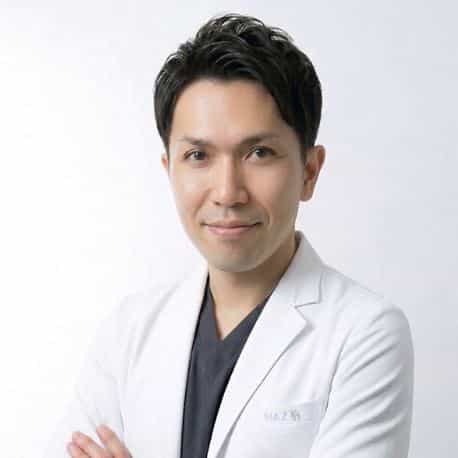
HELENE - Stem Cell Clinic


Overview
Japan Regenerative Medicine Leading Brand With over a decade of experience and more than 17,000 treated patients. Providing cutting-edge stem cell therapies tailored to various health concerns.
Read more details

 100.00% Patient Recommend
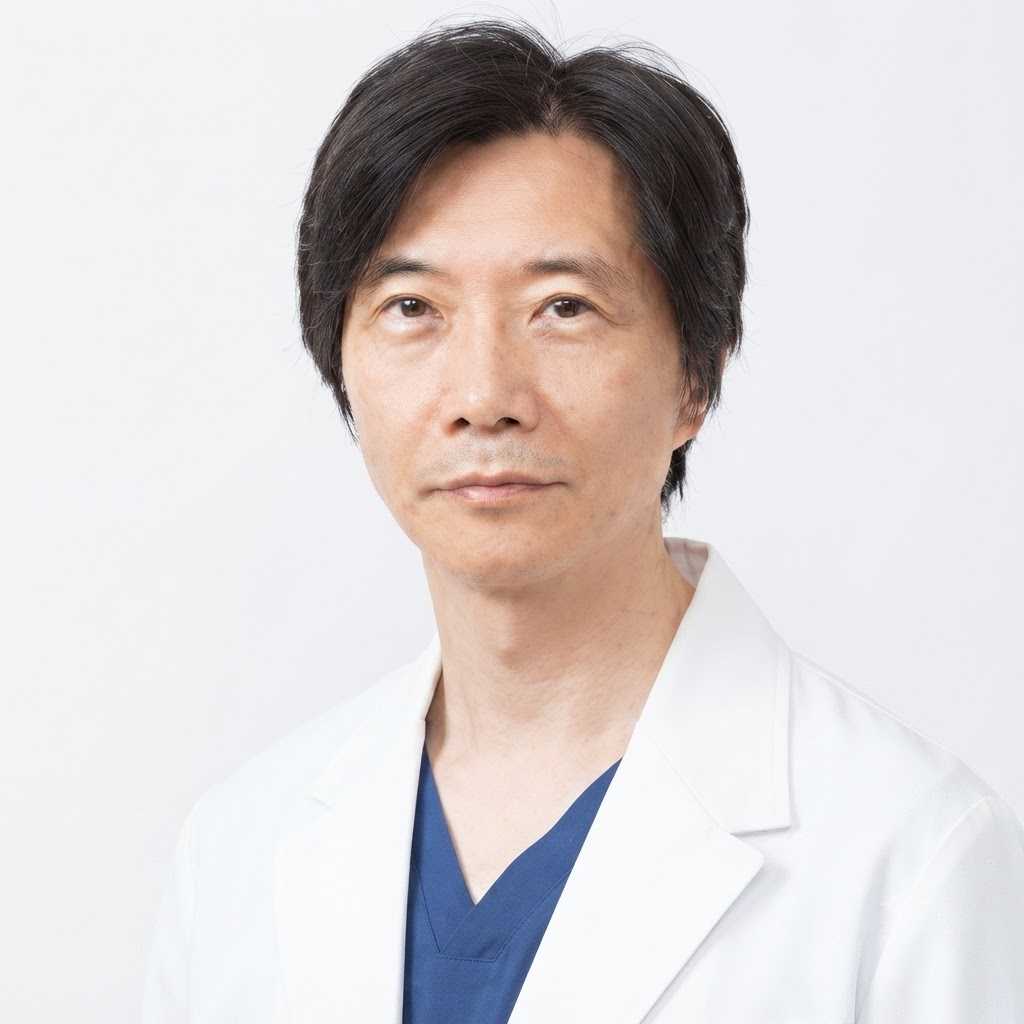
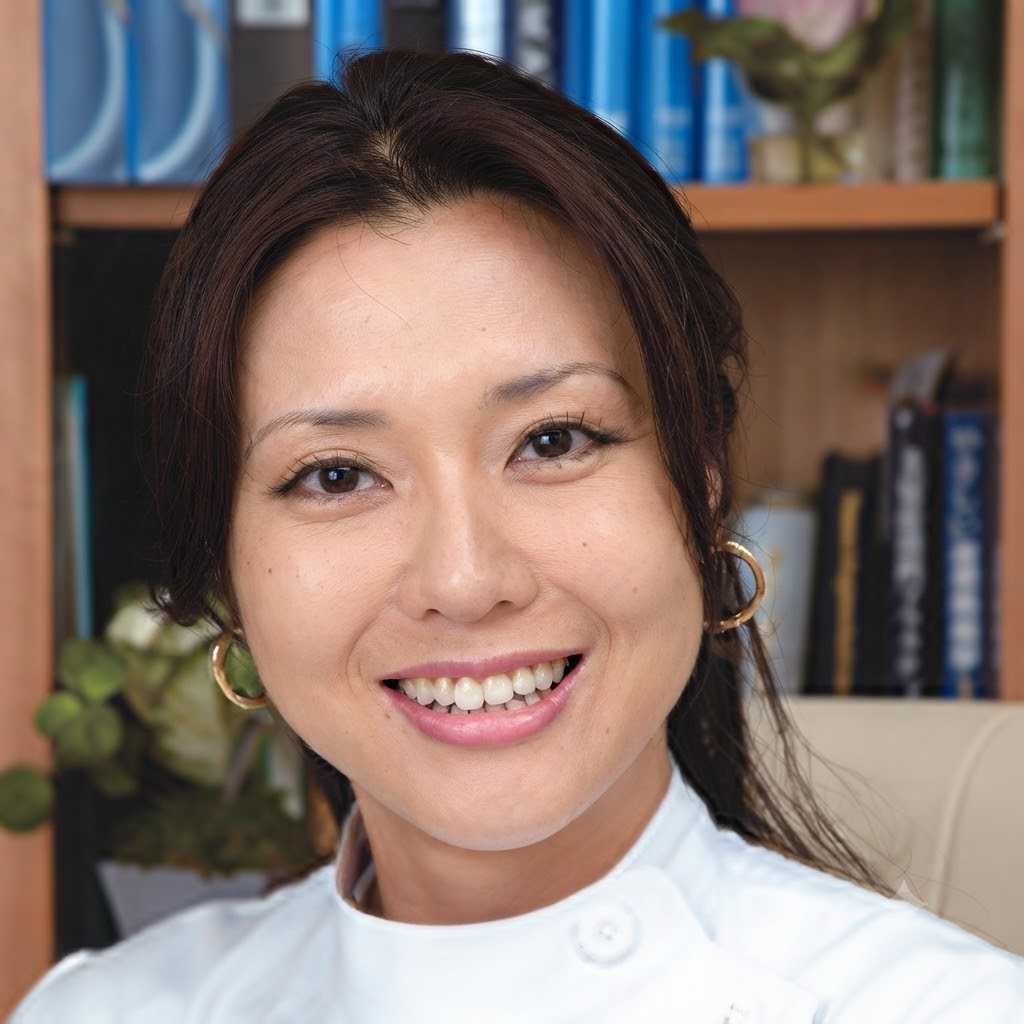
Azabu Skin Clinic - Dermatology and Stem Cell Therapy in Japan
Overview
Azabu Skin Clinic in Tokyo offers advanced stem cell treatments, regenerative treatments, dermatology, and aesthetic care. Book your consultation today.
Read more details
 100.00% Patient Recommend
Cell Grand Clinic - Best Stem Cell Clinic in Japan
Overview
Explore Cell Grand Clinic, the best stem cell clinic in Japan specializing in top regenerative therapies for anti-aging, chronic conditions, and wellness.
Read more details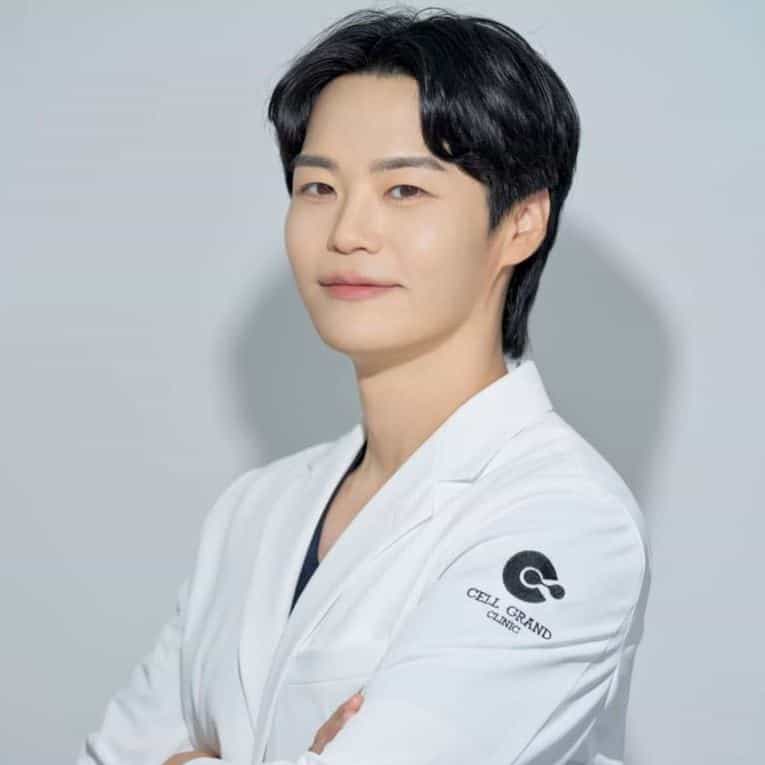
Clinique Haru Osaka Umeda - Japan Stem Cell Treatment
Overview
Clinique Haru Osaka Umeda specializes in Japan stem cell treatments for joint and musculoskeletal conditions using advanced regenerative medicine.
Read more detailsDiscover your treatment options with a free, no-obligation quote!
Get your quote now!
Riso Clinic - Japan Stem Cell Therapy
Overview
Explore Japan stem cell therapy at Riso Clinic in Tokyo. Advanced regenerative treatments for knee osteoarthritis, joint injuries, and cartilage repair.
Read more details
copy.png)
Authored by
Usama Ahmad
Medical content writer with 5+ years of experience specializing in stem cells and regenerative medicine content.
Reviewed by
Dr. Alejandro Fernando
Dr. Alejandro Fernando is a top stem cell specialist in Mexico City, specializing in regenerative medicine, cellular therapies, and chronic disease treatment and Medical Content Reviewer
Last updated on
Which are the top Stem Cell Therapy for Hashimoto Thyroiditis clinics in Tokyo, Japan?
When seeking specialized care for Hashimoto's Thyroiditis with stem cell therapy in Tokyo, Japan, HELENE - Stem Cell Clinic stands out as a reputable option. This clinic, a leading brand in Japanese regenerative medicine, offers advanced stem cell therapies and boasts over a decade of experience with more than 16,000 treated patients. Their strong patient recommendation rate highlights a commitment to high-quality care and positive outcomes, making them a significant choice in the region for those exploring innovative treatments for autoimmune conditions like Hashimoto's.
Choosing the right clinic is a crucial step in your treatment journey. HELENE - Stem Cell Clinic in Tokyo emphasizes personalized care using cutting-edge stem cell technologies tailored to individual health needs. Their extensive experience with a large patient base in regenerative medicine suggests a well-established practice with a focus on patient satisfaction and clinical expertise. Potential patients should look into their specific protocols for Hashimoto's and consult directly to understand the treatment approach and what to expect.
What considerations are important when evaluating Stem Cell Therapy clinics for Hashimoto's in Tokyo?
When evaluating stem cell therapy clinics in Tokyo for Hashimoto's Thyroiditis, prioritize clinical accreditation, the experience level of their regenerative medicine specialists, and the specific stem cell protocols they utilize. It’s also vital to confirm their adherence to Japanese regulatory standards, the transparency of their treatment plans, and the availability of patient testimonials or outcome data. A clinic's patient support systems, especially for international visitors, contribute significantly to a smooth treatment experience.
Consider these key factors:
- Regulatory Compliance: Ensure the clinic operates under the strict guidelines of the Japanese Ministry of Health, Labour and Welfare regarding regenerative medicine.
- Expertise: Look for clinics with a team experienced in autoimmune diseases and specific knowledge of Hashimoto's Thyroiditis.
- Treatment Approach: Inquire about the source of stem cells (e.g., adipose-derived, umbilical cord), methods of administration, and adjunctive therapies.
- Patient-Centered Care: A good clinic will offer detailed consultations, clear communication, and comprehensive pre- and post-treatment support.
- Facility Standards: Check for modern, sterile facilities that meet international healthcare safety and quality standards.
What types of stem cell therapies are offered for Hashimoto's Thyroiditis in Tokyo clinics?
Tokyo clinics specializing in regenerative medicine often provide various stem cell therapies for Hashimoto's Thyroiditis, primarily focusing on mesenchymal stem cells (MSCs). These can be sourced from adipose tissue (fat), bone marrow, or umbilical cord tissue. The goal is to leverage MSCs' immunomodulatory and regenerative properties to reduce inflammation, regulate immune response, and potentially promote tissue repair in the thyroid gland. Treatment protocols typically involve intravenous infusions or targeted injections to help manage the autoimmune attack.
These advanced therapies aim to address the underlying autoimmune dysfunction in Hashimoto's.
- Adipose-Derived Stem Cells (ADSCs): Extracted from the patient's own fat tissue, ADSCs are a common and accessible source.
- Bone Marrow-Derived Stem Cells (BM-MSCs): Harvested from the patient's bone marrow, these are known for their strong regenerative capabilities.
- Umbilical Cord-Derived Mesenchymal Stem Cells (UC-MSCs): Obtained from donated umbilical cord tissue, these are allogeneic cells that offer high potency and are readily available without requiring a patient biopsy.
What is the typical specialist qualification for stem cell therapy in Tokyo clinics?
Specialists performing stem cell therapy for Hashimoto's Thyroiditis in Tokyo clinics typically hold medical degrees and often have advanced training or certifications in regenerative medicine, immunology, or endocrinology. Many physicians involved in this field are experienced in various regenerative treatments, ensuring a comprehensive understanding of autoimmune conditions and stem cell applications. Their expertise is crucial for developing personalized treatment plans and ensuring patient safety throughout the innovative therapeutic process.
Highly qualified professionals are key to effective stem cell treatments.
- Medical Degrees and Board Certifications: Physicians usually hold relevant medical licenses and may be board-certified in internal medicine, endocrinology, or a related specialty.
- Specialized Training: Many acquire additional training or fellowships in regenerative medicine, cellular therapies, or anti-aging medicine, often from leading institutions globally.
- Clinical Experience: Significant experience in treating autoimmune conditions like Hashimoto's with conventional and advanced therapies is highly valued.
- Research Involvement: Physicians engaged in research contribute to the clinic's innovative edge and ensure they are up-to-date with the latest advancements.
How do Tokyo clinics ensure patient safety for Hashimoto's stem cell treatments?
Tokyo clinics prioritize patient safety for Hashimoto's stem cell treatments by adhering to stringent national regulations set by the Japanese Ministry of Health, Labour and Welfare. This includes meticulous screening of stem cell sources, strict aseptic techniques during cell processing and administration, and comprehensive patient evaluation to assess suitability and potential risks. Clinics also maintain advanced facility standards, employ highly trained staff, and provide detailed informed consent processes to ensure patients fully understand their treatment options and safety protocols.
Safety is paramount in advanced therapies.
- Regulatory Compliance: Adherence to Japan's Regenerative Medicine Safety Act ensures strict oversight of all procedures.
- Quality Control: Cells are processed in highly sterile, certified laboratories to prevent contamination and ensure viability.
- Patient Screening: Rigorous medical assessments determine if a patient is a suitable candidate, minimizing adverse reactions.
- Expert Supervision: Treatments are performed by qualified medical professionals specializing in regenerative medicine.
- Post-Procedure Monitoring: Patients are closely monitored after treatment for any immediate side effects, and follow-up care tracks long-term safety and efficacy.
What does the initial consultation involve for Hashimoto's stem cell therapy in Tokyo?
The initial consultation for Hashimoto's stem cell therapy in Tokyo typically involves a thorough review of your medical history, current symptoms, and previous treatments by a regenerative medicine specialist. You'll discuss your specific Hashimoto's diagnosis, including lab results and ultrasound findings. The doctor will explain whether you are a suitable candidate, outline available stem cell treatment options, clarify the procedure, potential benefits, and any associated risks. This detailed discussion is crucial for crafting a personalized treatment plan and addressing all your questions and concerns effectively.
This first meeting is your opportunity to gather essential information.
- Medical History Deep Dive: Expect questions about your autoimmune history, medication use, and overall health status.
- Diagnostic Review: Bring all relevant medical records, including thyroid function tests (TSH, Free T3, Free T4), thyroid antibody levels (TPOAb, TgAb), and thyroid ultrasounds.
- Treatment Discussion: The specialist will explain different stem cell types (e.g., MSCs from adipose tissue, bone marrow, or umbilical cord) and their relevance to Hashimoto's.
- Risk-Benefit Analysis: A transparent discussion about expected outcomes versus potential minor side effects or complications.
- Personalized Plan: If deemed suitable, a tailored treatment strategy, including the number of sessions and follow-up schedule, will be proposed.
What support services do Tokyo stem cell clinics provide for international patients with Hashimoto's?
Tokyo stem cell clinics offering Hashimoto's treatment understand the unique needs of international patients and often provide comprehensive support services. These can include multilingual patient coordinators who assist with scheduling, travel arrangements, accommodation, and translation during medical consultations. Many clinics also offer guidance on visa processes, local transportation, and post-treatment follow-up plans, ensuring a smooth and stress-free experience for those traveling for regenerative therapy in Japan. This dedicated support helps patients navigate their medical journey with ease.
Making medical travel easier is a key focus for these clinics.
- Dedicated Patient Coordinators: These professionals act as a single point of contact, managing appointments, inquiries, and logistics.
- Language Services: Access to English-speaking staff or professional medical translators for clear communication with doctors and nurses.
- Travel Logistics: Assistance with booking flights, arranging airport transfers, and recommending suitable local accommodations.
- Visa and Immigration Support: Guidance on necessary documentation and application procedures for medical visas, if applicable.
- Local Orientation: Information on local culture, customs, and amenities to help patients feel comfortable during their stay in Tokyo.
- Telemedicine Options: Remote consultations before travel and follow-up appointments after returning home.
What are the expected recovery and follow-up procedures after stem cell therapy for Hashimoto's in Tokyo?
After stem cell therapy for Hashimoto's in Tokyo, recovery is typically minimal, often allowing patients to resume light activities within days. Post-procedure, patients usually experience mild soreness or fatigue, which subsides quickly. Follow-up care is crucial and may include regular blood tests to monitor thyroid hormone levels and autoimmune markers, as well as periodic consultations to assess clinical improvement. Clinics often provide personalized post-treatment care plans, dietary recommendations, and remote support to ensure optimal long-term outcomes and track the body's response to the regenerative treatment.
Understanding the post-treatment journey is essential for managing expectations and achieving lasting results.
- Immediate Post-Treatment: Patients are usually monitored for a few hours post-infusion before being discharged. Rest is generally recommended for the first 24-48 hours.
- Symptom Management: Any minor discomfort or swelling at the injection site is typically managed with non-prescription pain relievers, if needed.
- Activity Restrictions: Strenuous exercise is often limited for a short period (e.g., 1-2 weeks) to allow the cells to integrate and begin their work.
- Regular Monitoring: Follow-up appointments, often including blood tests (TSH, Free T3, Free T4, TPOAb, TgAb), are scheduled at intervals (e.g., 1, 3, 6 months) to track thyroid function and antibody levels.
- Lifestyle Guidance: Nutritional advice and stress management techniques may be provided to support overall immune health and enhance treatment efficacy.
- Long-Term Engagement: Clinics usually emphasize a long-term relationship with patients, offering continuous advice and support to maximize the benefits of the therapy.
Are clinical trials for stem cell therapy for Hashimoto's available in Tokyo, Japan?
Yes, Tokyo, as a hub for advanced medical research, may offer clinical trials for stem cell therapy targeting Hashimoto's Thyroiditis or other autoimmune conditions. These trials are essential for further understanding the efficacy and safety of new regenerative treatments. Patients interested in participating should consult directly with specialized regenerative medicine centers in Tokyo or check national clinical trial registries in Japan. Eligibility criteria are strict, and participation offers access to innovative therapies under close medical supervision, contributing to scientific advancement in autoimmune disease treatment.
Clinical trials represent the forefront of medical innovation.
- Research Landscape: Japan is a global leader in regenerative medicine research, with many institutions exploring novel applications of stem cells.
- Eligibility Requirements: Participation typically involves meeting specific health criteria, diagnosis parameters, and other inclusion/exclusion factors.
- Benefits of Participation: Patients may receive cutting-edge treatments that are not yet widely available, along with intensive monitoring and care.
- How to Find Trials: Inquire with leading university hospitals, research institutes, or specialized clinics in Tokyo, and explore Japan's national clinical trial registries online.
- Informed Consent: A detailed process ensures potential participants fully understand the experimental nature, risks, and benefits of the trial.
How can I verify the accreditation and credentials of a Stem Cell Therapy clinic in Tokyo for Hashimoto's?
To verify the accreditation and credentials of a Stem Cell Therapy clinic in Tokyo for Hashimoto's, first look for certifications from the Japanese Ministry of Health, Labour and Welfare, which strictly regulates regenerative medicine. Reputable clinics should openly display their licenses, physician qualifications, and any affiliations with recognized medical bodies. Additionally, checking independent patient reviews, seeking second opinions, and contacting international medical tourism facilitators can provide valuable insights into a clinic's standing, safety records, and overall quality of care in Japan.
Due diligence is key to ensuring a safe and effective treatment experience.
- Japanese Regulatory Bodies: Confirm the clinic complies with the Act on the Safety of Regenerative Medicine (ASRM), overseen by the MHLW.
- Clinic Licensure: Verify that the clinic holds all necessary medical licenses to operate and perform stem cell procedures in Japan.
- Physician Credentials: Inquire about the doctors' qualifications, specializations, and memberships in professional medical associations related to regenerative medicine or endocrinology.
- International Accreditations: Some clinics may seek international accreditations (e.g., JCI) that demonstrate adherence to global standards, though this is not always specific to regenerative therapies.
- Transparency in Information: A trustworthy clinic will provide clear information about its stem cell sources, processing, safety protocols, and clinical outcomes.
- Patient Testimonials and Referrals: While not formal accreditation, numerous positive patient experiences can offer insights into a clinic's reputation and patient satisfaction.
How PlacidWay helps individuals access Stem Cell Therapy for Hashimoto Thyroiditis in Tokyo, Japan?
PlacidWay provides detailed, up-to-date information about Stem Cell Therapy for Hashimoto Thyroiditis, including benefits, risks, and expected outcomes, helping you understand this advanced treatment. We assist users in comparing treatment options across various clinics in Tokyo, ensuring you find affordable solutions without compromising on quality or safety. Our platform helps you find trusted, accredited clinics and medical professionals specializing in regenerative medicine for Hashimoto's Thyroiditis in Tokyo, Japan. PlacidWay offers one-on-one consultations with experienced medical advisors to help you make informed decisions about your treatment, ensuring your specific health needs and preferences are met. We also ensure continued support after the treatment, including guidance on follow-up care and recovery assistance, to help you achieve the best possible long-term results. Ready to get Stem Cell Therapy for Hashimoto Thyroiditis in Tokyo, Japan? Contact us today for a personalized consultation.Share with AI
Share this page with AI assistants to get summaries and insights


List of Best Stem Cell Therapy For Hashimoto Thyroiditis Clinics in Japan
Explore Stem Cell Therapy For Hashimoto Thyroiditis: Stories, Testimonials, and Procedures
Watch in-depth videos covering everything from Stem Cell Therapy For Hashimoto Thyroiditis success stories to detailed procedure explanations. Learn what to expect and hear from real patients.
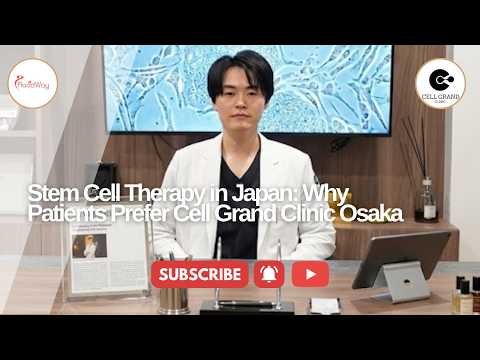
Stem Cell Therapy in Japan by Dr. Yuichi Wakabayashi: Why Patients Prefer Cell Grand Clinic Osaka
Cancer Treatment
Cell Grand Clinic - Best Stem Cell Clinic in Japan
Osaka, Japan
Minimally Invasive Stem Cell Therapy and Advanced Cultivation
Cancer Treatment
HELENE - Stem Cell Clinic
Tokyo, Japan
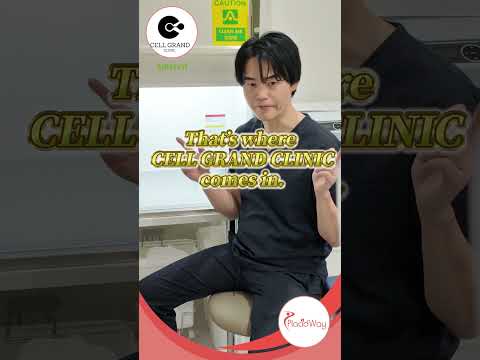
How Stem Cell Therapy Works at Cell Grand Clinic in Osaka, Japan
Cancer Treatment
Cell Grand Clinic - Best Stem Cell Clinic in Japan
Osaka, Japan
Safety of Stem Cell Therapy Explained by Cell Grand Clinic in Osaka, Japan
Cancer Treatment
Cell Grand Clinic - Best Stem Cell Clinic in Japan
Osaka, Japan
Unlock the Best Stem Cell Therapy For Hashimoto Thyroiditis Packages Just for You
Discover the ultimate Stem Cell Therapy For Hashimoto Thyroiditis packages designed to meet your health and wellness goals. Choose the perfect fit for your journey.
Price starting from $10,000
Stem Cell Therapy for Alzheimer’s Disease Package in Tokyo, Japan by HELENE Clinic
HELENE - Stem Cell Clinic
- Stem Cell Therapy
Tokyo, Japan

Price starting from $10,000
Stem Cell Therapy for Parkinson’s Disease Package in Tokyo, Japan by HELENE Clinic
HELENE - Stem Cell Clinic
- Stem Cell Therapy
Tokyo, Japan
Price starting from $68,000
Advanced Autologous Stem Cell Treatment for Diabetes Package in Tokyo, Japan by HELENE Clinic
HELENE - Stem Cell Clinic
- Stem Cell Therapy
Tokyo, Japan
Price starting from $10,000
Stem Cell Therapy for Diabetes Package in Tokyo, Japan by Helene Clinic
HELENE - Stem Cell Clinic
- Stem Cell Therapy
Tokyo, Japan
Transformative Stem Cell Therapy For Hashimoto Thyroiditis Experiences: Dive into Procedure Insights
Discover the power of Stem Cell Therapy For Hashimoto Thyroiditis through compelling patient experiences. Uncover detailed insights into procedures, recovery journeys, and life-changing results.
.png)
Price starting from $9,800
Stem Cell Therapy for Osteoarthritis in Kuala Lumpur, Malaysia
- Stem Cell Therapy for Osteoarthritis, Stem Cell Therapy
Kuala Lumpur, Malaysia
.png)
Price starting from $15,800
Stem Cell Therapy for Kidney Failure in Kuala Lumpur, Malaysia
- Stem Cell Treatment for Kidney Failure, Stem Cell Therapy
Kuala Lumpur, Malaysia
.png)
Price starting from $12,800
Stem Cell Therapy for Diabetes in Kuala Lumpur, Malaysia
- Stem Cell Treatment for Diabetes, Stem Cell Therapy
Kuala Lumpur, Malaysia
.png)
Price starting from $9,800
Stem Cell Therapy for Dementia in Kuala Lumpur, Malaysia
- Stem Cell Therapy
Kuala Lumpur, Malaysia








(Translated by Google) The teacher is nice, but I am bothered by the staff\'s private conversations (laughter) and their behavior. (Original) 先生はいい方なのですが、スタッフの私語(笑い声)や対応が気になります。
Read More