
Request a video call
Confirm Your Virtual Consultation
GINZA NOA CLINIC in Tokyo, Japan Profile Overview

Regenerative Medicine at GINZA NOA CLINIC in Tokyo
GINZA NOA CLINIC in Tokyo, Japan, offers regenerative medicine consultations alongside gynecology, orthopedics, internal medicine and pain care. Its Ginza site has an in-house cell processing center. The clinic reports filed plans for selected uses of a patient’s own fat-derived stem cells, including thin uterine lining, osteoarthritis and chronic pain. These procedures require an assessment and have different evidence and follow-up needs. Regenerative care is by referral and appointment. The clinic prepares an individual self-pay quote, and a cultured-cell plan can require separate collection and treatment visits.
Where Should You Start at GINZA NOA CLINIC?
Stem Cells, PRP and Other Regenerative Medicine Options
Your diagnosis determines what is worth discussing. For any proposed procedure, ask which product and route would be used, what evidence supports that specific use, and what routine care or clinical trials are available.
Gynecology, Thin Uterine Lining and Ovarian Function
The clinic evaluates concerns such as thin endometrium, reduced ovarian function and menopause symptoms. It offers anti-Müllerian hormone (AMH) and female hormone testing, and its gynecology menu also includes contraceptive implants. The clinic’s fat-derived stem-cell plan PB3250148 covers endometrial hypoplasia, a thin uterine lining. Ask your fertility specialist to assess the underlying cause and treatment timing. Evidence for improved live birth with this specific stem-cell intervention remains uncertain. ESHRE advises against routine intrauterine or ovarian PRP as fertility add-ons.
Osteoarthritis, Orthopedics and Chronic Pain
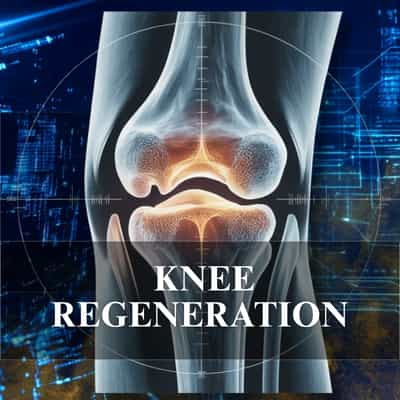
The clinic reports stem-cell plans PB3250150 for osteoarthritis and PB3250149 for chronic pain. An orthopedic or pain assessment helps identify the cause and compare options such as rehabilitation, medicines or surgery when indicated. The International Society for Stem Cell Research notes that rigorous osteoarthritis trials have yet to show significant cartilage regeneration from cell-based treatment. The clinic can direct patients to Medical Scanning on the second floor of the same building when CT or MRI is needed.
Platelet-Rich Plasma and MEDISOME
Platelet-rich plasma (PRP) is prepared from your own blood. Its evidence and eligibility depend on the proposed use. The clinic’s PRP page describes a provision plan as pending, so obtain current confirmation for the specific indication before booking. MEDISOME uses liquid collected from stem-cell cultures and contains cell-derived material, including exosomes. It is a separate product from cultured live stem cells, and evidence of benefit varies by indication. The clinic says people who undergo MEDISOME generally become ineligible to donate blood.
NK Cells, Internal Medicine and Immune Concerns
The clinic reports NK-cell provision plan PC3250155 for prevention of malignant tumors. Natural killer (NK) cells are part of the immune system. The filing does not establish a cancer-prevention or recurrence benefit. Continue recommended screening and discuss any proposed intervention with your oncologist if you have a cancer history. Patients asking about diabetes, vascular disease, stroke after-effects, cognitive symptoms, allergies or immune conditions should clarify the exact intervention and continue disease-specific care with their usual specialist.
Self-Pay Apheresis, Testing and Aesthetic Care
Apheresis filters blood outside the body and returns it to the patient. The clinic describes a self-pay preventive service. Ask whether there is an established indication for your diagnosis and discuss standard cardiovascular prevention with your doctor before considering it. Screening at the clinic may include blood tests, an X-ray or an ECG depending on the case.
Other services include epigenetic age testing, tumor markers, microRNA testing and noninvasive prenatal screening (NIPT). Discuss each test’s limitations and what would change after the result. A positive NIPT result requires diagnostic confirmation. Aesthetic options include skin injections, fillers, subcision for tethered scars and other cosmetic procedures. The clinic reports stem-cell plan PB3250151 for age-related skin changes such as wrinkles and laxity. An epigenetic age estimate does not establish that a treatment slows aging or improves health.
Clarify the Proposed Treatment Before Deciding
Mention the diagnosis and whether you are considering stem cells, PRP or another option. Request the exact intervention and the clinical reason it is being considered. Knowing the intended use makes it easier to review the risks and alternatives with your own specialist.
GINZA NOA CLINIC Treatment Costs and USD Quotes
The clinic describes regenerative procedures as self-pay and provides individual quotes. Its English appointment page also mentions separate fees for overseas patients. Request a current written breakdown for the exact treatment and confirm the billing currency before comparing totals.
| Treatment or Service | Price in USD |
|---|---|
| Fat-Derived Stem-Cell Treatment | Request a USD Quote |
| PRP, Subject to Availability for the Indication | Request a USD Quote |
| MEDISOME | Request a USD Quote |
| NK-Cell Therapy | Request a USD Quote |
| Apheresis | Request a USD Quote |
| Consultation, Testing or Aesthetic Care | Request a USD Quote |
Ask for separate line items for the consultation, tests, collection, anesthesia, processing, each administration, follow-up and any medical coordinator or interpreter. Request the session count, tax, deposits, cancellation terms and the payee for each charge.
The Clinical Team at GINZA NOA CLINIC
The clinic identifies an obstetrics and gynecology specialist as its chair and a plastic surgery professor as its technical advisor. Ask which clinician will assess your diagnosis and who will manage follow-up.
Clinic Chair · Obstetrics and Gynecology
Dr. Ryosuke Tanabe
Dr. Tanabe graduated from Kansai Medical University and worked at the University of Tokyo Hospital, Tokyo Kita Medical Center and the National Center for Global Health and Medicine. He founded Shinjuku Ekimae Sakura Ladies’ Clinic.
His clinic biography lists specialist certification in obstetrics and gynecology from the Japan Society of Obstetrics and Gynecology, designation under Japan’s Maternal Protection Act, and membership in the Japan Society for Reproductive Medicine and the Japanese Society for Sexually Transmitted Infections.
Prof. Kotaro Yoshimura, MD, PhD
Technical Advisor · Plastic Surgery
Prof. Yoshimura is a professor of plastic surgery at Jichi Medical University. He earned his medical and doctoral degrees at the University of Tokyo, trained at the University of Michigan, and has researched fat grafting, adipose-derived cells and wound healing. The Ginza clinic lists him in a technical advisory role.
Cell Processing, Safety and Follow-Up
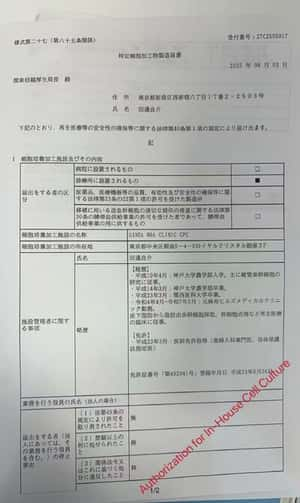
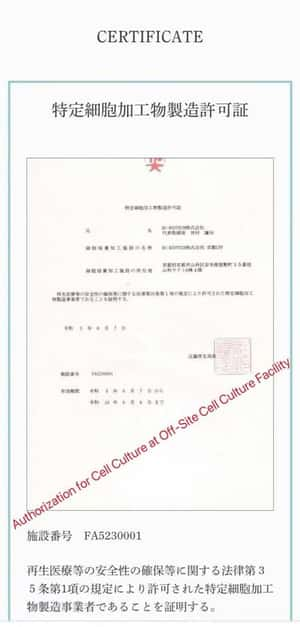
GINZA NOA CLINIC reports that its in-house cell processing center (CPC) has facility number FC3250034. The clinic describes incoming-tissue screening, barcode identification and records that track specimens through processing. Its equipment includes a Class II safety cabinet for handling samples, carbon dioxide incubators to maintain culture conditions and liquid-nitrogen vessels for storage. Treatment rooms are private.
The clinic’s provision-plan numbers refer to filings for specific uses under Japan’s Act on the Safety of Regenerative Medicine. A filing and a processing facility number do not establish product approval or clinical effectiveness. Ask the clinic to show the current record and consent information for your procedure. For help comparing claims and costs, see questions to ask before paying for stem-cell therapy abroad.
Suitability, Side Effects and Care Back Home
The clinician needs your diagnosis, medical history and current medicines to assess whether collection or administration is appropriate. Discuss infection, bleeding risk, anticoagulants, allergies and any cancer history. Possible effects include pain, redness or swelling at the treatment site, fever, fatigue and allergic reactions. The risks of infection or other complications depend on the collection and administration route.
Before leaving Tokyo, obtain written instructions for expected symptoms, urgent warning signs, contact details, and who will review you after you return home. Continue prescribed treatment unless your treating clinician advises a change.
Stem-Cell Treatment Steps and Timing in Tokyo
For its adipose-derived stem-cell pathway, GINZA NOA CLINIC describes these six stages. The culture period is time between appointments. Ask the clinic to confirm the dates before booking travel.
- Consultation. A physician assesses your history and discusses the proposed use, risks and alternatives.
- Blood Tests. If you proceed, screening blood can be drawn on the consultation day.
- Fat and Blood Collection. The clinic schedules collection about one week after blood testing and uses anesthesia for the fat collection.
- Cell Culture. The clinic lists about two months for cells to be processed and cultured.
- Administration. The clinic coordinates the return appointment for administration. Confirm the route and expected time at the clinic.
- Follow-Up. The clinic describes reviews at about 1, 3, 6 and 12 months, with testing as needed. Ask which reviews require an in-person visit.
The clinic also describes about two months of culture for its NK-cell pathway and an infusion of around 30 minutes. It describes possible same-day MEDISOME or PRP after assessment and consent. Confirm current service availability. The stated 20–30 minutes for PRP refers to preparation.
Planning an International Appointment in Ginza
GINZA NOA CLINIC generally directs overseas patients without Japanese health insurance through a medical coordination company. Regenerative medicine is by referral and appointment. Ask which referral details are needed and who arranges interpretation, appointments and the secure transfer of records.
Clinic Address. Royal Crystal Ginza, 3rd floor, 5-4-6 Ginza, Chuo-ku, Tokyo 104-0061, Japan. The clinic is a short walk from Tokyo Metro Ginza Station (Exit B6) and about five minutes on foot from JR Yurakucho Station (Ginza Exit).
Opening Hours. Closed Sundays and public holidays. Confirm specialty appointment times in Japan Standard Time (UTC+9) before travel.
Entry and Transport. For arrivals through Haneda or Narita, plan onward transport to central Tokyo around your appointment and mobility needs. Check current entry requirements with the Japanese embassy or consulate serving your place of residence and ask whether the Visa for Medical Stay applies to your trip.
Before You Reserve Travel. Confirm which visits must take place in Tokyo, who will handle follow-up at home, and whether interpretation or coordination carries a separate charge. Prepare a diagnosis summary, relevant reports and a medication list for the clinic’s requested secure submission process.
Confirm Your Return Visits and Total Cost
Ask for proposed appointment dates, which follow-ups require a return to Tokyo, and an itemized USD estimate. If you need interpretation or a coordinator, ask who provides it and whether those costs are included before paying a deposit or booking flights.
Common Questions About GINZA NOA CLINIC
These answers cover what to verify before agreeing to a procedure or planning a visit to Tokyo.
What Does GINZA NOA CLINIC Offer in Tokyo?
GINZA NOA CLINIC offers regenerative medicine consultations as well as gynecology, orthopedics, pain care and internal medicine. The clinic describes fat-derived stem-cell procedures under specific filed plans, along with PRP, MEDISOME and NK-cell services. The proposed option depends on your diagnosis, the available evidence and current clinic availability.
Is Thin Uterine Lining Treatment the Same as IVF?
IVF is a separate fertility treatment. The clinic’s PB3250148 plan concerns a thin uterine lining and uses cells derived from the patient’s fat tissue. Whether this approach improves live birth remains uncertain. Ask your fertility specialist to review the reason for the thin lining and how any proposed procedure could affect the timing of your fertility care.
Can Stem-Cell Treatment Regrow Cartilage in Osteoarthritis?
Significant cartilage regrowth has not been established in rigorous osteoarthritis trials. GINZA NOA CLINIC reports a stem-cell provision plan for osteoarthritis, but potential changes in pain or function should be considered separately from claims about cartilage. An orthopedist can help you compare the proposed procedure with rehabilitation, medication or surgery when indicated.
What Do the Clinic’s Regenerative Medicine Plan Numbers Mean?
They identify provider-reported filings for specific procedures under Japan’s regenerative medicine framework. A filing concerns a defined use and does not demonstrate clinical effectiveness or establish that a product has marketing approval. Ask to see the current provision plan, the exact intervention and the consent information that applies to your diagnosis.
How Much Does Regenerative Medicine Cost at GINZA NOA CLINIC?
GINZA NOA CLINIC provides individualized self-pay quotes. Ask for an itemized estimate that distinguishes consultation and testing, collection, processing, each administration and follow-up. The clinic’s English appointment page mentions separate fees for people coming from overseas, so ask who charges for coordination or interpretation and which currency will be billed.
Can I Complete Cultured Stem-Cell Treatment in One Tokyo Visit?
The clinic’s published pathway separates testing, tissue collection and administration. Collection is described about one week after screening blood tests, and cell culture takes about two months. The clinic then arranges the administration appointment. Ask the clinic to confirm which visits require you to be in Tokyo before making travel commitments.
Does the Clinic Require a Referral for Overseas Patients?
GINZA NOA CLINIC schedules regenerative medicine by referral and appointment and asks for the referrer’s name. Its appointment guidance says overseas patients without a Japanese health insurance card generally go through a medical coordination company. Confirm the accepted referral route, the language arrangements and who will handle your records before you travel.
How Are Follow-Up and Side Effects Handled After I Return Home?
The clinic describes stem-cell follow-up at approximately 1, 3, 6 and 12 months after administration. Before travel, clarify which checks can be completed locally, how to submit results and whom to contact for a concern. Ask for written guidance on symptoms that require prompt local medical care and share the care summary with your doctor at home.
PLAN YOUR CARE WITH PLACIDWAY
Request Information About Care at GINZA NOA CLINIC
If you are considering regenerative medicine at GINZA NOA CLINIC in Tokyo, request information about assessment for your diagnosis, the exact procedure, its costs and any return visits. Keep the clinic’s written explanation and review it with your treating clinician before deciding.
Important Medical Information
This profile provides general education and cannot replace an assessment by a licensed clinician. Suitability, risks and outcomes vary, and some uses discussed here remain investigational. Continue necessary treatment and screening with your own medical team. PlacidWay lists providers. Your examination, consent and treatment agreement are handled directly with the clinic.
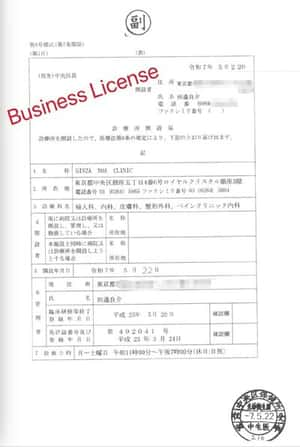
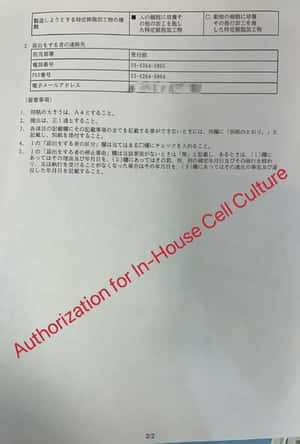
GINZA NOA CLINIC in Tokyo, Japan Certificates
Location

About Medical Center
- Speciality: Stem Cell Therapy
- Location: 5-4-6 Ginza, Chuo-ku, Royal Crystal Ginza, 3rd Floor, Tokyo, , Tokyo , Japan
- Overview: GINZA NOA CLINIC in Tokyo, Japan, offers regenerative medicine consultations, gynecology, orthopedics and pain care, with an in-house cell processing center and referral-based regenerative appointment



















Share this listing