



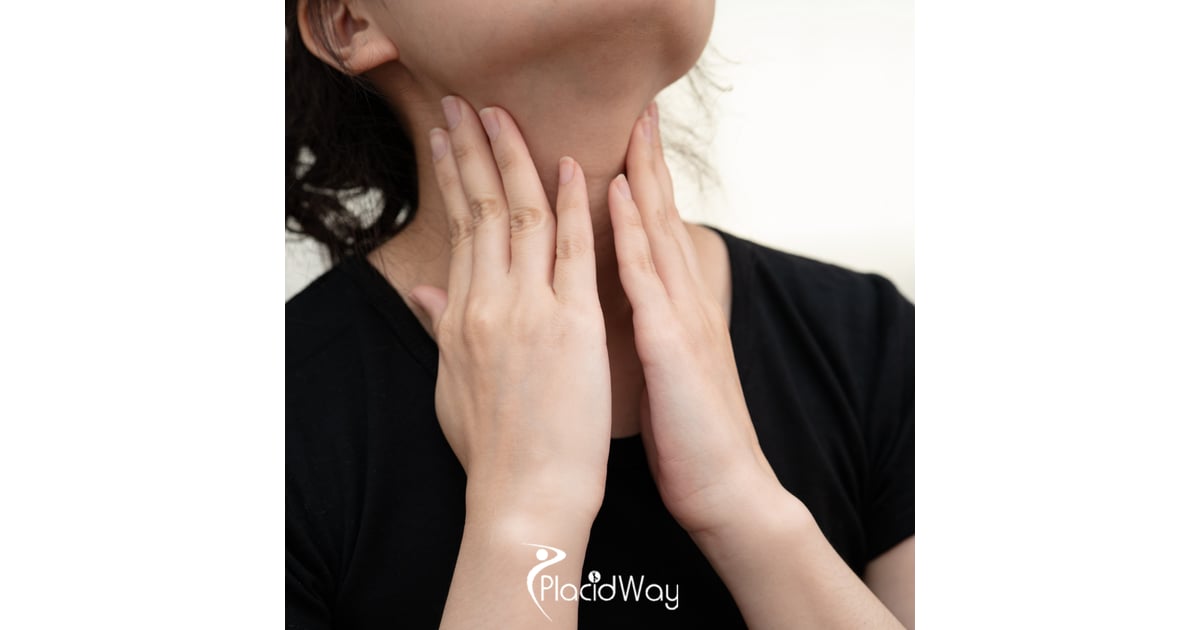
Hashimoto’s disease is a complex autoimmune disorder where the immune system mistakenly attacks the thyroid gland, leading to chronic inflammation ase of this, an increasing number of individuals are exploring regenerative medicine for autoimmune thyroiditis to seek deeper healing.nd hypothyroidism. For many patients, standard hormone replacement therapies manage the symptoms but do not address the underlying immune system dysfunction. Becau
In recent years, Japan has emerged as a global leader in regenerative therapies. Specifically, stem cell therapy for Hashimoto's disease in Tokyo utilizes mesenchymal stem cells (MSCs) intended to target the body's errant immune response. These advanced treatments are generally designed to promote immunomodulation, potentially reducing the autoantibodies attacking the thyroid, though patients must understand that individual results can vary significantly.
- Immunomodulation: Stem cells may help regulate overactive immune responses typical in Hashimoto's.
- Anti-inflammatory properties: Mesenchymal stem cells are known to release factors that typically reduce systemic inflammation.
- Tissue repair support: Regenerative therapies might assist in creating a healthier cellular environment around the thyroid gland.
Japan enacted the "Act on the Safety of Regenerative Medicine" in 2014, making it one of the most strictly regulated and secure environments in the world for patients seeking advanced cellular therapies.
Why Vietnamese Patients Choose Stem Cell Clinics in Tokyo
Vietnamese medical tourists are increasingly looking beyond their borders to access next-generation healthcare technologies. The geographic proximity between Vietnam and Japan makes Tokyo a highly attractive destination. A relatively short flight of around five to six hours allows patients from Hanoi or Ho Chi Minh City to travel comfortably without the immense physical toll associated with long-haul flights to the West.
Furthermore, Vietnamese patients highly value the uncompromising quality of Japanese healthcare. When seeking a thyroid treatment clinic in Japan, patients are reassured by the rigorous cleanliness, precision, and advanced clinical protocols. Facilities in Tokyo are renowned for their meticulous attention to detail and personalized patient care, which are critical when managing complex autoimmune conditions.
Japan ranks consistently in the top tier of the World Health Organization’s global healthcare system assessments, drawing thousands of international patients annually for specialized treatments not available in their home countries.
The Science Behind Hashimoto's Treatment in Tokyo, Japan
The primary mechanism of action in stem cell therapy for autoimmune diseases lies in the unique signaling capabilities of mesenchymal stem cells. Once introduced into the body, these cells typically migrate to areas of inflammation—a process known as homing. In the context of Hashimoto’s thyroiditis, the goal is for the stem cells to interact with the immune system, encouraging T-cells and B-cells to stop targeting the thyroid tissue.
At institutions like HELENE - Stem Cell Clinic in Tokyo, Japan, specialists focus on harnessing these cells to potentially restore immune tolerance. While traditional medicine relies on lifelong synthetic hormone replacement, regenerative science explores how to address the root autoimmune dysfunction. Most patients experience a highly supervised process, though it is crucial to note that this therapy aims for symptom management and improved quality of life, not a guaranteed cure.
Research into MSC therapies shows that over 60% of clinical trials involving mesenchymal stem cells globally focus on their immunomodulatory and anti-inflammatory properties, making them a prime candidate for autoimmune research.
Cost of Stem Cell Therapy for Hashimoto's in Tokyo vs Vietnam
Understanding the financial commitment is a vital step for any medical tourist. The cost of stem cell treatment in Japan reflects the country's high standards of laboratory cultivation, regulatory compliance, and specialized medical expertise. While the price point is higher than local options in Southeast Asia, the advanced technology and stringent safety protocols justify the investment for many international patients.
In Vietnam, regenerative medicine for autoimmune diseases is still in its developing stages, meaning highly specialized protocols for Hashimoto's might not be widely available or as deeply researched. Therefore, patients often compare the comprehensive packages offered in Tokyo, which typically include thorough diagnostics, cell harvesting, culturing, and post-procedure monitoring.
| Procedure / Expense Factor | Average Cost in Tokyo, Japan | Market Scenario in Vietnam |
|---|---|---|
| Comprehensive Autoimmune Diagnostics | $1,500 - $3,000 | $300 - $800 (Basic screening) |
| Autologous Stem Cell Therapy (Extraction & Culturing) | $15,000 - $25,000 | Limited availability for Hashimoto's specific protocols |
| Post-Therapy Monitoring & Supplements | $1,000 - $2,500 | $200 - $500 |
Always inquire whether the quoted price includes the cost of cell culturing, as expanding stem cells in a specialized laboratory over several weeks is often the most expensive part of the therapy.
What to Expect During Stem Cell Thyroid Treatment in Japan
The journey for a Vietnamese patient begins long before they board a plane, starting with comprehensive virtual consultations and medical record reviews. Once in Tokyo, the patient undergoes a detailed physical examination and advanced blood panels to measure thyroid hormones and specific antibodies like TPO (Thyroid Peroxidase). This ensures the patient is physically prepared and generally a good candidate for the procedure.
The core procedure typically involves extracting stem cells, most commonly from the patient's own adipose (fat) tissue through a mini-liposuction procedure. These cells are then sent to a state-of-the-art laboratory where they are isolated, purified, and multiplied over a period of two to four weeks. Finally, the expanded cells are administered back to the patient via an intravenous (IV) drip in a comfortable, monitored clinical setting.
- Step 1: Initial telemedicine consultation and medical history review.
- Step 2: Arrival in Tokyo and comprehensive in-person diagnostics.
- Step 3: Minimally invasive cell extraction (if autologous cells are used).
- Step 4: Cell culturing in a regulated Japanese laboratory.
- Step 5: Intravenous infusion of the cultured stem cells.
Advanced Medical Tourism in Tokyo for Autoimmune Diseases
Tokyo is not just a bustling metropolis; it is a global hub for medical innovation. The infrastructure for medical tourism in the city is highly developed, offering seamless integration of cutting-edge clinical care with exceptional hospitality. For patients dealing with the chronic fatigue and stress of Hashimoto’s, traveling to a destination that prioritizes patient comfort is incredibly beneficial.
Many specialized clinics in the city are intentionally designed to cater to the needs of foreign visitors. If you are exploring options, you might look into top stem cell therapy clinics for Hashimoto's in Tokyo to understand the caliber of care available. These facilities typically feature dedicated international departments that manage everything from appointment scheduling to facilitating smooth communication with medical experts.
Tokyo has distinct "Medical Excellence JAPAN" certified hospitals, a designation supported by the government to identify facilities that provide superior, safe, and culturally competent care to international patients.
Patient Selection and Safety Guidelines for Stem Cells in Japan
Safety is the foundational pillar of any autoimmune disease stem cell clinic in Tokyo. Not every patient with Hashimoto's disease is an ideal candidate for regenerative therapies. Medical teams conduct rigorous pre-screening to evaluate the severity of the thyroid damage, the patient's overall health, and the presence of any contraindications, such as active infections or a history of certain cancers.
Strict contraindications mean that patients must undergo thorough transparent risk disclosures. While the treatments are generally safe, medical professionals in Japan emphasize cautious optimism. Most patients experience mild side effects like fatigue or minor bruising at the extraction site, but severe complications are exceedingly rare due to the stringent laboratory controls and sterile environments maintained by Japanese regulations.
Stem cell therapy is a medical procedure carrying inherent risks. Never trust a facility that guarantees a 100% cure rate. Outcomes are highly individualized, and therapy should only be pursued after a comprehensive consultation with a licensed medical professional.
Innovative Stem Cell Protocols for Hashimoto's Disease in Tokyo
The protocols utilized in Japan often involve a multi-disciplinary approach. Beyond the stem cell infusion itself, patients might receive adjunctive therapies such as exosome treatments, specialized nutritional support, and advanced hormone balancing strategies. This holistic approach ensures that the stem cells have the most hospitable environment possible to perform their immunomodulatory functions.
The specific formulation of cells, whether derived from adipose tissue, bone marrow, or umbilical cord lining (depending on what is medically recommended and legally permitted), is customized. Japanese researchers are continually refining these protocols, analyzing how different dosages and delivery methods impact the reduction of thyroid antibodies over time, pushing the boundaries of advanced stem cell treatments for Hashimoto’s in Japan.
Exosomes—tiny vesicles secreted by stem cells that carry genetic information and proteins—are frequently used in conjunction with stem cell therapy in Japan to potentially amplify the anti-inflammatory effects.
Recovery and Follow-Up Care After Thyroid Stem Cell Therapy in Japan
The immediate recovery from the stem cell infusion is usually swift. Most patients experience minimal physical discomfort and are generally cleared to return to their hotel the same day. However, the biological "recovery" and cellular integration occur gradually. Patients are typically advised to rest, avoid strenuous activities, and maintain a highly nutritious diet to support the cellular healing process during their stay in Tokyo.
Long-term follow-up care is critical to evaluate the success of the treatment. Vietnamese patients usually establish a continuing care plan with their Japanese clinic before returning home. This typically involves scheduled blood work in Vietnam every 3 to 6 months to monitor thyroid function and antibody levels, coupled with telemedicine follow-ups with their Tokyo-based physician.
Coordinate with a local endocrinologist in Vietnam before you travel to Japan. Having a local doctor willing to order post-treatment lab tests and collaborate with your Japanese medical team ensures seamless follow-up care.
Language and Cultural Support for Vietnamese Patients in Tokyo
Navigating medical procedures in a foreign country can be daunting, but clinics in Tokyo have adapted impressively to support international guests. Recognizing the growing influx of Vietnamese medical tourists, many premium healthcare facilities now offer dedicated translation services. Having a native Vietnamese speaker translate complex medical terminology bridges the gap, ensuring patients are fully informed and comfortable.
Cultural sensitivity is also a hallmark of Japanese hospitality, known as Omotenashi. Clinics generally ensure that dietary preferences and cultural norms are respected during the patient's visits. This level of personalized care significantly reduces the anxiety associated with seeking Hashimoto's disease therapy abroad, allowing the patient to focus entirely on their wellness and recovery.
According to the Japan Tourism Agency, the number of medical tourists from Southeast Asia, particularly Vietnam, has grown by over 15% annually over the past few years, highlighting the region's trust in Japanese healthcare.
Real Experiences with Stem Cell Therapy for Hashimoto's in Tokyo
To understand the profound impact of these treatments, listening to the experiences of those who have undertaken the journey is invaluable. Many Vietnamese patients who felt exhausted by conventional therapies have turned to Japan as a beacon of hope. Their stories highlight both the professionalism of Japanese medical staff and the potential benefits of the therapy.
It is important to remember that these summaries reflect individual experiences. Outcomes vary based on disease progression, age, and lifestyle factors. Below are summaries of what some patients have shared regarding their regenerative medicine journey in Japan.
Linh's Journey to Better Energy
After years of chronic fatigue and fluctuating thyroid levels in Ho Chi Minh City, Linh traveled to Tokyo for autologous stem cell therapy. Six months post-treatment, she generally reported feeling more energetic and experienced a gradual stabilization of her thyroid markers, allowing her to lead a more active daily life.
Minh's Experience with Advanced Diagnostics
Minh chose a highly rated clinic in Tokyo for his Hashimoto's. He was mostly impressed by the thoroughness of the pre-screening diagnostics. Although his cellular integration is still ongoing, he noted a significant decrease in joint pain and brain fog within the first four months.
Anh's Story of Seamless Medical Care
Concerned about the language barrier, Anh was relieved to find dedicated Vietnamese translators at her Tokyo clinic. She found the IV infusion process painless and typically felt well enough to enjoy mild sightseeing the following day before returning to Hanoi.
Thanh's Long-Term Immunomodulation
A year after his stem cell procedure in Japan, Thanh's follow-up bloodwork in Vietnam showed a notable reduction in his TPO antibodies. While he still takes a low dose of prescribed medication, he generally considers the treatment a success in managing his previously severe autoimmune flare-ups.
Legal Framework Governing Stem Cell Clinics in Japan
Japan’s regulatory environment is one of the strictest in the world, which is a major factor in why it is considered a premier destination for regenerative therapies. The Japanese Ministry of Health, Labour and Welfare (MHLW) strictly oversees every clinic offering stem cell therapies. Facilities must undergo rigorous inspections and obtain specific certifications to legally extract, culture, and administer stem cells.
This stringent legal framework ensures that the medical tourism in Japan ecosystem prioritizes patient safety above all else. Vietnamese patients can find peace of mind knowing that the laboratories handling their biological material adhere to internationally recognized Good Cell Culture Practice (GCCP) and Good Manufacturing Practice (GMP) standards.
Under Japanese law, the culturing of stem cells must occur in specialized "Cell Processing Centers" (CPCs) that operate independently of the clinic rooms, ensuring zero cross-contamination and maximum viability of the cells.
Preparing for Your Medical Journey to Tokyo for Thyroid Healing
Preparation is key to a successful medical journey. Vietnamese patients should start by compiling a comprehensive dossier of their medical history, including recent endocrinology reports, thyroid ultrasounds, and lists of current medications. Sharing this information during the initial virtual consultation enables the Japanese medical team to craft a highly tailored treatment proposal.
Additionally, organizing travel logistics requires attention to detail. Securing a medical visa for Japan may require an official letter of acceptance from the treating clinic. It is also important to mentally prepare for the fact that regenerative medicine is a process; setting realistic expectations about the timeline for potential improvements is crucial for a positive experience.
- Gather translated medical records and recent lab results.
- Apply for the appropriate Japanese medical visa with clinic assistance.
- Discuss any necessary medication adjustments with your current doctor.
- Plan for a comfortable, stress-free recovery period during your stay in Tokyo.
How PlacidWay Assists Your Stem Cell Medical Tourism Journey in Japan
Embarking on international travel for specialized healthcare involves numerous steps and careful planning. Navigating foreign healthcare systems, language differences, and medical jargon can overwhelm even the most prepared patients. Partnering with a dedicated medical tourism facilitator streamlines this complex process.
PlacidWay is committed to connecting patients globally with top-tier, certified healthcare providers. By leveraging a vast network of accredited institutions, PlacidWay ensures that your focus remains entirely on your health and recovery rather than administrative burdens.
- Connecting you directly with internationally accredited and heavily regulated stem cell clinics in Tokyo.
- Facilitating the collection and transfer of your medical records for preliminary doctor evaluations.
- Assisting with acquiring detailed, transparent treatment plans and cost estimates prior to your commitment.
- Coordinating communication with medical staff and arranging professional interpreter services.
- Providing comprehensive guidance on the necessary paperwork for medical visa applications.
- Offering dedicated support channels to address any medical queries during your pre-treatment phase.
Frequently Asked Questions
Is stem cell therapy for Hashimoto's disease in Tokyo safe?
Stem cell therapy in Japan is highly regulated by the government under strict regenerative medicine laws. While procedures are generally safe when performed at certified facilities, patients should consult their doctor as individual risks typically vary.
Do Vietnamese citizens need a medical visa for treatment in Japan?
Yes, Vietnamese citizens generally require a visa to enter Japan for medical treatments. Many clinics and medical tourism facilitators provide assistance with specialized medical visa applications for extended stays.
How much does stem cell therapy for Hashimoto's cost in Tokyo?
The cost typically ranges from $15,000 to $25,000 depending on the clinic, the type of stem cells utilized, and the customized protocol. This usually covers comprehensive evaluations, cell culturing, and the infusion process.
What is the typical recovery time after a stem cell infusion in Japan?
Most patients experience minimal downtime and can resume light activities within a few days. However, full cellular integration and immunomodulation generally take several weeks to months to manifest.
Can stem cell therapy cure Hashimoto’s thyroiditis?
Stem cell therapy is not considered a definitive cure for Hashimoto's disease. It is primarily used to help modulate the immune system and reduce inflammation, though results vary and cannot be guaranteed.
Will there be a language barrier for Vietnamese patients in Tokyo?
Top-tier stem cell clinics in Tokyo frequently offer dedicated medical translation services for international patients. Many facilities provide dedicated Vietnamese interpreters to ensure clear communication.
How long do I need to stay in Tokyo for my treatment?
Most international patients typically stay in Tokyo for 7 to 14 days. This timeframe generally allows for initial consultations, potential cell extraction, the infusion procedure, and post-treatment monitoring.
Where do the stem cells come from for Hashimoto's treatment?
Clinics most commonly utilize mesenchymal stem cells (MSCs) derived from the patient's own adipose (fat) tissue or bone marrow, or ethically sourced umbilical cord tissue, depending on the approved medical protocol.
What type of follow-up care is required after returning to Vietnam?
Patients are typically required to undergo regular blood tests, especially thyroid panels, which can be done in Vietnam. Telemedicine consultations with the Japanese medical team are often arranged to monitor progress.
Are the results of stem cell therapy immediate?
Results are generally not immediate, as stem cells require time to reduce autoimmune inflammation and promote tissue repair. Most patients begin noting subtle changes within 3 to 6 months post-treatment.
- National Institute of Diabetes and Digestive and Kidney Diseases (NIDDK). Hashimoto's Disease. https://www.niddk.nih.gov/health-information/endocrine-diseases/hashimotos-disease
- Mayo Clinic. Stem Cell Therapy: A New Frontier in Autoimmune Disease Treatment. https://www.mayoclinic.org/tests-procedures/bone-marrow-transplant/in-depth/stem-cells/art-20048117
- Japan National Tourism Organization (JNTO). Guide to Medical Care in Japan for International Visitors. https://www.jnto.go.jp/emergency/eng/mi_guide.html
















Share this listing