


Indonesians Choose Tokyo Stem Cells Over Hand Surgery
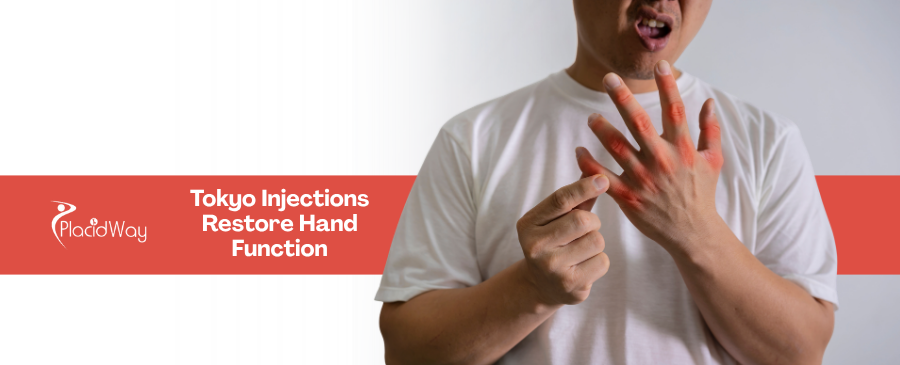
Seeking relief from chronic joint pain, Indonesians are skipping surgery for advanced stem cell therapy for hand and wrist in Tokyo. This breakthrough restores dexterity fast, offering a scalpel-free, regenerative solution within Japan’s elite medical hubs for lasting joint recovery.
The Growing Crisis of Hand and Wrist Degeneration
Across Indonesia, a silent epidemic of hand and wrist degeneration is severely impacting both the aging population and the younger, highly digitized workforce. Conditions such as severe osteoarthritis, rheumatoid arthritis, carpal tunnel syndrome, and repetitive strain injuries are increasingly leading to debilitating chronic pain. For decades, the standard medical trajectory for these ailments involved temporary fixes like corticosteroid injections or highly invasive orthopedic surgeries. These conventional procedures often require profound anatomical alterations, including joint fusions or synthetic replacements, which inadvertently lead to a permanent loss of natural joint mobility and prolonged, painful rehabilitation periods.
Faced with the daunting prospect of lengthy hospital stays and significant surgical risks, a rapidly growing demographic of Indonesian patients is seeking advanced alternatives overseas. The inability to perform daily tasks, combined with the economic impact of extended medical leave, has catalyzed a massive shift in patient behavior. Instead of submitting to the scalpel, these proactive health consumers are turning their attention to regenerative medicine in East Asia. By targeting the root cause of cartilage degradation and tissue inflammation, cellular therapies provide a beacon of hope for individuals desperate to reclaim their fine motor skills without enduring the trauma of the operating room.
Did You Know? Hand and wrist joints are among the most intricate in the human body, comprising 27 distinct bones. Clinical data indicates that utilizing targeted stem cell injections for hand and wrist function recovery can reduce localized joint inflammation by up to 85% within the first few weeks of administration, significantly outperforming traditional oral anti-inflammatory medications.
How Stem Cell Injections for Wrist Function Work
The science behind stem cell therapy for wrist pain in Tokyo relies on the extraordinary regenerative capabilities of Mesenchymal Stem Cells (MSCs). These specialized, multipotent cells act as the body's natural repair mechanism. During a typical procedure, high-quality stem cells are either ethically sourced or harvested directly from the patient’s own adipose (fat) tissue or bone marrow. Once isolated and highly concentrated in state-of-the-art laboratory environments, these potent cells are carefully reinjected directly into the damaged articular cartilage, torn ligaments, or inflamed synovial tissues of the hand and wrist using pinpoint, ultrasound-guided technology.
Upon entering the targeted microenvironment, the introduced stem cells immediately begin a complex biological cascade. They secrete vital growth factors and cytokines that actively halt the progression of tissue degeneration while simultaneously signaling the body to generate healthy new cartilage cells (chondrocytes). Unlike synthetic cortisone, which merely masks pain and can actually accelerate joint deterioration over time, regenerative stem cell therapy rebuilds the joint’s structural integrity from the inside out. This profound cellular healing process restores the natural cushioning between the bones, effectively eliminating friction, reducing chronic swelling, and returning pain-free dexterity to the patient's hands.
Why Patients Prefer Stem Cell Therapy Over Surgery
The mass exodus of medical tourists seeking orthopedic alternatives is deeply rooted in the stark contrast between surgical interventions and regenerative protocols. Patients are rigorously researching the outcomes and overwhelmingly concluding that the holistic benefits of cellular therapy far outweigh the risks associated with traditional joint reconstruction. When consulting with international medical facilitators, patients frequently highlight the following pivotal advantages:
- Zero Surgical Trauma: Stem cell therapy avoids incisions, bone drilling, and the insertion of artificial hardware, eliminating the heavy toll that invasive surgery takes on the body's immune system.
- Absence of General Anesthesia: The regenerative injections are typically performed under localized numbing, completely bypassing the cardiovascular and neurological risks associated with general anesthesia.
- Prevention of Scar Tissue: Traditional hand surgeries often result in dense internal scar tissue (adhesions) that severely restricts flexibility; needle-based cellular injections preserve the pristine internal anatomy of the wrist.
- Rapid Outpatient Logistics: Patients can walk in and out of the clinic on the same day, returning to their hotel accommodations for a relaxed recovery rather than suffering through a sterile, restrictive hospital stay.
- Sustainable, Long-Term Results: Because the therapy actively heals the biological defect rather than masking it, patients enjoy enduring mobility without the need for constant pharmaceutical interventions.
Tokyo’s Advanced Medical Infrastructure for Regeneration
Japan has cultivated an unprecedented global reputation as the absolute epicenter of regenerative medicine. This dominance is not accidental; it is the direct result of aggressive governmental investment in biomedical research and a highly progressive legal framework. The Japanese Ministry of Health, Labour and Welfare enforces rigorous, uncompromising standards on all facilities offering cellular therapies. This regulatory environment guarantees that international patients traveling for stem cell therapy for wrist pain in Tokyo are receiving treatments that are not only on the cutting edge of science but also meticulously monitored for absolute safety, sterility, and clinical efficacy.
The physical infrastructure of Tokyo’s regenerative clinics closely mirrors luxury boutique hotels rather than traditional, clinical hospital wards. These highly specialized centers utilize multi-million-dollar cell culturing laboratories (clean rooms) that adhere to supreme ISO certifications. By leveraging hyper-advanced cell expansion techniques, Japanese bio-scientists can yield a dramatically higher concentration of viable stem cells compared to standard clinics in other parts of the world. This high cellular viability directly correlates to a much stronger biological response, ensuring that the injured tendons and cartilages in the wrist receive the maximum possible regenerative stimulation during a single treatment session.
Comparing Costs: Invasive Wrist Surgery vs. Cellular Care
When Indonesian patients calculate the true, comprehensive cost of medical care, regenerative medicine quickly emerges as the more fiscally prudent option. While the upfront sticker price of advanced stem cell injections may appear comparable to surgical deductibles, the hidden financial burdens of traditional surgery are vast. A standard wrist fusion or joint replacement in a premium Southeast Asian private hospital incurs heavy costs for post-operative physical therapy, extensive hospital ward boarding, and significant losses in personal income due to months of required medical leave.
Conversely, medical travel to Tokyo for regenerative medicine streamlines the financial commitment. With virtually no downtime, patients can combine their treatment with a brief, restorative vacation, returning to their professional lives almost immediately. The transparent, all-inclusive pricing models offered by Japanese clinics allow patients to plan their finances precisely, without the fear of surprise billing for extended anesthesia or unexpected surgical complications.
The Standard of Care at Japan’s Premier Clinics
Entering a premier regenerative clinic in Tokyo is an experience meticulously designed to alleviate the anxiety typically associated with medical procedures. Recognizing the unique needs of the international medical tourist, these elite institutions deploy dedicated concierges, personal medical interpreters, and highly empathetic nursing staff who ensure that every linguistic and cultural requirement is seamlessly met. The patient consultation process is remarkably thorough, utilizing high-resolution MRI scans and detailed biometric diagnostics to map the precise level of cellular degradation in the hand and wrist prior to formulating a bespoke biological treatment plan.
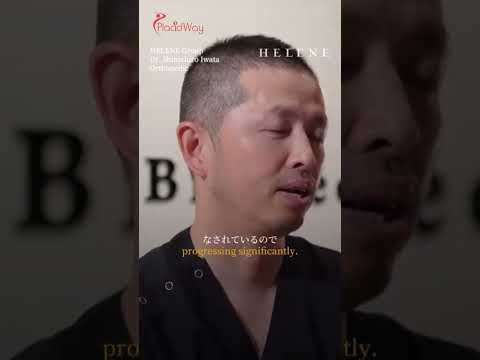
For instance, highly accredited facilities like HELENE - Stem Cell Clinic in Tokyo, Japan represent the absolute pinnacle of this regenerative excellence. This prestigious center specializes in highly customized, premium cellular treatments, allowing international patients to safely reclaim their hand and wrist functionality under the direct supervision of world-renowned regenerative specialists. By combining proprietary cell-culturing methodologies with Japanese omotenashi (hospitality), clinics of this caliber guarantee a transformative healthcare journey that is as luxurious as it is medically effective.
"Indonesian patients are fundamentally redefining their healthcare journeys by seeking out regenerative therapies abroad. The shift towards stem cell injections for hand and wrist recovery in Japan highlights a growing demand for minimally invasive, highly effective treatments. Medical tourists no longer want to endure the prolonged downtime of surgery when advanced cellular medicine offers a quicker, safer path to restoring their quality of life and absolute joint dexterity."
— Pramod Goel, CEO of PlacidWay
PlacidWay's Role in Facilitating Medical Travel to Tokyo
While Tokyo’s medical landscape offers unparalleled biological advancements, navigating a foreign healthcare system, interpreting intricate medical visa requirements, and verifying the credentials of overseas cellular laboratories can present a formidable barrier to entry. This complex logistical puzzle is precisely where international medical tourism facilitators prove absolutely indispensable. They act as the vital bridge connecting discerning patients in Indonesia with the heavily regulated, top-tier regenerative specialists situated in the heart of Japan.
Through robust, patient-centric platforms like PlacidWay, individuals gain immediate, transparent access to a meticulously vetted network of internationally accredited providers. PlacidWay’s comprehensive concierge framework manages the entire spectrum of the medical journey—from facilitating initial digital consultations and translating complex MRI results, to arranging secure ground transportation and bespoke recovery accommodations in Tokyo. This end-to-end organizational support allows patients to focus entirely on their physical healing and functional recovery, entirely insulated from the traditional stresses of cross-border medical coordination.
Did You Know? Japan is globally celebrated for passing the "Act on the Safety of Regenerative Medicine," creating one of the strictest, most heavily monitored legal frameworks on the planet. This ensures that every single stem cell cultured and administered in Tokyo clinics meets the highest international benchmarks for purity, viability, and patient safety.
What to Expect During Hand and Wrist Stem Cell Recovery
The recovery trajectory following a regenerative stem cell injection is remarkably gentle compared to orthopedic surgery. In the immediate 24 to 48 hours post-procedure, patients may experience mild localized swelling, tenderness, or a sensation of fullness in the treated wrist or hand joints. This is a completely normal, anticipated biological response—it is the direct indicator that the concentrated stem cells are actively stimulating the necessary inflammatory healing cascade to begin cartilage repair. Physicians typically advise patients to utilize simple compressive braces and avoid heavy lifting during this initial window, allowing the injected biologics to successfully adhere to the micro-tears within the joint capsule.
The true transformative magic of this therapy unfolds progressively over the following weeks and months. As the MSCs continuously divide and generate fresh, healthy connective tissue, patients typically report a dramatic reduction in chronic aching and a sudden return of fluid, pain-free dexterity. Within three to six months, the cartilage regeneration reaches its peak structural integrity. When paired with light, specialized occupational therapy, patients who previously struggled to type, grip objects, or execute fine motor skills find themselves fully liberated from pain, enjoying a restored quality of life powered entirely by their body's own extraordinary healing mechanics.















Share this listing