


Crowdfunded Miracles: Nerve Regeneration in Colombia
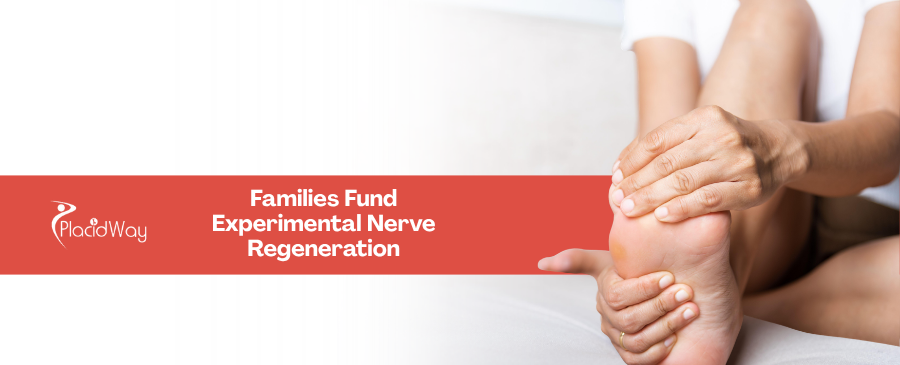
Driven by a lack of local options, Brazilian and Peruvian families are crowdfunding experimental stem cell therapy for nerve regeneration in Colombia. This cross-border medical travel trend offers affordable, cutting-edge neurological care and unprecedented hope for patients.
The Rise of Neurological Medical Tourism in South America
Across Latin America, a profound shift in healthcare consumer behavior is occurring. Patients suffering from catastrophic neurological traumas—ranging from severe spinal cord injuries to debilitating peripheral neuropathies—are no longer accepting the limitations of their domestic medical frameworks. In countries like Brazil and Peru, public health systems are frequently overburdened, and private insurance providers universally categorize experimental regenerative treatments as strictly elective or entirely unproven, refusing any financial coverage. Consequently, thousands of desperate families are looking beyond their borders to access life-altering neurological medical tourism destinations.
This regional migration is heavily centered around seeking affordable stem cell therapy for nerve regeneration in Colombia. Known for its progressive medical regulations and heavy investments in biotechnology, Colombia has rapidly evolved into the epicenter for advanced cellular therapies in the Southern Hemisphere. Patients who were previously told by domestic neurologists that they would never regain motor function or sensory perception are finding renewed optimism in Colombian specialized clinics. By leveraging cross-border healthcare, these patients bypass years of domestic bureaucratic red tape, accessing experimental nerve regeneration protocols that are at the absolute forefront of modern biological science.
Did You Know? The volume of medical tourists traveling specifically for regenerative and cellular medicine in Latin America has grown exponentially, with neurological treatments accounting for nearly 30% of this influx. Colombia now routinely welcomes thousands of international patients monthly, cementing its status as a global powerhouse in biotech innovation.
Why Brazilian and Peruvian Families Choose Colombia for Care
The strategic selection of Colombia as the premier destination for neurological healing is driven by a unique convergence of geographic, economic, and medical factors. For families flying out of Lima or São Paulo, Bogota and Medellin offer direct, relatively short-haul flights. This geographic proximity is a crucial consideration when transporting individuals with severe mobility impairments or complex spinal cord injuries. Furthermore, the cultural and linguistic alignments across the continent drastically reduce the anxiety associated with international medical travel, allowing patients to communicate comfortably with their bilingual or native Spanish-speaking medical teams without losing crucial nuances in translation.
Economically, the value proposition is undeniably powerful. The favorable exchange rates between the Brazilian Real, the Peruvian Sol, and the Colombian Peso stretch the purchasing power of these families significantly. When combining the lower cost of living with highly subsidized medical education and reduced administrative overhead in Colombia, the total cost for specialized procedures drops dramatically. Families can secure elite, comprehensive stem cell treatments for nerve damage in Colombia for a mere fraction of what an unapproved, purely out-of-pocket experimental trial would cost in North America or Europe, democratizing access to potentially miraculous healthcare.
Understanding the Science Behind Experimental Nerve Regeneration
At the core of this medical migration is the highly sophisticated application of Mesenchymal Stem Cells (MSCs). Unlike traditional pharmaceutical interventions that merely mask neuropathic pain or manage symptoms, regenerative medicine seeks to address the root cause of neurological deficits. When high concentrations of ethically harvested, rigorously cultivated stem cells are introduced into a patient's cerebrospinal fluid or directly at the site of a neural lesion, they exhibit extraordinary immunomodulatory properties. These cells release vital neurotrophic factors and exosomes that reduce neuroinflammation, clear away cellular debris, and stimulate the body's innate ability to repair damaged myelin sheaths and regenerate severed axonal pathways.
The protocols utilized for stem cell treatment for spinal cord injury in Colombia are intensely personalized. Upon arrival, international patients undergo advanced diagnostic imaging and biomarker testing to map the exact extent of their neural degradation. The resulting treatment plans often combine intravenous stem cell infusions with targeted intrathecal injections, maximizing the volume of therapeutic cells that successfully breach the blood-brain barrier. While these treatments remain classified as experimental on a global scale, the sheer volume of peer-reviewed data emerging from South American clinics suggests undeniable, quantifiable improvements in patient spasticity, bladder control, and voluntary motor function.
The Financial Strategy: How Crowdfunding Makes Treatment Possible
Despite the comparative affordability of Colombian medical packages, raising the necessary capital for international travel and specialized biotechnology remains a monumental hurdle for middle-class South American families. To bridge this financial gap, a massive digital movement has emerged. Families in Brazil and Peru have become master digital marketers, launching highly coordinated, emotionally resonant crowdfunding campaigns on platforms like GoFundMe, Vakinha, and local community networks. Through viral TikTok videos, detailed Instagram journey logs, and heartfelt written testimonies, these families are transparently sharing the grueling realities of life with nerve damage, directly appealing to global empathy.
This grassroots financial mobilization goes beyond mere digital appeals. Whole neighborhoods in Lima and rural communities in Brazil are organizing vast networks of offline fundraising initiatives—ranging from charity football matches and massive community bake sales to local telethons. By combining digital virality with localized community solidarity, families are successfully raising the tens of thousands of dollars required. This decentralized financial strategy is actively reshaping the landscape of global healthcare access, proving that when domestic systems fail, human compassion and interconnected technology can literally fund medical miracles.
"The surge in Latin American medical travel for regenerative treatments highlights a deeply human pursuit of healing. When domestic systems lack the infrastructure or financial mechanisms for experimental neurological care, determined families are successfully mobilizing their communities to fund cross-border journeys. Colombia has strategically emerged as the definitive sanctuary for these patients, seamlessly combining rigorous scientific protocols with compassionate, highly accessible healthcare."
— Pramod Goel, CEO of PlacidWay
Comparing Neurological Therapy Costs: Brazil/Peru vs. Colombia
To truly comprehend the driving force behind this medical exodus, one must analyze the stark contrast in out-of-pocket healthcare expenses. In Brazil and Peru, attempting to access off-label or experimental cellular therapies requires navigating highly fragmented private clinics that charge exorbitant premiums for importing the necessary biological materials. Furthermore, the holistic support systems necessary for successful nerve regeneration—such as intensive neuro-physical therapy and specialized post-infusion monitoring—are billed entirely separately, creating an unpredictable and financially devastating environment for patients.
Conversely, the medical tourism infrastructure in Colombia operates on a highly optimized, all-inclusive package model. These comprehensive quotes are designed specifically for international medical travelers, absorbing the costs of cell cultivation, operating room fees, specialized anesthesia, and extensive rehabilitation into a single, predictable sum. The financial data below vividly illustrates why crowdfunding efforts are exclusively directed toward Colombian medical centers rather than domestic facilities.
Advanced Infrastructure Supporting Stem Cell Clinics in Colombia
The success of experimental nerve regeneration relies heavily on the quality of the biotechnology utilized, and Colombian medical centers have spared no expense in building world-class laboratory environments. The country boasts vast "medical cities" equipped with ISO-certified cleanrooms, hyperbaric oxygen chambers, and sophisticated genomic sequencing equipment. Renowned facilities like Stem Cells Kyron Colombia provide highly customized, internationally compliant stem cell protocols naturally integrated with intensive physical therapy, representing the absolute pinnacle of Latin American regenerative medicine.
These avant-garde clinics understand that biological injections are only one half of the regenerative equation. Consequently, their infrastructure heavily emphasizes post-infusion neuro-rehabilitation. Facilities are outfitted with zero-gravity treadmills, robotic exoskeleton walking assistants, and advanced electro-stimulation devices designed to retrain the nervous system as new cellular pathways are formed. By housing elite laboratory scientists, top-tier neurosurgeons, and specialized physical therapists under a single roof, these Colombian institutions deliver a cohesive, synergistic approach to nerve repair that is practically non-existent in the standard public hospitals of neighboring countries.
Did You Know? The clinical cultivation of Mesenchymal Stem Cells (MSCs) in top-tier Colombian laboratories allows for cell expansions reaching upward of 100 million live cells per dosage. This immense cellular concentration is vital for successfully breaching the blood-brain barrier and initiating meaningful nerve regeneration in severe trauma cases.
Safety First: Unpacking Regulatory Standards in Colombian Medicine
For international families entrusting their crowdfunded savings to a foreign medical system, clinical safety and regulatory transparency are paramount. Fortunately, Colombia's healthcare system is governed by intensely strict federal oversight. The National Food and Drug Surveillance Institute (INVIMA), Colombia's equivalent to the US FDA, closely monitors the clinical application, biological harvesting, and laboratory cultivation of all human cellular products. This stringent regulatory framework ensures that clinics cannot peddle unverified biological treatments; every laboratory must adhere to rigorous Good Manufacturing Practices (GMP) to prevent cellular contamination and ensure patient safety.
Furthermore, the medical professionals leading these experimental trials are globally recognized experts in their respective fields. The chief neurologists and regenerative scientists operating in Bogota and Medellin frequently hold advanced fellowships from leading medical universities in the United States, Germany, and Japan. They maintain active memberships in prestigious international organizations such as the International Society for Cellular Therapy (ISCT). This cross-pollination of global medical knowledge guarantees that patients flying in from Brazil or Peru are receiving care that meets, and frequently exceeds, the highest international benchmarks for experimental neurological safety.
The Strategic Role of PlacidWay in Navigating Cross-Border Healthcare
While the life-changing potential of these crowdfunded medical journeys is immense, the logistical complexities of planning international experimental healthcare can be overwhelming for families already burdened by severe illness. The internet is flooded with self-promoted clinics, making it incredibly challenging to independently verify the authenticity of a facility's laboratory credentials, track legitimate patient outcomes, or secure transparent, hidden-fee-free pricing. This critical information gap is exactly where the strategic intervention of a dedicated medical tourism facilitator becomes an absolute necessity.
Acting as an independent, trusted advocate for the patient, PlacidWay masterfully curates a deeply vetted network of internationally accredited regenerative medicine providers. Through this centralized platform, families can seamlessly compare detailed clinical profiles, review verified success stories from other neurological patients, and analyze transparent pricing structures. By managing the daunting logistics of medical visa assistance, securing direct virtual consultations with top-tier Colombian neurologists, and arranging VIP ground transportation, PlacidWay ensures that every single crowdfunded dollar is directed safely toward the patient's ultimate healing and nerve regeneration.






.png)




Share this listing