


US & Thai Patients Fuel Korea Robotic Surgery Boom
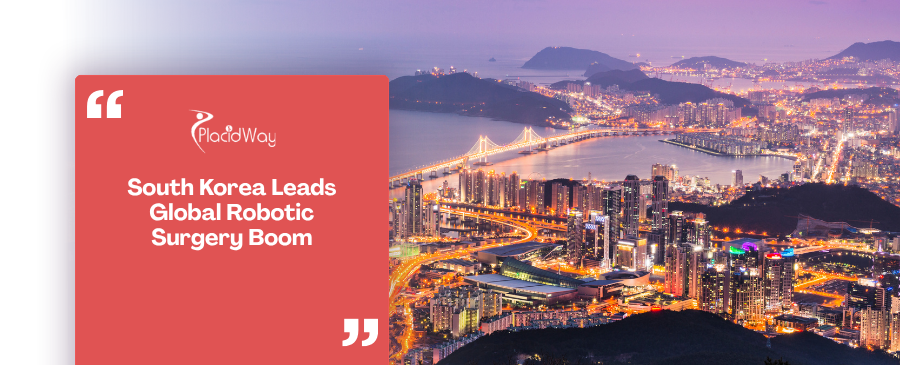
Driven by massive cost savings, thousands are seeking advanced robotic surgery in South Korea. US and Thai patients are fueling a boom, bypassing high domestic fees for world-class, ultra-precise medical tourism in Seoul's high-tech hospitals.
The Driving Forces Behind the South Korean Medical Tourism Boom
The global medical tourism industry is experiencing a seismic shift, characterized by a groundbreaking economic boom centered entirely around ultra-advanced surgical technologies. Historically recognized as the global capital for cosmetic and plastic surgery, South Korea has strategically pivoted its vast medical infrastructure to dominate the complex field of automated, minimally invasive operations. This calculated evolution has transformed cities like Seoul into undeniable global hubs for patients requiring highly intricate, life-saving procedures, effectively redefining the standards of cross-border healthcare.
This explosive growth is heavily fueled by two distinctly different, yet equally motivated demographics: patients from the United States and Thailand. For North Americans, the driving force is predominantly economic, as they seek refuge from crippling healthcare inflation and fragmented insurance networks that often refuse to cover the premium costs of automated surgical systems. Conversely, medical tourists from Thailand—a country that is itself a massive medical hub—are traveling north specifically to access specialized robotic oncology procedures in South Korea that require proprietary hardware and elite oncological expertise not yet widely accessible in Southeast Asian facilities. Together, these populations are driving billions of dollars into the Korean medical economy.
Did You Know? South Korea possesses one of the highest densities of Da Vinci robotic surgical systems in the world. Leading hospitals in Seoul successfully perform over thousands of complex robotic-assisted surgeries annually, boasting some of the highest global survival and success rates for complex urological and gastrointestinal cancers.
Why US and Thai Patients Choose Robotic Surgery in South Korea
When confronted with a serious diagnosis requiring surgery, the method of intervention drastically dictates the patient's recovery trajectory and long-term health outcomes. Traditional open surgeries involve large incisions, significant blood loss, and prolonged, painful rehabilitation periods. Automated surgical systems completely mitigate these risks by allowing specialists to operate through incisions no larger than a dime. However, in the United States, an advanced robotic prostatectomy in Seoul is sought after precisely because the equivalent domestic procedure frequently results in out-of-pocket bills exceeding fifty thousand dollars, putting optimal healthcare entirely out of reach for the average citizen.
For the Thai demographic, the motivation leans heavily toward unparalleled sub-specialization. While Bangkok boasts world-renowned hospitals, patients requiring highly intricate automated interventions—such as affordable robotic joint replacement in South Korea or complex gynecological tumor removals—recognize the superior technological saturation of the Korean medical landscape. South Korean surgeons are deeply embedded in the research and development phases of these technologies, offering international patients access to next-generation surgical software and highly customized post-operative oncology protocols that set a global benchmark for medical excellence.
Understanding Premium Packages for Robotic Procedures in Seoul
To flawlessly accommodate the massive influx of international patients, top-tier South Korean medical institutions have completely optimized the surgical journey by offering transparent, all-inclusive medical packages. These bundles are meticulously designed to alleviate the deep anxiety associated with navigating a foreign healthcare system, ensuring every clinical and logistical detail is managed perfectly. When booking a specialized robotic intervention, patients can typically expect:
- Advanced AI-Driven Diagnostics: Pre-surgical mapping using ultra-high-definition 3D MRI and CT scans, analyzed by artificial intelligence to plot the most non-invasive surgical pathway.
- Consolidated Surgical Fees: Absolute financial transparency covering the primary robotic surgeon, specialized anesthesiology, utilizing the Da Vinci or MAKO robotic platforms, and operating room fees.
- Dedicated Bilingual Medical Concierge: 24/7 personal coordinators fluent in English and Thai who guide patients through consultations, medical paperwork, and post-operative instructions.
- Smart Inpatient Suites: Recovery in private, technologically integrated hospital rooms equipped with automated vitals monitoring, specialized dietary menus, and climate control.
- Comprehensive Rehabilitation: Immediate access to in-house physical therapy, specific to the surgical procedure, ensuring mobility is restored rapidly before the patient's international flight home.
Cost Comparison: Robotic Surgery in South Korea vs. The US
The financial data surrounding cross-border automated healthcare makes an indisputable case for medical travel. American patients, in particular, suffer from a chronically opaque billing system where robotic-assisted surgical fees are notoriously inflated. Hospitals in the US frequently add massive surcharges simply for turning on the robotic console, classifying it as a "premium tech fee." In stark contrast, South Korean mega-hospitals utilize these machines with such high frequency that the overhead costs are dramatically diluted, allowing them to offer the exact same, if not technologically superior, procedures at a fraction of the Western price.
By providing a single, consolidated invoice upfront, South Korean facilities protect international travelers from the dreaded "surprise medical bills" that plague the US system. The mathematical reality is that a patient can fly across the globe, stay in a luxury hotel, undergo cutting-edge automated surgery, and return home while still retaining tens of thousands of dollars in savings.
The Cutting-Edge Infrastructure Powering South Korean Hospitals
Walking into a premier medical institution in Seoul is akin to stepping into the future of global healthcare. The national government has heavily subsidized and championed the integration of smart technologies into patient care, resulting in infrastructures that are heavily heavily digitized. From 5G-connected operating theaters that allow real-time global consultations to automated pharmacy dispensaries that eliminate human medication errors, every square inch of these massive hospital complexes is engineered for maximum clinical efficiency and absolute patient safety.
At the heart of this technological revolution are the robotic surgical platforms themselves. South Korean hospitals do not simply use the technology; they master it. Facilities are equipped with the absolute latest iterations of the Da Vinci Xi systems, MAKO robotic arms for orthopedics, and localized surgical bots designed for hyper-specific organ interventions. These machines translate a surgeon’s hand movements into smaller, more precise movements of tiny instruments inside the patient's body. The integration of 3D high-definition vision systems magnifies the surgical field up to ten times, allowing doctors to navigate delicate nerves and blood vessels with an unprecedented level of safety.
"The global healthcare landscape is shifting dramatically. We are seeing a massive economic boom as patients from the US and Southeast Asia recognize that South Korea offers an unparalleled intersection of next-generation robotic surgical technology and cost transparency. Patients no longer have to compromise on precision or bankrupt themselves to access life-saving, minimally invasive treatments."
— Pramod Goel, CEO of PlacidWay
Unmatched Precision: The Safety Standards of Korean Surgeons
The technological marvel of a surgical robot is entirely dependent on the mastery of the human operating it. In South Korea, the medical education system is notoriously rigorous, producing some of the most disciplined and highly skilled medical professionals on the planet. To earn the right to operate advanced robotic consoles, Korean surgeons undergo exhaustive certification processes, hundreds of hours of simulation training, and intensive international fellowships. They are held to extraordinarily high national regulatory standards, ensuring that only the absolute elite are permitted to perform these complex automated interventions.
Furthermore, the sheer volume of cases handled by these specialists contributes directly to their unmatched proficiency. Because South Korea attracts such a massive domestic and international patient base, a single robotic surgical team in Seoul may perform more complex automated tissue dissections in a month than a Western regional hospital might see in an entire year. This high-volume repetition builds deep muscle memory and intuitive mastery of the robotic software, directly correlating to significantly lower complication rates, near-zero infection rates, and vastly superior clinical outcomes for those seeking to compare robotic surgery options in South Korea.
Did You Know? Robotic surgical arms possess multiple joints that mimic the human wrist but with a vastly greater range of motion. Their advanced software algorithms completely filter out natural human hand tremors, allowing South Korean specialists to perform microscopic suturing in incredibly confined spaces like the pelvis with flawless, machine-like stability.
The Strategic Role of PlacidWay in Navigating Cross-Border Healthcare
While the medical and financial advantages of traveling to South Korea are overwhelming, attempting to coordinate a highly complex international surgery independently is a massive undertaking. Identifying universally accredited hospitals, verifying a surgeon’s specific robotic certifications, translating intricate medical histories, and organizing medical visas can create a paralyzing amount of stress for patients who should be entirely focused on their health. Navigating language barriers and time zones only further complicates the logistics of securing premium healthcare abroad.
This is where medical tourism facilitators become absolutely critical. Acting as a dedicated, independent patient advocate, PlacidWay curates an elite network of deeply vetted, internationally accredited South Korean medical facilities. Through their platform, patients from the US and Thailand can effortlessly review authentic provider profiles, analyze transparent cost structures, and secure secure virtual telemedicine consultations with lead robotic surgeons before ever making a commitment. By dismantling the logistical barriers of international medical travel, PlacidWay empowers patients to take absolute control over their medical destinies.
What to Expect During Your Robotic Surgery Recovery in Seoul
One of the most profound benefits of automated, minimally invasive surgery is the dramatically accelerated recovery timeline. Because robotic instruments require only tiny incisions, there is minimal trauma to surrounding muscles and tissues. In South Korean medical centers, this inherently rapid healing process is further optimized by holistic, patient-centric post-operative care. Following surgery, international patients recover in serene, high-tech environments where pain management is meticulously monitored and infection control protocols are stringent. Dedicated nursing staff ensure that patients are comfortably mobile within hours of waking, a critical factor in preventing post-surgical complications.
Before clearance is granted to fly back to the US or Thailand, patients undergo a thorough, comprehensive discharge process. The surgical team provides extensively translated medical records, high-definition digital copies of the surgical imaging, and highly detailed physical therapy and dietary guidelines tailored to the specific procedure. Furthermore, digital follow-up consultations are scheduled to monitor the patient's long-term progress once they return home. This concierge-level continuum of care guarantees that patients not only experience a flawless surgical intervention but also enjoy a safe, rapid return to their optimal quality of life.












Share this listing