


South Korea Drives Surge in Elite Robotic Surgery Tourism

Southeast Asia is fueling a massive boom in medical tourism, with thousands crossing borders for elite, affordable High-Tech Robotic Surgeries in South Korea. Driven by unmatched precision and rapid recovery rates, patients are securing world-class, tech-driven healthcare just a short flight away.
The Explosive Demand for Precision Robotic Surgeries in South Korea
The global healthcare landscape is undergoing a monumental technological shift, and the Asia-Pacific region is right at the epicenter. Historically, patients traveling across borders for medical care sought out more affordable cosmetic enhancements or essential dental work. However, a profound evolution has taken place. Today, a rapidly growing demographic of highly informed, health-conscious individuals from Southeast Asian countries are seeking out advanced, life-saving, and mobility-restoring interventions. They are specifically looking for highly specialized procedures, fueling an unprecedented demand for High-Tech Robotic Surgeries in South Korea. This medical migration is characterized by a pursuit of absolute surgical precision, minimized human error, and the promise of drastically reduced post-operative recovery timelines.
Leading medical institutions in Seoul and beyond have aggressively invested billions in state-of-the-art robotic surgical systems, far outpacing the technological acquisition rates of neighboring nations. Whether patients require intricate oncological tumor removals or a complex Robotic Joint Replacement in South Korea, these elite hospitals offer unparalleled access to multi-million-dollar robotic arms that translate a surgeon's hand movements into smaller, highly precise micro-movements. For patients traveling from emerging markets where such advanced machinery is either exceedingly rare or exclusively reserved for the ultra-wealthy, South Korea presents a democratized, highly accessible gateway to the very future of surgical medicine.
Did You Know? South Korea boasts one of the highest per-capita concentrations of surgical robots globally. Top-tier hospitals in Seoul seamlessly integrate AI-driven imaging with robotic interfaces, reducing surgical complication rates to historically low single digits for complex, minimally invasive oncology cases.
Why Southeast Asian Patients Are Bypassing Local Medical Options
The massive influx of international patients arriving at Incheon International Airport is a direct result of distinct healthcare gaps within Southeast Asian nations. In fast-growing economies like Indonesia, Vietnam, and the Philippines, the domestic healthcare infrastructure is frequently strained by high patient volumes and a severe bottleneck regarding the acquisition of next-generation medical technology. Consequently, patients facing critical diagnoses often endure agonizingly long waitlists just to secure a consultation with a locally available specialist. Furthermore, when complex surgical interventions are required, domestic clinics may still rely heavily on traditional open-surgery methods, which inherently carry higher risks of major blood loss, extended hospitalizations, and elevated infection rates.
Conversely, the geopolitical and cultural proximity of South Korea offers an irresistible alternative. South Korean medical visa processes have been incredibly streamlined for Southeast Asian citizens, facilitating rapid deployment for urgent medical needs. Patients are not just buying a surgical procedure; they are purchasing invaluable time and peace of mind. By opting for minimally invasive robotic surgery in South Korea, patients bypass months of anxious waiting in their home countries. They step immediately into a hyper-efficient, concierge-level medical ecosystem where highly specialized surgeons utilize advanced robotics to transform massive, traumatic incisions into mere keyhole procedures, allowing patients to regain their quality of life in a fraction of the traditional time.
The Most Sought-After High-Tech Robotic Procedures in South Korea
The spectrum of robotic applications available to international medical travelers has expanded exponentially. South Korean hospitals do not simply use robots for a single specialty; they have developed entire multi-disciplinary departments dedicated to machine-assisted interventions. This comprehensive approach ensures that complex pathologies across various anatomical systems can be addressed with sub-millimeter accuracy. Below are the most highly requested robotic procedures driving Southeast Asian medical tourism:
- Robotic Prostatectomy in South Korea: Utilizing the da Vinci surgical system, leading urologists perform nerve-sparing prostate cancer removals that dramatically preserve urinary continence and sexual function compared to conventional open surgery.
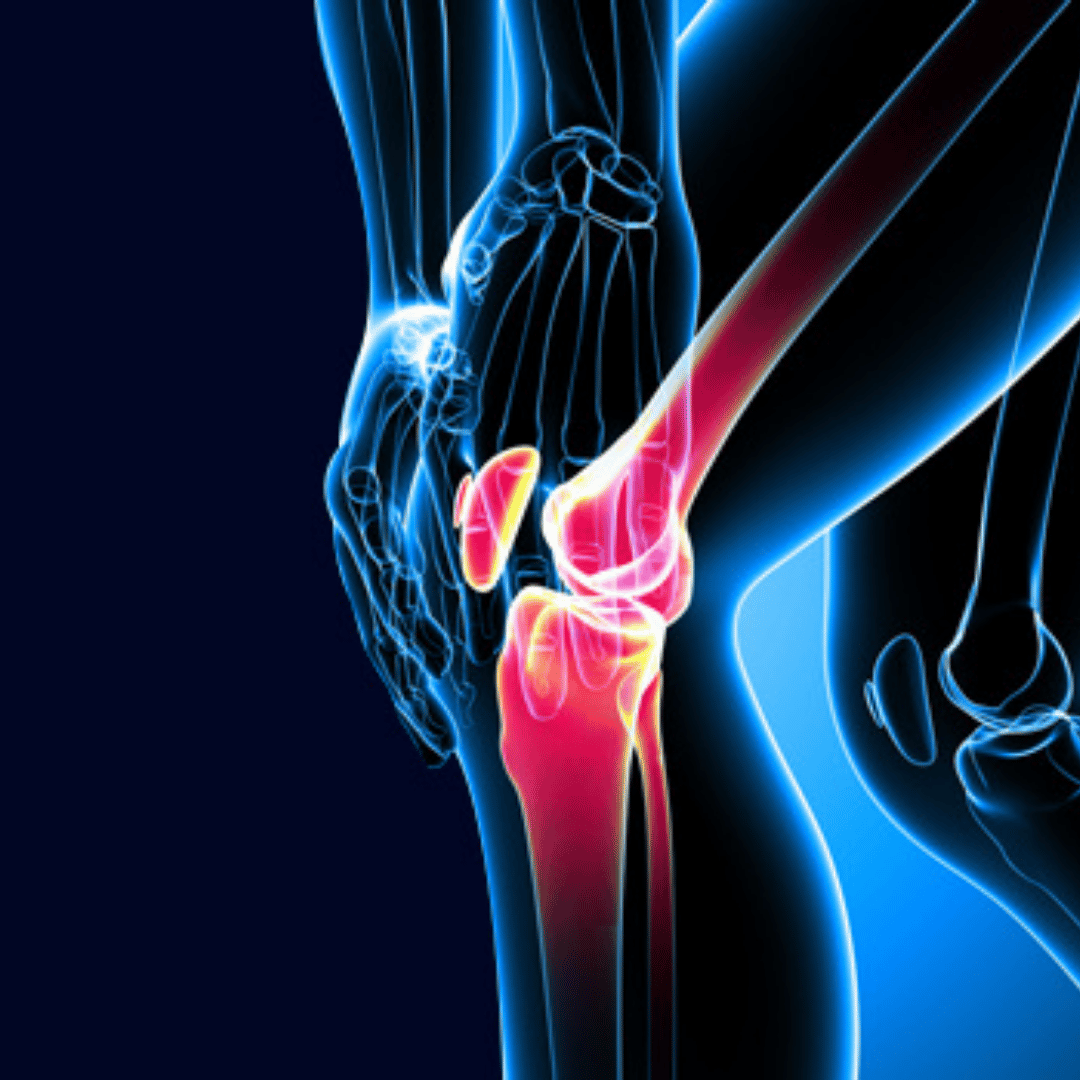
- Advanced Robotic Joint Replacement: Utilizing 3D bone mapping and robotic arms (such as Mako), orthopedic surgeons achieve perfect implant alignment in knee and hip replacements, minimizing wear-and-tear and significantly extending the lifespan of the artificial joint.
- Complex Gynecological Oncology: Robotic-assisted hysterectomies and myomectomies offer women battling severe endometriosis or uterine cancers a definitive treatment path with dramatically reduced pelvic trauma and invisible scarring.
- Robotic Spinal Fusion and Navigation: Integrating real-time 3D imaging with robotic screw placement allows spine surgeons to navigate delicate nerve roots with perfect trajectory, drastically reducing the risk of postoperative paralysis or nerve damage.
- Gastrointestinal and Colorectal Resections: For patients battling stomach or colon cancers, advanced robotic cancer surgery in Seoul permits the meticulous removal of diseased tissues and surrounding lymph nodes while preserving maximal healthy digestive function.
Comparing the True Cost of Robotic Medical Procedures in Asia
When analyzing the financial dynamics of the Asian medical tourism market, a fascinating paradigm emerges. Hubs like Singapore and Japan boast excellent technological capabilities, but their pricing structures are frequently prohibitive, heavily mirroring the exorbitant costs found in the United States and Western Europe. South Korea has strategically positioned itself perfectly in the center of the market: offering medical infrastructure that objectively rivals or surpasses top Western hospitals, but deploying it at a price point that remains highly accessible to the rising upper-middle class of Southeast Asia.
A core pillar of South Korea’s medical tourism success is the complete transparency of its financial models. International departments within major Korean hospitals provide comprehensive, bundled packages that eliminate the fear of hidden fees. These comprehensive quotes generally encompass the high-tech robotic theater fees, the specialized surgeon's premium, anesthesiology, extended inpatient recovery room costs, and localized post-operative medications. This level of financial predictability is a massive relief for patients funding their own life-saving interventions across borders.
The Cutting-Edge Medical Infrastructure Powering Korea’s Hospitals
Walking into a premier medical center in Seoul feels akin to stepping directly into the next decade of healthcare. The South Korean government and private medical sectors have seamlessly integrated hyper-advanced digital technology into every facet of the patient experience. This "Smart Hospital" architecture is completely pervasive. Surgical operating theaters are routinely equipped with ultra-high-definition 4K and 3D visual monitors, perfectly synced with 5G networks that allow for real-time remote pathological analysis during the procedure. The robotic consoles themselves are stationed in ergonomically optimized command centers within the operating room, fully insulated from environmental variables.
Moreover, this high-tech infrastructure directly correlates to superior patient safety and clinical outcomes. Blood banks are automated, digital patient-tracking wristbands monitor real-time vital metrics, and autonomous robotic delivery systems transport sterile surgical instruments throughout the hospital corridors. By minimizing human contact with sterilized surgical equipment and utilizing advanced HEPA-filtered laminar airflow systems within the operating rooms, South Korean medical centers have managed to suppress hospital-acquired infection rates to extraordinary lows. For an international patient flying thousands of miles for orthopedic robotic procedures abroad, this flawless, science-fiction-level infrastructure is the ultimate guarantee of safety.
"The migration of Southeast Asian patients to South Korea represents a massive evolution in global medical travel. Patients are no longer simply seeking cost savings; they are actively pursuing superior technological outcomes. South Korea’s absolute mastery of advanced robotics provides unparalleled precision, giving international patients access to life-changing surgical procedures with unprecedented safety and minimal recovery timelines."
— Pramod Goel, CEO of PlacidWay
Global Safety Standards and Rigorous Korean Surgeon Certifications
Underpinning the flashy robotic hardware is a fiercely regulated, intensely competitive medical education system that produces some of the most capable surgical hands on the planet. The South Korean Ministry of Health and Welfare enforces draconian oversight over medical facilities catering to international patients. The most prestigious clinics not only maintain stringent national accreditations like the Korean Accreditation Program for Hospitals Serving Foreign Patients (KAHF) but also proudly carry the gold standard of international medical safety: Joint Commission International (JCI) accreditation. This ensures that every clinical protocol, from anesthesia administration to emergency resuscitation, meets strict global benchmarks.
Crucially, operating a multi-million-dollar surgical robot requires infinitely more than a basic medical license. South Korean surgeons seeking to utilize robotic systems must undergo rigorous, multi-year fellowship programs dedicated explicitly to machine-assisted surgery. They log hundreds of hours in hyper-realistic virtual simulators before ever touching a human patient. Furthermore, leading international hospitals mandate exceptionally high procedural volume minimums. This ensures that a patient undergoing advanced robotic cancer surgery in Seoul is being operated on by a master surgeon who performs these intricate mechanical maneuvers daily, rather than a physician who only occasionally utilizes the technology.
Did You Know? Due to specialized medical centralization, many elite South Korean robotic surgeons average over 400 to 500 robot-assisted cases annually. This hyper-specialization guarantees an unparalleled level of digital muscle memory and technical mastery, drastically reducing operative times and mitigating patient blood loss.
The Strategic Role of PlacidWay in Navigating Cross-Border Healthcare
Despite the overwhelming advantages, coordinating major robotic surgery in a foreign country possessing a distinct language and culture can be a daunting logistical hurdle for any patient. The anxiety of transferring medical records, overcoming the Korean-English language barrier during deeply complex medical consultations, and verifying the legitimate credentials of a distant hospital can easily deter a patient from seeking the care they desperately need. This intricate web of logistics is where specialized, internationally recognized medical tourism platforms become a mandatory asset for the modern global patient.
Acting as an elite, independent facilitator, PlacidWay bridges the complex gap between Southeast Asian patients and South Korea’s most technologically advanced medical centers. PlacidWay meticulously curates a network of thoroughly vetted, JCI-accredited robotic surgery departments. Patients can utilize the platform to securely transmit their diagnostic imaging, seamlessly compare detailed provider profiles, and engage in direct, translated virtual consultations with top-tier Seoul surgeons before ever booking a flight. By actively managing the heavy logistical lifting—from securing transparent financial quotes to arranging specialized medical visas—PlacidWay empowers patients to focus 100% of their energy on their health and impending recovery.
What to Expect During Robotic Surgery Recovery in South Korea
The most magical aspect of minimally invasive robotic surgery is precisely what happens after the patient wakes up. Because advanced robotics rely on tiny, centimeter-wide keyhole incisions rather than massive structural cuts, the physical trauma inflicted upon the patient's body is exponentially minimized. Patients undergoing complex procedures, such as a robotic prostatectomy or major joint replacement, frequently report drastically reduced pain levels. This lack of severe surgical trauma radically accelerates the rehabilitation process, allowing patients to stand, walk, and begin physical therapy mere hours after leaving the operating theater.
The South Korean medical tourism infrastructure has perfected the post-operative transition. Following the required inpatient stay in a luxury, technologically monitored VIP suite, international patients are seamlessly transitioned into specialized medical-recovery hotels located strategically close to the hospital campus. These recovery environments offer specialized dietary menus, continuous vital sign monitoring by visiting nurses, and dedicated medical interpreters who assist with post-operative follow-up appointments. Once the final surgical clearance is granted, patients are provided with concierge ground transportation back to the airport, culminating a flawlessly executed medical journey that returns them to Southeast Asia healthier, fully mobile, and fundamentally transformed by the power of modern robotics.




Share this listing